007 First Light review – a narrative tour-de-fource, though one lacking the replayability of Hitman’s fathomless sandboxes
Premium Bond.
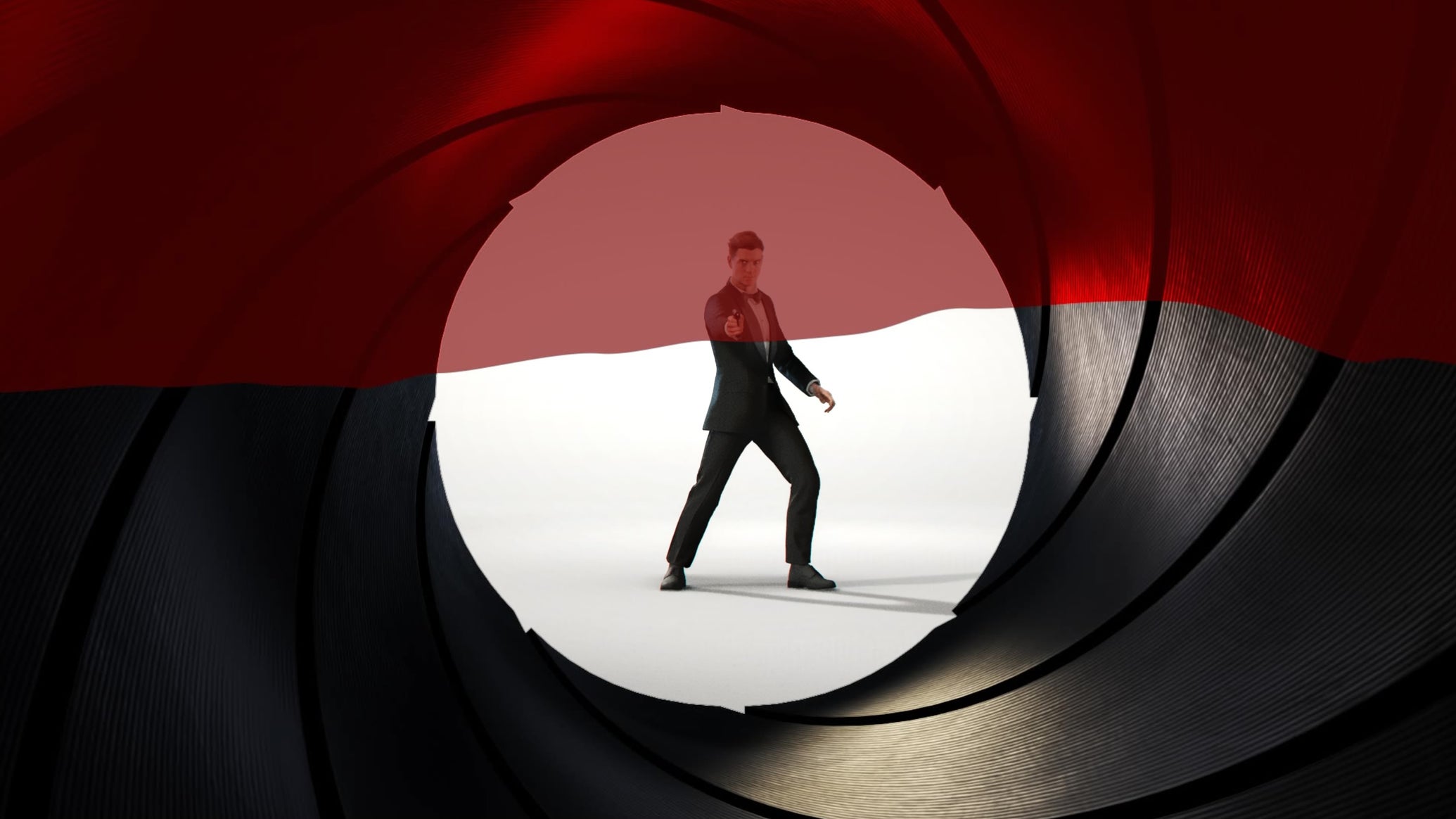

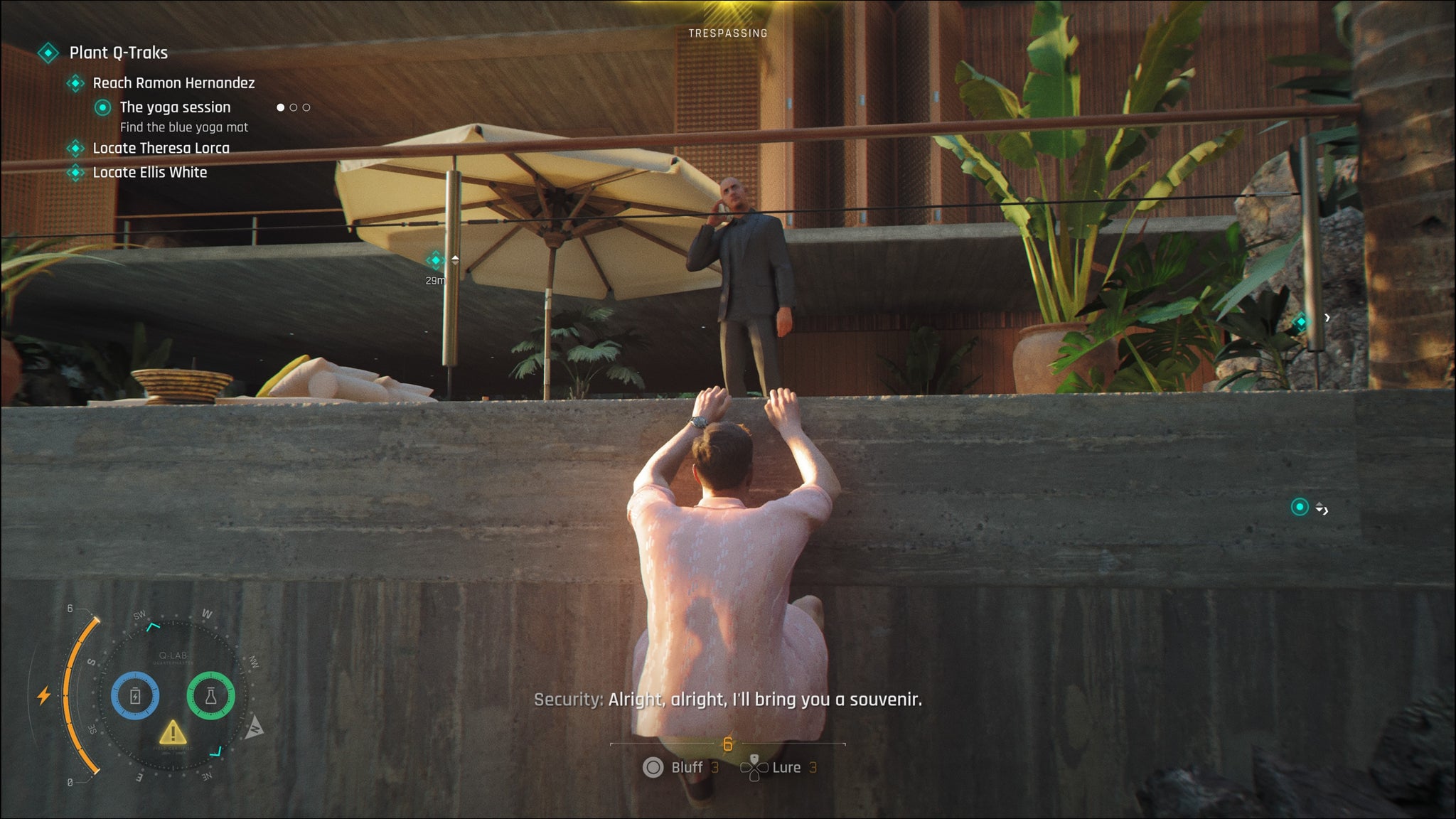
The magic of 007 First Light is in the bluff. When IO Interactive‘s young James Bond is caught out yet again trying to sneak through some restricted area, he has numerous ways to resolve the situation. Gadgets. Fists. Guns. Whatever’s lying on the nearest surface. But the most novel, and in some ways most satisfying, is simply to blag it. Pressing Circle (on PlayStation) will cause Bond to blurt out some impeccably improvised lie, stunning guards into second-guessing their suspicions and opening a brief window for Bond to slip by.
Bluffing isn’t First Light’s primary or even secondary mechanic. But it is its defining one. Partly because of how it encapsulates the devastating charisma of Britain’s favourite sociopath. But equally because, in some ways, First Light is itself a 15-hour long bluff.
In making First Light, IO Interactive found itself in the bizarre position of having to convince players that a James Bond game is worthier of its talents than another entry in its incredible Hitman series – comfortably the best stealth games of the last ten years. IO achieves this, primarily, by talking you around to the idea. First Light is not IO Interactive’s best game. But it is by far the studio’s best-written game, and like the superspy himself, it keeps you on side even in its weakest moments by sheer dint of its personality.
But before we get to that, let’s tie First Light to a chair and interrogate how it plays. First Light is, ultimately, a linear action-adventure. But it frequently pretends that it isn’t, infusing both social and, er, antisocial stealth into its exquisitely disguised corridors.
Each of its nine-or-so missions has roughly four modes of play, sneaking, brawling, shooting, and what, in lieu of a proper term, I’m going to dub “spycraft”. This is Hitman-style intelligence gathering, a mixture of eavesdropping, social stealth, and NPC manipulation, usually performed in a more open space.
Sometimes these modes are clearly delineated. Other times, they interweave. But the fundamental difference between First Light and Hitman is that First Light is never a true sandbox. Sometimes you can go left or right. Sometimes you can punch or sneak. But in the end, it has a place it wants you to go and an objective it wants you to complete.
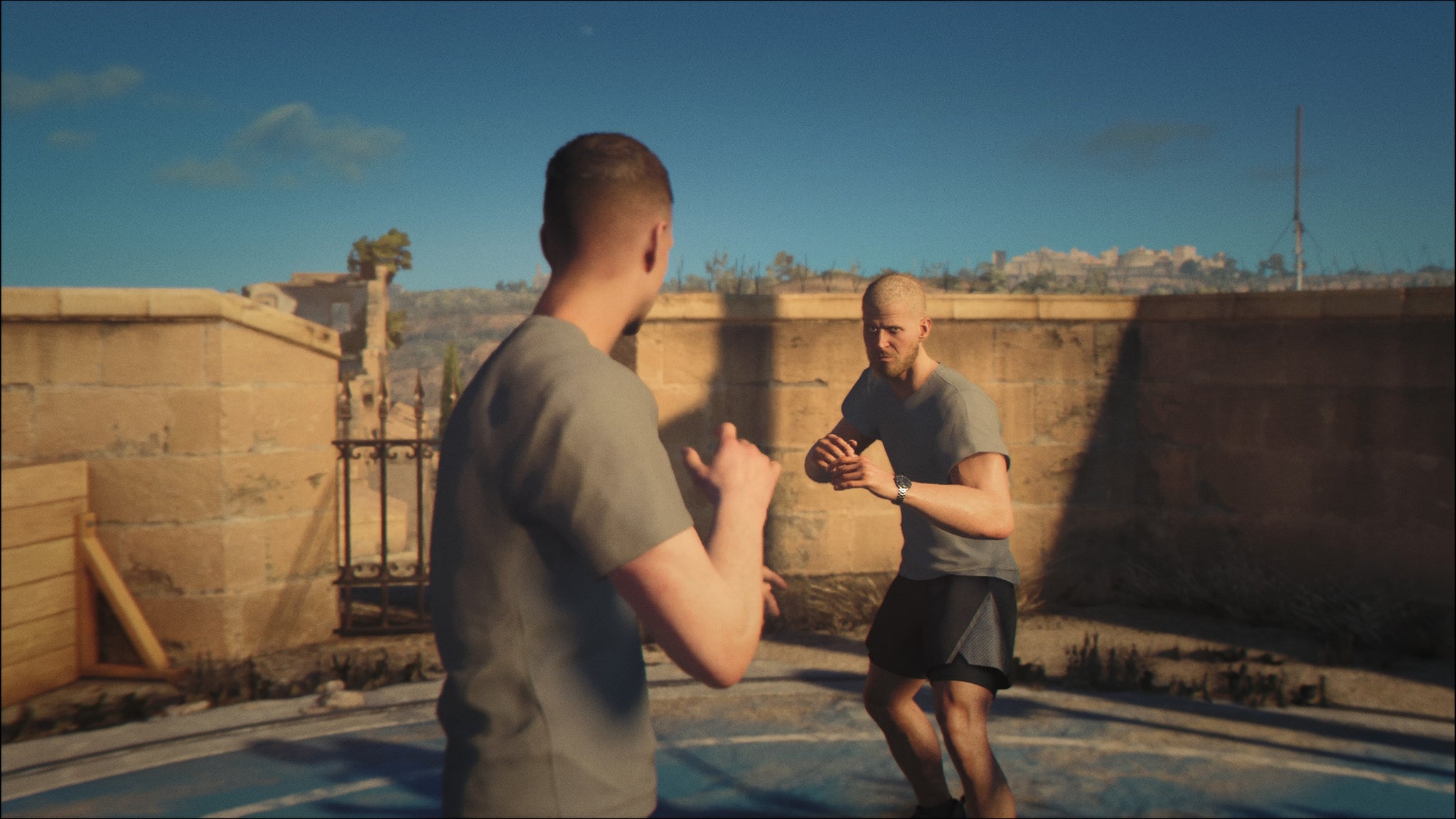
Of these four modes, First Light is most successful as a brawler, which is impressive considering it’s new to IO’s toolset. When his cover is blown, Bond can punch, grapple, and throw enemies around in a combat system strongly reminiscent of open-city sicko favourite Sleeping Dogs.
Like Sleeping Dogs, First Light’s brawling is designed to look messy and chaotic, as opposed to the sleeker combat of Arkham Asylum. But this is part of what makes it so entertaining. Fights inevitably end up with Bond absolutely wrecking the joint, swiping up bottles and nameplates off surfaces and lobbing them straight into an enemy’s face, smashing into shelves, server stacks, desks as he wrestles with them. Supporting all this chaos is some tremendous animation work, a near seamless blend of kinematics and physics. Sometimes you’ll punch an enemy so hard they’ll tumble backwards over a desk, collapse on the floor in a pile of limbs, then struggle to their feet and drunkenly raise their fists. It’s beautiful.
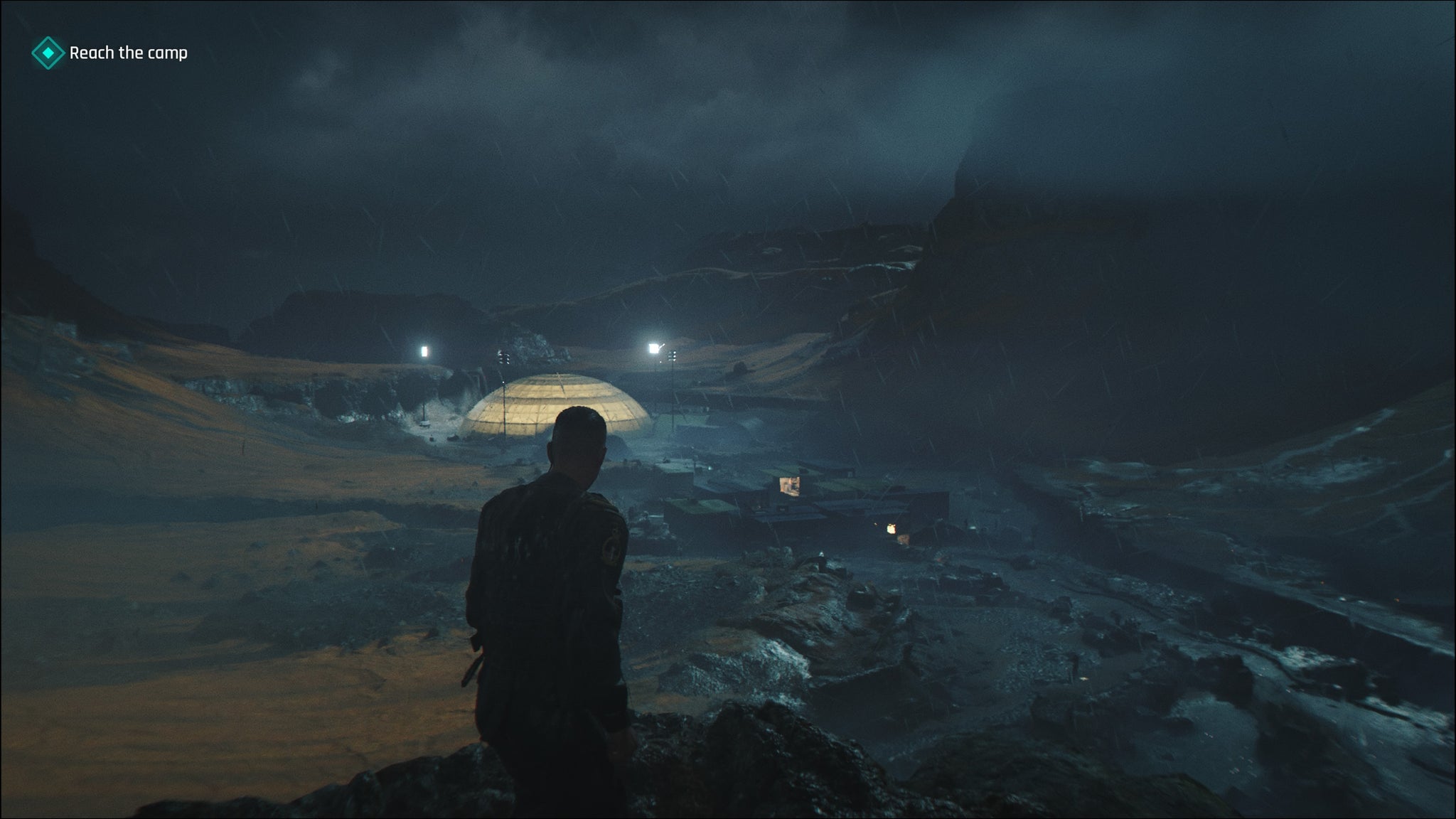
It’s likely because the brawling is so fun that stealth seems designed to encourage you toward it. You can play much of First Light sneakily, but this is not a game of ghosting your way to the objective. IO knows that Bond is most fun when extricating himself from a sticky situation, so guards are generally positioned where you cannot tiptoe around them. Instead, you’ll have to try to knock them out, bluff your way through a chokepoint, or employ one of Bond’s gadgets to create a distraction.
Indeed, stealth could be described as ‘gadget-based’. Bond can use his watch to hack electronic devices to cause distractions, blind enemies with a laser pen, or, most amusingly, use a dart-firing smartphone to induce sudden-onset nausea into the unfortunate target, forcing them to locate the nearest bin or bathroom. While not as electric as beating everyone to a pulp, unpicking First Light’s patrol-based puzzles is satisfying in its own way, and encourages you to stick with stealth at least until you’re spotted.
Caption
Attribution
Yet no matter how sneaky you are, sometimes Bond is obliged to go loud, and First Light transforms into an out-and-out cover shooter. Gunplay is best summarised as “adequate”, though frankly it’s not so much about shooting enemies as it is the bright crimson explosive objects next to enemies. In its action sequences, First Light aims to recreate the particular spectacle of the Bond films, with enemies flying into the air, tumbling over gantry-rails, and being buried in collapsing debris as Bond rolls through the environment like a wrecking ball off its chain.
While First Light is varyingly good at all of the above, it is at its best when these three elements combine. A mid-to-late game sequence involved infiltrating a house crawling with enemies in a Vietnamese spa resort, with no restrictions on how to approach it. Upon entering the house through the roof, I rounded a corner to be confronted by a small army of foes – a proper “Han Solo in the Death Star” moment. Without thinking, I did the reverse of Han, charging directly into the fray while juggling guns and fisticuffs in proper seat-of-your pants action. It was fantastic fun, though I will say, more broadly, that it takes a while to get to grips with First Light’s many controls.
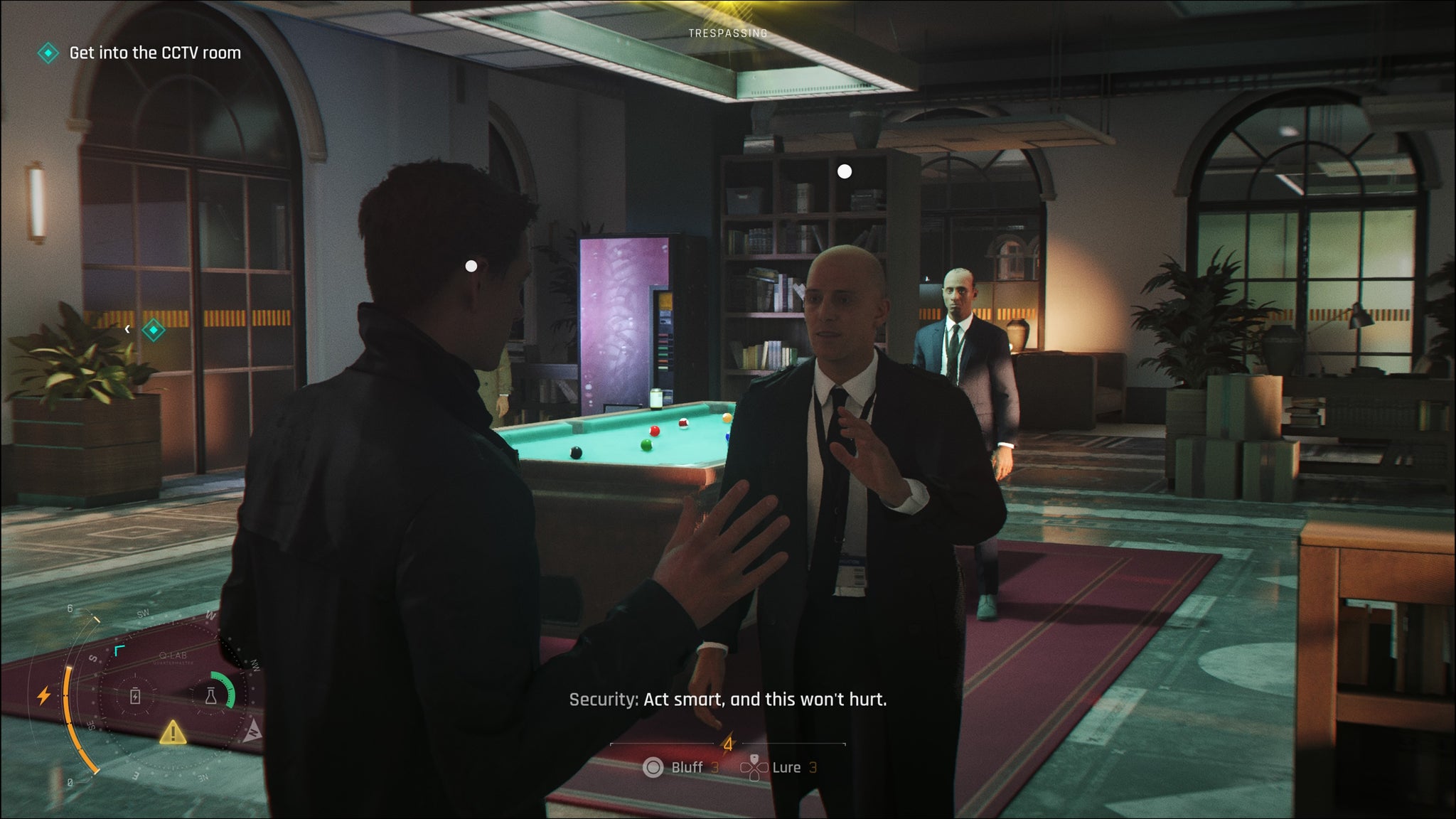
Finally, we come to the spycraft element. It’s here where First Light most closely aligns itself with Hitman, and also where its biggest weaknesses are exposed. These scenarios see Bond trying to complete a seemingly open-ended objective, such as trying to raise funds to enter a black-market armaments auction, or access the basement of a luxury hotel.
These wear the skin of Hitman’s sandbox levels, right down to eavesdropping on NPCs to pick up “opportunities”. But where Hitman’s opportunities were introductory ways of helping you master a level, here they mostly lead you by the nose to the thing you’re supposed to do anyway. They feel like an obligatory feature to placate the Hitman crowd, but they just end up reminding you of what First Light isn’t, rather than elevating what it is.
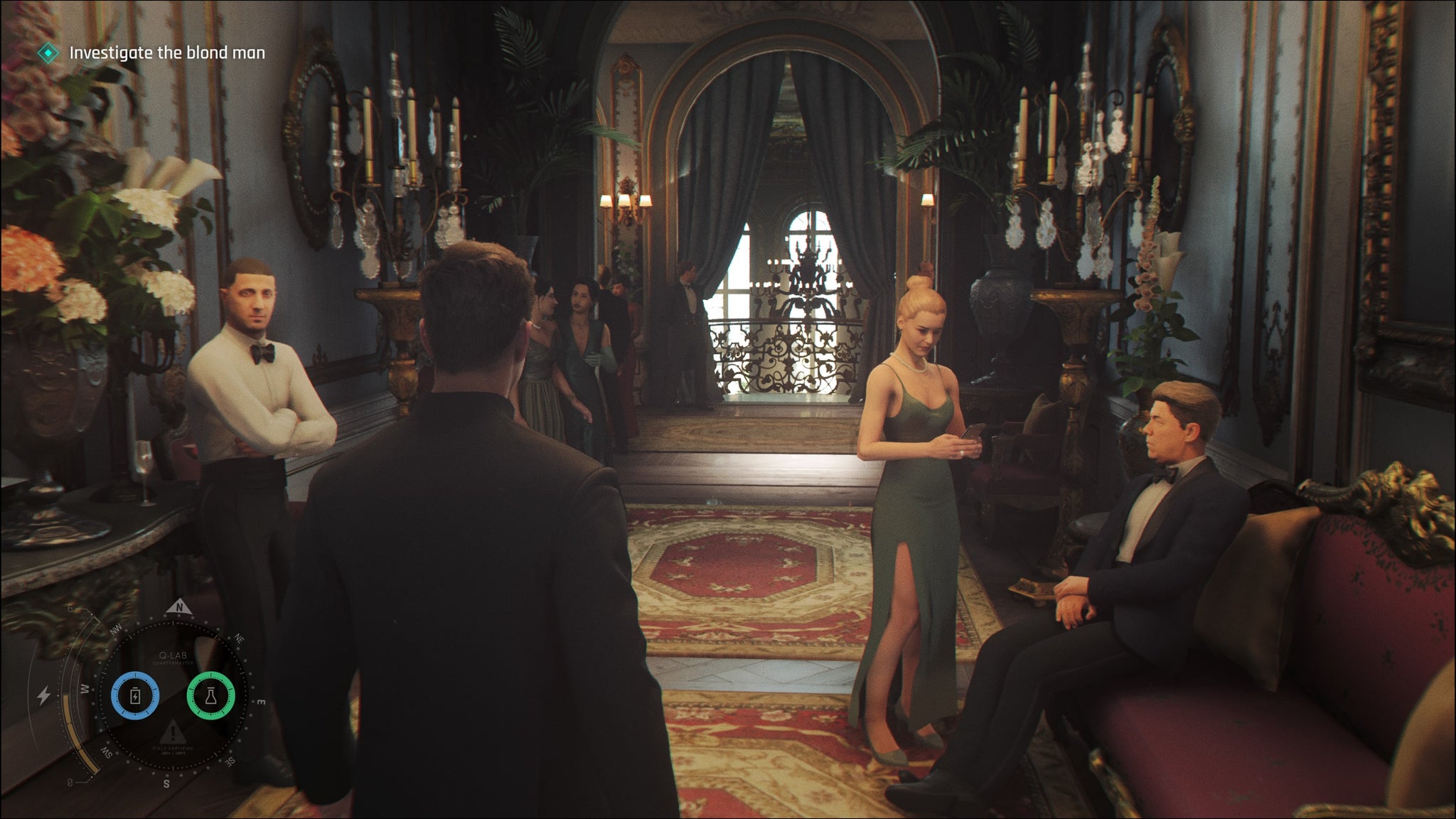
Indeed, you may have noticed that I’ve not mentioned any of the levels thus far in First Light. That’s because First Light isn’t really about levels in the same way Hitman is. Certainly, IO brings the same artistic talents to its environments. Each location is imaginatively conceived, stunningly presented, and realised with phenomenal attention to detail. But they are, for the most part, spaces that Bond is just passing through on the way to his next objective, and as such they don’t linger in the mind the way a Sapienza or a Miami does.
Caption
Attribution
There also isn’t a vast amount of replay value to the campaign. I would happily run through it a second time just so I could enjoy it with full comprehension of its control scheme, but beyond that, it’s the kind of experience you might return to once every few years. There is a challenge mode alongside the campaign called Tactical Simulations, which chops up existing levels into a variety of quickfire combat and infiltration missions, with its own progression systems and plans for post-release support. It’s alright, and does provide the game with some extra legs. But it just doesn’t have the same appeal of “Here’s a massive level you can explore dozens of different ways.”
If you’re a fan of Hitman, First Light will never silence that nagging voice that says it represents a missed opportunity, a chance to let you truly be your own Bond. And there was a point, during a mid-game mission where you spend far too long traipsing through a near-empty office, where I briefly questioned the entire enterprise.
The good news is that the Bond you do get proves himself a winner, as does virtually every other character you encounter on your adventure. I cannot stress enough how well written First Light is. It’s a bit of a shock, considering narrative design has never been one of IO Interactive’s strengths (or at least, not the thing you come to its games for). Either way, this is no longer the case. IO delivers the sharpest, most entertaining script in the triple-A space since Eidos’ Guardians of the Galaxy game, one where almost every line lands with wit, soul, or both.
Let’s start with Bond himself. IO set themselves a huge challenge by giving us a young, unrefined Bond, one who lacks the rugged experience of a Connery or a Moore. But what results from this is perhaps the most empathetic Bond yet. The introductory mission sets him up superbly, throwing him into the midst of a hugely dangerous mission he wasn’t supposed to be a major player in. There’s none of the suave cockiness you typically associate with Bond here. He’s visibly out of his depth, acutely aware of the situation’s severity, and going above and beyond regardless in a way that makes you root for him from the start.
Following this, the game gives over a good couple of hours to bedding in who Bond is, the challenges and relationships that shape him as a spy. This includes an ingeniously constructed tutorial mission that introduces the core mechanics in a way that makes you feel like you’re being put through your paces in exact parallel with Bond.
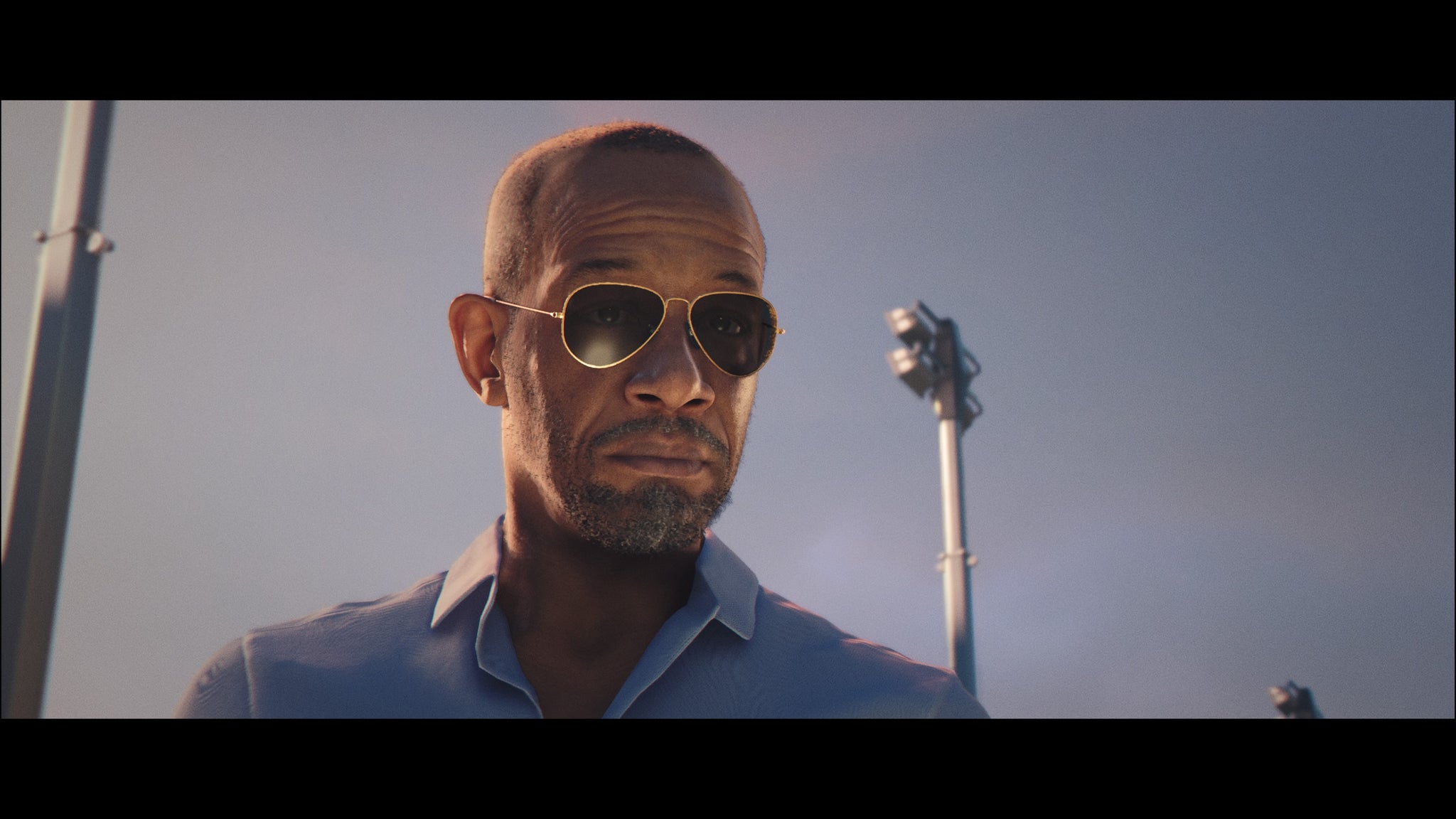
Consequently, the Bond who emerges from all this feels earned in his confidence and his quips (it helps that the quips are great). But the real surprise in First Light is how strong the secondary cast is. This includes a great Moneypenny and a surprisingly fatherly Q, but also an endearing cast of new characters. Bond’s fellow trainees Cressida and Monroe really help sell the young spin on Bond, beautifully capturing the eagerness of youth. The idea of Bond having flatmates seems ridiculous in isolation. But First Light pulls it off so convincingly that you don’t ever question it. The standout, though, is Greenway, Bond’s reluctant mentor. Lennie James’ performance of this world-weary spy arguably brings the whole project together, and I relished every scene he and Patrick Gibson have together.
It isn’t entirely perfect. The villains are decent, but none of them get enough time with Bond to establish a meaningful adversarial relationship. The casting of Lenny Kravitz as a secondary antagonist is also A Choice. But these are minor blemishes in the scheme of things. I haven’t even mentioned the incidental dialogue, which is some of the best you will ever hear. There’s a lengthy midsection set in London that features some exquisitely British guard chatter, from a hired goon swiping through Tinder on his phone (“Need to tone it down on the filters, love”), to two guys arguing about whether the pyramids were built by aliens (“How’d they get the stones up there?” “It’s called physics, mate!”).
First Light knows exactly when to be funny, exactly when to be serious, exactly when to deliver the right character beats. It every bit lives up to the films in this manner, and it does so consistently for five, ten times as long. It utterly sells you on IO’s decision to give you their Bond rather than your Bond. Hence why I say that First Light is a fifteen-hour long bluff.
First Light isn’t the Bond game that I wanted from IO Interactive. But I had a great time with it regardless. IO has proved it was the right studio to handle the license, albeit for different reasons than I expected. Amazon may not have a clue what to do with 007, but letting IO handle the whole shooting match would not be the worst idea.
A copy of 007 First Light was provided for this review by IO Interactive.
The magic of 007 First Light is in the bluff. When IO Interactive‘s young James Bond is caught out yet again trying to sneak through some restricted area, he has numerous ways to resolve the situation. Gadgets. Fists. Guns. Whatever’s lying on the nearest surface. But the most novel, and in some ways most satisfying, is simply to blag it. Pressing Circle (on PlayStation) will cause Bond to blurt out some impeccably improvised lie, stunning guards into second-guessing their suspicions and opening a brief window for Bond to slip by.
Bluffing isn’t First Light’s primary or even secondary mechanic. But it is its defining one. Partly because of how it encapsulates the devastating charisma of Britain’s favourite sociopath. But equally because, in some ways, First Light is itself a 15-hour long bluff.
In making First Light, IO Interactive found itself in the bizarre position of having to convince players that a James Bond game is worthier of its talents than another entry in its incredible Hitman series – comfortably the best stealth games of the last ten years. IO achieves this, primarily, by talking you around to the idea. First Light is not IO Interactive’s best game. But it is by far the studio’s best-written game, and like the superspy himself, it keeps you on side even in its weakest moments by sheer dint of its personality.
But before we get to that, let’s tie First Light to a chair and interrogate how it plays. First Light is, ultimately, a linear action-adventure. But it frequently pretends that it isn’t, infusing both social and, er, antisocial stealth into its exquisitely disguised corridors.
Each of its nine-or-so missions has roughly four modes of play, sneaking, brawling, shooting, and what, in lieu of a proper term, I’m going to dub “spycraft”. This is Hitman-style intelligence gathering, a mixture of eavesdropping, social stealth, and NPC manipulation, usually performed in a more open space.
Sometimes these modes are clearly delineated. Other times, they interweave. But the fundamental difference between First Light and Hitman is that First Light is never a true sandbox. Sometimes you can go left or right. Sometimes you can punch or sneak. But in the end, it has a place it wants you to go and an objective it wants you to complete.
Of these four modes, First Light is most successful as a brawler, which is impressive considering it’s new to IO’s toolset. When his cover is blown, Bond can punch, grapple, and throw enemies around in a combat system strongly reminiscent of open-city sicko favourite Sleeping Dogs.
Like Sleeping Dogs, First Light’s brawling is designed to look messy and chaotic, as opposed to the sleeker combat of Arkham Asylum. But this is part of what makes it so entertaining. Fights inevitably end up with Bond absolutely wrecking the joint, swiping up bottles and nameplates off surfaces and lobbing them straight into an enemy’s face, smashing into shelves, server stacks, desks as he wrestles with them. Supporting all this chaos is some tremendous animation work, a near seamless blend of kinematics and physics. Sometimes you’ll punch an enemy so hard they’ll tumble backwards over a desk, collapse on the floor in a pile of limbs, then struggle to their feet and drunkenly raise their fists. It’s beautiful.
It’s likely because the brawling is so fun that stealth seems designed to encourage you toward it. You can play much of First Light sneakily, but this is not a game of ghosting your way to the objective. IO knows that Bond is most fun when extricating himself from a sticky situation, so guards are generally positioned where you cannot tiptoe around them. Instead, you’ll have to try to knock them out, bluff your way through a chokepoint, or employ one of Bond’s gadgets to create a distraction.
Indeed, stealth could be described as ‘gadget-based’. Bond can use his watch to hack electronic devices to cause distractions, blind enemies with a laser pen, or, most amusingly, use a dart-firing smartphone to induce sudden-onset nausea into the unfortunate target, forcing them to locate the nearest bin or bathroom. While not as electric as beating everyone to a pulp, unpicking First Light’s patrol-based puzzles is satisfying in its own way, and encourages you to stick with stealth at least until you’re spotted.
Caption
Attribution
Yet no matter how sneaky you are, sometimes Bond is obliged to go loud, and First Light transforms into an out-and-out cover shooter. Gunplay is best summarised as “adequate”, though frankly it’s not so much about shooting enemies as it is the bright crimson explosive objects next to enemies. In its action sequences, First Light aims to recreate the particular spectacle of the Bond films, with enemies flying into the air, tumbling over gantry-rails, and being buried in collapsing debris as Bond rolls through the environment like a wrecking ball off its chain.
While First Light is varyingly good at all of the above, it is at its best when these three elements combine. A mid-to-late game sequence involved infiltrating a house crawling with enemies in a Vietnamese spa resort, with no restrictions on how to approach it. Upon entering the house through the roof, I rounded a corner to be confronted by a small army of foes – a proper “Han Solo in the Death Star” moment. Without thinking, I did the reverse of Han, charging directly into the fray while juggling guns and fisticuffs in proper seat-of-your pants action. It was fantastic fun, though I will say, more broadly, that it takes a while to get to grips with First Light’s many controls.
Finally, we come to the spycraft element. It’s here where First Light most closely aligns itself with Hitman, and also where its biggest weaknesses are exposed. These scenarios see Bond trying to complete a seemingly open-ended objective, such as trying to raise funds to enter a black-market armaments auction, or access the basement of a luxury hotel.
These wear the skin of Hitman’s sandbox levels, right down to eavesdropping on NPCs to pick up “opportunities”. But where Hitman’s opportunities were introductory ways of helping you master a level, here they mostly lead you by the nose to the thing you’re supposed to do anyway. They feel like an obligatory feature to placate the Hitman crowd, but they just end up reminding you of what First Light isn’t, rather than elevating what it is.
Indeed, you may have noticed that I’ve not mentioned any of the levels thus far in First Light. That’s because First Light isn’t really about levels in the same way Hitman is. Certainly, IO brings the same artistic talents to its environments. Each location is imaginatively conceived, stunningly presented, and realised with phenomenal attention to detail. But they are, for the most part, spaces that Bond is just passing through on the way to his next objective, and as such they don’t linger in the mind the way a Sapienza or a Miami does.
Caption
Attribution
There also isn’t a vast amount of replay value to the campaign. I would happily run through it a second time just so I could enjoy it with full comprehension of its control scheme, but beyond that, it’s the kind of experience you might return to once every few years. There is a challenge mode alongside the campaign called Tactical Simulations, which chops up existing levels into a variety of quickfire combat and infiltration missions, with its own progression systems and plans for post-release support. It’s alright, and does provide the game with some extra legs. But it just doesn’t have the same appeal of “Here’s a massive level you can explore dozens of different ways.”
If you’re a fan of Hitman, First Light will never silence that nagging voice that says it represents a missed opportunity, a chance to let you truly be your own Bond. And there was a point, during a mid-game mission where you spend far too long traipsing through a near-empty office, where I briefly questioned the entire enterprise.
The good news is that the Bond you do get proves himself a winner, as does virtually every other character you encounter on your adventure. I cannot stress enough how well written First Light is. It’s a bit of a shock, considering narrative design has never been one of IO Interactive’s strengths (or at least, not the thing you come to its games for). Either way, this is no longer the case. IO delivers the sharpest, most entertaining script in the triple-A space since Eidos’ Guardians of the Galaxy game, one where almost every line lands with wit, soul, or both.
Let’s start with Bond himself. IO set themselves a huge challenge by giving us a young, unrefined Bond, one who lacks the rugged experience of a Connery or a Moore. But what results from this is perhaps the most empathetic Bond yet. The introductory mission sets him up superbly, throwing him into the midst of a hugely dangerous mission he wasn’t supposed to be a major player in. There’s none of the suave cockiness you typically associate with Bond here. He’s visibly out of his depth, acutely aware of the situation’s severity, and going above and beyond regardless in a way that makes you root for him from the start.
Following this, the game gives over a good couple of hours to bedding in who Bond is, the challenges and relationships that shape him as a spy. This includes an ingeniously constructed tutorial mission that introduces the core mechanics in a way that makes you feel like you’re being put through your paces in exact parallel with Bond.
Consequently, the Bond who emerges from all this feels earned in his confidence and his quips (it helps that the quips are great). But the real surprise in First Light is how strong the secondary cast is. This includes a great Moneypenny and a surprisingly fatherly Q, but also an endearing cast of new characters. Bond’s fellow trainees Cressida and Monroe really help sell the young spin on Bond, beautifully capturing the eagerness of youth. The idea of Bond having flatmates seems ridiculous in isolation. But First Light pulls it off so convincingly that you don’t ever question it. The standout, though, is Greenway, Bond’s reluctant mentor. Lennie James’ performance of this world-weary spy arguably brings the whole project together, and I relished every scene he and Patrick Gibson have together.
It isn’t entirely perfect. The villains are decent, but none of them get enough time with Bond to establish a meaningful adversarial relationship. The casting of Lenny Kravitz as a secondary antagonist is also A Choice. But these are minor blemishes in the scheme of things. I haven’t even mentioned the incidental dialogue, which is some of the best you will ever hear. There’s a lengthy midsection set in London that features some exquisitely British guard chatter, from a hired goon swiping through Tinder on his phone (“Need to tone it down on the filters, love”), to two guys arguing about whether the pyramids were built by aliens (“How’d they get the stones up there?” “It’s called physics, mate!”).
First Light knows exactly when to be funny, exactly when to be serious, exactly when to deliver the right character beats. It every bit lives up to the films in this manner, and it does so consistently for five, ten times as long. It utterly sells you on IO’s decision to give you their Bond rather than your Bond. Hence why I say that First Light is a fifteen-hour long bluff.
First Light isn’t the Bond game that I wanted from IO Interactive. But I had a great time with it regardless. IO has proved it was the right studio to handle the license, albeit for different reasons than I expected. Amazon may not have a clue what to do with 007, but letting IO handle the whole shooting match would not be the worst idea.
A copy of 007 First Light was provided for this review by IO Interactive.