[analyse_image type=”featured” src=”https://velo-cdn.outsideonline.com/wp-content/uploads/2026/05/3tools.jpg”]
The future of performance and nutrition?
Training tools that tell you if you’re the next “Thighs Förstemann,” show how many carbs you’re burning, and reveal how ripped you are.
That is, at least, if their emerging technologies can be dialed-in for accuracy and democratized in price.
They’re the conclusions of a recent overview paper funded by the UCI titled “Nutritionally Relevant Technological Advancements in Professional Cycling.”
Authored by leading brains who have worked with Red Bull-Bora-Hansgrohe, Netcompany-Ineos, Visma-Lease a Bike, and Tudor Pro Cycling, the study picks over seven technologies with the potential to transform elite training and nutrition.
Four of them are already known and have been covered in great detail.
Power meters are first on the list. They need no introduction – you’ve probably got one, if not two. They’ve already changed everything about pro and amateur performance.
Next up: Continuous glucose monitors (remember Supersapiens?), heat sensors, and portable lactate monitors.
These three are stirring excitement in the endurance community and have been covered extensively here on Velo.
It’s the three remaining technologies on the UCI’s paper that caught our attention.
Why? Because we’ve barely heard of them.
“Noninvasive muscle fiber typing”, “ultrasound for muscle glycogen and skinfolds”, and “portable substrate metabolism monitors” are about as niche as you can get right now.
They’re the preserve of specialist medical units, not your garage pain cave.
But if the UCI’s panel of elite physiologists deemed them worthy a mention, that means something. These specialist devices and the data they measure have transformational potential. And that’s why we want you to know about them.
Why should we care?
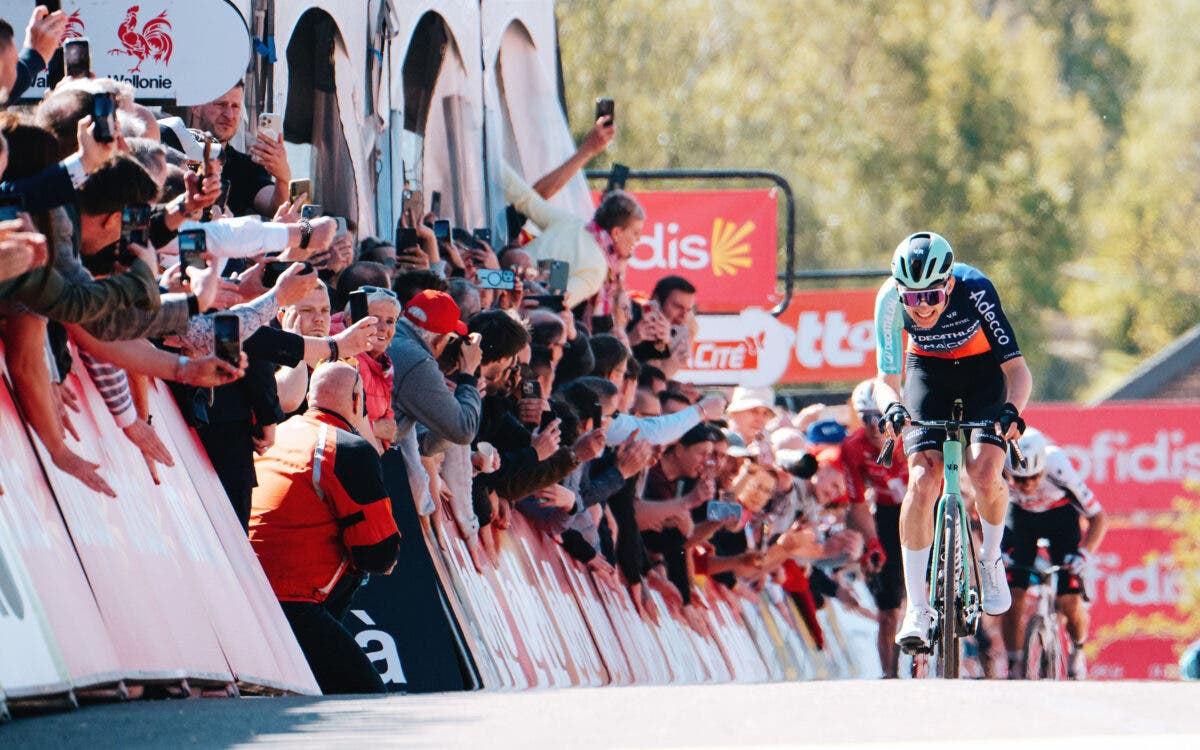
But first, why should we even care about some far-flung future revolution?
Because, whether you like it or not, cycling is a sport that’s performed by athletes but dictated by tech and data.
The WorldTour is ever on the hunt for the next technical revolution that will give the competitive edge.
Heart rate monitors, bike computers, and power meters took their turns accelerating training and performance. Those who adopted them first were winning before they even pinned their numbers
But since then, cycling’s high-speed evolution has been driven by equipment suppliers and “carbohydrate revolutions.”
Heart rate variability bands, breathing sensors, and glucose/lactate wearables have been touted as the next must-haves of performance tech. But they’ve not truly moved the needle yet.
Mass-market muscle fiber scanners, metabolism monitors, and ultrasound scanners might be the next budding breakouts behind them.
Think when Tadej Pogačar is retired, Paul Seixas has won five Tours de France, and Mathieu van der Poel has transitioned to Liv Golf.
Here’s a primer on what they are, and the challenges they face:
1. Muscle fiber scanners
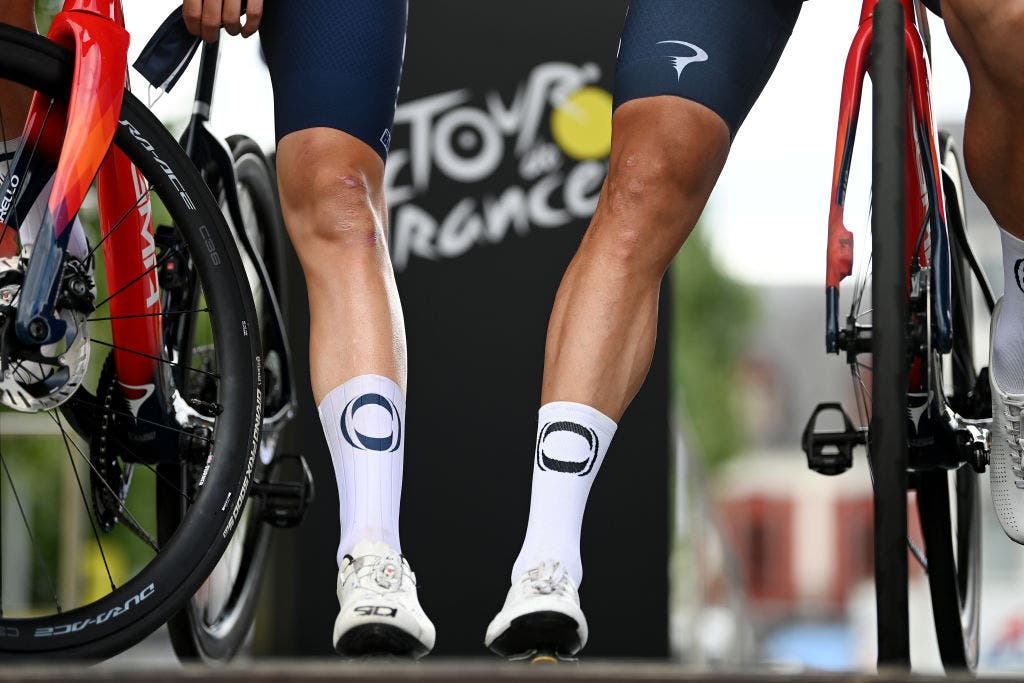
The concept: Are you fast-twitch or slow-twitch? What’s the best way for you to train?
Muscles are made up of slow- and fast-twitch fibers. We all carry approximately a 50-50 split between fast and slow, but likely lean a little more one way or the other.
You probably know the score. Fast twitch fibers are about explosive sprint power and force. Slow twitch are for endurance and efficiency.
If you’re more fast-twitch, you’re Robert Förstemann. If you’re slow-twitch, you’re Chris Froome.
Why muscle fiber typing matters
Understanding whether an established athlete is more slow- or fast-twitch is apparent from their palmarès. What are they naturally good at?
But for many all-rounders or emerging talents, it’s not so clear.
And understanding an athlete’s muscle composition impacts a lot more than their results. It gives insights into their fueling and recovery needs, and how prone they might be to overreaching.
At present the best way to discover an individual’s slow/fast proportion is with a muscle biopsy. And what athlete wants their leg sliced open?
The only non-invasive workaround is with a scanner similar to an MRI machine called a “proton magnetic resonance spectroscope.”
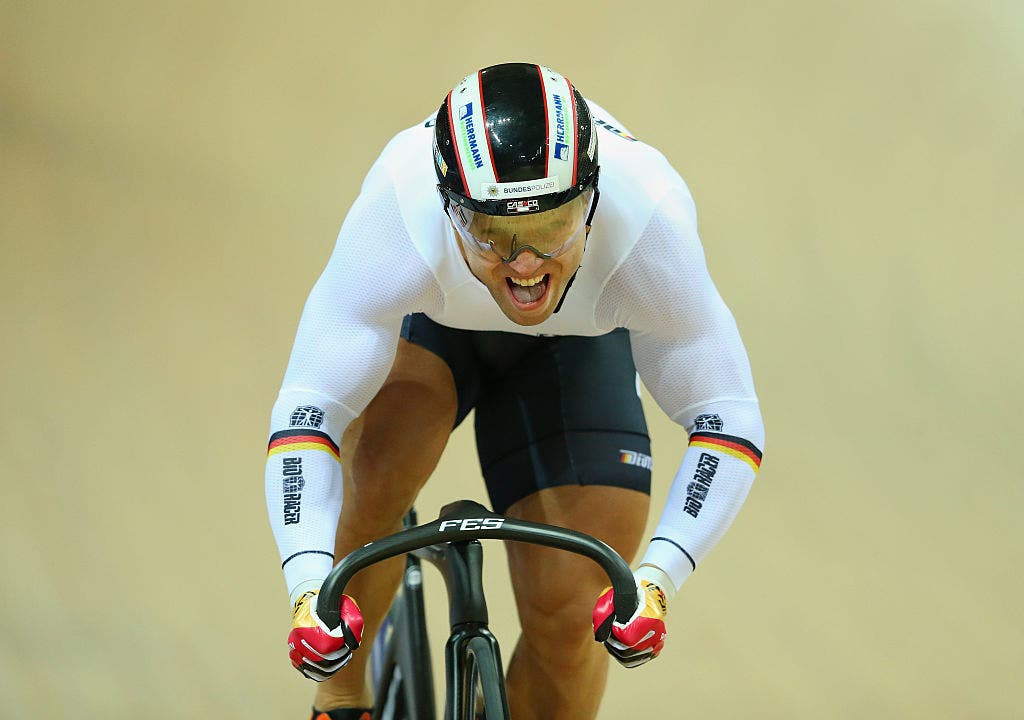
The challenges?
If you’ve ever had to pay for an MRI, you’ll know the key limitation.
Cost and availability.
Even the most well-monied WorldTour team would struggle to justify sending its 30-rider roster for muscle typing, even on an infrequent basis.
Velo isn’t aware of any WorldTour team performing these tests on a mass basis.
The future?
The UCI paper is uncharacteristically hyped for muscle fiber typing.
It would benefit talent identification and could push training prescription to a new precision. Sadly, there’s no sign of an affordable breakout solution for measuring this right now. And there’s no suggestion of one emerging within the Pogačar era.
Until then, jump tests and time to exhaustion tests provide a low-budget, low-certainty workaround. Our friends at Outside Online wrote more on that, here.
2. Ultrasound for muscle glycogen and skinfolds
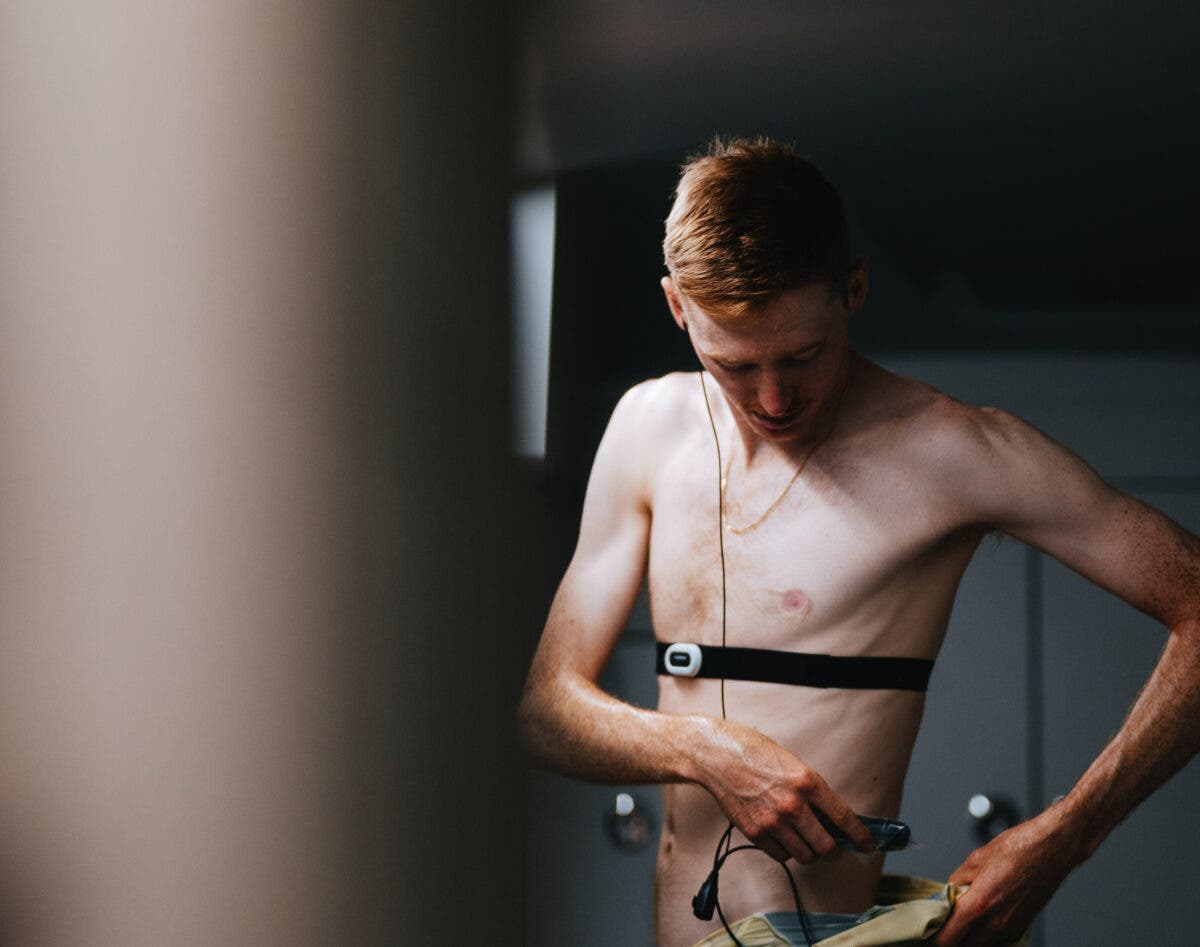
The concepts: (a) Are you loaded with carbs and ready to train? (b) Or maybe you hit the carbs too hard… What’s your real bodyfat percentage?
Ultrasound, it’s the thing they use to monitor pregnancies, right?
Correct. Ultrasound can be useful for many other things too – including measuring glycogen concentration in muscles and levels of subcutaneous fat.
For athletes, both of those things matter a lot.
The concentration of glycogen in the muscle essentially indicates how well-carbed you are. Think of it as a fuel gauge. A true measure of subcutaneous fat is invaluable in a sport where athletes obsess over shaving grams from already dangerously lean bodies.
Why ultrasound matters for measuring muscle glycogen
An athlete who knows their muscle glycogen concentration has a powerful insight into when to train and when to rest. Longer-term tracking indicates whether they need to adjust their diet, fueling, and training load.
As legendary trainer Brad Stulberg wrote for Outside when investigating a first-gen muscle glycogen ultrasound tool, “it allows athletes to quantify the fine line between optimal and overtraining.”
Think of it as a type of Whoop strap, but for your energy stores, not your nervous system.
Why ultrasound matters for measuring body fat
Meanwhile, ultrasound scanning for subcutaneous fat provides a gold-standard measure of body composition.
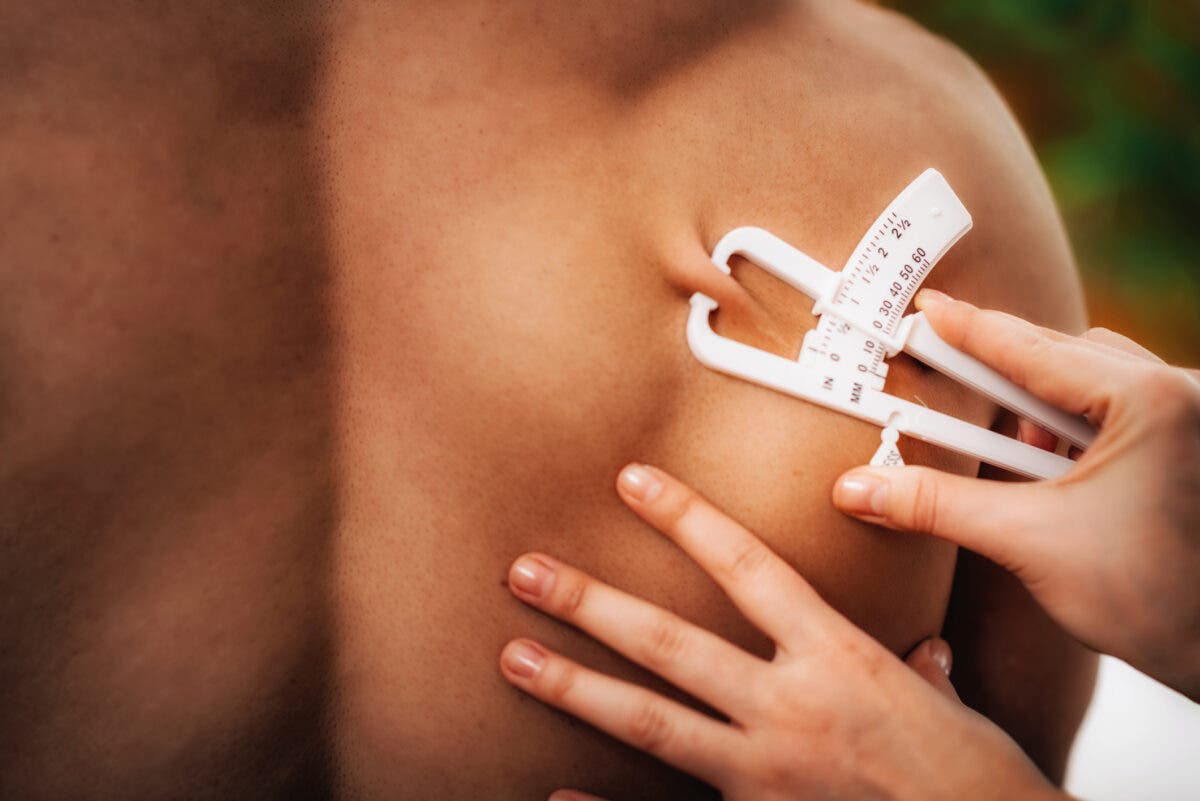
In the WorldTour, this is currently assessed with skinfold calipers.
However, these tests can be riddled with flaws and are prone to inaccuracy if not performed correctly. And that can have negative downstream impacts on riders chasing race weight or recovering from nutritional deficiencies like RED-S.
Velo understands that Uno-X Mobility sends its riders for ultrasound body composition checks on an infrequent basis. The Scandi team is perhaps the only squad to do this.
The challenges?
As above regarding muscle typing, the cost and logistical difficulties are enormous. Yes, ultrasound scanners are available in all medical settings, but you’re not going to find one in a team service course.
Smaller, portable units are available, but their accuracy and consistency is … questionable.
The future?
The Musclesound glycogen measurement gadget which emerged more than a decade ago was written off by authors of the UCI paper. They argue the concept is flawed and its data doesn’t stack up to laboratory testing.
However, the brand remains active and uses validation studies to promote itself, primarily to the medical community, for a variety of purposes.
More independent studies are needed … but watch this space. The premise is intriguing.
3. Portable substrate metabolism tests
The concept: Find out how many carbs you can actually burn
High-carb fueling transformed modern endurance.
“The carbohydrate revolution” has been as important to accelerating the Pogačar-era WorldTour as the simultaneous evolutions in bike and tire technology.
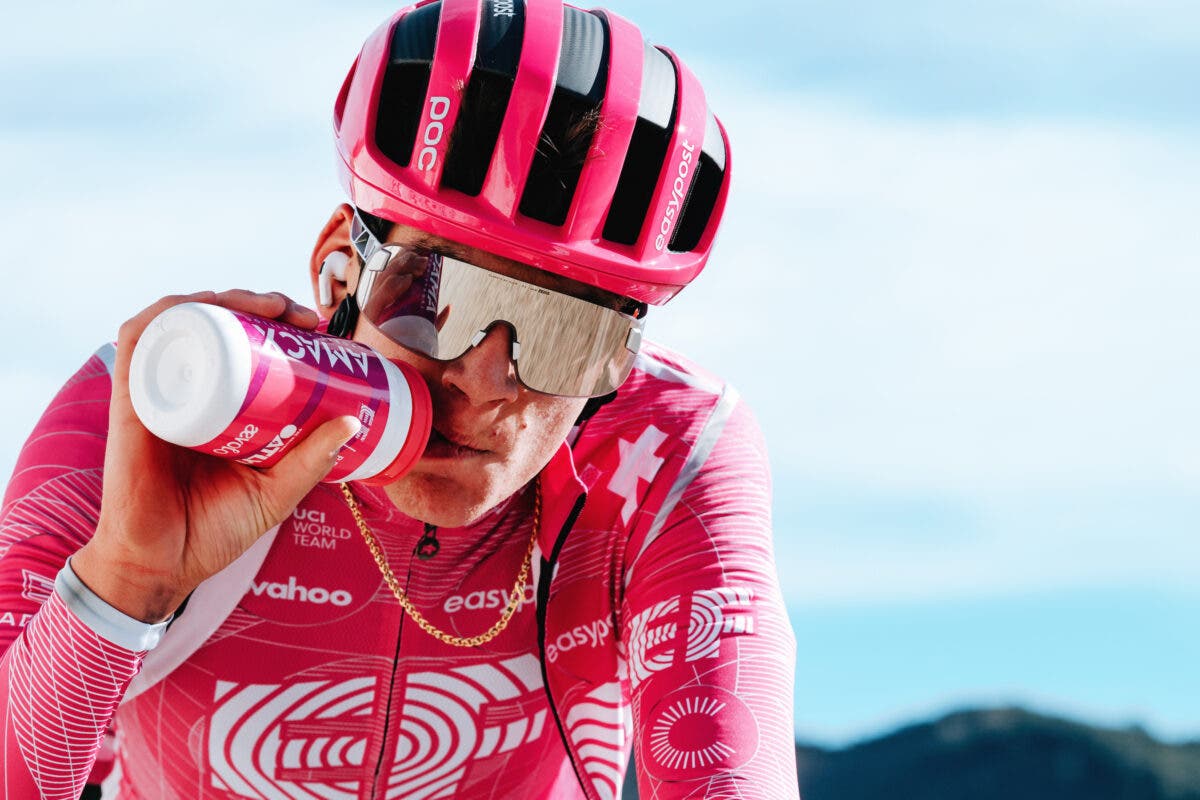
But riders who choke down 120g of carbs per hour might not actually make use of all of that slosh of sugar. And the only way to find out your true carbohydrate threshold is with “carbohydrate oxidation tests.”
Why metabolism testing matters
Even in the big-budget modern WorldTour, few riders are treated to costly lab-based “carbox” protocol. Even then, they’re not a perfect assessment of your gut’s ability to shuttle sugar due to the reverse causality between carb intake and carb oxidation.
As the UCI’s boffins explain better than us, “an athlete may have an increased requirement for dietary carbohydrates because of an increased carbohydrate oxidation, but may equally have an increase in carbohydrate oxidation because of a high carbohydrate intake.”
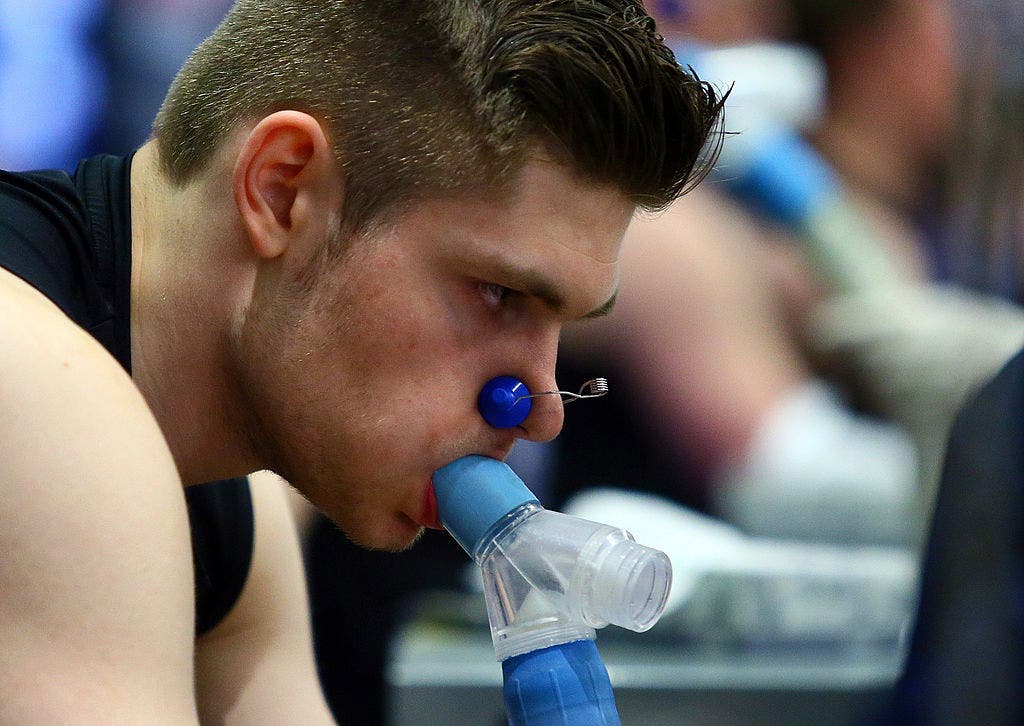
That aside, metabolic testing remains the best available measure of cycling efficiency and energy expenditure – and that influences nutrition plans, training structure, and much more. Kilojoule measures from power meters are only a close proxy.
Nutrition staff at multiple WorldTour teams have told us they see such precision planning as the next necessary step in the evolution of cycling performance.
The challenges?
The obvious challenge? Like with the previous two technologies, the cost and availability of lab-based metabolic testing is prohibitive.
There are a small collection of mass-market at-home alternatives available, such as those made by INSCYD and the increasingly popular Lumen device. But be warned – authors of the paper are skeptical of the validity of Lumen, in particular.
The future?
For now, scientifically sound metabolic tests will remain in exercise laboratories, well out of the reach of us weekend warriors.
However, a self-testing kit brought to market last year by ExoAnalytics might change that.
The ExoAnalytics project was founded by a former WorldTour nutritionist and leading sport scientist, and lists EF Education-EasyPost and Q36.5 Pro Cycling as partners.
Unfortunately, ExoAnalytics tests are currently only available in the UK and are listed at a spicy £350 ($470 USD) price point. It’s understood that the brand is currently looking to clear the bureaucratic red tape to expand into Europe and the U.S.
Stay tuned to Velo for more on this technology.
[analyse_source url=”https://velo.outsideonline.com/road/road-training/3-training-tools-transform-cycling/”]