{“@context”:”https://schema.org”,”@type”:”Article”,”image”:”https://car-images.bauersecure.com/wp-images/262538/autonomous_lights.jpg”,”mainEntityOfPage”:{“@type”:”WebPage”,”@id”:”https://www.carmagazine.co.uk/car-news/tech/autonomous-lights/”},”url”:”https://www.carmagazine.co.uk/car-news/tech/autonomous-lights/”,”author”:{“@type”:”Person”,”name”:”Curtis Moldrich”,”description”:”Curtis Moldrich is CAR magazineu2019s Digital Editor and has worked for the brand for the past five years. As Digital Editor, heu2019s responsible for online strategy, including CARu2019s website, social media channels such as X (formerly Twitter) and Facebook, and he helps on wider platform strategy as CAR magazine branches out on to Apple Newsu002B, CAR VIP and other new ways to consume our content. If itu2019s online and involves CAR magazine, heu2019s got something to do with it. Curtis also contributes to the print edition of the magazine every month, sits on Bauer Media UKu2019s Diversity and Inclusion pillar group and co-founded the new automotive work experience program.nCurtis kicked off his journalism career doing freelance work for technology brands such as CNET UK and Stuff, and moved to the Telegraph technology desk after completing his degree. He did a stint as staff writer at Dennis Publishingu2019s newly-formed Alphr title, where he covered consumer technology as well as motorsports, sim-racing and car reviews.nAt CAR, Curtisu2019s main goal is to recreate and build on all the kudos, respect and authority of the print magazine across our digital platforms. Heu2019s also keen to explore the opportunities online-only storytelling brings, and wants to put the brand in front of new audiences.nWhen heu2019s not writing about F1, testing hot hatches or analysing the latest EV platform news, Curtis is also a keen gamer, and uses iRacing with a VR-enabled set-up. He also continues to write about consumer tech for our sister site, Whatu2019s The Best.nOutside of his four-wheeled work commitments, Curtis owns a new Yamaha R7, which he sometimes writes about for MCN, and often photographs along with other motoring-based content on his popular Instagram page. You can follow Curtis on Instagram or Twitter u2013 and read his latest articles in the list below. He is also running an Audi S3 long-termer, and you can read about that here.”,”image”:{“@type”:”ImageObject”,”url”:”https://car-assets.bauersecure.com/wp-images/14235/curtisauthor2023.jpg”,”caption”:”Curtis Moldrich”},”sameAs”:[“https://www.linkedin.com/in/curtismoldrich/”,”https://x.com/khurtizz”,”https://www.instagram.com/khurtizz”],”url”:”https://www.carmagazine.co.uk/author/curtis-moldrich/”,”jobTitle”:”Digital Editor”,”knowsAbout”:”Automotive”,”worksFor”:{“@type”:”Organization”,”name”:”CAR magazine”}},”dateModified”:”2026-05-13T11:38:44+01:00″,”datePublished”:”2026-05-13T11:14:27+01:00″,”headline”:”The future is turquoise: how itu2019s becoming the official colour of autonomous tech”,”publisher”:{“@type”:”Organization”,”name”:”Bauer Media”,”brand”:{“@type”:”Organization”,”name”:”Car Magazine”},”logo”:{“@type”:”ImageObject”,”url”:”https://car-assets.bauersecure.com/images/logos/car.200×88.png”}}}
The future is turquoise: how it’s becoming the official colour of autonomous tech
Published: Today 11:14
► What’s happening in China?
► Why turquoise is the new colour of driverless cars
► And how its happened
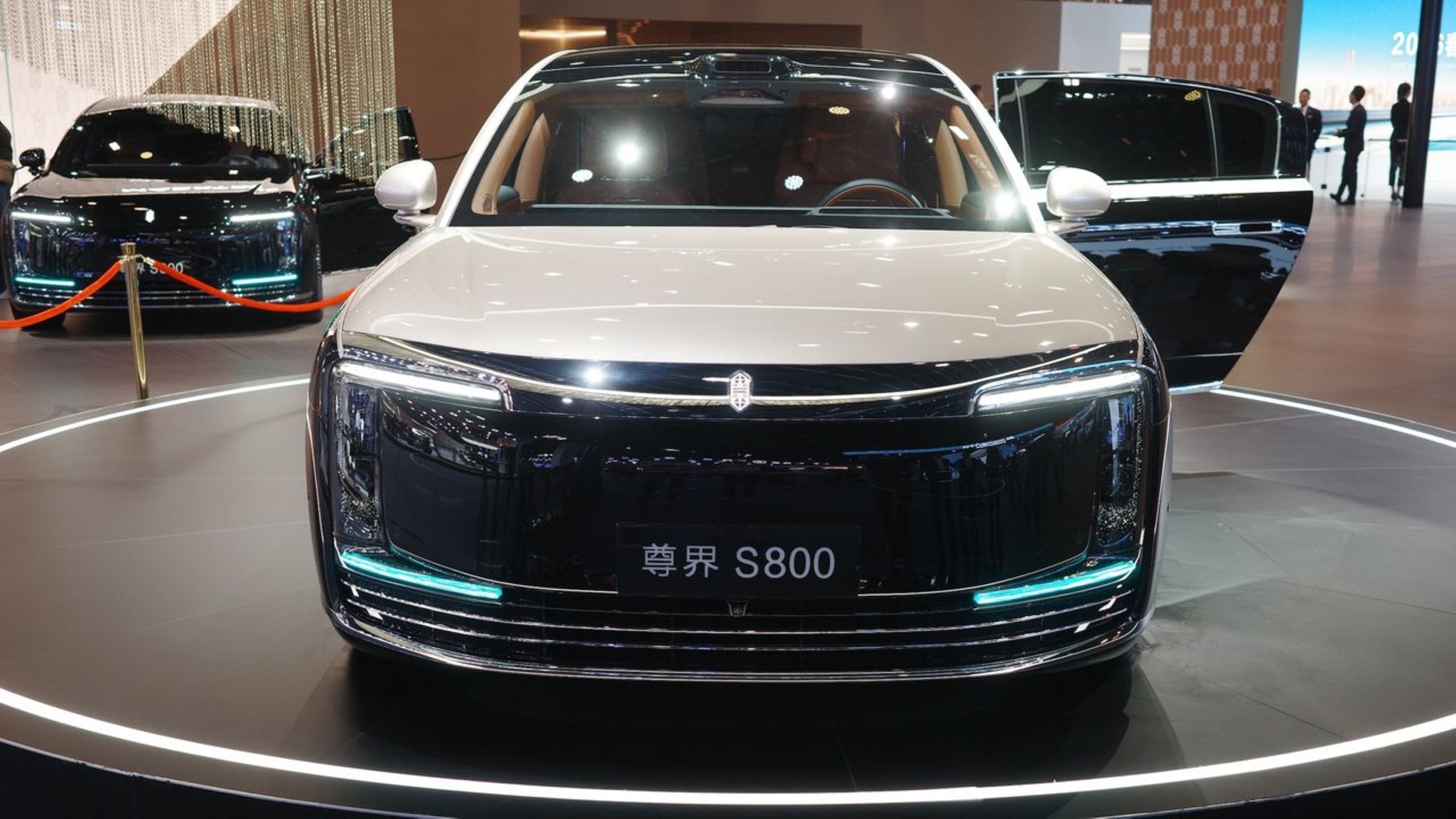
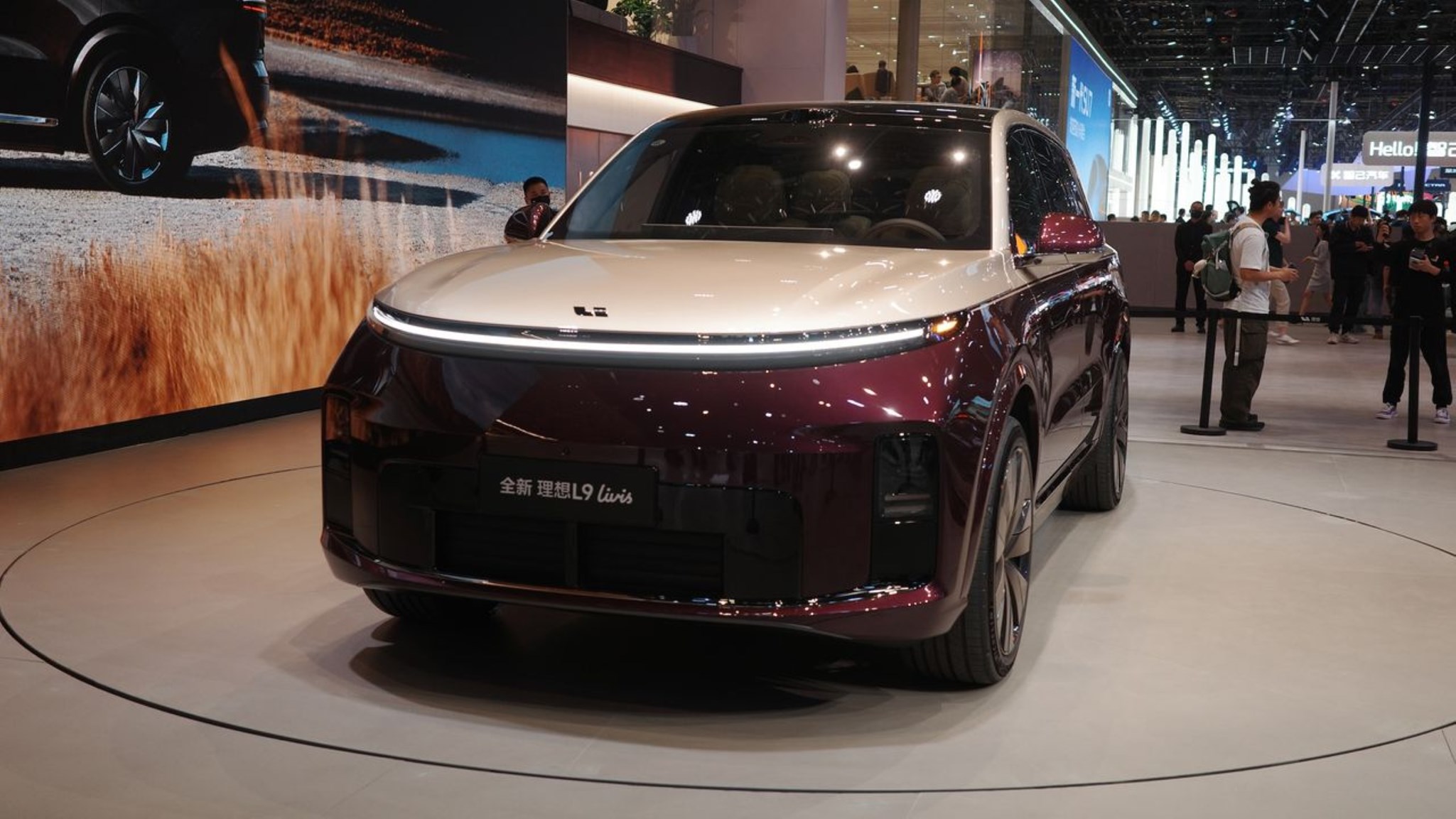
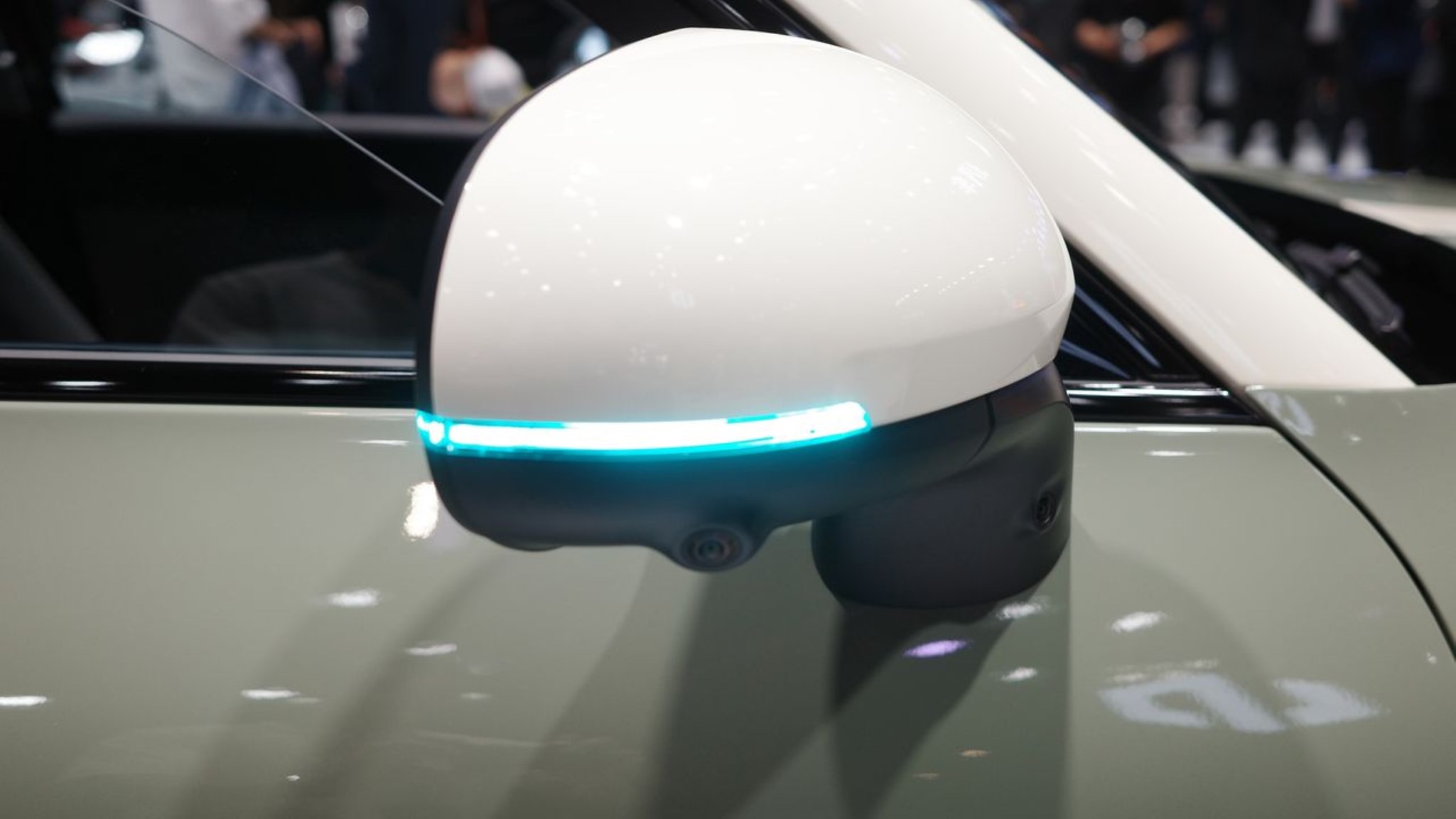
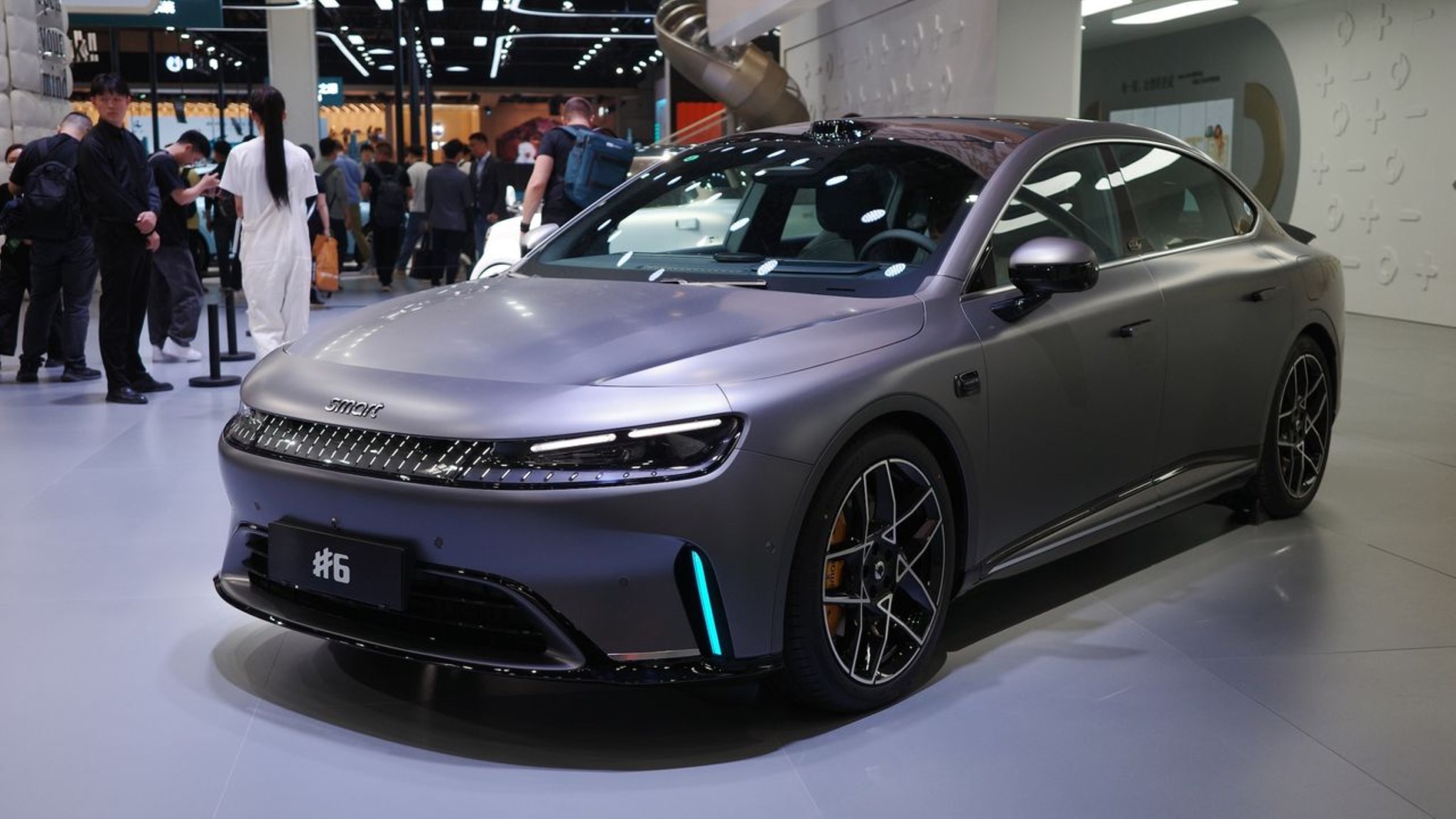
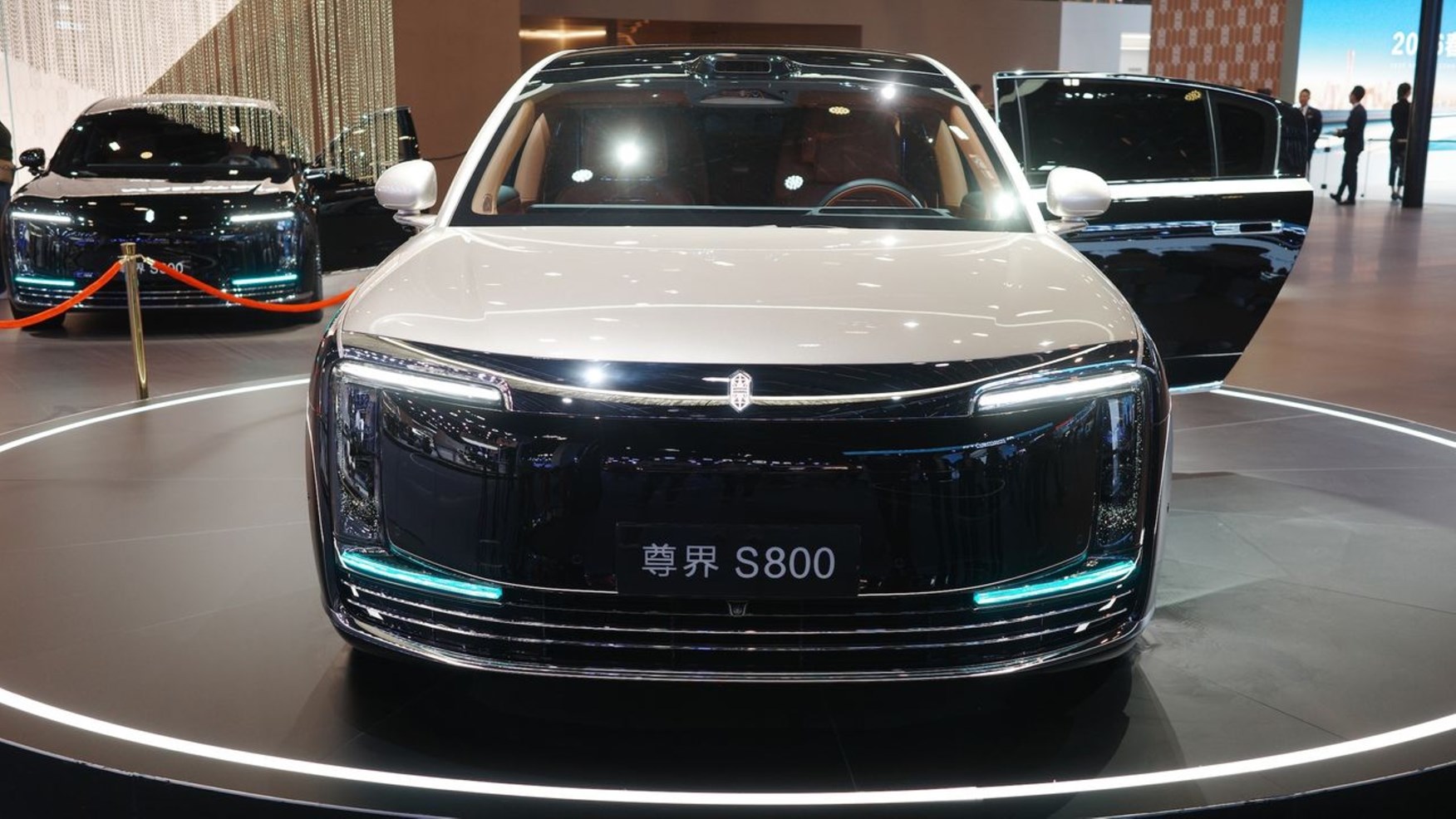
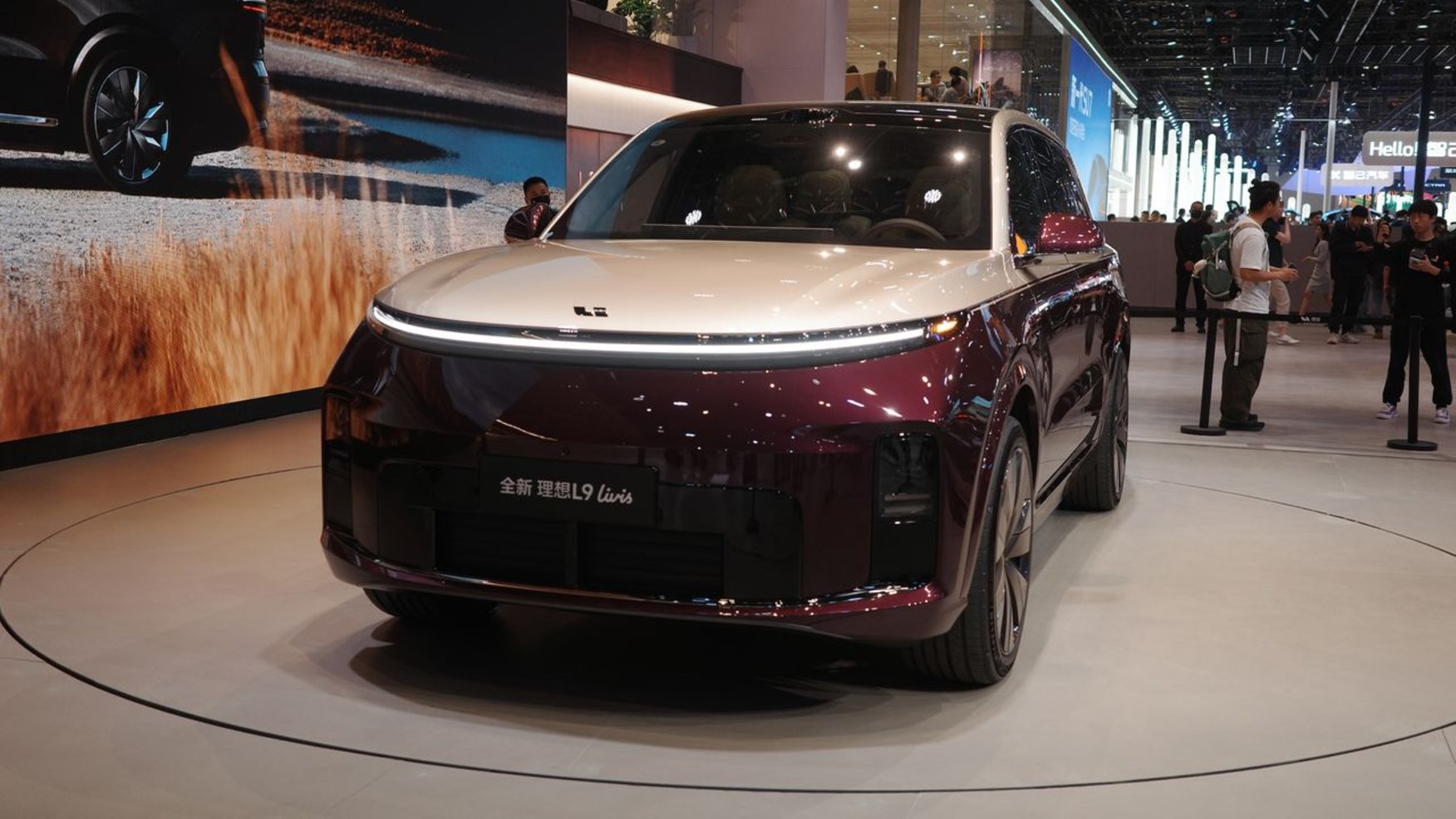
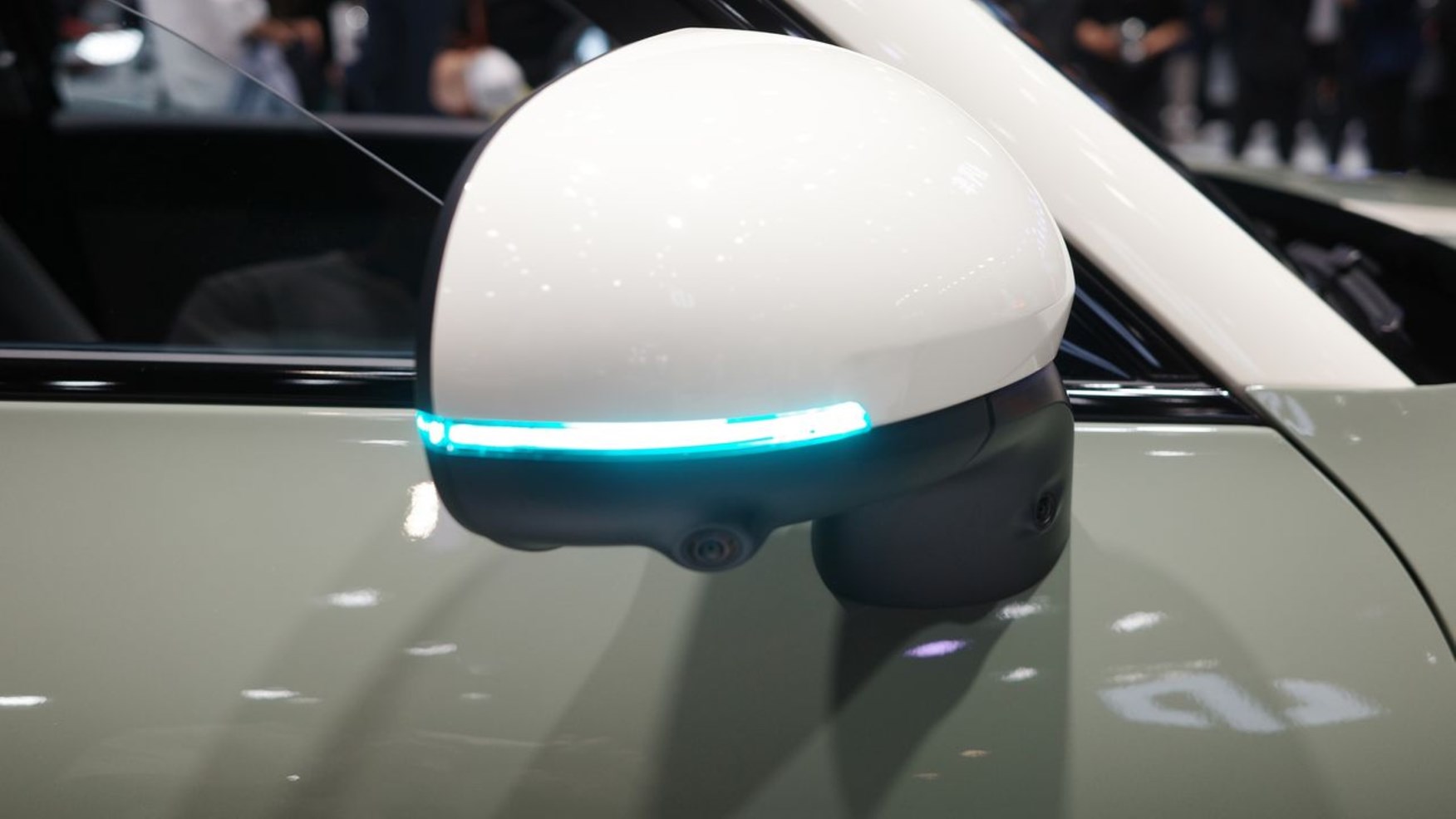
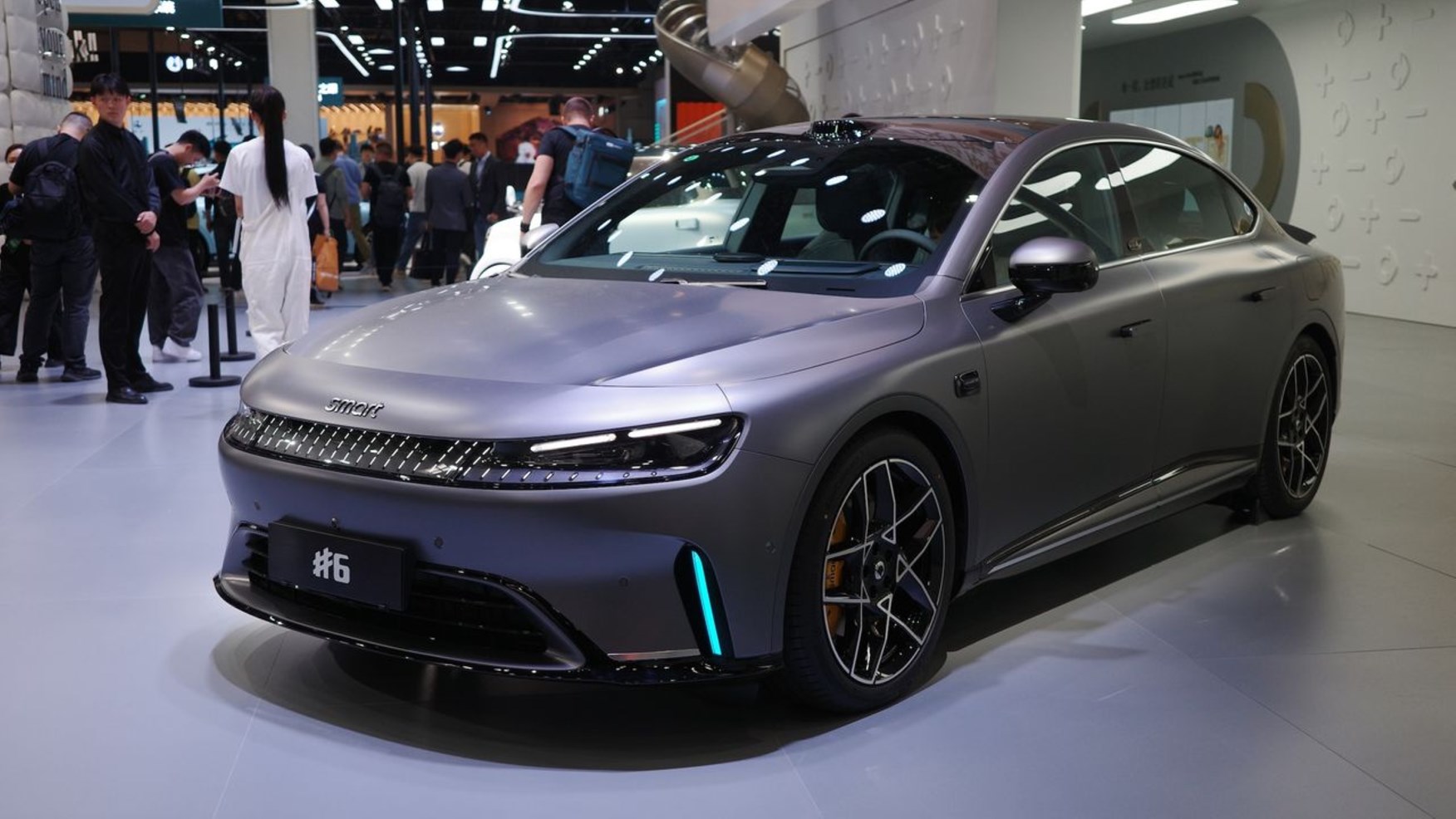
Spend any time on the hectic streets of Beijing or Shanghai and you’ll soon notice something different about some of the cars: their lights feature a bright teal or turquoise colour. Found in all corners of the car as well as on the door mirrors, it often takes the place of amber in indicators. It’s the colour of the future.
For the last couple of years, car manufacturers in China have been incorporating the colour to signal the presence and use of autonomous technology – and years before it was also suggested by Mercedes, too. However, China’s sheer heft in the car market may well have now tipped the scales over to turquoise once and for all. The aqua, blue/green colour you see in these pictures is set to become the global signifier of autonomous technology.
Like this? Get more CAR delivered to your browser! Click here to add CAR Magazine as a preferred source on Google.
It has two functions: first it lets other road users know when a car is in autonomous mode. Whether this will prompt them to make allowances and give the self-driving car some extra space, or instead take advantage of its programmed-in accident-avoidance by cutting in front, remains to be seen. But either way, it does at least provide a level of awareness.
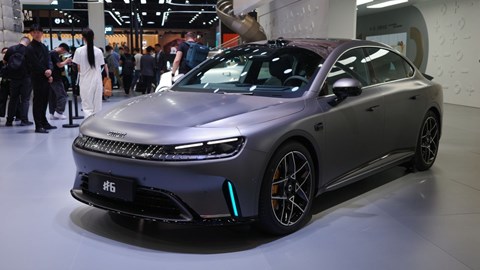
The second effect is marketing: by displaying the new colour on their cars, manufacturers are showing they’re at the forefront of autonomous technology. What’s more, these lights show the public who can afford a car with autonomous functionality; it’s something of a ‘flex’, in other words.
‘Now, if you go to the roads in China, you see a lot of blue lights,’ Leapmotor founder and CEO Zhu Jiangming told a press conference at the Beijing Auto Show. ‘And when you see the blue lights on, that means that the ADAS [advanced driver-assistance system] is on.
‘Thirty per cent of Chinese customers are using ADAS for daily commuting and driving. In the future, I believe that you will see blue lights on with all the cars on the road.’
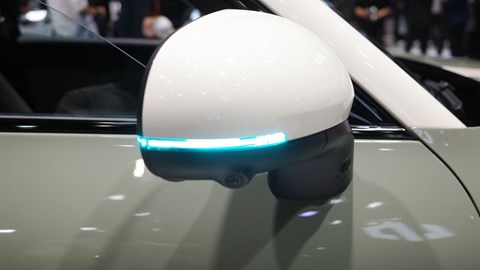
It’s permitted in China and parts of the US, but it’ll soon be compulsory in China; others are likely to follow. In China it will be written into law along with several changes in rules around Level 2 and above ADAS systems, Level 2 being partial automatic control of steering and speed.
The lights illuminate when autonomous driving functions are in use and turn off automatically when they’re disengaged. It was initially fitted to cars with Level 3 (potentially complete automation of driving, but the driver must be ready to take back control) and Level 4 (the driver is now essentially a passenger) capability, but can now be found on some cars with Level 2 tech.
Li Auto design director Ben Baum told us. ‘We just wanted to show that our car was able to do it. It’s just a statement to say, “These cars are driving autonomously.”’
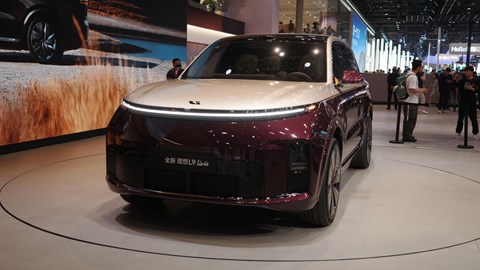
For Li Auto, they actually started off as a workaround. Baum wanted a full-width light on the front of the Li Auto L9, but couldn’t find a neat way to stretch it to the edges. ‘I wanted to have this halo lamp in the front as wide as possible, but we couldn’t extend it into the corners.
‘We said “Okay, let’s make the autonomous driving light there. These orange indicator lights can change into blue, and then you have still the feeling that the light is full width.”‘
And is there any science behind the choice of shade? No. ‘When a designer tries to make something feel futuristic, it always takes this kind of blue,’ Baum said. ‘We were drawing it, and thought “Oh, this looks actually really cool.”’
console.debug(‘taboola container loaded..’)
window._taboola = window._taboola || [];
_taboola.push({
mode: ‘thumbs-feed-1×1’,
container: ‘taboola-below-article-thumbnails-v3’,
placement: ‘Below Article Thumbnails V3’,
target_type: ‘mix’
});
var disqus_shortname = ‘carmagazine’;
var disqus_developer = 0;
var disqus_identifier = ‘article-wp-262538’;
(function () {
var dsq = document.createElement(‘script’);
dsq.type = ‘text/javascript’;
dsq.async = true;
dsq.src = ‘http://’ + disqus_shortname + ‘.disqus.com/embed.js’;
(document.getElementsByTagName(‘head’)[0] || document.getElementsByTagName(‘body’)[0]).appendChild(dsq);
var s = document.createElement(‘script’);
s.type = ‘text/javascript’;
s.async = true;
s.src = ‘http://’ + disqus_shortname + ‘.disqus.com/count.js’;
(document.getElementsByTagName(‘head’)[0] || document.getElementsByTagName(‘body’)[0]).appendChild(s);
})();Please enable JavaScript to view the comments powered by Disqus.