[analyse_image type=”featured” src=”https://velo-cdn.outsideonline.com/wp-content/uploads/2026/05/GettyImages-2162940962-scaled.jpg”]
You’ve got the perfect training program and a macro-perfect nutrition protocol.
You’ve got the sleekest, stiffest bike, and the sexiest cycling shoes.
You even shave your legs every day and do your S&C.
But you sleep like sh*t.
So you might as well not bother with all those other bits.
Sleep is the most important tool in a rider’s performance arsenal, but it’s the one that everyone neglects.
Recent polls found that up to half the U.S. population isn’t getting enough Zzzs.
Those sleepless souls are leaving training gains under the bedsheets.
“Sleep is one of the most overlooked parts of the recovery process. That’s why we put as much focus as we can on improving it as possible,” EF Education-EasyPost medic Richard Lawrence told Velo.
“Sleep should be an easy win for people who are training hard. But in reality, that’s rarely the case,” Lawrence said.
They say “training breaks your body, resting rebuilds it.”
It’s sleep that’s the powerhouse of that restoration process.
Not protein shakes. Not infrared saunas. And not recovery boots.
Our most overlooked performance enhancer?

Sleep is when the body repairs and regrows, and the brain rewires itself.
For athletes, it’s the shield against illness and injury that maximizes the ability to train. It’s the key to the physiological progression and mental clarity that wins races.
That’s why the WorldTour slumbers on 5,000-dollar smart mattresses, installs full bedrooms into crusty hotel suites, and tracks sleep as closely as they do watts and weight.
“Cycling at this level is now about one percent gains,” Lawrence said. “Sleep is often underestimated as a source of those gains. So why not do all we can to ensure at least some of the factors of that side of things are covered?
“There’s a big difference between a rider who’s sleeping well compared to one who’s not.”
But for us desk-jockeys with regular jobs and the stresses of boring “real life,” sleep can be low in quantity and quality. And for us Average Joes, a lot of what the peloton does in pursuit of perfect sleep might feel beyond reach.
But there’s still a lot we can learn from the pros that might help us to sleep ourselves faster.
Getting good sleep is like doping in bed
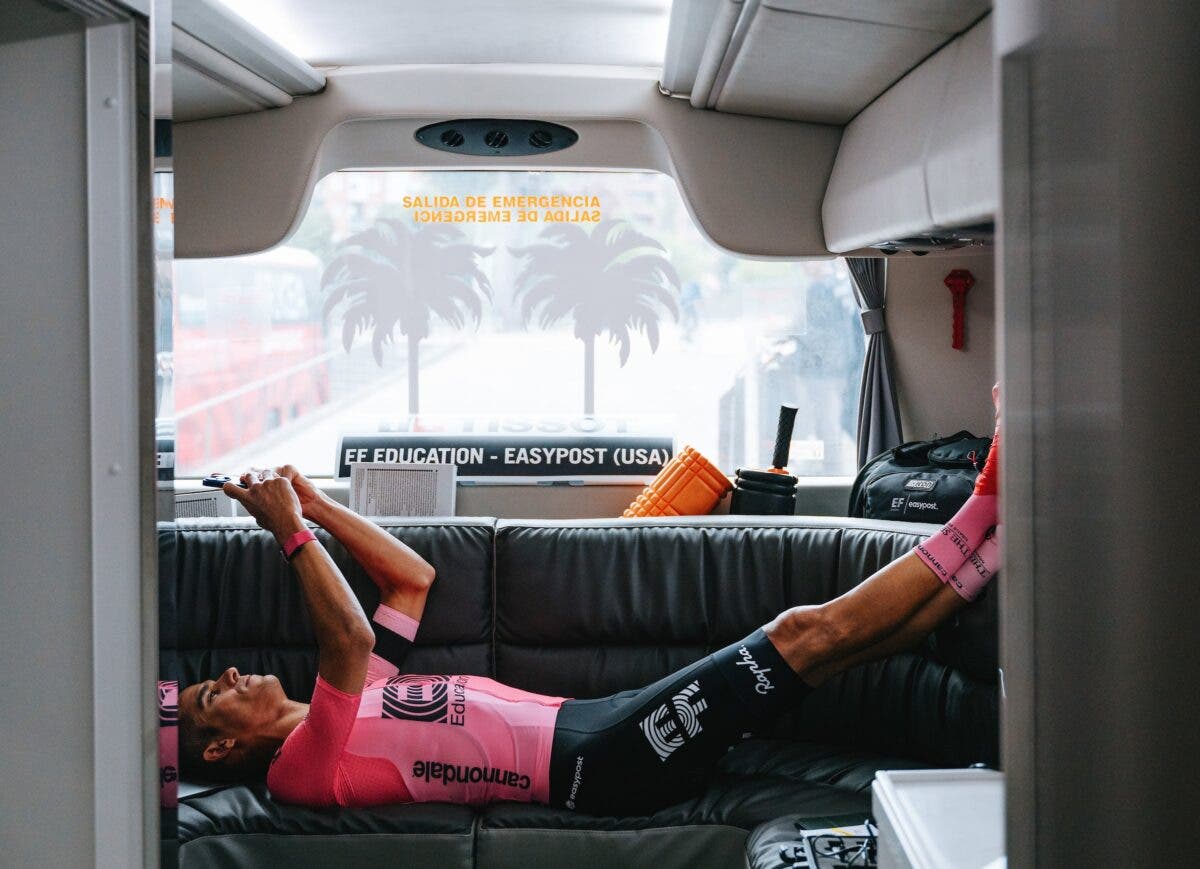
Sleep spins through cycles of non-REM and REM sleep. Each cycle lasts 90 to 110 minutes.
It’s during the deepest “N3” stage of non-REM sleep where the athletic magic happens.
Brain patterns and metabolism slow, and the body is liberated to unleash a cascade of hormones — most importantly, growth hormone.
What does growth hormone do? Well, the clue’s in the name.
Growth hormone’s generative effects are so powerful that synthetic variants are banned by WADA.
A 2015 expert consensus recommended that healthy adults aim for seven hours to nine hours of sleep.
But that rule doesn’t apply to athletes.
10 hours per night? When athletes need to be more like teenagers
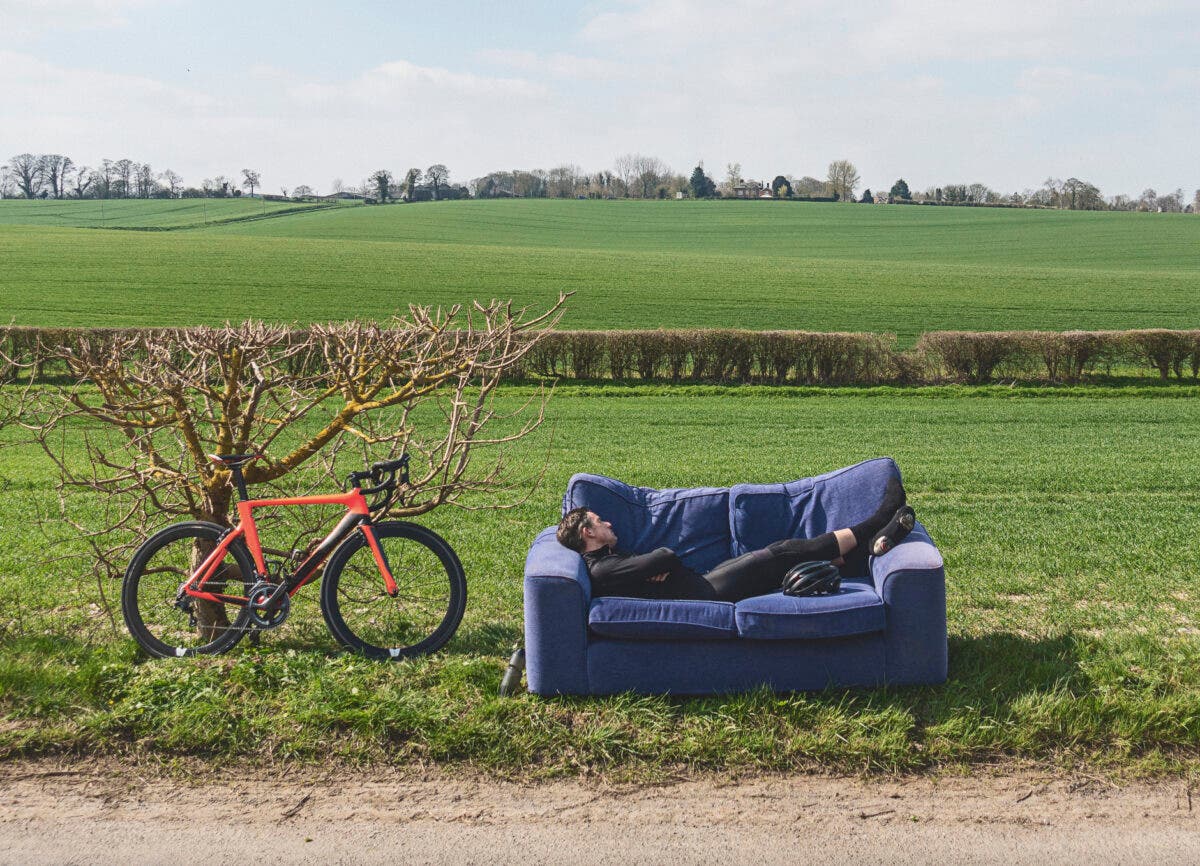
Studies have shown that those training hard need to sleep like teenagers to optimize performance. Eight hours should be considered only the baseline; for athletes, 10 hours is optimal.
Sleep reduces inflammation, encourages healing, and replenishes muscle glycogen.
And as this study shows, weekend warriors who train 10 hours a week while navigating the annoyances of adult life need to #sleepmaxx just as much as pros who are paid to ride, rest, sleep, repeat.
“Sleep is all individual, but ideally we want our guys to be aiming for upwards of nine, or nine-and-a-half hours,” Lawrence said.
“You want at least five sleep cycles, if not six, if you’re an athlete. We advise potentially fitting one of those sleep cycles in during the daytime if it doesn’t impede sleep later on,” he added.
Packing in the sleep cycles and minimizing disruption between them is like doping in bed.
The more time in deep sleep, the more time that growth hormone is at its peak rate of release.
Sadly, it’s a rare luxury to sleep anywhere near 10 hours at night.
Fortunately, napping can be a powerful tool – if you have time to do it right. Because while a 20-minute “power nap” will improve mental clarity for an afternoon on the keyboard, it won’t help boost watts. To bank some bonus mid-day recovery, naps should last 35 to 90 minutes.
The doom loop of hard training and bad sleep
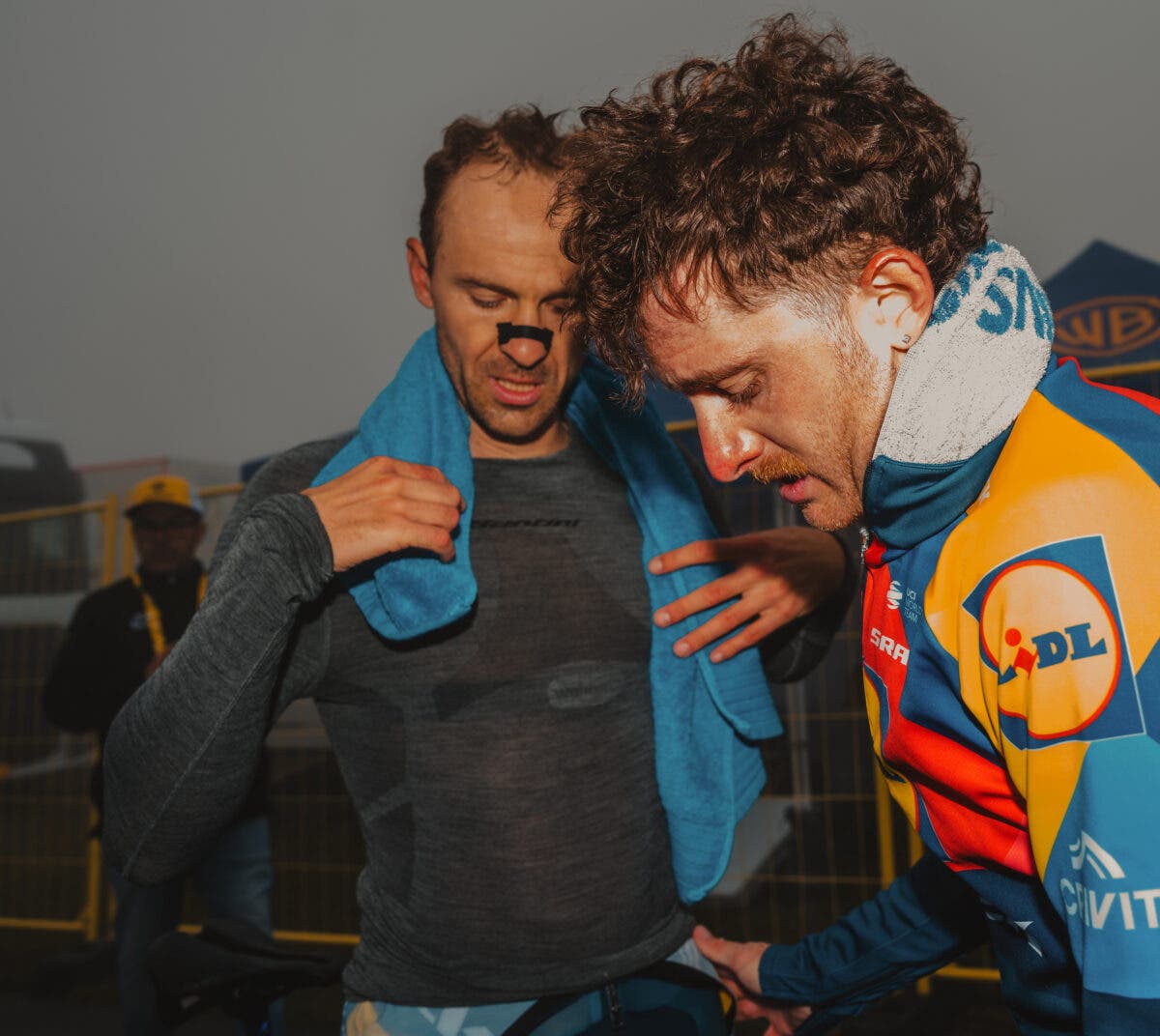
In theory, sleep is extremely straightforward. Lay down, shut your eyes. Simple.
But it’s not always so easy in practice.
Even the most time-rich, saddle-weary athlete might struggle for sleep during their most intensive training.
Who hasn’t been kept awake by twitching calves, grumbling guts, or coursing adrenaline after a hard ride? Elevated core temperature, muscle soreness, and the “fight or flight” response from prolonged effort have been shown to be disastrous for sleep.
And for pros, the exercise-induced struggle becomes even more severe during the depths of a grand tour.
Lab studies have shown a significant deterioration in sleep quality after only nine days of elevated workout load. The bus transfers and unfamiliar hotel rooms of life on tour make matters worse.
This paradoxical relationship between fatigue and sleep leaves athletes teetering on the edge of multiple downstream effects.
Several nights of bad sleep slows heart rate response, decreases ventilation and metabolic rates, ruins reaction times, and a whole lot more. Injury and illness are only a few pedal-strokes up the road.
The WorldTour’s search for Zzzs
Training and sleep exist in a dangerous doom loop.
When you train hard, you need more sleep.
But training hard makes it harder to sleep.
Several nights of bad sleep will torpedo recovery, limit training quality, and can set athletes on course for overtraining and burnout.
That’s why pro cycling is constantly pushing further into the margins to find perfect sleep.
Sure, there are no rider-specific motorhomes a la Team Sky at the 2015 Giro d’Italia – the UCI put a stop to that. But every other angle is explored and optimized.
1. Sleep hygiene
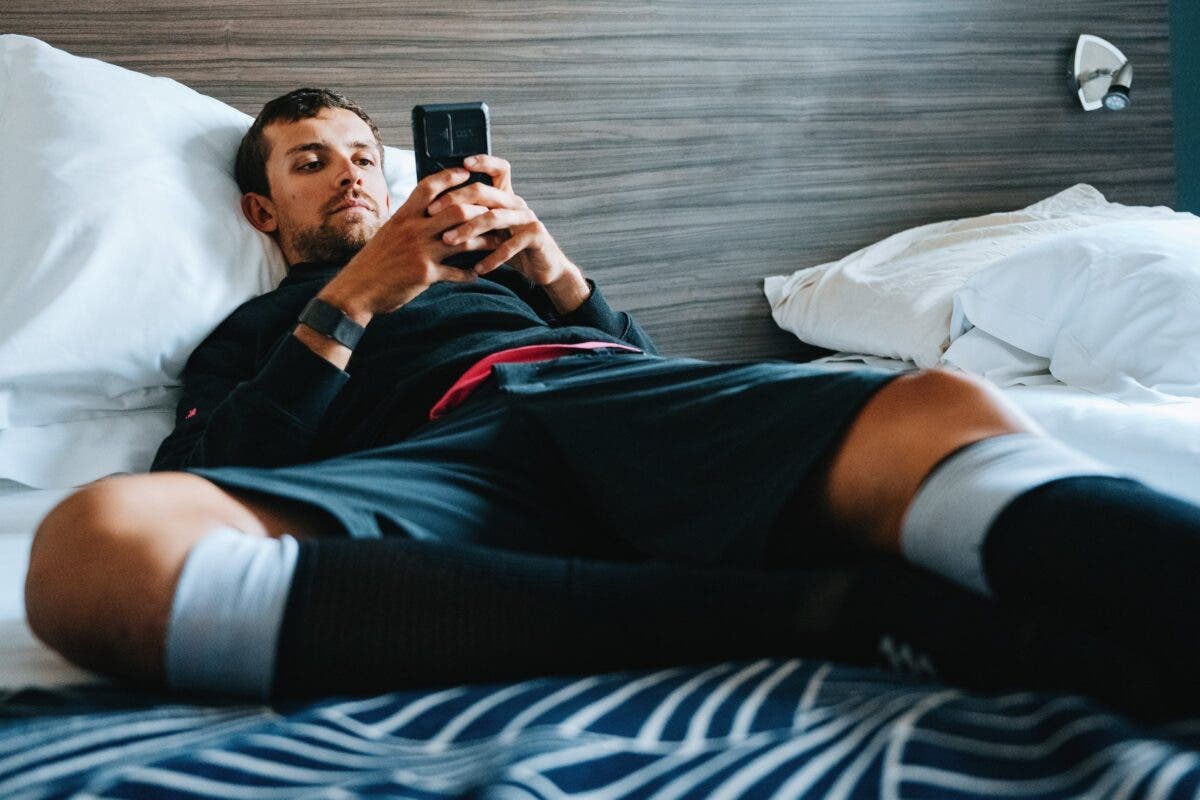
Dedicated pros make themselves masters of good “sleep hygiene.”
There’s no espresso after dinner and certainly no nightcaps. Late-night doom scrolling is resisted by all but the most Insta-happy “bikefluencers.”
Athletes who are paid to rest see cheap watts in eyemasks and earplugs. Blue light blocking glasses which filter the harmful light from digital screens are also a no-brainer.
Many pros invest further and install cooling systems into their home bedroom to ensure the optimal 65-68 degree nighttime room temperature. The most proactive hang heavy blinds or drapes to block light and soak up the 24/7 chaos of city center life in Nice, Monaco, and Girona.
Riders at Tudor Pro Cycling are even supplied with “recovery pajamas” by team partner, Dagsmejan. This bougie bedwear uses a “nattrecover fabric” which recycles body heat into recovery-boosting FAR infrared energy [apparently].
Lawrence at EF Education-EasyPost said good sleep hygiene expands beyond the bedroom and into the kitchen.
“Most riders take magnesium which is proven to help with sleep, and they’ll be using sour cherry juice most days,” he said, referring to the red superfuel riders slug at finish lines. This sour elixir is packed with melatonin and anthocyanin, which naturally improve sleep and recovery.
Lawrence added that synthetic melatonin and other sleep aids are kept under lock and key and reserved as a last resort. Pro cycling tries to keep a small supplement stack and instead focus on doing the basics well.
“Another simple thing we advise is that riders don’t eat too late at night so they’re not processing food in bed,” Lawrence said. “Some riders may have a protein shake towards the end of the night for satiety and recovery, however.”
The sporting world has long sworn by the benefits of bedtime protein.
Interestingly, recent studies have shown there’s a benefit to adding a small portion of complex carbs to this pre-sleep fix. A protein-carb pairing can ensure nighttime satiety and trigger the release of serotonin, a hormone essential to sleep.
2. Sleep environment
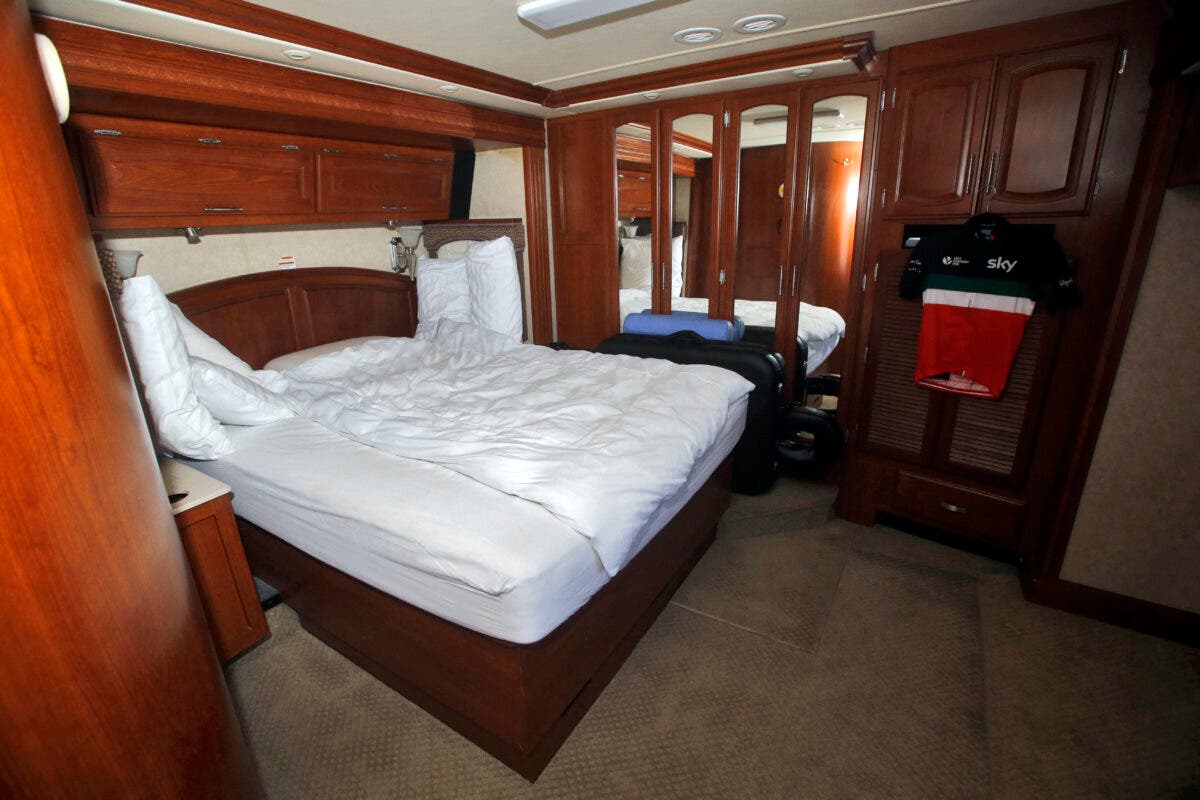
Optimizing the sleep environment under controlled conditions at home is pretty straightforward.
But pro cycling is a sport of road warriors.
Riders stack 60 to 70 race-days a year and are traveling to, from, and between them for maybe twice that number.
Almost every rider will squeeze their own pillow into their suitcase ahead of a stage race.
Likewise, even the poorest teams take trucks loaded with fans, mattress toppers, and maybe even full mattresses on a tour of European hotel rooms.
And for the most monied WorldTour superteams, that’s only the start.
Visma-Lease a Bike and UAE Emirates-XRG are among those that have employed a fleet of staff who exist solely to set up grand tour hotel rooms.
Crusty 3-star accommodation is deep-cleaned before aircon units, dehumidifiers, and even temporary blackout blinds are brought in – as well as the mattress and bedding, of course.
“Nutrition and sleep are essential to be able to perform at the same level the next day, so we leave nothing to chance,” Visma-Lease a Bike’s head of performance Mathieu Heijboer told Velo.
Sleep is a worthy investment when the biggest races on the calendar are at stake.
3. Sleep tracking
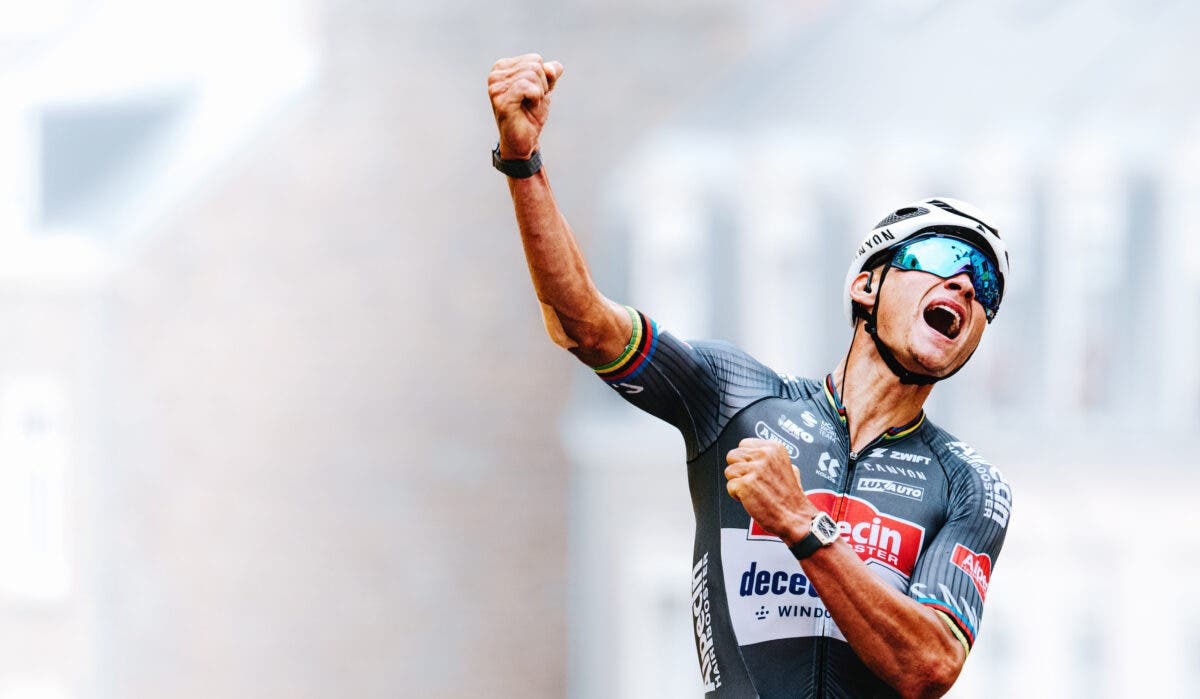
Pro cycling has become a tech-driven sport that’s powered by aero testing, data modeling, and AI dashboards.
So it’s no surprise that sleep has succumbed to gadget-creep.
EF Education-EasyPost and UAE Emirates both use “smart mattresses” as part of collabs with Somnus and EightSleep, respectively. These multi-thousand-dollar systems keep users at the perfect temperature, track sleep patterns and heart rate variability (HRV), and can even play soothing white noise through integrated speakers.
EF and UAE use these high-tech toys primarily to improve their sleep environment rather than for their tracking function.
Why overlook the data?
Because they’ve already got a Whoop strap, Oura ring, or smart watch for that, of course.
Why tracking sleep matters more than you think
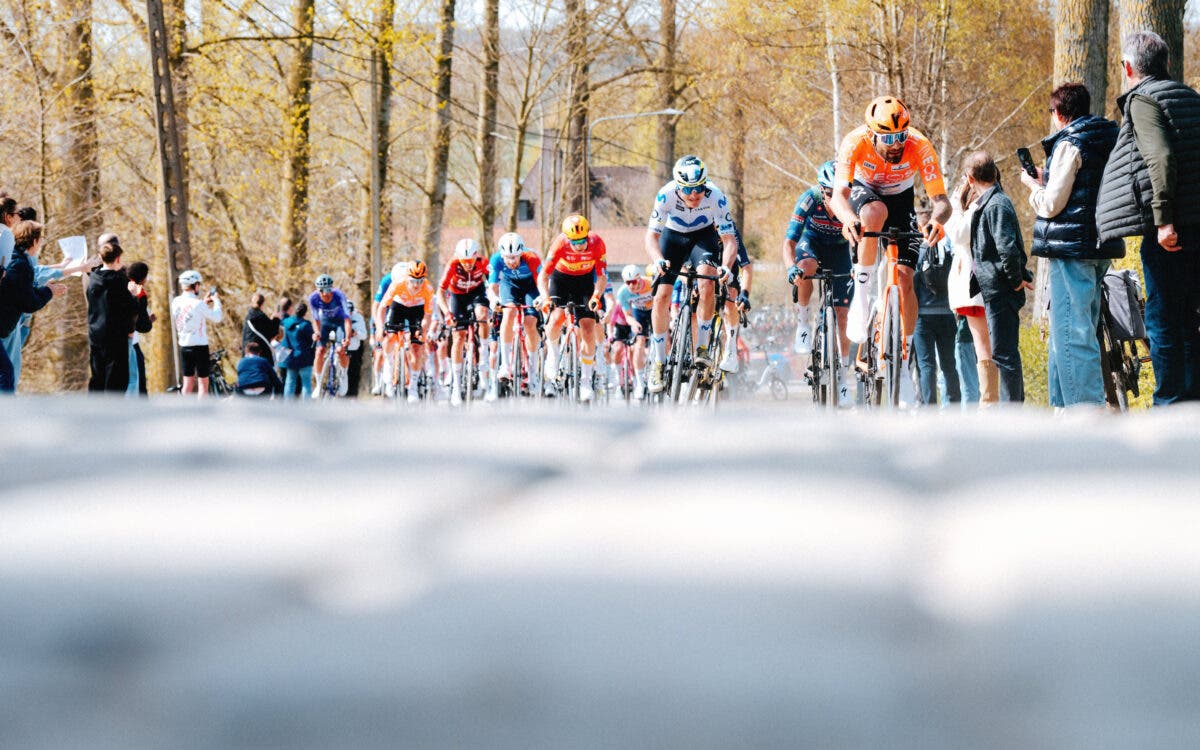
Wearables that monitor sleep patterns and HRV have become uniform in a peloton that’s obsessed with tracking every datapoint possible.
But riders and teams typically take the scores and metrics they spit out with a pinch of salt.
Team staff and riders tell Velo that a bad “sleep score” alone isn’t enough to make them reconsider this planned training load.
Objective data is weighed with subjective feedback from riders during daily check-ins that assess hydration, weight, mood, and more.
Lawrence at EF said sleep data is most valuable when considering the long-term.
“We often look at sleep not only to consider recovery,” he said. “There’s more value to these things than the binary decision, ‘should I train or not?’”
“There can be a lot of other factors going on if an athlete isn’t sleeping well – concurrent illnesses or psychological issues are common, for example. So if a rider isn’t sleeping, we have to try to figure out if there’s an underlying problem.”
In many cases, bad sleep might be because of the new series of Game of Thrones or the throb of aching legs.
But if it persists, medics will advise blood tests to check for underlying sickness or hormonal imbalance.
Where applicable, riders might be advised to see a therapist.
“You often end up delving into what their worries there may be,” Lawrence said. “It’s surprising how many riders are preoccupied about their next contract or a performance anxiety.”
Sleep data is about more than Zzzzs. It can be a warning sign of something more malignant.
Sleep for cyclists: 5 top takeaways from what the pros do
- Sleep should be a performance priority, not an afterthought.
- Chase the quick wins: Is your bedroom cool, quiet, and dark? Invest in your sleep environment before you buy more wheels.
- Put your phone away, dammit.
- Consider supplementing magnesium and snack on protein and carbs before bed. Do those things before your turn to something stronger.
- Tracking sleep with a wearable isn’t essential. However, it’s worth keeping a note of sleep patterns and considering them in relation to training load, health, and injury status.
[analyse_source url=”https://velo.outsideonline.com/road/road-training/why-good-sleep-matters-cyclist-performance/”]