{“@context”:”https://schema.org”,”@type”:”Article”,”image”:”https://car-images.bauersecure.com/wp-images/261711/end_of_ugly_design_2026-5.jpg”,”mainEntityOfPage”:{“@type”:”WebPage”,”@id”:”https://www.carmagazine.co.uk/car-news/industry-news/bmw/end-of-ugly-design-2026/”},”url”:”https://www.carmagazine.co.uk/car-news/industry-news/bmw/end-of-ugly-design-2026/”,”author”:{“@type”:”Person”,”name”:”Piers Ward”,”description”:”Piers Ward is the deputy editor of CAR magazine and orchestrates the magic that happens on its pages each month. From writing features and first drives to instigating daft ideas and organising outlandish photo shoots, Piers is involved in every stage of the magazine cycle.u00A0u00A0nA 25-year veteran of the UK publishing scene and a road tester for a significant chunk of that, Piers has written for most of the outlets that matter u2013 including stints on Autocar, BBC TopGear and Auto Express, as well as jobs working for external agencies.nCareer highlights include importing half a dozen cars into China for an Awards shoot and being the first journalist in the world not to stall Sebastian Loebu2019s C4 WRC car. It must have been all the practice heu2019d had learning to drive in a Lada Riva.nWhen not wielding a keyboard, Piers can often be found scanning the classifieds for his next car purchase or getting behind the wheel of historic racers. He can be found on Twitter (sorry, X), Instagram and LinkedIn.”,”image”:{“@type”:”ImageObject”,”url”:”https://car-assets.bauersecure.com/wp-images/166305/piers_ward.jpg”,”caption”:”Piers Ward”},”sameAs”:[“https://x.com/piers_ward”,”https://www.instagram.com/pierswardmedia/”],”url”:”https://www.carmagazine.co.uk/author/piers-ward/”,”jobTitle”:”Deputy editor”,”worksFor”:{“@type”:”Organization”,”name”:”CAR”}},”dateModified”:”2026-05-11T10:12:09+01:00″,”datePublished”:”2026-05-11T10:12:09+01:00″,”headline”:”The end of ugly: meet BMWu2019s classy new design direction”,”publisher”:{“@type”:”Organization”,”name”:”Bauer Media”,”brand”:{“@type”:”Organization”,”name”:”Car Magazine”},”logo”:{“@type”:”ImageObject”,”url”:”https://car-assets.bauersecure.com/images/logos/car.200×88.png”}}}
The end of ugly: meet BMW’s classy new design direction
Published: Today 10:12
► What’s next for Munich?
► How its design ethos has changed
► And what that means for the product
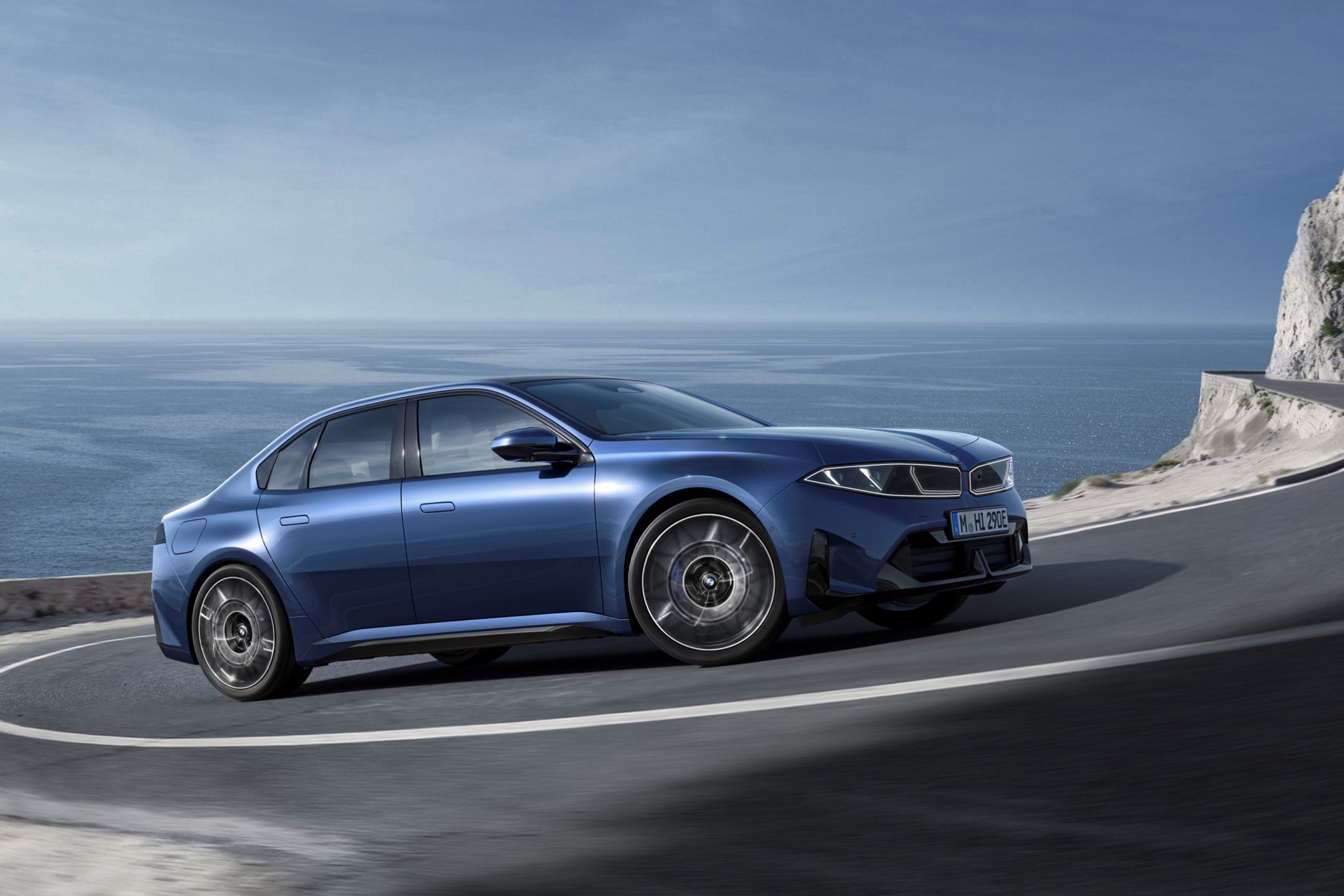
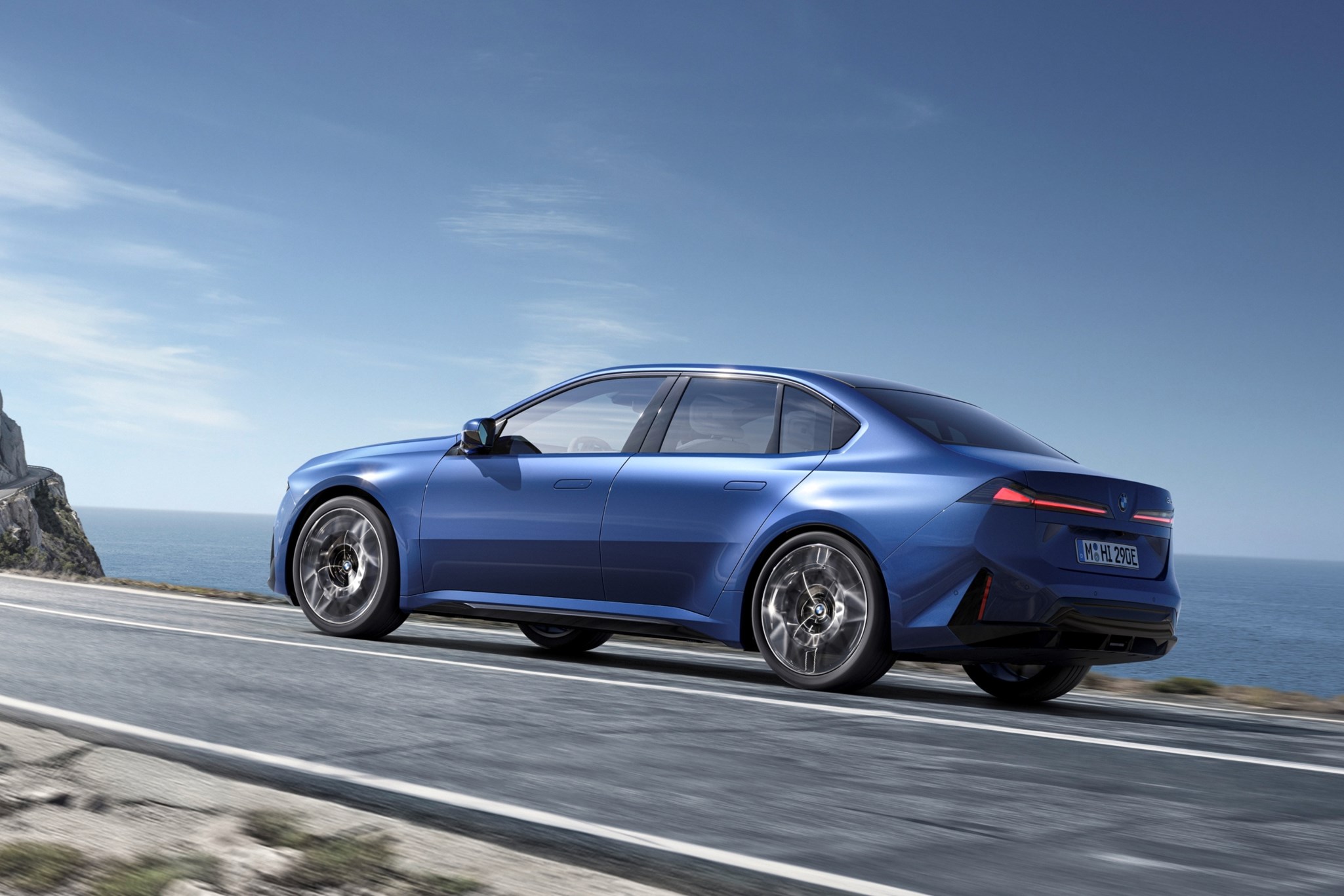
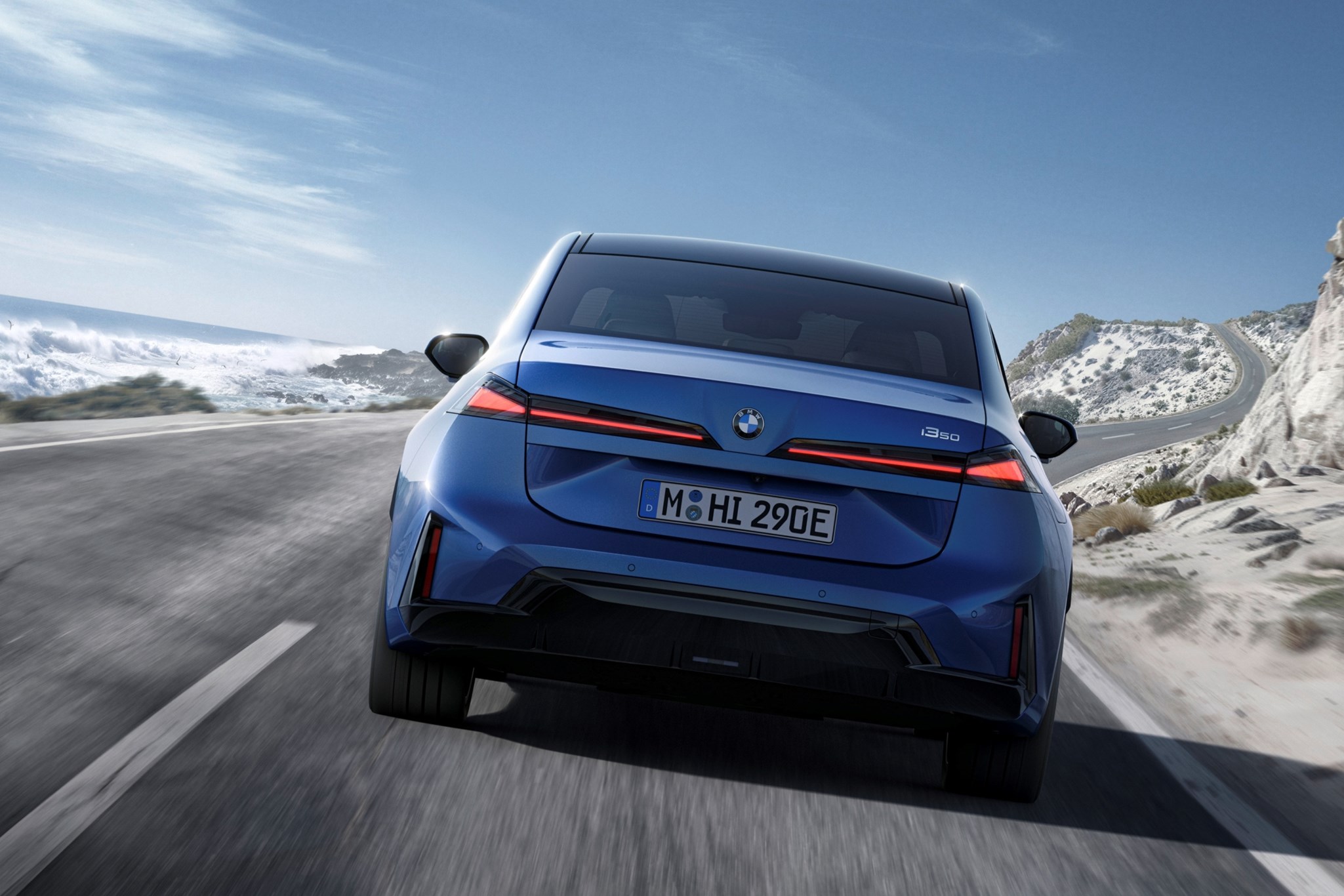
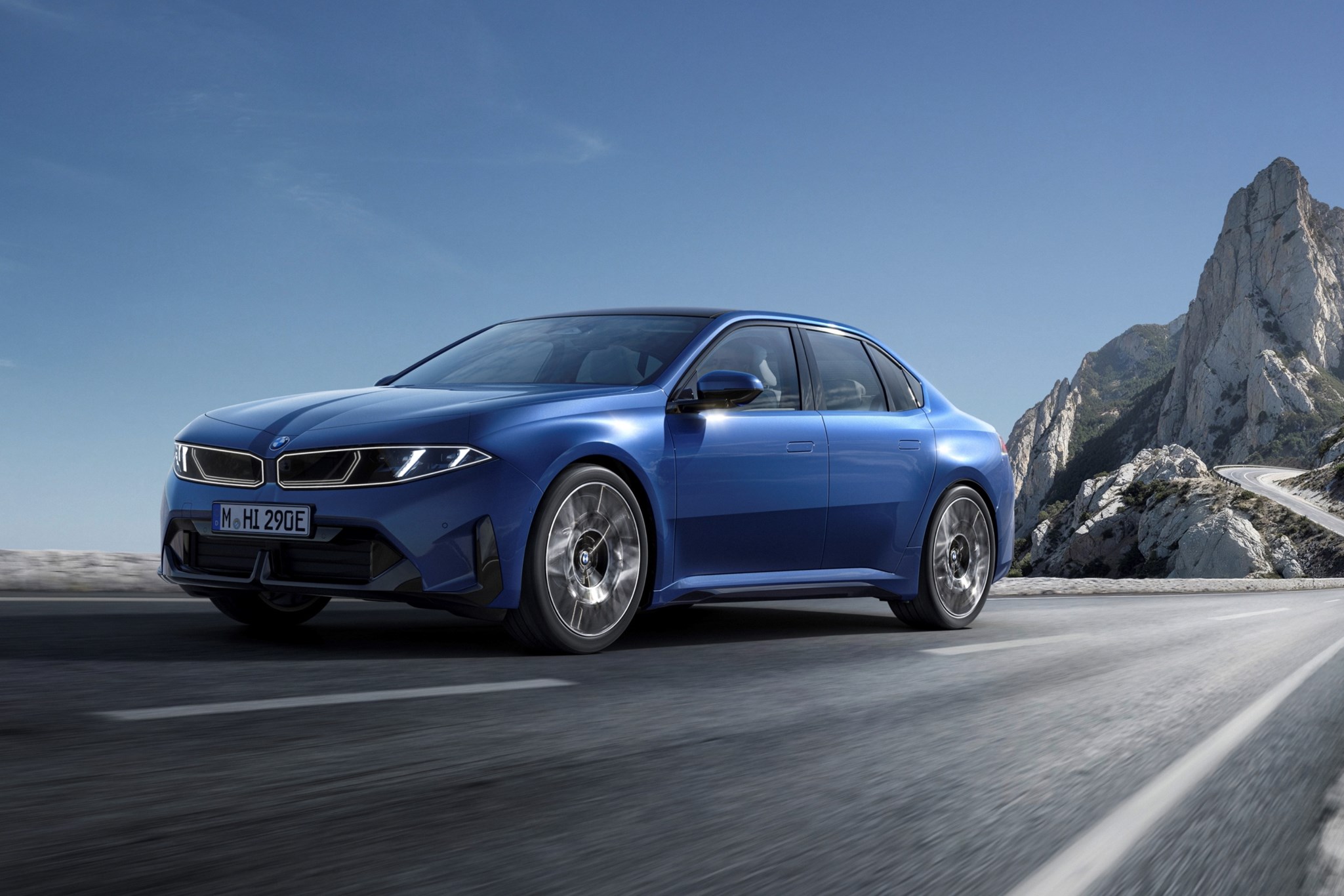
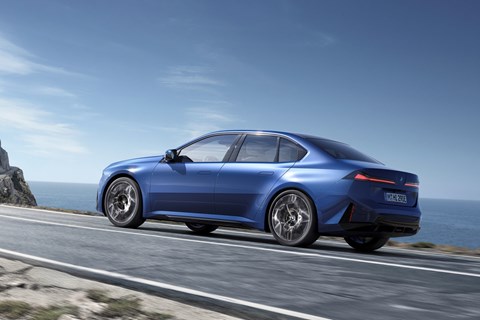
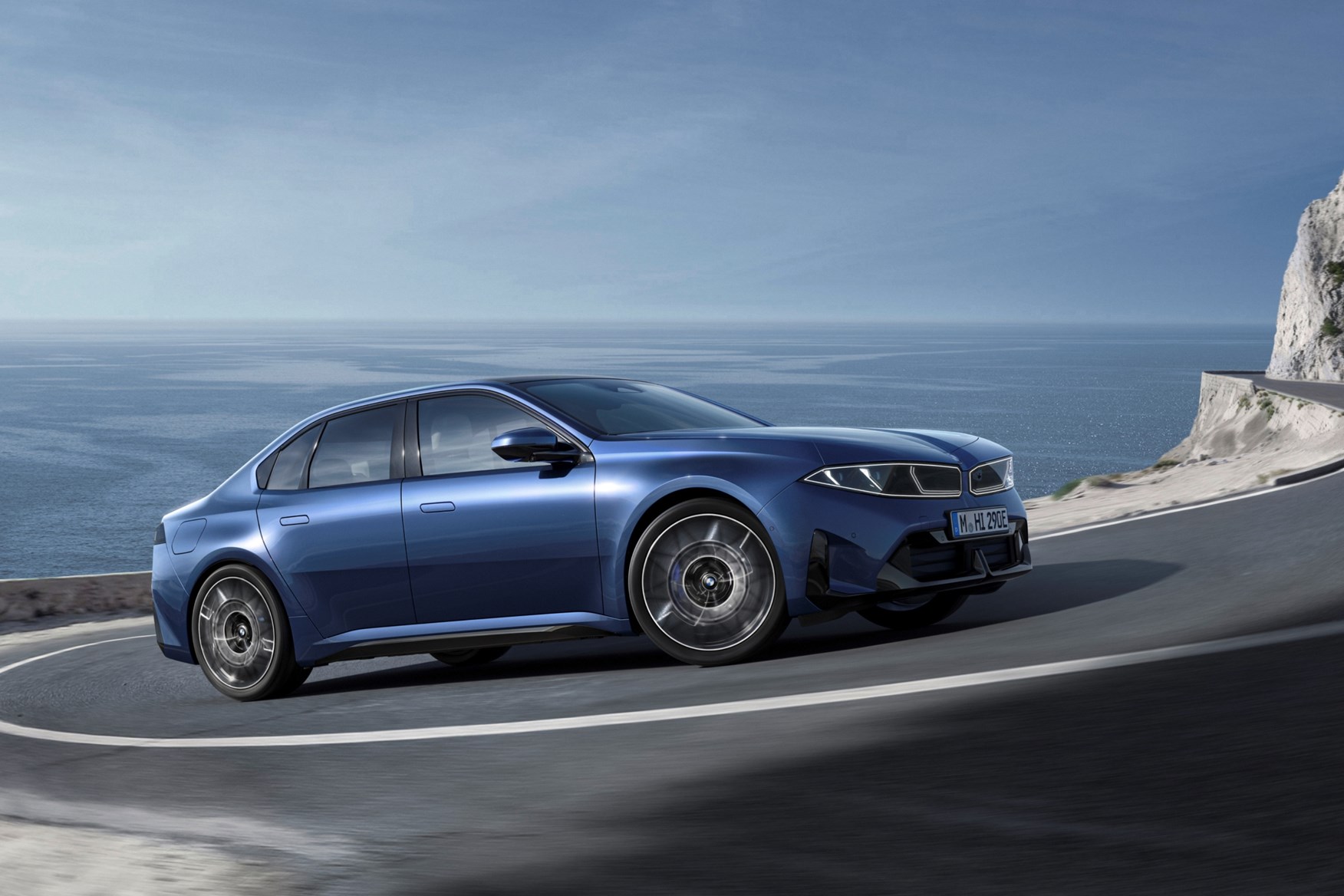
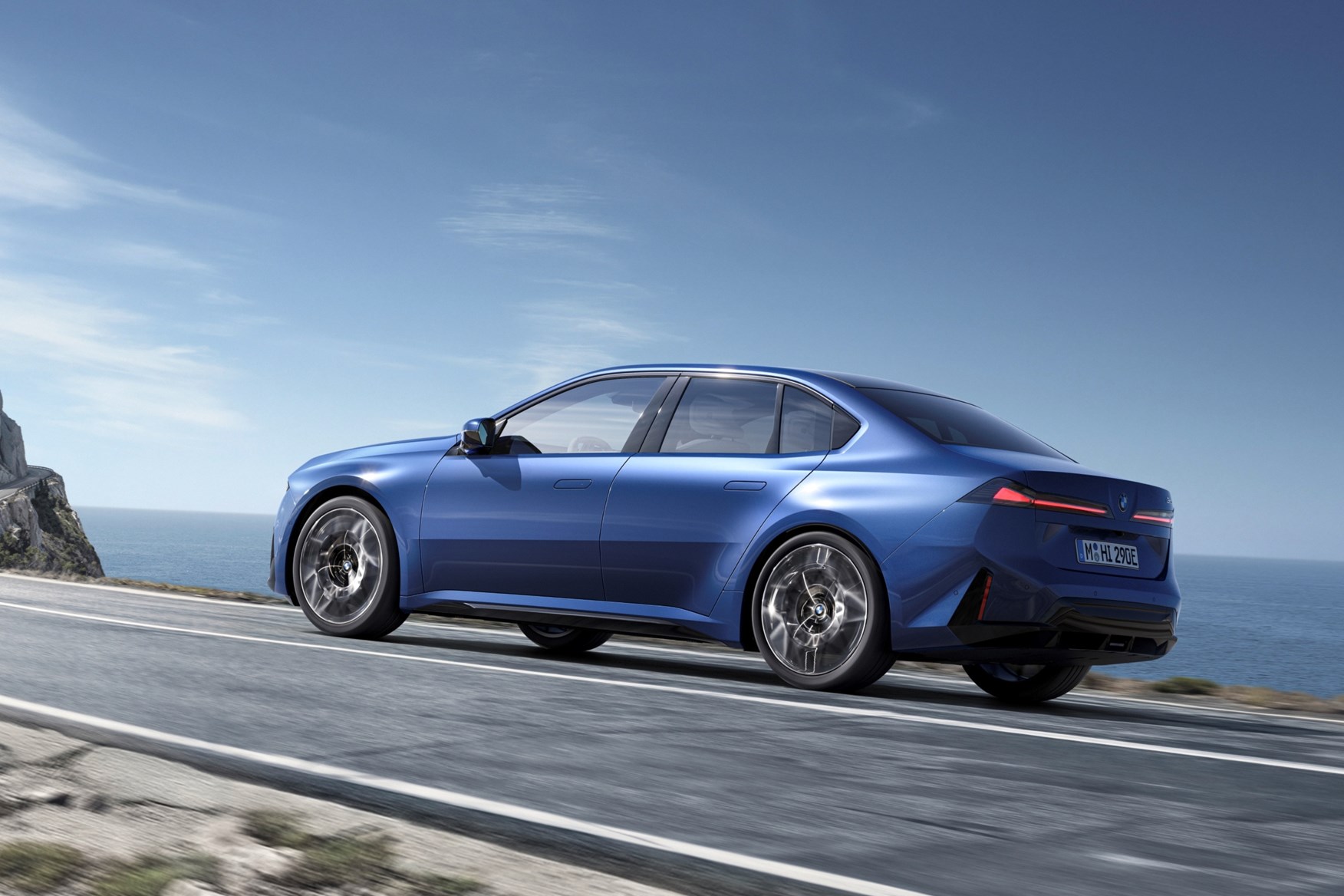
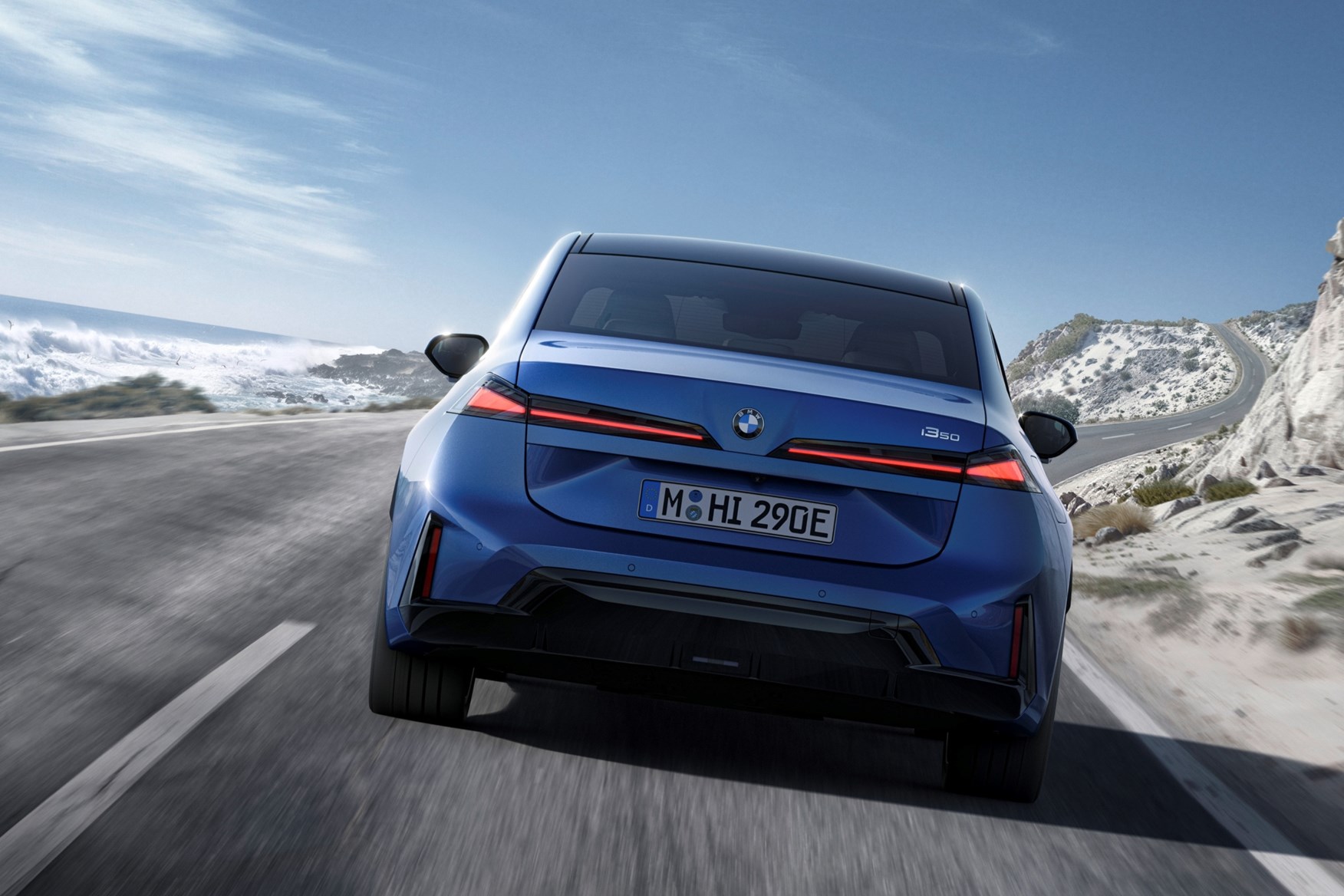
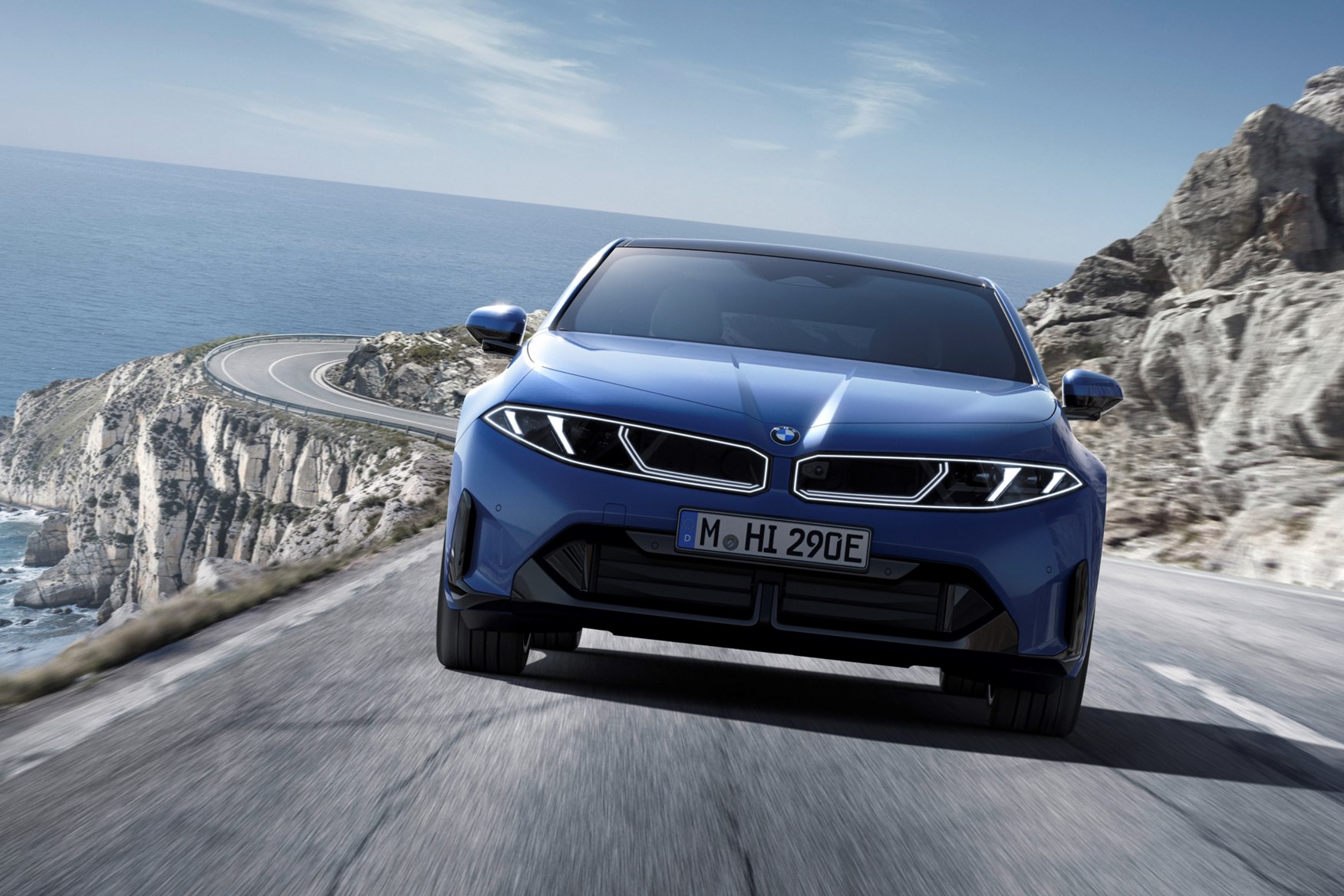
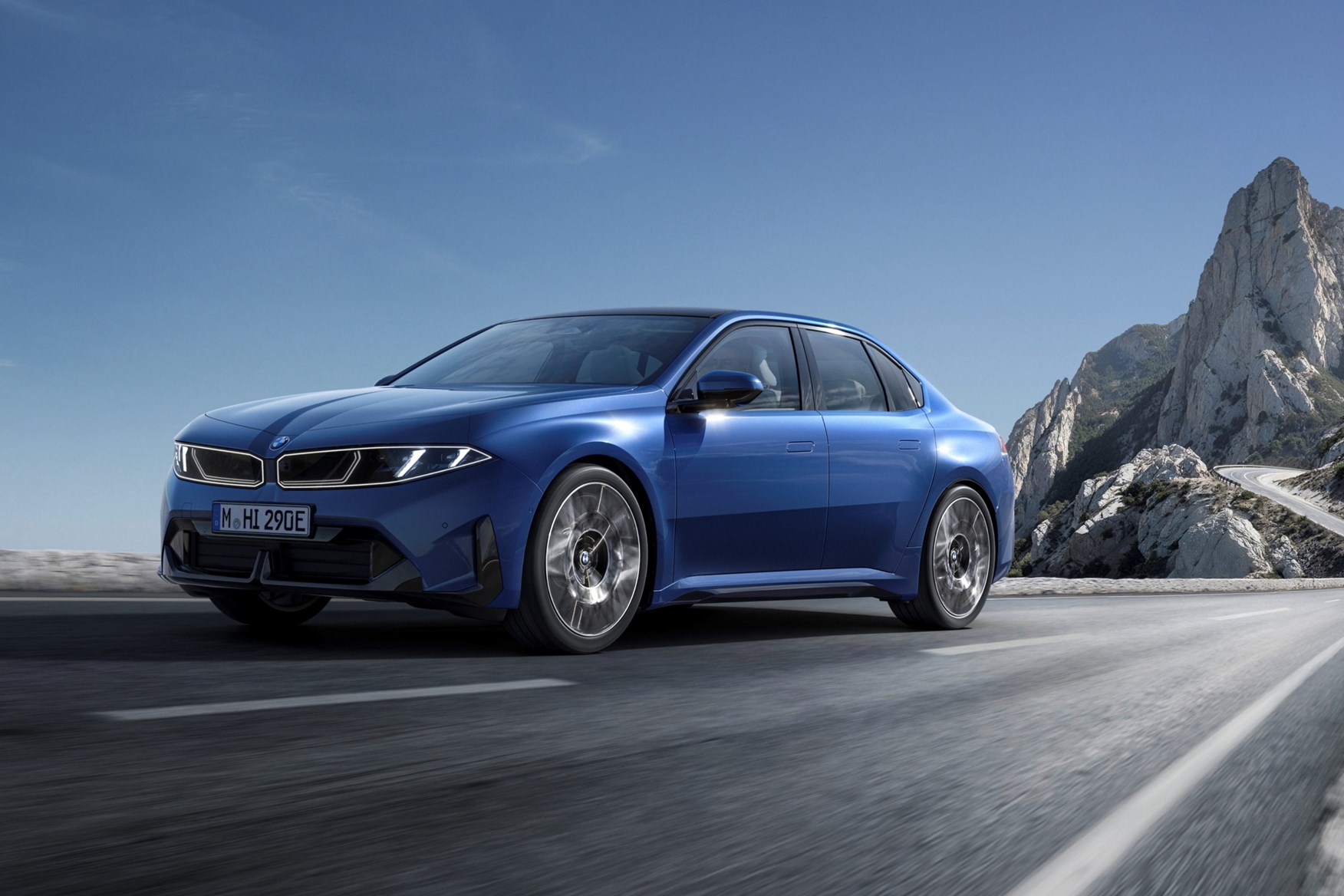
Adrian van Hooydonk is looking relaxed. This is not surprising, as the senior vice president of BMW Group design has just witnessed 4000 employees whoop with the giddiness of a Taylor Swift audience. The cause? The new i3 electric saloon has just been unveiled. The car’s reception – in the building and around the world – has been overwhelmingly positive. It’s a moment for van Hooydonk to bask in the glow of a job well done.
Given some of BMW’s recent design offerings, and the reaction to them, the enthusiasm wouldn’t have been taken for granted. Couple that with the i3 being heartland BMW – no single model means as much to a car company, save possibly for VW and the Golf – and the unveil was not without risk. Fortunately, the consensus both within and without BMW has been that the i3 moves the game on without alienating the faithful.
Like this? Get more CAR delivered to your browser! Click here to add CAR Magazine as a preferred source on Google.
It wasn’t always like this. Back in 2021, I spoke to van Hooydonk and Domagoj Dukec, then design director at BMW and now in the equivalent role at Rolls-Royce, when they were justifying the enormous kidney grilles that were ‘in’. Both acknowledged the social media pile-on was brutal, but also felt their decisions were correct; BMW needed to distinguish itself. As Dukec said back then, ‘It’s not our goal to please everyone in the world, but you have to please your customers.’
They had a point – sales grew – but it must have been galling to be constantly justifying your design. With the i3, van Hooydonk simply has to explain it.
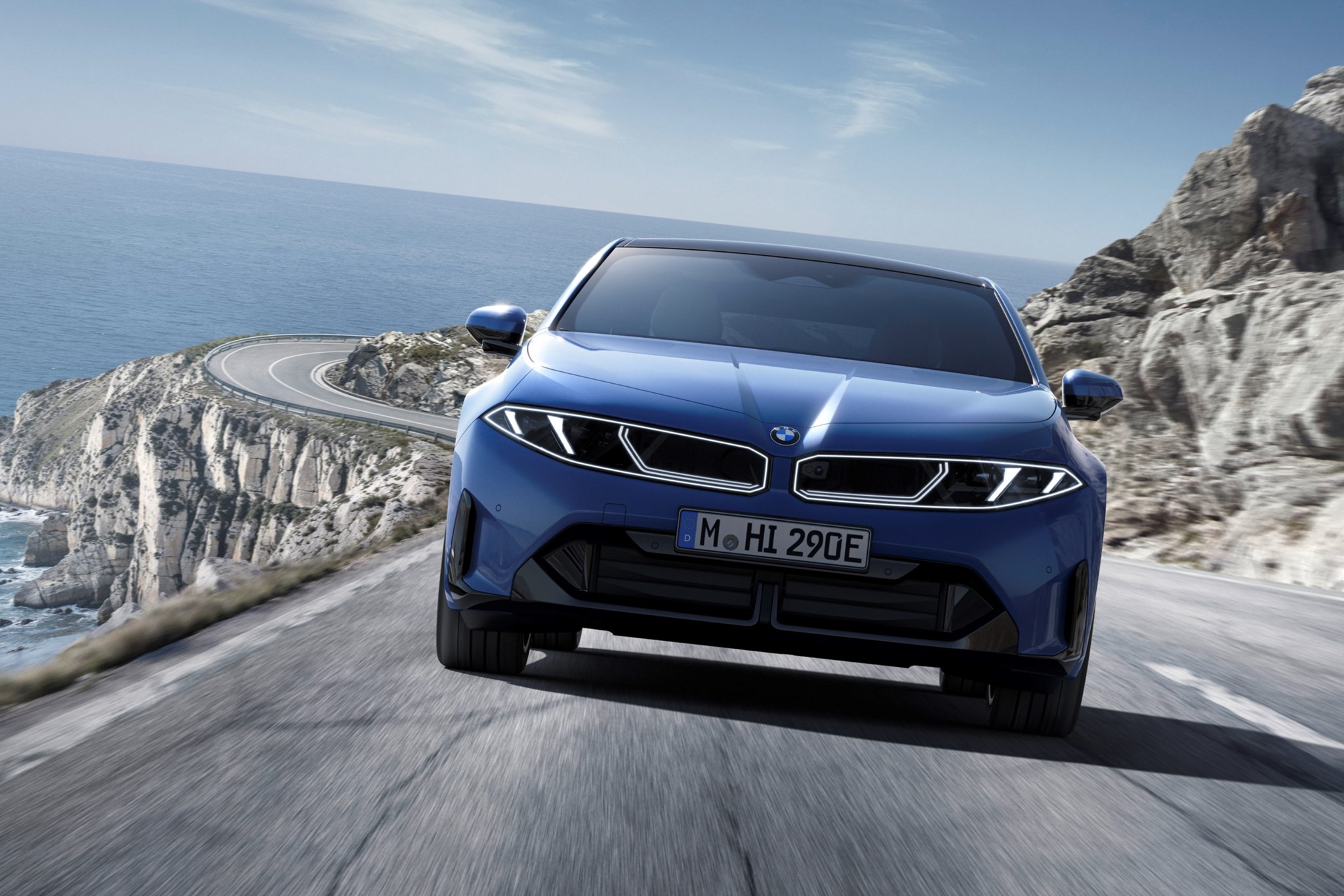
This Neue Klasse moment is significant in all sorts of ways. It’s part of a wider design reset within BMW, where the brand is aiming for smoother proportions and cleaner lines across the board, with less snouty kidney grilles. The past is important, but the future will be more harmonious, with fewer outliers. ‘Each of the cars will still have its own distinct character but everything is somewhat cleaner, definitely a lot more modern,’ explains van Hooydonk.
He reckons BMW ‘has fans, not customers’ who are open to change; the brand can deliver bolder designs but mustn’t fail to bring the base along for the journey. ‘It doesn’t help us if everybody buys a car now and then in two years it’s over.’ It’s the reason for the rigorous mantra that BMWs must always be driver’s cars – ‘especially with a 3-series [we must show] it’s going to be fun to drive, even when it’s parked.’ Emotion is key, something BMW feels has been lost with some brands.
As van Hooydonk explains, ‘We’ve seen other companies do modern design but often the emotion was lacking. It became a tool but it didn’t really speak to you. For us, it’s very important the car gives you good feedback when you drive it and is also really good to operate.’
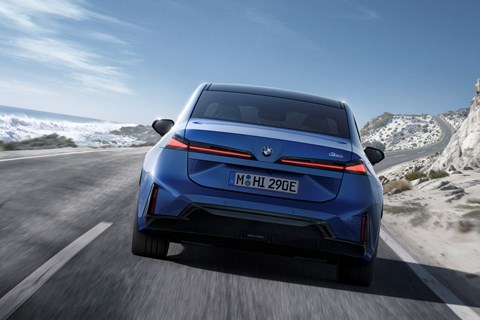
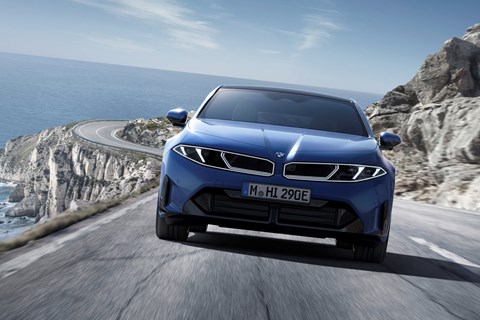
Not that the new era isn’t without its challenges. From certain angles the i3 looks awkward, particularly front-on, where the need to pass pedestrian impact tests has had a shaping influence. Or the car’s additional height compared to the previous 3-series, caused by the skateboard battery.
And there’s the legacy of the recent past to flush out; the facelifted 7-series was already too far down the line to get the new treatment. Having seen it in the flesh, it’s still not a looker.
While Dukec has been moved to Rolls-Royce, Oliver Heilmer and Max Missoni are now at BMW. Heilmer takes care of everything up to 3-series, and M models, while Missoni works on 5 and up, plus Alpina.
Missoni is famed for his Scandi-chic work at Polestar, which was all about smooth proportions and effortless lines. He should bring some welcome tightness to BMW, which, like the other big two German brands, has let itself get flabby recently. As van Hooydonk explains, ‘that is why we chose to go after him… the only person I was really interested in was Max Missoni, based on what I saw. He is a great addition to our team.’
How they all rub along will be interesting. When I ask van Hooydonk if they’re like Lewis and Nico, he smiles. ‘All designers are competitive. I have 700 of them and they all want to win the next project. Ambition is never a bad thing in a BMW context.’
Missoni has clear ideas and a tight focus on what he needs to do: ‘If you have to explain design, it’s failed.’ The dynamic between M and newly-integrated Alpina is fascinating, with Missoni promising that the two can easily co-exist. ‘I’m excited about this. It hurts a little to see people that still wonder whether there’s even room for these two [brands] alongside each other. We have already defined these nicely. There is a real space for both.’
None of them will have it easy in these turbulent times. Missoni thinks designers can offer clarity. ‘The legacy brands are navigating very foggy waters. You can’t just keep doing the same thing incrementally. Designers have been trained to sense what’s coming.’
In the past, data was key – but studying past numbers and simply projecting forward no longer works. ‘Now, there are 15 different pathways to follow. I think that’s where designers can really add value, given they have broader touch points within the company.’ Van Hooydonk echoes this, talking of having good relationships throughout BMW.
Sitting across the table from both, it feels like a more harmonious set-up now, a sense of a clearer direction. Van Hooydonk is clear that a BMW ‘must fit a customer’s lifestyle. We should connect to the lives they want to lead, rather than tell them how to lead it.’ High tech, but ‘not like driving a computer.’
console.debug(‘taboola container loaded..’)
window._taboola = window._taboola || [];
_taboola.push({
mode: ‘thumbs-feed-1×1’,
container: ‘taboola-below-article-thumbnails-v3’,
placement: ‘Below Article Thumbnails V3’,
target_type: ‘mix’
});
var disqus_shortname = ‘carmagazine’;
var disqus_developer = 0;
var disqus_identifier = ‘article-wp-261711’;
(function () {
var dsq = document.createElement(‘script’);
dsq.type = ‘text/javascript’;
dsq.async = true;
dsq.src = ‘http://’ + disqus_shortname + ‘.disqus.com/embed.js’;
(document.getElementsByTagName(‘head’)[0] || document.getElementsByTagName(‘body’)[0]).appendChild(dsq);
var s = document.createElement(‘script’);
s.type = ‘text/javascript’;
s.async = true;
s.src = ‘http://’ + disqus_shortname + ‘.disqus.com/count.js’;
(document.getElementsByTagName(‘head’)[0] || document.getElementsByTagName(‘body’)[0]).appendChild(s);
})();Please enable JavaScript to view the comments powered by Disqus.