Wonderland
WITH LIMBO, NAMASENDA REDEFINES WHAT MAKES A POPSTAR
Swedish pop artist Namasenda reflects on her debut album Limbo, her roots in southern Sweden, her evolution through hyperpop, and leaving PC Music, as she continues to redefine what pop can sound and look like.
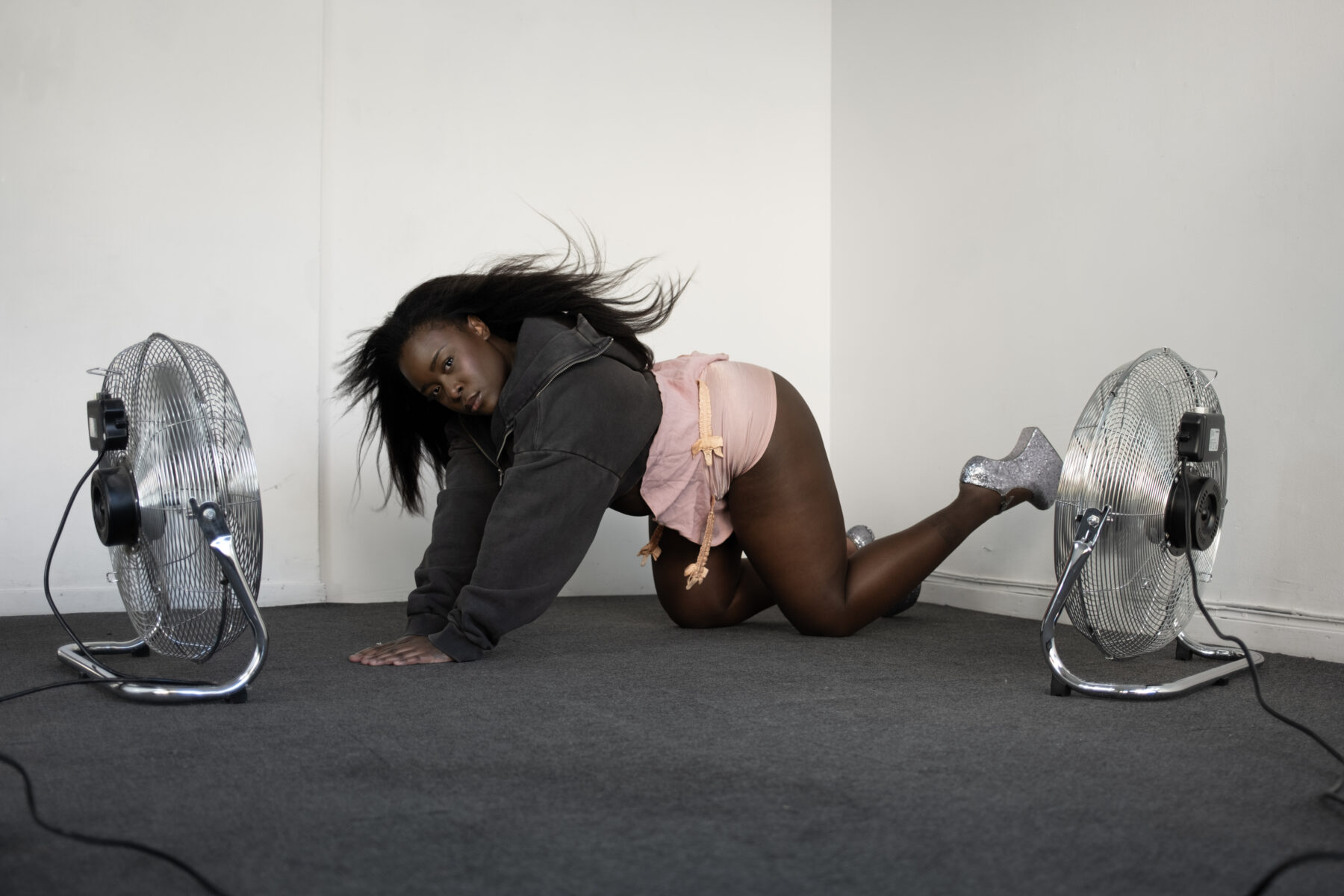
There is something inevitable about the way Namasenda talks about her life. Not in a destiny-written-in-the-stars way, but in the tone of someone who has always known what she was meant to do or where her path would take her, even if she didn’t yet know how to do it. A 90s kid raised on MTV, VH1, the Spice Girls and Britney Spears, her understanding of pop music started as fantasy from the eyes of a fan long before it became her craft.
The Swedish pop artist’s work sits between hyperpop experimentation and contemporary pop ambition, shaped by years moving through DIY scenes and collaborations with some of the genre’s most forward-thinking producers. Now based in Stockholm, she is entering a new era with her debut album Limbo, a record built around uncertainty but still driven by a clear idea: “I still want to be a pop star,” as she tells me over Zoom from her home in the Swedish capital.
For Namasenda, the idea of pop stardom isn’t tied to a single image or formula, but something far more flexible she can reshape on her own terms. “I think there are so many different ways to be a pop star. I don’t think you have to fit in one type of mold… Now I feel like you can just be yourself, which is pretty cool.”

What she’s really talking about is permission, to exist in pop without conforming to its older, and more rigid expectations. For her, the role is less about image and more about presence: being visible as yourself, without dilution or compromise. “I think what makes a pop star is a person that is strong enough and willing to be themselves and to show the world who they are.”
That clarity extends to her ambitions, which she doesn’t soften or filter. The Swedish artist wants scale, recognition and reach and, most importantly, the thrill of making music that connects. Her goals are direct and almost old-school in their honesty: “I want to get nominated for a Grammy. I want to tour the world. I would love to tour Asia and South America. There’s so many people that I want to work with. I want to have that feeling of writing a really great song.” With a grin, when I ask her about a dream collaboration, she adds, “I would love to do a song with JT. I love her energy, love her output.”
Her goals point outward, but her “epitome of pop” debut album Limbo is rooted in something much more internal. “It started with just me feeling like I was literally in a ‘limbo’. Wondering where to go next, what’s going to happen with my career. Did I make the right choice leaving my record label and signing with a new one? What am I doing with my life?” she says. “I was just like waking up every day wondering ‘What is my life? What am I doing with my life? Am I good enough? Is this good enough? Is this what I should be doing?”
Even in that uncertainty, the one thing that stayed a constant was music. “For me, music has always been the solution to everything. That is like the backbone of me and my life.” The album, she explains, didn’t feel forced so much as inevitable, “with this album, I don’t feel like I made it, it just kind of happened to me.”
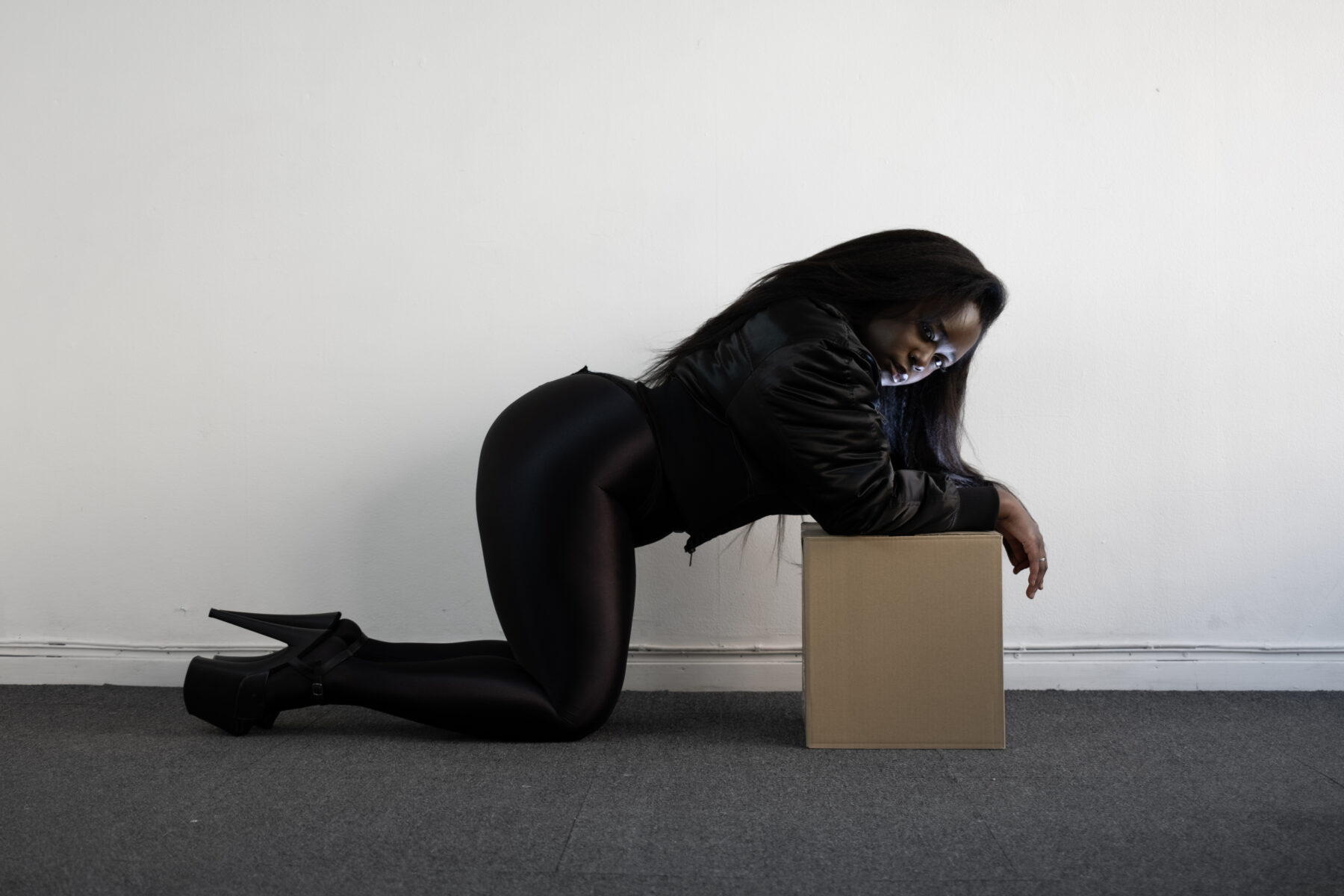
The 11-track album contains no collaborations and offers a more personal side of the artist. “I feel like the older I get, the more honest I dare to be.” Made instinctively and with immediacy, the record resists over-polishing while maintaining her signature drums and synths. “It’s just very me. It’s not so glossy and curated, just my thoughts in the moment. For example, the last song on the album, “Alright”, that one sounds exactly like it sounded when we made it that day.”
That sense of ease came in part from where she made it. After living in Berlin and London, she returned to Stockholm, where she found herself at home, “it’s the first time in a very long time that I’ve had the privilege to just record a full thing here in Stockholm” she says. “It takes me like 15 minutes to get from my house to the studio, which felt so luxurious to me because I’ve had to fly to places to work with people before. So this was different. It was so much easier. I came into a certain flow and I stayed in that flow for over a year. That is what made the album so great.”
Before Limbo, Namasenda’s 2017 independent EP “hot_babe_93” first introduced her to wider attention, circulating through underground pop communities and gaining traction online at speed through tracks like “Donuts”. At the time, Namasenda didn’t have a social media presence, “I didn’t know what was happening, I think I missed my own moments in a way,” but that era eventually led her into working with producer A.G. Cook and the PC Music label and art collective, where her sound expanded into something sharper and more maximalist.
“I have always and I always will be a major fan of A.G. He is a genius,” she says. “Our work together did a lot for my sense of self and he really made me trust my own ideas and my songwriting skills. I definitely became a better songwriter and artist because of that collaboration.”
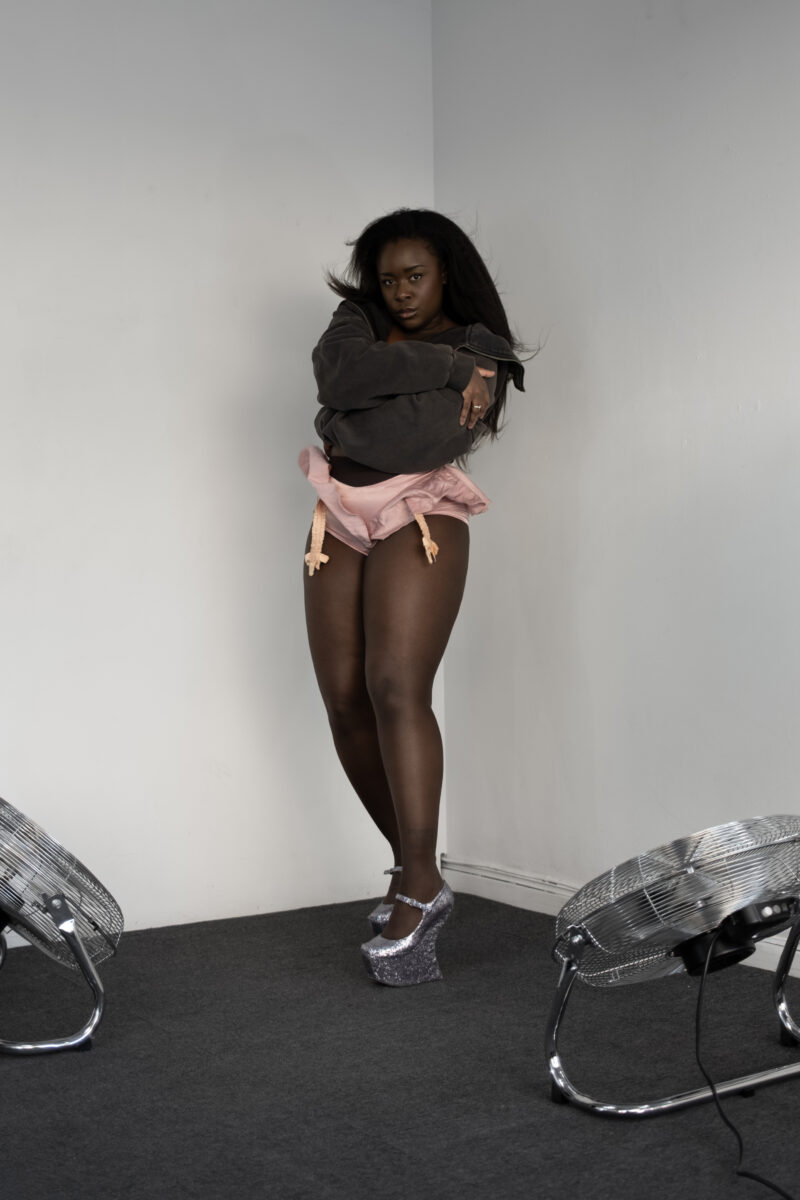
Since then, the pop visionary has resisted the idea of locking into one style, choosing instead to let her sound evolve as she does. “It was time for me to leave that chapter and that’s that,” she insists. “I don’t ever want to do the same thing over and over again. I have to evolve, find new people, work with new producers, work with new creative directors, just keep evolving.”
That instinct to build and rebuild traces all the way back to her childhood in Veberöd, a small town in southern Sweden where she often felt creatively under-stimulated. “For as long as I can remember, I’ve always wanted to make music.” She started writing songs at a young age and played in a punk band at the age of 12. “I always knew that this was what I wanted to do. I just had to figure out how to make it happen.”
With little around her creatively, she found inspiration within, imagining a different life entirely, especially the version of pop she saw through screens. “I thought about LA a lot because that’s what I saw on TV. I needed to go to Hollywood. I just sat, and thought about my life and I was just incredibly bored.”

However, growing up in Sweden, the world’s third largest exporter of pop music, also shaped her possibilities. “I live in a country where culture is very important and at a young age I had access to government funded studios, you get so much help here, so obviously there’s gonna be so many artists coming from here,” she explains. “I don’t think that we’re necessarily better than anyone else, it’s just that we get the right help.”
Even before she knew their names, she was absorbing the lineage of Swedish pop. “I didn’t really know who Max Martin was growing up or Denniz Pop, but those are the people that I grew up listening to. Their pop formula is stuck somewhere in the back of my head. Obviously, I don’t always follow it, but it’s still there guiding me in some sense.”
In many ways, Namasenda is still working from the same impulse that shaped her childhood: the need to create something bigger than her reality. With her new record Limbo, the difference is scale. The worlds she once imagined alone are no longer private, as she slowly becomes the pop star she set out to be.
Listen to Limbo…
Words – Moira González