[analyse_image type=”featured” src=”https://velo-cdn.outsideonline.com/wp-content/uploads/2026/04/Copy-of-redbull.jpg”]
Pro racing is on the precipice of an AI revolution, and you’d better get used to it.
After years of dabbling at the margins, the way the world’s elite trains, fuels, and races is set to be transformed by both DIY programs and multinational data partners.
And all of us weekend warriors will feel the trickle down, no matter where we land in the “robot vs human” debate.
Cycling was pushed a few inches closer to the AI precipice in the past week.
Team Ineos confirmed a five-year partnership with AI giant Netcompany in a deal it hailed “one of the most significant technological and commercial partnerships in professional cycling.”
The tech giant’s systems will – apparently – fast-track the team back to the top of the Tour de France by streamlining and optimizing its performance structures.
Only one week earlier, USA’s Olympic superstar Kristen Faulkner revealed she’s coded herself a system which “builds personal models of [her] physiology.”
The Harvard computer science graduate correlated data points from 4,400 hours of training that span as far as watts and HRV to menstrual phase and blood markers.
The result?
A pinpoint program that brought her to a 20-minute power PB at the PanAM Championships.
Netcompany-Ineos goes big on the data boom
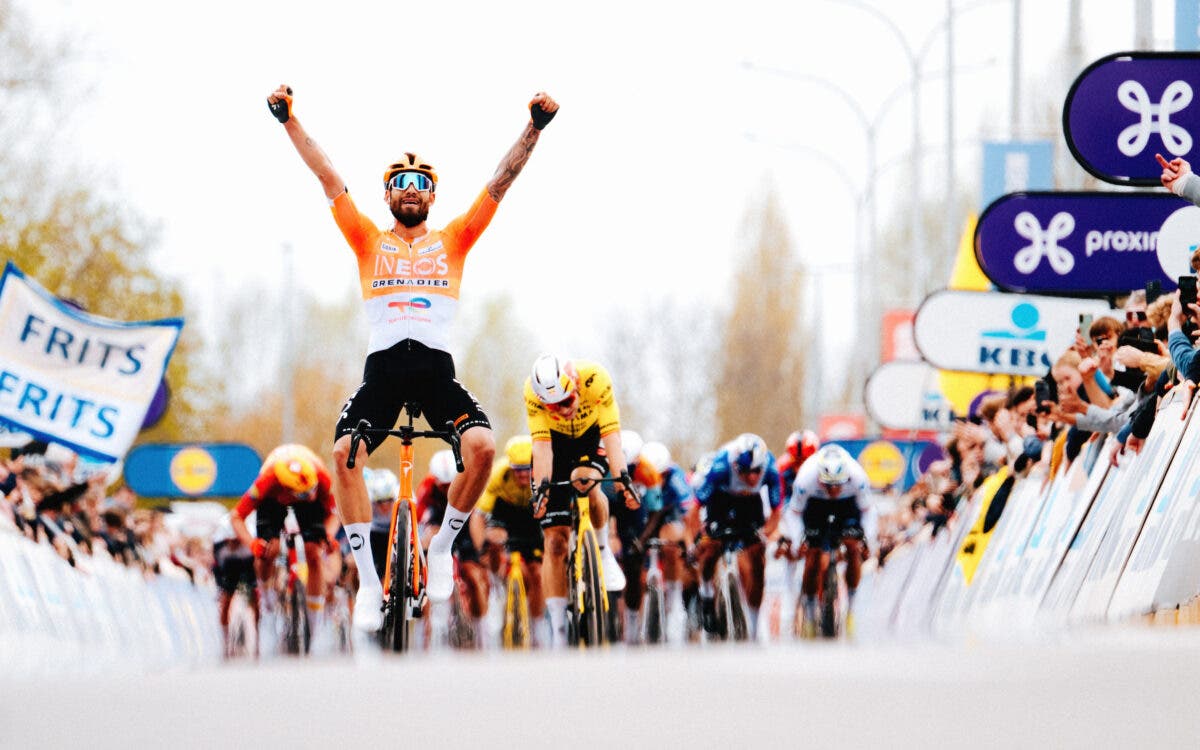
Ineos got a significant boost to its hopes of leveling with the superteams in its long-term deal with Netcompany.
The partnership is reportedly worth a whopper €100 million over five years. But perhaps equally significantly, the team will use Netcompany’s “Pulse” system to cut through the hot mess of data that surrounds all professional sport.
The tie-up makes the snappily named Netcompany-Ineos the latest big-money squad to put its faith in big data.
Visma-Lease a Bike and UAE Emirates-XRG have been working with Mistral and Analog, respectively, for some time.
Rival WorldTour heavyweights Red Bull, Lidl-Trek, and Decathlon have not publicly discussed using similar systems, but it seems unthinkable that they wouldn’t be.
There are gains that are more than marginal to be had.
Too much data and too many decisions
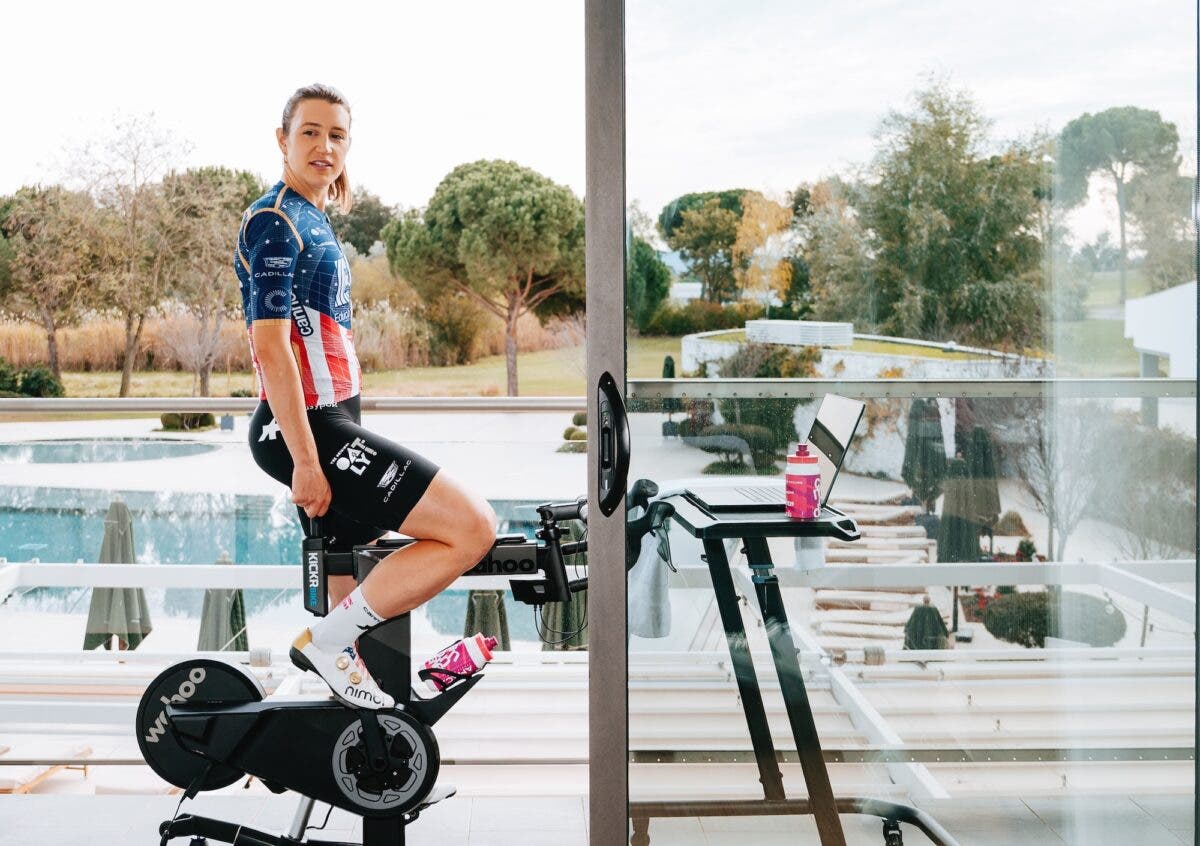
Why does all this matter for the pros, and for us?
In theory, a bunch of very complicated algorithms will help athletes and staff see the bigger picture.
Because an average WorldTour pro gathers dozens of metrics on any given day. Even a 10-hour-a-week Average Joe with a smart watch and a power meter will collect more data than they can make sense of.
Watts, beats per minute, kilojoules, TSS, temperature, and humidity get spat out of bike computers.
HRV, resting heart rate, bodyweight, hydration status, and sleep scores are recorded by a toolbox of wearables, scales, and questionnaires that are poured over by coaches every day.
But while popular platforms like TrainingPeaks can collect all the data into one place, it has largely remained unreconciled.
Until now.
Platforms like those now being used by Faulkner and the WorldTour superteams can synthesize billions of bits of training information.
They’ve got the computing power to spit out micro-insights that inform – or automatically adjust – training programs, race schedules, and tactical planning.
As a back-of-a-napkin example: “Which rider goes well on X percent grades at Y degrees centigrade when their training load is Z?” “Send them to this or that race.”
Those concerned power meters and race radios are stealing the humanity from cycling have a sizeable new problem to stress about.
Why the growth of AI in cycling accelerated
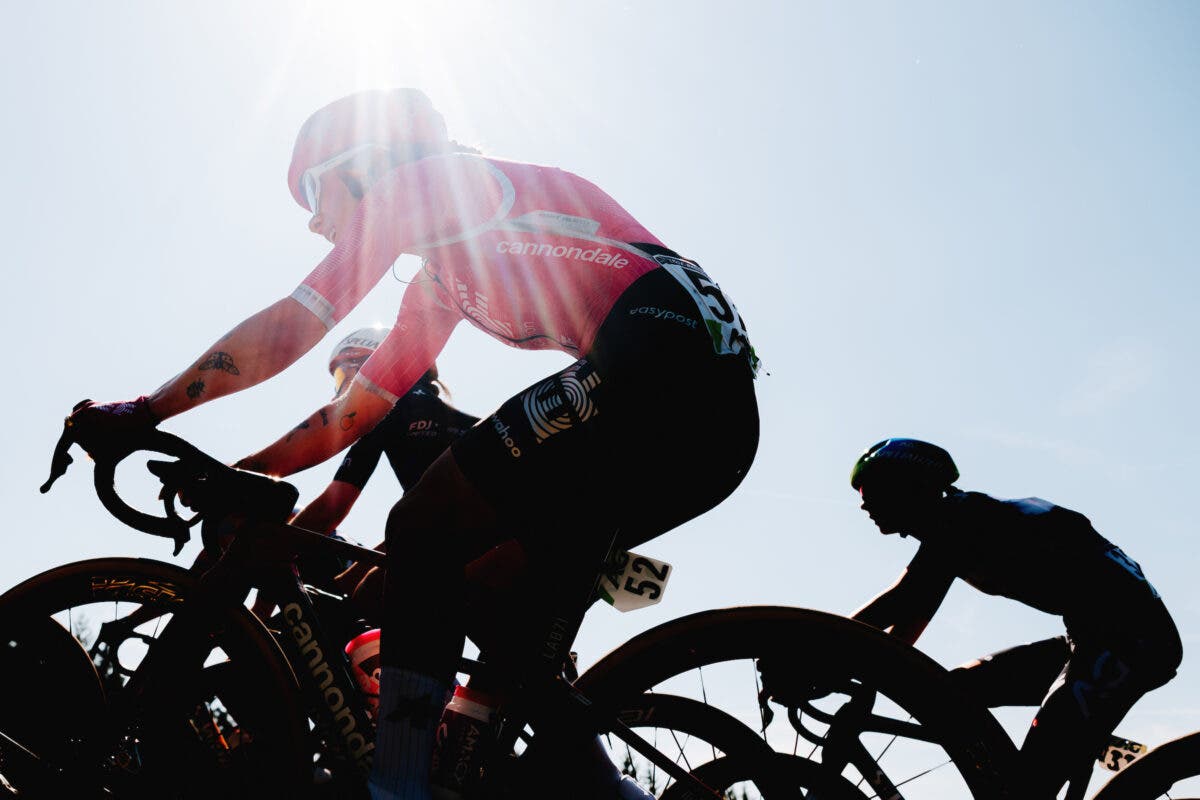
Cycling’s AI revolution has moved fast in recent months.
Performance directors talked about it in the very future tense when we investigated the AI arms race little more than one year ago.
“It would be a huge next step if we could bring together all this data we collect that lives in different places,” Red Bull’s outgoing lead coach Dan Lorang told Velo last winter. “It could change our entire approach.”
For many inside the sport, the new AI acceleration has been too long coming.
Performance leads at Jayco-AlUla and Tudor have long been telling us that the future of elite performance lies in using data to make hyper-specific, micro-programmed training schedules.
Faulkner builds an AI future for female performance
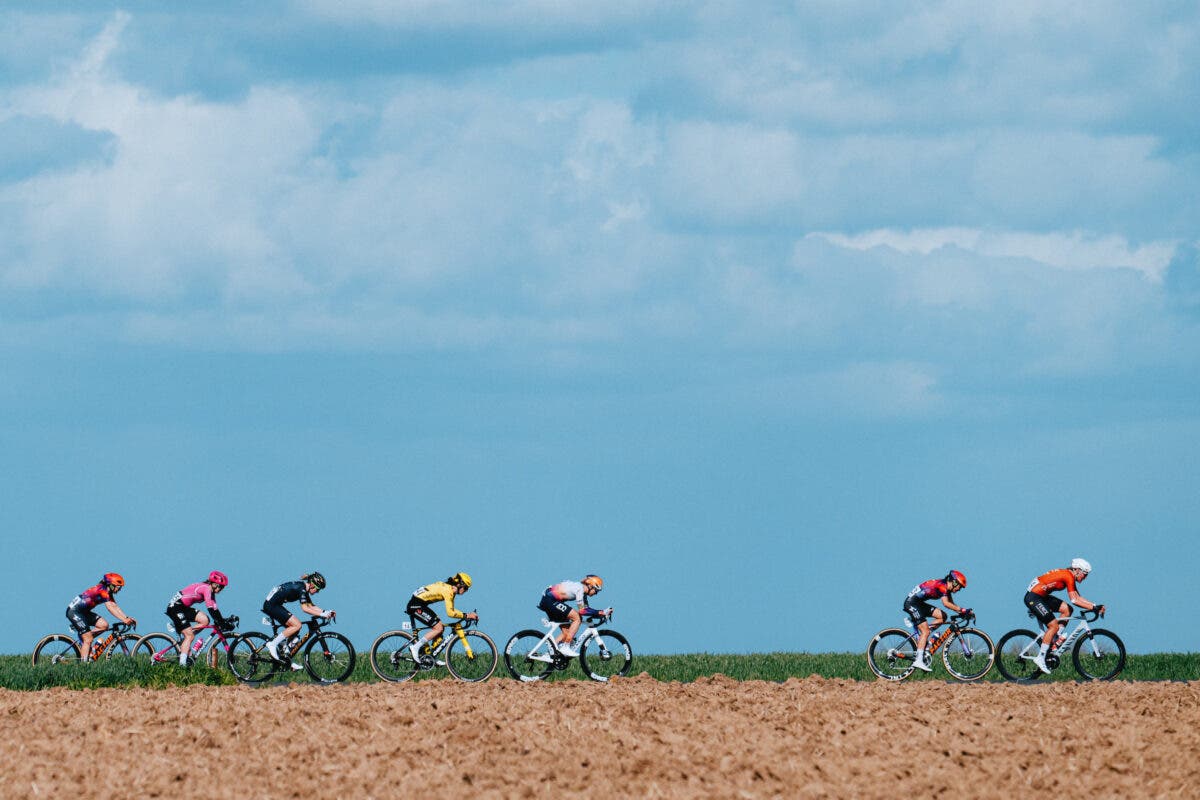
Faulkner told Velo that embracing AI systems like hers could be a crucial next step in the chronically underexplored world of female strength and endurance.
“There is a real need for better tools in this area,” Faulkner told Velo. “Most sports science research has historically been conducted on men. But so many generalized training models do not fully reflect women’s physiology.”
Elite women have been pushing for more specific guidance since well before Stacey Sims began a paradigm shift in the 2010s with her philosophy, “women are not small men.”
“Menstrual cycle phases, hormonal shifts, recovery patterns, metabolism, and even how heat or sleep interact with those variables can all matter,” Faulkner said.
“That does not mean there is one universal formula for women athletes, but it does mean there is a real opportunity to build more individualized, evidence-driven systems that take those factors seriously,” she said.
Faulkner, who races with EF Education-Oatly, wants her model to inspire other organizations to invest in tools and innovation built specifically for women.
She’s so confident in her program she’s even putting it through beta testing with external users and considering a wider rollout.
But isn’t AI already here?
So what of mass-market AI-driven platforms like Vekta, TrainerRoad, Hexis, and FoodCoach, you ask?
We weren’t talking about an “AI revolution” when they landed into our App Stores several years ago.
The difference is that systems like Netcompany’s or Faulkner’s significantly expand the scope.
Totally disparate datasets are being distilled in this next wave of artificial intelligence in cycling. For example, beyond just training and nutrition and to the inclusion of weather, biomarkers, and menstrual status.
The future of AI in cycling? To ‘help’ but not ‘replace’
It will only be a matter of time before the findings from pro cycling’s dive into all-dimensional datasets trickle into mass-market performance platforms.
But is this all a good thing?
The world has been grappling for years with the apocalyptic idea that robo brains will replace human practitioners.
Many leading sport scientists believe it’s on real-life staff to accept where they can be outperformed by the endless capacity of AI, but to be cognizant of where machines can fail.
Nuance, uncertainty, and context can be lost by even the most robust computer program.
Faulkner – somebody who’s more invested in data than most – applied similar caution. AI should help athletes and performance experts, not lead or replace them.
“I do not use AI to tell me what I’m feeling. I use it to help explain why I might feel a certain way and what I can do about it,” she told Velo.
“Technology and data should bring us more in tune with our bodies, not further from them,” she said. “That’s how I use it, and that’s the direction I hope this technology moves in.”
That’s why AI training and nutrition plans will never be faultless.
The experience and sense of the end-user is what ultimately counts.
[analyse_source url=”https://velo.outsideonline.com/road/road-training/ai-change-pro-cycling/”]