[analyse_image type=”featured” src=”https://velo-cdn.outsideonline.com/wp-content/uploads/2026/04/DSC_4482-Edit-2-v2.jpg”]
Pros
52mm tire clearance
Aero optimized
T47 BB
High quality out-front mount with provisions for carrying a light
Build includes power meter
New cockpit keeps routing under the bars vs through them
Top tube mount moved back and optimized for aero
Low weight for final builds
Cons
1x and electronic only shifting
Lacks in-frame storage
SRAM only build options
Without a mechanical option no budget build available
Included wheels not aero focused
Specs
Size tested: 54
Weight: 7.1kg / 15.7lbs
Price: $12,999 (as tested)
Brand: BMC
Verdict
The first BMC Kaius was groundbreaking in its use of an ultra-narrow road handlebar and aero-optimized tube shapes to create a gravel race bike. The biggest takeaway from the new model is how much gravel racing has shifted in the intervening years. This update creates a bike that reflects the exact era we are in, but it is also hyper-focused. Just be sure you are getting what you need.
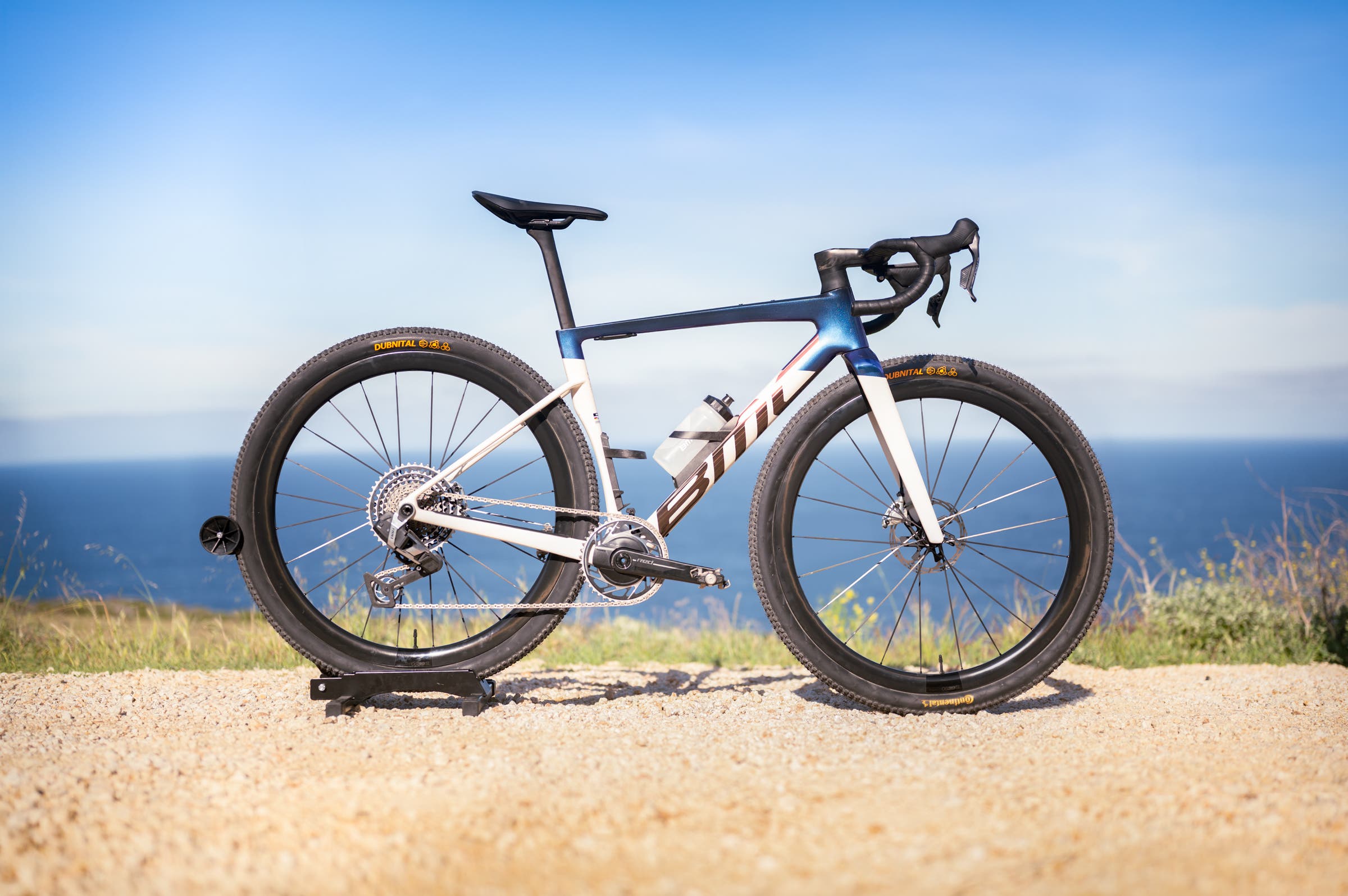
Today, BMC is launching the updated Kaius 01 gravel race bike. This bike builds on the previous version, launched in late 2022, which offered a radical vision of what a gravel race bike actually was. Back then, the industry was turning the page and moving away from wacky and wild designs toward big-tire road bikes. BMC entered the market with a bike that used radically narrow road handlebars and aero shaping to push that narrative forward.
This time, the vision feels a little less radical. The first Kaius was polarizing, and this time around, BMC might be playing it safer. It could also be that the constraints of modern gravel racing are wearing off the edges that stand out, and bikes across the board are starting to look a lot alike. In some ways, this latest BMC Kaius 01 follows the current trends, but there is still room for different ideas, and BMC has made some interesting choices. I spent a couple of days testing it before Sea Otter to find out exactly what those choices mean out on the dirt, and here is what I found.
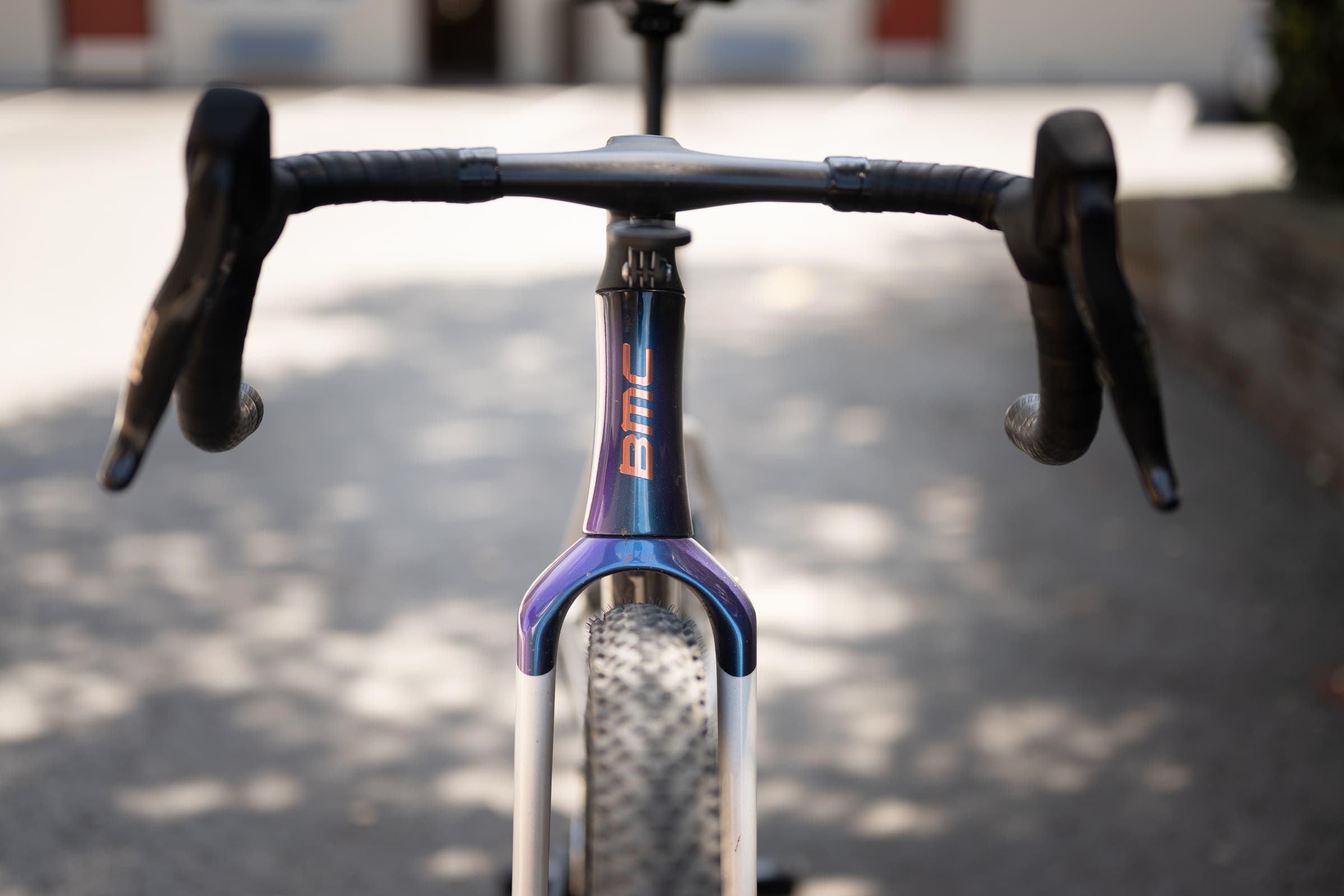
Quick hits: 8 standout details of the BMC Kaius 01
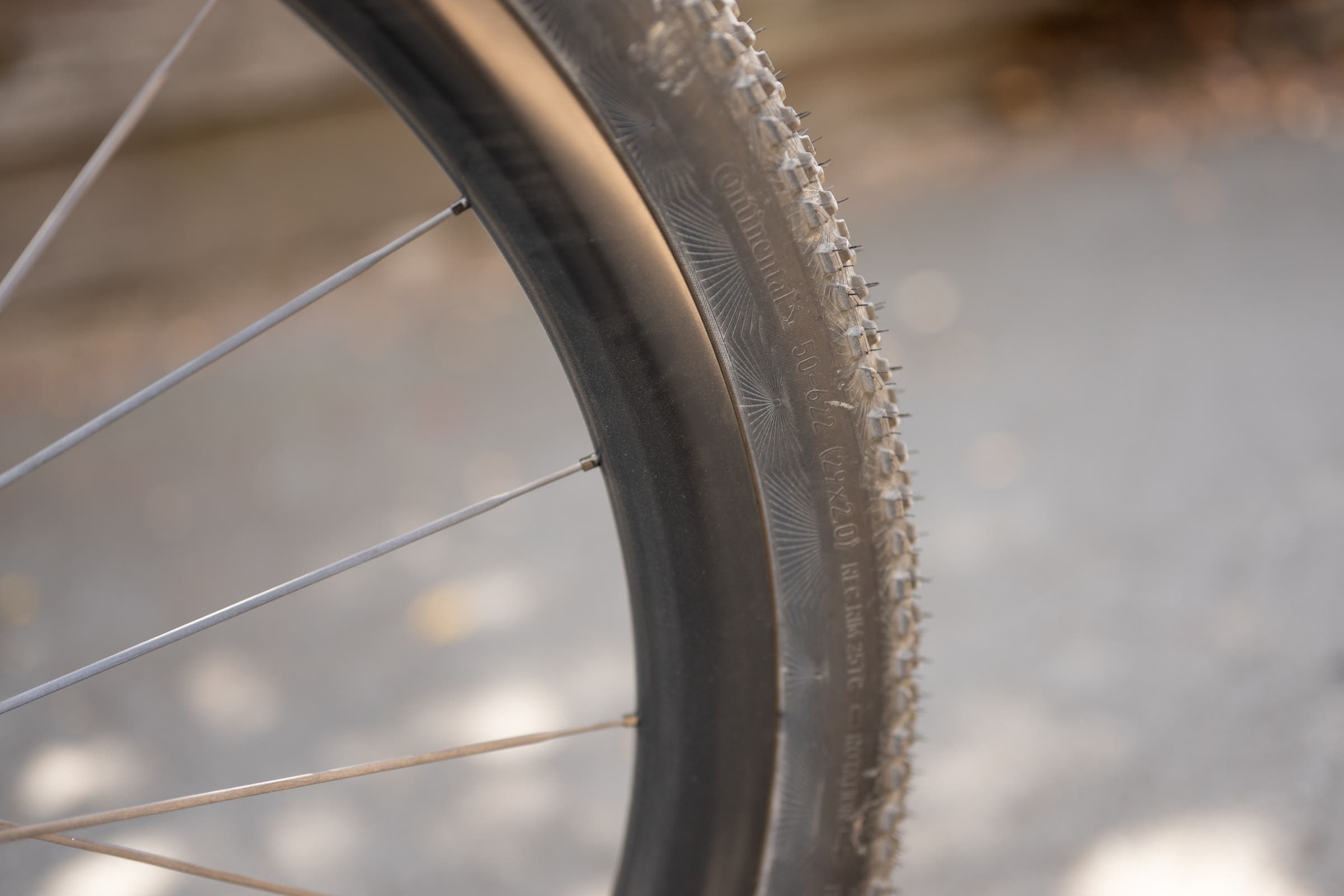
- Tire clearance expands to a 52mm max
- Frame weight sits at 998g, with the complete Kaius 01 One build hitting 7.1 kg (15.6 lbs) in a size 54.
- The new version of the bike is 63g lighter but fits an 8mm bigger tire
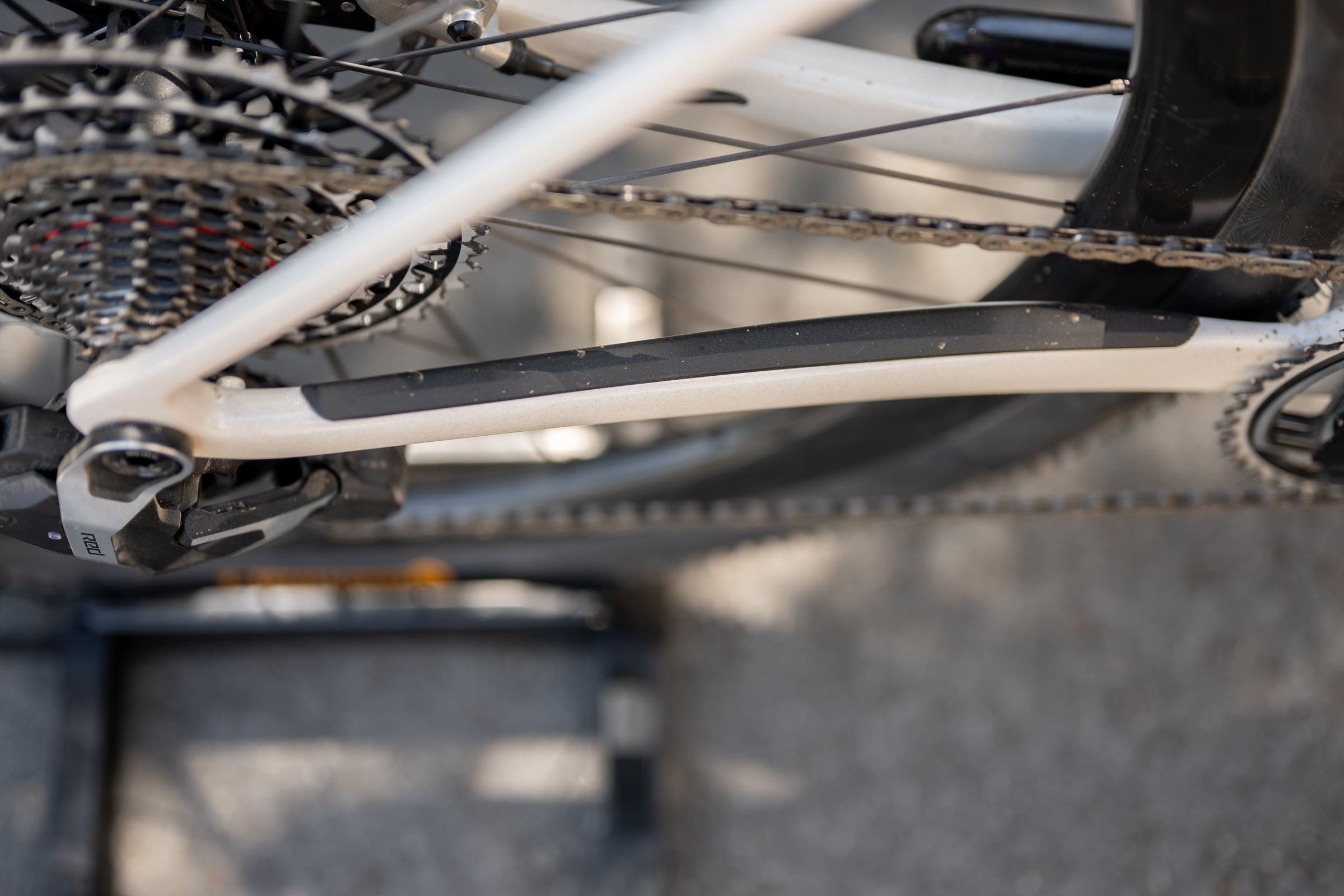
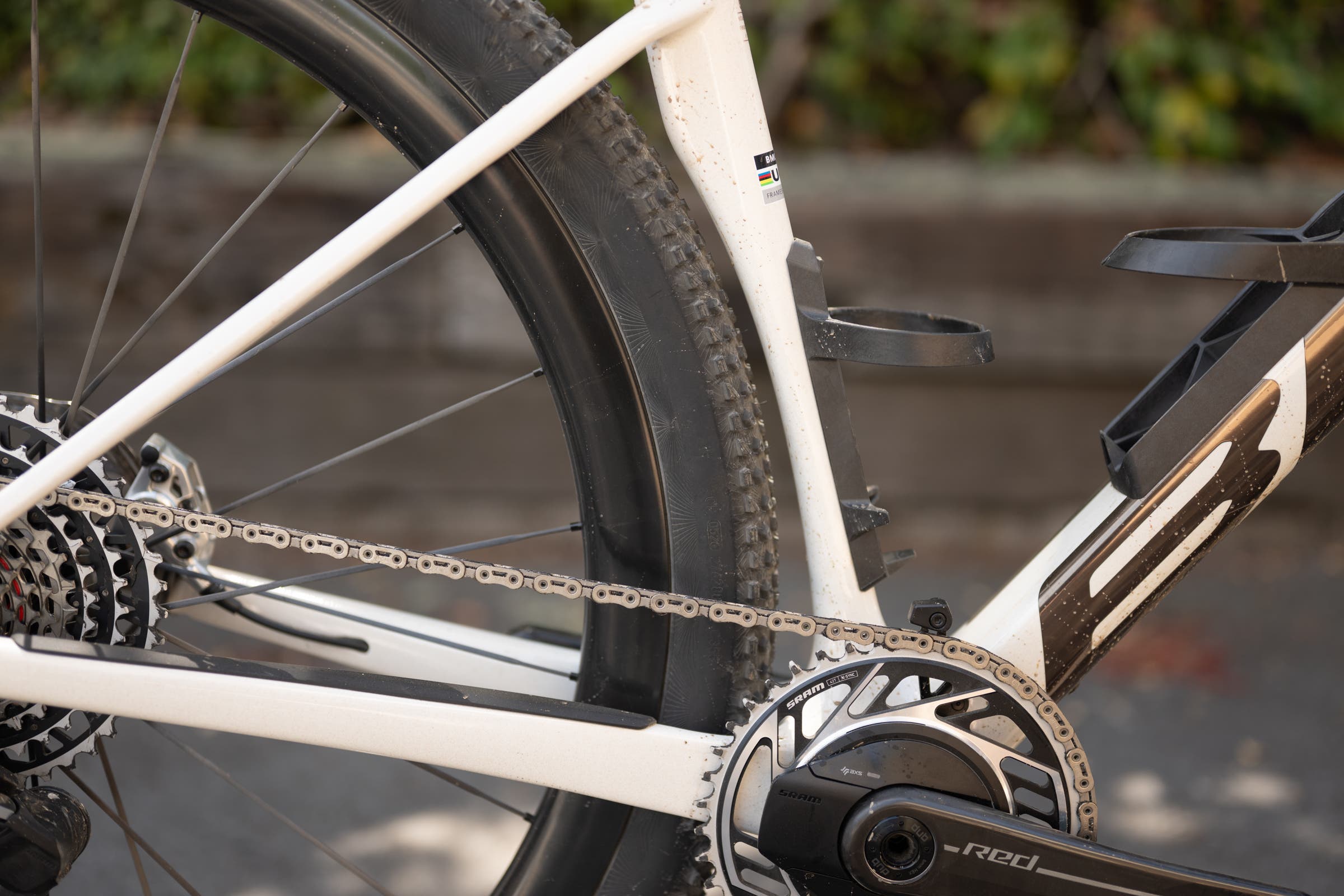
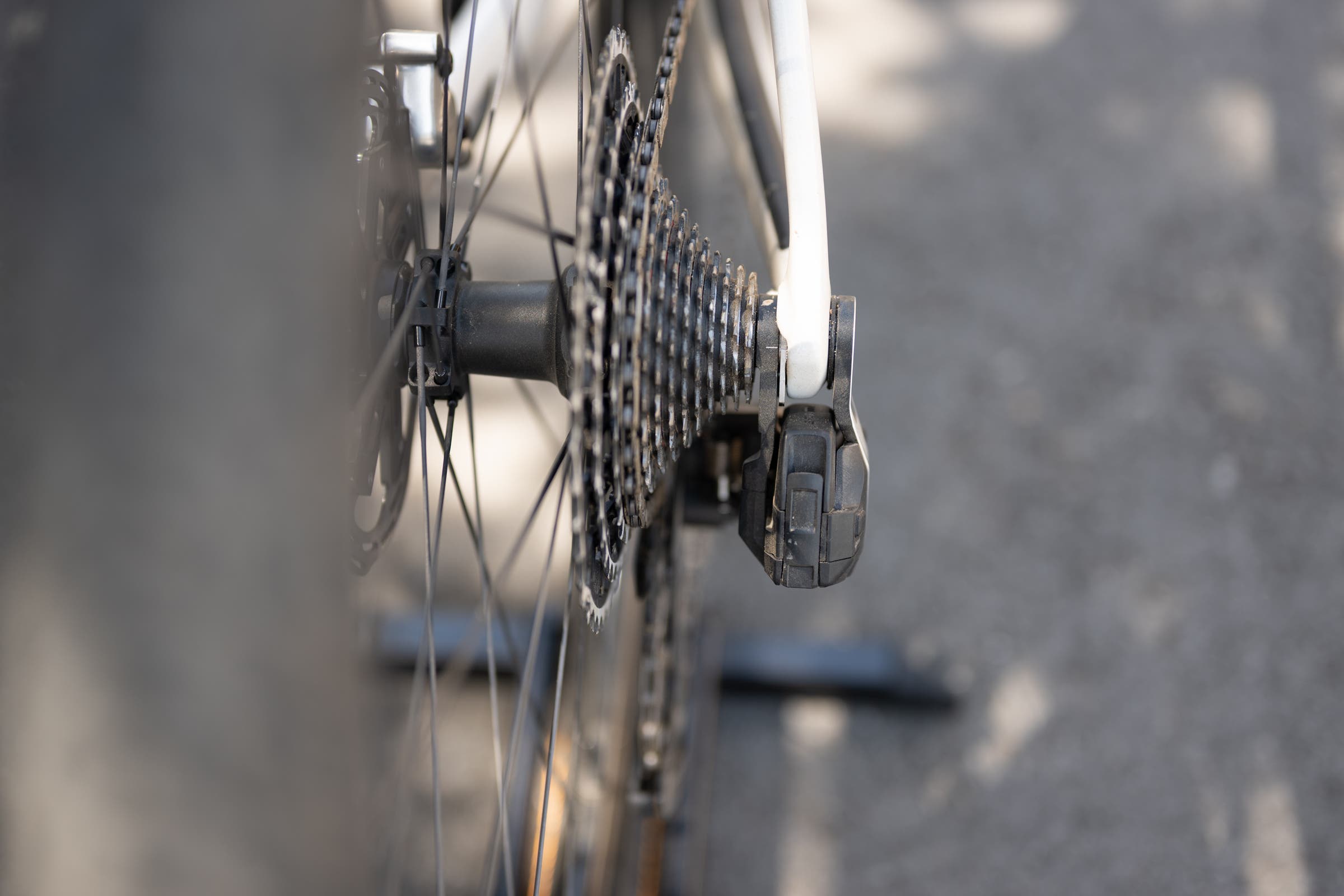
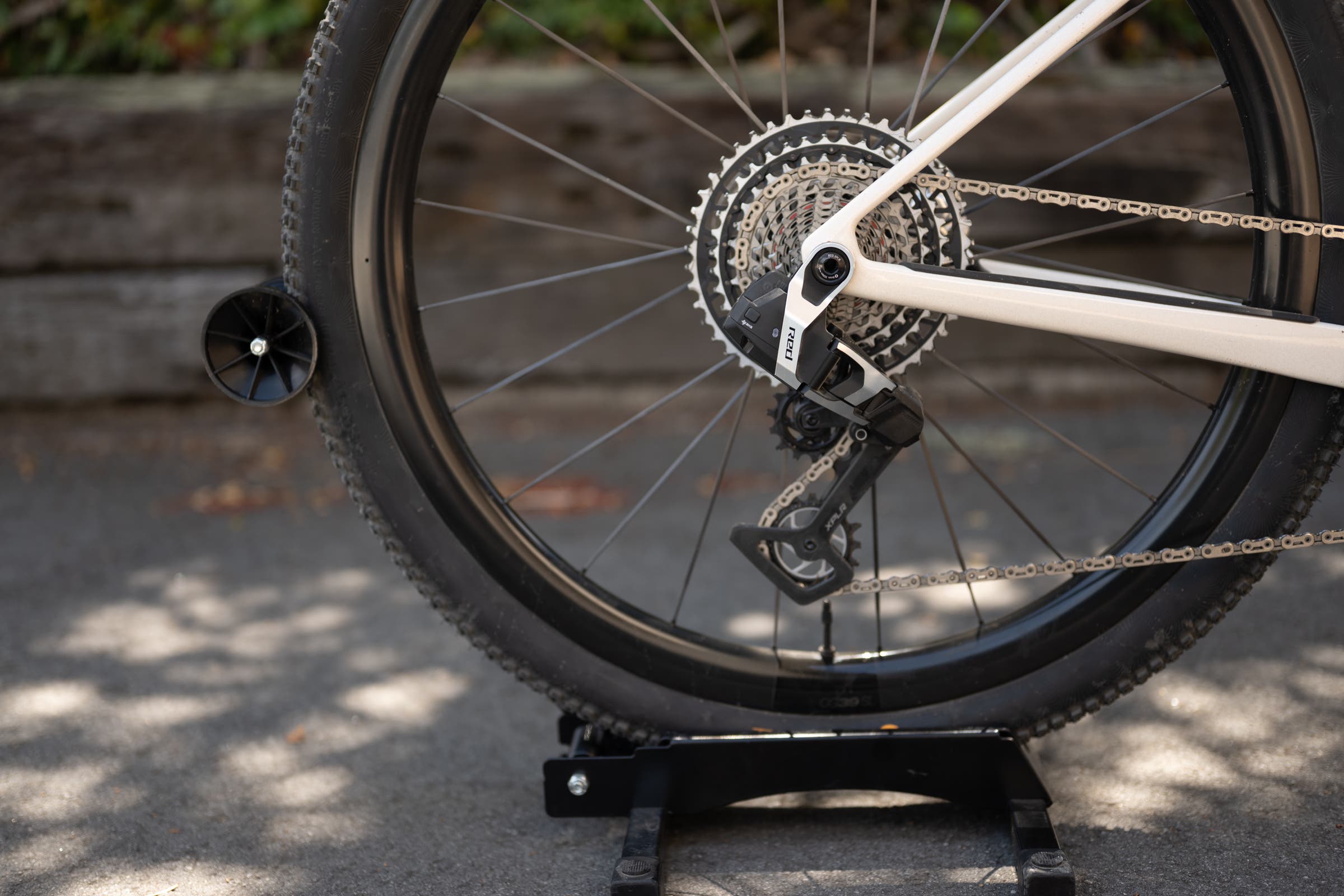
- Your only drivetrain choice is a 1x wireless system with a max chainring size of 50T
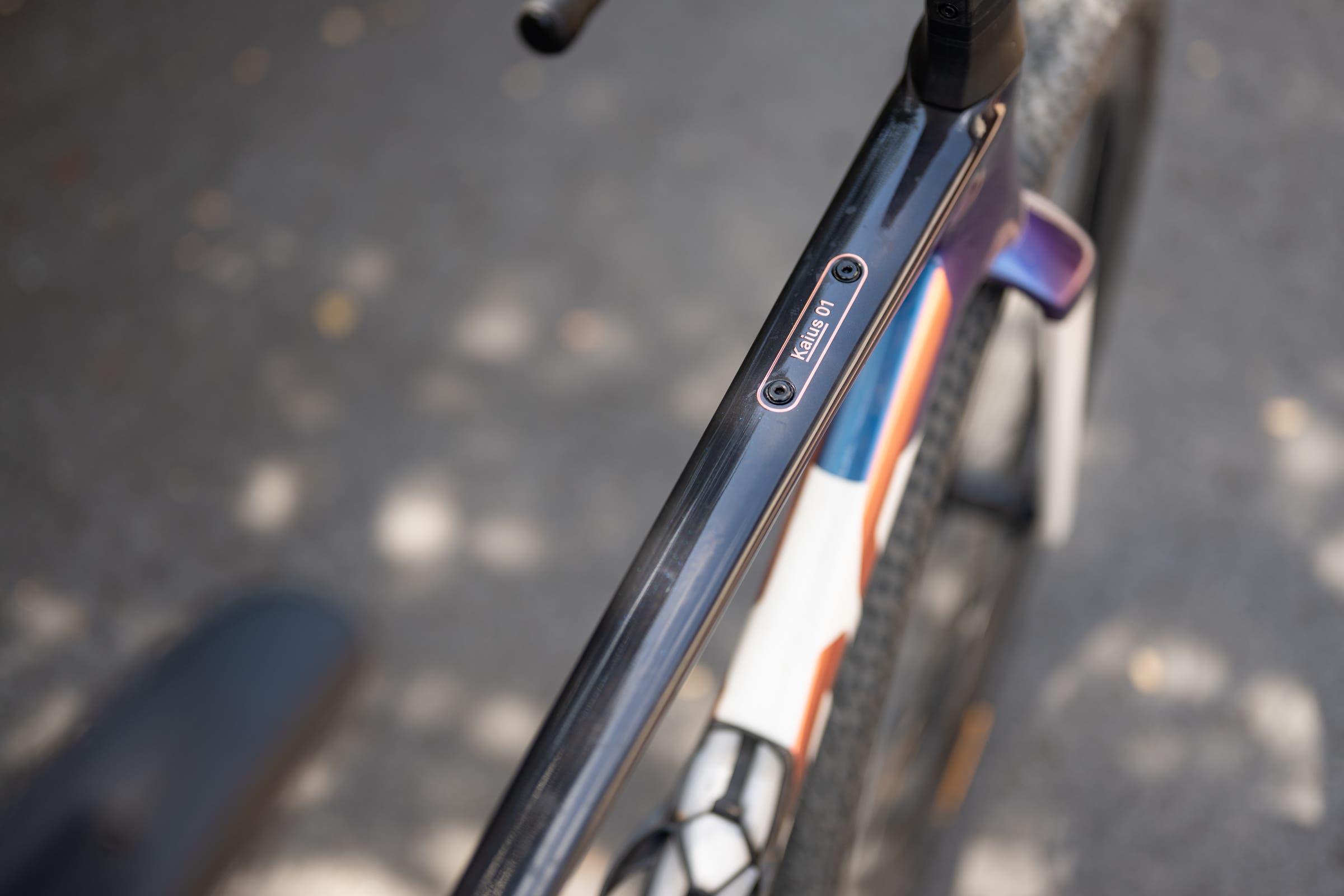
- A new top tube cargo plate allows for external accessory mounting in place of internal frame storage
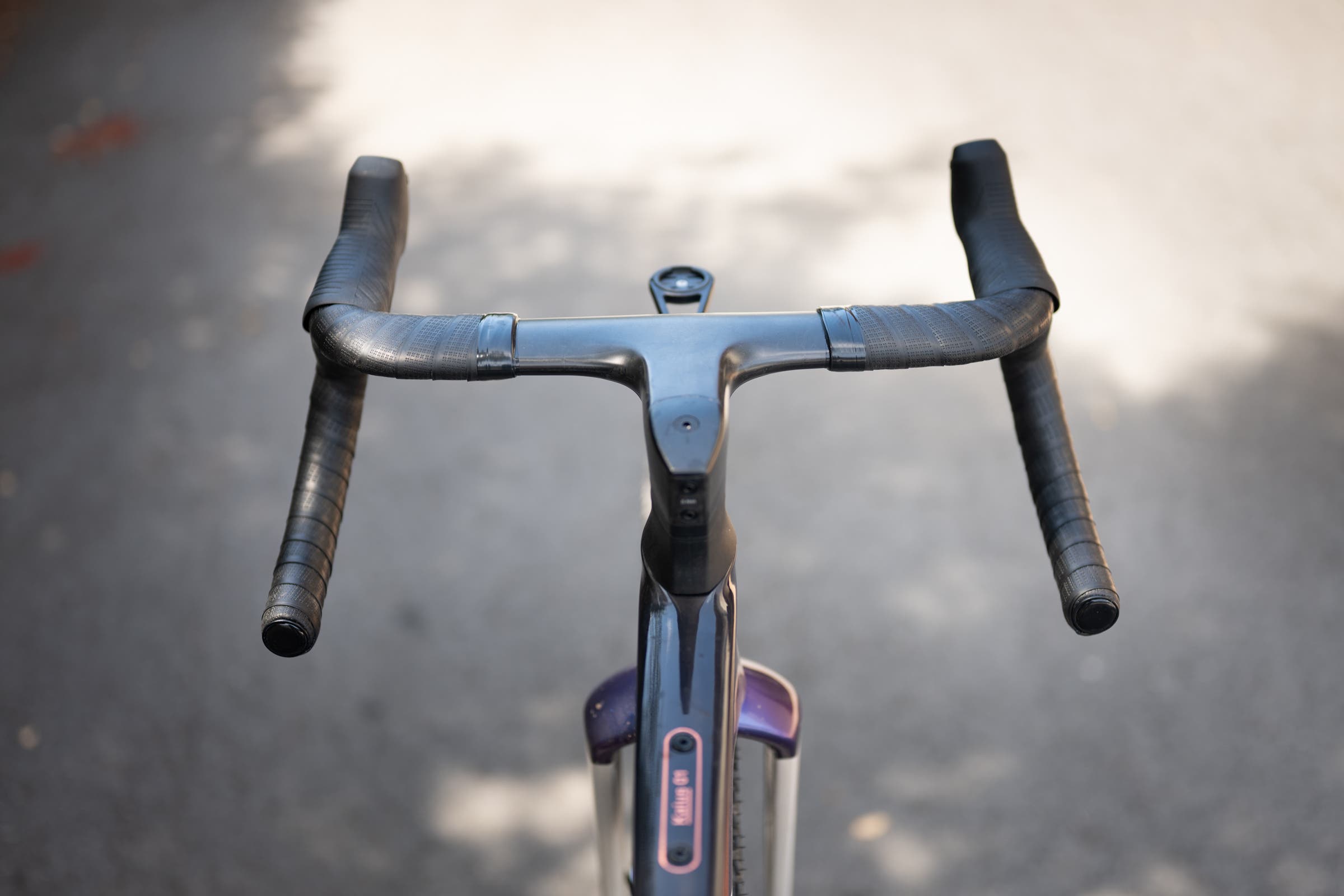
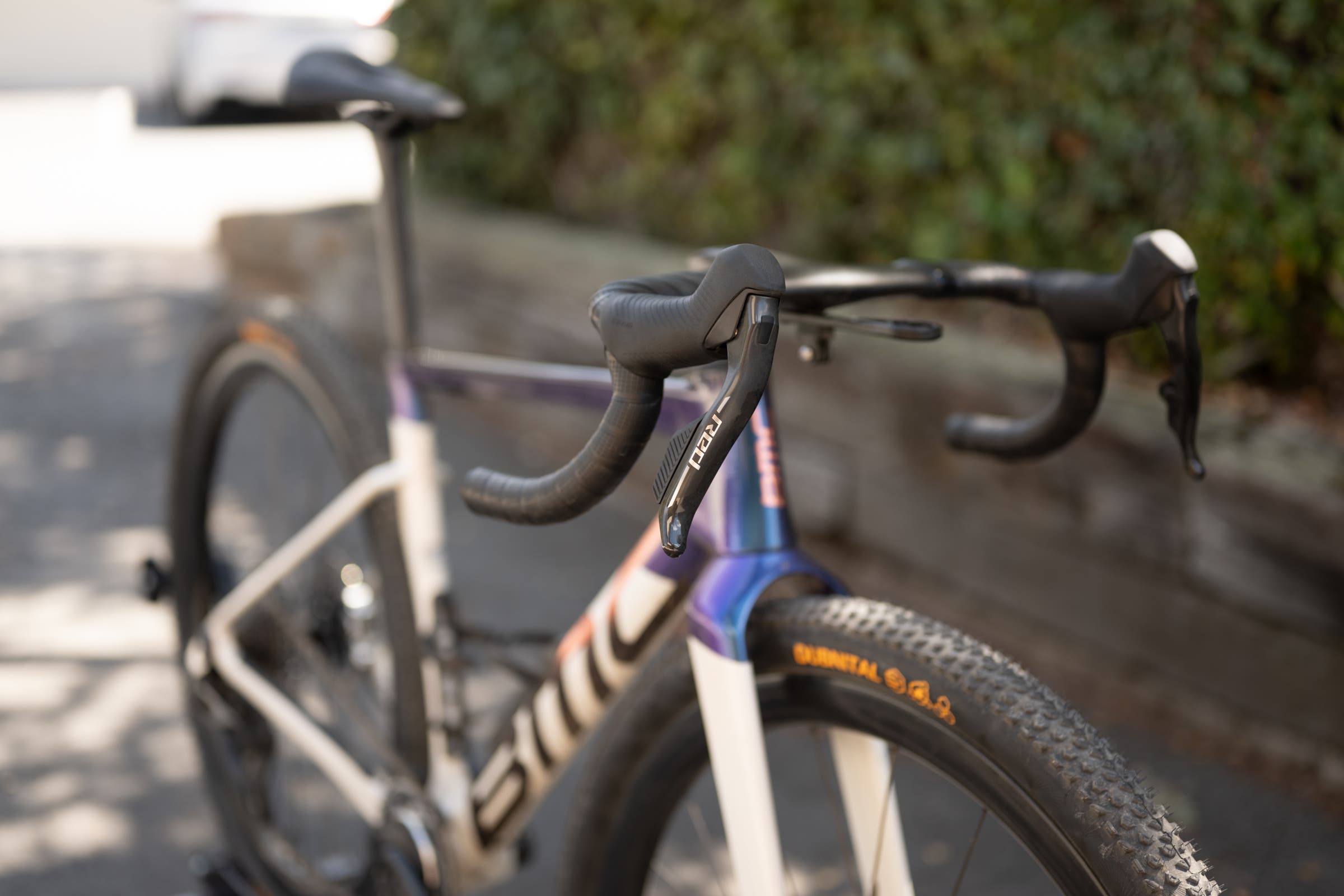
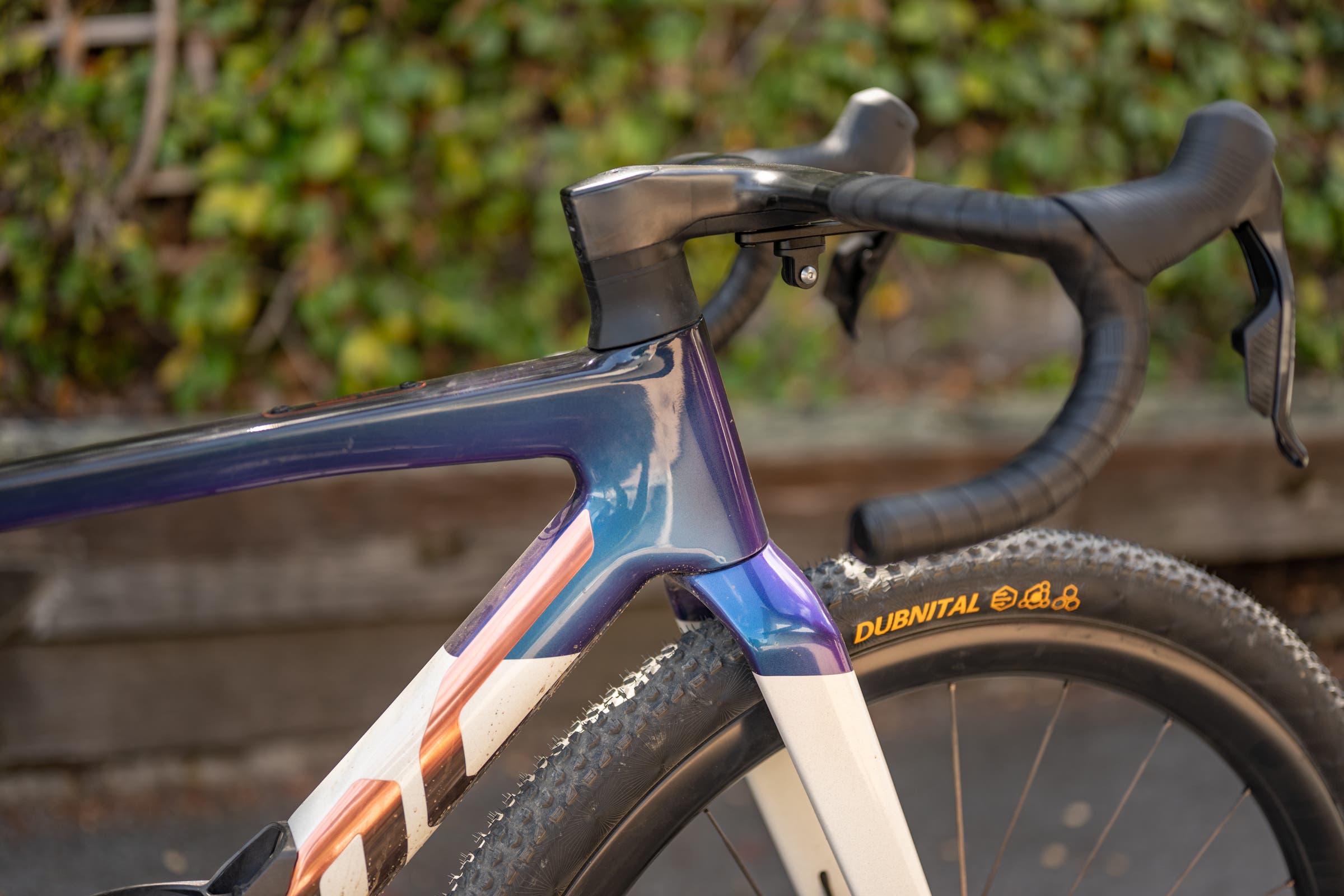
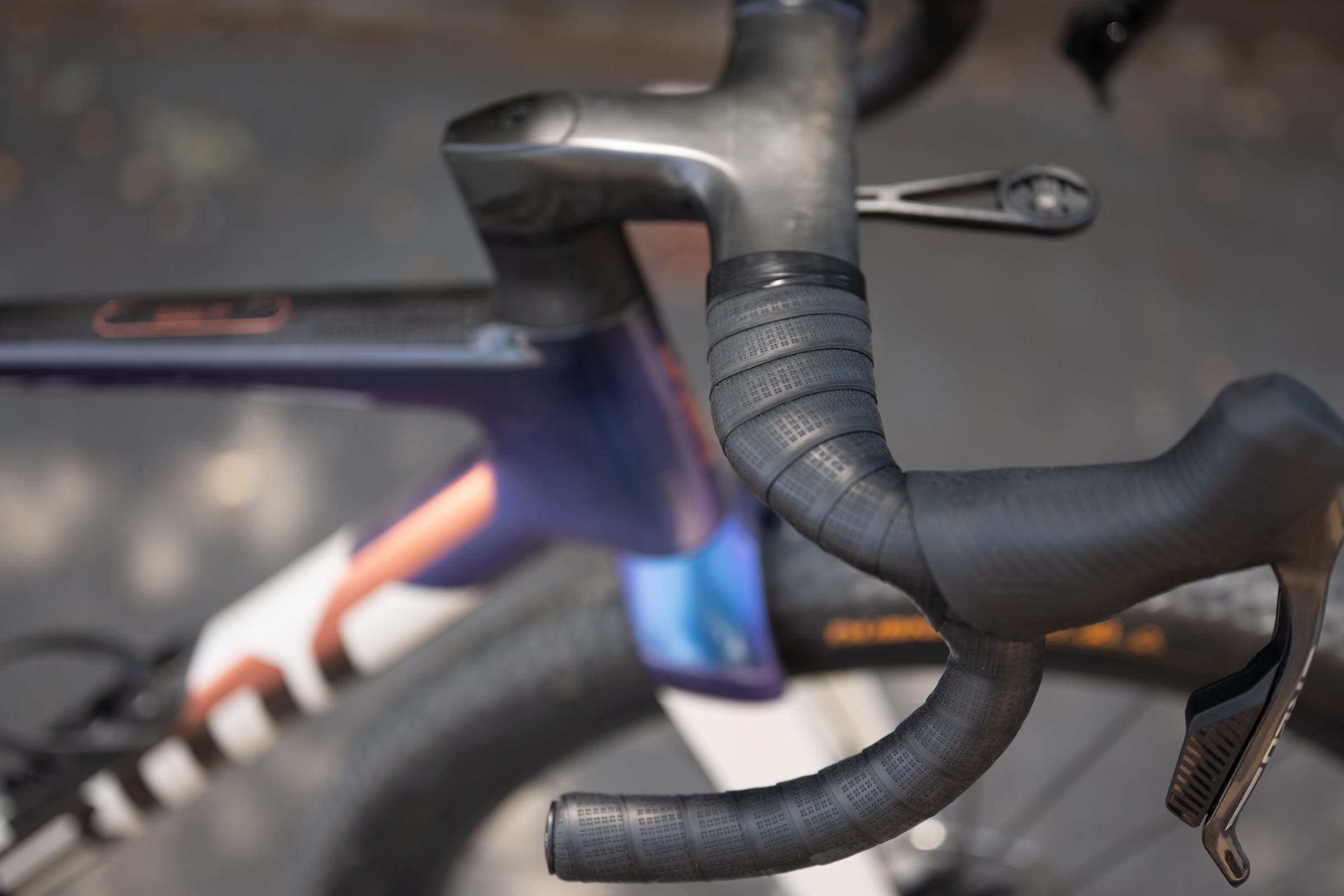
- The updated ICS Carbon Aero Cockpit Gen 2 routes cables under the bars for easier maintenance rather than fully internal routing.
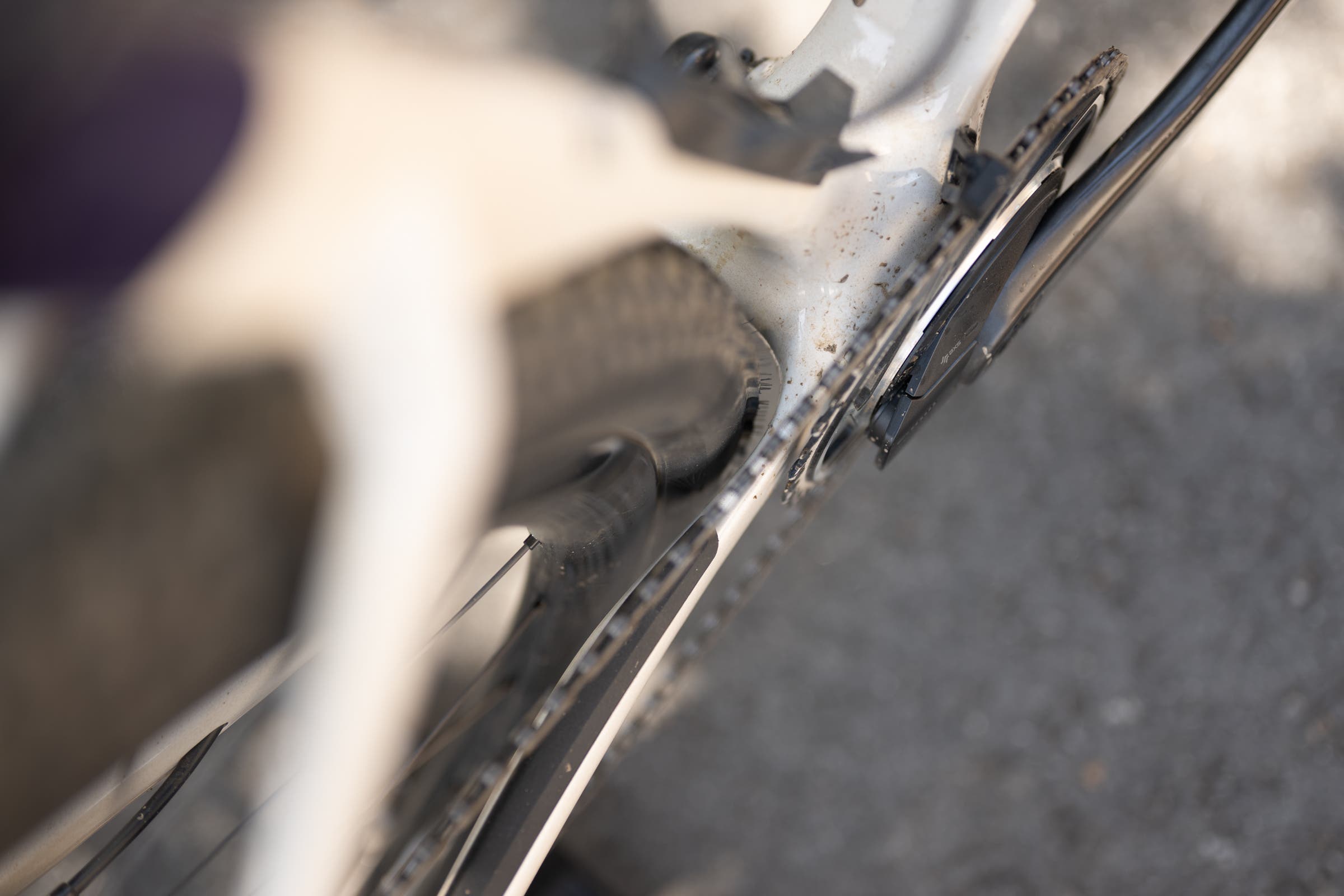
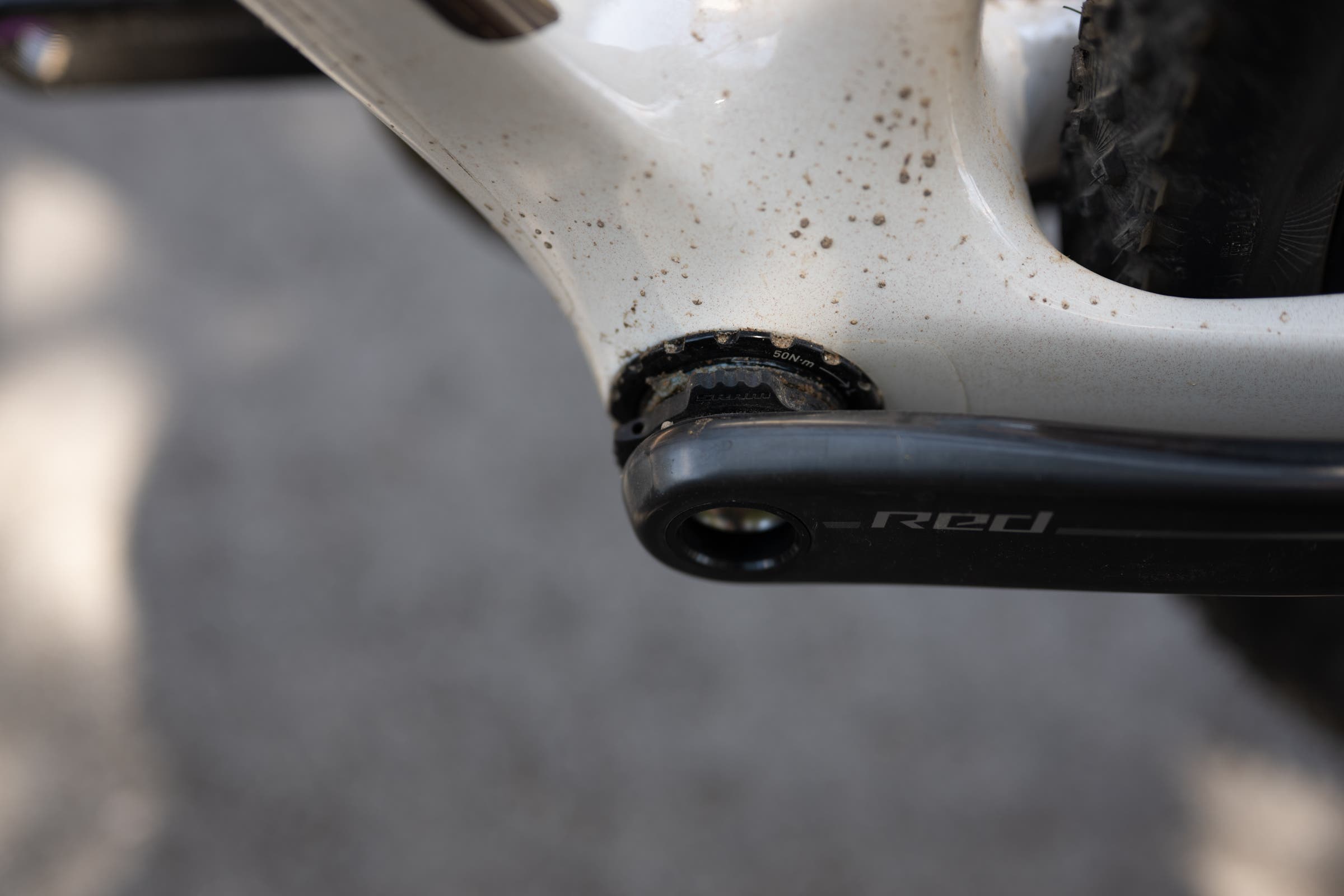
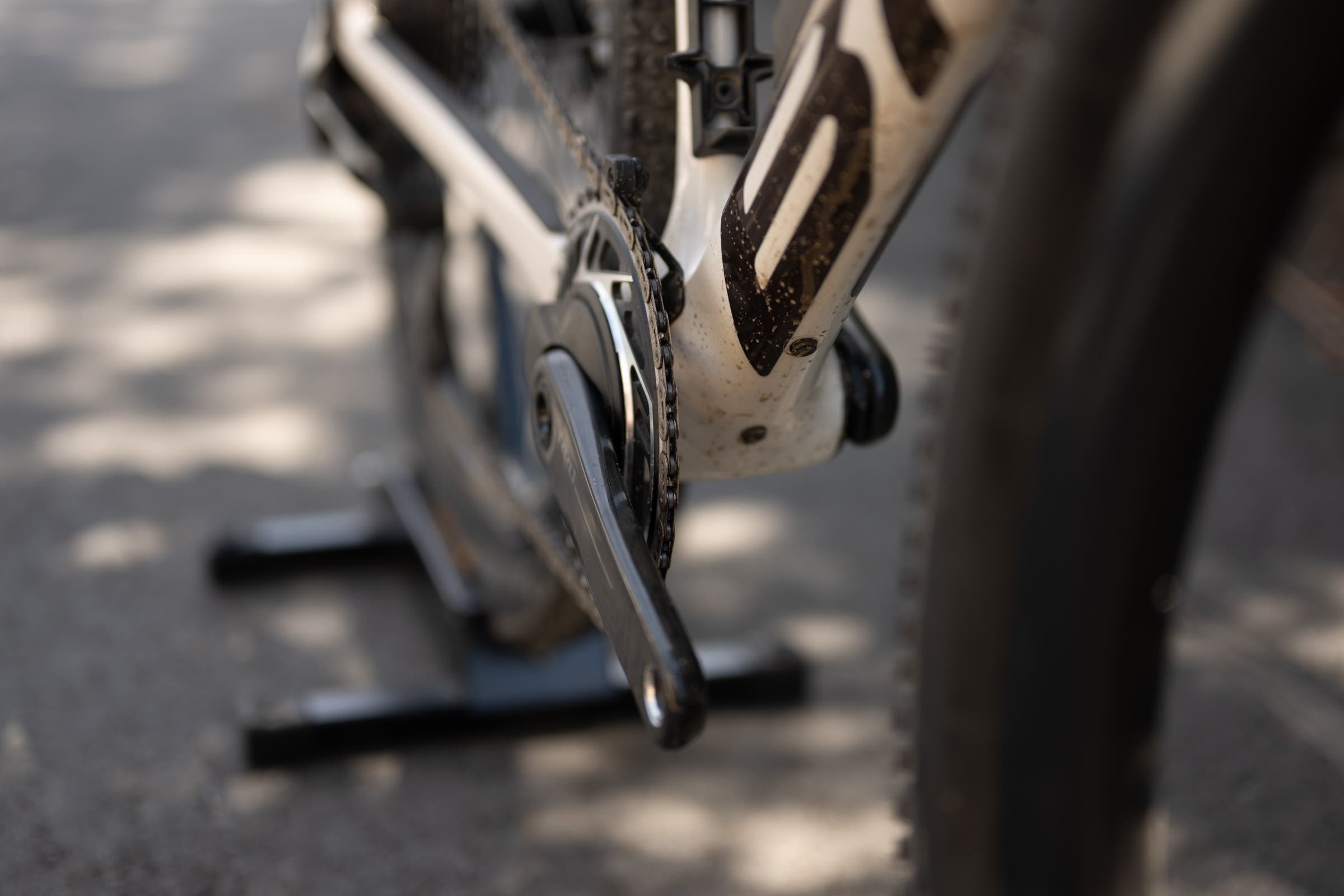
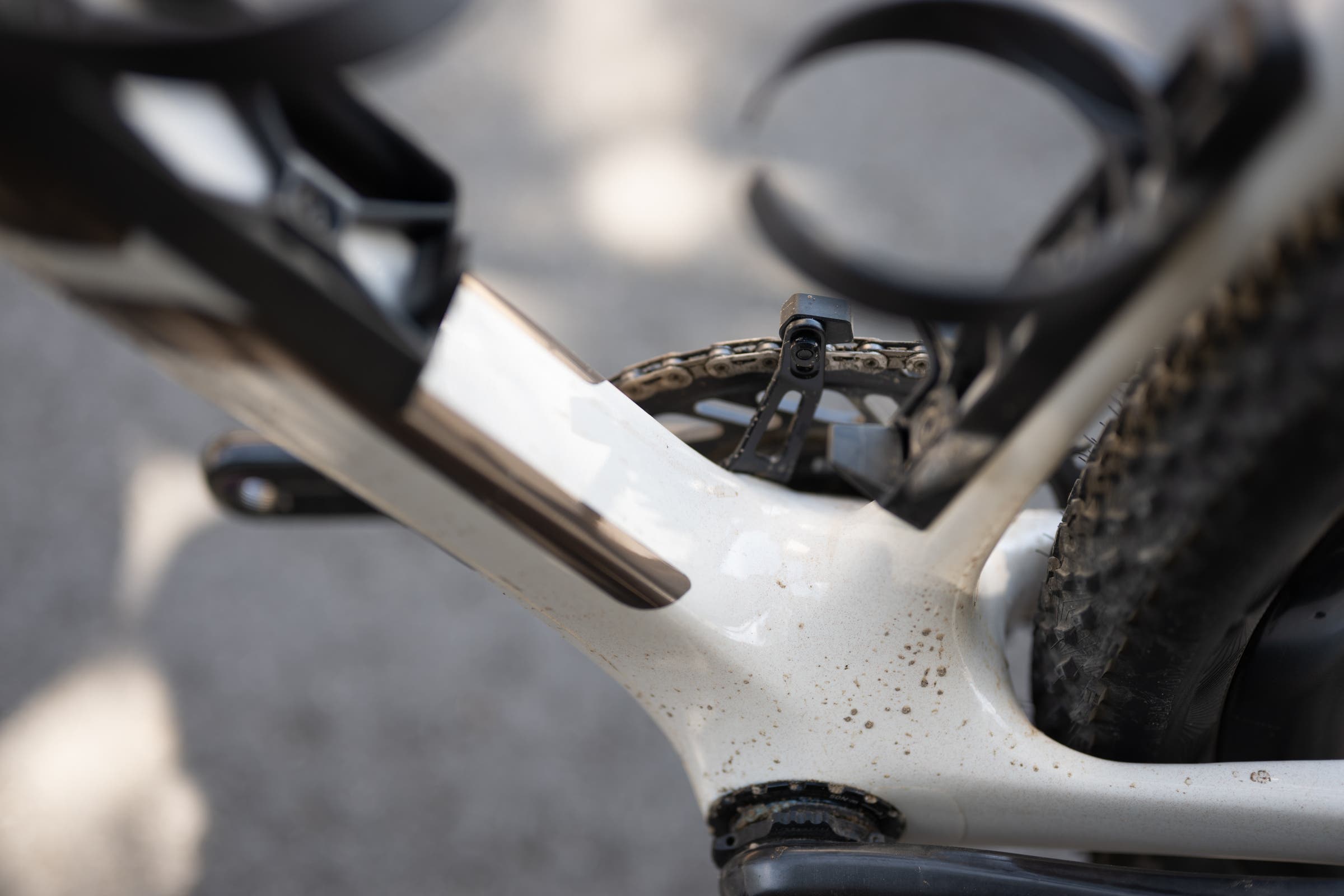
- The frame moves to a threaded T47x85.5 Road Wide bottom bracket
- The new geometry is higher stack and longer chainstays
- For more information visit the BMC website
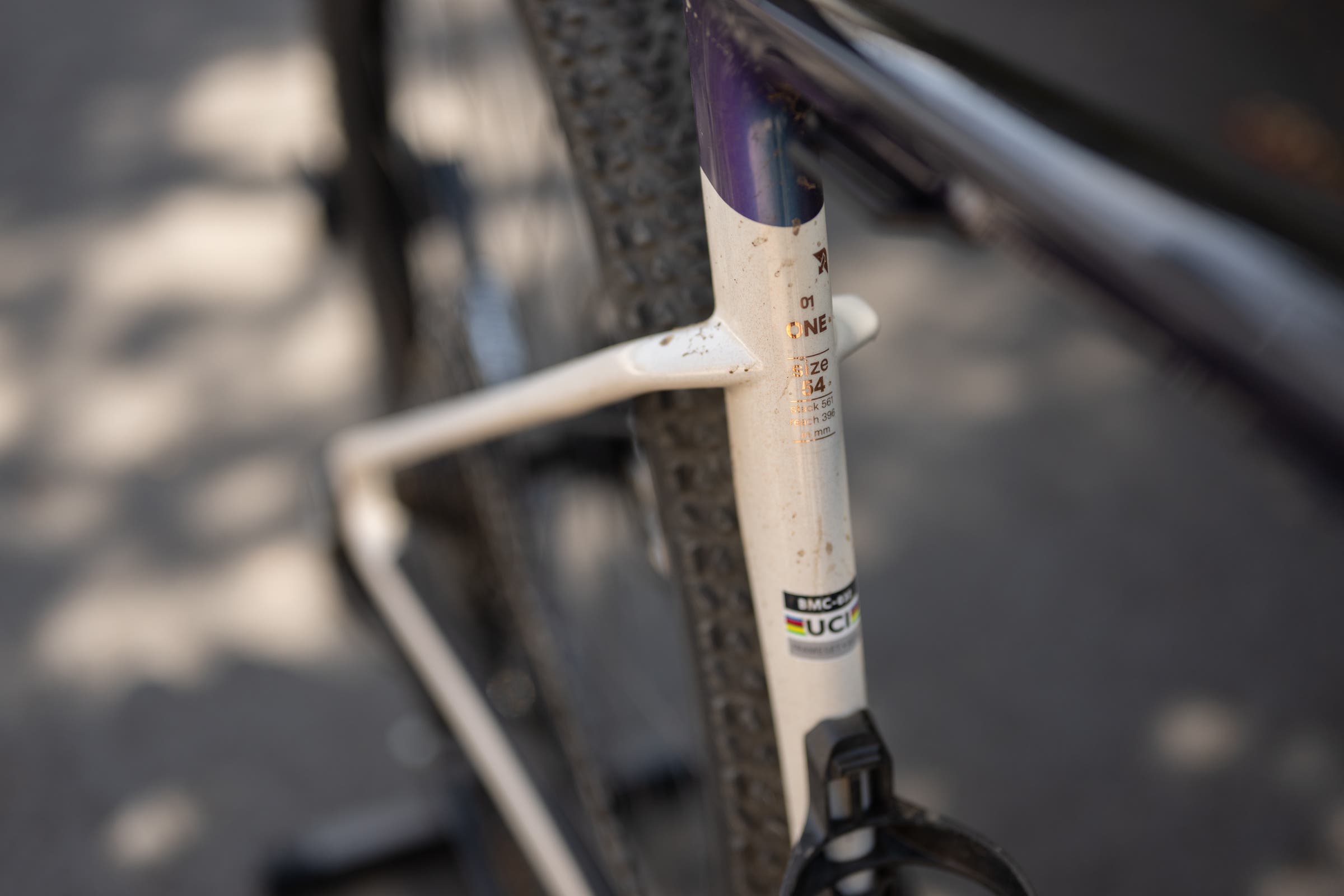
BMC Kaius 01 frame details
The 2026 Kaius 01 might be more in line with other current bikes compared to the previous version, but that doesn’t mean the fundamental design philosophy has changed drastically. What’s really happened is that other bikes have caught up, and now BMC is pushing forward again.
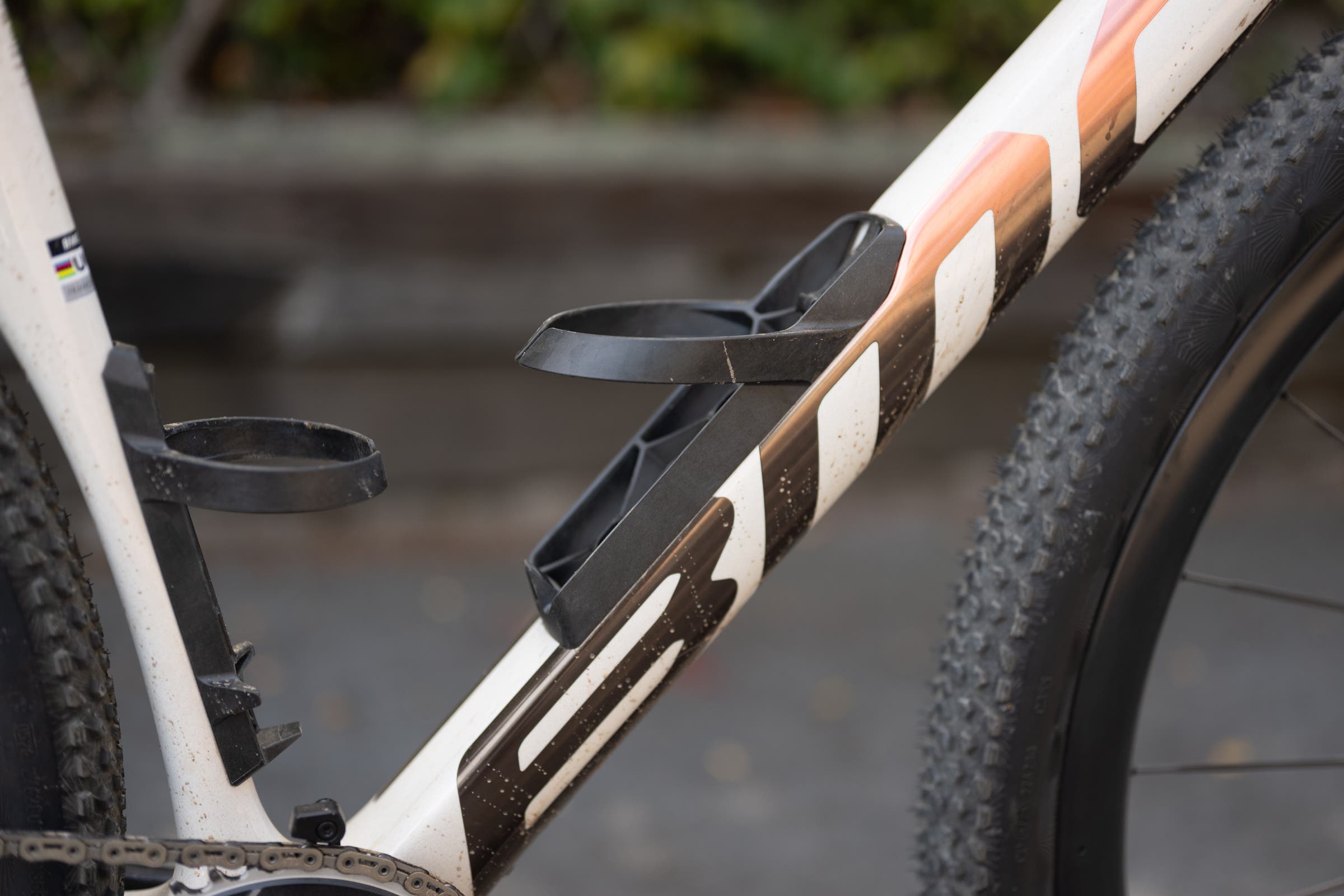
One of the defining pillars of the first bike was aerodynamics, and that has evolved. The previous bike used design influence from the Teammachine SLR 01, but since then, the Teammachine R launched with help from Red Bull Advanced Technologies to push aerodynamics even further. A major talking point of that bike is the Halo fork, which pushes the fork legs out far enough to clear the dirty air from the wheel. It’s a bit harder to see here given that you expect a wider fork on a gravel bike, but the Kaius is also using a variation of the Halo fork design, and that’s not the only piece that comes from the road bikes. The new fork is packaged with aero bottle cages, a one-piece bar and stem, and a seatpost from the road bikes. BMC claims that the bike on its own is only 1.05% faster; however, as a system (with a rider), that translates to a claimed 12% increase in aerodynamic efficiency.
It’s worth dissecting all of this a bit, though. Much of the claimed aero advantage from one generation to the next doesn’t actually amount to a whole lot on its own. There’s a deeper head tube and some of the Mariana bottom bracket (a masterful name for a big, beefy bottom bracket area) design, both from the Teammachine R. There’s also a revised version of the bottle cages that act like fairings, but a lot of that was already present on the previous bike. Additionally, the new cockpit is actually wider to meet UCI rules. For all that trouble, the frame only is about 1% faster.
The rest of the gains are likely coming from the Halo fork design. It’s the major piece that’s different from the old bike, and the wide fork isn’t only about managing wind as it passes over the bike. The wide fork legs can actually be slower on their own given the larger frontal area; however, they interact with the churning legs of the rider and essentially act like a fairing. There are no specific details given for this, but, like modern road bikes, aero gains are getting harder to find, and 12% faster as a system is impressive however it was managed.
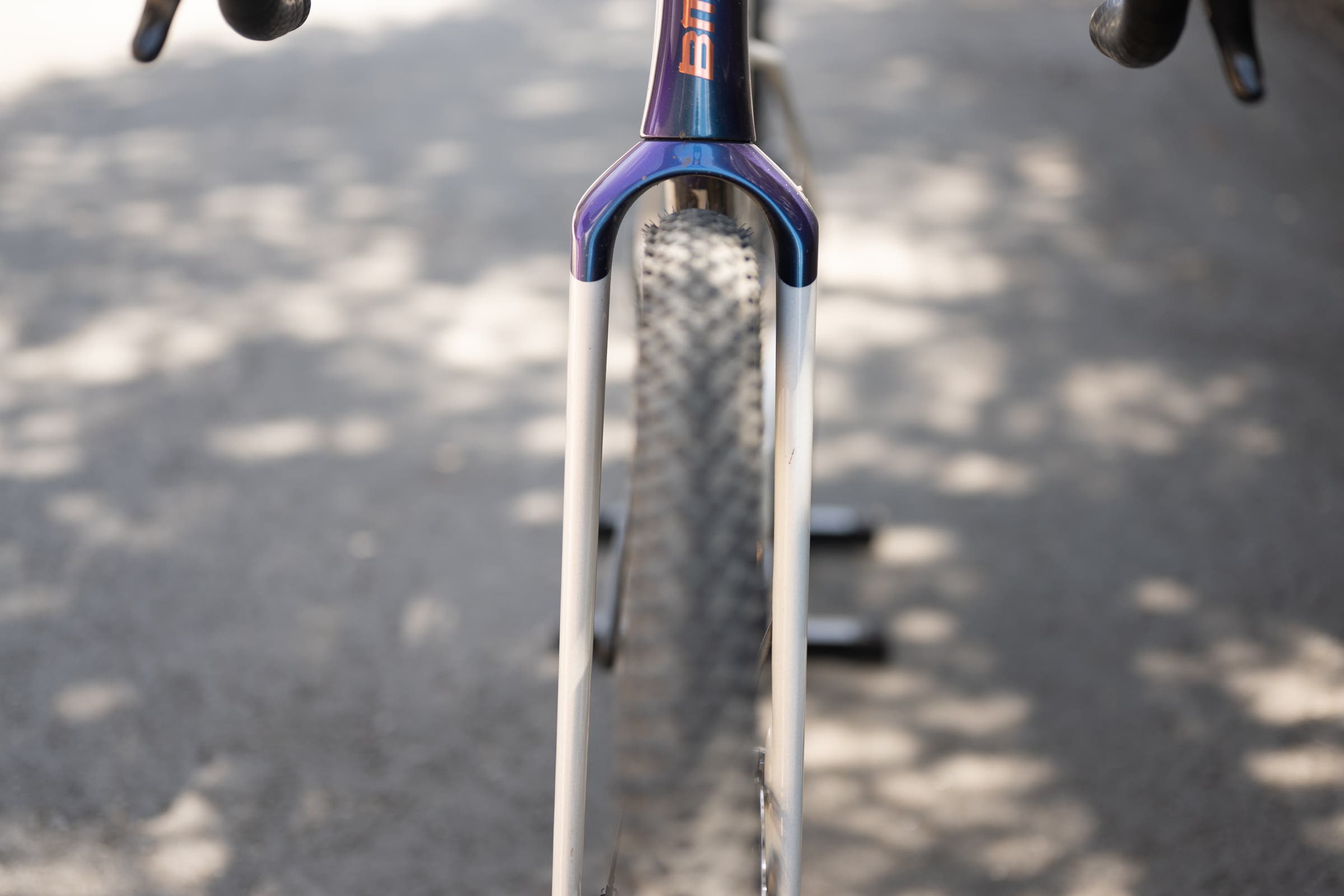
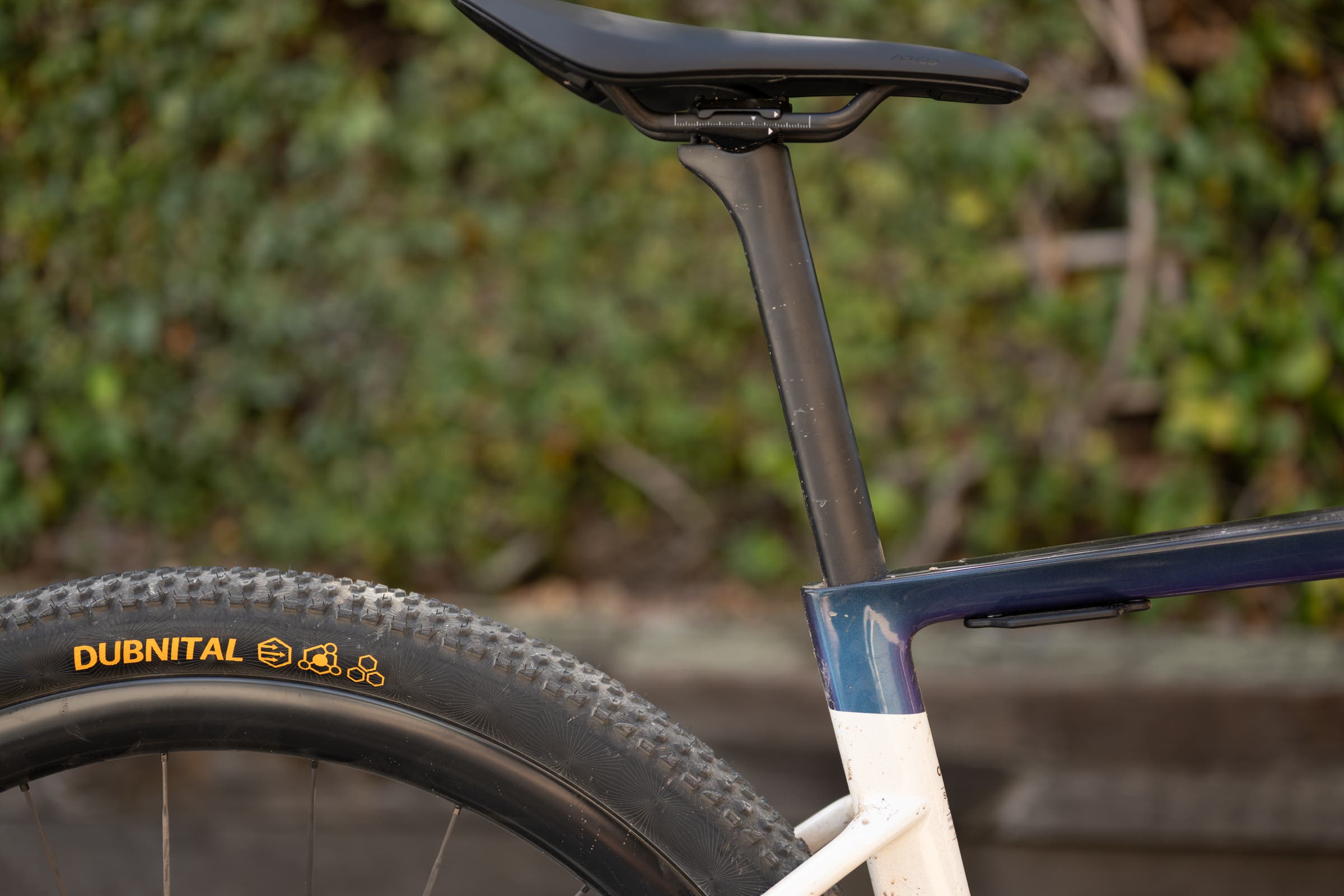
That focus on rider interaction is also echoed in other parts of the design. BMC claims that the new frame is 3% stiffer (which isn’t much, but maintaining stiffness while making room for wider tires is difficult), but that claim is presented in terms of a platform design. The frame is stiffer to act as a platform that hosts compliance. That compliance comes from bigger tires, as well as the engineered flex derived from careful finite element analysis throughout the frame. This includes designs like the Arete seat tube (thinned in the center for flex) and the AS10 aero seatpost, which is designed to flex relative to the seat tube.
Of course, no new bike launch would be complete without a weight claim, so we have that as well, but this one isn’t attention-grabbing. The claimed weight is essentially the same—a 63g system reduction between the old bike and the new—but that is notable in the context of bigger tube shapes and room for larger tires.
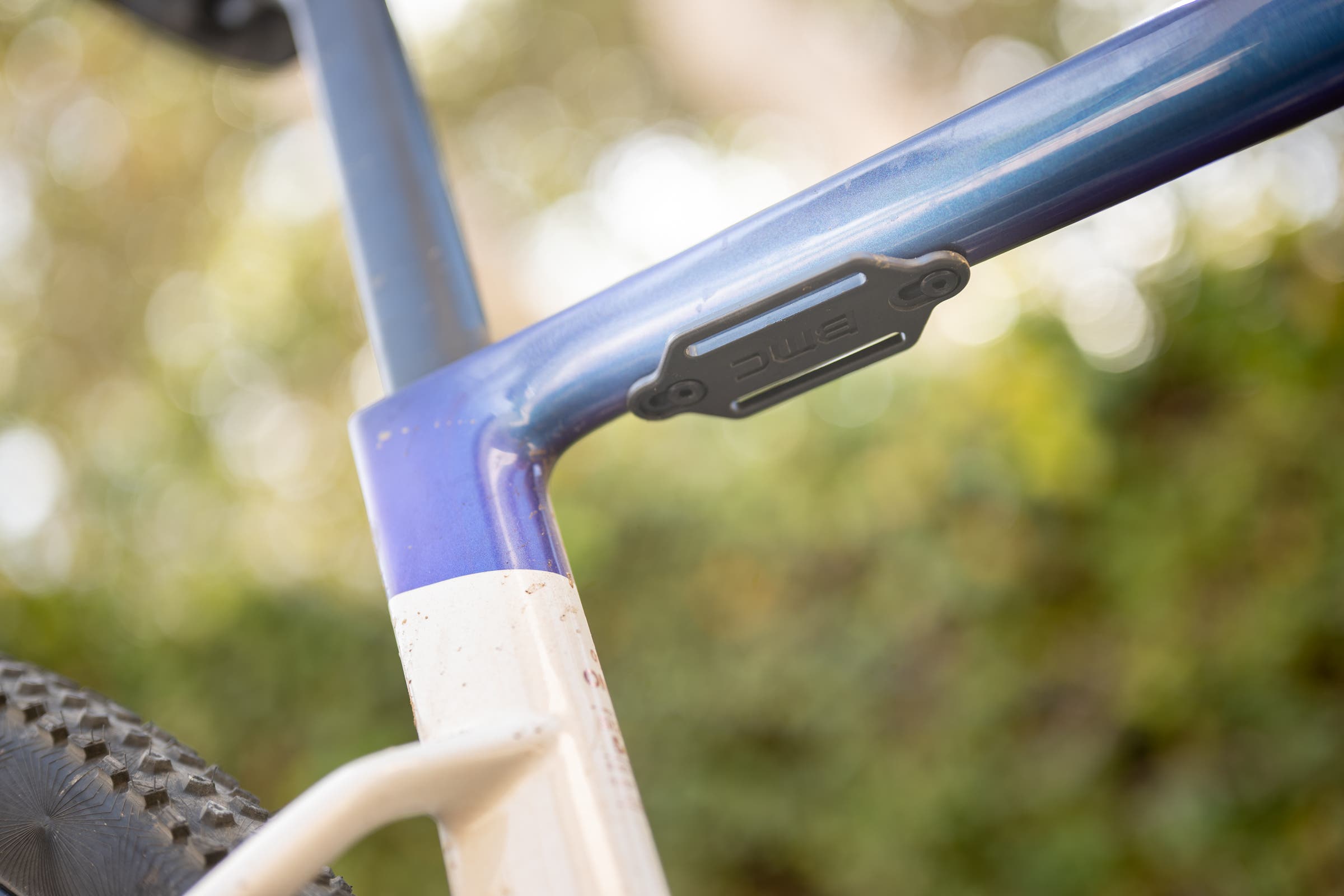
One thing that likely helps keep that weight down, though, is the lack of in-frame storage. The original bike didn’t have in-frame storage either, but in 2026, this is one of the more fascinating choices BMC made around the frame design. Cutting a door in a downtube always adds weight and complexity, but BMC made a number of very deliberate choices that the team says work better for racing.
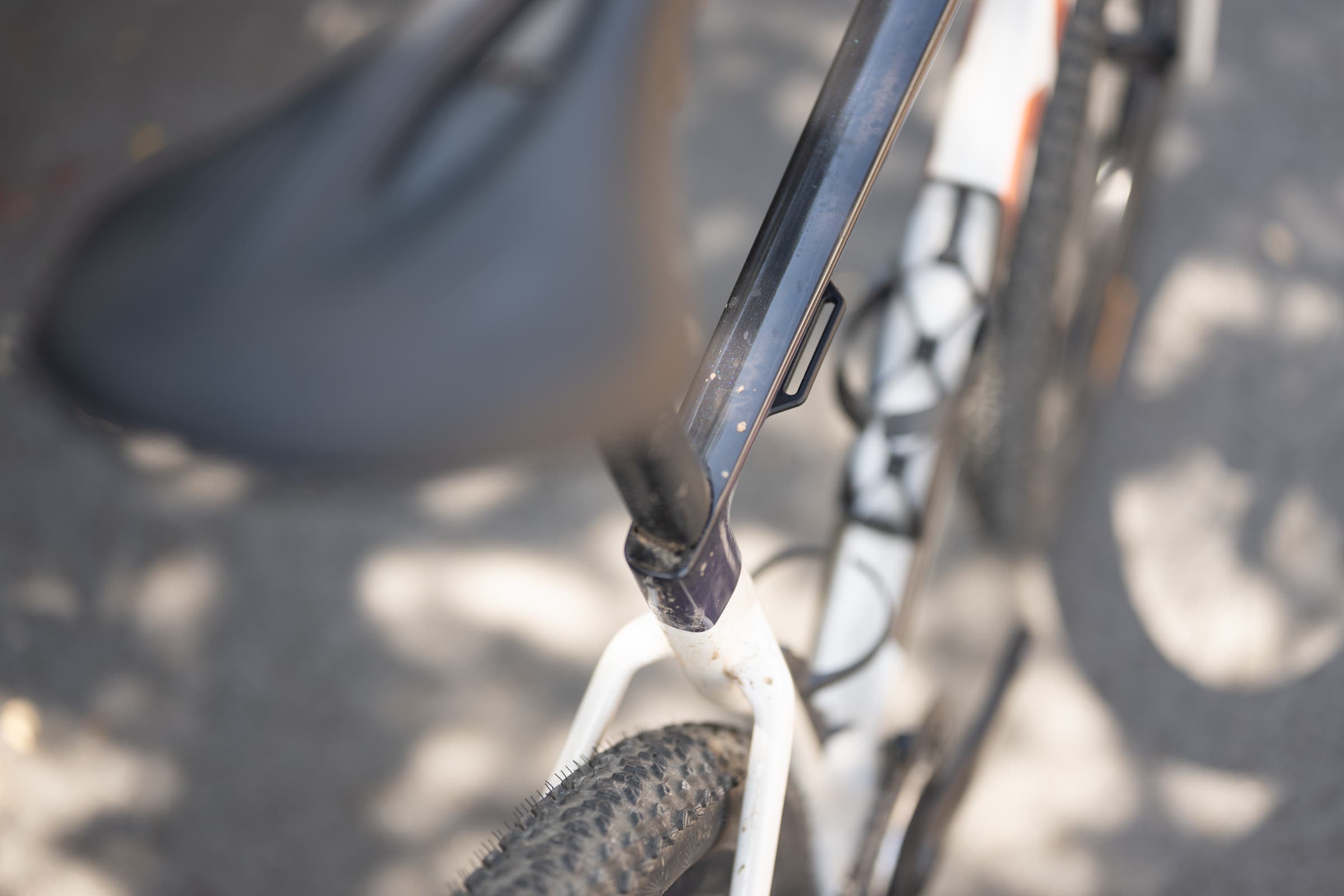
The most prominent of these is a cargo plate under the top tube. As it was explained to me, getting into downtube storage during a race is impractical, and BMC solves this by creating a place where you can attach your flat repair emergency kit. It mimics the tubes and tire plugs taped to the top tube that are a familiar sight on any starting grid.
The other place BMC made changes was the top tube mounting holes. There was already a mounting spot for bento box-style bags on the old bike, but BMC explained that those previous mounts used bags of that era as a template. For 2026, that placement was too close to the steerer. The new design specifically accommodates longer bags, like the Apidura Aero system, which not only keep needed items easy to reach but also improve aerodynamics when used. If you need more storage there’s a third bottle mount under the downtube that’s an excellent place for a tool keg instead of water.
BMC Kaius 01 build details
| Component | Kaius 01 ONE | Kaius 01 TWO | Kaius 01 THREE | Kaius 01 Frameset |
| Price | $12,999 / €10,999 | $8,999 / €7,999 | $6,199 / €5,499 | $5,099 / €4,499 |
| Handlebar | ICS Carbon Aero Gen 2 | One-Piece Full Carbon Cockpit | 135mm drop, 81mm reach, 12° flare | ICS Carbon Aero Gen 2 | One-Piece Full Carbon Cockpit | 135mm drop, 81mm reach, 12° flare | BMC RSM 01 Stem with BMC HB D4 03 Alloy Handlebar | 125mm drop, 70mm reach, 12° flare | – |
| Seatpost | Teammachine SLR 01 Gen 5 | 01 Premium Carbon Aero Shaped Seatpost | Teammachine SLR 01 Gen 5 | 01 Premium Carbon Aero Shaped Seatpost | Teammachine SLR 01 Gen 5 | 01 Premium Carbon Aero Shaped Seatpost | Teammachine SLR 01 Gen 5 | 01 Premium Carbon Aero Shaped Seatpost |
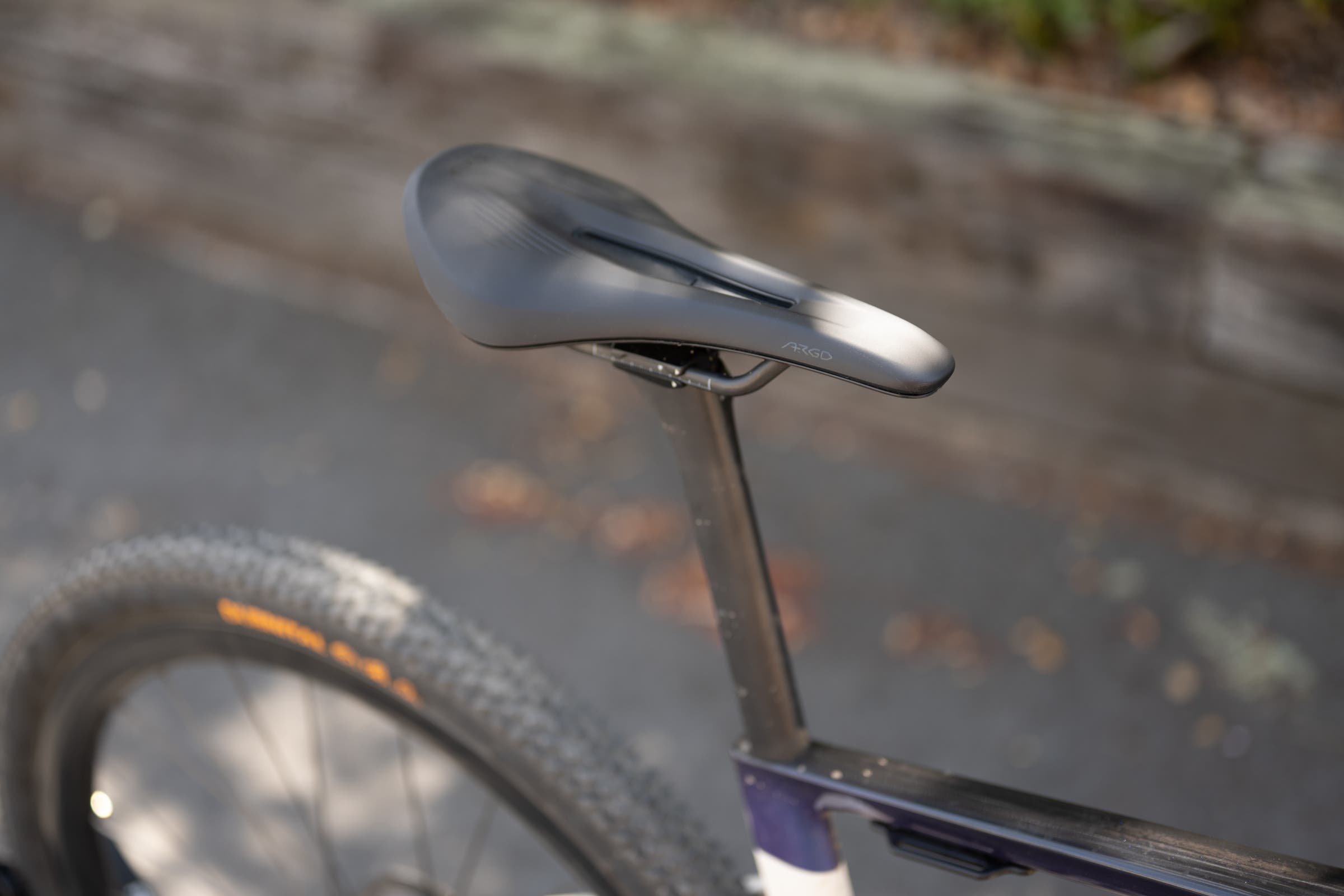
| Saddle | Fizik Vento Argo X1 Carbon | 140mm | Fizik Vento Argo X3 | Kium rails | 140mm | Fizik Vento Argo X5 | 140mm | – |
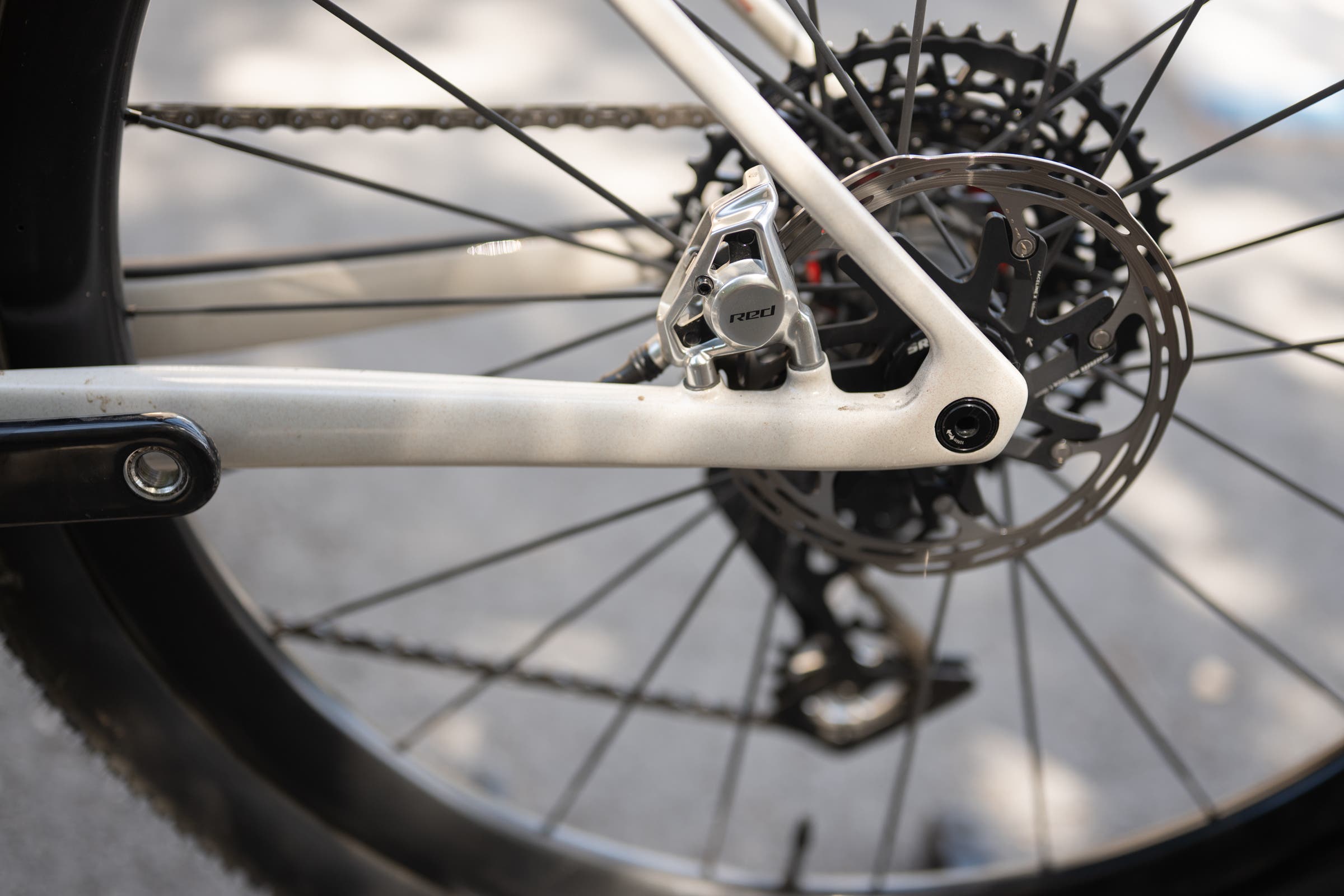
| Groupset | SRAM RED XPLR (42T with 10-46T) with Power Meter | SRAM Force XPLR AXS (42T with 10-46T) with Power Meter | SRAM Rival XPLR AXS (42T with 10-46T) | – |
| Wheels | CG 39 SL Carbon wheels | CG 39 Carbon wheels | CG 40 Carbon wheels | – |
| Tires | Continental Terra Competition Race Rapid | Tubeless | 45mm | Continental Terra Competition Race Rapid | Tubeless | 45mm | Continental Terra Competition Race Rapid | Tubeless | 45mm | – |
| Accessories | Aerocore Bottle Cages | Computer mount for Garmin, Wahoo and GoPro | Aerocore Bottle Cages | Computer mount for Garmin, Wahoo and GoPro | Aerocore Bottle Cages | Aerocore Bottle Cages |
BMC Kaius 01 geometry
You can take a look at the chart below, but what you have to understand is that this is all about the tires. BMC highlights three main changes between the previous generation and the new bike. There is more stack, less reach, and a longer chainstay.
The framing for all of that is various versions of it being better for rougher surfaces. There is more to it, though. Yes, it is better for rougher surfaces, but in reality, BMC seems to have looked to keep the geometry somewhat close to the previous bike.
That idea makes sense given that the previous bike was a competitive gravel race bike that accurately reflected what BMC thought was best for geometry on a race bike. The problem is that you cannot fit a 52mm tire with that geometry. To make the big rubber fit, which is better for rougher surfaces, you have to lengthen the chainstay and make more room in the fork. The fork is wider because it uses the Halo fork concept for aerodynamics, but it also needs vertical room, and BMC increased it by 10mm. When you increase the fork by 10mm but keep the head angle the same, it automatically increases the stack and reduces the reach. There is no magic there, and the same is true of the increased ground clearance that comes from keeping the bottom bracket drop the same while increasing tire size.
| Size | 47 | 51 | 54 | 56 | 58 | 61 |
| Rider height (cm) | 166 | 166-174 | 172-180 | 178-186 | 184-192 | >190 |
| Stack | 521 | 541 | 561 | 581 | 606 | 631 |
| Reach | 385 | 392 | 396 | 400 | 405 | 409 |
| Seat Tube | 429 | 449 | 471 | 485 | 509 | 533 |
| Top Tube | 531 | 544 | 559 | 569 | 587 | 598 |
| Headtube | 88 | 109 | 126 | 147 | 173 | 199 |
| Seat Tube Angle | 74.3° | 74.3° | 73.8° | 73.8° | 73.3° | 73.3° |
| Head Tube Angle | 70.8° | 70.8° | 70.8° | 71.6° | 71.6° | 71.6° |
| Rear Center | 425 | 425 | 425 | 425 | 425 | 425 |
| Front Center | 597 | 611 | 614 | 619 | 633 | 645 |
| Wheelbase | 1010 | 1024 | 1027 | 1032 | 1045 | 1058 |
| BB drop | 79 | 79 | 79 | 79 | 79 | 79 |
| Fork Length | 397 | 397 | 397 | 397 | 397 | 397 |
| Fork Rake | 50 | 50 | 50 | 45 | 45 | 45 |
| Trail | 72 | 72 | 72 | 72 | 72 | 72 |
| Standover | 739 | 758 | 779 | 795 | 815 | 838 |
BMC Kaius 01 ride experience
When I tested the last generation of this frame, the thing that still stands out in my memory four years later is the end of Big Sugar. The climbing falls away, and you find yourself on farm roads pushing into the wind. I remember the bike feeling like it came alive and absolutely loving the 36cm bars as I held the tops of the controls and got my back flat.
This time I wasn’t at Big Sugar. I’m not so sure I’d feel the same way on the new bike, though. You can thank the UCI for the wider bars, but the bike is aerodynamically faster. Logic dictates that’s what I should feel, and it’s not.
What’s changed is the feeling of the bike, not its capabilities. It might have gotten more aero, but gravel race bikes aren’t in an era anymore where aerodynamics stand out and a narrow road bar feels radical. Today it’s not the aerodynamics that stand out. It’s the tires. I tested this bike with 50mm Continental Dubnital tires. This is the most likely tire width that riders will actually use, and it was the dominant sensation while riding. It didn’t matter the scenario. I was either thinking these wide tires are perfect, or they are too wide. In some scenarios, I might have also thought they weren’t wide enough. No matter what, the ride feel is dominated by the tires.
Every design choice on this bike essentially revolves around tire size. During the press briefing, we discussed that many modern gravel riders might not be happy with a max clearance of 52mm. BMC claimed the team stopped there because going bigger would have compromised the stiffness and ride feel that is core to the personality of a BMC bike. As discussed earlier, the geometry shifts are all byproducts of making room for that rubber. Again, it’s about the tires. Out on the road, those realities dictate the personality of the bike.
None of this is really negative, though. Tires always have an outsized effect on a ride. It’s no surprise that a 50mm tire dominates the personality of this one. What’s more important to understand here is that the 2026 BMC Kaius 01 One doesn’t feel like a radical departure from others on the market anymore. Instead, this bike feels like the team exactly pinpointed the needs of the current, front-of-the-pack gravel racer.
Right now, gravel race bikes are supposed to get out of the way. They are meant to let riders push hard through chunky terrain by letting the tires soak up the road as it comes. That’s exactly what this bike feels like to ride. You don’t have to carefully pick a line and dodge the rock field. You just plow through it. On smoother sections, you lose some of that snappy liveliness. However, descending into an off-camber turn with sand on the outside barely even registered on my radar. When I was climbing rough double-digit gradients, all I had to do was push enough power to keep my speed up and keep the bike pointed up. It doesn’t wander as you climb. It also doesn’t come alive in the same way in the wind.
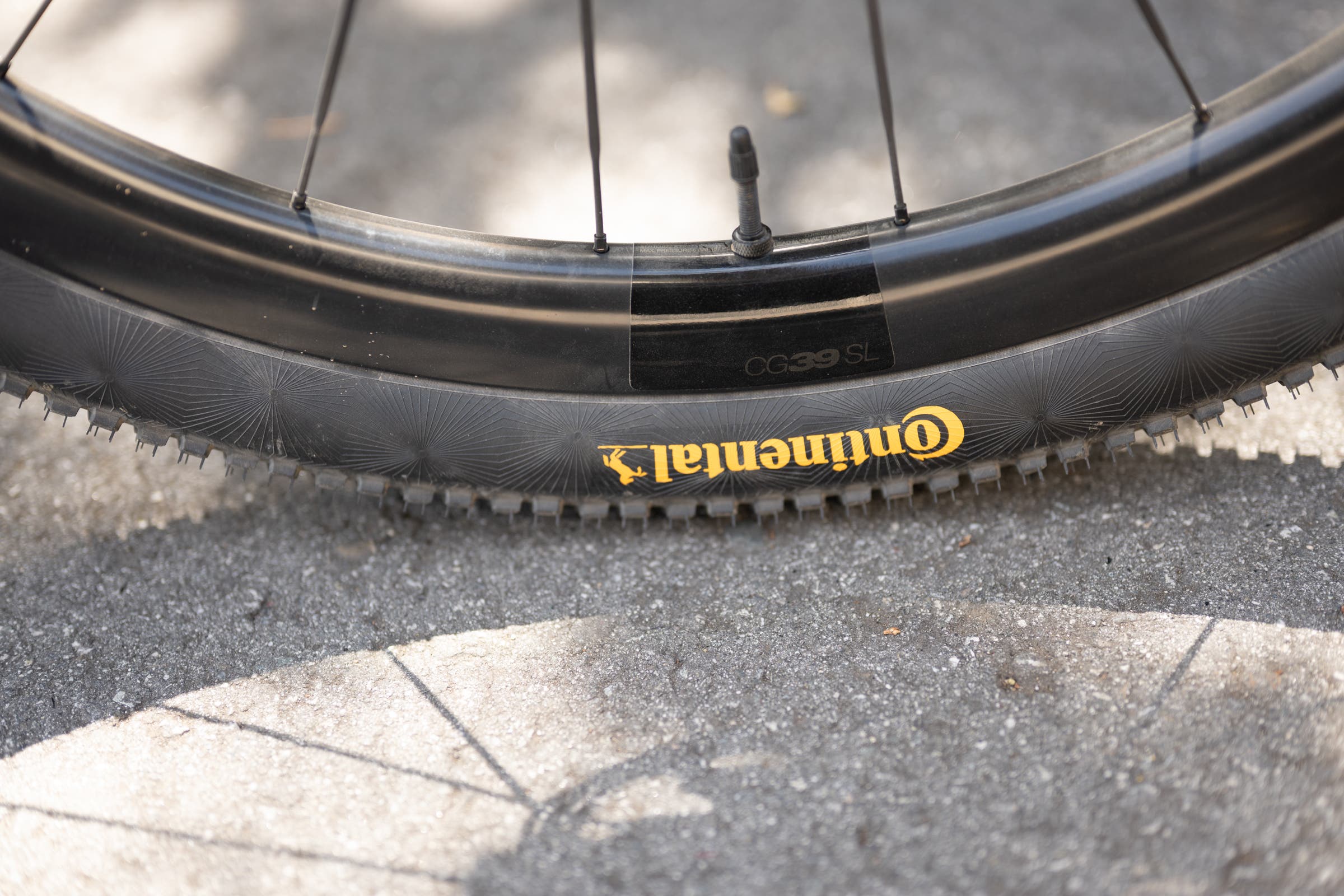
I suspect part of that feeling is that the wheels that come on this bike don’t make much sense for the stated purpose. The CG 39 SL has a 25mm internal width and a 39mm depth. It’s not wide enough, or deep enough, to be an aero play on a smaller 45mm tire. It makes even less sense with a 50mm. It’s also not extraordinarily light at 1380g for the wheelset. With that 25mm internal width, this bike would be better served by the CR 50 SL if you had to stay within the BMC product line. Better yet, break out of the BMC offerings. The Zipp 303 XPLR is the wheel you want for this bike.
Usability
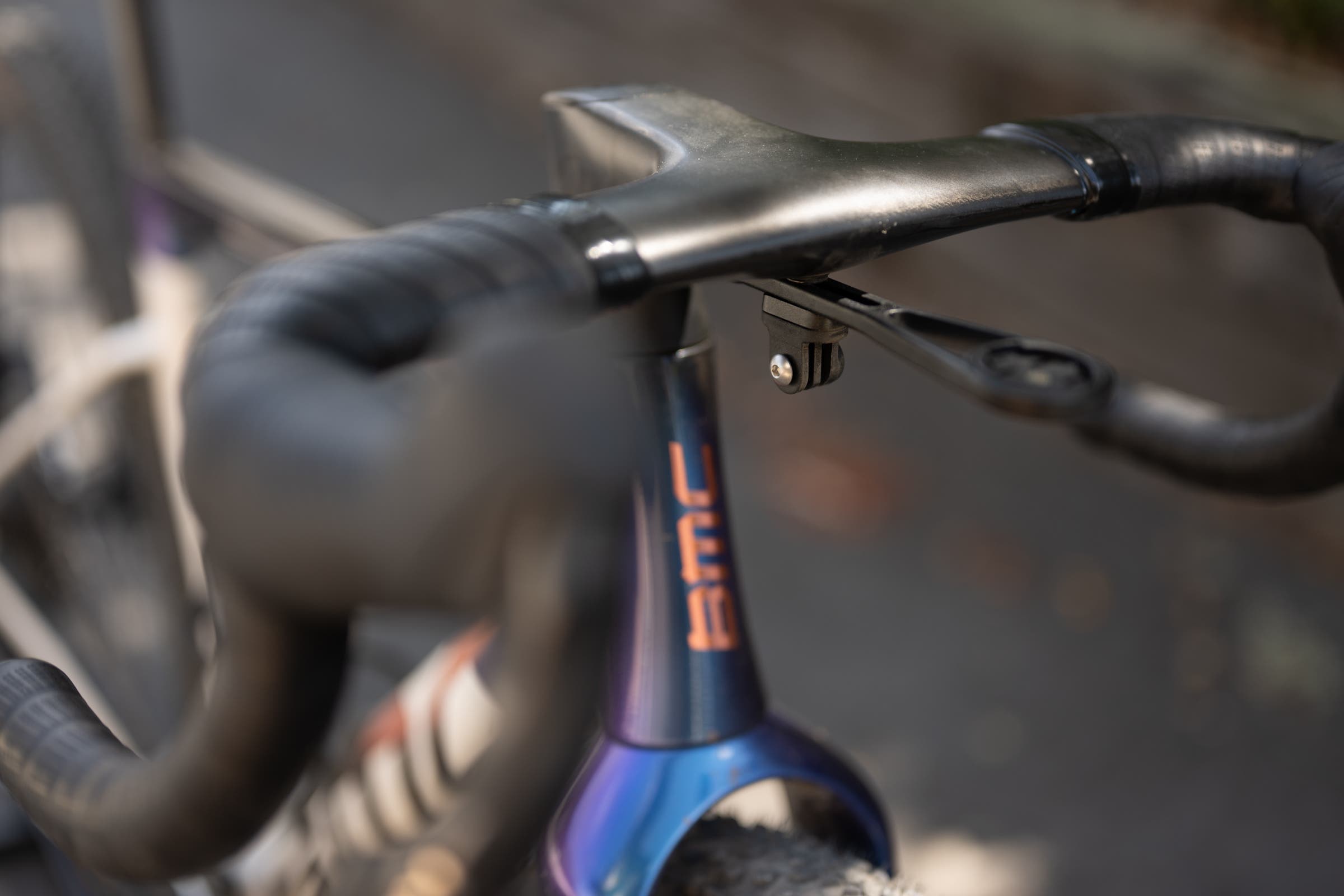
There is a mix of good and bad here depending on what you value. Moving to a threaded T47 bottom bracket is a win for maintenance. The cockpit uses a hidden channel under the bars to make routing the brake hoses easier. However, the steerer tube design means you can only use BMC cockpits. There is a great out-front mount, but it doesn’t hold enough weight to handle bigger Exposure lights under it. The frame is exceptionally easy to build. The catch is that it only works with wireless groupsets.
The storage situation is a similar story. The new cargo plate under the top tube is extraordinarily easy to use for quick access to a flat kit. However, the lack of internal down-tube storage could be considered a knock on usability for a modern gravel bike. Still, BMC made smart updates elsewhere. Repositioning the top tube mounts to clear longer aero bags and offering a third bottle mount under the downtube are both clear positives.
Conclusion
Reviewing the 2026 BMC Kaius 01 is one of the few times I find myself cautioning readers about the wisdom of owning a true race bike. This bike is incredibly focused on exactly what a modern gravel racer needs. That might not be right for everyone.
The storage situation encapsulates that better than anything else. Most people would prefer in-frame storage. However, BMC is exactly right in the choice the brand made with the cargo plate. Race leaders almost always have a CO2, a plug, and a tube taped to the top tube. BMC made that easier. It’s genius, as long as that’s what you want.
The out-front mount is another good example. I want to stand up and celebrate that someone made a great out-front mount for the one-piece bar and stem, and included a light mount without an extra purchase. It’s perfect for a one-day race that starts or ends in the dark. It could be an issue for an ultra-endurance race where heavier lights are necessary, though.
The bottom line is that BMC made a race bike that absolutely nails the brief (assuming you swap the wheels). It’s so good at what it does that not everyone will love it. If you want to try and win races, however, here is your bike.
[analyse_source url=”https://velo.outsideonline.com/gravel/gravel-gear/bmc-kaius-01-gravel-bike-review/”]