[analyse_image type=”featured” src=”https://velo-cdn.outsideonline.com/wp-content/uploads/2026/04/DSC_4612.jpg”]
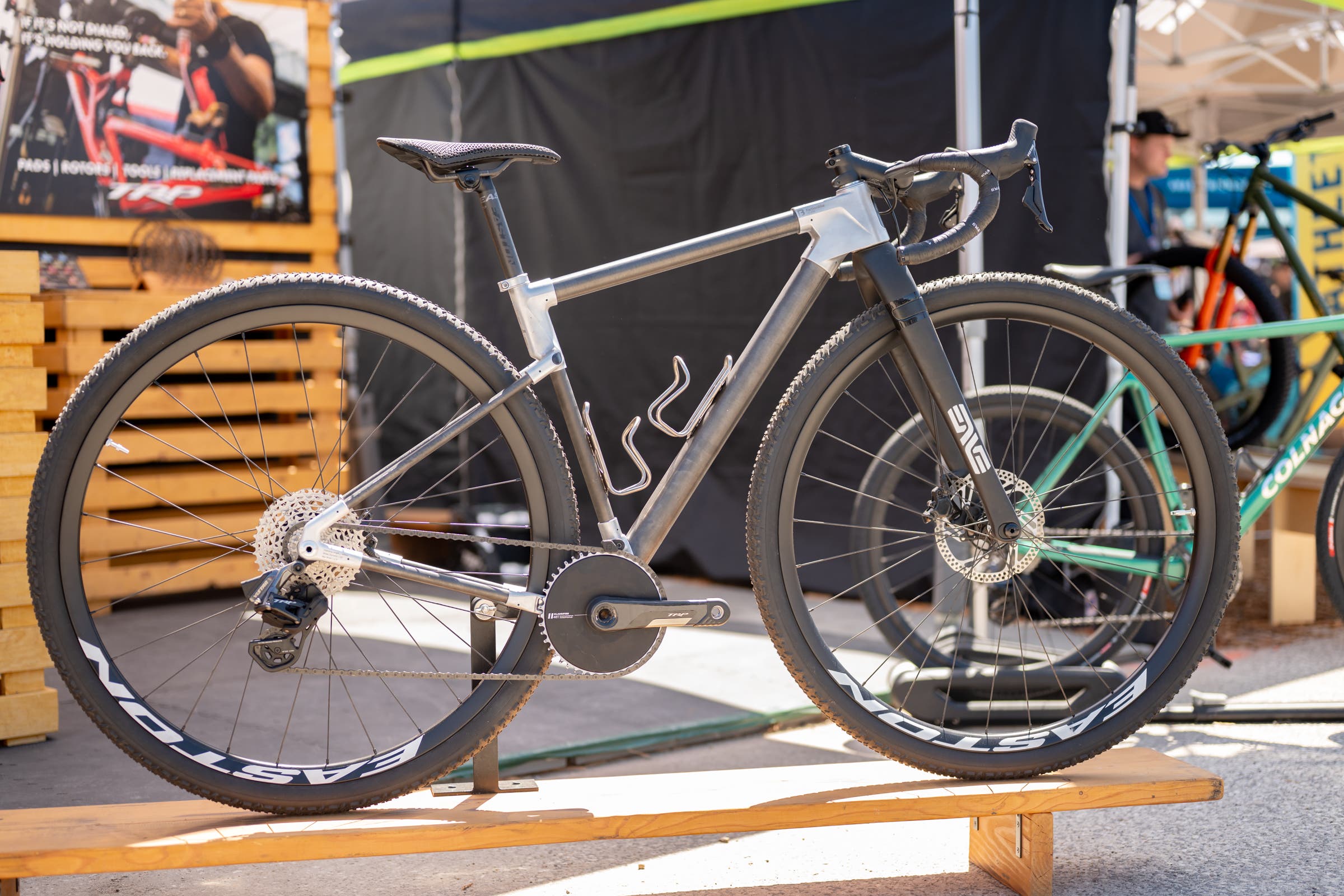
Right now, the cycling industry is buzzing about 32-inch wheels. Walking around Sea Otter, it was the only topic that mattered. The products themselves are barely trickling out, but every manufacturer will give you a wink and a nod that something big is coming. Yet, when we publish anything about these massive new wheels, the public reaction isn’t just ambivalence—it is outright anger.
My colleague just published a great article summarizing the industry’s sentiment about 32-inch wheels and why the new standard is inevitable. It’s filled with data about faster speeds and better rollover — and yet, the industry is fundamentally missing the point.
At Sea Otter, I talked to an old friend who proudly told me how, this time, the major manufacturers aren’t forcing a new standard on people. Small builders are leading the charge… toward something that no one wants. These small frame builders are ignoring the masses and the big brands are about to jump in.
How gravel cycling grew
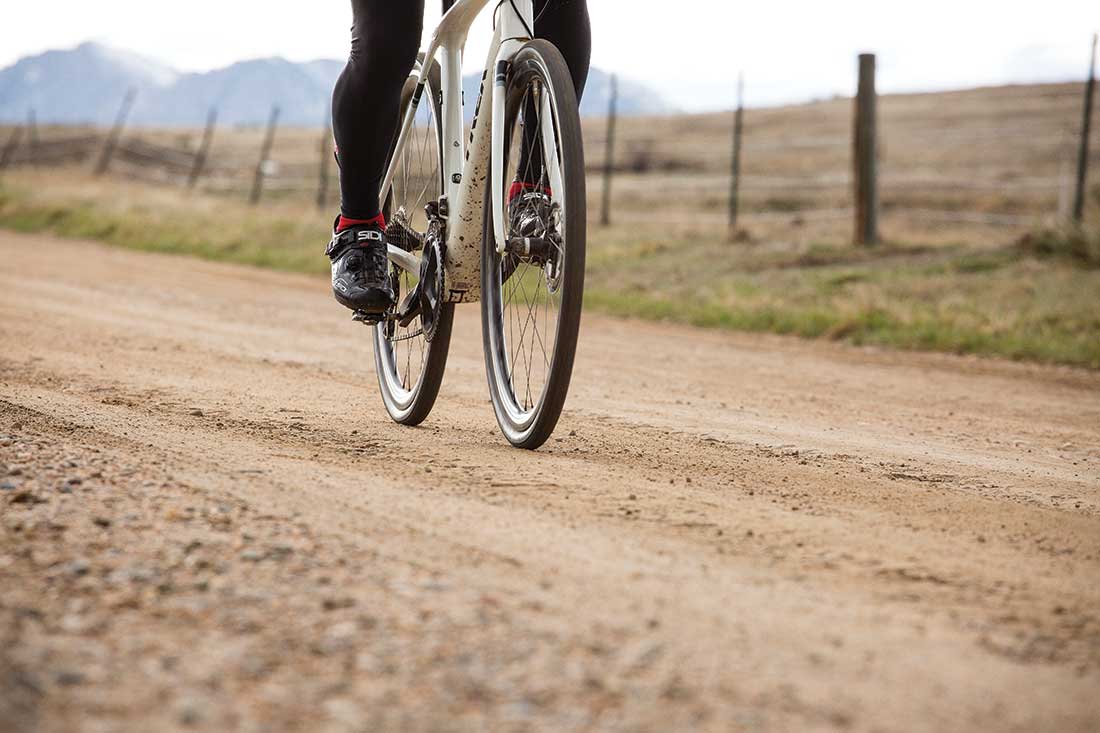
Gravel cycling didn’t evolve from modern mountain biking. It was driven by US geography and a desperate need to escape traffic.
Unlike Europe, the US has endless miles of unpaved farm grids and Forest Service roads. At first, riders just took endurance road or cyclocross bikes and rode the dirt right out their front doors. It was accessible, slightly counterculture, and the racing scene organically followed.
But the real boom wasn’t about the dirt itself; it was about survival. US cycling infrastructure is virtually nonexistent, and riding on the tarmac often means dealing with openly hostile drivers. Gravel exploded because riders got tired of playing roulette with traffic.
When people moved to those quiet, unpaved routes, they didn’t adopt mountain bike tech. They just took road bikes and squeezed the biggest tires they could fit into the frames. The much-memed “spirit of gravel” was a rejection of high-stress roadie culture, but the physical DNA of the sport remained firmly rooted in road cycling. Gravel wasn’t born from a desire to ride singletrack; it was born from a desire to ride road bikes without getting hit by cars.
We are riding roads, not rock gardens
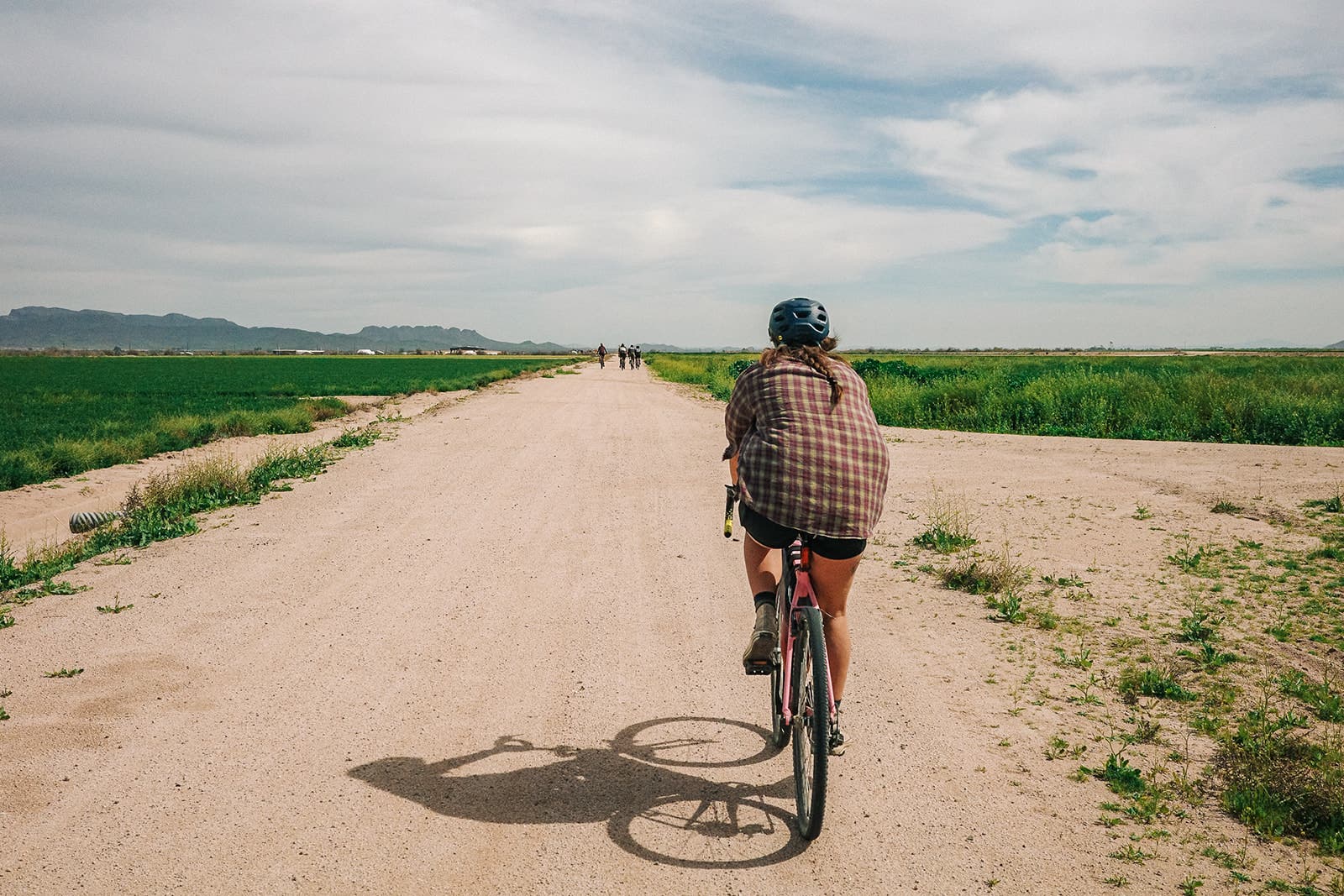
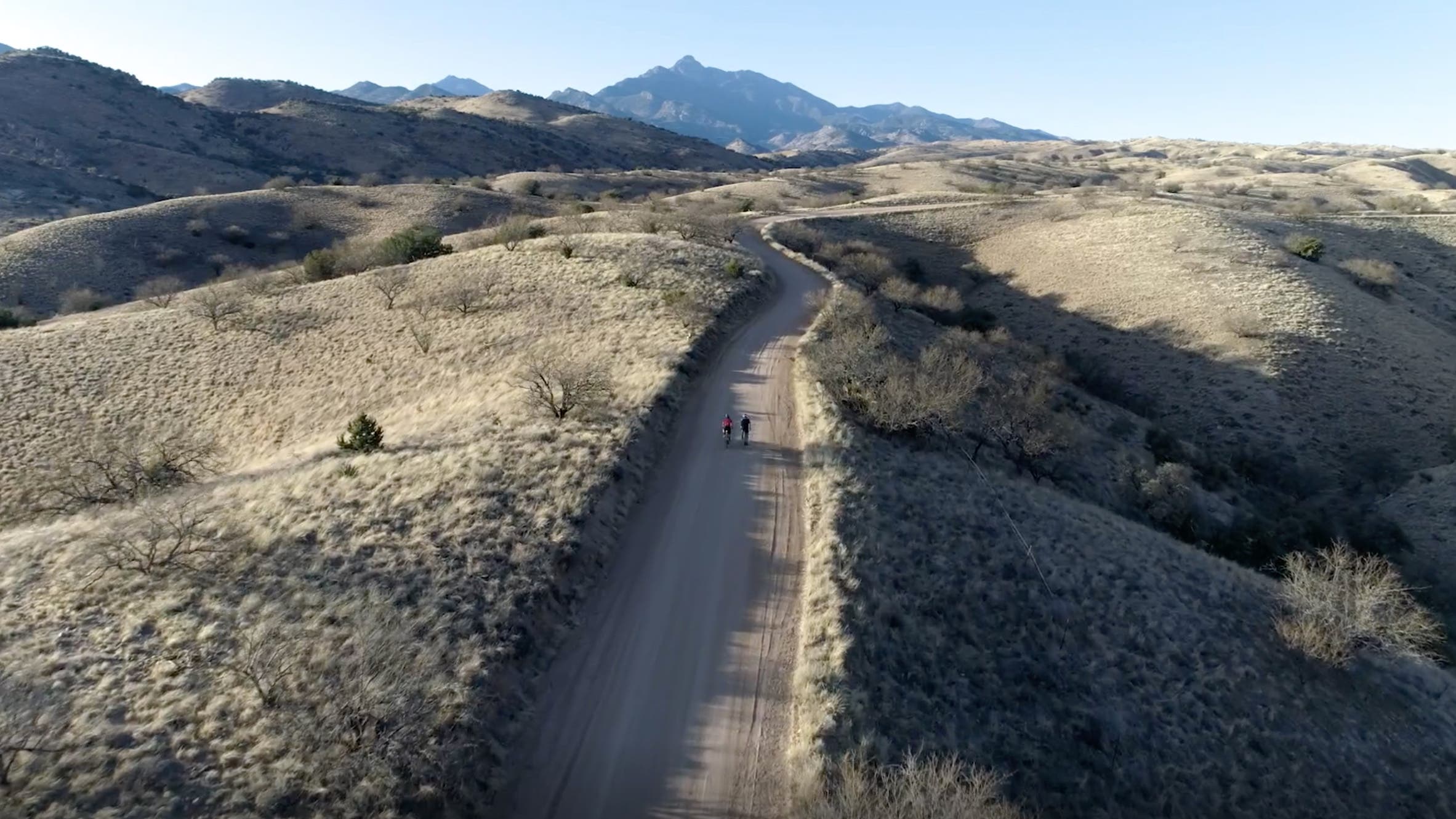
Notice the recurring word in that history: roads. Whether it’s a midwestern farm grid or a logging route in the Pacific Northwest, these are engineered thoroughfares. They might be unpaved or washboarded, but they are built for trucks, not technical singletrack. The vast majority of gravel riding is simply road riding with a rougher surface.
Most gravel riders want to pedal their bikes, hang out with friends, take in beautiful vistas, and escape traffic. Wide tires are great for this, but only up to a point. Riders love a stable bike, but massive overbiking quickly siphons off the fun. If you are fundamentally riding a road, you don’t need mountain bike tires to do it.
But the data says big tires are faster
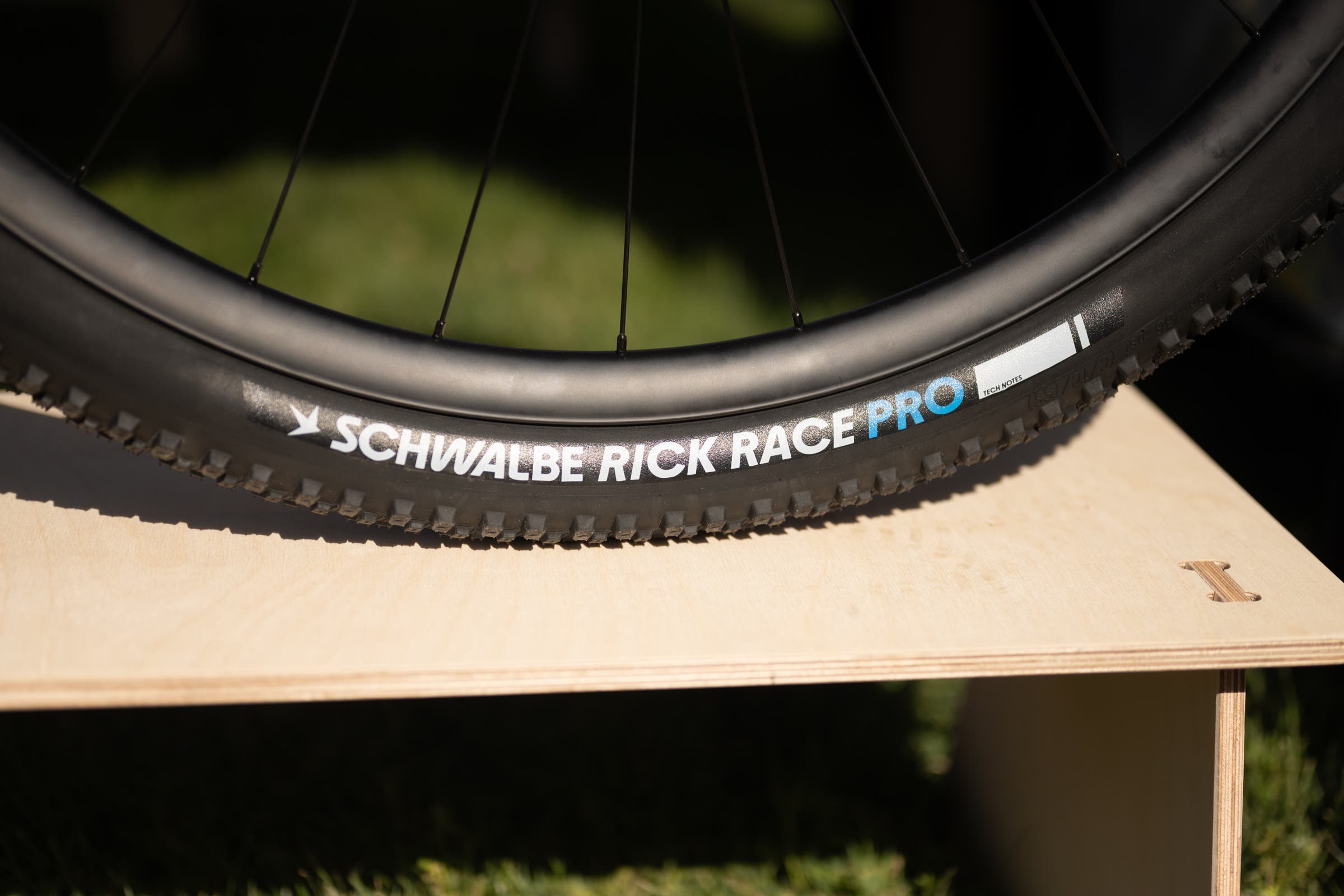
I get it. I am all about marginal gains, and I am usually the first person in the room looking for an advantage, aerodynamic or otherwise. The article my colleague Logan Jones-Wilkins wrote about 32-inch wheels is entirely focused on how they are objectively faster, which is why the industry insists they are coming. The same logic applies to the work Dylan Johnson is doing racing gravel with mountain-bike-sized 700c/29” tires.
I don’t doubt the testing. It is especially true for elite racers navigating blind corners at 25 mph in a pack. A larger diameter wheel has better rollover characteristics. A massive tire does a better job of soaking up bumps, adding compliance, and protecting the rim during a high-speed rock strike. There is no debating physics.
The problem is that this race-day math ignores the vast majority of people who buy gravel bikes and the terrain they actually ride. I’m not about to try and draw a line in the sand when it comes to tire width, but it definitely exists. The trend is to go wider, but we will reach a tipping point where we lose the lively feeling people are actually chasing on a gravel bike.
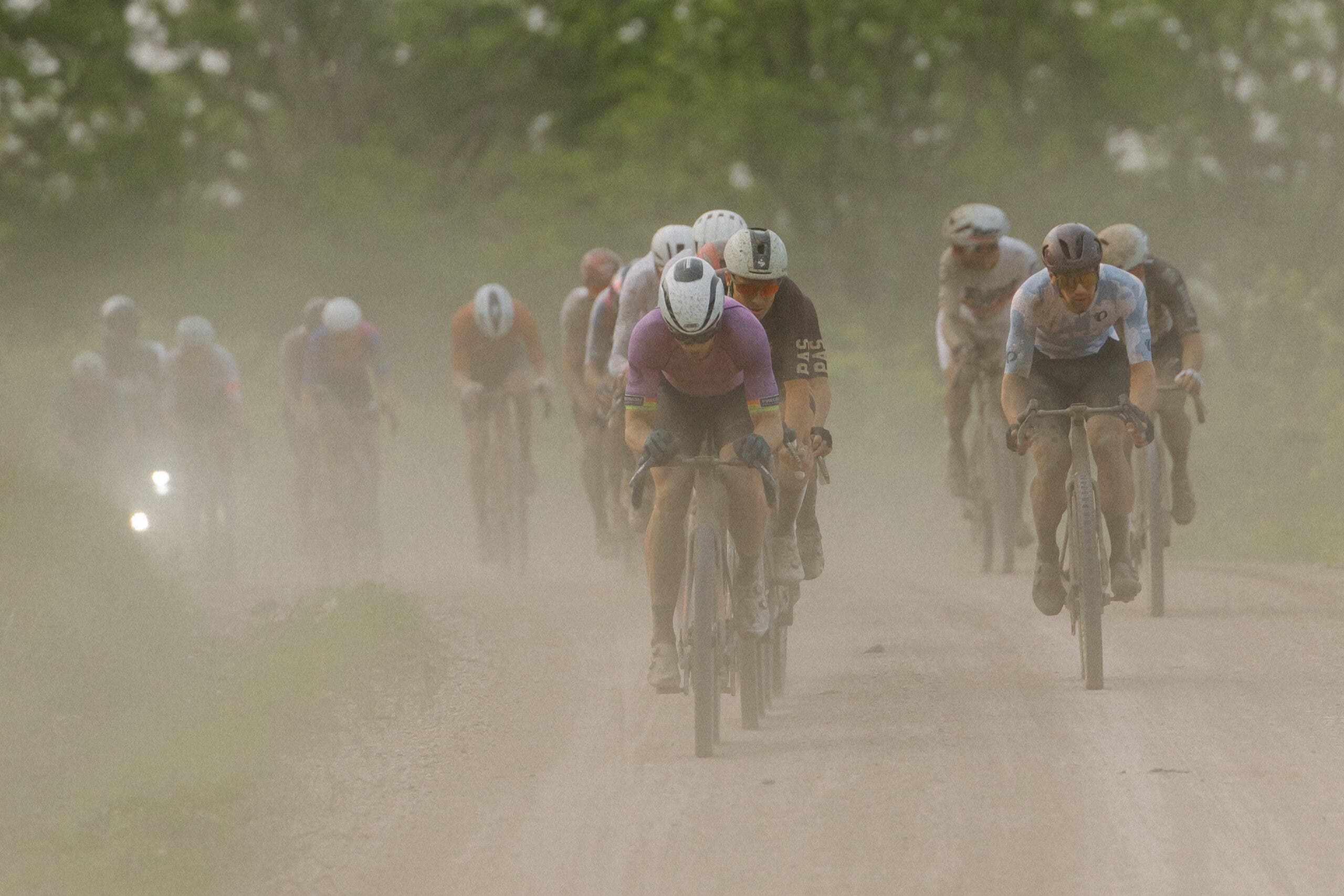
I know I’m not all that special, and for my own riding, a 40mm is completely fine, but a 45mm feels marginally better in a lot of situations. I did a muddy Traka 360 on 45mm and Big Sugar on 40mm. In each case it was perfect. The same is true on my local farm roads, logging roads, and forest service roads. Fifty-millimeter (and bigger) tires feel heavy and sluggish to me every time I’ve tried them in a variety of places around the world.
Aero data points to that range being fastest too, although I understand that throwing wind-tunnel aerodynamics at everyday riders is just as out-of-touch as telling them they need mountain bike tires.
There are too many compromises
Who cares that most people don’t need massive tires and wheels? Marginal gains are marginal gains, and I’m usually all about optimizing a little bit here and there. So why not this time?
I advocate for optimization without a drawback. You should buy an aero helmet next time you need one because a modern aero helmet has no compromise compared to a vented helmet, and it saves you the same power as a set of wheels. There is no reason to choose a slower helmet.
When it comes to a bike, of course it should be aero-optimized. We are no longer in a world where you have to choose between a light, snappy ride or an aero bike that’s heavy and too stiff. You can have both, and you should.
When it comes to tires, go as big as you can—until it comes with drawbacks. If you live in British Columbia and your routes are bordering on mountain bike territory, go massive. But be realistic. Are you riding farm roads with friends and doing a couple of races a year just for fun? If so, why make your bike less fun to optimize for a ride you aren’t doing?
Moving to a 32-inch wheel isn’t just a matter of swapping out rubber. If the industry successfully pushes this as the new standard, the cascade of changes will touch everything, and it inherently makes the bike worse for most of the riding we actually do.
Smaller, lighter, more maneuverable bikes are simply more fun to ride when the road is relatively tame. If just going up to a bigger tire risks making a bike feel sluggish, imagine adding a three-inch larger wheel plus a massive tire. That is a lot of rotational mass to lug around, plus you have to stretch the wheelbase and chainstays just to fit it. It might roll faster in a straight line over rough surfaces, but think about the wrangling it will take to change directions, the watts it takes to spin up those heavier wheels, or the amount of weight you just added to every climb. Everyone loves the feel of a light and snappy bike, and this is a recipe for killing that feel.
There’s gearing to consider, too. Most people don’t think much about gear inches unless they are comparing setups when building a custom bike. But you have to think about it here, because a larger wheel covers more ground with every crank rotation. It will feel harder to turn the pedals, which means regular riders will have to size down the chainring and up the cassette to compensate. That is potentially less mechanically efficient, but mostly it becomes a cascading bike design problem where you step outside of expected, optimized sizes. You’ll be running tiny mountain bike chainrings which will drop your chainline close to the frame, you’ll have a wider Q-factor, and the compromises keep going. You can potentially solve all of this, but you still end up with a bigger, heavier bike for your troubles.
All these compromises start to stack up. Next time you buy a bike, you have to ask yourself: can I push enough watts to overcome all these efficiency challenges? And even if I can, does my local terrain actually require it? For most people, the answer is no. You don’t need that, and the drawbacks are real.
This is the equivalent of the auto industry mass marketing heavy-duty trucks built to pull horse trailers. It’s a great commercial, and some people genuinely need that capability. But most of us don’t. We just need something quick, light, and fun to drive. You wouldn’t buy a heavy-duty pickup to drive a winding canyon road, so why buy a tractor for a local gravel loop?
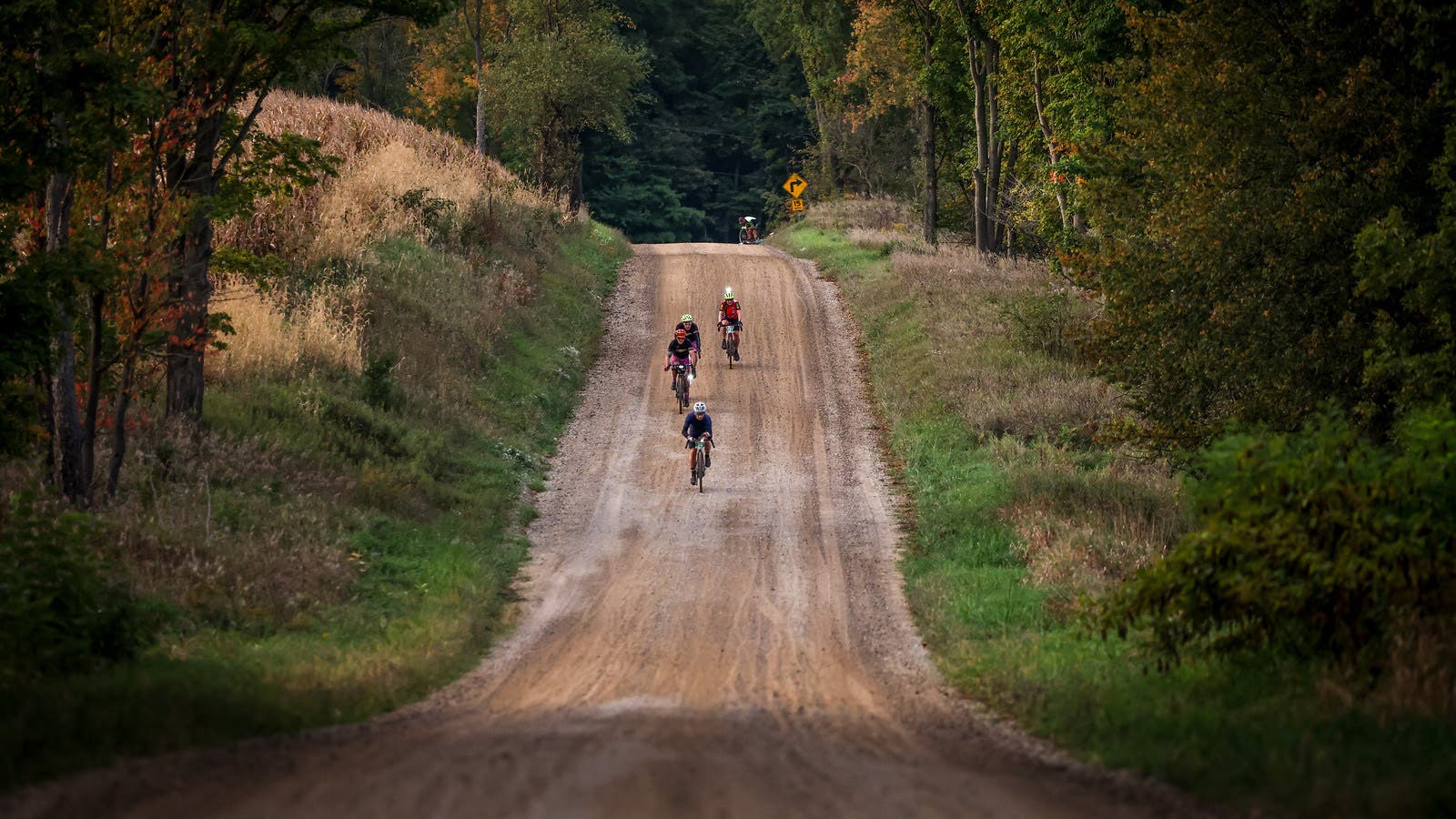
If you are a sponsored pro lining up at Leadville and your paycheck depends on carrying momentum in a straight line through a rock garden, a 32-inch wheel makes sense. But for the rest of us just looking to escape traffic, push ourselves a bit, and pedal some logging roads with friends, we already have exactly what we need.
This isn’t the transition to disc brakes or electronic shifting. Those innovations brought tangible benefits even if what we had was already good. For most everyday riders, 32-inch wheels are actually worse.
[analyse_source url=”https://velo.outsideonline.com/gravel/gravel-gear/32-inch-wheels-leave-everyday-riders-behind/”]