[analyse_image type=”featured” src=”https://velo-cdn.outsideonline.com/wp-content/uploads/2026/04/DSC_4982-Edit.jpg”]
Pros
J-bend spokes
spokes have enough give for an exceptional ride
35mm depth more aero than previous 45mm 353NSW
Measured copy weighed 1079 grams with tape and valves
Lifetime warranty
Ceramic bearings
Cons
Noticeable loss of stability during high-wattage sprints
High cost compared to lighter options from less well-known brands
Restricted to pavement use only
Zipp 202 NSW Specs
| Price | $4200 |
| Weight | 1090g (advertised) / 1079g (measured) |
| Rim depth | 35mm |
| Internal width | 23mm |
| External width | 27.4mm |
| Rim Type | Tubeless Straight Side (Hookless) |
| Hubset | ZR1 SL with 66 points of engagement |
| Bearings | Hybrid Ceramic |
| Spokes | Alpina Hyperlite (J-Bend), 20-hole front/rear |
| Tire Compatibility | 28-32mm (28-29mm recommended) |
| Max System Weight | 253 lbs / 115 kg |
| Max Tire Pressure | 72.5 psi / 5.0 bar |
| Price | $1,900 (Front) / $2,300 (Rear) |
| More info | Zipp website |
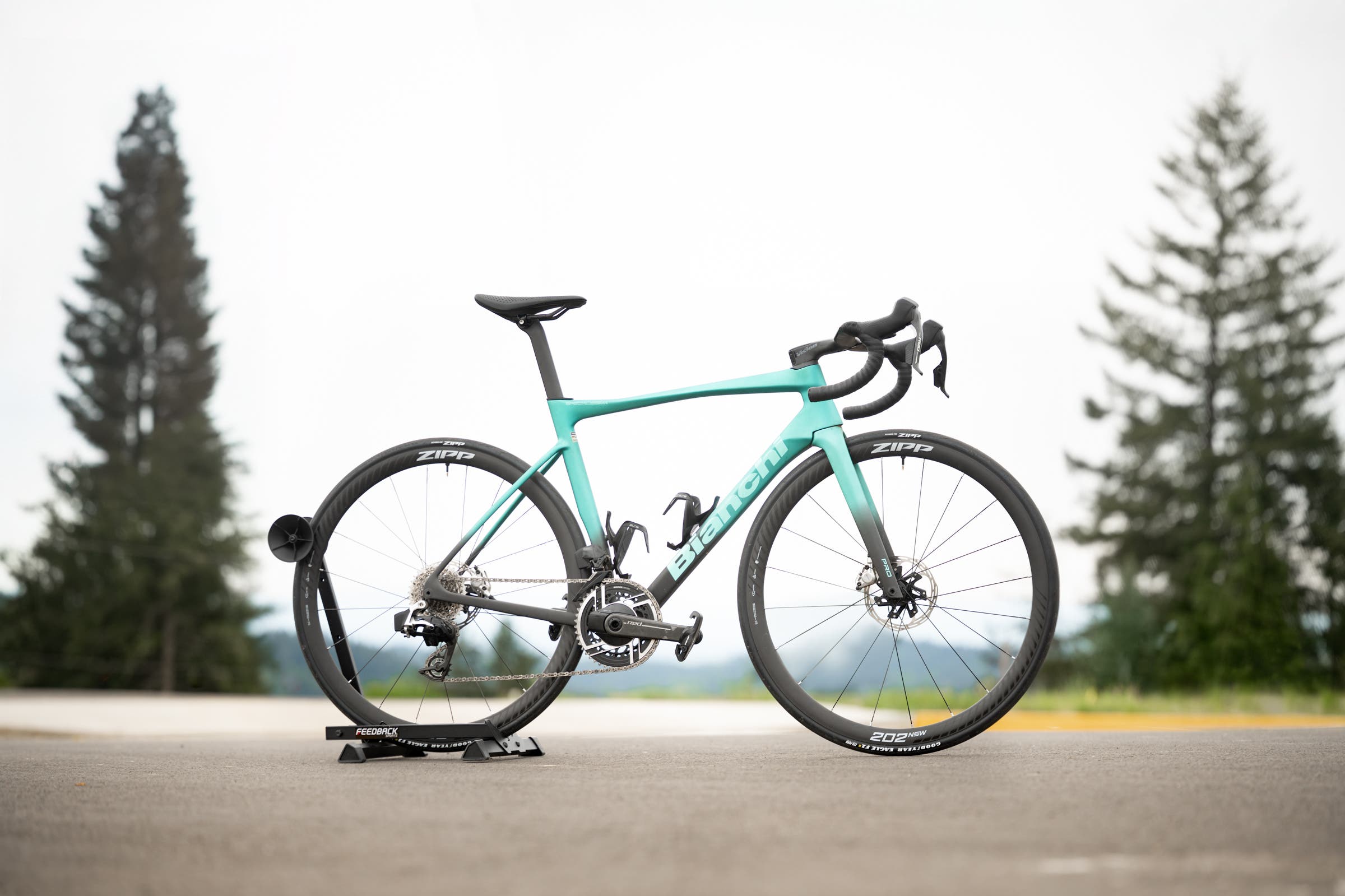
Today, Zipp is launching the 202 NSW and doing something the brand hasn’t done since 2008. Back then, bikes looked like bikes, and rim brakes ruled the peloton. Ultralight climbing wheels hovered in the 1,200-gram range unless you looked to boutique European brands. Any wheel approaching the sub-1,100g mark was strictly a tubular, and that year, Zipp launched an updated 202 tubular with a claimed weight of 1,095g for a 32mm depth and a 22.6mm external width.
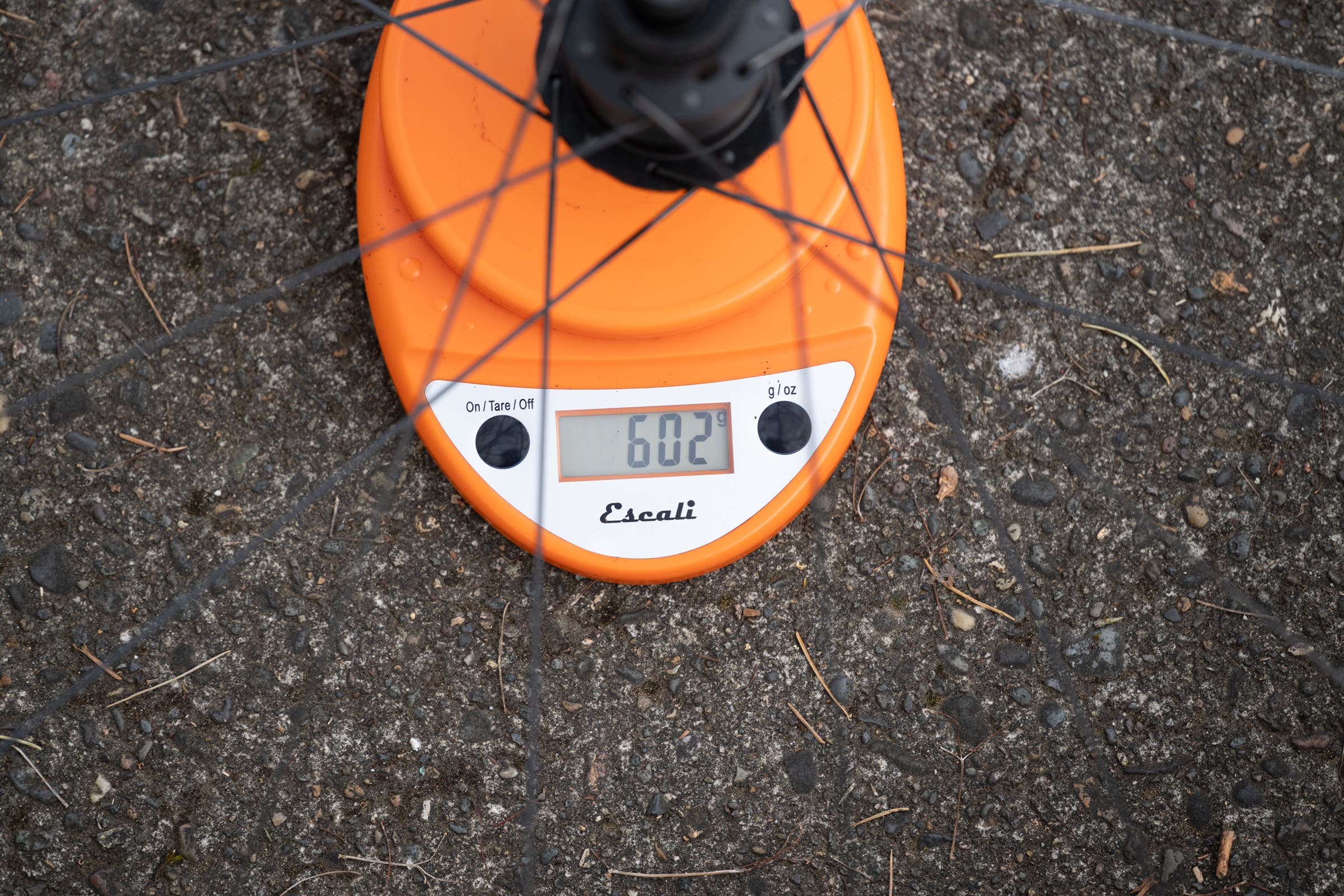
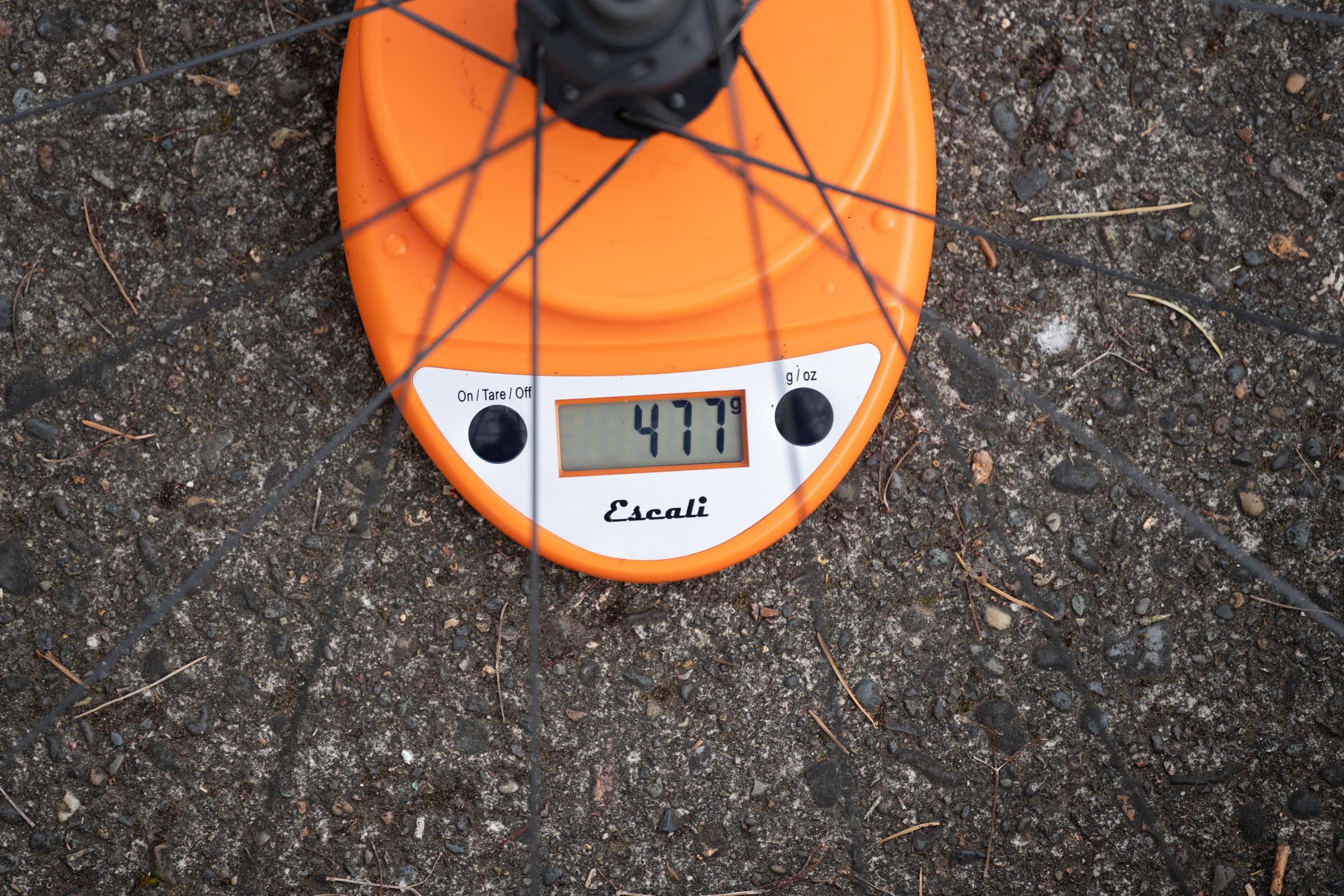
Now, 18 years later, here we are again. Rim brakes are gone, frame shapes are wildly different, and we’ve traded tubular glue for tubeless sealant. More importantly, the new Zipp 202 NSW is back down to a claimed weight of 1,090 grams (my set measured 1,079g with tape and valves).
The market positioning is strikingly similar. Just like in 2008, this is the lightest wheel available from a major manufacturer. You can still find lighter options from smaller builders, but the disruptors aren’t based in Europe anymore. Lightweight no longer holds the ultimate crown; Chinese brands like Light Bicycle do.
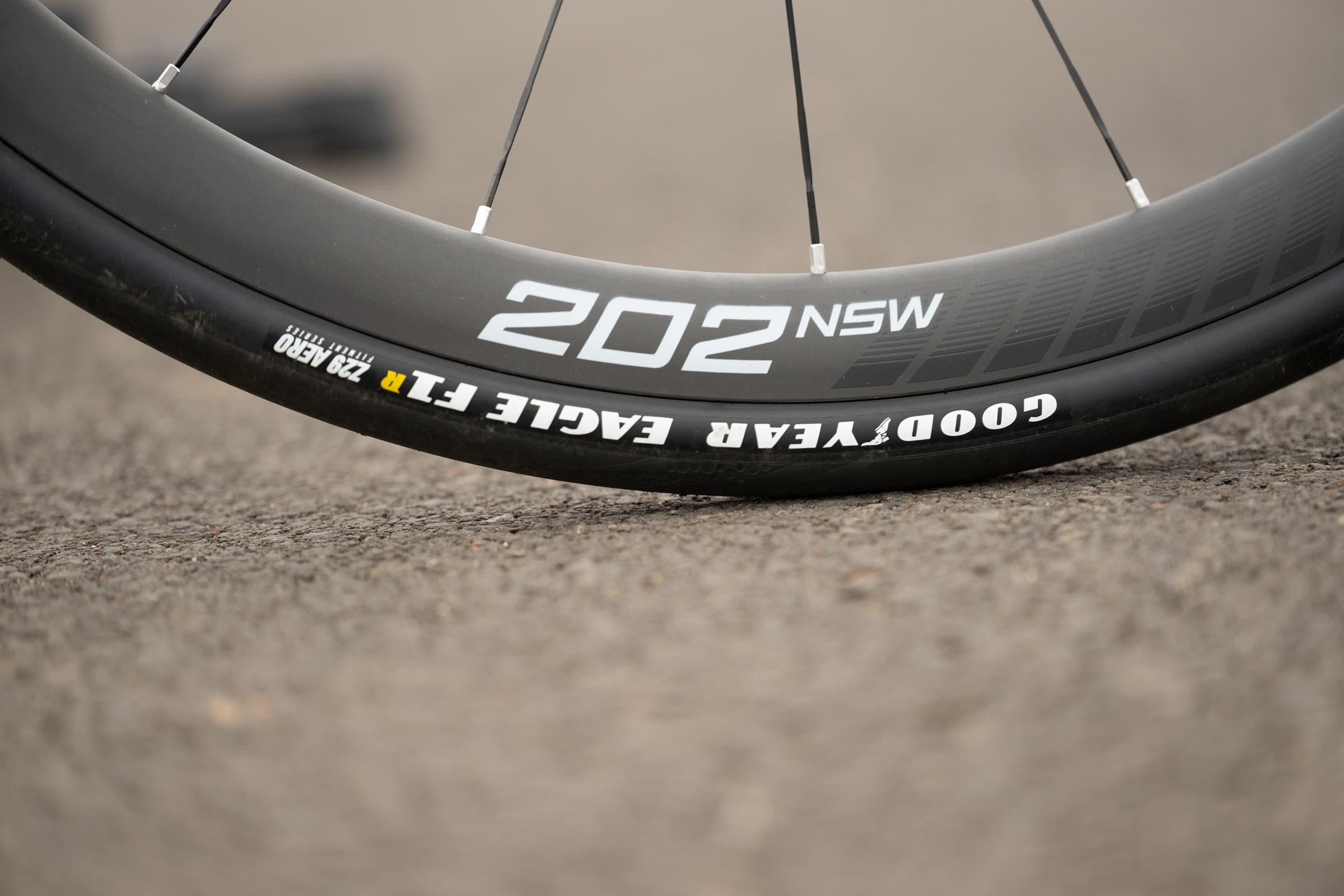
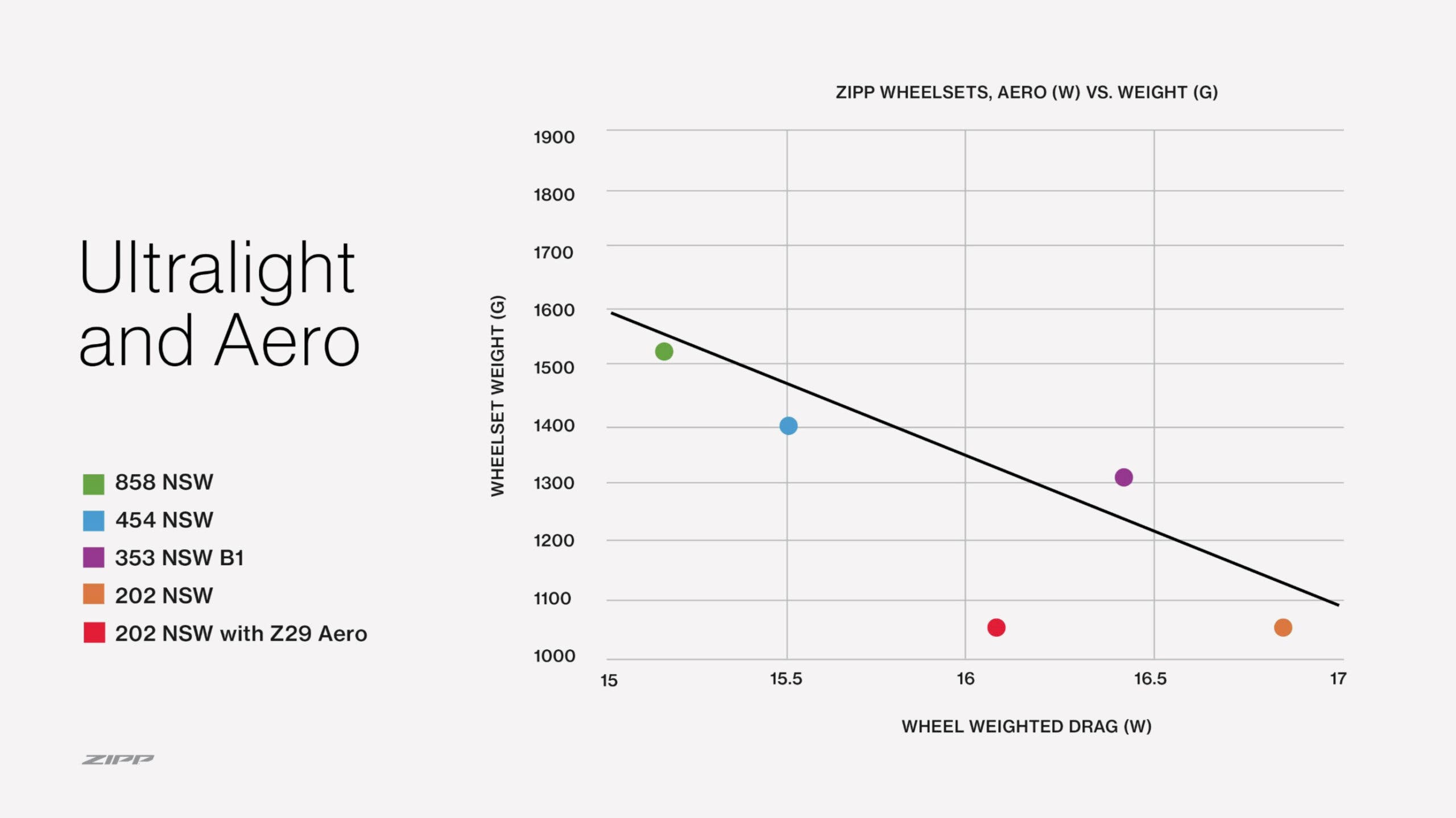
The actual technology, however, is thoroughly modern. The 202 NSW features a 23mm internal width and a 35mm depth. Zipp also claims it’s aerodynamically faster and more efficient than the previous lightweight king in the lineup: the 353 NSW, with its 45mm depth, 25mm internal width, and 1,308-gram claimed weight.
The journey to get here
Zipp is a company that says speed is the guiding light in every product created. In recent memory, that’s meant a combination of rolling resistance, comfort, and, of course, aerodynamics. As those objectives have come together, the focus has been aerodynamics paired with larger air volumes through increased tire size and internal rim width. There’s also been discussion of biomimicry and the instantly recognizable waved profile.
The basic concept was that a comfortable rider was a faster rider, and it was worth finding technical solutions to provide that comfort. Zipp attacked the challenge from two directions. The first was using a 25mm internal rim width and a 30mm required tire size (as mandated by ETRTO in recent years) to add air volume and soak up bumps for lower rolling resistance and better compliance.
The second part of the solution was the use of a wavy rim. In the past, that wavy profile was delivered with a two-part message, starting with cheating physics just a bit. In the same way that a truncated Kammtail (or Kammback, or Kammtail Virtual Foil) tricks air into following the path of a full Kammtail design without having to use as much material, the wavy profile was doing two jobs. The wind acted like it was a deeper wheel, while less material was necessary. The other bonus was that as wind came unattached from the side, it didn’t jerk the wheel. Simply put, it was the aero benefits of a deeper wheel without the drawbacks.
With the Zipp 202 NSW, the brand seems to be quietly backing off those claims. The 353 NSW is still being sold, but now it’s positioned as an all-road wheel designed for larger tires. That leaves the Zipp road lineup sitting fully at a 23mm internal width. At the same time, there’s no more wavy profile, and Zipp explained that rather than being about a shallower wheel masquerading as a deeper wheel, it was strictly about stability in crosswinds.
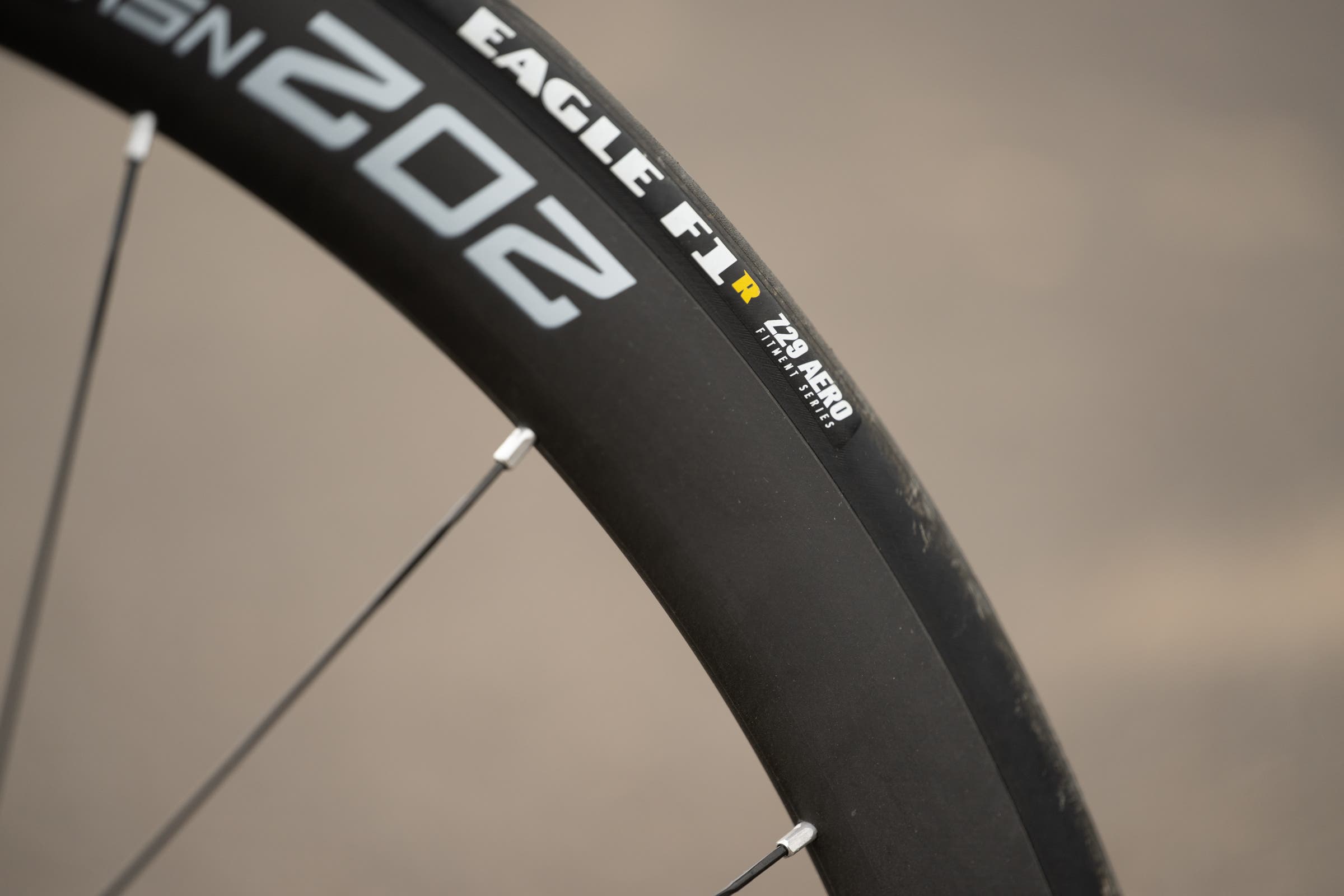
The reality seems to be that when it comes to frontal area, narrower is better, and there’s no cheating. A 28mm tire is faster in the wind than a 30mm, and because the ETRTO changed the standard, Zipp can’t advocate for running a 28mm on a 25mm internal width wheel. That means the optimal balance of speed versus comfort is 28/23 right now. There’s no official word on that, but you can look at the lineup and see it. I’m sure it doesn’t hurt that, for this specific wheel, a narrower rim means less carbon, which translates directly to less weight.
That wavy profile likely suffers from some of the same math. You might save some weight on a deeper wheel with that wave and get both aero and stability out of the deal, but on this wheel, weight is king. You don’t have to worry about crosswind stability with a rim this shallow, and a simpler layup is lighter.
Except Zipp isn’t fully claiming this is a simpler layup. The brand is still leaning into the concept of biomimicry, but this time in a way it’s never been discussed. Rather than a whale’s fin, this wheel—according to Zipp—still uses a complex layup but now functions more like a muscle tendon. The marketing states it features a “biomimetic laminate which utilizes mixed modulus carbon types to maximize stiffness at the spoke bed and toughness at the tire bed, mimicking the function of a muscle tendon.”
None of this is ultimately an issue for the end user. People clearly still want to run 28mm tires for both weight and aero, and a 23mm internal width allows exactly that. Zipp claims the 202 NSW is faster aerodynamically than the deeper 353 NSW, so there is no loss there, and it’s significantly lighter. These are wins all around, and as I’ll explain in the next section, I absolutely love this wheelset.
What I like about the Zipp 202 NSW
Zipp built the lightest wheelset from a major manufacturer without resorting to carbon spokes, and that’s what I love about the 202 NSW. Well, that’s a roundabout way of saying it’s the ride feel I really love, but the two are intrinsically linked.
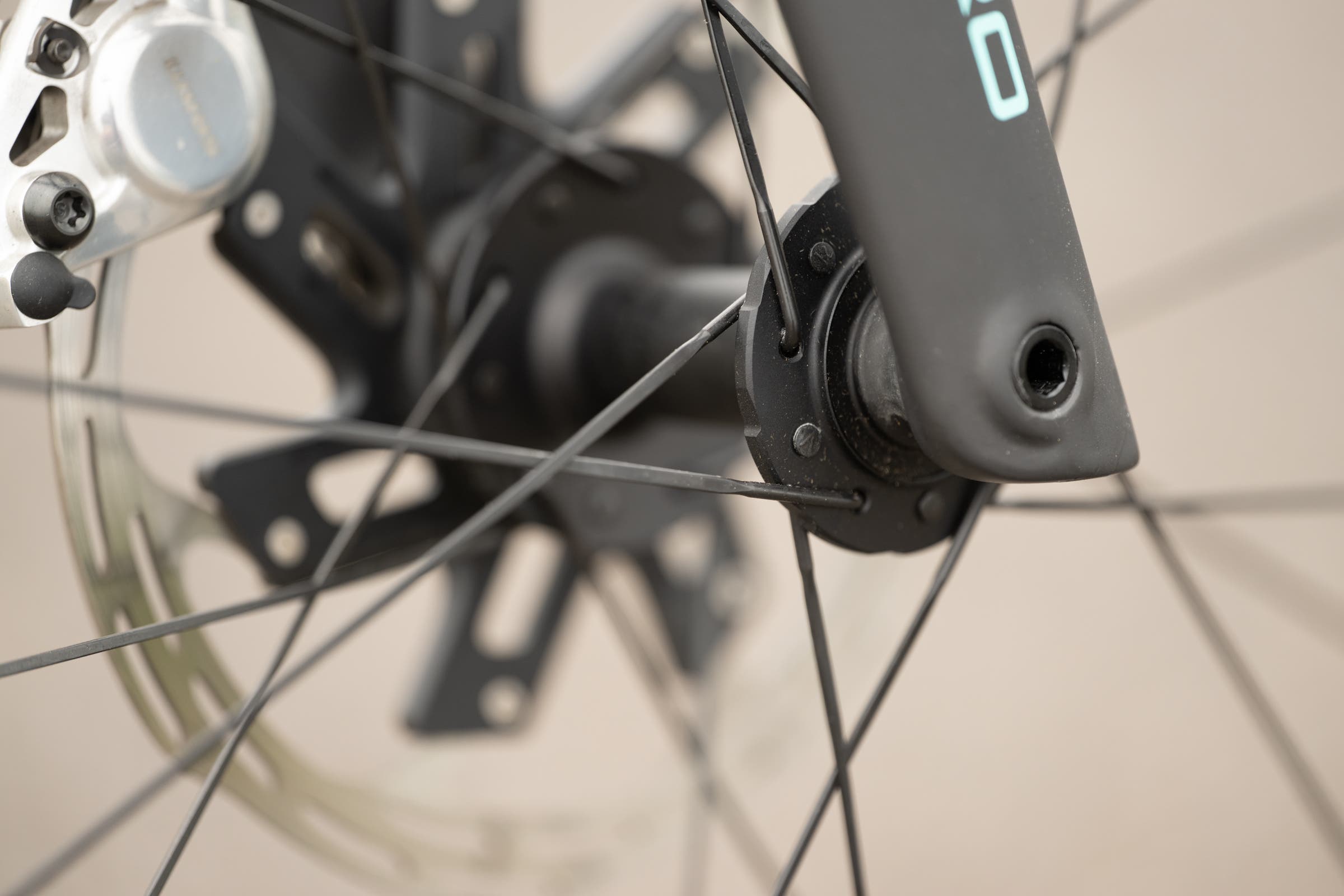
There’s no doubt the engineers at Zipp debated carbon spokes. There’s always a draw to go a little further and a little lighter, and carbon spokes—which can weigh as little as 1.7 grams—help achieve exactly that. However, that weight savings often comes with a penalty. Carbon spokes have a reputation for creating a stiff, harsh ride. While that isn’t always the case if handled perfectly, Zipp sidestepped the risk entirely by choosing J-bend steel spokes.
There is a slight weight penalty for this choice. The industry standard for a lightweight build tends to be the Sapim CX-Ray at roughly 4.25g. Zipp opted for the Alpina Hyperlite, which sits in the 3.4g range. It’s significantly lighter than standard steel, but you can see it is still heavier than carbon. That marginal weight, however, buys a big advantage in ride quality.
Building a sub-1,100g wheelset requires an incredibly stiff rim. All that high-modulus carbon Zipp highlights in the layup is necessary to maintain structural integrity with less material. Adding carbon spokes to an already hyper-stiff rim runs the risk of creating a wheelset that is simply punishing to ride. By using steel Alpina spokes, Zipp effectively integrated a spring into the system to balance the rigid rim.
The result is one of the most lively wheelsets I can remember riding. I mounted them on a Bianchi Specialissima, dropping the ready-to-ride weight (with Time XPro 12 SL pedals) to 6.4kg, and the ride is everything you dream about. It never feels harsh, yet it’s incredibly reactive. Climbing is obviously as good as it gets, but it’s the sensation of the bike moving underneath you that is truly addictive.
Even on the flats, it’s impressive how well these hold speed. Get down in the drops and push into the wind, and it feels every bit as efficient as an aero setup. You do lose the “sail effect” when the wind hits at a yaw angle, but that’s to be expected with a shallow 35mm depth.
As a final bonus, the traditional rim shape looks fantastic. Zipp’s signature waved profile doesn’t always visually match every frame, but the classic, straight lines of the 202 NSW look perfectly at home on a wide variety of bikes.
What I don’t like about the Zipp 202 NSW
I just raved about those spokes, acknowledging that the ride feel easily justifies the slight weight penalty of using steel. There is a downside, however, and it’s lateral stability.
I don’t have a massive sprint, and you almost never hear me discuss a wheelset failing under those specific loads. But because these were feeling so good, I decided to throw them at a favorite segment of mine: a 0.56-mile stretch with a 1.5% gradient where my personal best is 1:23.
Coming into it, I wind up the bike ahead of the start. As I cross the line, I am in full sprint mode, but I quickly sit down and get aero. Toward the end of the segment, as I notice my power starting to drop, I generally stand back up to give it whatever messy, out-of-the-saddle push I have left.
With this wheelset, I couldn’t hold the power. Throwing the bike back and forth at the upper limits of my power band, the front end felt unstable enough that I actually changed hand positions to try and correct it. No luck.
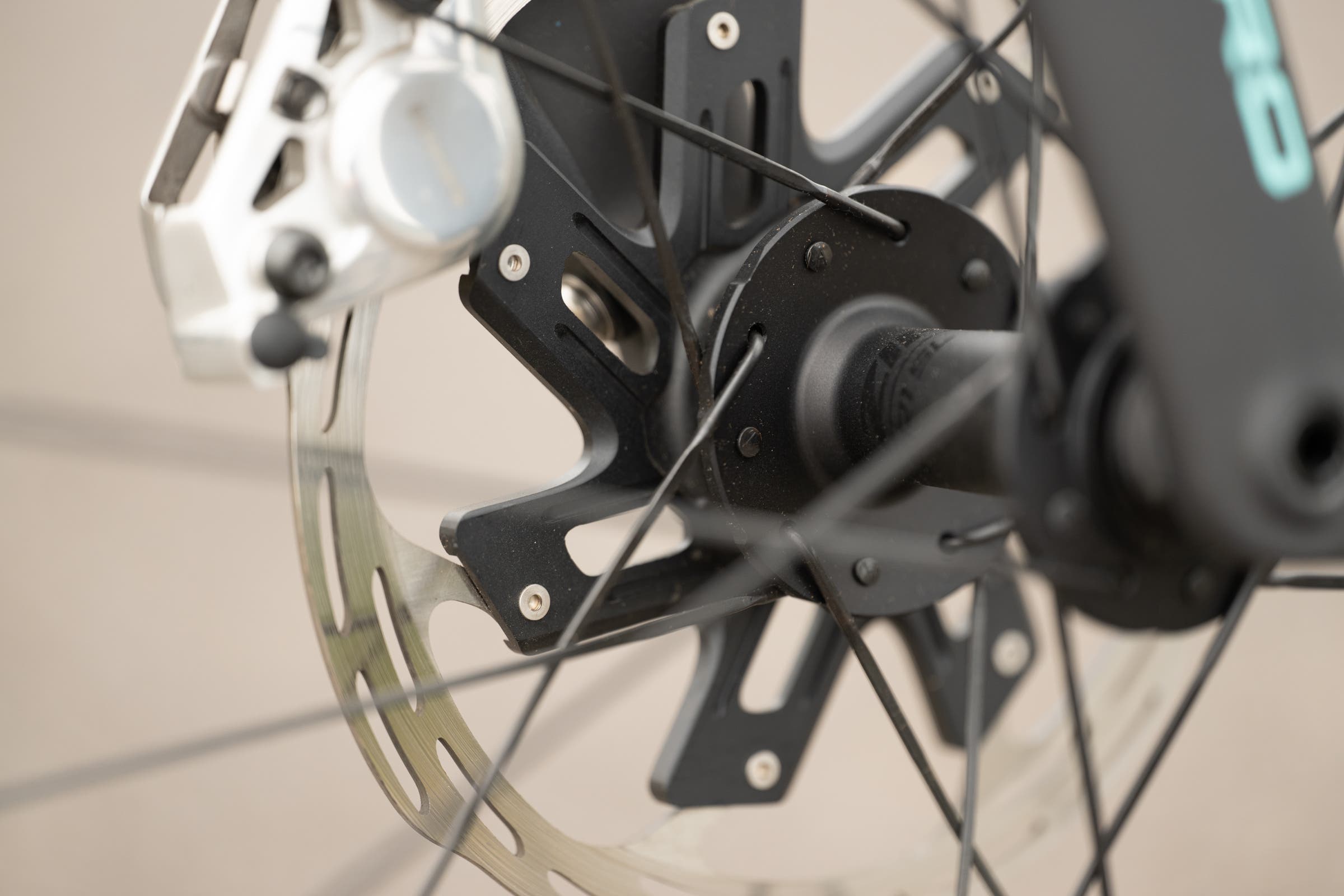
What’s happening has a lot to do with the spokes and the overall mass. You will experience some of this with any sub-1,100g wheelset because the lack of rotational mass drastically reduces the gyroscopic effect that naturally wants to pull the bike upright and keep it stable. You also lose some lateral stability inherently with a shallow rim simply because the spokes have to be longer to reach the hub.
Here, it’s exacerbated because those Alpina spokes I love are so aggressively tapered. At the center, they narrow down to just 1.3mm. Steel that thin is always going to struggle to keep the rim and hub perfectly aligned in the same plane under side-to-side torque. As you throw the bike back and forth, the spokes stretch just enough to allow a slight amount of movement, and the wheel shudders. It sounds more dramatic in print than it is on the road, but you absolutely feel it.
If big standing sprints are your thing, this is not the right choice. I rode the exact same sprint segment on the Campagnolo Hyperon Ultra (which is roughly 160 grams heavier) and did not experience any of the instability present in the 202 NSW.
Livability
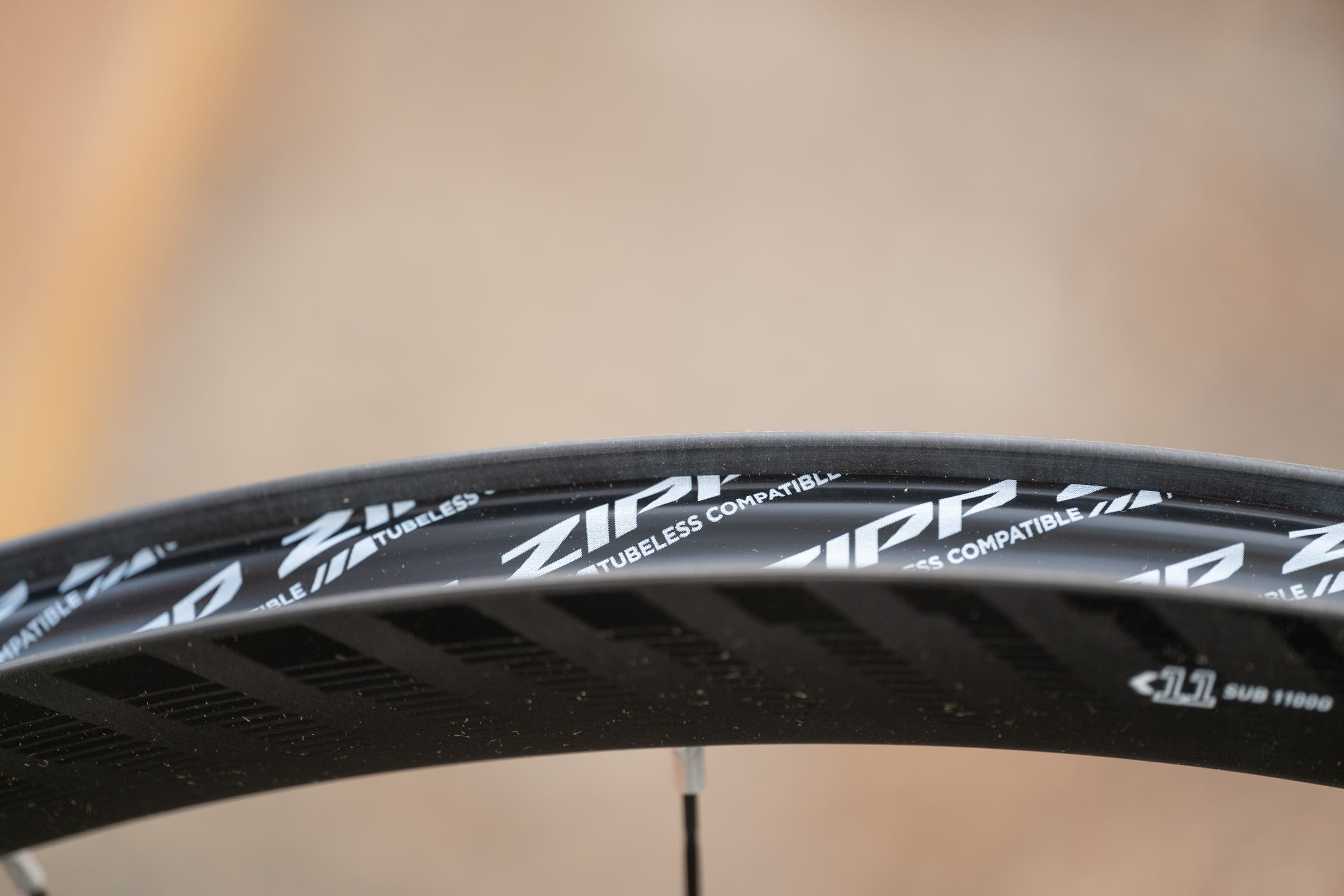
These are wheels, so in a way, there is even less to discuss regarding livability than there is with a modern bike frame. As with all Zipp wheels, this is a hookless, or tubeless straight side (TSS), rim profile. Make of that what you will. The 23mm internal width officially opens up ETRTO compatibility for 28mm tires, but as always, required pressures are lower and you must use hookless-compatible tires (which is basically any modern tubeless tire).
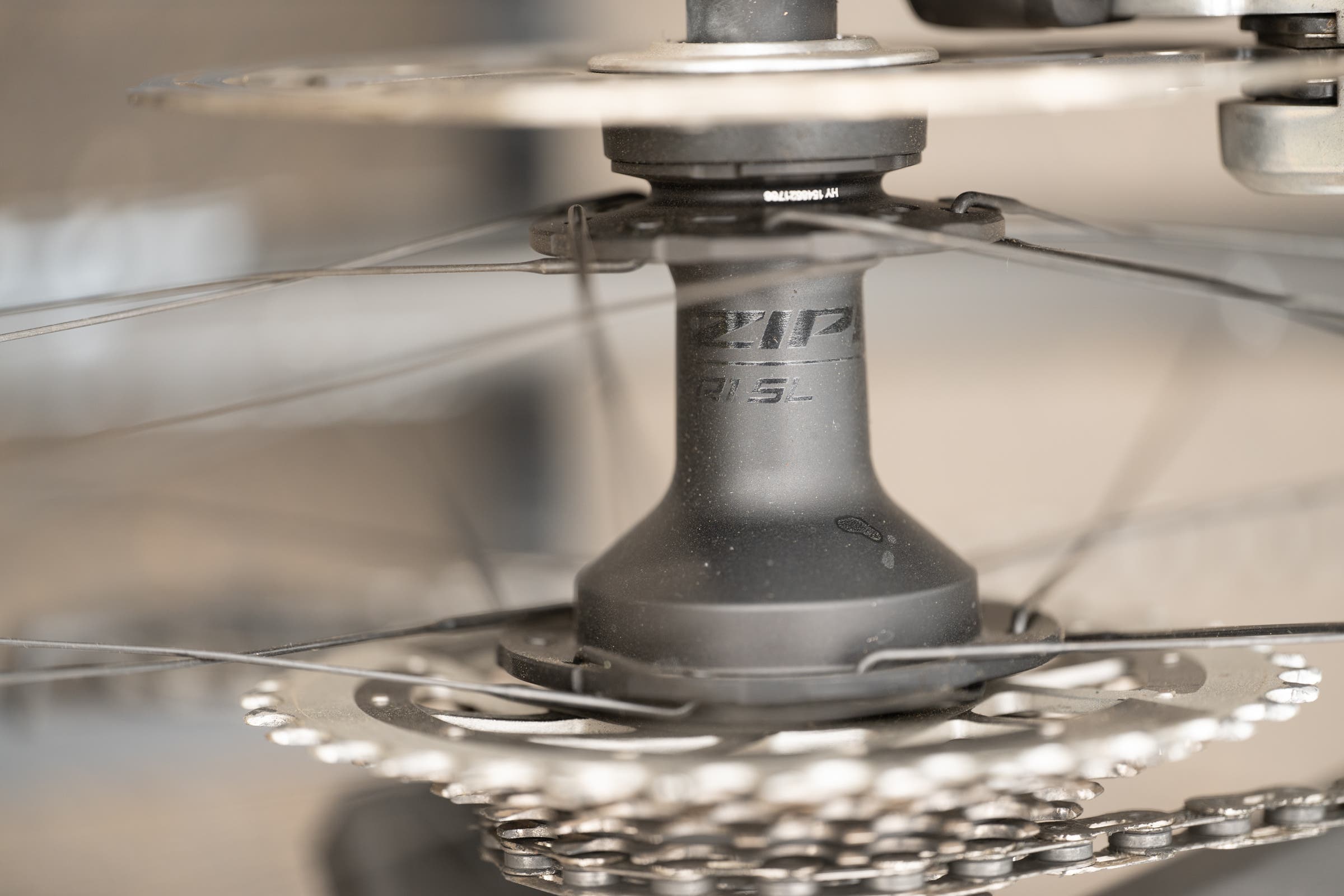
The other aspect of livability is the hub. In the past, Zipp’s Cognition hubs didn’t always have the best reputation for longevity. Personally, I never experienced issues, but Zipp has moved away from that mechanism anyway. The 202 NSW uses the ZR1 SL hub, which relies on a more “standard” pawl-based architecture. It utilizes a 6-pawl design working in two offset phases against a 33-tooth drive ring. That nets 66 points of engagement with a snappy 5.4-degree bite. For home mechanics, the end caps pull off by hand for easy serviceability.
As already mentioned, the spokes are fancy steel, but they are also standard J-bend. I can’t imagine a scenario where someone is riding a sub-1,100g climbing wheelset in a far-flung corner of the globe and needs to save a ride with a generic parts-bin spoke from a local shop, but… well, you could. Max system weight is 253 LBS/115 KG.
Warranty is the same Lifetime Warranty available with other Zipp wheels.
Who is the Zipp 202 NSW for?
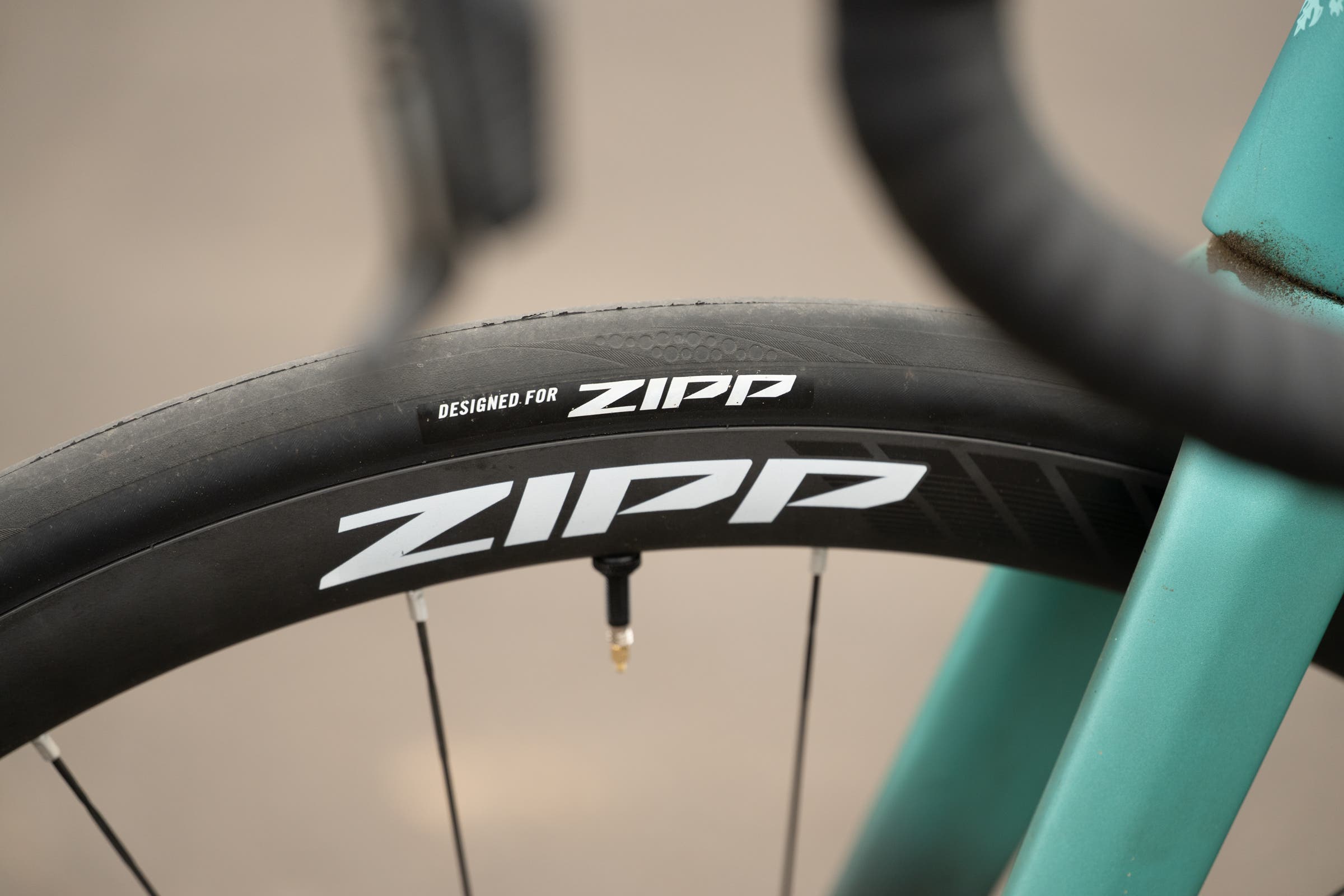
How do I put this delicately… these are for the rider who prefers the finer things in life. At a retail price of $4,300 / €3,800 / £3,395, this is not for someone trying to put together a lightweight budget build. These wheels are also not the absolute lightest you can get on the market. You could realistically pay less for a lighter wheel from a direct-to-consumer brand. There are a number of them out there, and you can easily save another 100 grams while probably paying half the price.
That said, there is some special sauce in these wheels. The Zipp formula makes for a wheelset that feels incredible to ride over long distances and, obviously, to climb with. These are the right wheels for someone who wants an ultralight setup but also prefers Zipp’s approach of pairing low weight with a strict focus on ride feel and aerodynamics. Finally, it’s for the rider who values peace of mind, preferring to know there’s a massive brand—and a lifetime warranty—standing behind the product they just spent a lot of money on.
As a final note, I love these wheels. If you like having a bike that just feels “right” under you, you’ll appreciate these.
[analyse_source url=”https://velo.outsideonline.com/road/road-gear/zipp-202-nsw-launch/”]