{“@context”:”https://schema.org”,”@type”:”Article”,”image”:”https://car-images.bauersecure.com/wp-images/259868/porsche_wireless_charging-1.jpg”,”mainEntityOfPage”:{“@type”:”WebPage”,”@id”:”https://www.carmagazine.co.uk/car-news/tech/porsche-wireless-charging-cayenne/”},”url”:”https://www.carmagazine.co.uk/car-news/tech/porsche-wireless-charging-cayenne/”,”author”:{“@type”:”Person”,”name”:”Tim Pollard”,”description”:”Tim Pollard is CAR magazineu2019s Director of Content u2013u00A0Digital and specialises in writing automotive news, features, car reviews, scoops of future cars, buying advice and motoring commentary. He has worked at the title, on and off, for 19 years and oversees the website editors at parent company Bauer Media u2013 regularly contributing to the mag and our sister websites, the car-buying bible Parkers and money-saving car insurance comparison service Mustard.nnnnTim started work in daily newspapers and automotive trade magazines in the late 1990s, but quickly worked his way into motoring mags, running the newsdesk at Autocar and then switching to become Deputy Editor at What Car? before joining CAR in 2006. u2018CAR is one of the worldu2019s most respected motoring titles and I grew up reading the likes of LJK Setright, Gavin Green and Russell Bulgin on the pages of CAR in the 1980s and u201990s,u2019 he says. u2018We aim to keep that spirit alive today u2013 giving our readers thoughtful, provocative writing, trusted verdicts, plus sharp design and world-class photography to make CAR stand out from the opposition.u2019nnnnWhen heu2019s not strapped to his keyboard or helping with digital upskilling at Bauer, Tim finds time to act as an ambassador for the British Society of Magazine Editors (BSME), plays a lot of hockey and can be spotted from time to time on national TV and radio doing automotive punditry. He has picked up a few awards over the years, including BSME Editor-in-chief/Editorial Director of the Year (2021), the PPAu2019s Digital Innovation of the Year (2016) and the Guild of Motoring Writersu2019 Editor of the Year (2016) and Journalist of the Year (2007) for uncovering the first McLaren road car since the F1, when he scooped the MP4-12C a couple of years before launch. Heu2019s done some unusual things in his careeru00A0u2013u00A0from road-testing an Iraqi tank captured in the Gulf War to setting a Guinness World Record in 2011 for the fastest quarter mile in a hybrid car.nnnnWhat does he make of the current crop of cars? u2018Itu2019s a time of huge change in the car industry: politicians canu2019t decide whether they favour electrification or combustion, Chinau2019s innovative manufacturers are wreaking havoc in the European market and most brands are trying desperately to reinvent their business models. nnnnu2018Are we past peak car? Possibly. But history suggests the motor industry will rise to the challenge. Just look at how Hyundai and Kia spent a decade reinventing themselves u2013u00A0and Renaultu2019s delightful 4, 5 and Twingo prove that clever engineering and smart execution will produce products that people desire. Itu2019s such a fascinating time of change in the automotive arena and weu2019re here to make sense of it all for our readers.u2019nnnnYou can follow Timu2019s exploits in cars on hisu00A0Instagram, Threads and X (formerly Twitter) accounts or his Linkedin profile u2013 and read his latest articles on CARu2019s website in the list below.”,”image”:{“@type”:”ImageObject”,”url”:”https://car-assets.bauersecure.com/wp-images/14284/timpollard2020.jpeg”,”caption”:”Tim Pollard”},”sameAs”:[“https://www.linkedin.com/in/timpollardcars/”,”https://x.com/TimPollardCars”,”https://www.instagram.com/timpollardcars/”],”url”:”https://www.carmagazine.co.uk/author/tim-pollard/”,”alumniOf”:{“@type”:”EducationalOrganization”,”name”:”Leeds University”},”email”:”tim.pollard@bauermedia.co.uk”,”jobTitle”:”Director of Content u2013 Digital”,”knowsAbout”:”Automotive,Motoring,Road testing,Car news,Electric cars,Hybrid cars”,”worksFor”:{“@type”:”Organization”,”name”:”CAR magazine”}},”dateModified”:”2026-04-20T11:22:54+01:00″,”datePublished”:”2026-04-20T11:17:09+01:00″,”headline”:”Porsche is launching inductive wireless EV charging this year. Hereu2019s how it works”,”publisher”:{“@type”:”Organization”,”name”:”Bauer Media”,”brand”:{“@type”:”Organization”,”name”:”Car Magazine”},”logo”:{“@type”:”ImageObject”,”url”:”https://car-assets.bauersecure.com/images/logos/car.200×88.png”}}}
Porsche is launching inductive wireless EV charging this year. Here’s how it works
Updated: Today 11:22
-
 Porsche wireless charging
 -
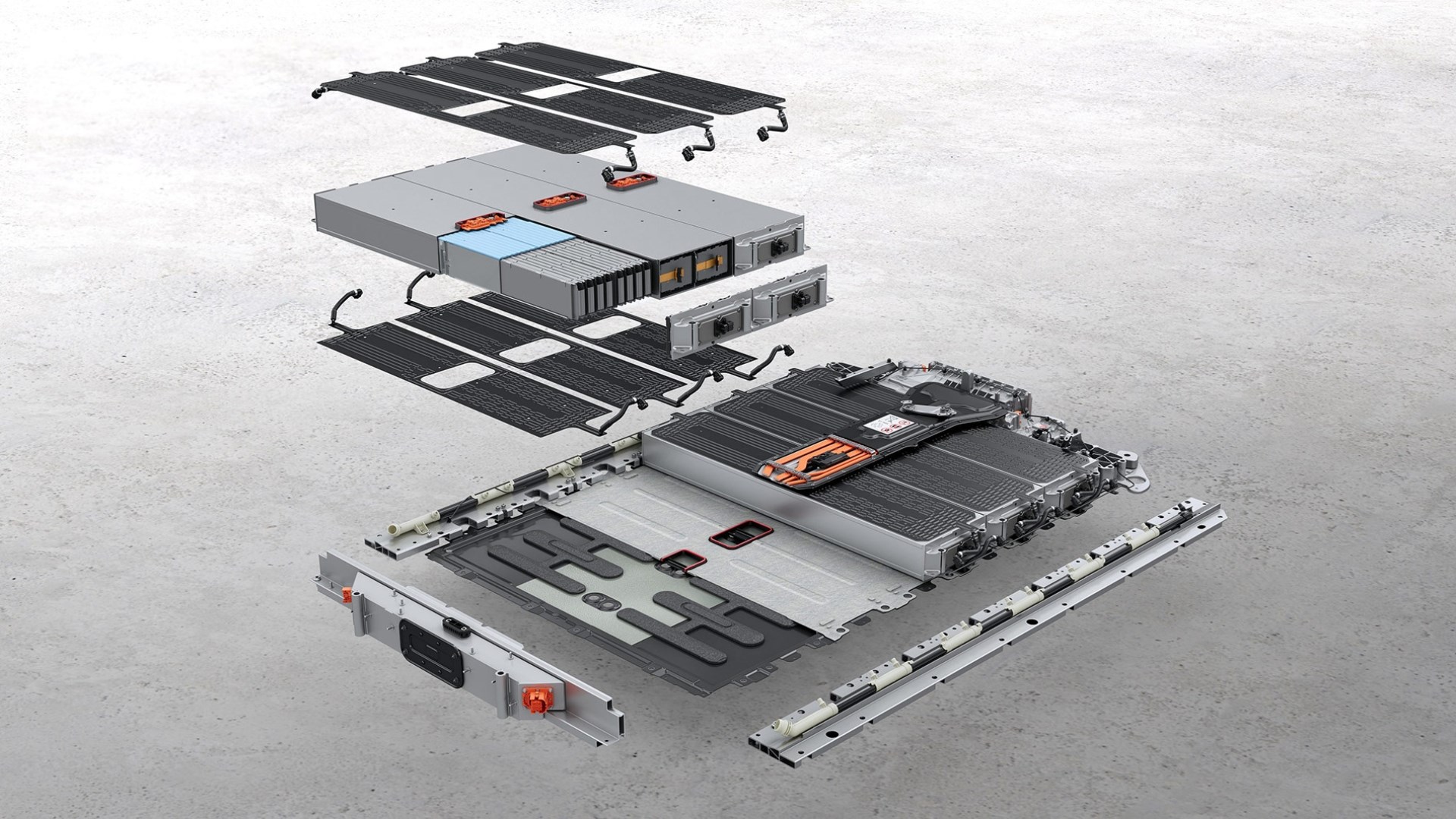
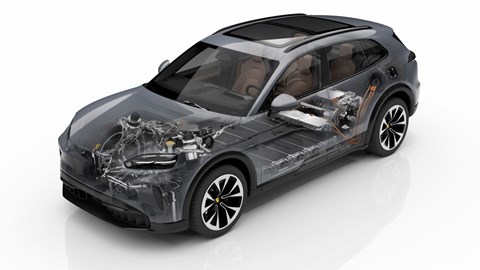
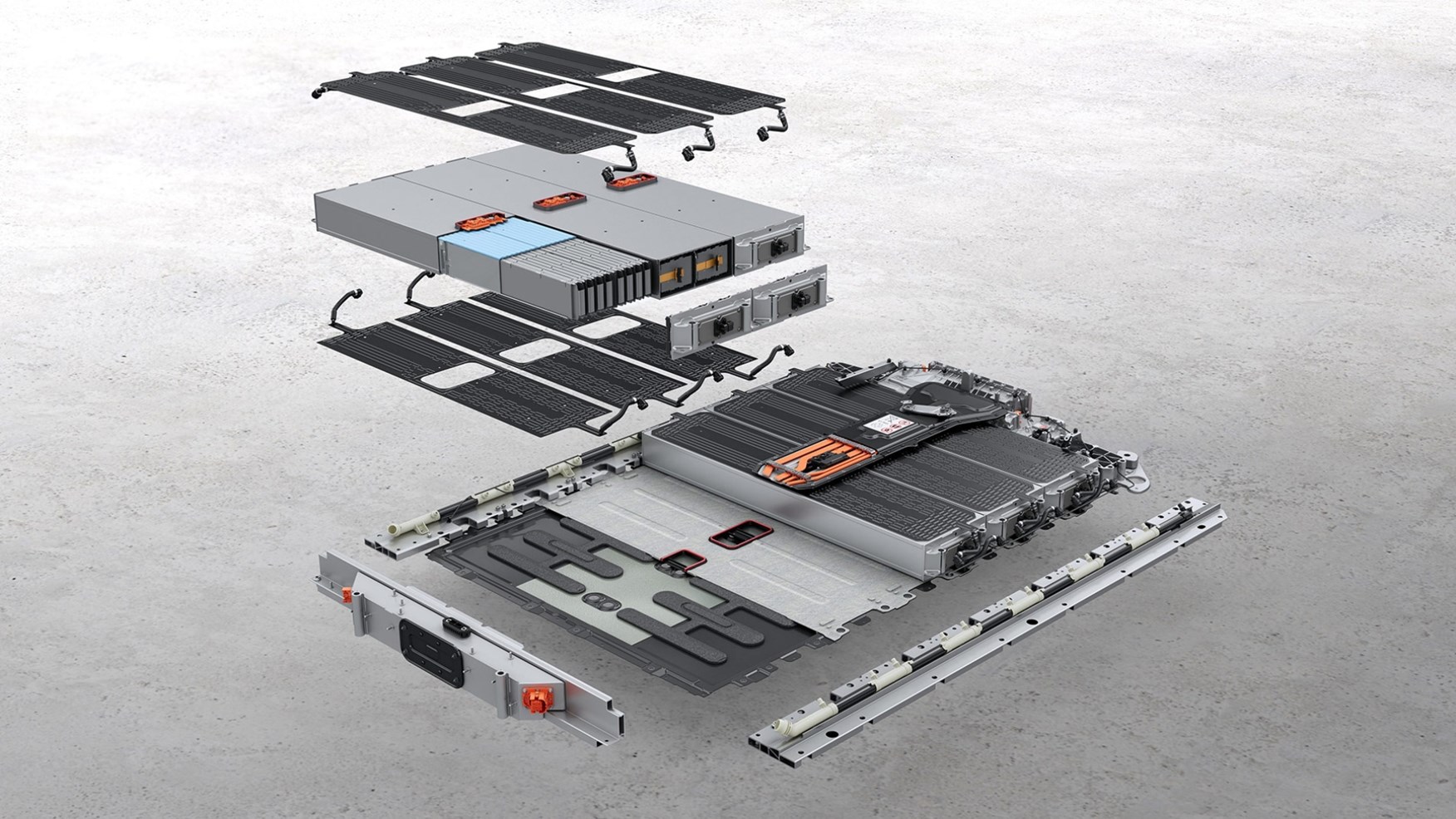
Porsche’s high voltage battery
-
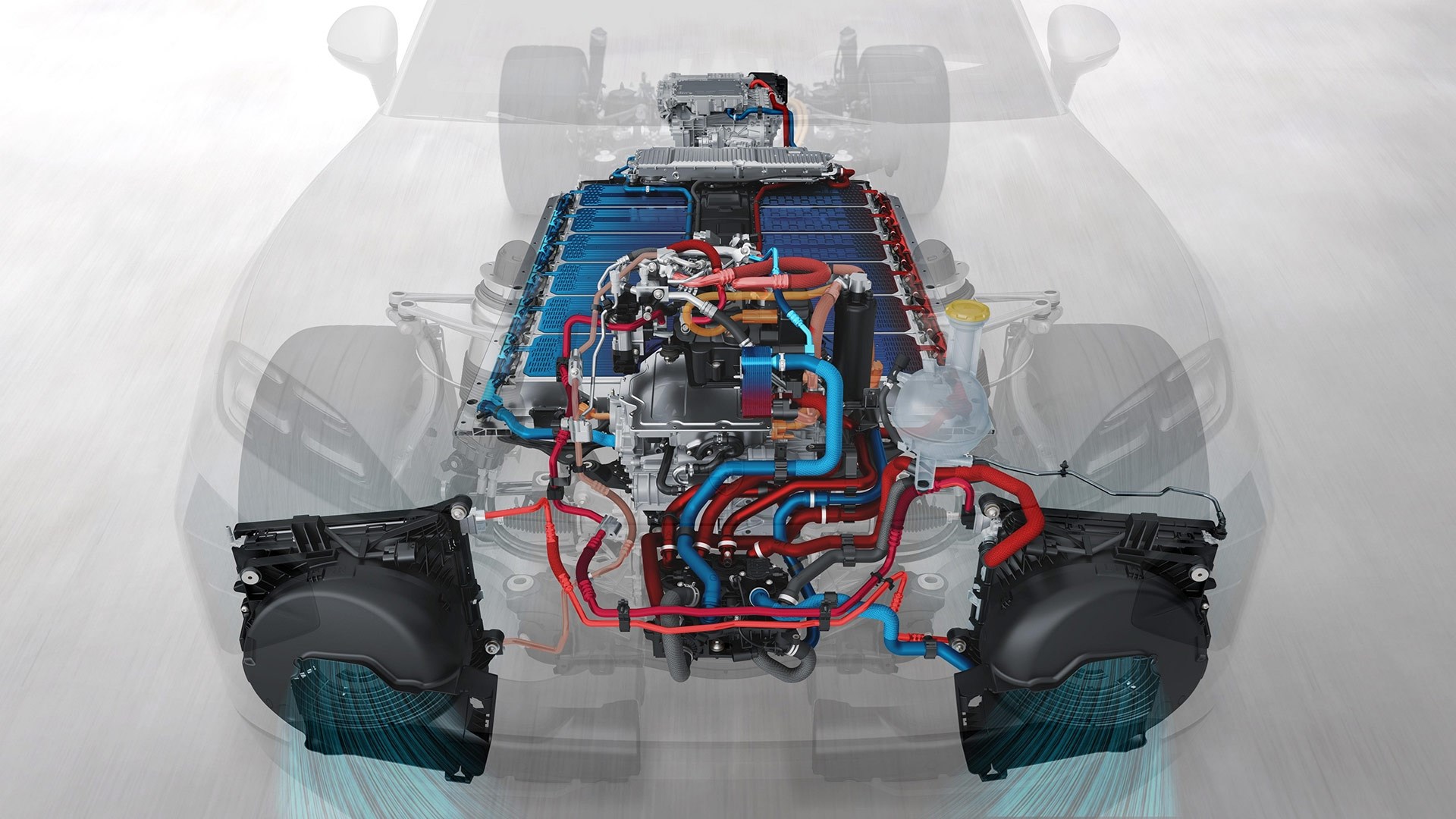
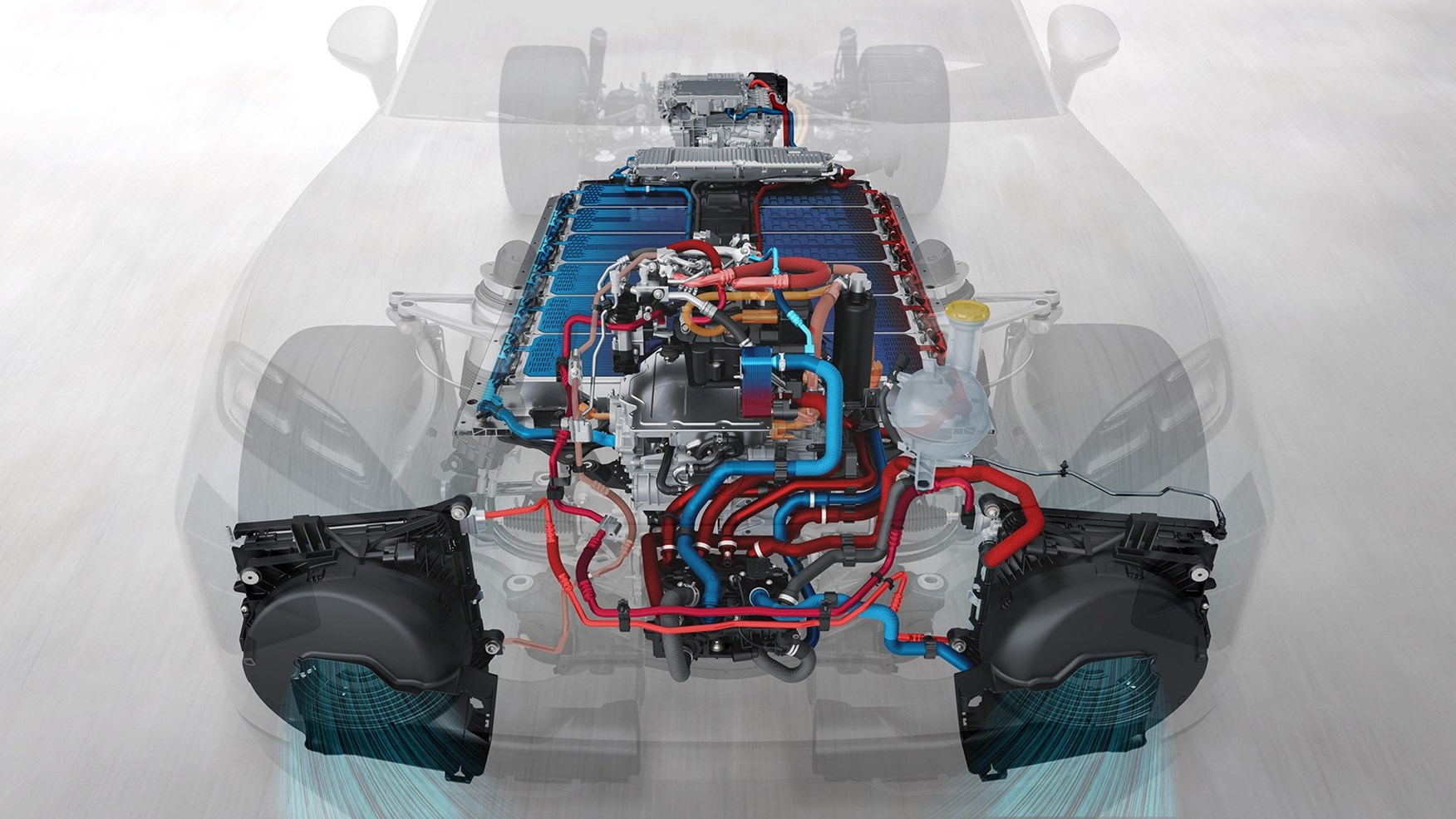
A Porsche displaying it’s internals.
-
Porsche wireless charging
-
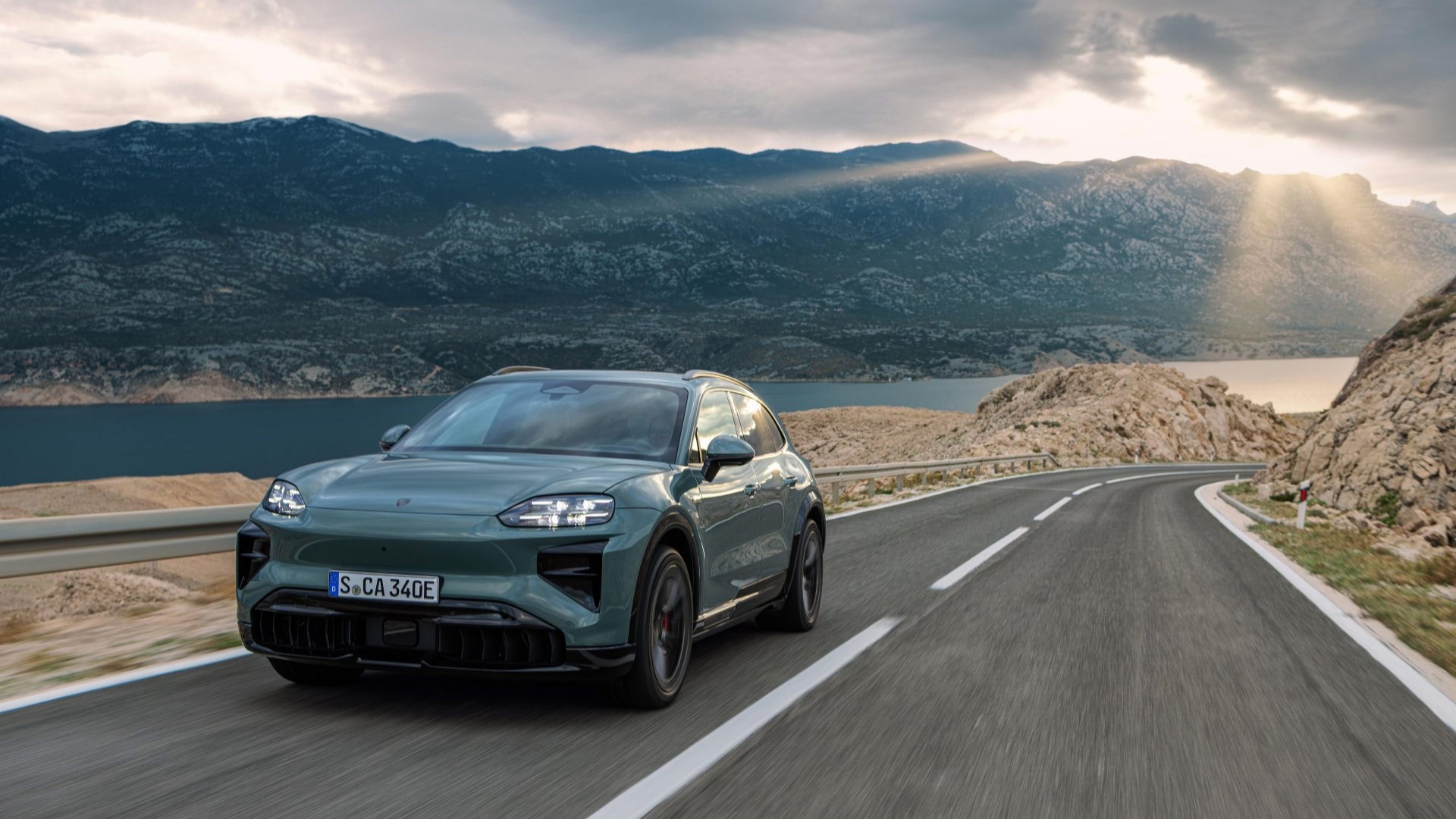
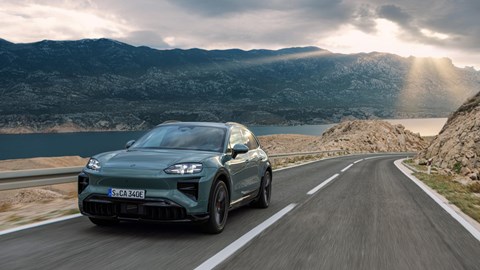
Porsche on the road with mountains in the background
-
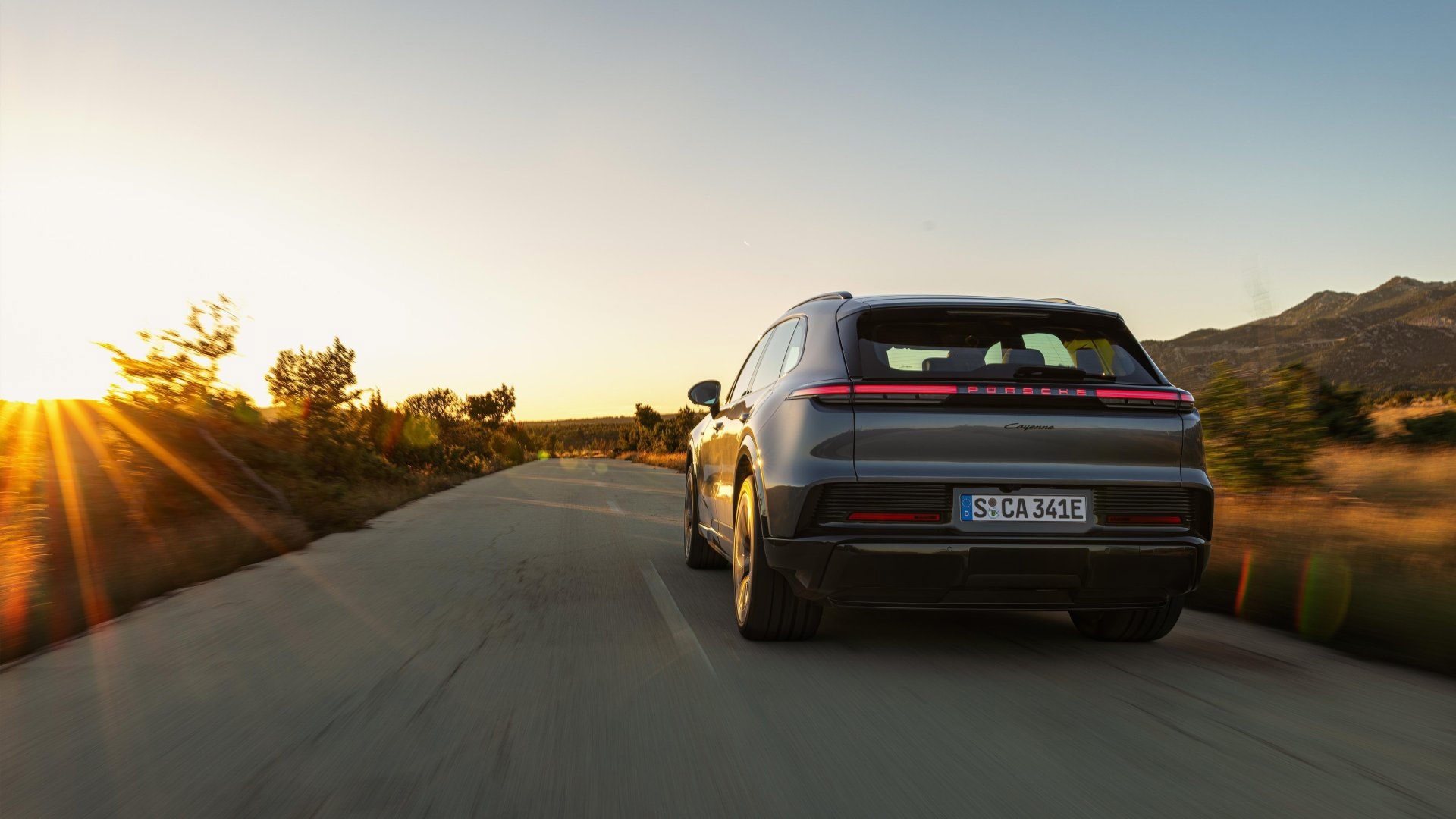
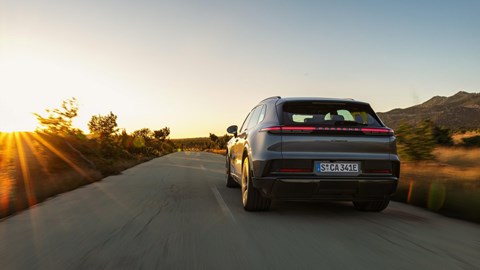
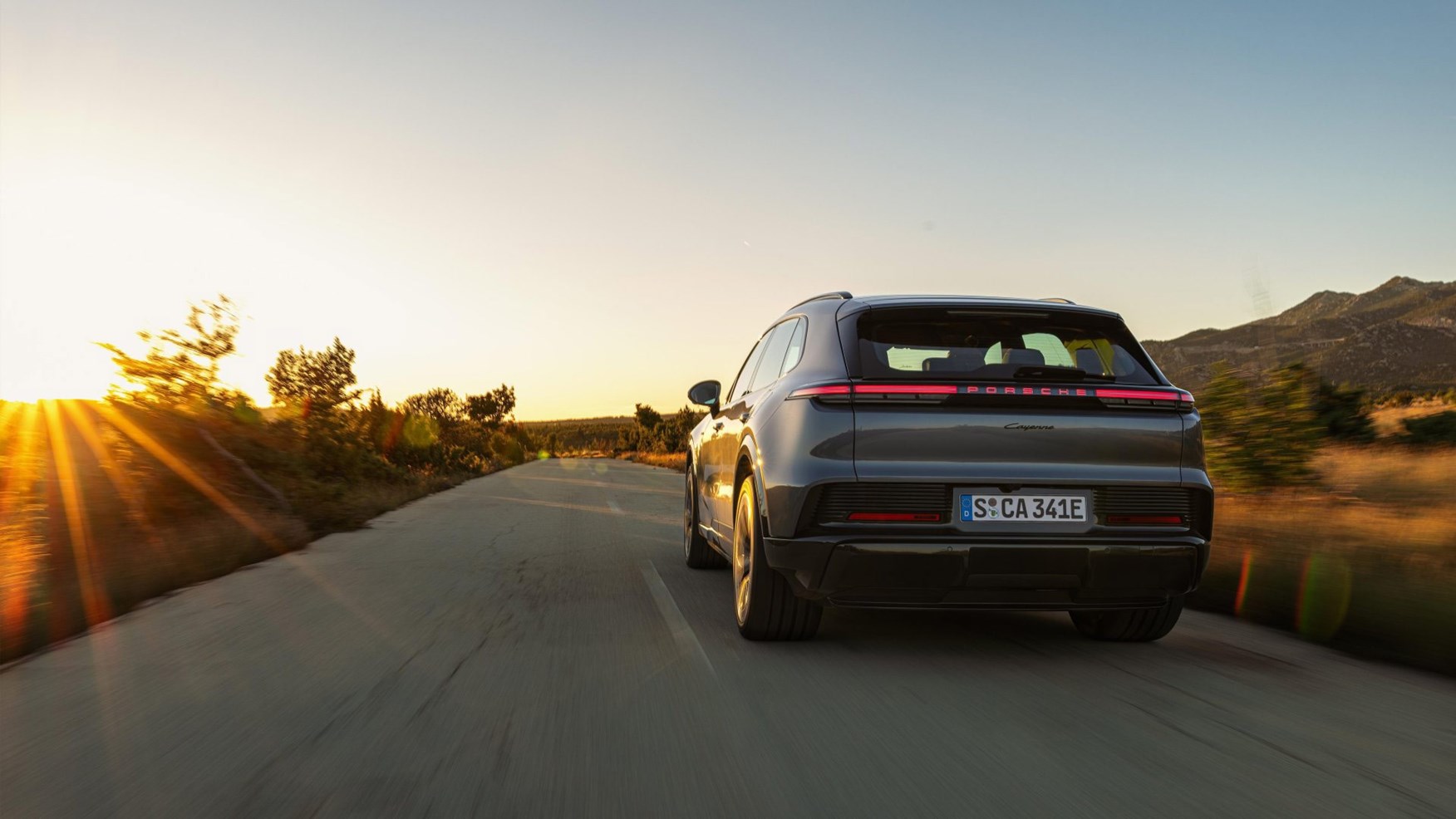
The back of a Porsche on the road, with the sun setting.
-
Porsche’s system
-
Porsche’s electric technology
► Charging without cables
► Coming to market this year
► Here’s how it works
Ever wondered why electric cars can’t charge wirelessly like your phone? Anyone who’s entangled themselves in grubby, heavy-duty charging cables when trying to top up their battery will be celebrating Porsche’s imminent launch of inductive charging on the new 2026 Cayenne Electric. The new EV arrives in the UK this June and the company is vowing to launch wireless charging before the end of the year.
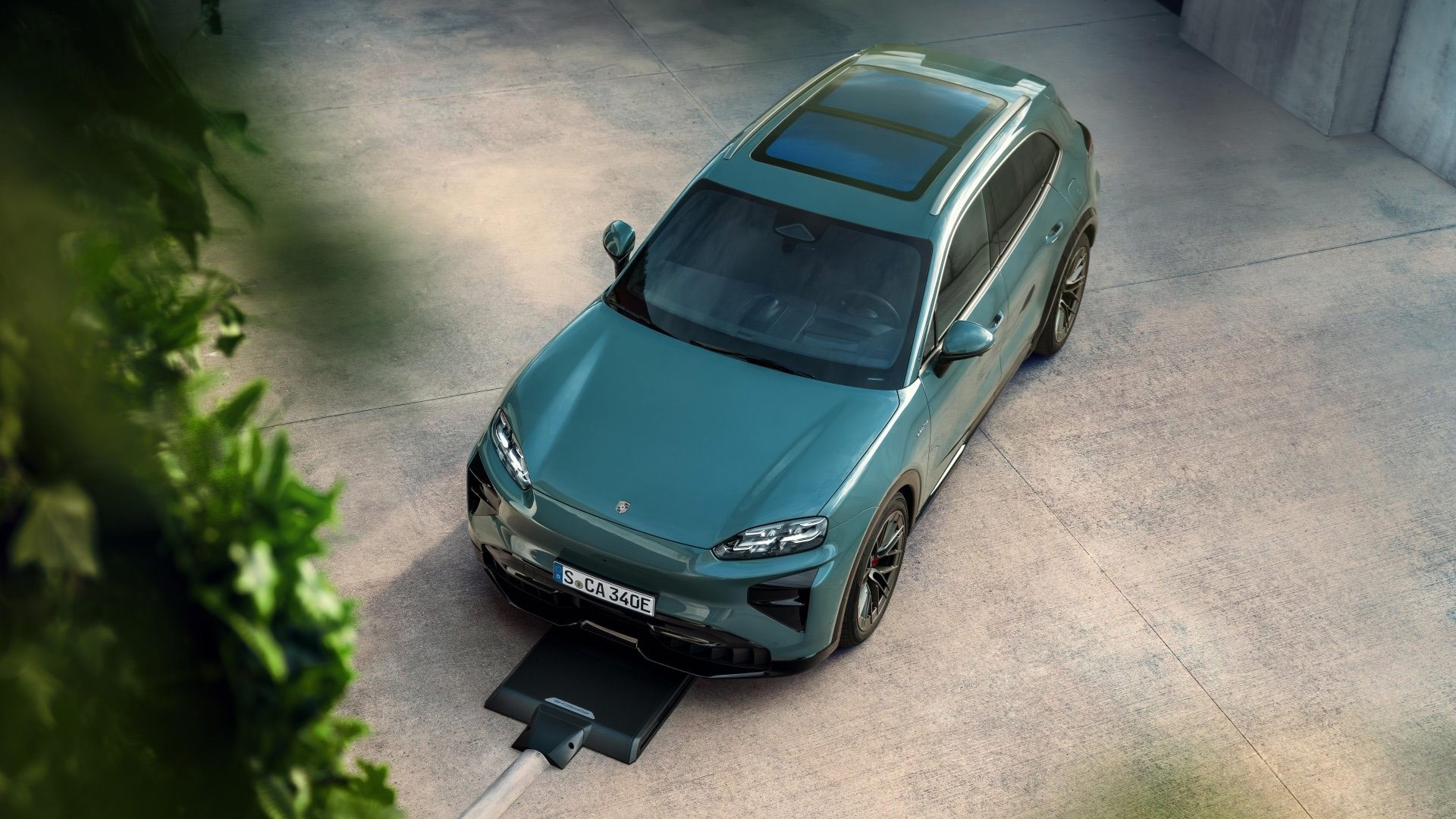
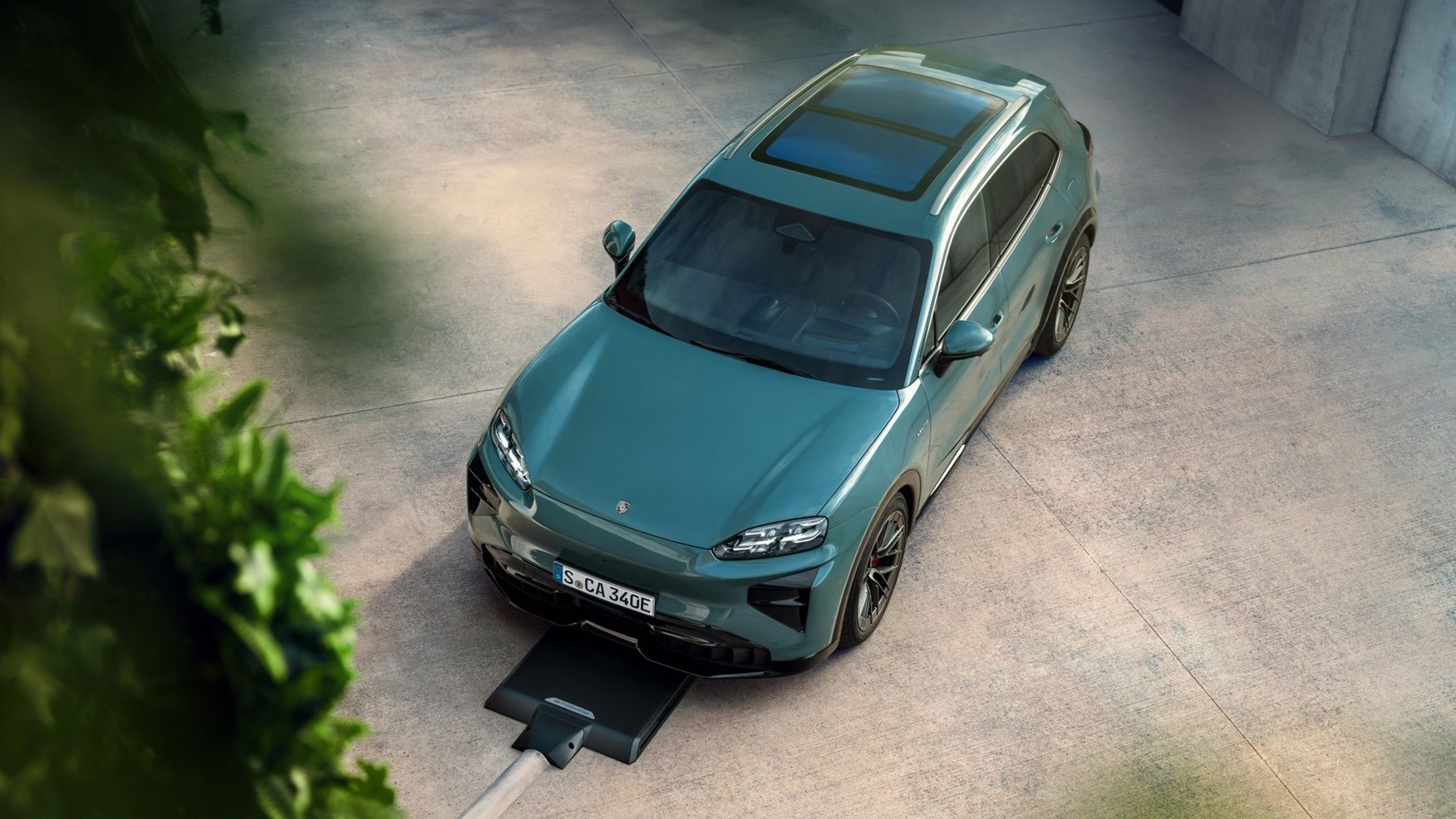
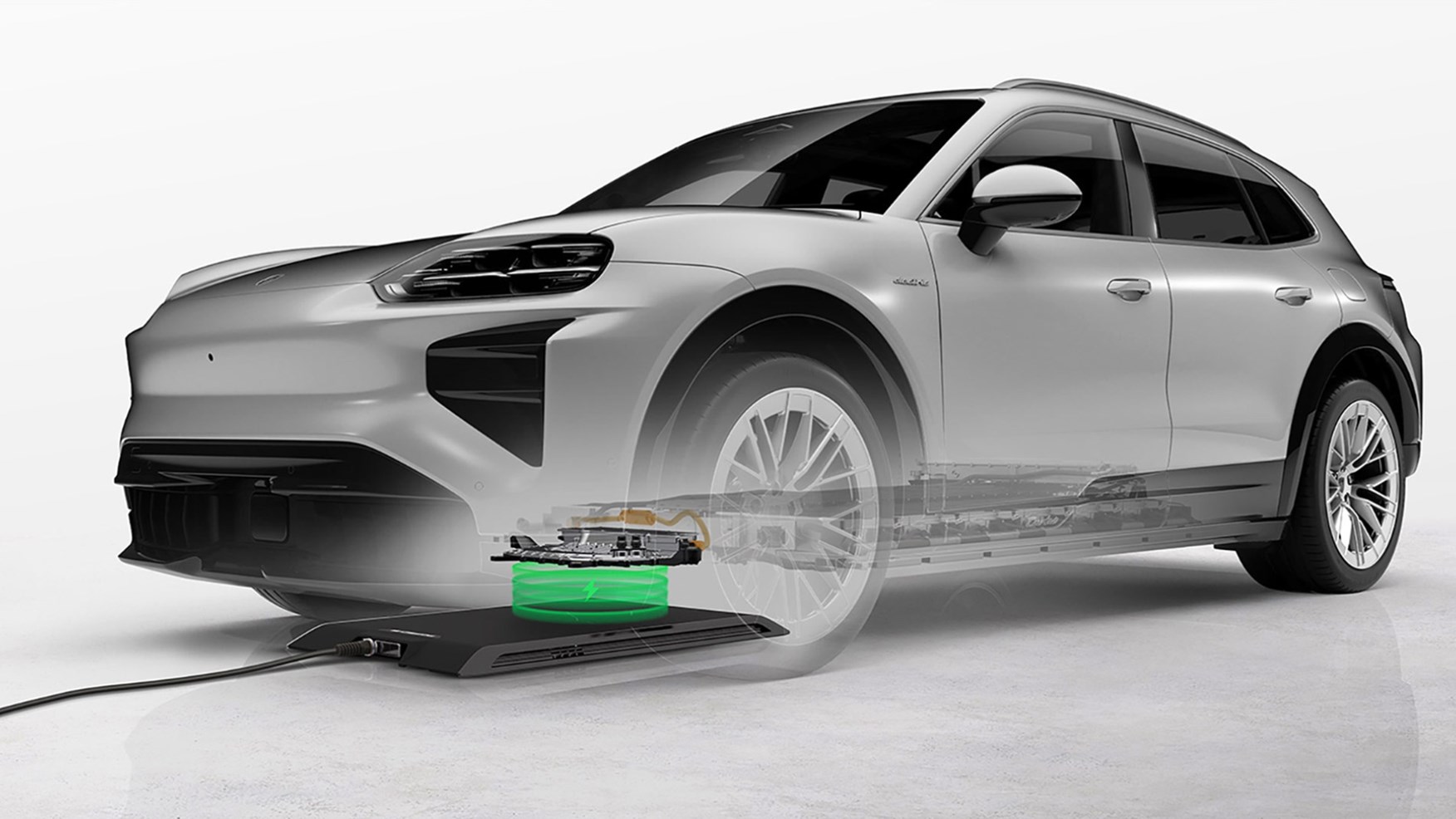
It’s a tempting prospect. Instead of plugging in, drivers merely park over a charging plate attached to the floor of their garage or driveway, glance at the digital display on the dashboard to confirm they have aligned the car correctly and the rest is automatic. Adjustable suspension lowers the car a little, a digital handshake identifies the user and simple science transports electricity over the air from floor to battery.
Like this? Get more CAR delivered to your browser! Click here to add CAR Magazine as a preferred source on Google.
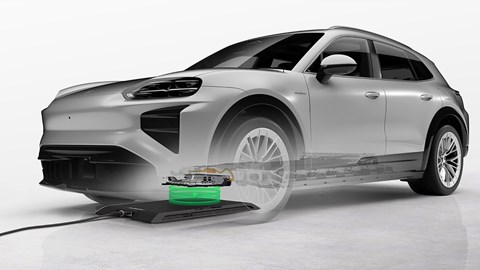
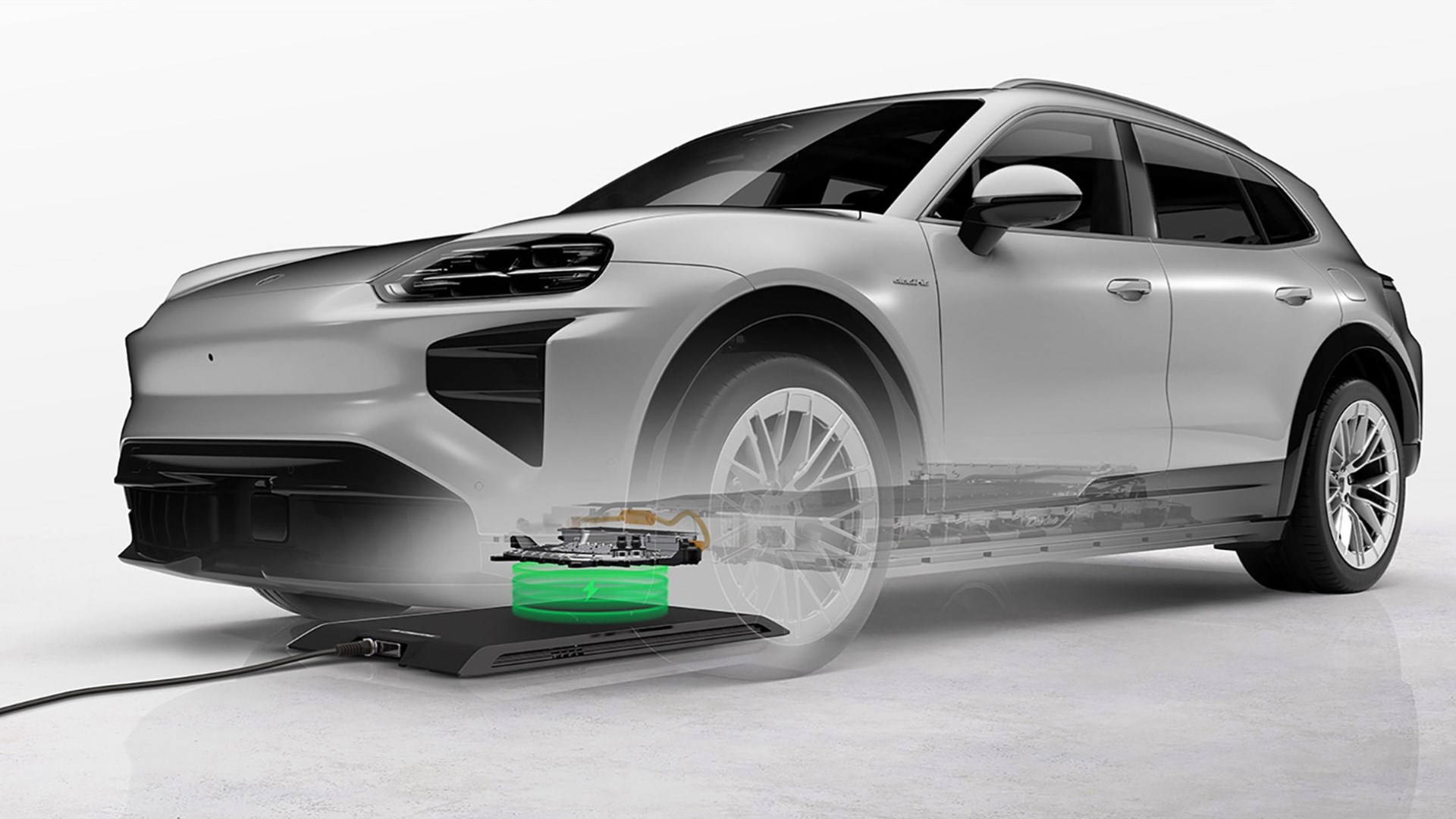
The technology has existed for smartphones and electric toothbrushes for years, but has until now been incapable of efficiently working at higher power outputs required for cars. Inductive charging creates a magnetic field between two coils of copper (one in the floor plate, one in the vehicle) and uses the same principles as an induction hob on your electric oven.
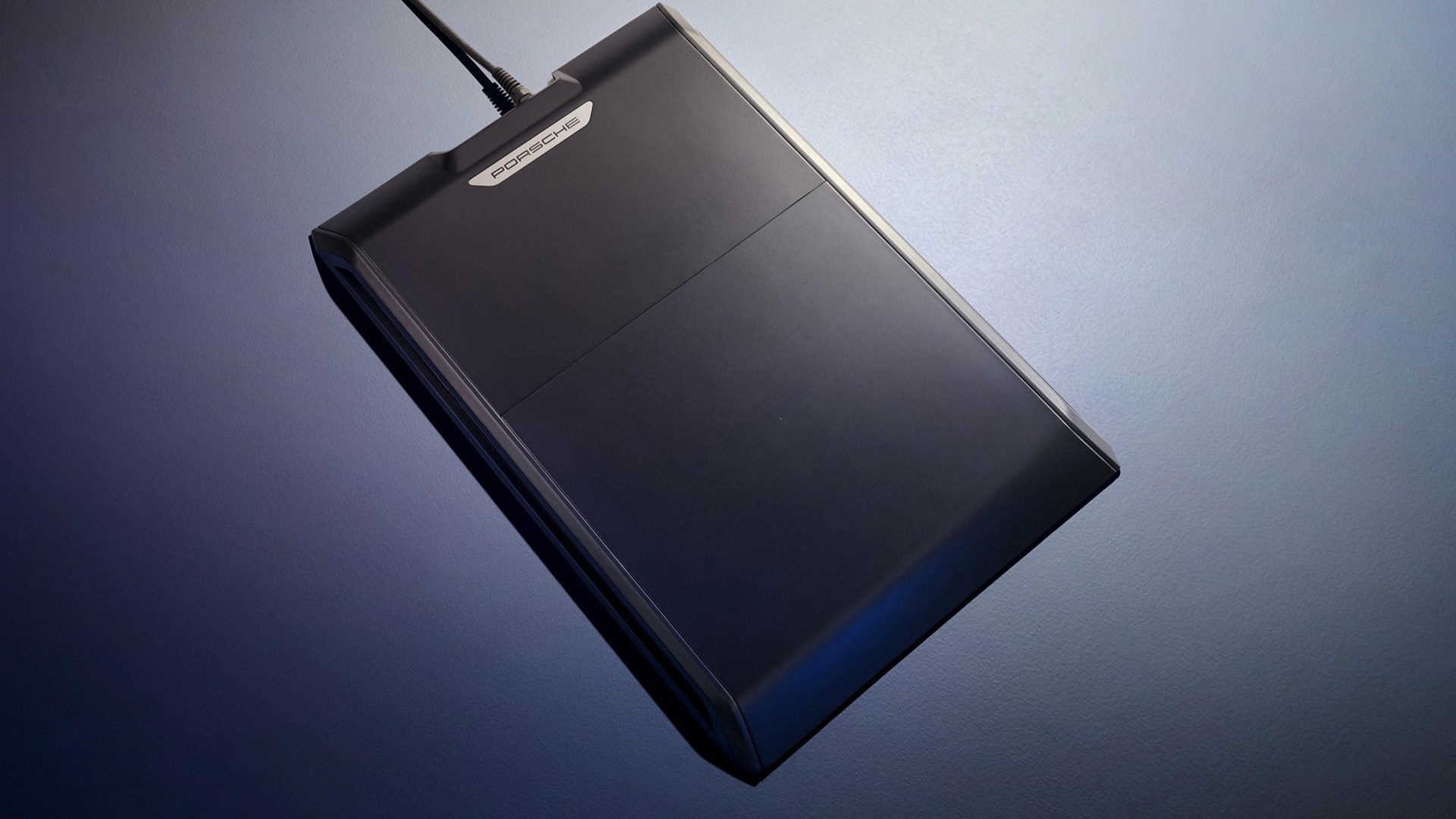
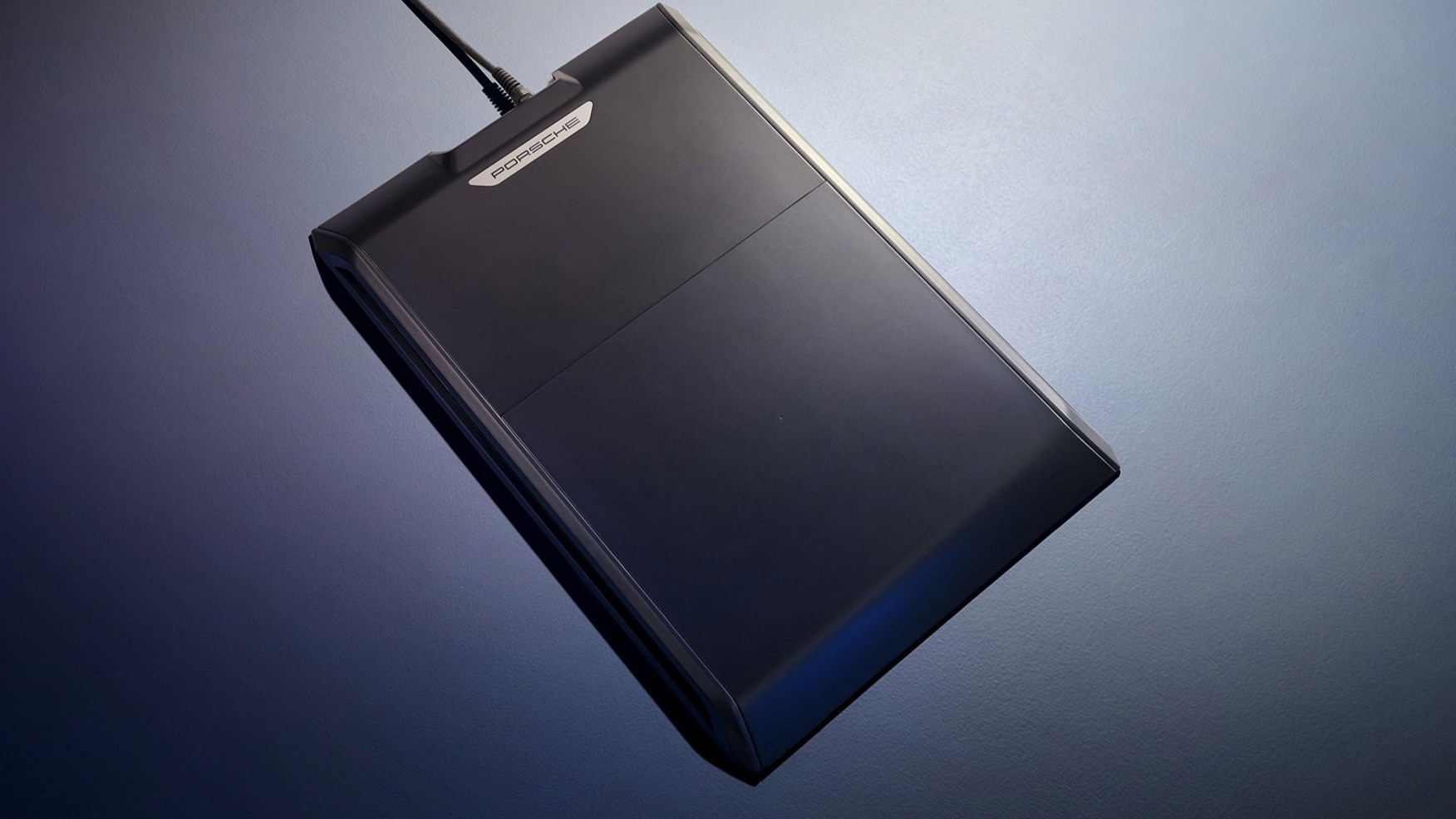
The base plate, which is 117cm long, 78cm wide and weighs a chunky 50kg, is packed with a transmitter coil made of copper and ferrites for your household alternating current (AC) to flow through, creating a magnetic field; this is the witchcraft which transfers the energy of up to 11 kilowatts to the electric car’s battery embedded in the chassis. It’s clever tech that works over a 12-18cm gap between ground and car and Porsche claims that there’s a 90% efficiency rate.
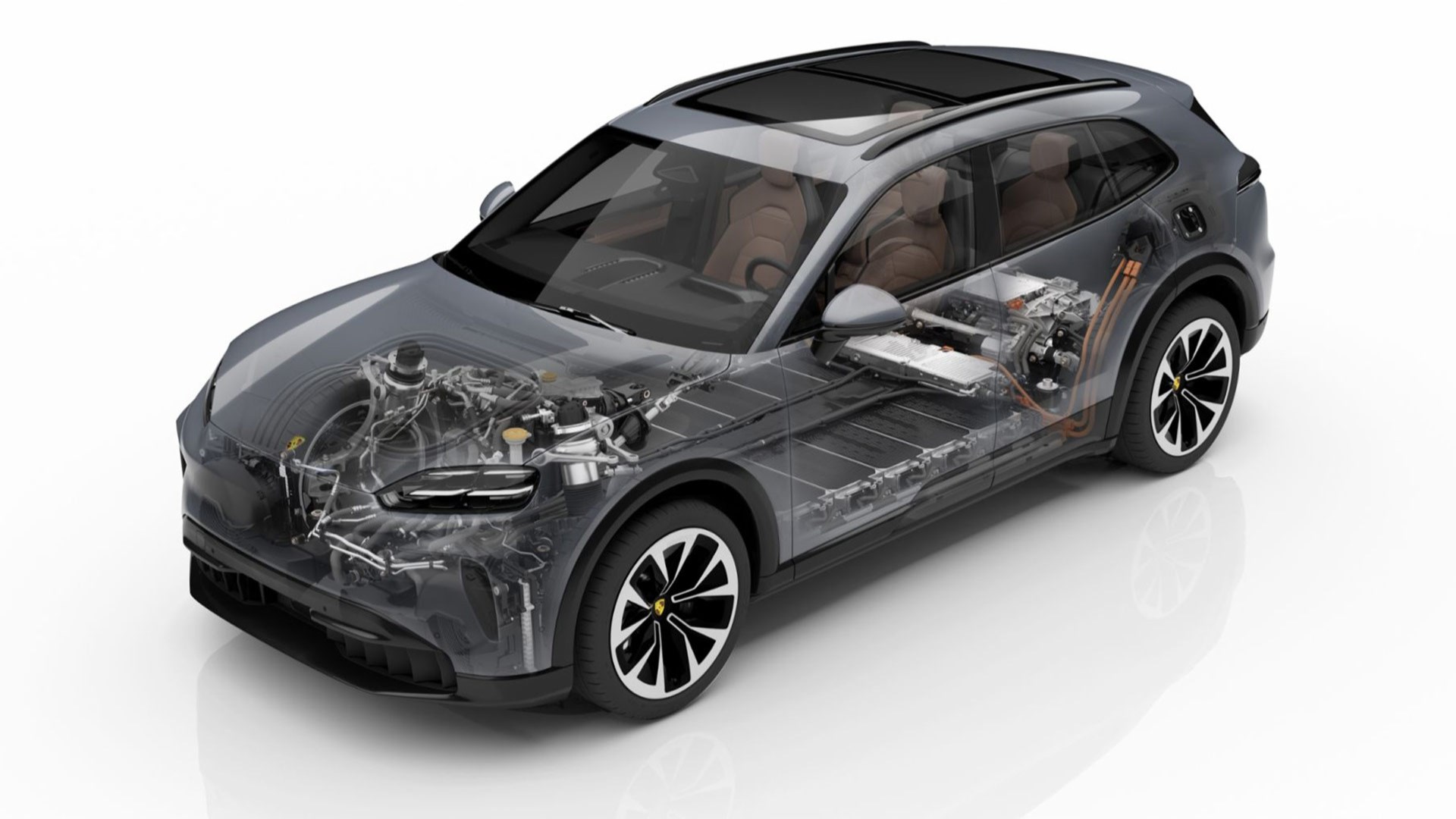
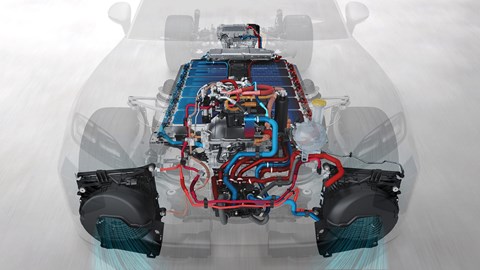
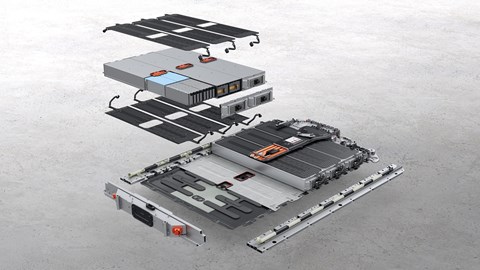
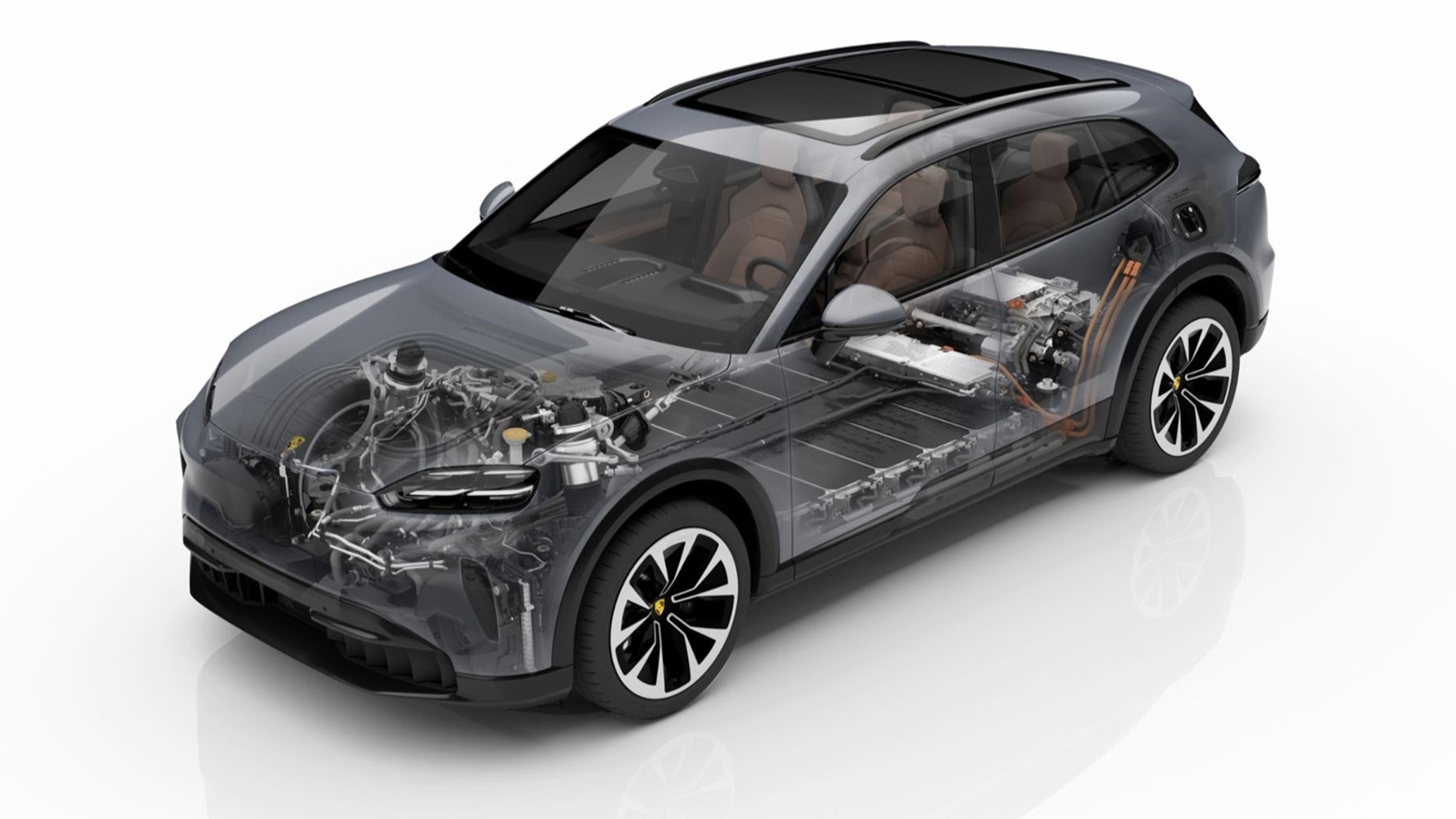
The Cayenne Electric has a secondary coil installed in the underside of the body, just behind the front axle. This acts as a receiver unit to take the AC before converting it into direct current (DC), so it can be stored in the vehicle’s 108kWh high-voltage battery.
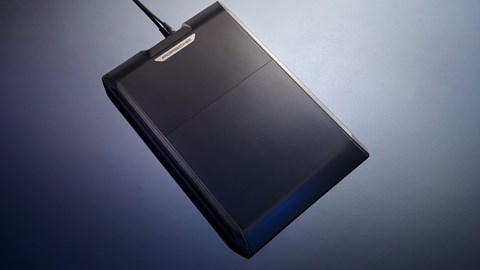
Home charging at 11kW is considerably faster than plugging into a regular three-point domestic plug and is akin to the speed of a wallbox typically installed by most EV owners. In the UK charging will be restricted to the grid’s 7.6kW power rating. The charging plate can be installed by your own electrician or dealer, is fully waterproof and meets all European and US safety regulations for electromagnetic compatibility. It even includes sensors to detect the movement of an animal or foreign body, cancelling charge is anything erroneous strays into the magnetic field such as your cat or keys.
It’s important that you drive your car precisely over the plate to enable charging to take place. Porsche uses ultra-wideband technology to determine the car’s position and shows the driver a green dot and circle on the PCM touchscreen display so they can manoeuvre correctly. When the two are aligned, a password is checked over Wi-Fi and charging commences. The base unit has LTE and WLAN connectivity, allowing for remote software updates.
If all this sounds too good to be true, there is a catch: inductive charging is an option that will carry a Porsche-spec price tag – estimated to total around £6750 in total. You’ll have to really not want to lug mucky charging cables around to afford this new breakthrough tech, but over time the price is expected to fall significantly, if the technology catches on and scales up.
The priciest component is the ground plate, which will cost around £4750. The receiver plate in the car is listed at around £1700 while extra wiring and prep in the car will cost around £300 (the UK distributor is making this pre-prep package standard-fit, whereas customers elsewhere will have to stump up the extra).
‘Ease of use, suitability for everyday use and charging infrastructure are still the decisive factors when it comes to the acceptance of electric mobility,’ said Michael Steiner, Porsche’s R&D chief. ‘We are proud that inductive charging will soon be available in series production at Porsche. Charging an electric car at home has never been so easy and convenient.’
Porsche has been building electric cars for seven years now and its internal data proves that three quarters of all charges take place at home, suggesting that wireless charging will be a useful and regular benefit for its customers. It is also developing the tech for use in public car parks and envisages a future in which drivers drop the car at a valet area at a restaurant or shopping centre, letting the vehicle park and charge autonomously.
‘Porsche is the first car manufacturer in the world to offer contactless charging,’ Marco Schmerbeck, Porsche’s head director of energy systems, told CAR magazine. ‘It’s so simple to use and removes further barriers to going electric. In the morning, you’ll simply head downstairs, get in your Cayenne and drive off. It’s that easy.’
He said wireless charging was likely to spread to other ranges of Porsche electric car in the coming years, meaning the Macan and Taycan could follow suit.
console.debug(‘taboola container loaded..’)
window._taboola = window._taboola || [];
_taboola.push({
mode: ‘thumbs-feed-1×1’,
container: ‘taboola-below-article-thumbnails-v3’,
placement: ‘Below Article Thumbnails V3’,
target_type: ‘mix’
});
var disqus_shortname = ‘carmagazine’;
var disqus_developer = 0;
var disqus_identifier = ‘article-wp-259868’;
(function () {
var dsq = document.createElement(‘script’);
dsq.type = ‘text/javascript’;
dsq.async = true;
dsq.src = ‘http://’ + disqus_shortname + ‘.disqus.com/embed.js’;
(document.getElementsByTagName(‘head’)[0] || document.getElementsByTagName(‘body’)[0]).appendChild(dsq);
var s = document.createElement(‘script’);
s.type = ‘text/javascript’;
s.async = true;
s.src = ‘http://’ + disqus_shortname + ‘.disqus.com/count.js’;
(document.getElementsByTagName(‘head’)[0] || document.getElementsByTagName(‘body’)[0]).appendChild(s);
})();Please enable JavaScript to view the comments powered by Disqus.