Wonderland
THE QUIET ENLIGHTENMENT OF ANWAR HADID
Despite his famous family and recognisable last name, the singer and actor is unassuming, unaffected and determined to make his own rules.
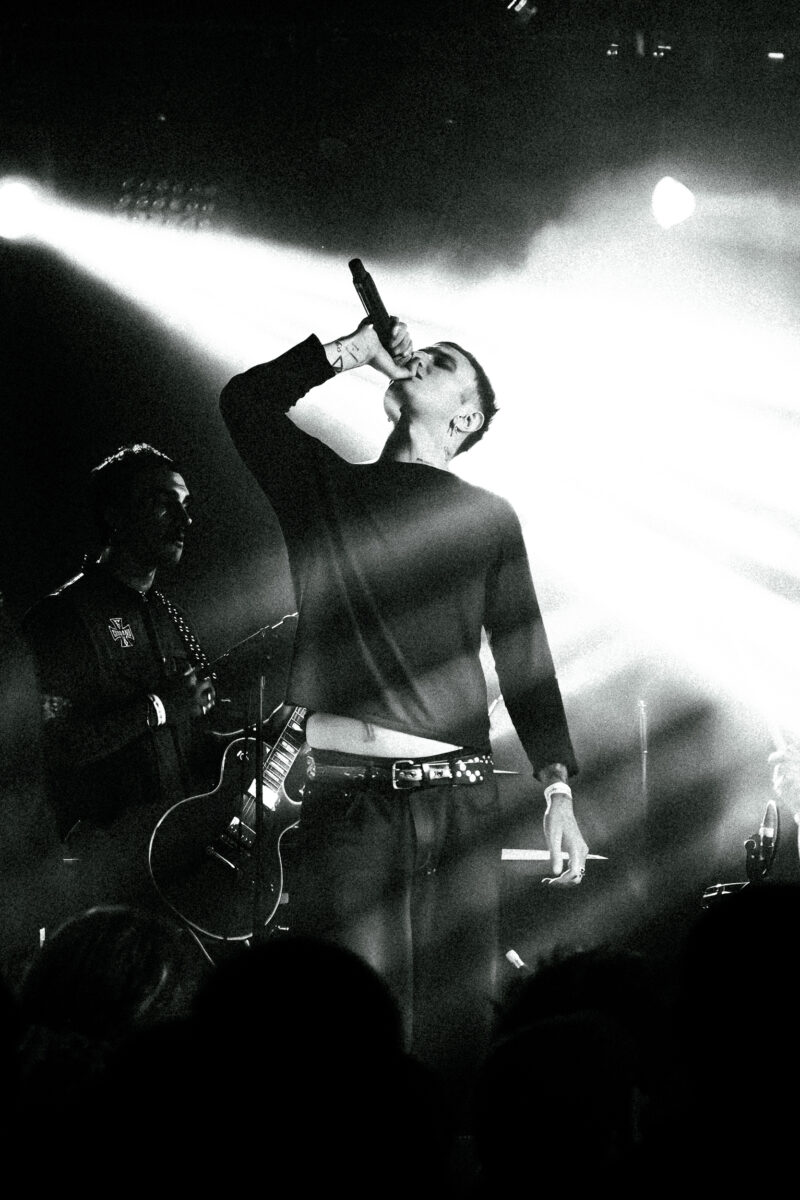
Imagine, for a moment, you’re Anwar Hadid. Your Sunday morning farmer’s market outfits constitute sartorial supremacy. Your vocals, complex and gritty with enviable natural vibrato, are so compelling that your friends persuade you to pursue music. Your Palestinian-Dutch heritage practically guarantees an IMG modelling contract. You’re romantically linked to some of the world’s most influential women — all of whom we admire for their discerning taste.
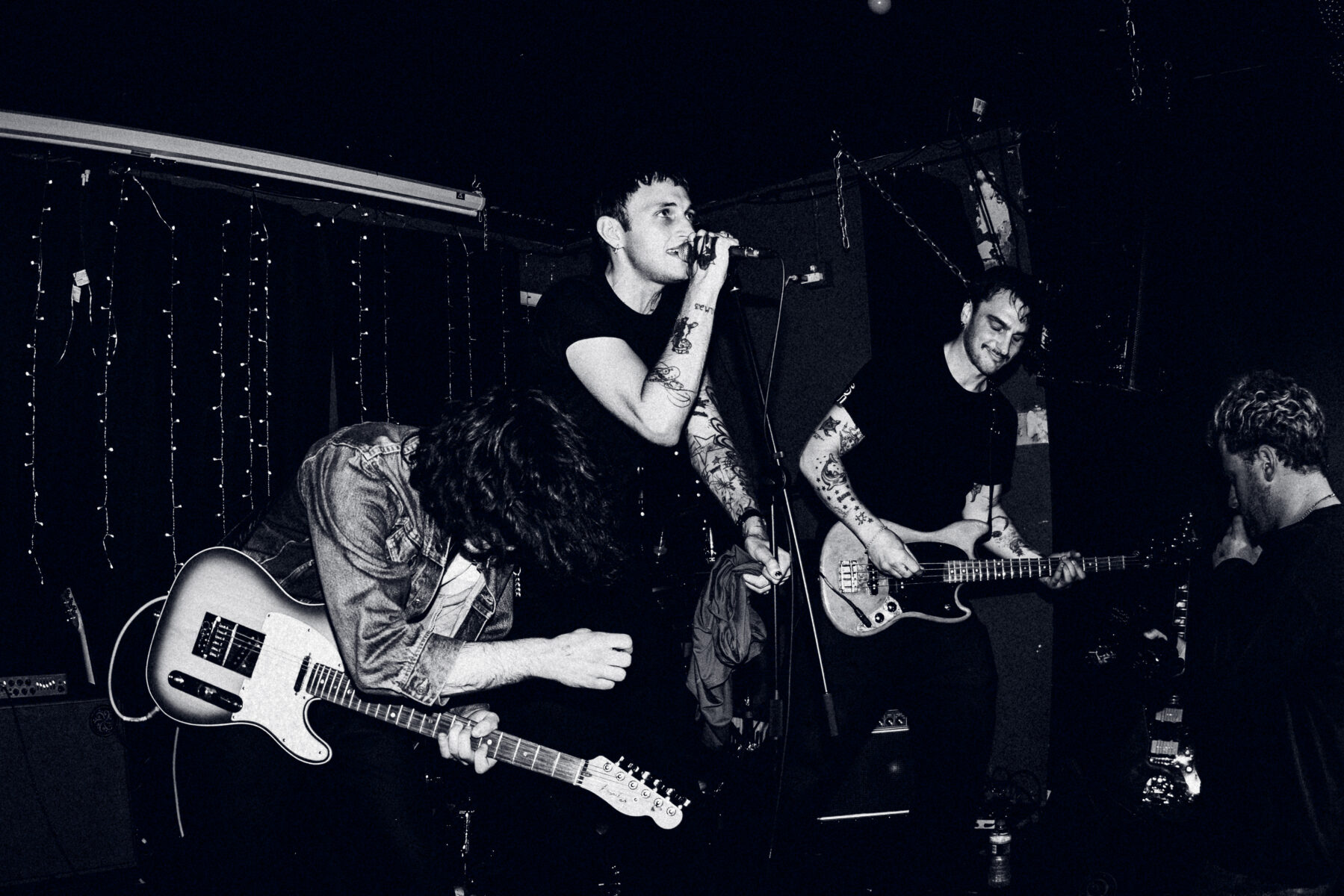
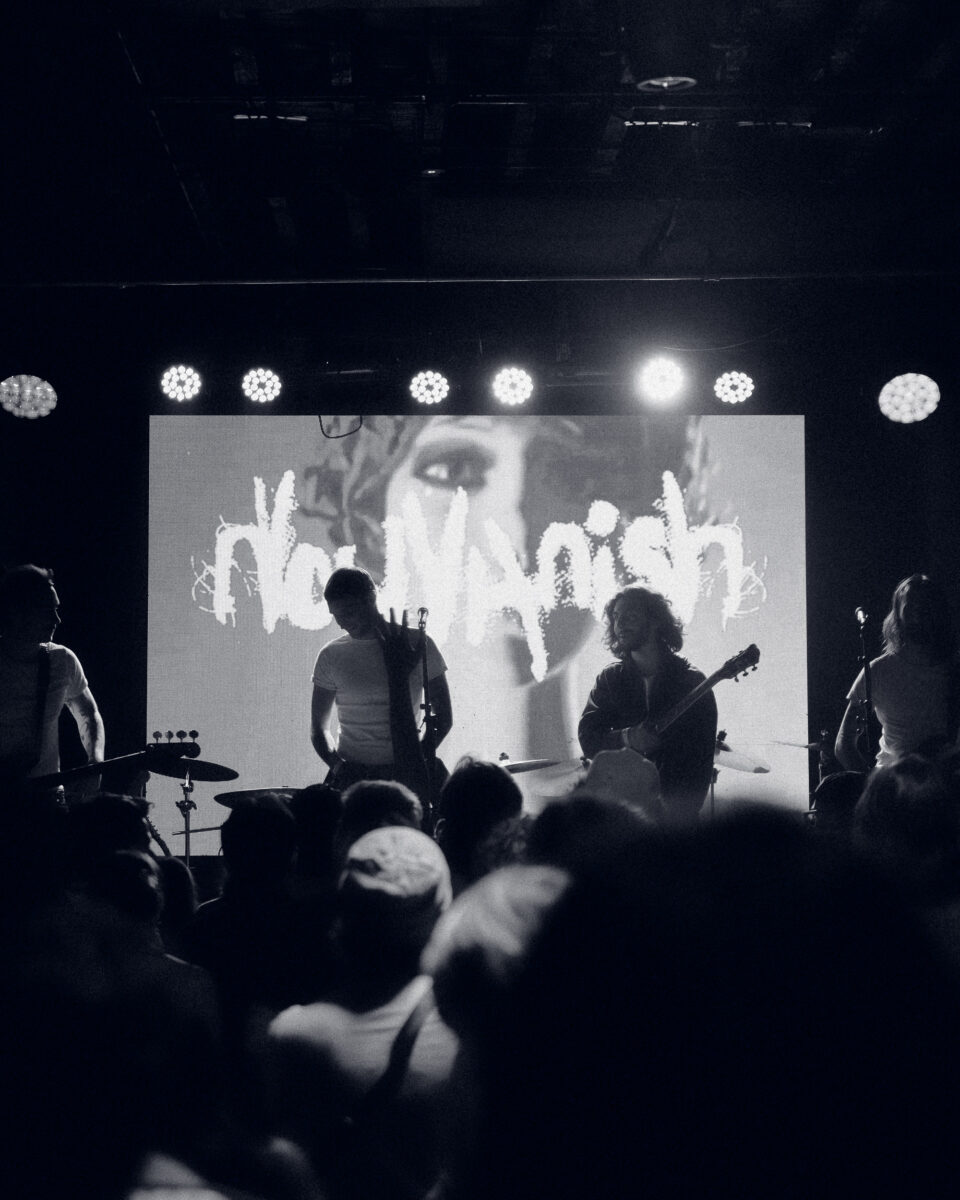
Famous family aside, these are reasons that the 26-year-old sits at the forefront of cultural consciousness, and that he ropes in regions of supporters through merely being himself. Currently, his Instagram advertises nothing – no posts, no stories – but seven million followers eagerly await any iota of info. He acknowledges this privilege; visibility is currency, and Anwar gets to decide when it’s worth spending. Until now, he’s been frugal, writing angsty alt-rock anthems for his new band HowVanish, while continuing work on his handcrafted leather accessories brand, Obsidien. Now, with an impending album release, he’s ready to paint over the sketch marks that he was once drawn onto.
For those who’ve only encountered Anwar through a blurred lens, take it from me: his earnestness may be his greatest asset. He knocks over his phone every time he grows animated. He readily admits to zero social media strategy – for no other reason than zillennial scepticism. He’s spiritual – not in the LA virtue-signalling, evangelical sense, but in a genuine pursuit of enlightenment. Below, he gets candid about it all, and so much more.
Listen to HowVanish’s debut single…
Read the interview…
Between fashion and music, you have a lot going on. How do you creatively structure your day?
Most of the time, I’m focused on one thing at a time. Right now, I have my high beams on with the music stuff. I’m working on all that with the team that we built. So I try not to do too much at the same time. Although I have a lot of passions, I like to go into them fully one at a time. I’m not killing myself to be doing too much because I am very intentional with what I make. I think patience is important.
Take me back. Was your first album a solo project, or was it with Jaden?
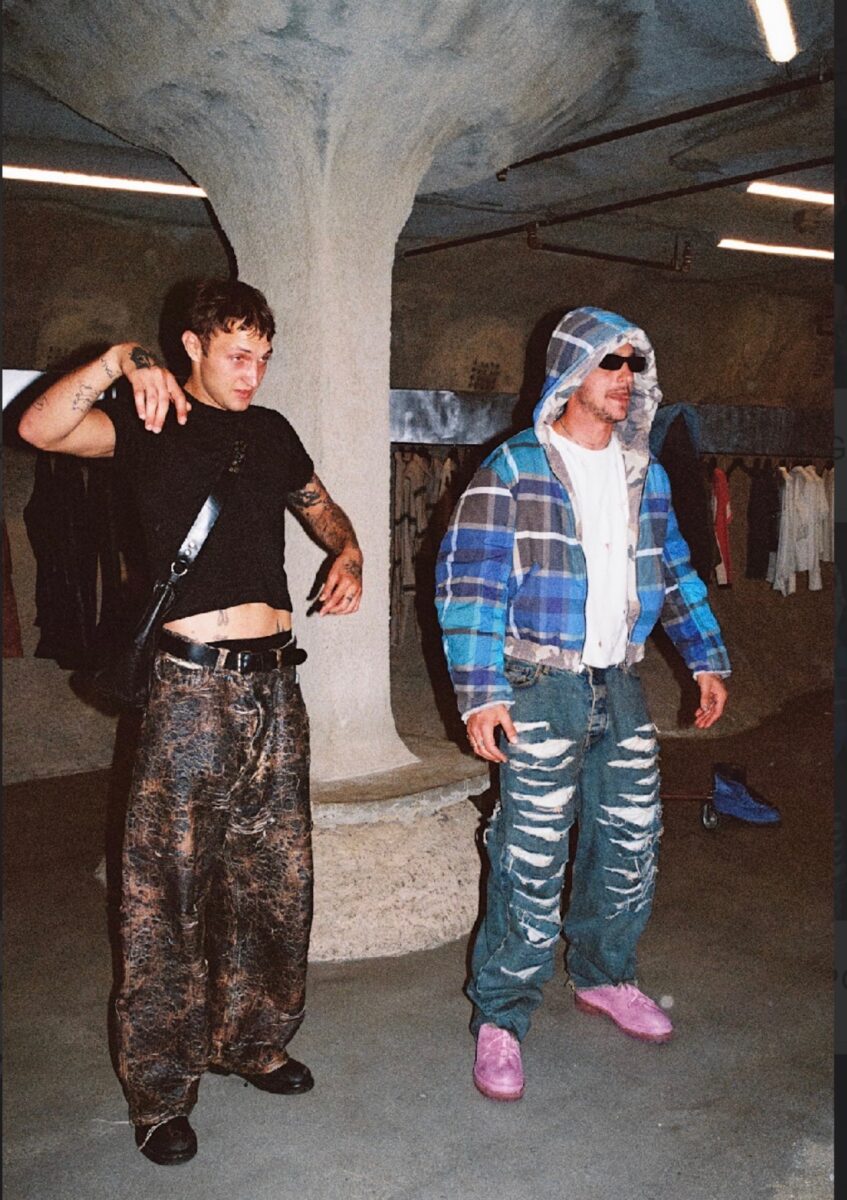
No, I made a project with my best friend. I was 19, and we just made a lot of songs. We didn’t edit any of them; we basically made the song, put it into a folder, and released it. Jaden got on one song from then, but it was a very interesting time. That was the start of our process now. After a long time, you realise there’s not much work that has to be done if you create the right energy. This project we’re about to release was so easy to make. We have another album that felt very difficult and long, stepping out of our comfort zone, which was fun for evolving our sound. But there’s a magic in the freedom of how music comes to people to help them. When I was 19, music came to me at a time when I really needed to express myself. That’s where we are back to now. It’s not about being the best artist or making the best music; it’s about what the music can do for you. We’re custodians of the shit.
I was going to ask how much you think about public reception, but it sounds like the catharsis of just creating is the point for you.
Yeah. And you hope that it will help people because that’s what moves us forward. You want to give a little bit of whatever we learn and hope people can take from it.
Has that always been the driving force? Initially, you needed an outlet, but does it feel the same now, seven or eight years later, or has it shifted more towards a career where you want to connect with fans?
No, I think it’s both. I still need it. I had this song just the other day that was inside of me for a week, and I really needed to record it. So we made the song. I still have that feeling, but now we’ve done a lot of exploring. We never let anybody fuck with our sound, but now it’s really about connecting with people and actually releasing what we’ve made. For a long time, we were just in our own bubble.
You’ve had a lot of proximity to the music industry and people having massive success. Does that add pressure and make you worry about being taken seriously, or does seeing it firsthand make it feel more possible?
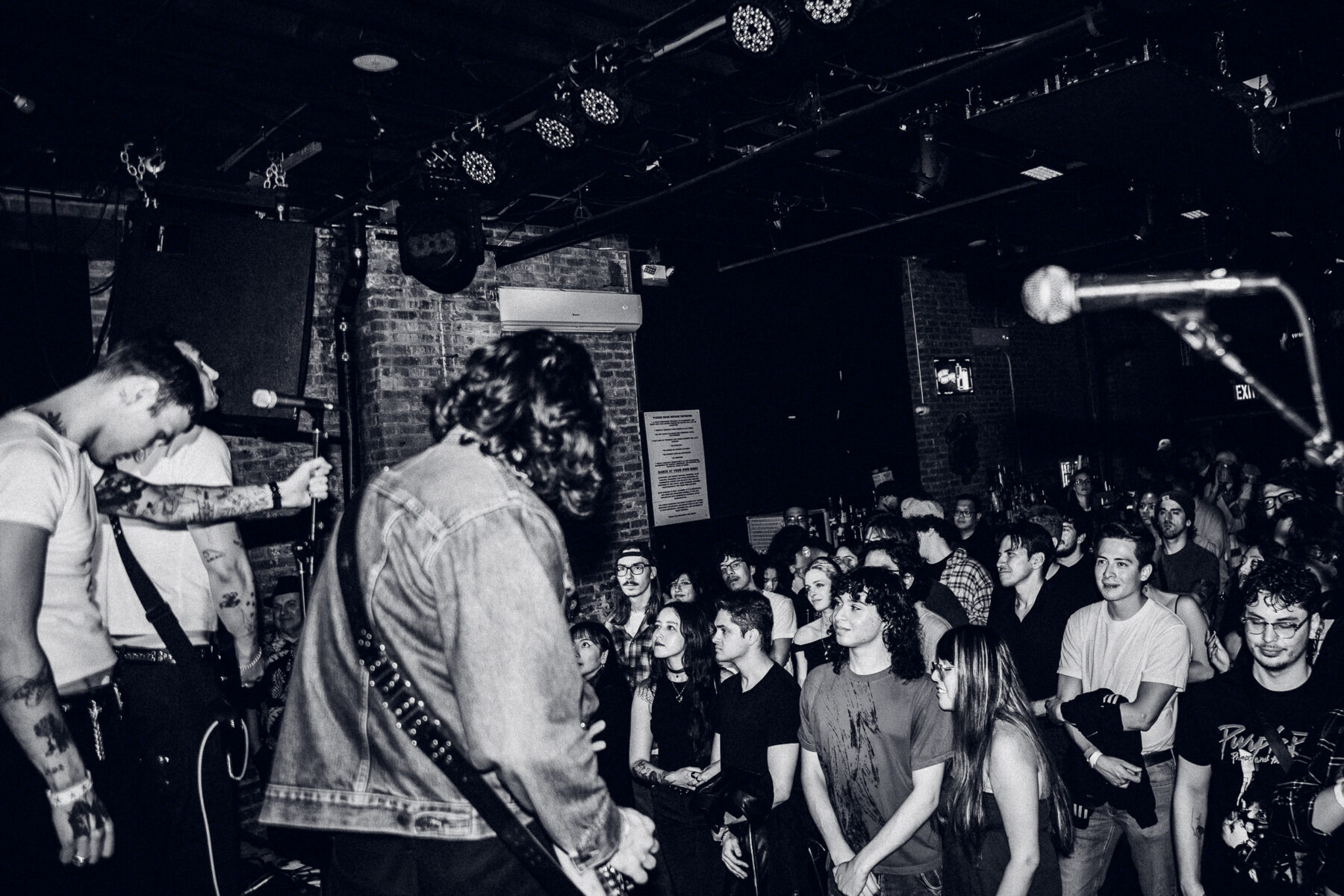
I’m competitive, and I believe anything is possible. I’m really proud of the work my friends and I put into the music. I believe my music can stand with anybody. If it’s been done, I can do it, especially having seen it around me. I don’t need to be like anybody else; I just want to be the best version of myself. We have a beautiful, different perspective to offer, and I stand by it. I want to believe the thing I gave my life to is going to be of service to people and breathe life into what it can.
How does creating a physical product like clothing or leatherwork compare to making music? Does making something tangible feel more like a job?
In the same way I’ve written poetry since I was young, I’ve always worked with my hands. My friends call me Tinker because I’m always crafting things like spears, knives, or furniture. When I’m working on leather, making belts or bags, I can get lost in that flow state for ten hours. It’s super physical with your hands. Music, on the other hand, is an exploration of consciousness.
It’s so vulnerable.
Yeah, music is about how present I can be to express exactly what I want in that moment. Making things with my hands is very free. It’s my wild side. It’s more physical, smashing metal into leather, sometimes even using a rock to smash rivets if I don’t have a hammer. You don’t do that with music.
Have you ever tried talk therapy? Is that helpful for your songwriting process?
I don’t do therapy anymore. Music is my therapy. Therapy can be helpful for certain situations, but songwriters learn how to make a map of their life through their own words. If I can write a song that helps me come to terms with something bad that happened and give it meaning within something creative, that is therapy for me.
I feel similarly. Sometimes people become over-therapized and overanalyze their feelings to the point where they can’t channel them creatively anymore.
That’s true. You have to leave some of it for God and leave some of it for yourself to sit with. At the end of the day, even if you have a trainer telling you what to do, you still have to put in the effort on your own to get results.
Who were you in school growing up? What kind of kid were you?
I was a troublemaker, but I went into different modes. I played football, but I also played World of Warcraft on my computer. I was a bit of a nerd, but also not a nerd, always listening to music. I would get in trouble every day. My heart would race going to school because I knew this one teacher hated me and I’d get pink slips daily. I had this constant fear that I was going to get in trouble.
So you were a good kid rebelling, but feeling guilty about it?
I was naturally rebellious, and getting in trouble gave me anxiety. But I was a good kid and a nice guy, pretty balanced. Everybody’s a little crazy when they’re kids.
You have such a nice, easy energy now, whereas a lot of kids who grew up in your world can become quite hardened.
I grew up around a lot of cool stuff. Living in Malibu, I was lucky that the way I grew up allowed me to be a lot of different things. My buddy and I talk about the privilege of being in this world a lot.
You’ve always had one foot in fame and one foot out. Since you have the unique choice to take it or leave it, has deciding what you want to do been a conflict for you?
I’ve definitely found a balance. There’s beauty in both worlds. There’s something about normalcy and humanity that I find really attractive, but there’s also so much opportunity on the other side that I don’t want to take for granted anymore.
How do you handle the attention now? Do you get recognized, or can you step out and just be normal?
I can step out and be normal in some places. Where I live is super cool, lots of families, but in certain cities people notice me more. I’m super chill, though. I don’t roll with security unless I really need it. I’m a low-profile, non-flashy guy.
It must be a weird juxtaposition getting papped at the farmer’s market, while at the same time everyone is praising your street style.
Honestly, what’s so funny is that I’ll literally roll out of bed so tired in random clothes. People were looking at those pictures saying they were sick, and I’m thinking, I look crazy in these because I wasn’t expecting it. I get my groceries there, it’s right around the corner, and I’ve been dozens of times with nobody taking pictures. But it is what it is. You just have to be present and ready for whatever blessings the universe has for you.
It’s refreshing because men’s style in LA can be so monotonous. Seeing someone actually mix it up, have fun, captures people’s imagination. You’ve always been like that.
I’ve always had that in me since I was young. I always wanted to make my own clothes, cut things, rip shirts, or wear mismatched socks and shoes. I was a little weirdo when I was a kid.
Do you have icons you pull inspiration from?
I don’t really have a specific music or style icon. I’m actually the type to try not to consume too much from the outside so I can do what is truly authentic to me. I believe that’s what God wants from everybody. We’re all made differently with different identities to create in the way we’re supposed to, bringing down things that are authentic. They say authenticity is the highest vibration. By embracing our differences, we make the best possible product. That’s my philosophy. I am inspired by artists and bands based on their energy and feeling, but I don’t feel the need to put posters of them on my wall.
Have you always been religious or did you come to it later?
I’m Muslim, but I think Christianity is very beautiful. I love Jesus. My whole life, I’ve sought God in many different ways. I’ve been baptised and have friends from all religions, Christian, Catholic, Jewish, Muslim, and Hindu. I believe God is an all-encompassing figure. I read The Essene Gospel of Peace, which is beautiful. In Islam, we talk about all the prophets, and I believe there’s so much to learn from different places. Islam is about submission to God, the natural prayer. But you don’t have to be in any religion to connect with God; all the laws and connections you need are in your heart. Connecting directly through your own prayers connects you more than just listening to another man’s perception. I’ve always searched for God in religion, people, nature, everywhere.
What is your relationship with social media like now? You have millions of followers but no posts — it’s refreshing to see someone who doesn’t succumb to the pressure of constant visibility.
I’m leaving a lot of stuff in the past and going on a new journey. I’ll probably start posting pictures when that begins, but right now I’m in a transitional period in my life. I’d rather be potent in the times I’m really needed than be seen constantly but not in the fullness of who I am. I’ve been trying to cultivate that. With the music and how I feel going out into the world right now, I’m happy being seen whenever I need to be. Hearing you say that gives me some peace and ease, because sometimes I feel a little conflicted. But there are a lot of new things coming, so I’m on good time.
Our culture constantly makes people feel like they are a step behind, so hearing you embrace your own timeline is such a nice sentiment.
I believe in the path. I could have gone down a lot of different roads, but somehow I’m right where I’m supposed to be. That happens when you keep believing and trying, even when you get derailed. You just have to have hope.
Your sisters have experienced enormous success in other creative fields. Do they give you advice on how to navigate the spotlight, even though they aren’t in music?
Not really, we don’t talk about that type of stuff. We’re very supportive on an emotional level, but they’ve always trusted my path. I used to cry when people took pictures of me when I was little; I really don’t like it. So the way my life turned out and who I am is not a surprise to my family. They trust my timing and support me. The people who love me know I pursued music to pave my own path, and they let me do that.
How has your sound evolved since you were a teenager?
It’s evolved a lot, but we also held onto the core energy from that first album. Back then, my buddy Joey and I literally felt fireballs in our chests every day; this beautiful light was guiding us. We learned how important it is to remember that magic. It’s not about getting lost in the industry; it’s about expressing yourself, helping people, and playing the music. The songs evolve when you play them for people. That connection is the most important thing. When we made that first album, we just threw it together and put it out because we needed to create. We’re bringing some of that pure energy back now, but in a more evolved, conscious way.
What is your perspective on solo projects versus playing in a band? Why do you like collaborating?
God likes bands.
That’s hilarious, and probably true.
A band shows people that a group can do something greater than any individual. My buddy Shavo from System of a Down took us to a show, and seeing them on the biggest stage proved that God put them there to do something greater than each of them alone. Making music with Joey gave me a safe space. When I started, I couldn’t sing at all. I was like a little mouse. Now I feel free to do whatever I want. We created our own sound and earned our place authentically. We could have written standard pop songs, but this is entirely our music and our writing. I did this with my friends, and I’m proud of that.
That was beautiful.
Oh, wait, look at this. It’s Psalm 23. You brought up Christianity earlier, and I have this tattoo. Even though I’m Muslim, my mom’s side is Catholic/Christian. It’s all in me. I’m just trying to respect all those parts and the war within myself, being half Palestinian and half Dutch. We all have to learn how to win the war within ourselves. That’s how we can help the world.
Words by Beatrice Hazlehurst