{“@context”:”https://schema.org”,”@type”:”Article”,”image”:”https://car-images.bauersecure.com/wp-images/257504/marcos_return.jpg”,”mainEntityOfPage”:{“@type”:”WebPage”,”@id”:”https://www.carmagazine.co.uk/car-news/industry-news/marcos-return/”},”url”:”https://www.carmagazine.co.uk/car-news/industry-news/marcos-return/”,”author”:{“@type”:”Person”,”name”:”Mark Walton”,”description”:”Mark has been involved with CAR magazine since the 1990s. One of our longest-serving writers, Mark continues to write a column to this day u2013 and is happiest when driving a new car on an adventure story for CAR, or fettling his beloved Series Land Rover on his days off.”,”image”:{“@type”:”ImageObject”,”url”:”https://car-assets.bauersecure.com/wp-images/14276/markwalton.jpeg”,”caption”:”Mark Walton”},”sameAs”:[“https://x.com/markwalton_”,”https://www.instagram.com/markwalton_/”],”url”:”https://www.carmagazine.co.uk/author/mark-walton/”,”jobTitle”:”Contributing editor”,”knowsAbout”:”Cars”,”worksFor”:{“@type”:”Organization”,”name”:”CAR magazine”}},”dateModified”:”2026-04-02T11:06:20+01:00″,”datePublished”:”2026-04-02T11:06:20+01:00″,”headline”:”Marcos is returning: how can it escape the curse of TVR?”,”publisher”:{“@type”:”Organization”,”name”:”Bauer Media”,”brand”:{“@type”:”Organization”,”name”:”Car Magazine”},”logo”:{“@type”:”ImageObject”,”url”:”https://car-assets.bauersecure.com/images/logos/car.200×88.png”}}}
Marcos is returning: how can it escape the curse of TVR?
Published: Today 11:06

► Marcos is making a comeback
► A new-generation Mosquito is on the way
► How can the brand not end up like TVR?
TVR, Lotus, Westfield, Zenos… seriously, with a roll call of bust-ups and implosions like that, who in their right mind would invest in a small British sports car company? Some have faced multiple bankruptcies, others have changed hands so often they’ve had more leaders than a French parliament.
Yet despite the pitfalls, the inherent romance of a British two-seater sports car is far from dead – never more so than in this time of two-tonne EVs. Combine that enduring appeal with a rich, historic brand… perhaps with a racing history… and maybe it’s understandable why people are still willing to fork out their hard-earned cash. As car enthusiasts, we all want it to work.
Like this? Get more CAR delivered to your browser! Click here to add CAR Magazine as a preferred source on Google.
Well now there’s a new old brand coming back from the dead. In the 1970s, Marcos was like a blend of Lotus and TVR, making lightweight, glassfibre coupes powered by grunty engines from Ford or Volvo. The Marcos GT, introduced in 1964, was exceptionally low-slung – measuring just 41 inches high – with a muscular body that rivalled the Jaguar E-Type for curves.
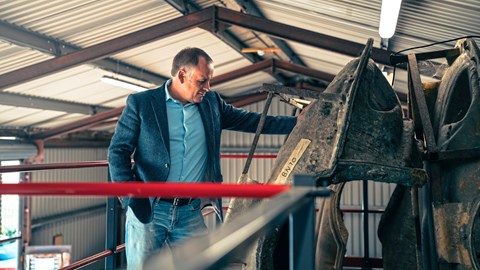
The company was founded in 1959 by Jem Marsh and Frank Costin (hence the Mar-Cos name). Costin was an engineer in the de Havilland Aircraft Company, but his brother Mike worked at Lotus (later joining Keith Duckworth to become the Cos in Cosworth). Frank thought Formula 1 was stuck in the stone age when it came to high-speed aerodynamics, so in 1954 Mike hooked him up with Colin Chapman to design the sleek Lotus MkVIII sports racer.
Frank went on to design the 1956 Vanwall F1 car and then he met Jem Marsh at a 750 Motor Club event. At the time Marsh was running Speedex – another cottageindustry car brand – and the two got talking about Frank’s crazy aircraft ideas. During the war, de Havilland had built the Mosquito fighter-bomber using beech and balsa plywood, formed and glued over moulds. Powered by two Merlin engines, this lightweight Wooden Wonder was the fastest fighter in the world in 1941. Frank’s idea was to build a car using the same method – a hare-brained scheme to most. Marsh loved it.
Together Marsh and Costin founded Marcos, and their first project was the Xylon, a frog-ugly plywood sports racer with bug-eyed headlights and gullwing doors. A young Jackie Stewart raced one in 1961.
Costin didn’t stay at the company for long, but with Marsh at the helm the brand continued with Costin’s plywood monocoque design until 1969, when it switched to steel. By the 1970s the company had done two standout models – the GT and the Mini Marcos (based on Mini running gear) – and it had famous owners likes Rod Stewart and John Noakes from Blue Peter. However, the company was also in financial trouble… and I think we can draw a veil over the next 50 years of voluntary liquidations, stalled revivals and bankruptcies.

Fast forward to 2026, and Marcos has come back to life again, with a new website and a new pledge to make ‘British, lightweight, analogue’ sport cars. Once again, car enthusiasts up and down the land might like the idea – but can the new Marcos avoid the old fate?
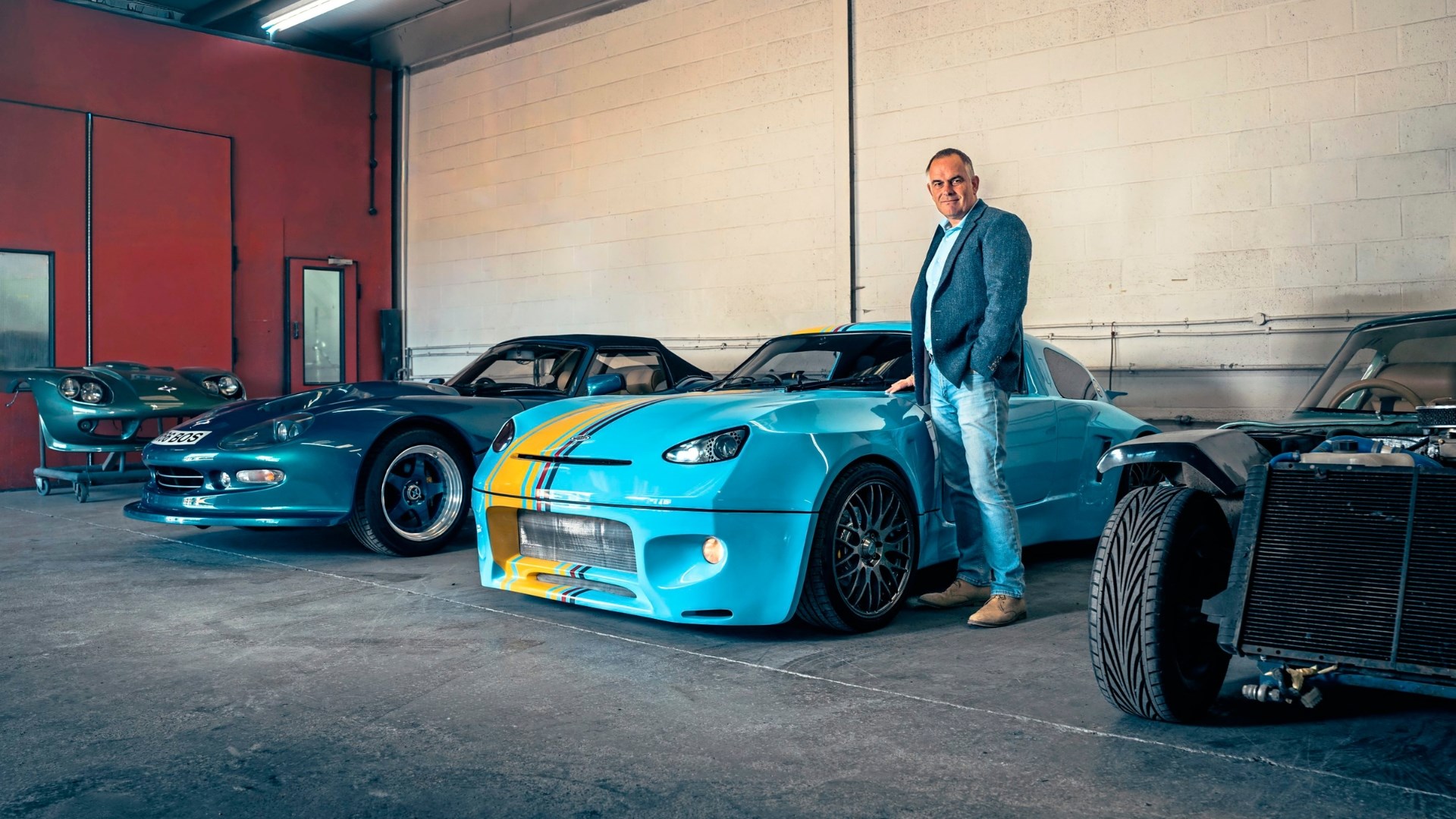
To start with, the new owner seems to have the right credentials. Howard Nash started out running club level racing cars before joining Daewoo UK as chief engineer, emerging – somewhat unexpectedly – as a logistics manager. Over the next 20 years Nash ran some of Europe’s biggest supply-chain companies before starting and then selling his own operation, which gave him the cash to ‘explore other options’.
The option that caught Nash’s imagination was buying Marcos – or at least, what was left of it in 2022.
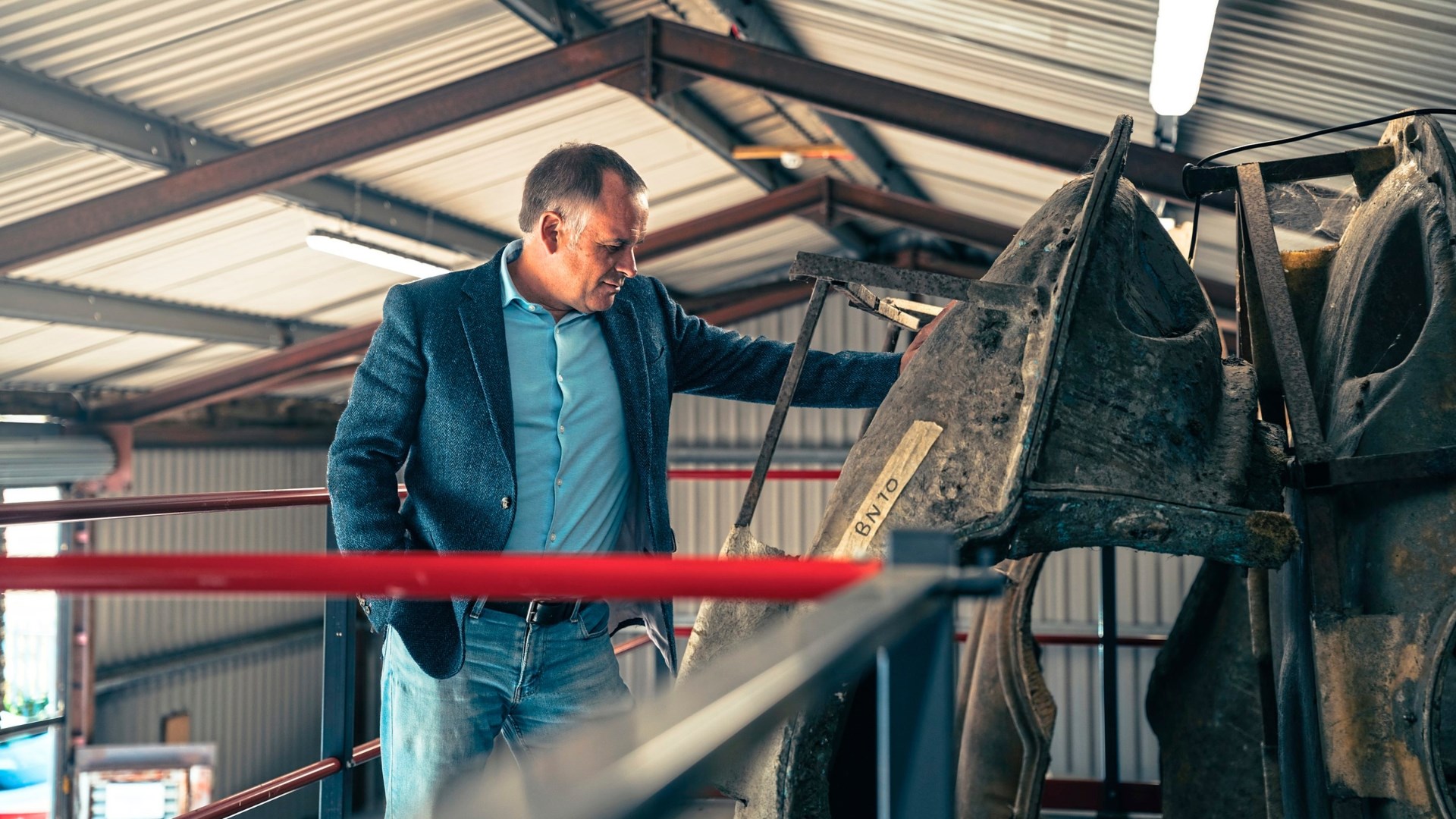
‘I bought Marcos Heritage, a parts business which owned the assets going right back to 1959. It was sold by a chap called Rory MacMath, who’d worked for Marcos since the 1960s. We’ve got nearly 4000 build records of every car – number three was Jackie Stewart’s, which is wonderful. We’ve got all the original drawings, the moulds, the jigs, the tooling.
The paperwork, however, proved to be a nightmare. ‘Marcos went in and out of ownership many times over the years and bits of the company had been broken off and sold here, there and everywhere. So as soon as we formed Marcos Motor Company, I went through the legal process of getting it all back. It was a minefield. But now we’ve got the original logo and the rights across all categories – the rights to build new cars, an engineering company, a restoration business, and Marcos Heritage, the old parts side of the business.’
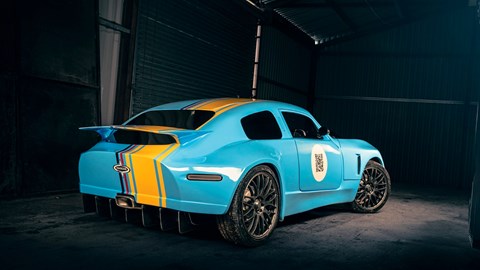
So Marcos can still sell you an interior door handle or restore your classic – but the exciting bit is what comes next. Now based in Stockbridge, near Winchester, the group employs around 46 people, and Nash quickly realised the team needed a fresh project to get stuck into in order to fully manifest this new era. ‘The Mini Marcos was the most popular car the brand ever built, using classic A-series Mini running gear,’ Nash explains. ‘So we thought, “Okay, if we built the same car using modern BMW Mini suspension, engine and gearbox, what would it look like?”’
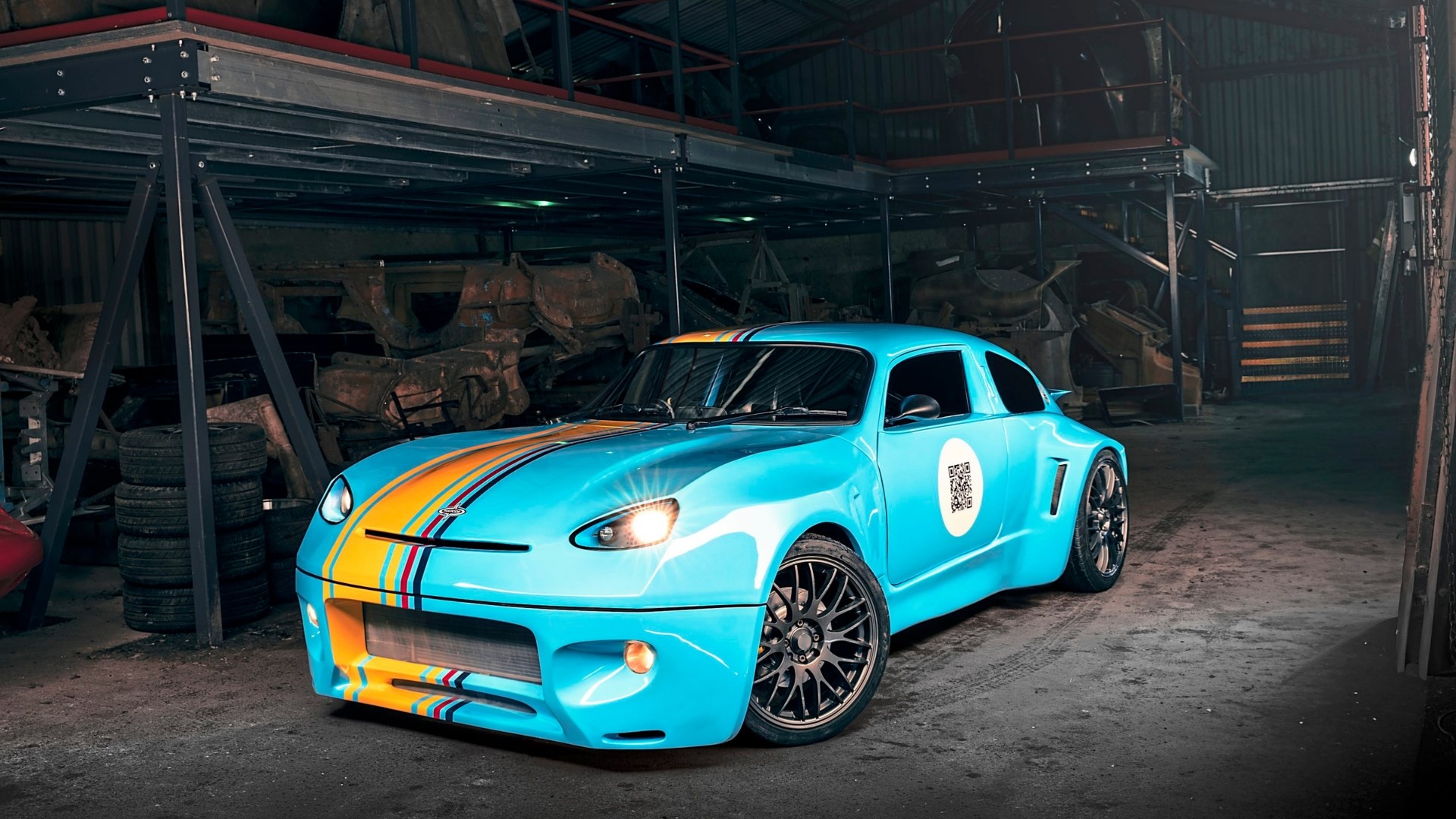
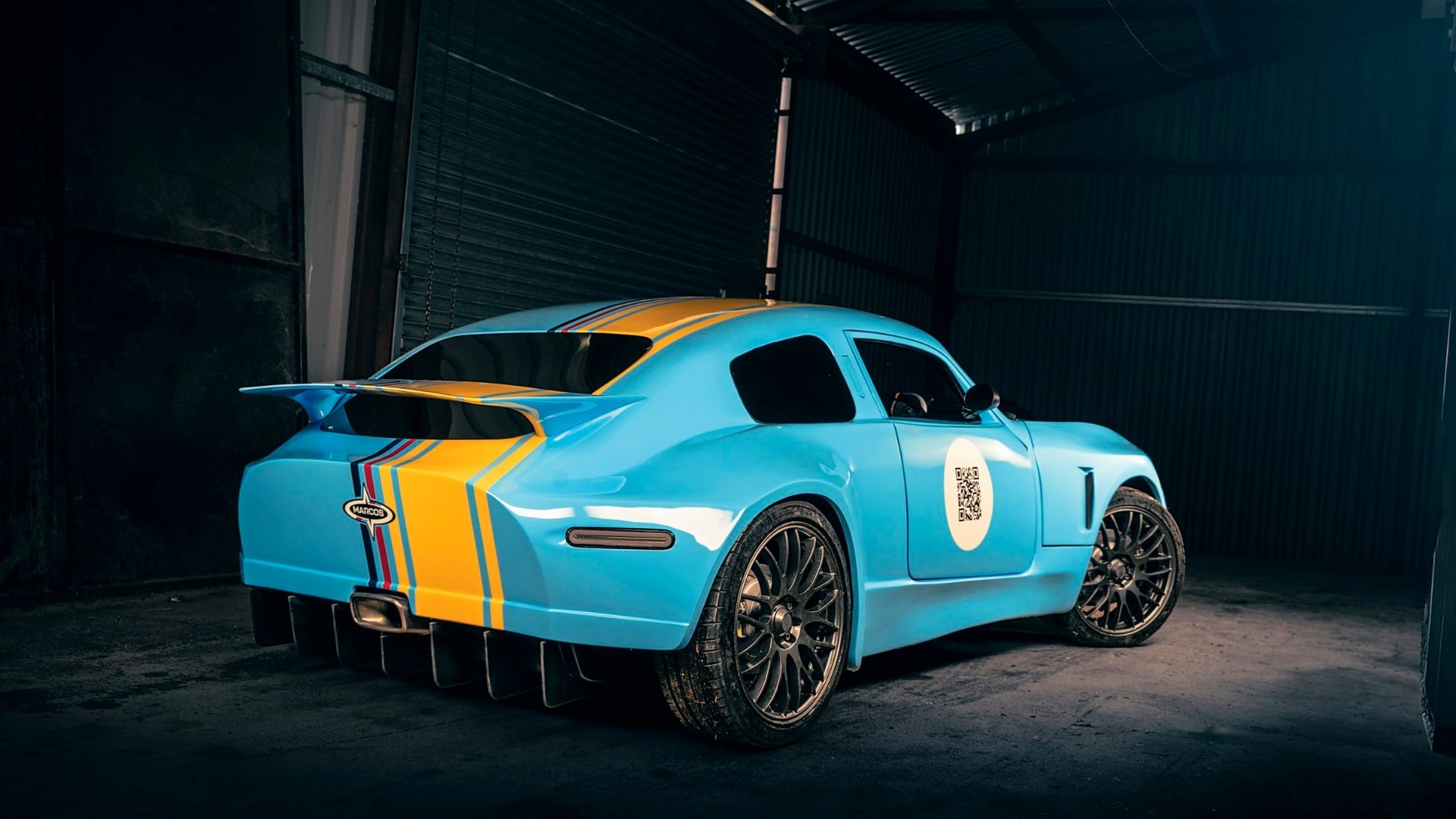
The answer is the Mosquito, a glassfibre prototype looking a bit like the original but stretched around a much bigger chassis. ‘We took it to an airfield last week, and gave it its first real thrashing,’ Nash tells me. ‘It handles beautifully. It’s extremely light – lightness is absolutely part of the Marcos DNA – so it’s just under 700 kilos and running at around 300bhp.’
The 21st century Mosquito was conceived as a test bed but Nash says it may now go into limited production as a track car: ‘There was never any intention of that, but the feedback has been extraordinary.’
Track cars are where Nash sees the company going, in the short term. ‘Marcos started out racing and we need to do the same. You can get something out there a lot more quickly than producing a road car, to build awareness and understand the levels of interest.’
Which brings us to Nash’s next, more ambitious project: a completely new car.
‘We have a rolling chassis,’ he assures me with a glint in his eye. ‘It’s a mid-engined sports car, and I’ve driven it, without a body. It’s a lot of fun.’
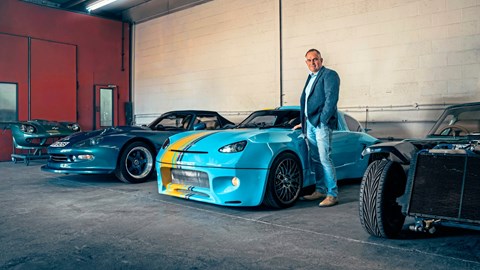
Nash won’t tell me what engine they’re using but he says it’s around 650kg and puts out 250bhp. ‘So it’s extremely lightweight,’ he says. ‘And this will definitely be a road car, though it’ll start on track – hopefully by the end of 2026. We’re looking at opportunities for a onemake series, though we’re in a planning phase.’
And after the mid-engined sports car, there are further plans to revive the gorgeous GT of the golden era.
‘In terms of the original GT shape, we have all the moulds, but you wouldn’t dream of doing it in plywood today. There were 380 pieces of plywood in the original chassis, and we do still make a lot of wooden parts to keep them on the road – they’re still very popular. But the idea of trying to get a plywood car through modern homologation…’
So the plans are in place – but the big, blunt question is, how will Marcos avoid bankruptcy this time?
‘Some of that is down to our broad business sense,’ Nash says. ‘We’re not coming with a passion to produce a car at any cost – we’re coming with a set of business rules. Marcos cars have to be affordable – there’s no point pretending it’s something it isn’t. That’s different to saying, “Okay, we’ve got a badge, we’re going to stick it on something and try to charge £500k for it.”’
And despite the long history of wobbly British sports car companies, there are success stories out there: ‘You’ve only got to look somewhere between Ginetta and Ariel, in terms of product type if not price range. Ginetta was a lesser-known version of Marcos in its day [it dates back to 1958]. They’ve shown you can build a company around racing.’
Nash reminds us what it’s all for: ‘We’re trying to produce cars that put a smile on your face – a lightweight chassis, a powerful engine and a manual gearbox. There’s a simplicity to that.’
Fingers crossed it works.
console.debug(‘taboola container loaded..’)
window._taboola = window._taboola || [];
_taboola.push({
mode: ‘thumbs-feed-1×1’,
container: ‘taboola-below-article-thumbnails-v3’,
placement: ‘Below Article Thumbnails V3’,
target_type: ‘mix’
});


var disqus_shortname = ‘carmagazine’;
var disqus_developer = 0;
var disqus_identifier = ‘article-wp-257504’;
(function () {
var dsq = document.createElement(‘script’);
dsq.type = ‘text/javascript’;
dsq.async = true;
dsq.src = ‘http://’ + disqus_shortname + ‘.disqus.com/embed.js’;
(document.getElementsByTagName(‘head’)[0] || document.getElementsByTagName(‘body’)[0]).appendChild(dsq);
var s = document.createElement(‘script’);
s.type = ‘text/javascript’;
s.async = true;
s.src = ‘http://’ + disqus_shortname + ‘.disqus.com/count.js’;
(document.getElementsByTagName(‘head’)[0] || document.getElementsByTagName(‘body’)[0]).appendChild(s);
})();Please enable JavaScript to view the comments powered by Disqus.