Wonderland
BUNNY’S GOT THE MIDAS TOUCH
Manchester City Women’s top goalscorer Bunny Shaw turns chances into goals and seasons into silverware. From sneaking out to play football on the streets of Spanish Town, Jamaica, to becoming one of the most prolific centre-forwards in the Women’s Super League, this striker’s winning streak isn’t a matter of if, but when. As she cements her position at the top of the table, it’s Bunny’s consistency – not hype – that is her real superpower.
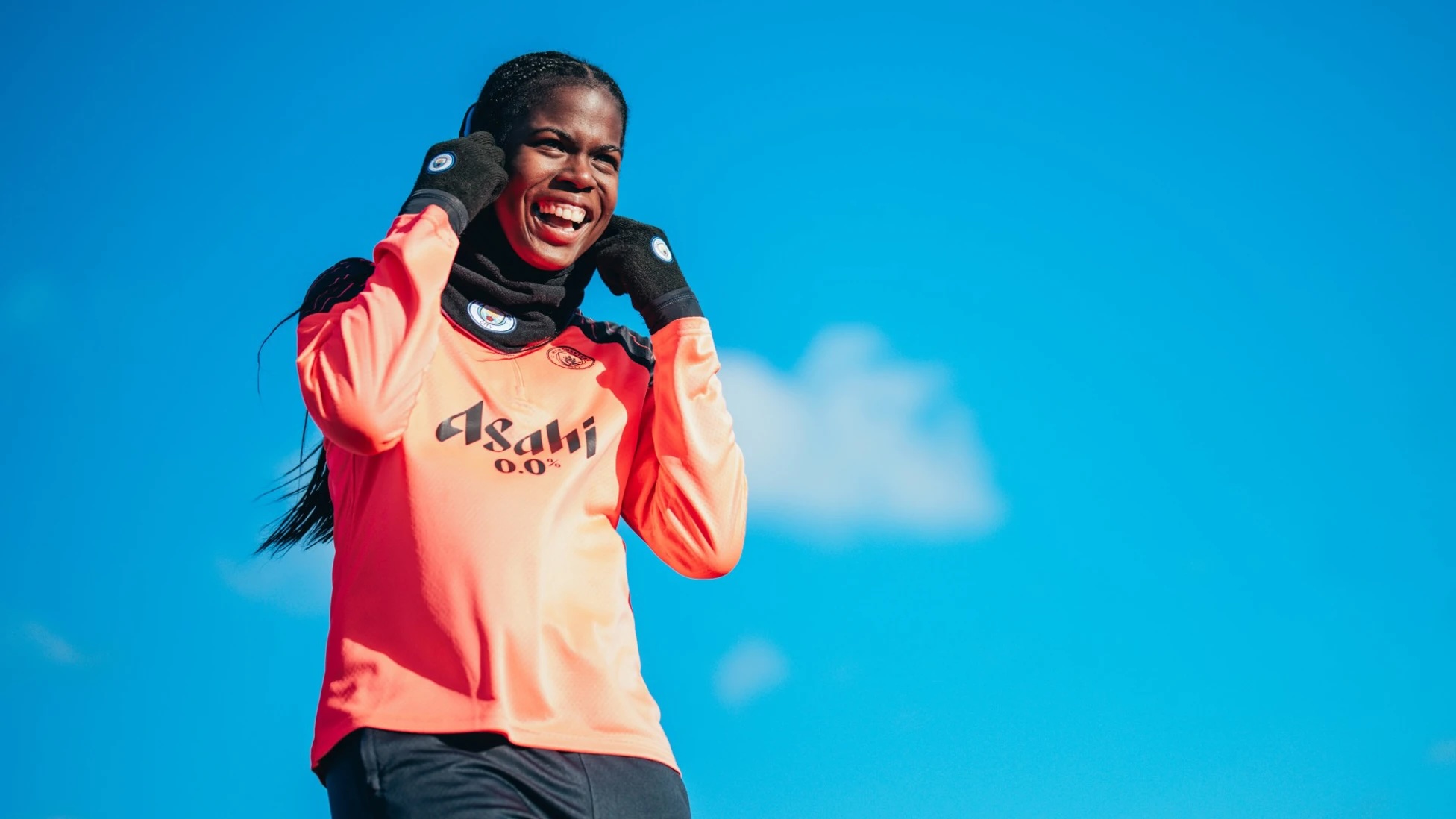
It’s a timid Tuesday when Wonderland gets to sit albeit very briefly with Manchester City Women’s player Khadija ‘Bunny’ Shaw. “Can you believe it? I lost my [Oura] ring during training,” she calls out to a peer in passing as our call connects. “I can’t find it.” A shrug and an eye roll follows shortly after. We’re one of the select few that have been chosen to have 15 minutes with the star striker (although her role is interchangeable, flexible playing on the wing also) but for Bunny, this is a sidetrack in her flow. All she wants is to be on the pitch because when she does, well, the stats speak for themselves.
That’s her thing: when Bunny touches things, they turn to gold. This is the case, literally, for the baller who’s already won the WSL Golden Boot twice, and is set to win it again this season. Leading the charge with the kind of consistency most centre-forwards spend entire careers chasing – to preface, she’s scored 18 goals in 19 games – Bunny has quietly (and humbly) become one of the most dominant forwards in the women’s game. On that 115-yard-long patch of grass, you can’t miss her. Standing lean and dominant at six feet, she speeds, saunters, and strikes with fluidity and enough tactic that it’s no surprise she’s earned the title of the club’s top goalscorer – on the women’s side, for now.
The path to this moment, however, wasn’t always crystal clear nor easy. Growing up in Spanish Town, Jamaica, football wasn’t something she was even allowed to play openly – as per her parents orders. But long before stadiums with screaming supporters and title races between the world’s greatest clubs, Bunny was sneaking off to play in the streets with her friends, timing her return home between errands so it looked like she’d never even joined the match at all – though, we can safely assume, she was its forerunner.
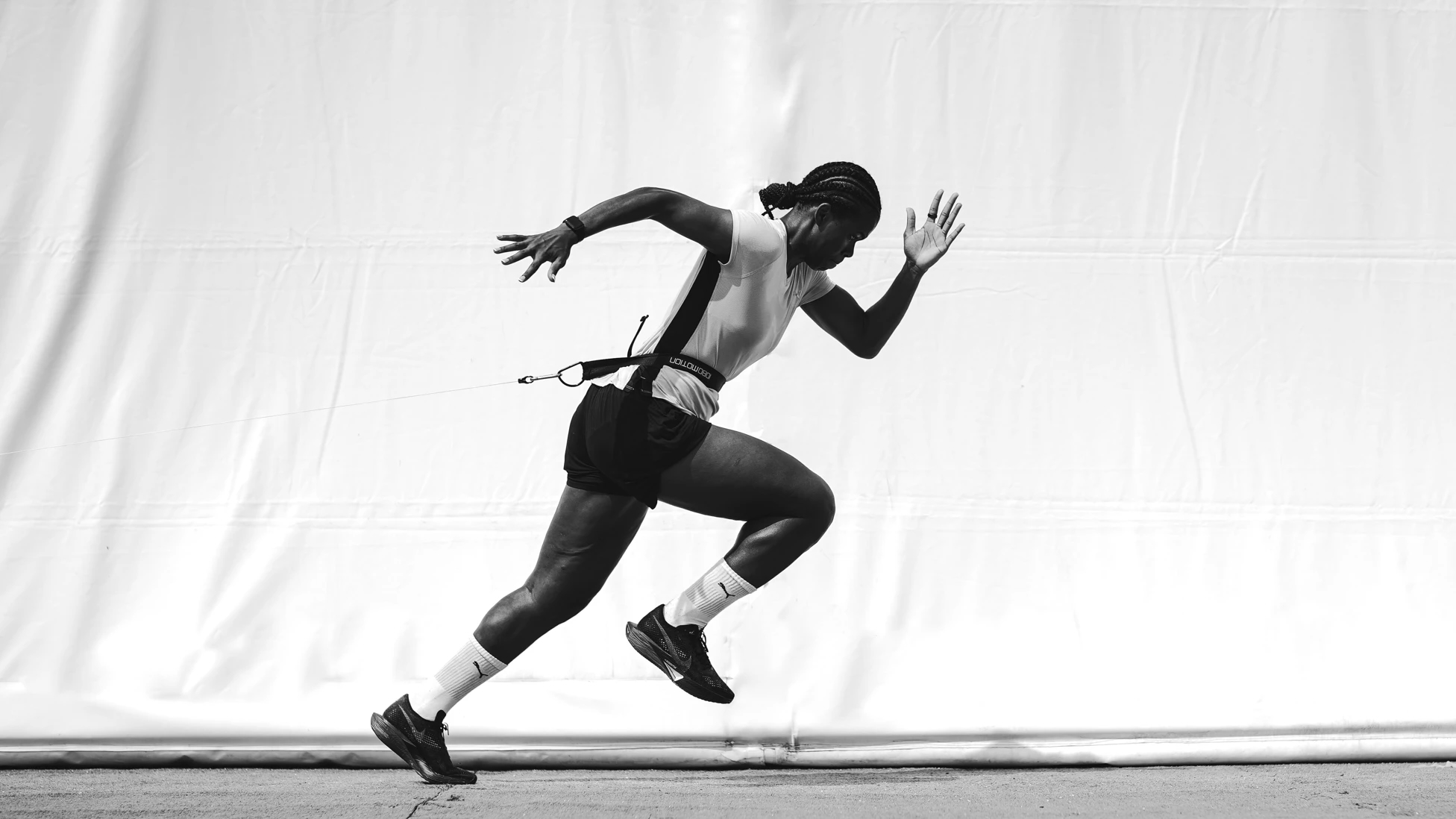
What began as a covert rebellion eventually turned into a career few could have predicted – not even Bunny herself. Football, simply put, became a way for the forward to earn a degree and help support her family. But come the 2019 World Cup in France, where she put her competitive spark to the truest and toughest test against the world’s best, did the realisation set in: this was a player destined for football at the highest level.
Now, seven years into a professional career that has taken her from the University of Tennessee, where she graduated with communications honours to spearheading Manchester City to victory, and captaining the Jamaican national team, Bunny is still driven by the same thing that fuelled those early street games: the love of playing, and the belief that hard work speaks louder than anything else.
With City nine points clear, comfortably drawing in on the title, and Bunny once again leading the league’s scoring charts, she reflects on the journey from those hidden kickabouts to becoming one of football’s most feared forwards – and why, for her, the job is far from finished, even with three games left to go.
Hi Bunny! It’s great to chat with you. Let’s talk about how you got your start in football. When did it become your thing?
Bunny Shaw: It became ‘my thing’ when I was 10 years old. I got invited to the play for the National Under-15 team for Jamaica. That’s where my mom allowed me [to play]. But before that, I used to hide and play. I wasn’t allowed to play openly
And so in your childhood, was there a specific highlight or memory that stands out to you or that you find yourself coming back to when you were coming up in football as a child?
No, not really. I was having fun playing in the streets – that’s something that I always look back on. Sneaking out with my parents, going to get groceries, and then taking a shower and coming back, and coming back as if I wasn’t involved in the game. Those are the little things that I look back on, and I realise I’ve come a long way from then to now.
When you were in those moments of sneaking out or playing football with friends, who were some of your inspirations or your influences that you would look to when you were playing?
I didn’t have any, to be fair. I was kind of locked off from that type of world. We mostly saw track and field back then, because there was no senior women’s national team, so there’s no one to even actually look up to. It’s just the youth teams, and they’re my age, so, no, there wasn’t really anyone. But outside of that, I would probably say Usain Bolt. He would be my inspiration; how consistent he was breaking the records and always showing up, always being ready.
And in your timeline, when did the turning point happen where you started pursuing it as a career prospect?
I got offers but, I wouldn’t say I didn’t believe in myself, but I promised my parents that I was just going to get a degree and come back and work and help the family. So I was just using football to do that. It wasn’t something that I was taking seriously. But then my coach at the time, in college, wanted me to take it seriously, but because I already promised my parents what the plan would have been, he would tell me, and I would just forget it. When I started getting offers, that’s when I was like, ‘Oh, I could actually make a way for myself’. So then we went to the 2019 World Cup, and I found myself competing with some of the best players in the world at the time, and it clicked that I was good enough to continue and be where I am now.
Now that you’ve been playing professionally for quite some time – seven years – how would you describe your playing style and how it’s grown or evolved over time?
I would probably say physical power, pace, and then it evolved into me being a bit more tactically aware, because compared to England, in America, I feel like they’re a bit more transitional, so they spend less time doing tactical stuff. When I transitioned [into the English style of play], I found it very difficult in the beginning. Where I am now, tactically, that’s something that I’ve improved on a lot.
And what would you say has been a career highlight so far? If not one, then a few!
Making it out of the group stage at the World Cup. This last work of 2023 based on what we had to go through as a group, all the obstacles we had to face, the people who were supposed to believe in us didn’t believe in us. We became even closer as a team based on all those factors. So being able to achieve that with my national team is something that will always be high up there.
Speaking of playing internationally, you had the honour of captaining the Jamaican team. I’d love to hear more about that experience and even being quite key to the team on both the national and international side. What are some of the lessons you learned about yourself, personally and also professionally having been given that role?
Long answer, I think being the captain, it’s as I evolve. It just grew on me. 2019, I just finished college, and I think being in the environment that I’m in, automatically, you adapt, you pull things along with you, with the pressures that you have around you. The different qualities that you have, you naturally become a leader within the environment, especially when I go back to the National team. Being the captain grew on me, and it’s something that I’m proud of – to lead the girls out with my national team.
Off the back of that, I’d be curious to know what the distinction is between being captain and also not having to lead. Is there a switch there mentally or are you always positioning yourself to be in a position to lead?
I think the type of captain that I am, I live with my performance. When I’m with my national team, or what I have here [at Man City], I approach it exactly the same. You have captains that speak a lot, captains that know how they carry themselves. I think I’m a performance-based captain, especially from the front. If I’m doing what I’m supposed to do at the front, automatically, it helps everyone behind me.
Who are the figures who have helped guide and lead you in the last couple of years?
The main one that comes to the top of my mind is Steph [Houghton]. She has helped me massively. Because sometimes, as a captain on my national team, there’s things that I’m not sure of. It’s weird. The things that I have to deal with with my national team – and all other Federations – you think that that’s something automatic, that’s a bare minimum, but that’s something that we have to fight for with the Federation. So with that, and the experience that Steph has, I would just ask her, like, ‘How would you approach this?’ And the type of person that she is, the way she carries herself, her demeanour and everything – that’s something that I looked up to when I just joined City. We still communicate to this day. She’s a good friend of mine.
Before you’re about to get on the pitch, or even get into training, how do you get into the zone?
Training and games, I approach differently. Training, just physically, trying to get my body in the best place, activating the muscles so that when I go out on the pitch, I’m ready. But then for the games, obviously, you have a longer time before the game where you’re in the locker room. For me, I just stay level headed, stay calm and listen to my music, and that helps me, because I’m a vibes person. I have to feel the vibe and have the vibe to go out there and perform, from the first [moment] until the last.
In terms of music, who are you listening to? What’s on your playlist?
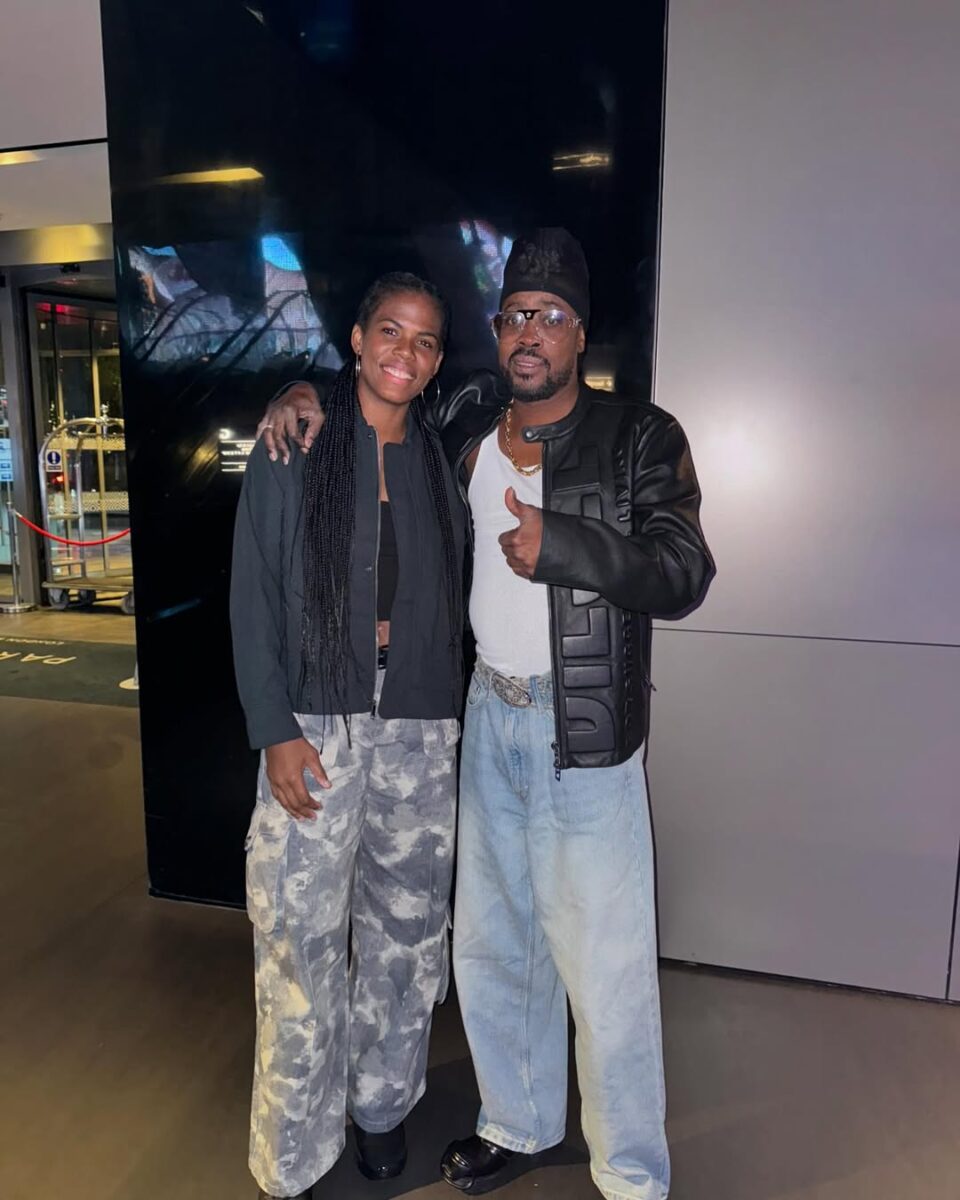
Multiple different artists within the dancehall space. If I want to calm my head, reggae – Chronixx is one of the big ones from the reggae section that I listen to quite a bit. In terms of Dancehall, there’s a lot of different artists. They’ve always been my go-to; Bob Marley, Vybz Kartel, Skillibeng, Masicka, Shenseea, Chronixx (again), those are the kind of artists I listen to a lot.
We’re in the climactic stages of the season. How do you reflect on how it’s gone for you and the team?
If you ask me, we’ve been the best team in this league by far. Where we are now is a reflection of that. We’re fluid in different ways to score. We have good defenders that try to keep the opponent from scoring. I would say 90% of the goals that we set out to achieve were on course for that, and that’s been good. Personally, I think it’s always about consistency. I know I can score, but if I’m consistent with it, ultimately it helps the team in the end. We’re always focused at game time, but the next game is the most important, and by doing that, the results have been taking care of itself.
Each of you has played such a significant role in achieving that, but that consistency has come out clear, and it’s evident that that’s why you’ve come out on top and sit there very comfortably. What would you say has been your greatest asset in terms of keeping up the momentum this season?
There’s no momentum shift. I think for the last couple of seasons, I was unfortunate with injuries but I’ve always been consistent. I’ve just tried to score and do the best that I can in front of the goal. But collectively, I would definitely say mentally, we’ve had a big change in terms of finding ways to win rather than focusing too much on how we play – that’s what has been the biggest change: finding a way to win, no matter what it looks like. A good-ugly win is better than a pretty possession.
So you’ve been the WSL Golden Boot winner for two seasons back to back now, and are leading the race this year too – congratulations! How do you navigate that achievement? Does it feel like added pressure?
When it comes on to the Golden Boot, you’re in control. You don’t have to worry about anyone else. It’s going out and scoring goals. It’s not like you wait for this team to slip up to see if they could get a draw before we can get a win – it’s on you. That’s something that I’ve been able to do consistently, and once I continue that, I don’t see anyone stopping me.
With all the success that has come, how do you celebrate after a win? What’s your favourite way to really commemorate the occasion or a successful result?
It depends on the win. Winning the league, that celebration will be different from winning a game. I just rest, recover, and chat to family and friends, but if the case is that we win the league, obviously at the end of the season, you go on a nice holiday, you know? You enjoy yourself and stuff like that.
And what do you hope to achieve in the short term and long term, both on and off the pitch?
Winning the league. For me, it’s always about doing my job properly every time I step onto the pitch and giving everything I can for the team. I know what I’m capable of, so it’s about working hard and trying to bring that out consistently. I don’t try to look too far ahead. I think if you focus on the small things day to day, improving in little areas and staying consistent, the bigger goals take care of themselves. Of course, I want to win. Being part of a team that’s competing for and lifting trophies is what drives me. That feeling is hard to beat. Individual awards are nice when they come, but for me, it’s always about the team. That’s where I get the most satisfaction. And then setting up my foundation to help young girls who aspire to become footballers that want to be in my position one day. Long term, that’s one-two years [away], so making it to another World Cup.
Words – Aswan Magumbe