{“@context”:”https://schema.org”,”@type”:”Article”,”image”:”https://car-images.bauersecure.com/wp-images/258182/2026_transit_city__5_.jpg”,”mainEntityOfPage”:{“@type”:”WebPage”,”@id”:”https://www.carmagazine.co.uk/car-news/first-official-pictures/ford/2026-transit-city/”},”url”:”https://www.carmagazine.co.uk/car-news/first-official-pictures/ford/2026-transit-city/”,”author”:{“@type”:”Person”,”name”:”Tom Webster”,”description”:”Tom Webster is our Vans and Pick-ups Editor and one of the UKu2019s leading commercial vehicle experts. Heu2019s also the deputy head of the digital automotive hub where he looks after the ownership team, so he has a keen interest in how motorists can save money on running their car.nLike most who appear on these pages, Tomu2019s relationship with cars started many years ago in a childhood filled with trips to Thruxton and thinking the two successive family Toyota Tercels were more common than they really were.nUnlike most here, though, he isnu2019t talented with a spanner or a racing steering wheel in hand but he has spent much of his career writing about the more nitty-gritty elements of the car industry. He started his journalism career back in 2008 on company car magazine BusinessCar and his odd interest in the automotive tax system remains. His path from there to CAR and Parkers has included a stint on the staff at What Car? and Autocar and several years as a freelancer where he contributed to the likes of Carwow, Auto Trader and Heycar.nIn those freelance years he spent much of his time writing about commercial vehicles, picking up several awards in the process. Commercial vehicles is another area that fulfils his love for stats and numbers, not to mention big vans and pickups.”,”image”:{“@type”:”ImageObject”,”url”:”https://car-assets.bauersecure.com/wp-images/150975/tom_webster.jpg”,”caption”:”Tom Webster”},”sameAs”:”https://www.linkedin.com/in/tcrwebster/”,”url”:”https://www.carmagazine.co.uk/author/tom-webster/”,”alumniOf”:{“@type”:”EducationalOrganization”,”name”:”Exeter University”},”email”:”tom.webster@bauermedia.co.uk”,”jobTitle”:”Deputy Head of the Digital Automotive Hub and Vans Editor”,”knowsAbout”:”Automotive,Motoring,Vans,Pickup trucks”,”worksFor”:{“@type”:”Organization”,”name”:”CAR Magazine”}},”dateModified”:”2026-03-31T13:56:02+01:00″,”datePublished”:”2026-03-31T13:56:02+01:00″,”headline”:”The British icon going refreshingly low-tech u2013 thanks to China”,”publisher”:{“@type”:”Organization”,”name”:”Bauer Media”,”brand”:{“@type”:”Organization”,”name”:”Car Magazine”},”logo”:{“@type”:”ImageObject”,”url”:”https://car-assets.bauersecure.com/images/logos/car.200×88.png”}}}
The British icon going refreshingly low-tech – thanks to China
Published: Today 13:56
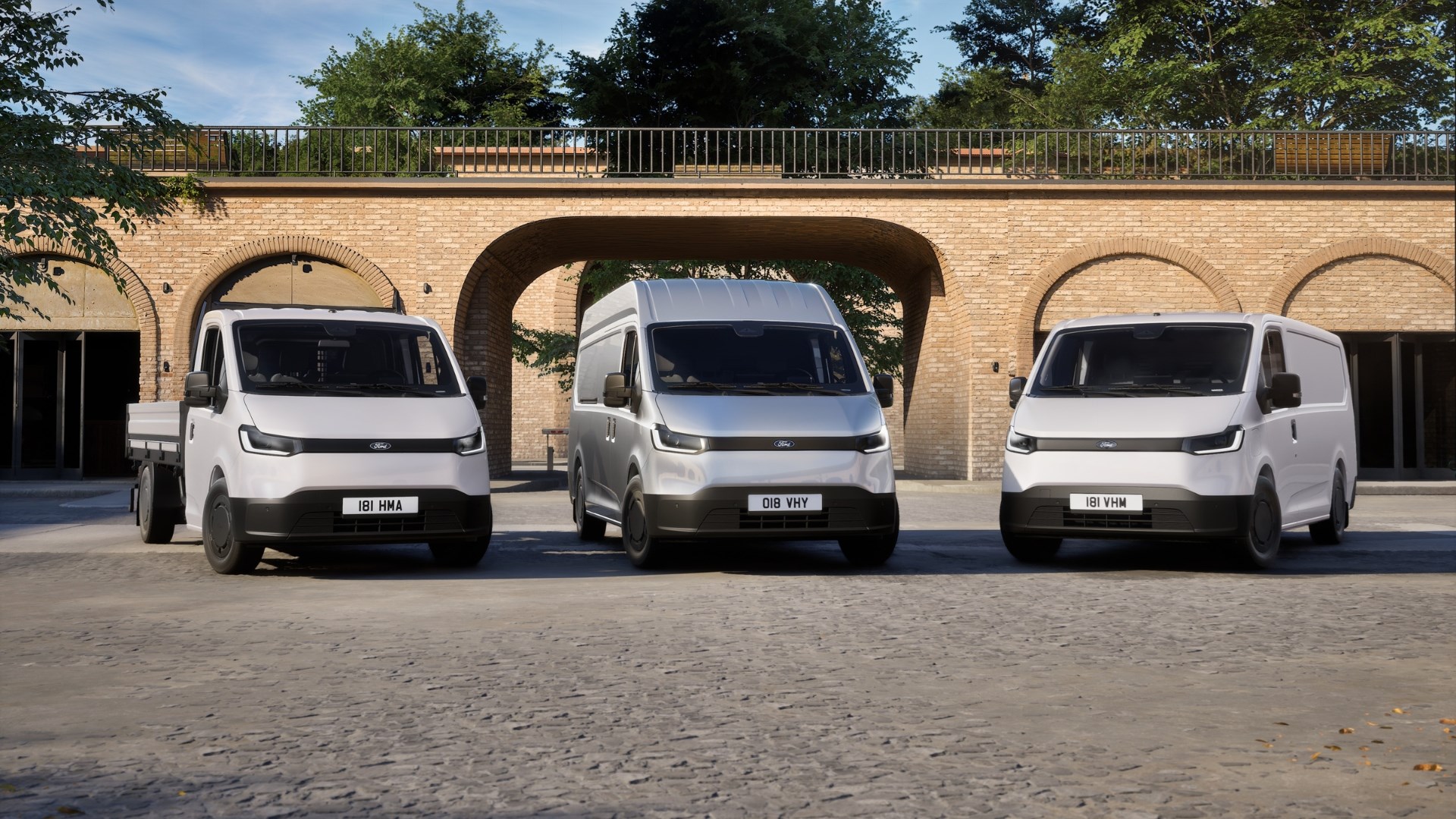
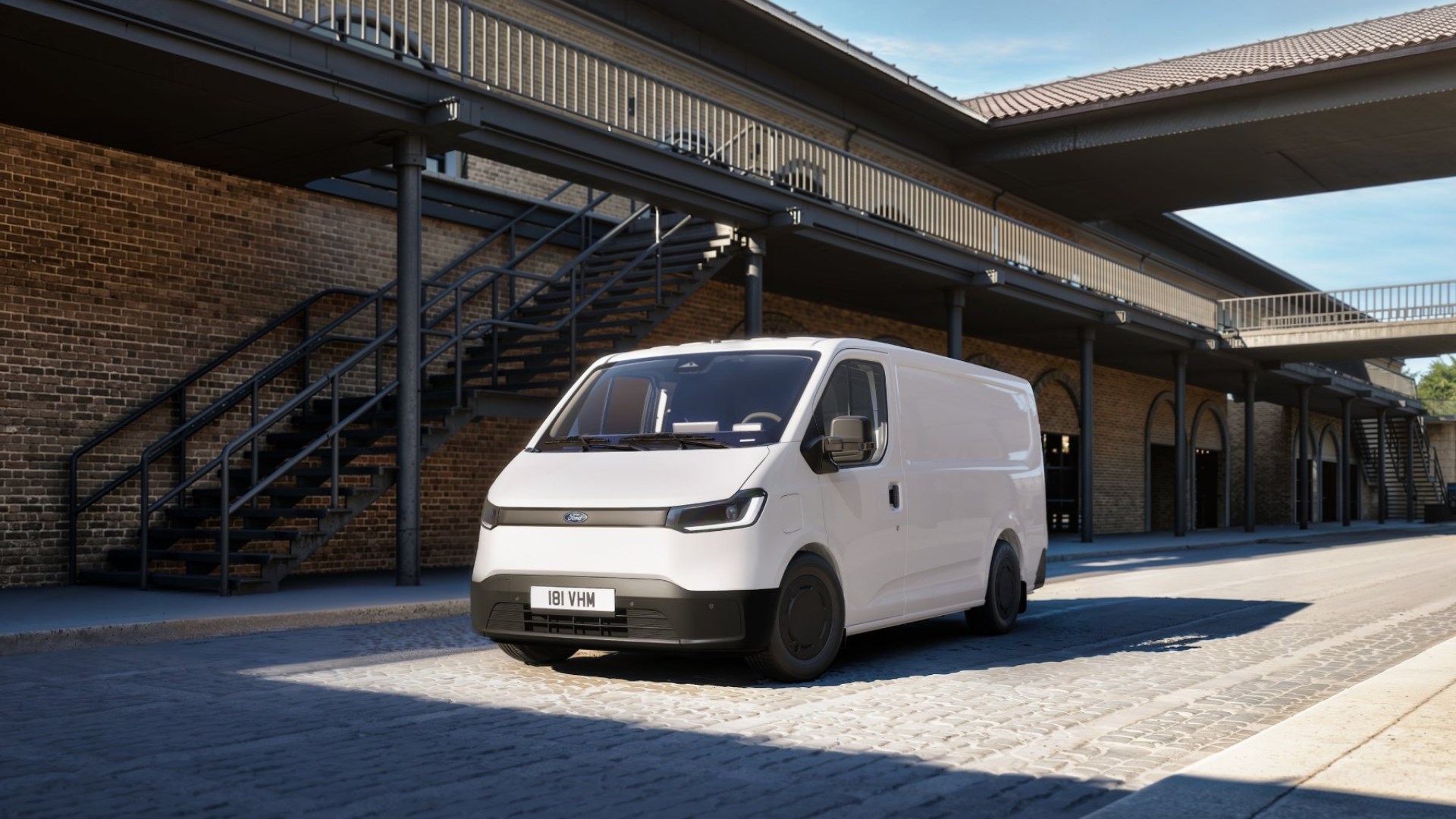
► New Ford Transit variant revealed
► Takes the Transit range to five
► Will be made in China, not Turkey
Ford may have lost its way when it comes to regular cars, but its commercial vehicles are a huge ongoing success. Britain’s towns are brimming with Ford Transits – used as delivery vehicles, by trades people and by anyone who wants a tough, practical van that’s also good to drive.
Like this? Get more CAR delivered to your browser! Click here to add CAR Magazine as a preferred source on Google.
And rather than resting on its laurels, Ford in Europe is adding another van to the line-up. The new Transit City takes the number of commercial vehicles in the Transit family to five.
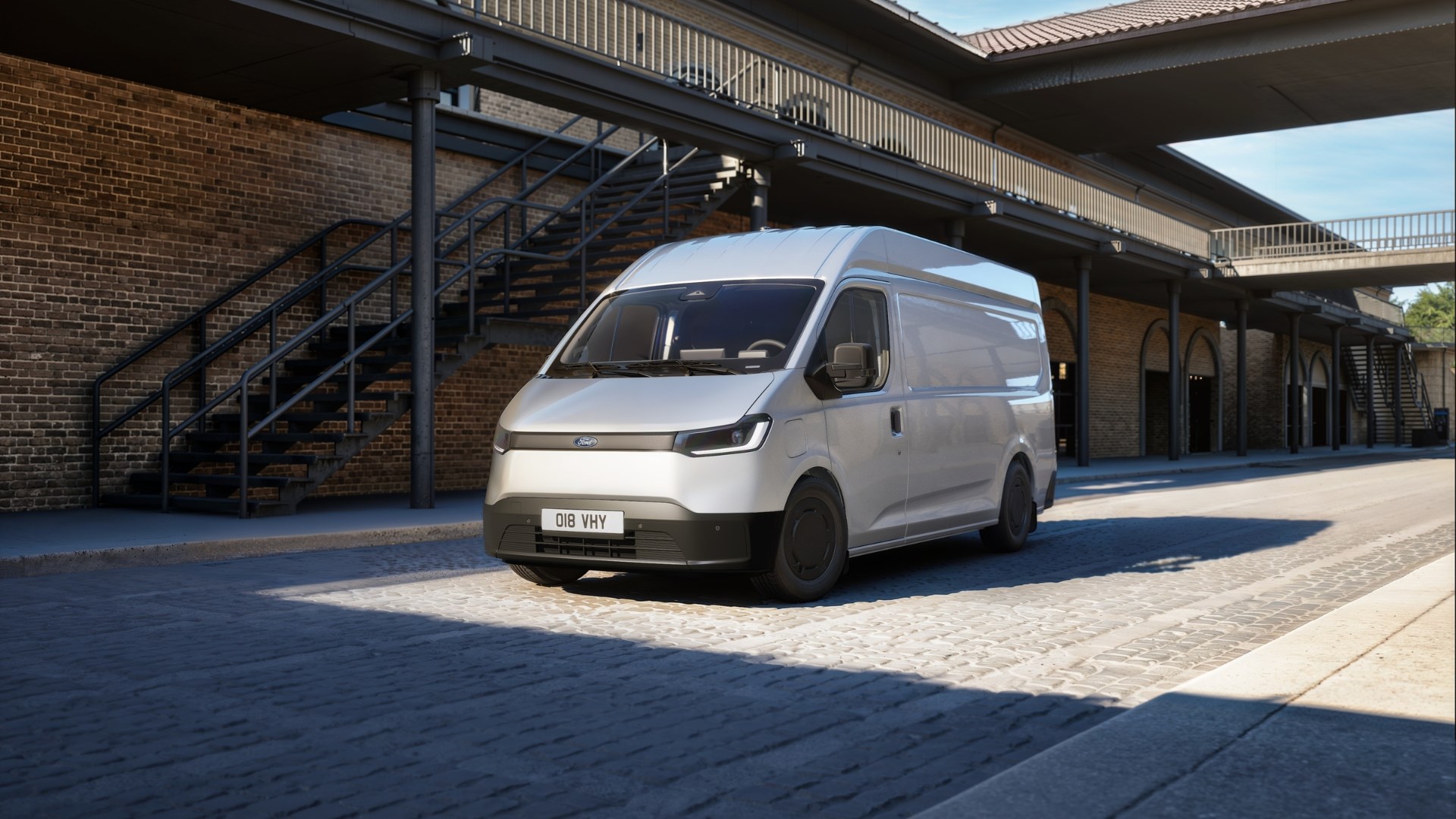
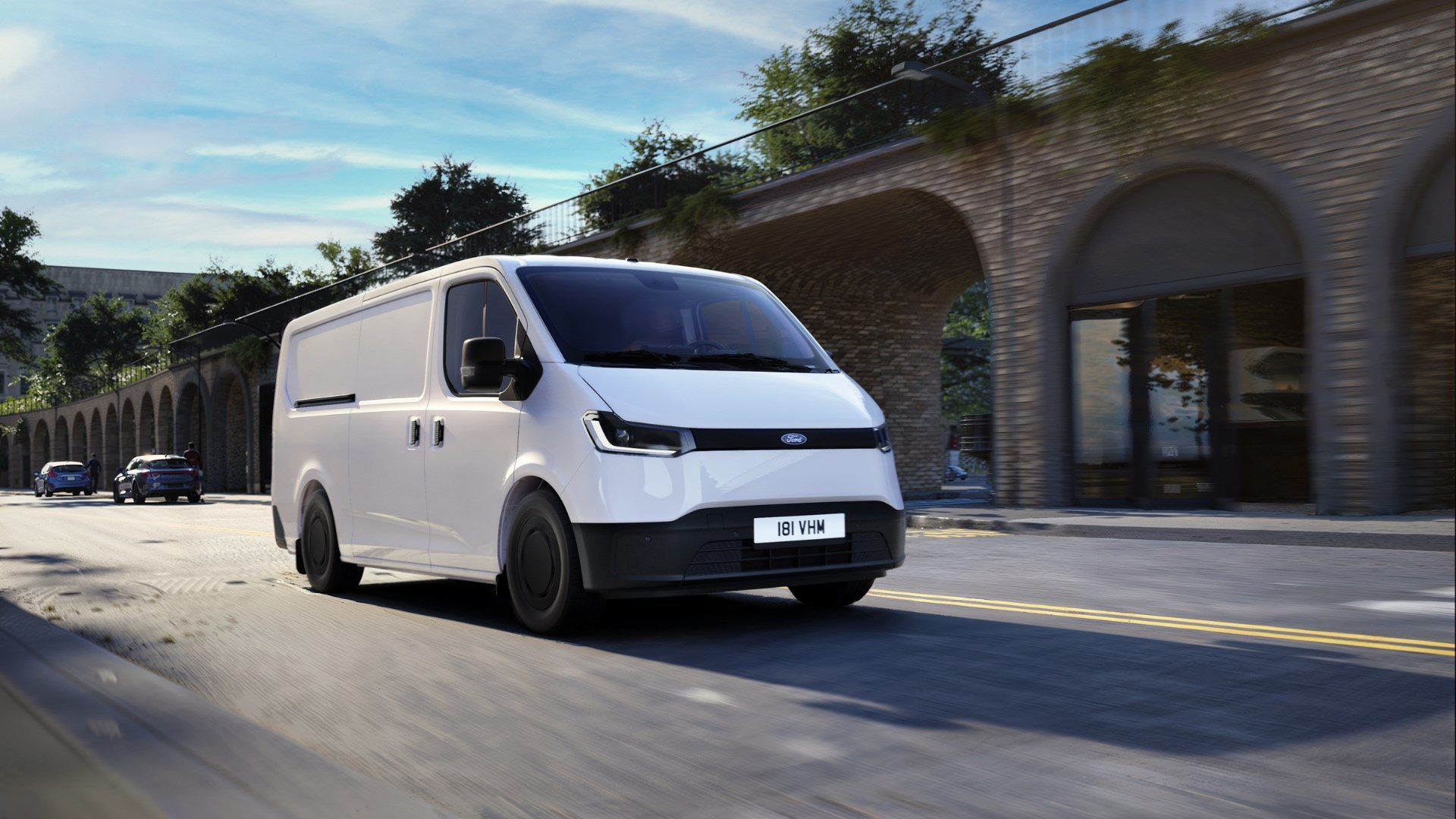
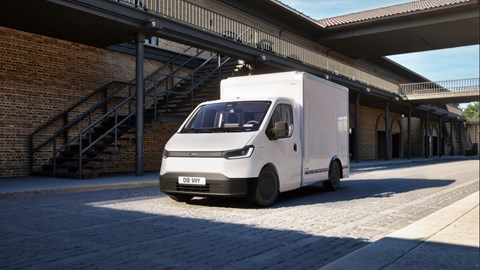
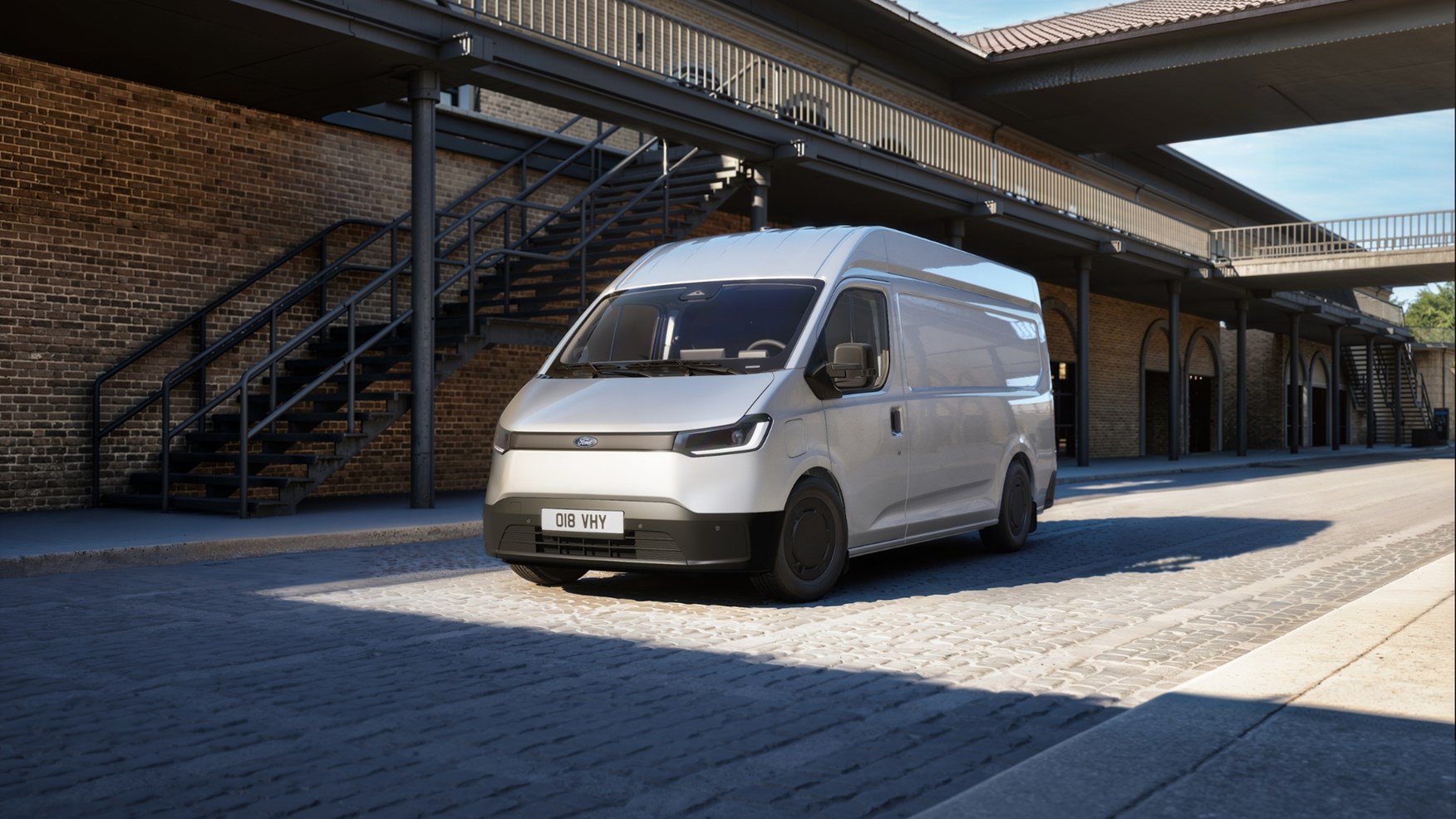
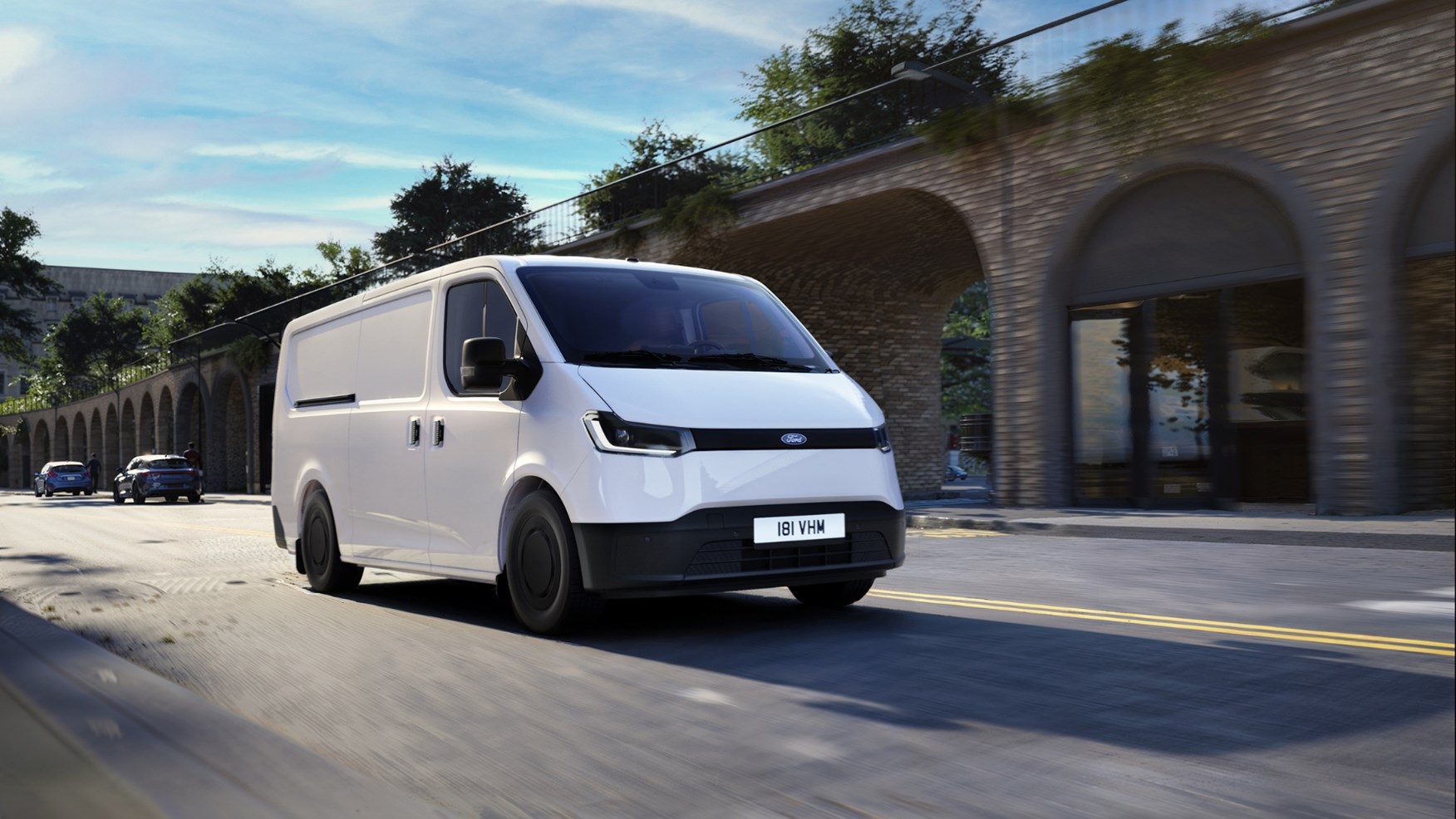
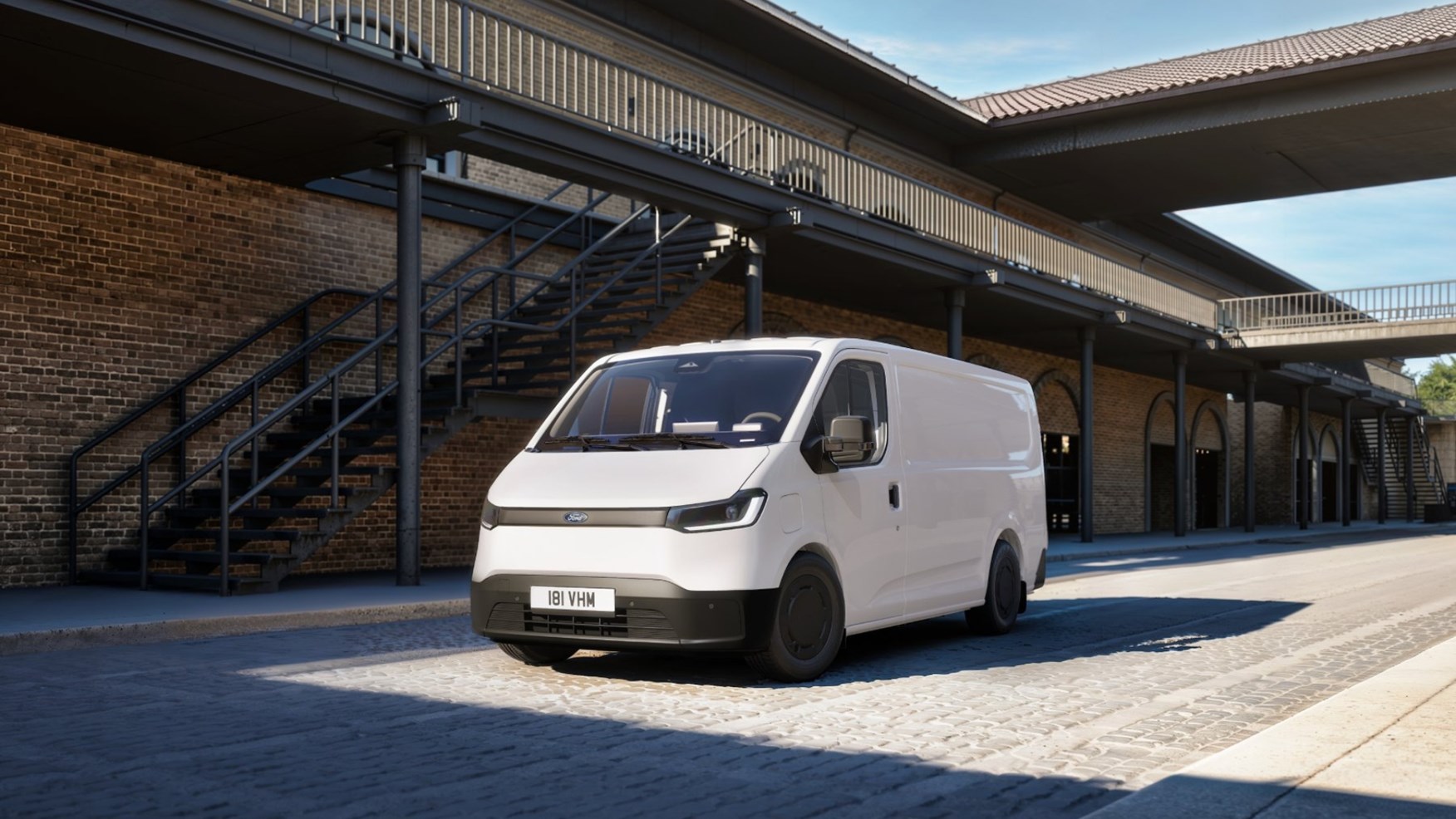
And there are a couple of twists with this one, which will be made in China, whereas most Transits are built in Turkey. It bucks the trend by going lower tech, which helps keep the price very competitive. It’s aimed at those who want a medium electric van but can’t afford the excellent E-Transit Custom. The City is much the same size and shape as the Custom, but with far fewer frills.
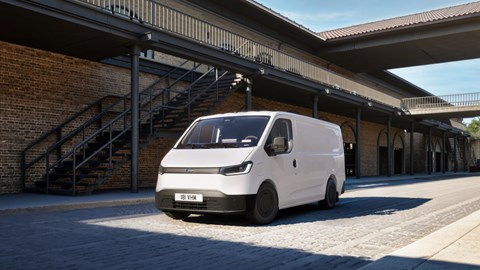
This means no options, no trims to choose between and no choice between different battery or motor set-ups. The sole version that will be available is aimed at businesses that know how far they need to drive each day, and most likely do all their business in an urban environment. It will be priced between the E-Transit Custom, which starts at around £45,000, and the smaller E-Transit Courier, which is priced from £27,000 (not including VAT).
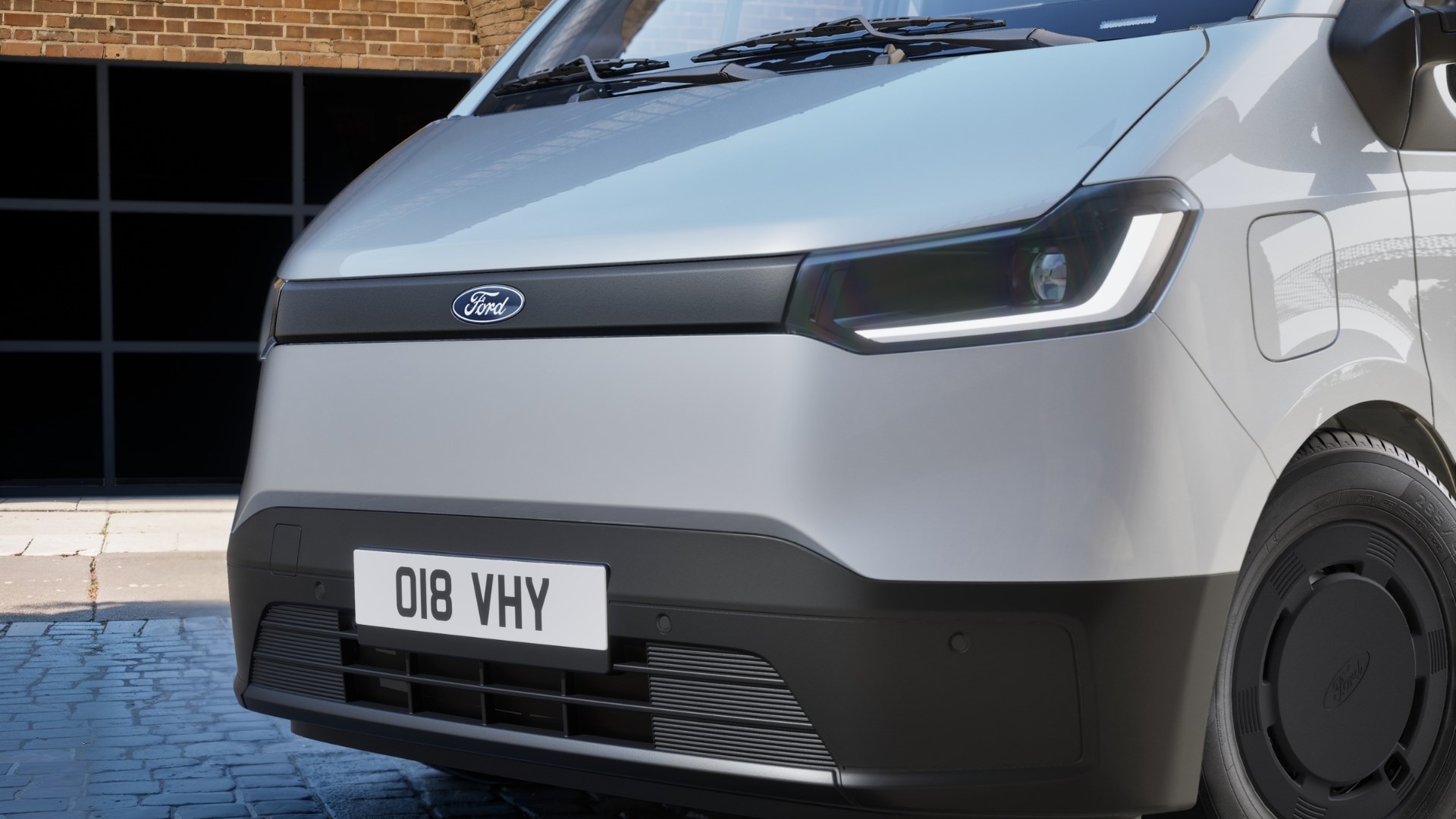
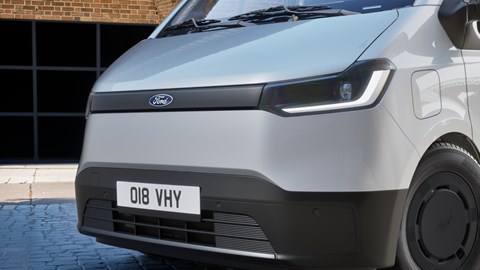
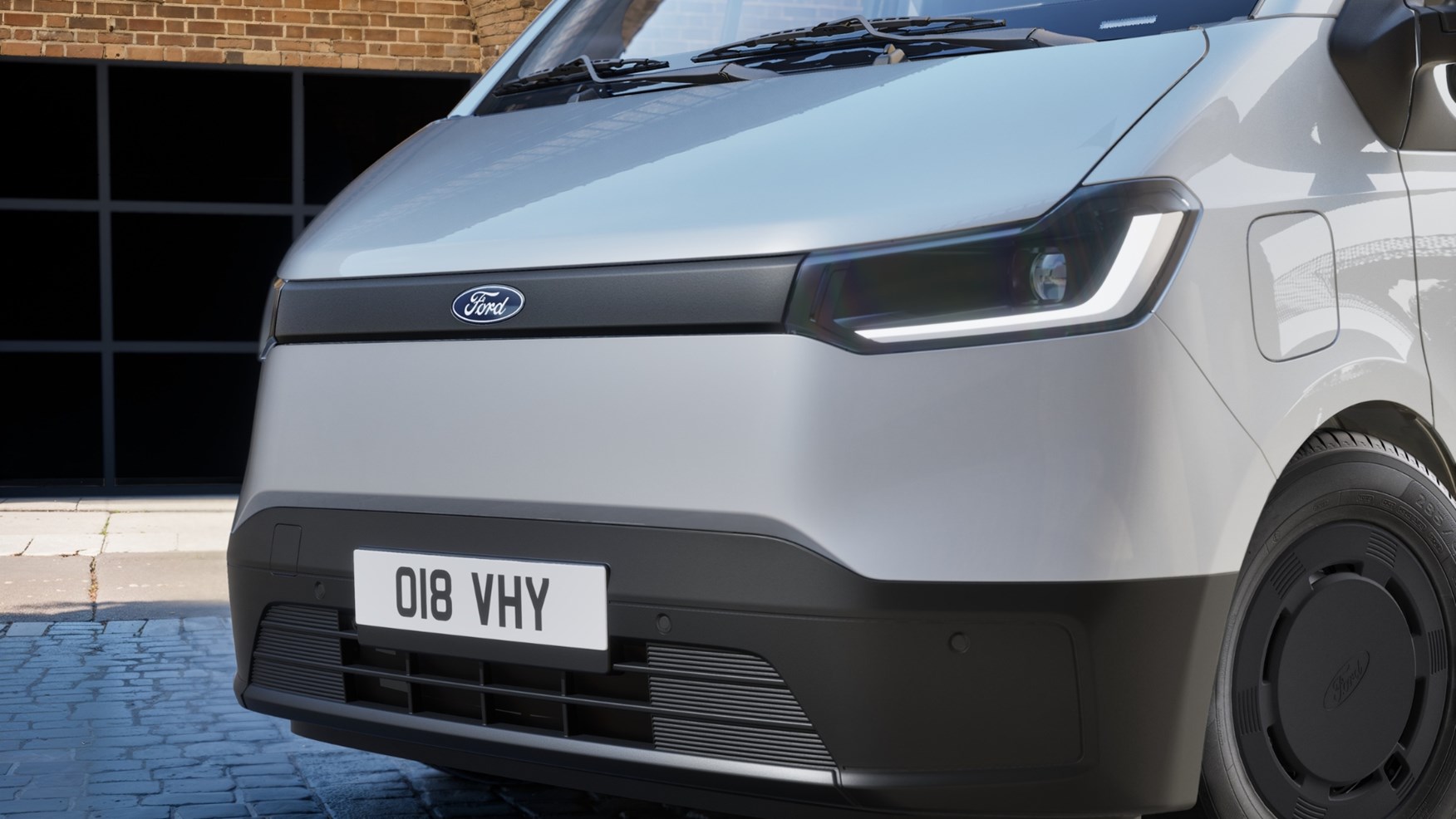
The City is designed to look similar to the Custom, but under the skin it’s a different vehicle. It was developed in partnership with Jiangling Motors Corporation (JMC) and sits on a bespoke EV platform. Very little, other than the looks and the name, is shared with the rest of the Transit family.
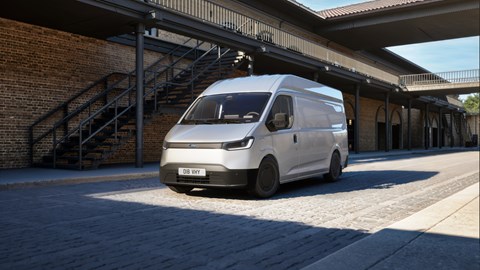
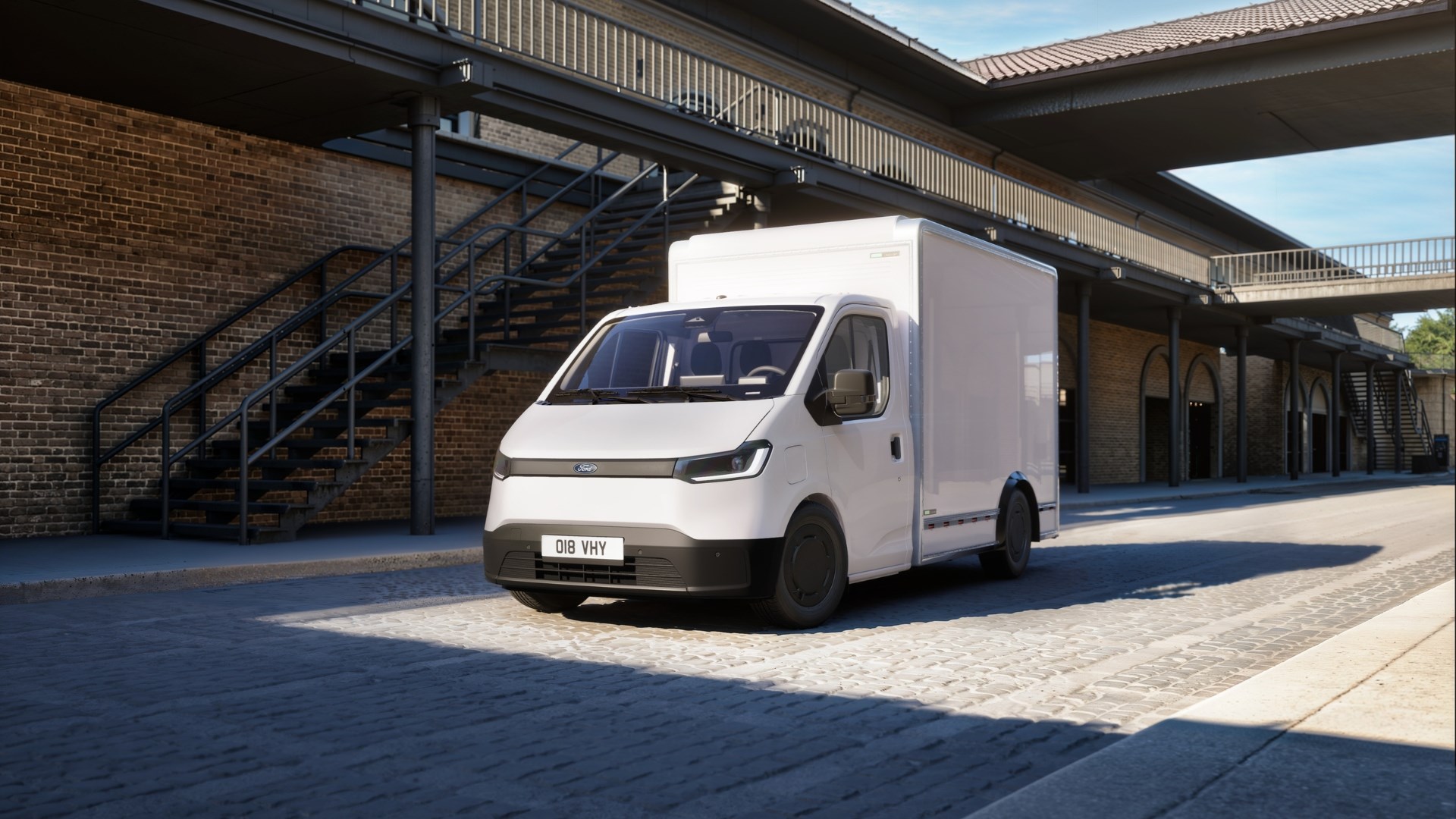
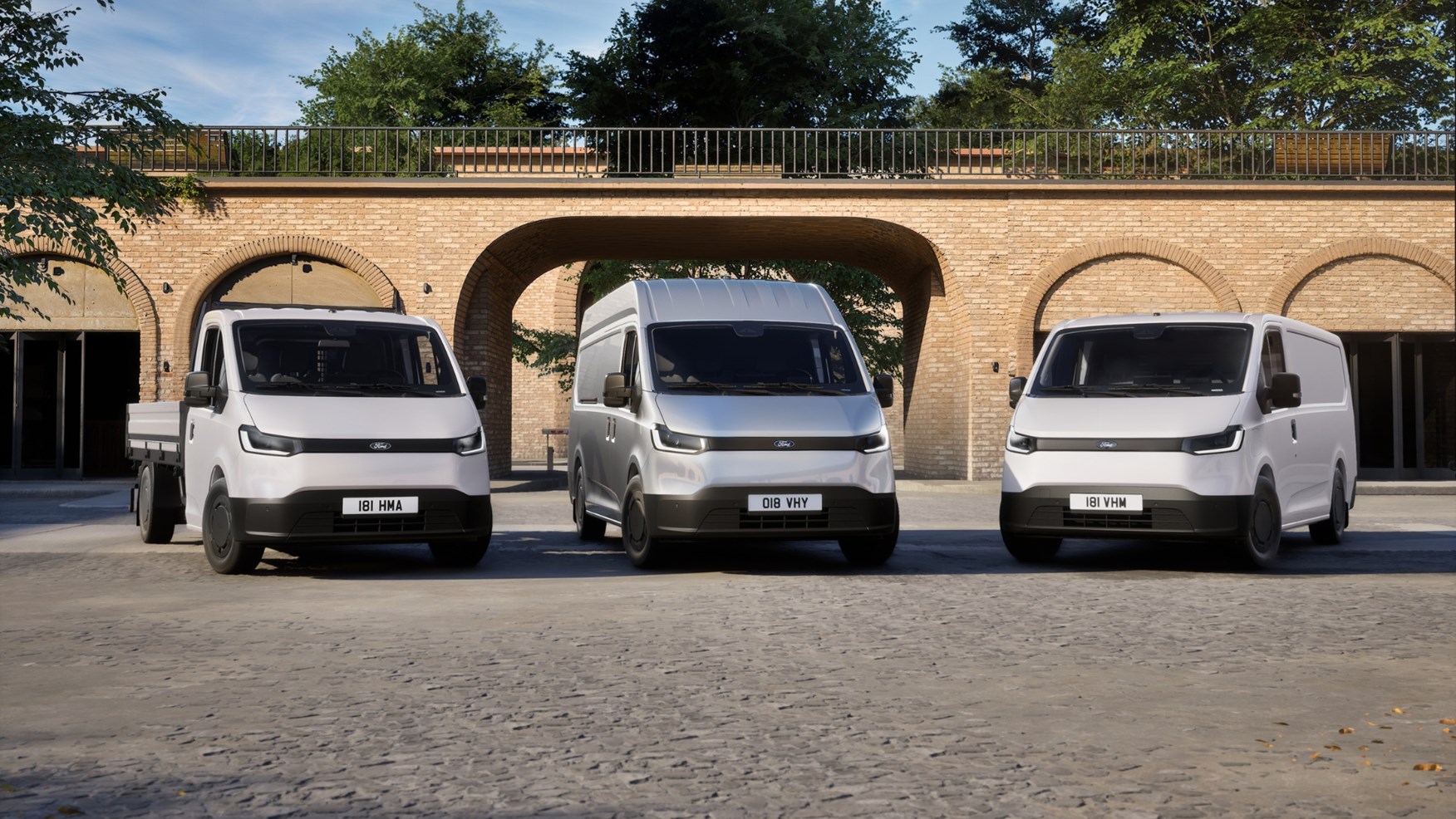
There are two main body styles – the shorter, lower L1H1 and the high-roof, longer L2H2. Every model gets three seats up front, air conditioning, front and rear parking sensors and a reversing camera. There is also a 12-inch touchscreen fitted as standard, with wireless Apple CarPlay and Android Auto in place of any built-in satellite navigation or connectivity.
Instead of the latest cloud-based Sync 4 infotainment set-up, the operating system is a Chinese version that has been reskinned to look like it. This will be a disappointment for those who appreciate the connectivity of Ford’s vans and the data this can produce, but it might offer reassurance to those concerned about the implications of driving a Ford that has been developed and built in China. The Chinese government won’t be able to listen in to you singing along while doing deliveries.
The battery is a 56kWh lithium iron phosphate (LFP) unit, paired to a 110kW (148bhp) motor, and promises an official electric range of around 158 miles. This might not sound like loads, but Ford is confident it offers more than enough for the needs of most customers. Having studied the data from existing electric commercial vehicles, Ford reckons 90 per cent of them do fewer than 68 miles a day, so this should be plenty for those companies. After all, if a postal delivery van does more than its usual daily miles then there’s a chance that something has gone wrong…
Charging is acceptable rather than rapid, with a maximum of 87kW possible on a DC connection, which averages out at 67kW. This should enable the battery to get from 10 to 80 per cent in 30 minutes, while the same charge takes four and a half hours on an 11kW AC connection.
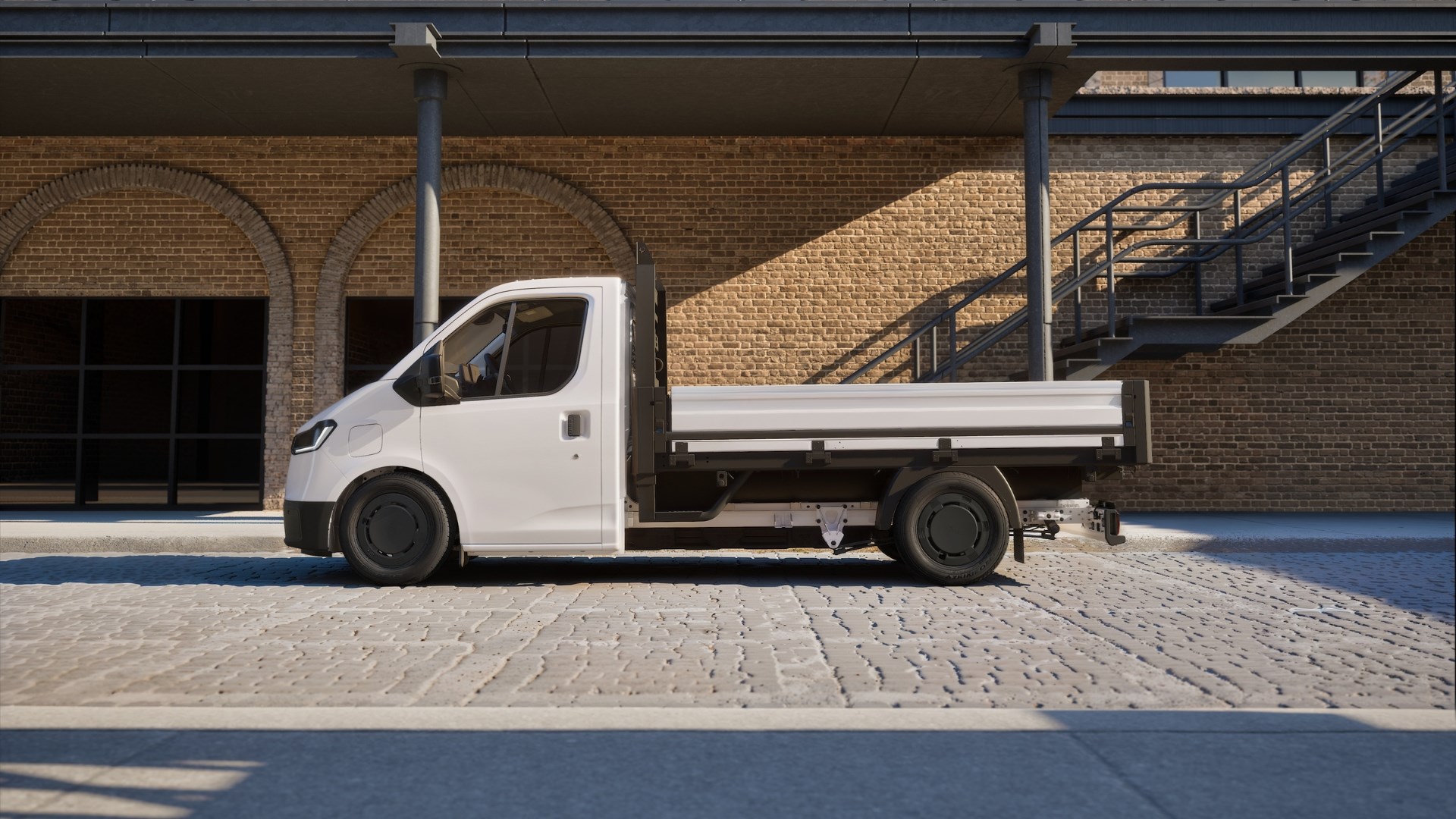
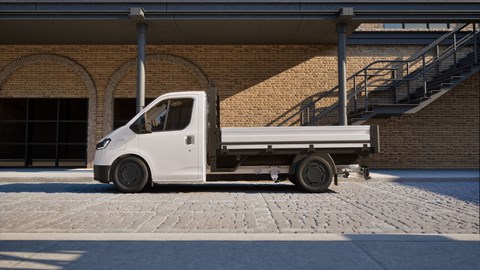
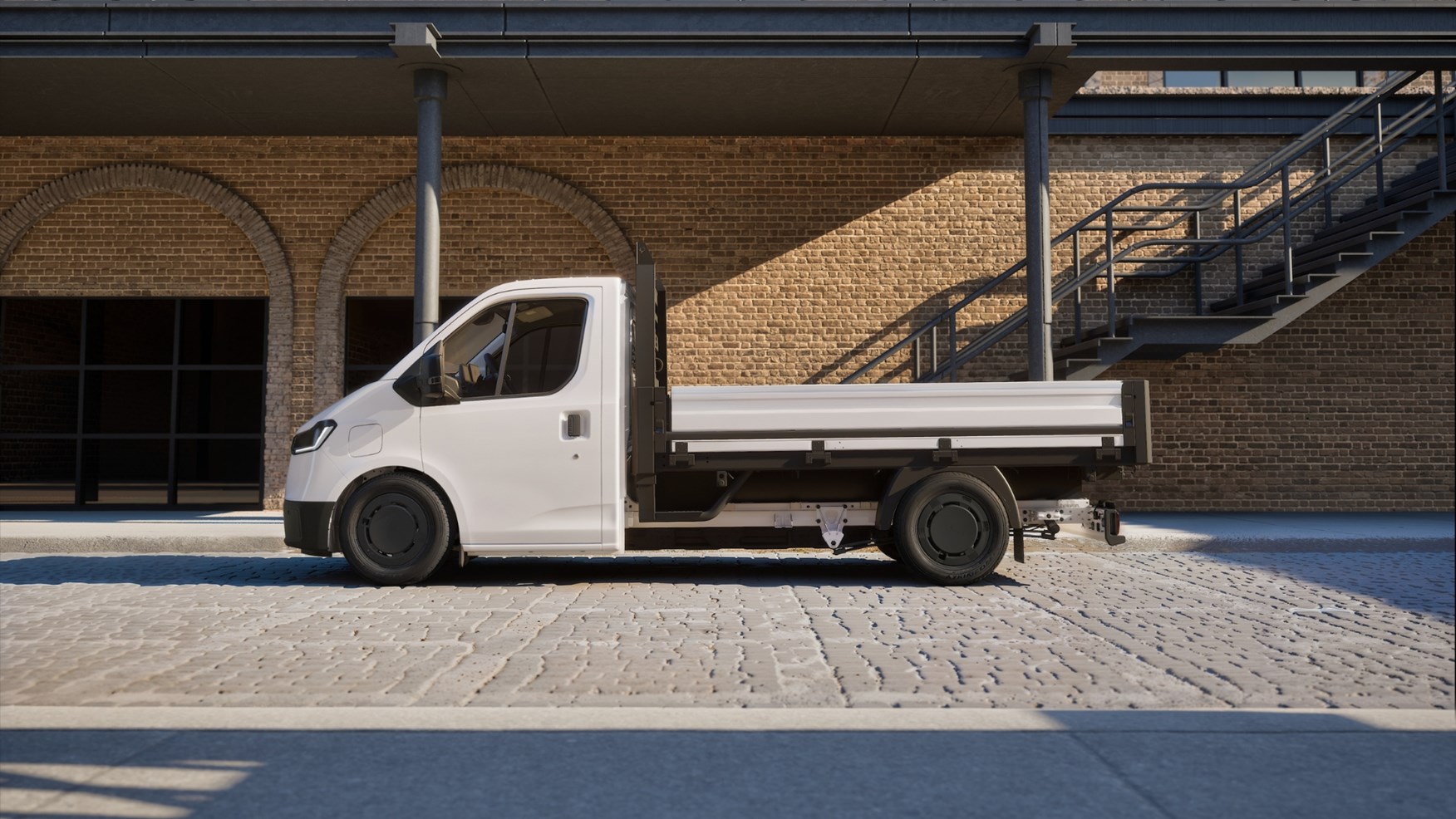
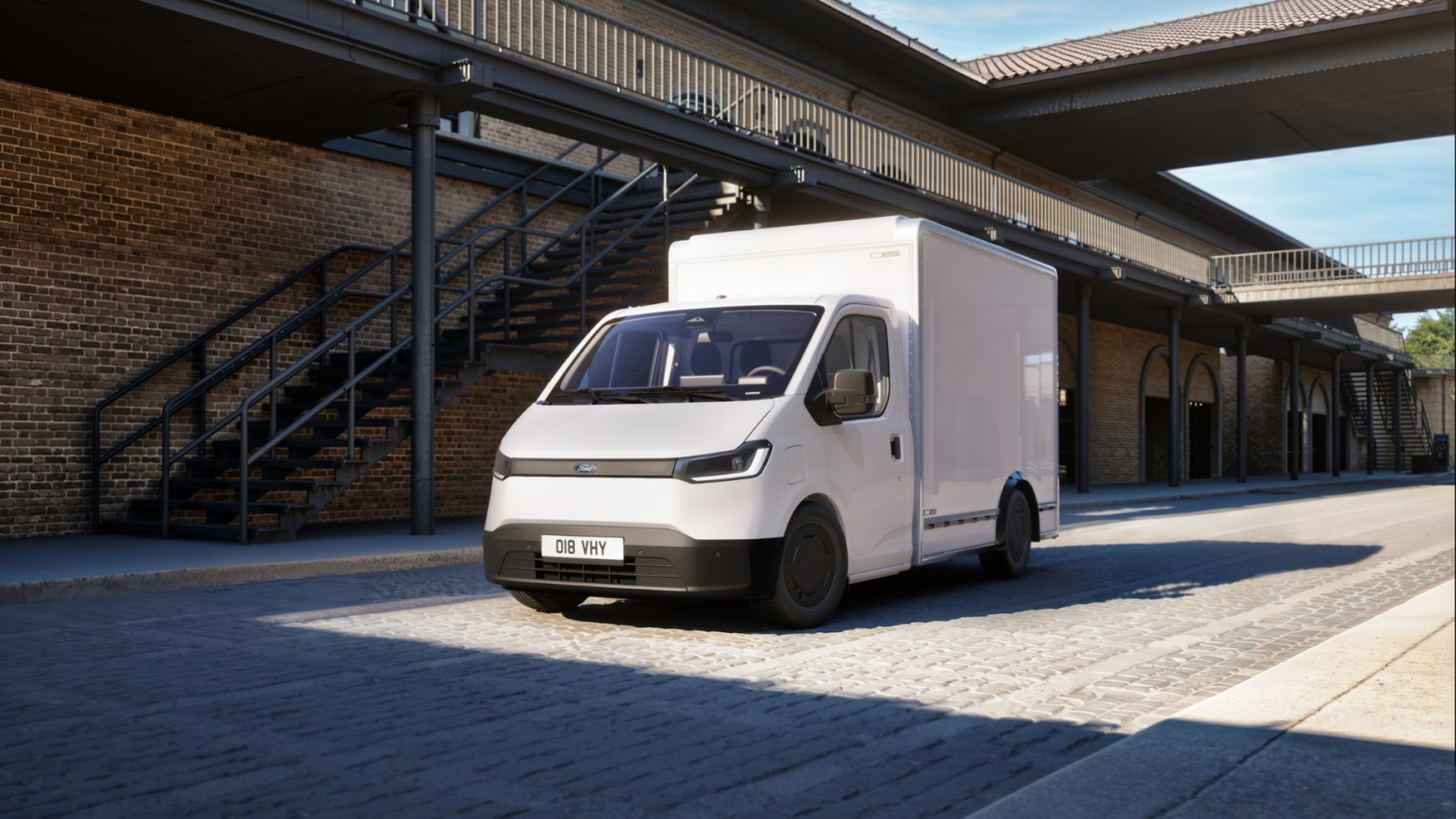
As well as the two panel vans there will also be a real rarity in the medium-van sector – a chassis cab, which will allow third-party companies to fit their own body on the back. Ford will also provide a couple of in-house conversions, including a tipper and a fridge van, both powered by the van’s battery.
console.debug(‘taboola container loaded..’)
window._taboola = window._taboola || [];
_taboola.push({
mode: ‘thumbs-feed-1×1’,
container: ‘taboola-below-article-thumbnails-v3’,
placement: ‘Below Article Thumbnails V3’,
target_type: ‘mix’
});
var disqus_shortname = ‘carmagazine’;
var disqus_developer = 0;
var disqus_identifier = ‘article-wp-258182’;
(function () {
var dsq = document.createElement(‘script’);
dsq.type = ‘text/javascript’;
dsq.async = true;
dsq.src = ‘http://’ + disqus_shortname + ‘.disqus.com/embed.js’;
(document.getElementsByTagName(‘head’)[0] || document.getElementsByTagName(‘body’)[0]).appendChild(dsq);
var s = document.createElement(‘script’);
s.type = ‘text/javascript’;
s.async = true;
s.src = ‘http://’ + disqus_shortname + ‘.disqus.com/count.js’;
(document.getElementsByTagName(‘head’)[0] || document.getElementsByTagName(‘body’)[0]).appendChild(s);
})();Please enable JavaScript to view the comments powered by Disqus.