[analyse_image type=”featured” src=”https://images-prod.dazeddigital.com/1080/0-0-1080-720/azure/dazed-prod/1440/2/1442031.jpg”]

The unexpected history of Nike’s Air Max
From architectural inspiration to deconstructed iterations, we look back on the 40-year history of the iconic sneaker for Air Max Day
In Partnership with Nike
Nearly four decades since the release of the first Nike Air Max, the style is still sported by sneaker lovers around the world. In an era when fashion is dominated by seemingly endless microtrends and fads, there’s a comforting appeal to a style whose design is rooted in real history, not algorithms. This history is exactly what Air Max Day, a day dedicated to the history of the iconic sneaker, celebrates. Happening today, March 26, the exact day the first model was released in 1987, here’s what you need to know.
While everyone knows the Air Max, not everyone knows the shoe’s storied history. When Tinker Hatfield joined Nike in 1981, designing sneakers wasn’t part of his job description. An architect by trade, Hatfield, who had long been coached by Nike co-founder Bill Bowerman, was responsible for designing the Oregon-based brand’s stores and showrooms. Eventually, Hatfield asked to try his hand at shoe design and was tasked with shaping the visual identity of Nike’s then newly created Air technology.
On a research trip to Paris, Hatfield was inspired by the Centre Pompidou, a cultural institution in the city’s Beaubourg neighbourhood. The Centre Pompidou is designed so that all its bones are visible; though it’s easy to mistake the building for one under construction, that “inside-out” approach was entirely intentional. Thus, when Hatfield returned to Beaverton after his trip, the shoe that eventually became the Air Max 1, with its midsole cutouts and exposed air bag, began to take shape.
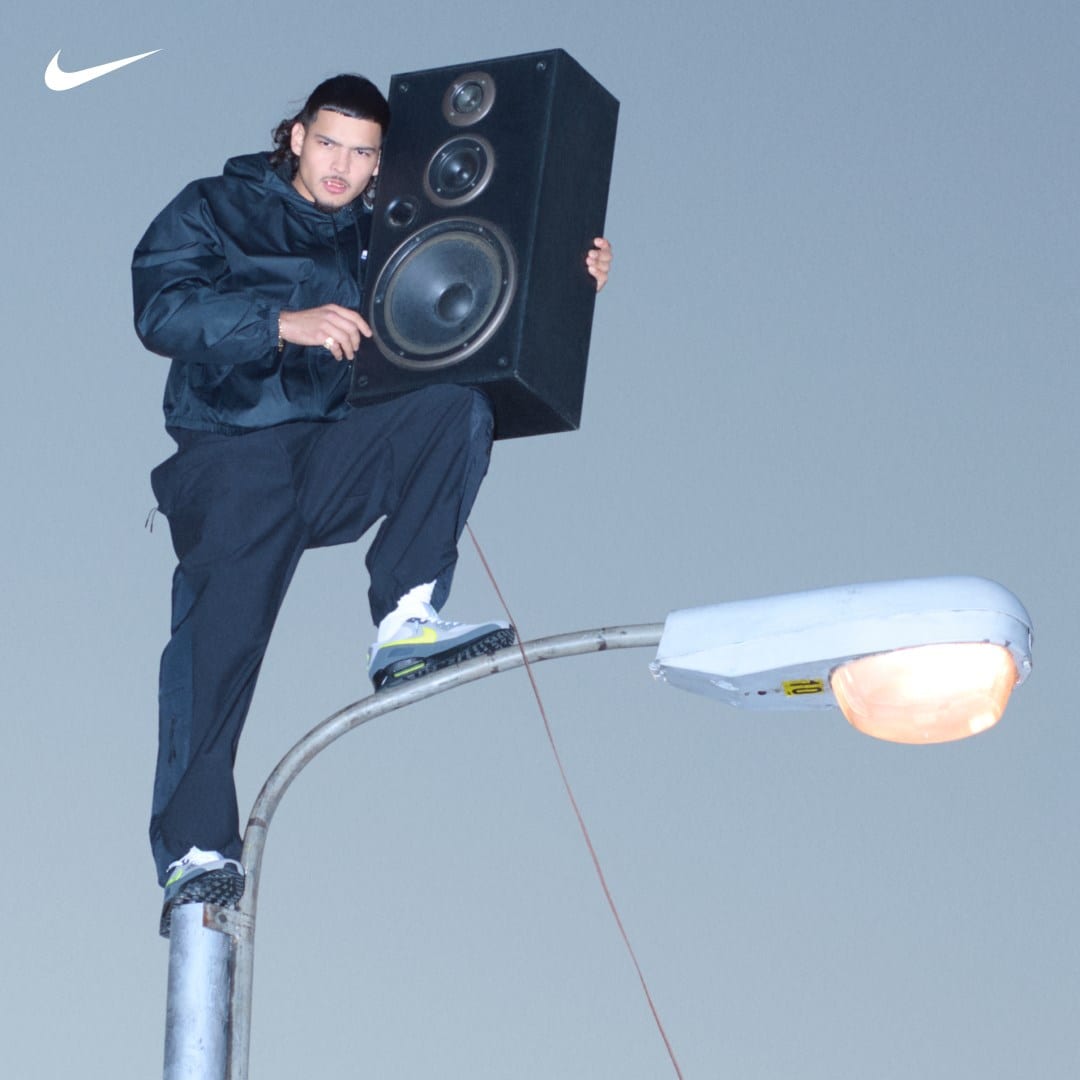
Today, the Air Max legacy lives on through its global fanbase, who follow no script when it comes to styling the beloved sneakers. Its history has also been filled with plenty of iterations. In 2015, for example, Nike teamed up with Japanese fashion house Sacai to release a laceless version of the Air Max 90. Then, in 2017, the brand joined forces with the late legendary founder of Off-White, Virgil Abloh, to remake the same shoe. In theme with the shoe’s deconstructed nature, Abloh called his redesign the “Revealing”, pairing the shoe’s existing aesthetic with the quintessential Off-White feel.
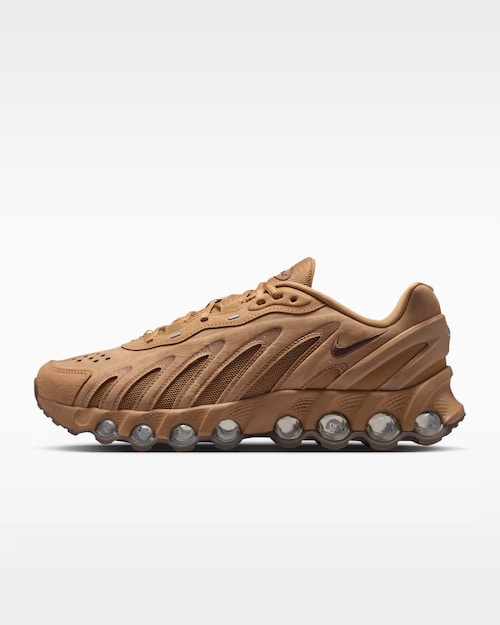
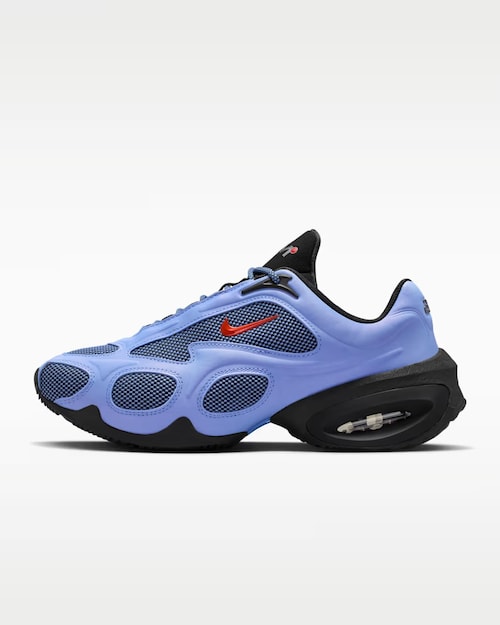
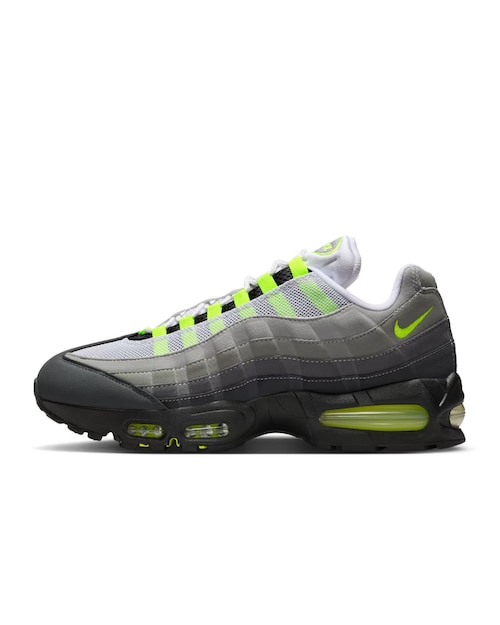
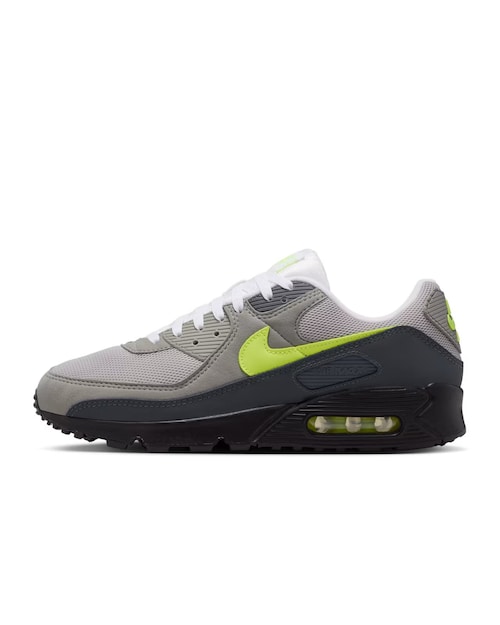
Neither Hatfield nor Abloh were concerned with following a playbook, and 40 years and dozens of Air Max versions later, the Air Max franchise isn’t either. To ring in Air Max Day and cop a pair of your own, check out the styles below.



Escape the algorithm! Get The Drop
Get must-see stories direct to your inbox every weekday.
Thank you. You have been subscribed
Expand your creative community and connect with 15,000 creatives from around the world.
Escape the algorithm! Get The Drop
Get must-see stories direct to your inbox every weekday.
Thank you. You have been subscribed
Nearly four decades since the release of the first Nike Air Max, the style is still sported by sneaker lovers around the world. In an era when fashion is dominated by seemingly endless microtrends and fads, there’s a comforting appeal to a style whose design is rooted in real history, not algorithms. This history is exactly what Air Max Day, a day dedicated to the history of the iconic sneaker, celebrates. Happening today, March 26, the exact day the first model was released in 1987, here’s what you need to know.
While everyone knows the Air Max, not everyone knows the shoe’s storied history. When Tinker Hatfield joined Nike in 1981, designing sneakers wasn’t part of his job description. An architect by trade, Hatfield, who had long been coached by Nike co-founder Bill Bowerman, was responsible for designing the Oregon-based brand’s stores and showrooms. Eventually, Hatfield asked to try his hand at shoe design and was tasked with shaping the visual identity of Nike’s then newly created Air technology.
On a research trip to Paris, Hatfield was inspired by the Centre Pompidou, a cultural institution in the city’s Beaubourg neighbourhood. The Centre Pompidou is designed so that all its bones are visible; though it’s easy to mistake the building for one under construction, that “inside-out” approach was entirely intentional. Thus, when Hatfield returned to Beaverton after his trip, the shoe that eventually became the Air Max 1, with its midsole cutouts and exposed air bag, began to take shape.
Today, the Air Max legacy lives on through its global fanbase, who follow no script when it comes to styling the beloved sneakers. Its history has also been filled with plenty of iterations. In 2015, for example, Nike teamed up with Japanese fashion house Sacai to release a laceless version of the Air Max 90. Then, in 2017, the brand joined forces with the late legendary founder of Off-White, Virgil Abloh, to remake the same shoe. In theme with the shoe’s deconstructed nature, Abloh called his redesign the “Revealing”, pairing the shoe’s existing aesthetic with the quintessential Off-White feel.
Neither Hatfield nor Abloh were concerned with following a playbook, and 40 years and dozens of Air Max versions later, the Air Max franchise isn’t either. To ring in Air Max Day and cop a pair of your own, check out the styles below.


Escape the algorithm! Get The Drop
Get must-see stories direct to your inbox every weekday.
Thank you. You have been subscribed
[analyse_source url=”https://www.dazeddigital.com/fashion/article/69935/1/the-unexpected-history-of-nike-s-air-max”]