[analyse_image type=”featured” src=”https://velo-cdn.outsideonline.com/wp-content/uploads/2026/03/DSC_3926.jpg”]
Welcome to Velo’s Taipei Cycle Show coverage, where we share our favorite things we’ve found at the 2026 show. Bikes, components, accessories, and more: if we think it’s cool, you’ll see it. See the rest of our coverage here.
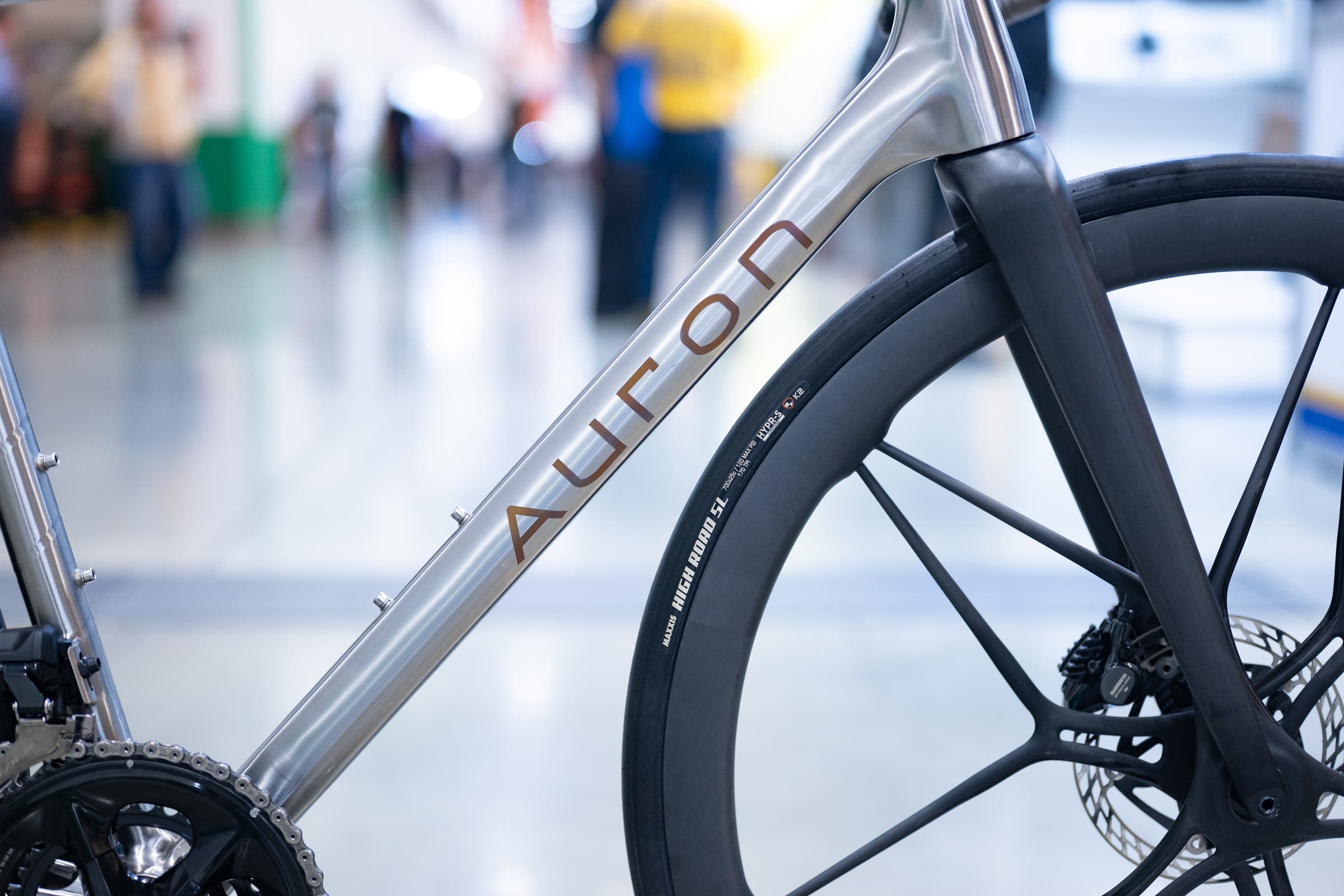
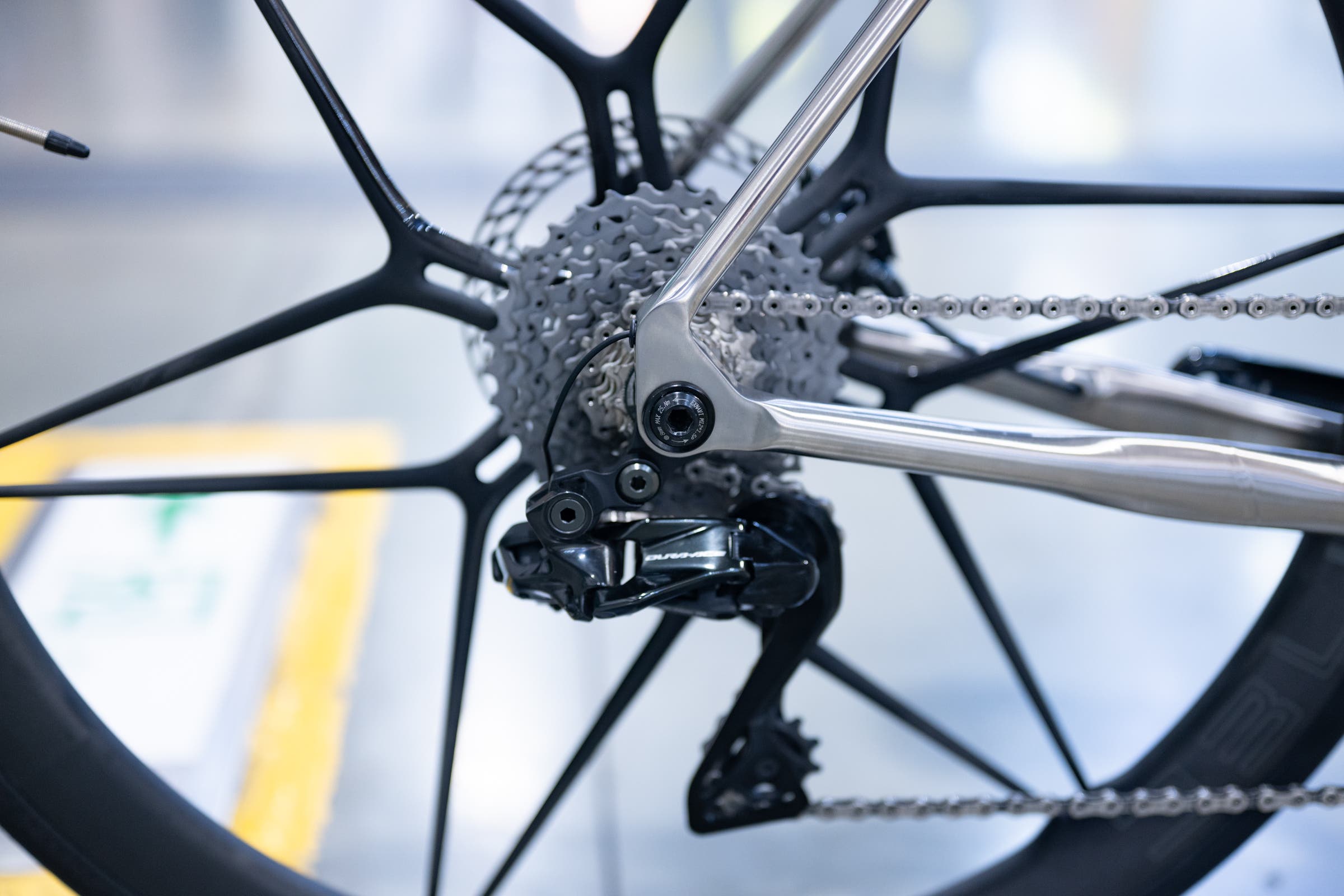
As I wandered the show floor, I found a little brand tucked away in the back corner showing a titanium bike unlike anything you’ve ever seen. This one isn’t 3D printed, but there are very few visible welds, and the ones you do see are completely unique.
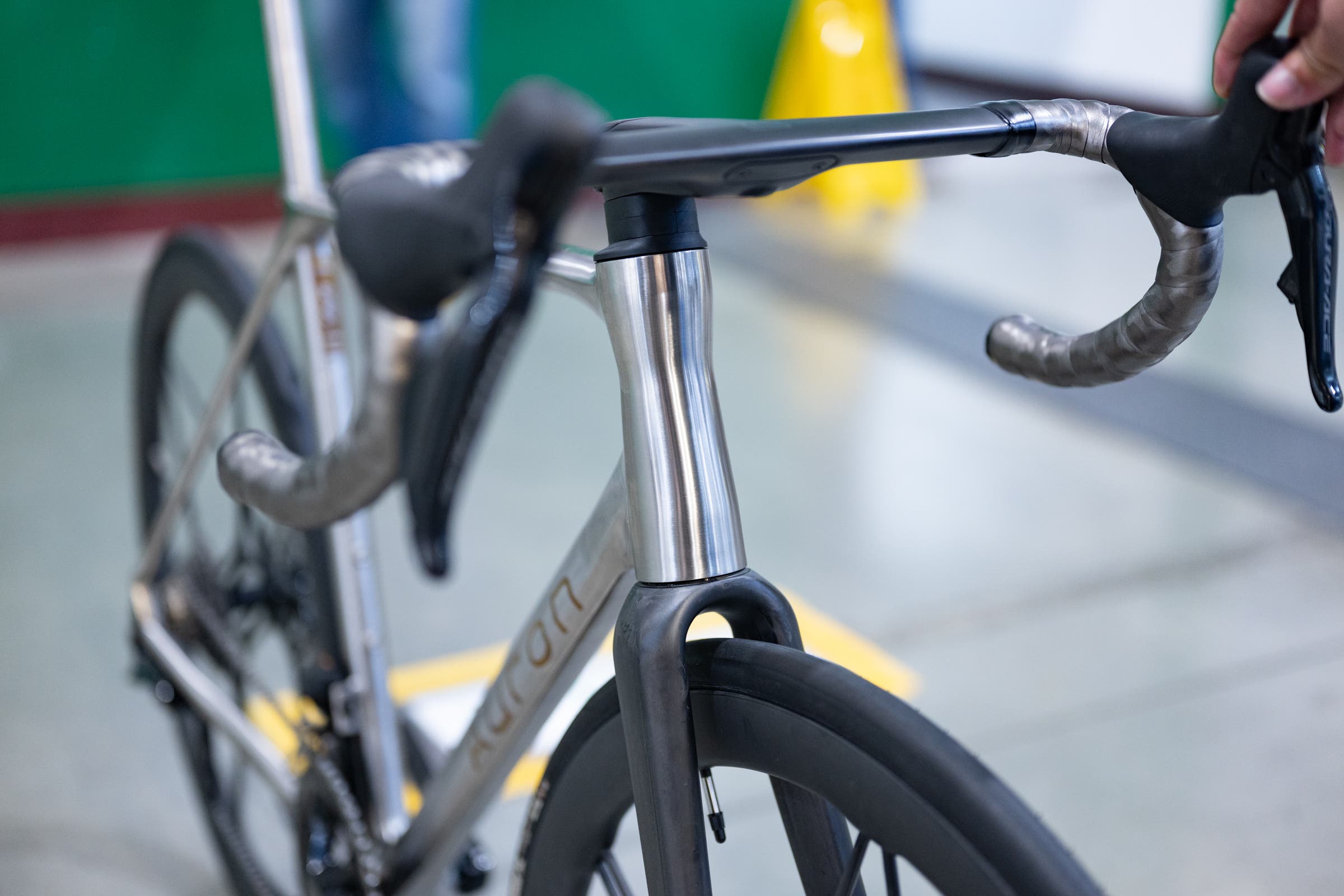
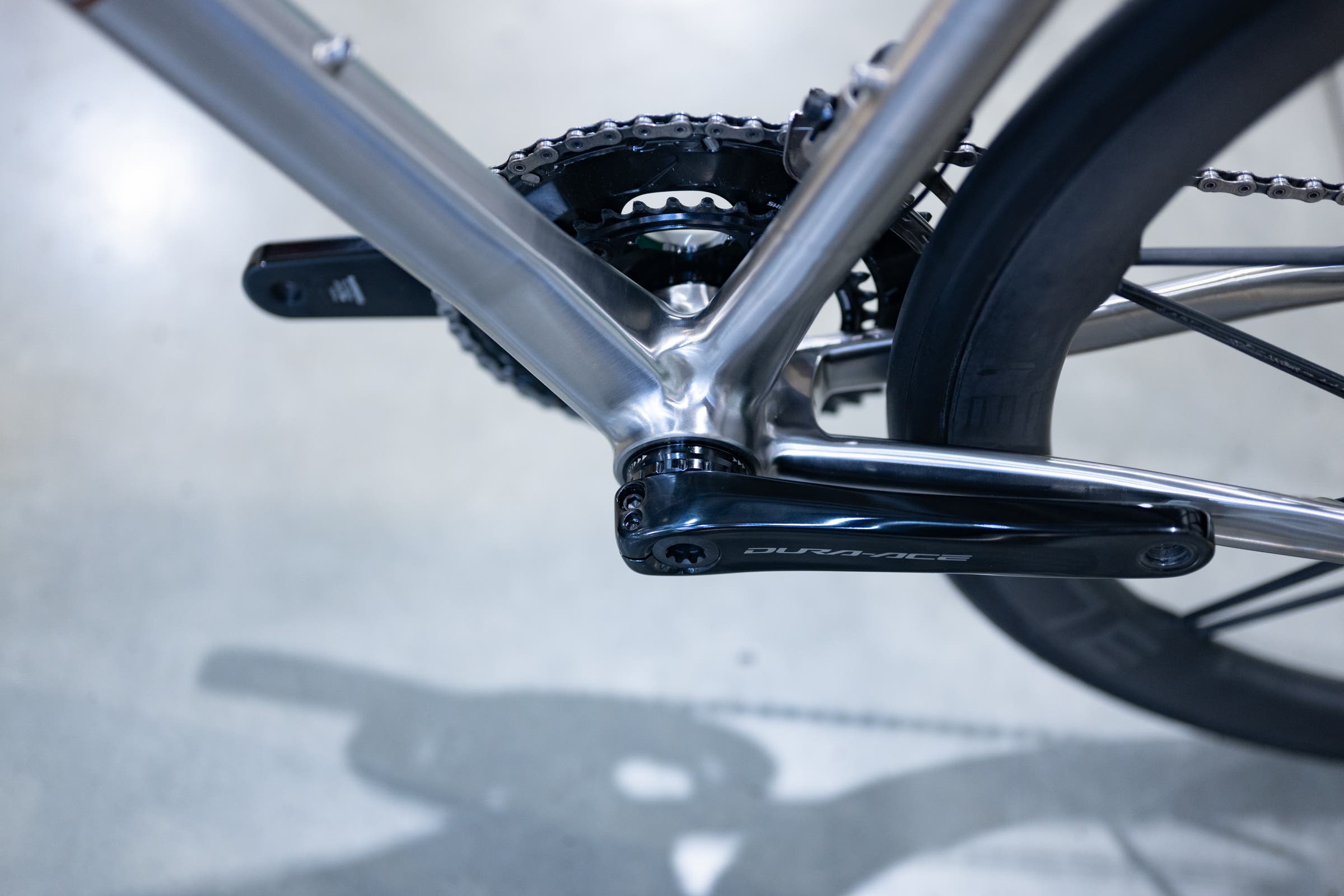
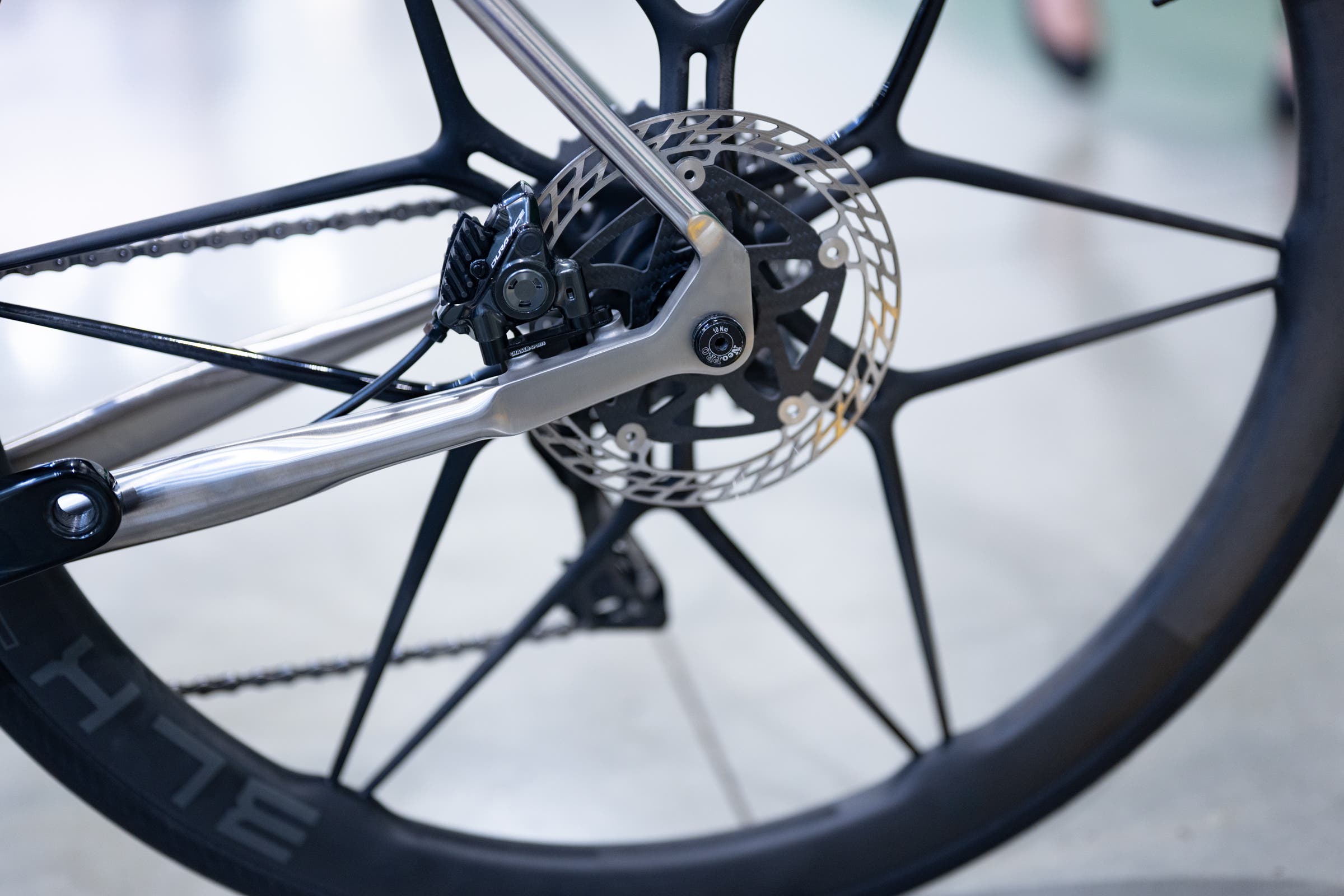
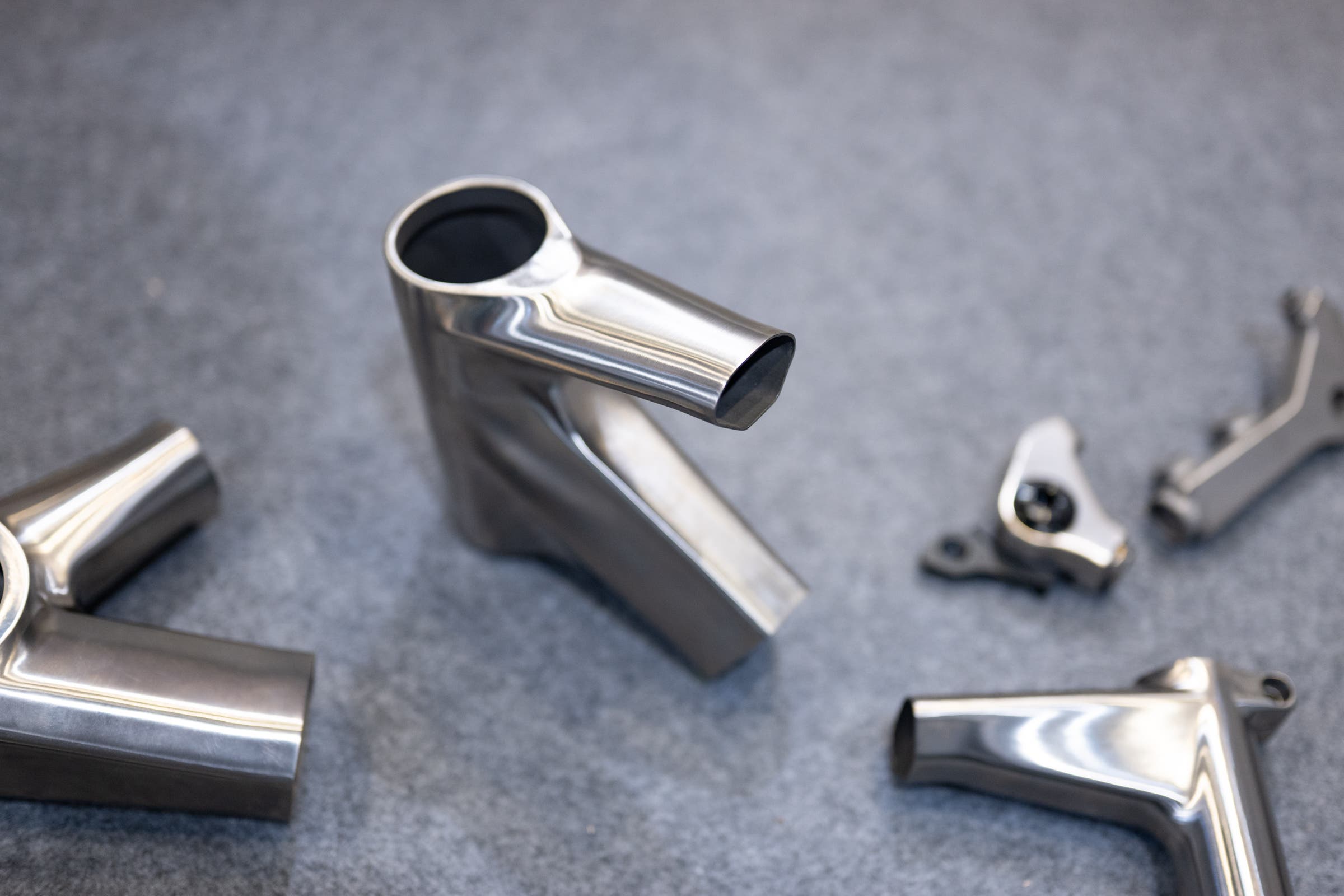
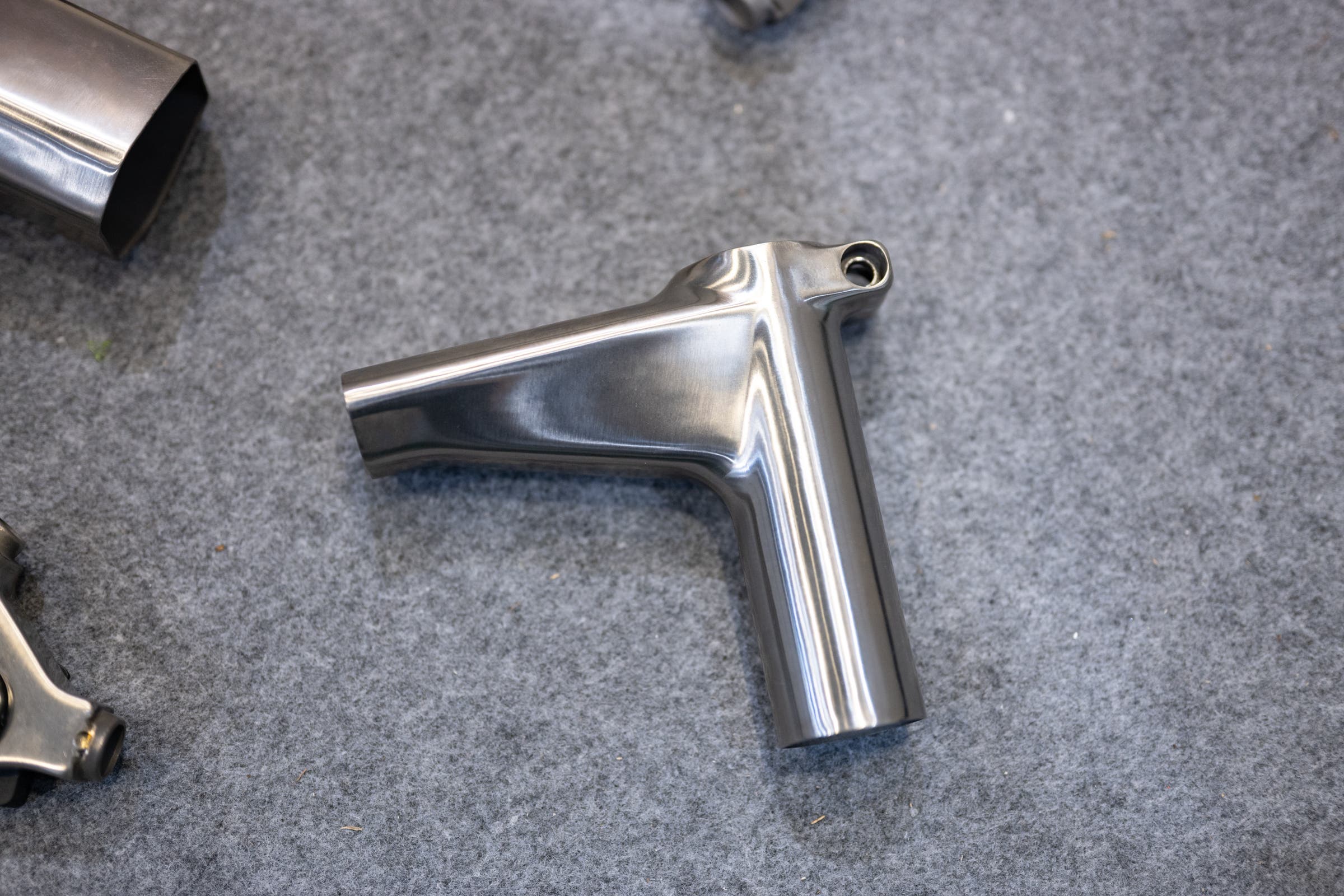
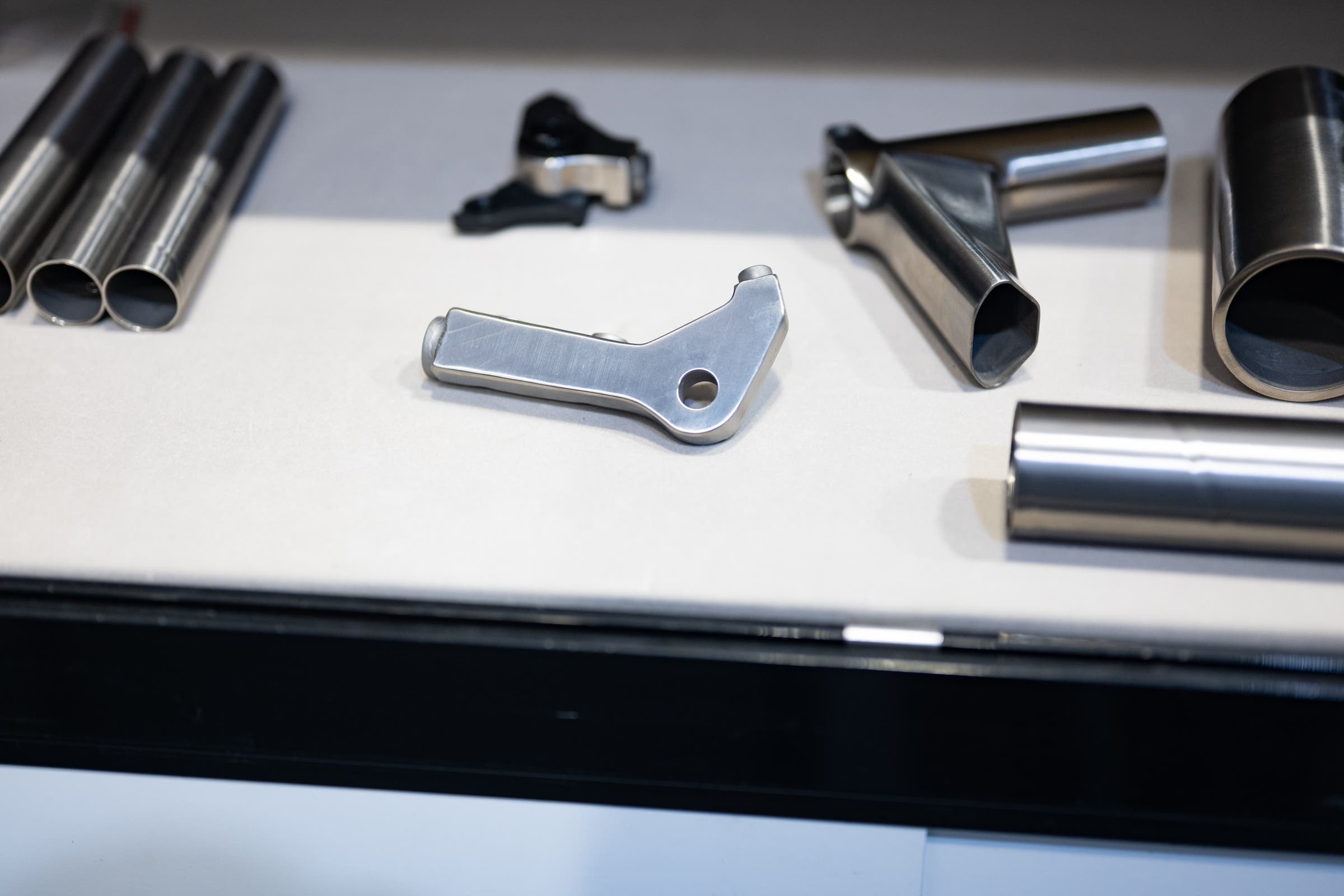
Unlike a traditional titanium bike, the Auron uses cast titanium for the tube junctions. Pieces like the head tube, the seat tube junction, and the bottom bracket are all cast and extend into the beginning of the nearby tubes. This shifts the weld point away from where the tubes would traditionally meet.
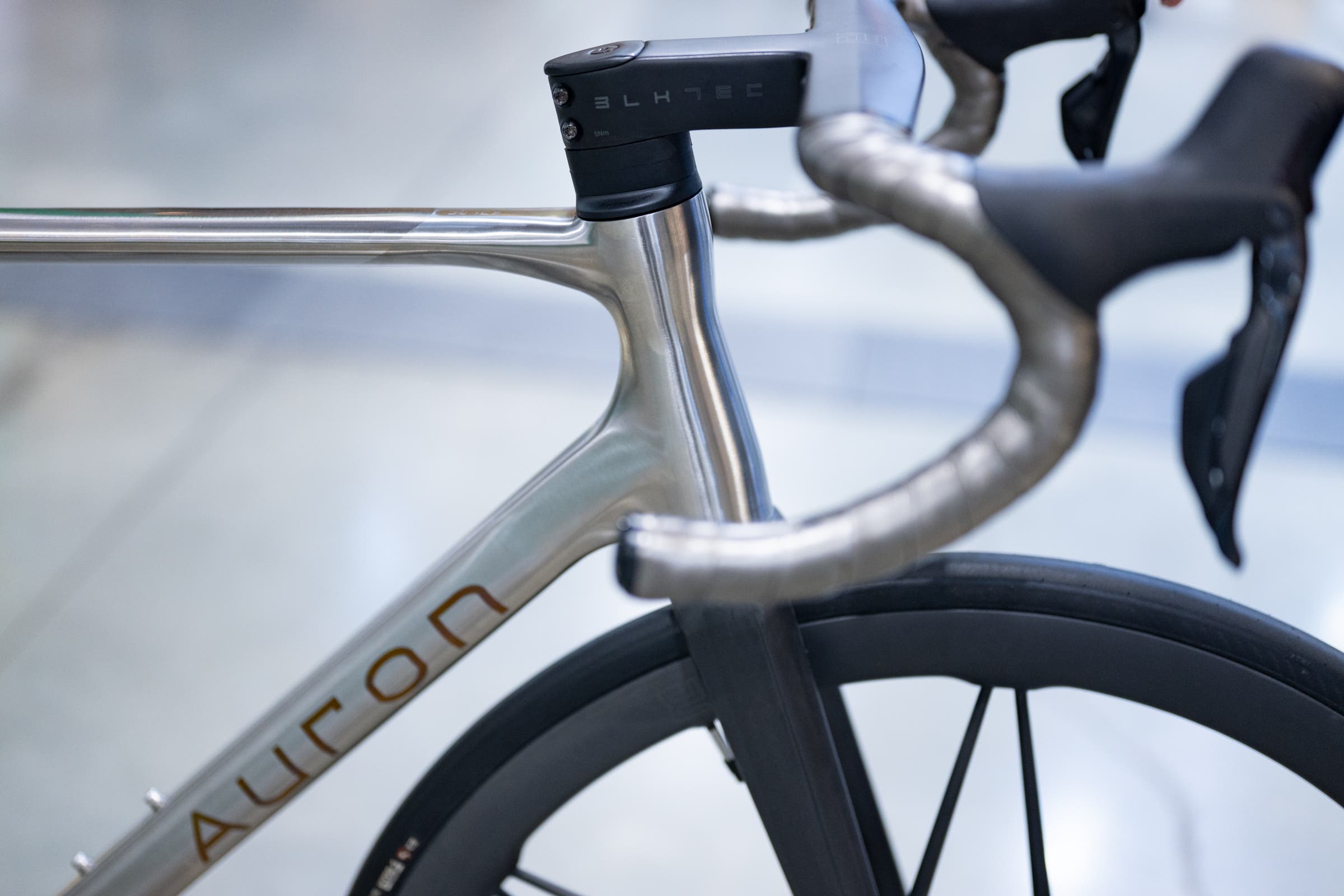
The reason T&K does this is all about stress resistance and stiffness. The brand shared that weld points are also the places where stress and fatigue concentrate. By moving that fatigue point away from the joints, the frame is both stronger and stiffer.
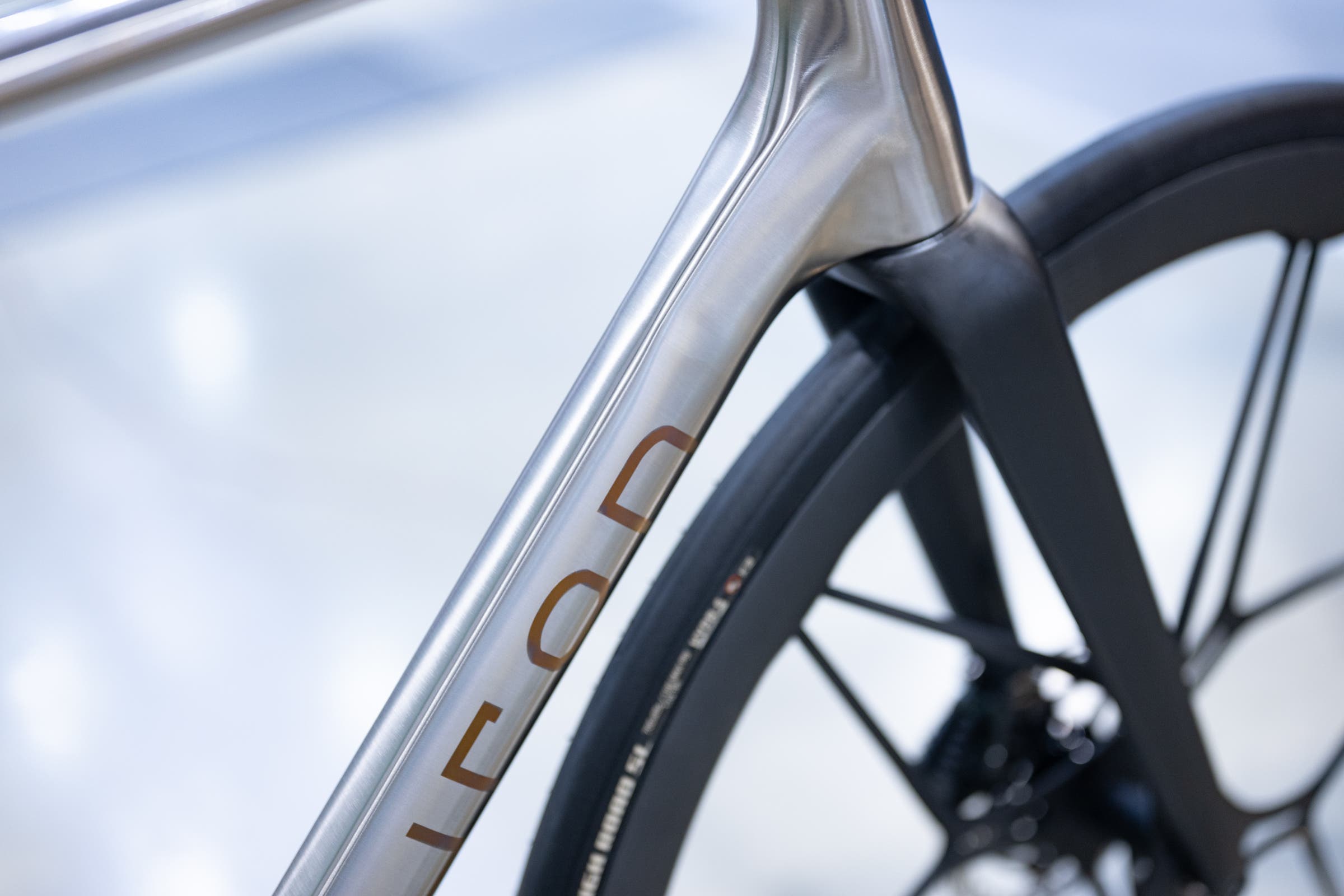
The unstated bonus here is that it’s also possible to grind the welds smooth in their new homes. That means it appears as if this titanium frame has no welds, while the cast junctions take on the smooth and unbroken aesthetics typically reserved for 3D printing or even 5-axis milling.
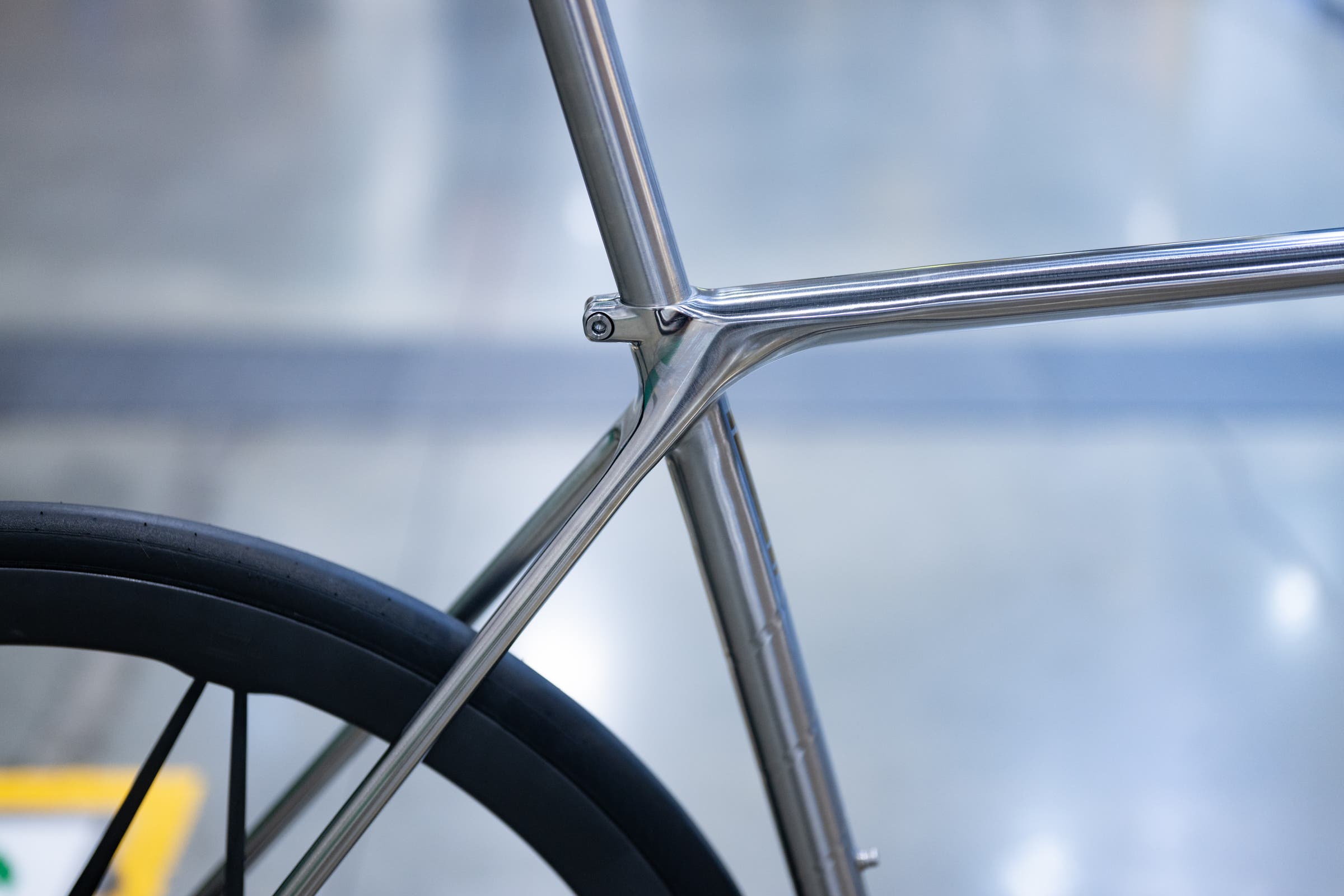
That’s not to say, though, that the bike is completely without welds. T&K stated that even a typical titanium tube is actually a piece of sheet metal that’s been formed into a tube, then welded in a single straight line. Instead, this bike uses sheet titanium rolled in a way to create a spiral junction like a candy cane. This, again, spreads any fatigue concentration away from a single point and shares it across the full surface of the tube. Those welds are visible as slight depressions that add to the overall aesthetic.
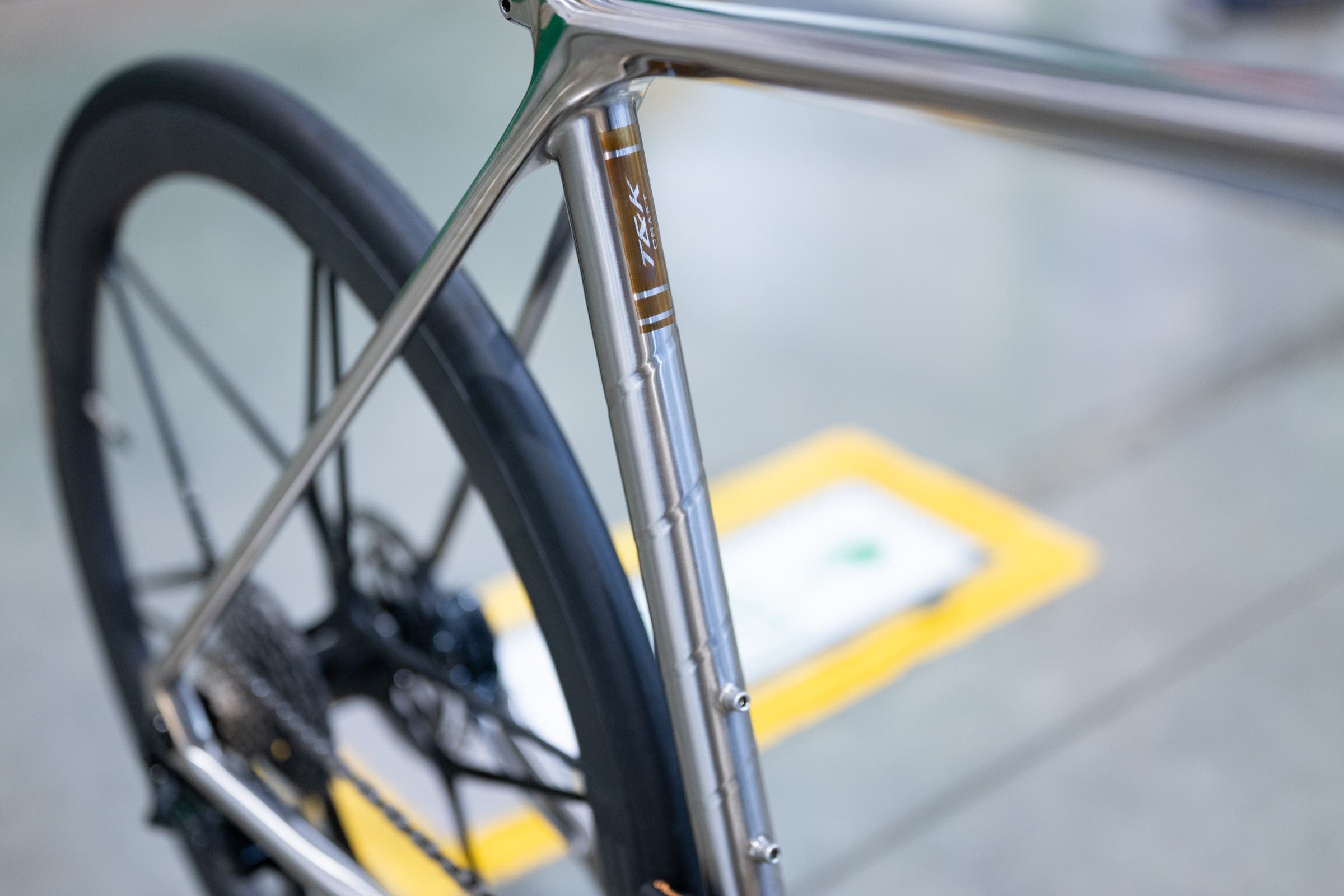
If you are asking yourself why this is necessary, I asked the same. There’s an obvious aesthetic purpose, but T&K discussed it as a matter of performance, and I wanted to know why other brands were able to make traditional methods work. I share this only because I want to try and get across the obvious annoyance I was on the receiving end of for asking the question. Language was a challenge in this conversation, but the point that came through loud and clear was a desire to do it better than anyone else.
If you share that kind of sentiment, the frame weight comes in at 1,400 grams and the frameset pricing is roughly $3,500 USD. You can find more information and other bike options at the T&K website.
[analyse_source url=”https://velo.outsideonline.com/road/road-gear/tk-titanium-auron/”]