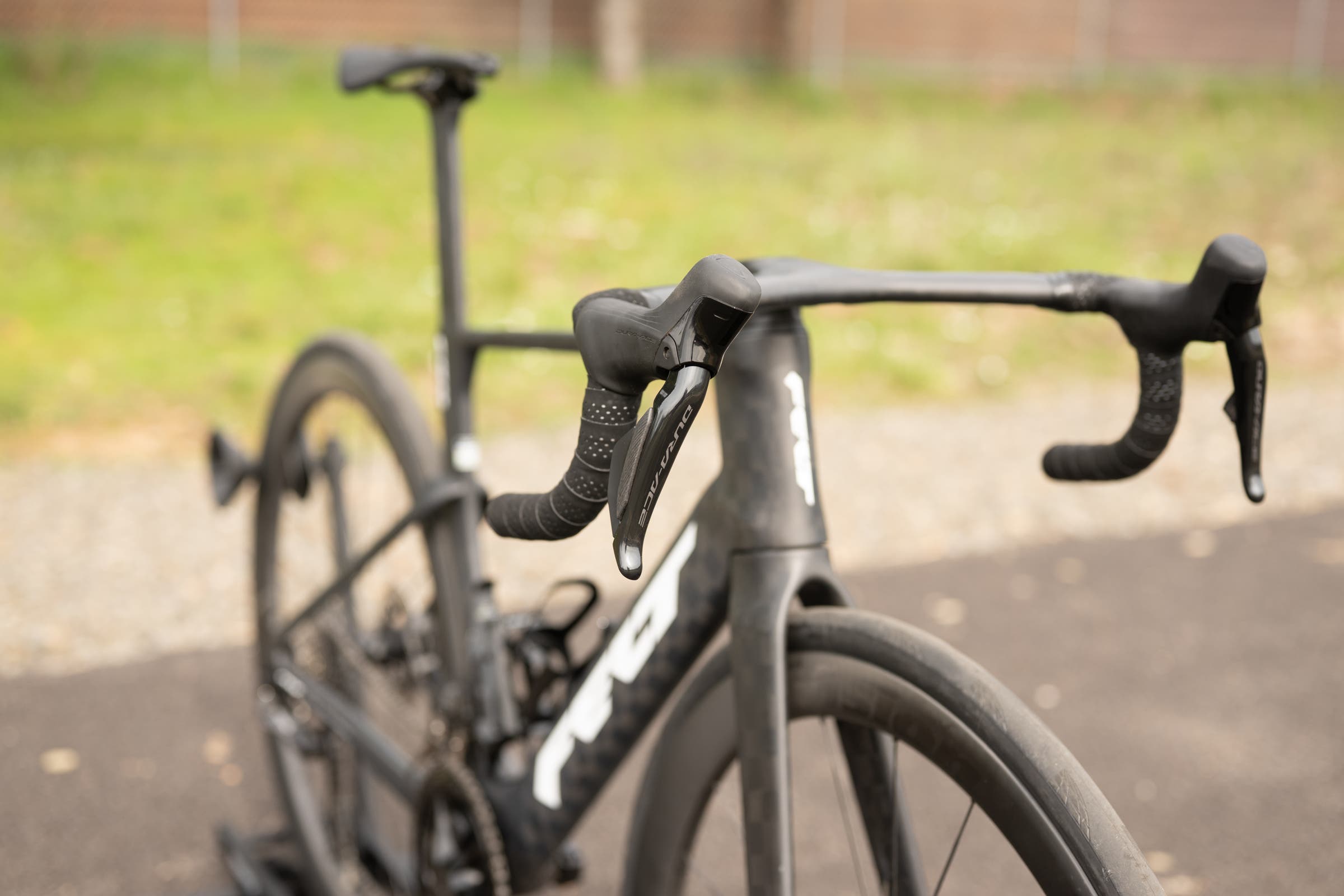
[analyse_image type=”featured” src=”https://velo-cdn.outsideonline.com/wp-content/uploads/2026/03/DSC_3699-Edit-Edit-v2.jpg”]
Pros
Extra tall for easy to hold aero position
Exceptionally light and climbs great
BSA bottom bracket and split spacers
Out-front mount design works with multiple options
Build includes power meter
Cons
Comes with 45mm deep wheels
Included stem is too short
Specs
Size tested: 54
Weight: 7 kg / 15.4 lb (as tested)
Price: $12,599 (as tested)
Brand: Felt
Verdict
The Felt Nexar is an impressively lightweight, uniquely forward-thinking aero concept compromised by a twitchy integrated stem and a mismatched wheelset. It has the potential to be a fantastic, one-of-a-kind race bike, but fixing the handling and ride quality requires throwing even more money at an already expensive build. Skip the complete bikes. Grab the framekit, spec your own cockpit and deep-section wheels, and you’ll have a real winner.
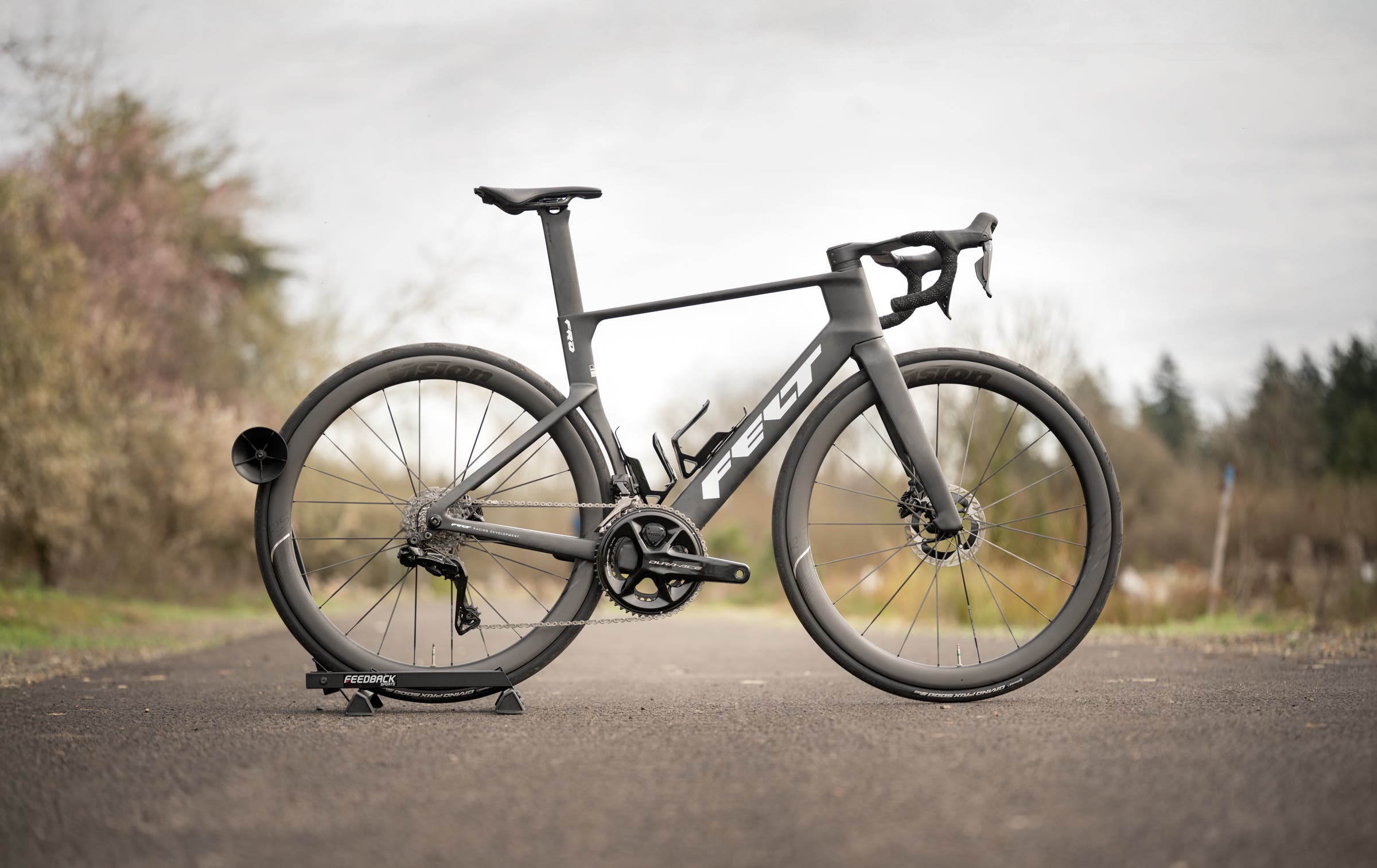
Today Felt Bicycles is launching a radical new aero road bike called the Felt Nexar. Yes, Felt Bicycles.
For the last handful of years, the brand hasn’t launched anything of note. The only headlines the company has made have been for its revolving door of corporate ownership.
That’s changing. Felt is returning to its triathlon and aero-first roots with a truly noteworthy bike. This isn’t a case of a conglomerate slapping a legacy decal on an open-mold frame. Felt is making a legitimate play to reclaim its previous highs with a bike that sits on the leading edge of modern aerodynamics.
The Nexar utilizes a radical geometry concept that almost no one else in the industry is offering. But a wind-tunnel-defying silhouette only matters if the chassis actually works out on the road. So, how does it ride?
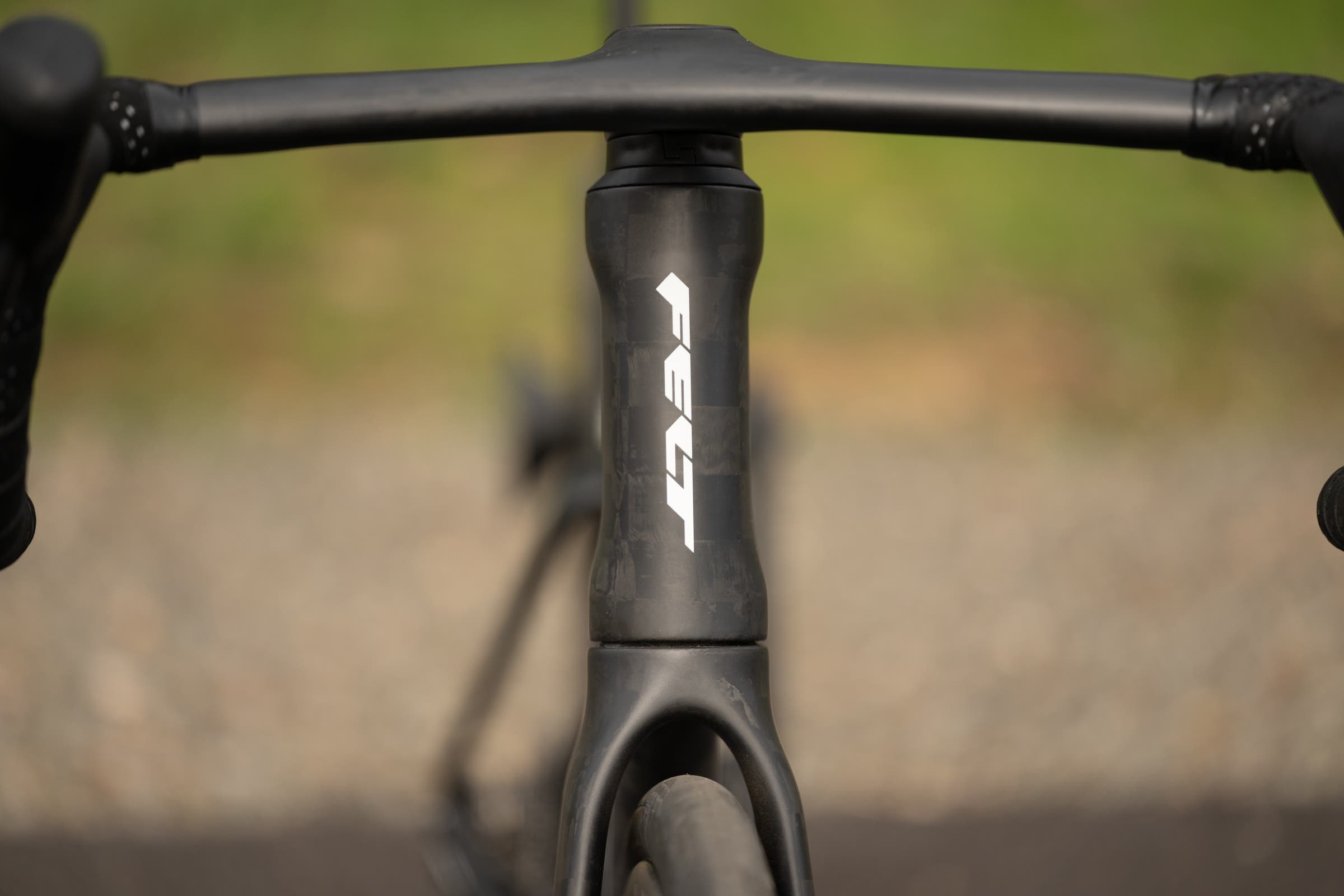
Quick hits: 7 standout details of the Felt Nexar
- Measured fully built and ready to ride minus pedals at 7Kg / 15.4 lbs
- Two layups available with the cheaper option weighing an extra 300 grams
- 32mm max tire clearance
- Unconventional geometry pairs a steep, forward-leaning seat angle with an unusually tall front end
- The out front mount uses a standard-ish design so you aren’t locked in.
- Felt claims “Independent third-party data” confirms “less than 4 watts away from the leading competitor bike”
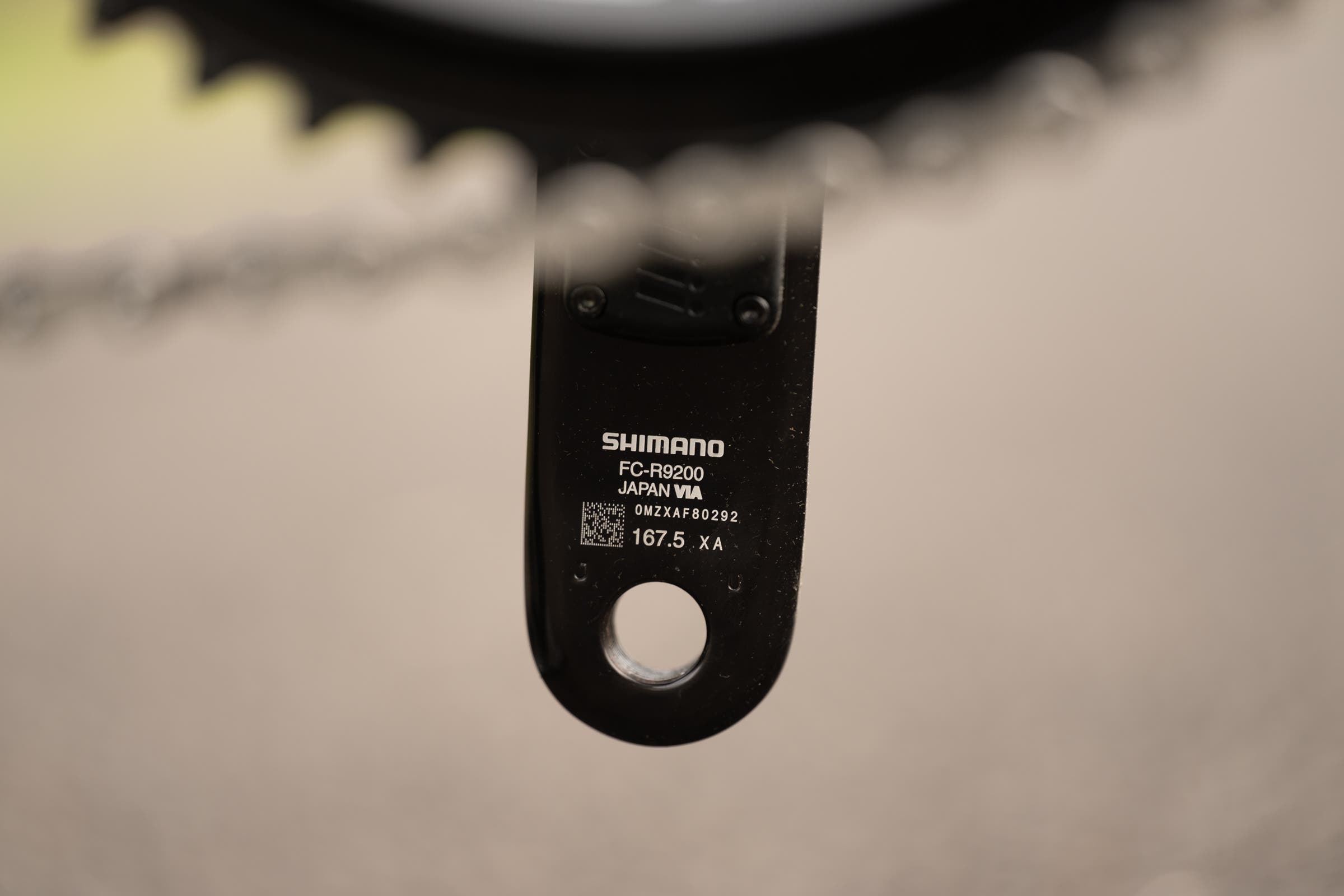
- Size-specific crank lengths spec’d out of the box , including progressive 167.5mm cranks on the Small and Medium FRD builds.
- For more information visit the Felt Website
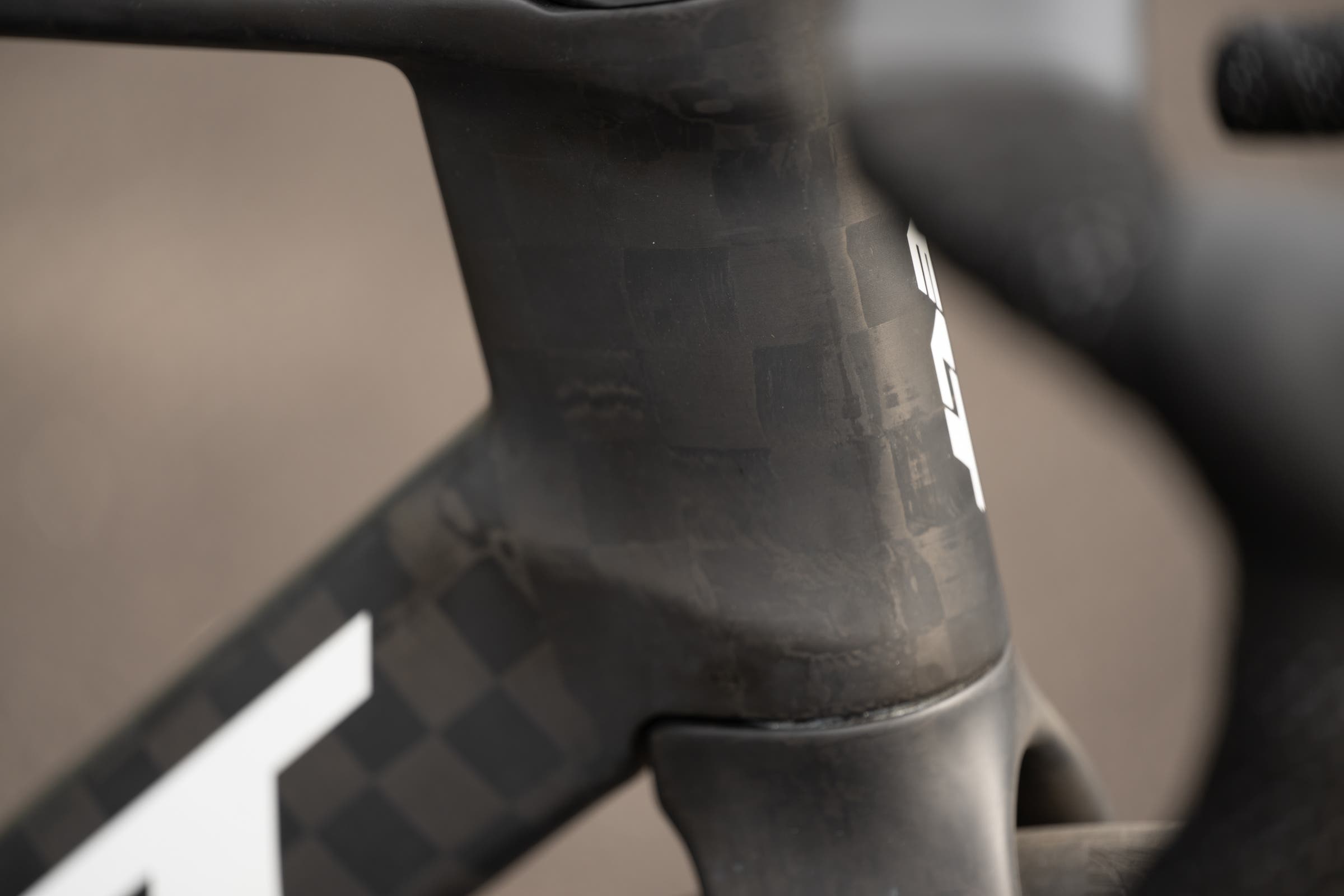
Felt Nexar frame details
The details of Felt ownership over the last few years isn’t just background noise to fill space. After years of corporate pinball, the people now running the show actually design bikes—and Cesar Rojo and Florian Burguet have a history.
If Rojo’s name sounds familiar, it’s because he is the ex-World Cup racer and engineering mind responsible for some of the most disruptive mountain bike designs of the last decade, including the creation of “Forward Geometry” and the boutique brand Unno. Rojo has built his career on ignoring traditional sizing conventions in favor of new ideas with an eye on performance. Specifically, he’s known for rethinking where the rider’s center of gravity belongs. When you understand that background, it’s no surprise that the Felt Nexar does the same thing.
In the road market, the idea here is to mimic a time trial or triathlon bike. Felt explicitly calls out a more vertical seat tube angle to push the rider into an efficient power position over the bottom bracket. That translates to 74.5 degrees on a size 54.
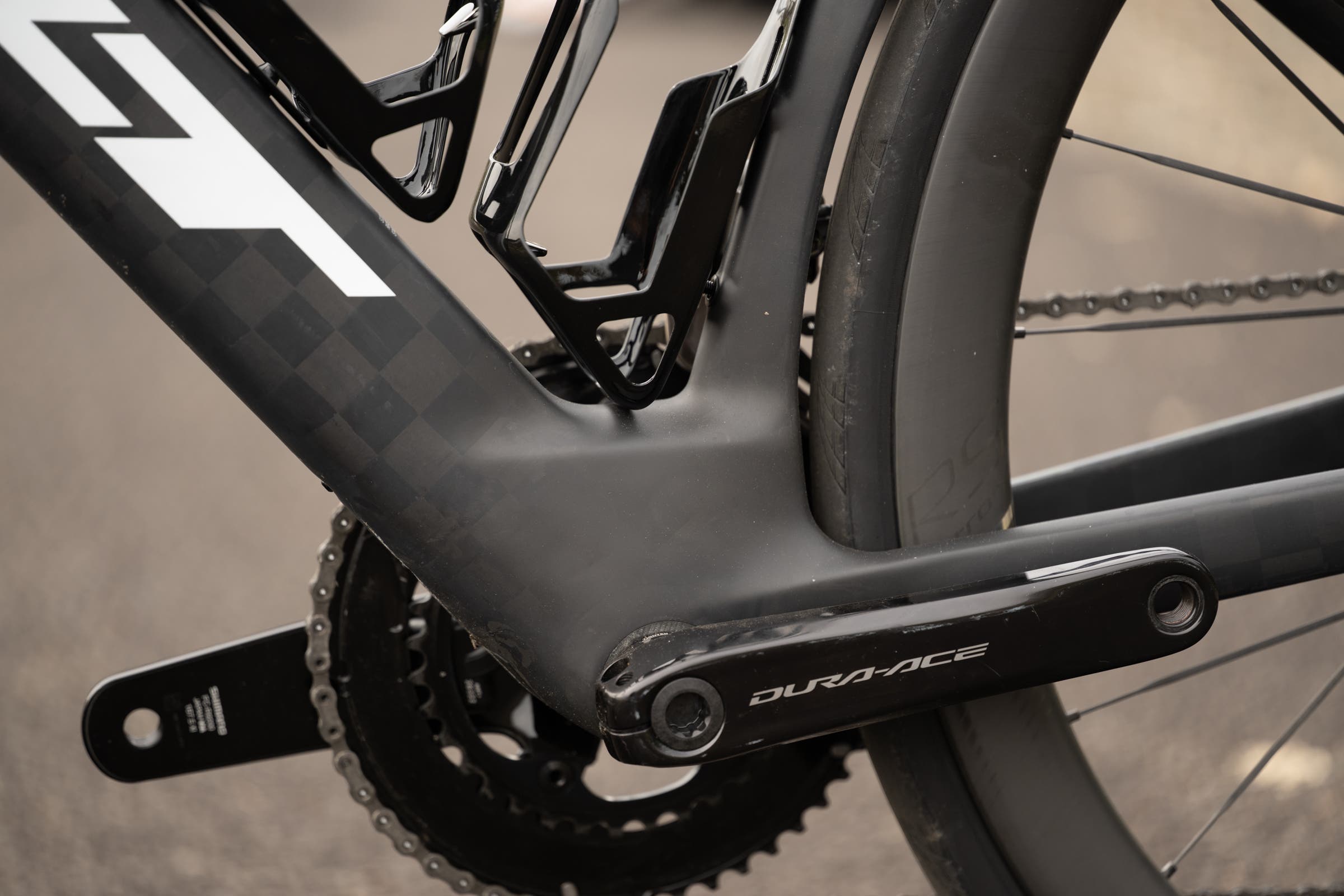
To make that aggressive forward rotation sustainable, the Nexar abandons the long-and-low road standard, instead relying on a higher frame stack and shorter reach. The 558mm stack is designed to reduce the need for head tube spacers and improve front-end stiffness, while the shorter 380mm reach is meant to add comfort for longer rides. Just to give you an idea, the Specialized Tarmac SL8 has a lower stack of 544mm to go along with a slightly longer 384mm reach.
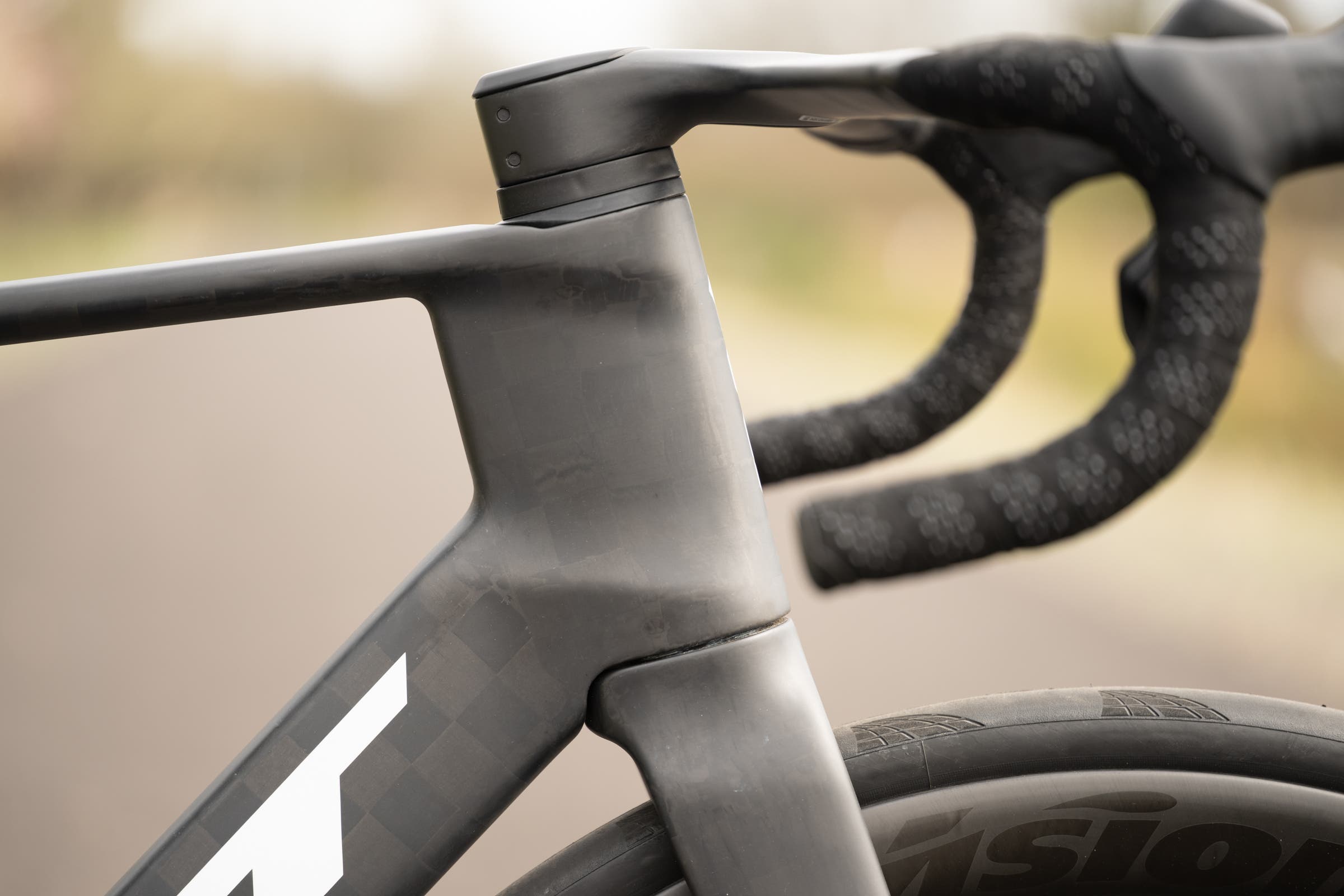
Felt is abandoning standard road silhouettes for this forward-shifted, tri-inspired fit. This is Rojo putting his stamp on road bike geometry. The point isn’t just to be different though. The point is speed, and as Felt claims, “Speed only matters if the rider can hold power and stability in an aerodynamic position”. Everything is about making that aggressive position sustainable, which is why Felt pairs the unusually tall front end with a zero-offset seatpost to lock in the fit, plus size-specific crank lengths to ensure equal biomechanics across all sizes. Normally though, a big stack and deep aero profiles result in a heavy chassis. To keep the Nexar from becoming a brick, Felt had to get aggressive with the carbon layup.
Typically, the argument is that aero trumps weight so it doesn’t matter. Felt isn’t asking you to make that sacrifice. The claimed weight is 6.48kg for the build with an 800 gram frame weight. To put that in perspective, the recently released 4th generation Giant Propel is the other recent lightweight aero bike launched and that bike claims a 6.56 kg built weight. Even with my measured weight (always a bit higher when it’s all ready to ride) of 7kg, that’s exceptionally light.
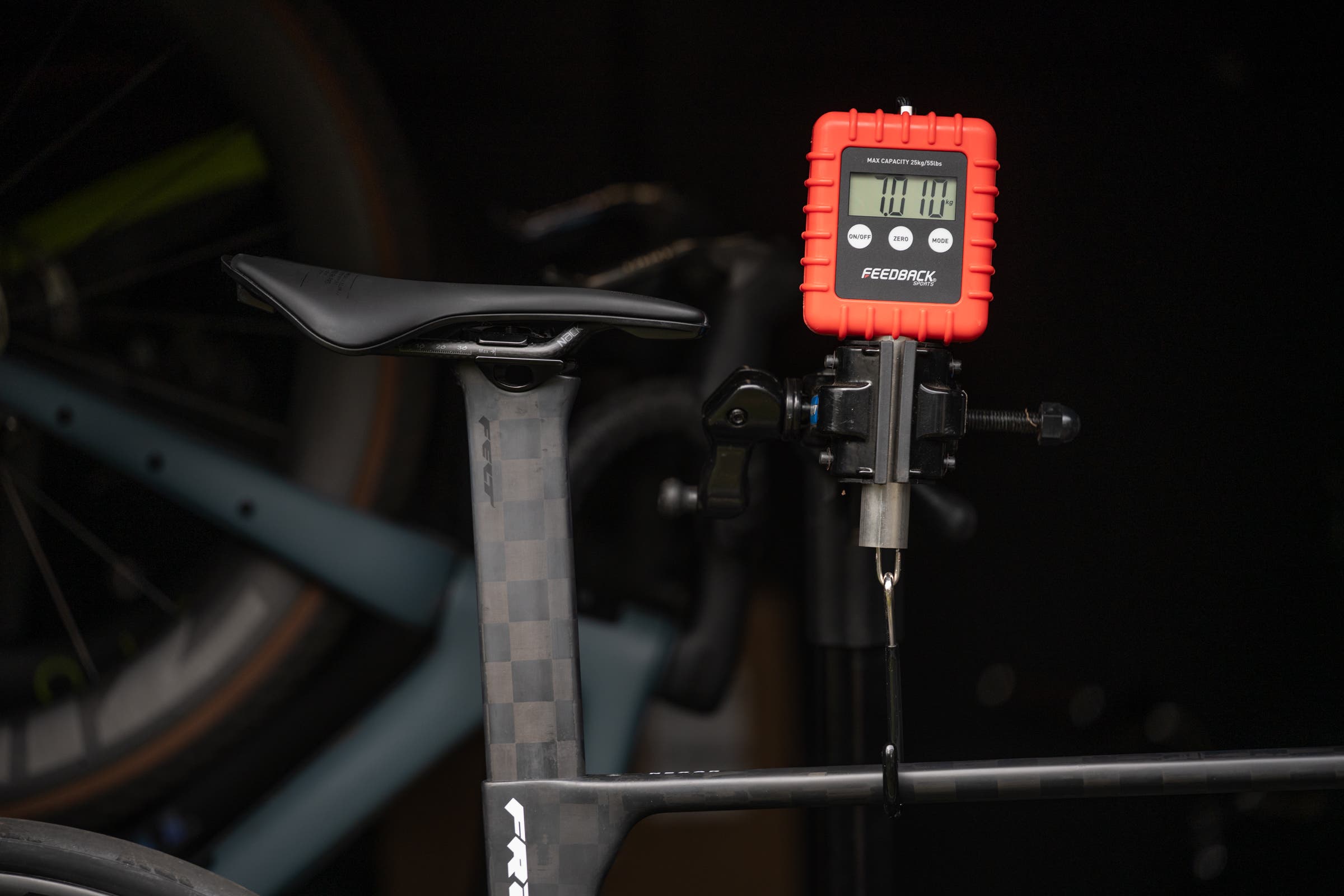
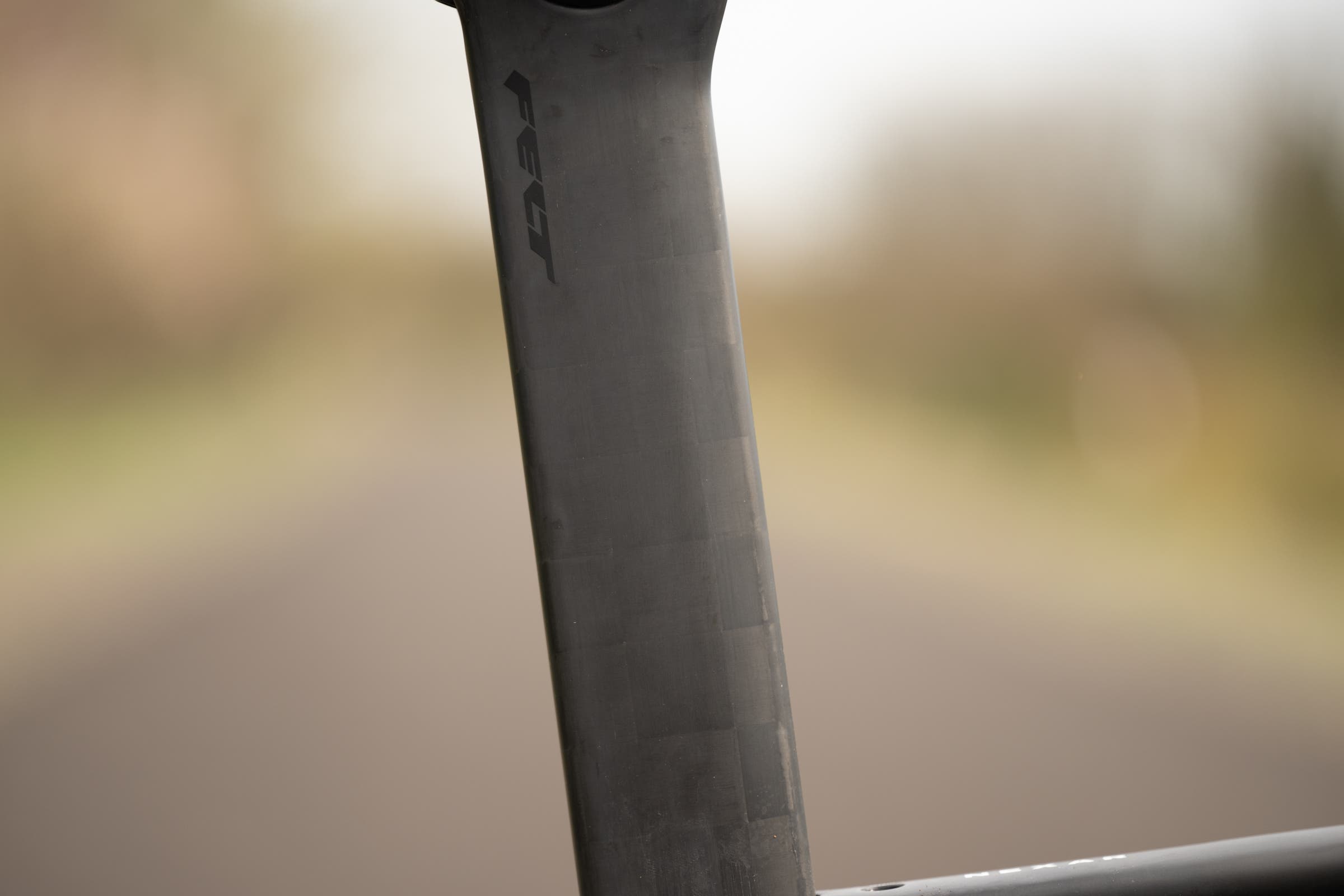
To hit those numbers, Felt worked with the carbon layup. In the top builds you’ll find a layup that uses “higher ratios of T800, T1000 and T1100 fibers in non‑critical zones.” That’s lighter, but more brittle, carbon and the whole layup is better optimized for less overlap (less material, and less need for excess resin). The lower models do add about 300 grams using less expensive materials and slightly thicker layers because of it.
There’s also a big chunk of weight saved in the front of the bike. The one-piece bar and stem that’s used is light for its size at 300 grams. On top of that, Felt doesn’t mention it but the frame is mostly just showing off the carbon and reaping the benefits of not using heavy paint.
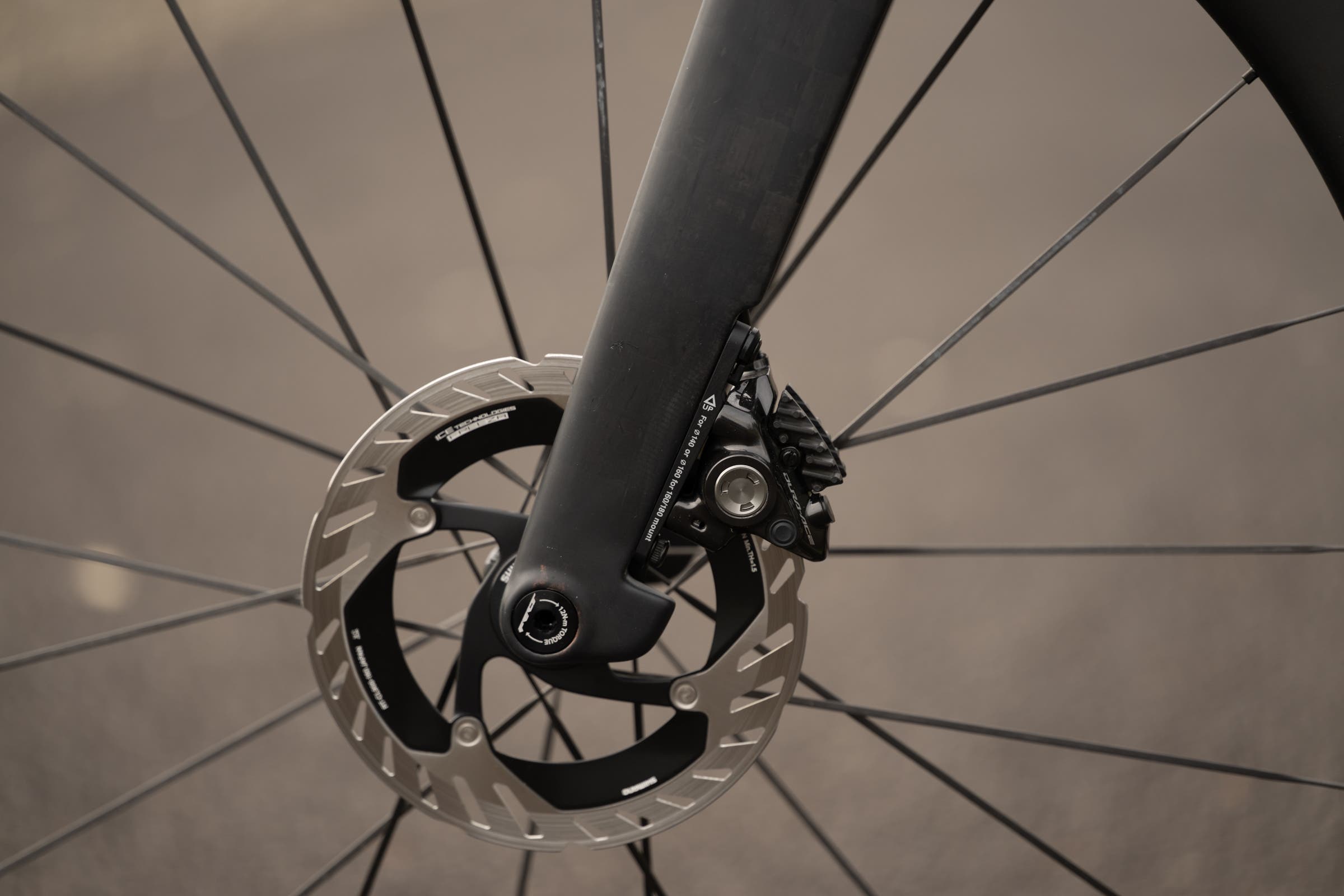
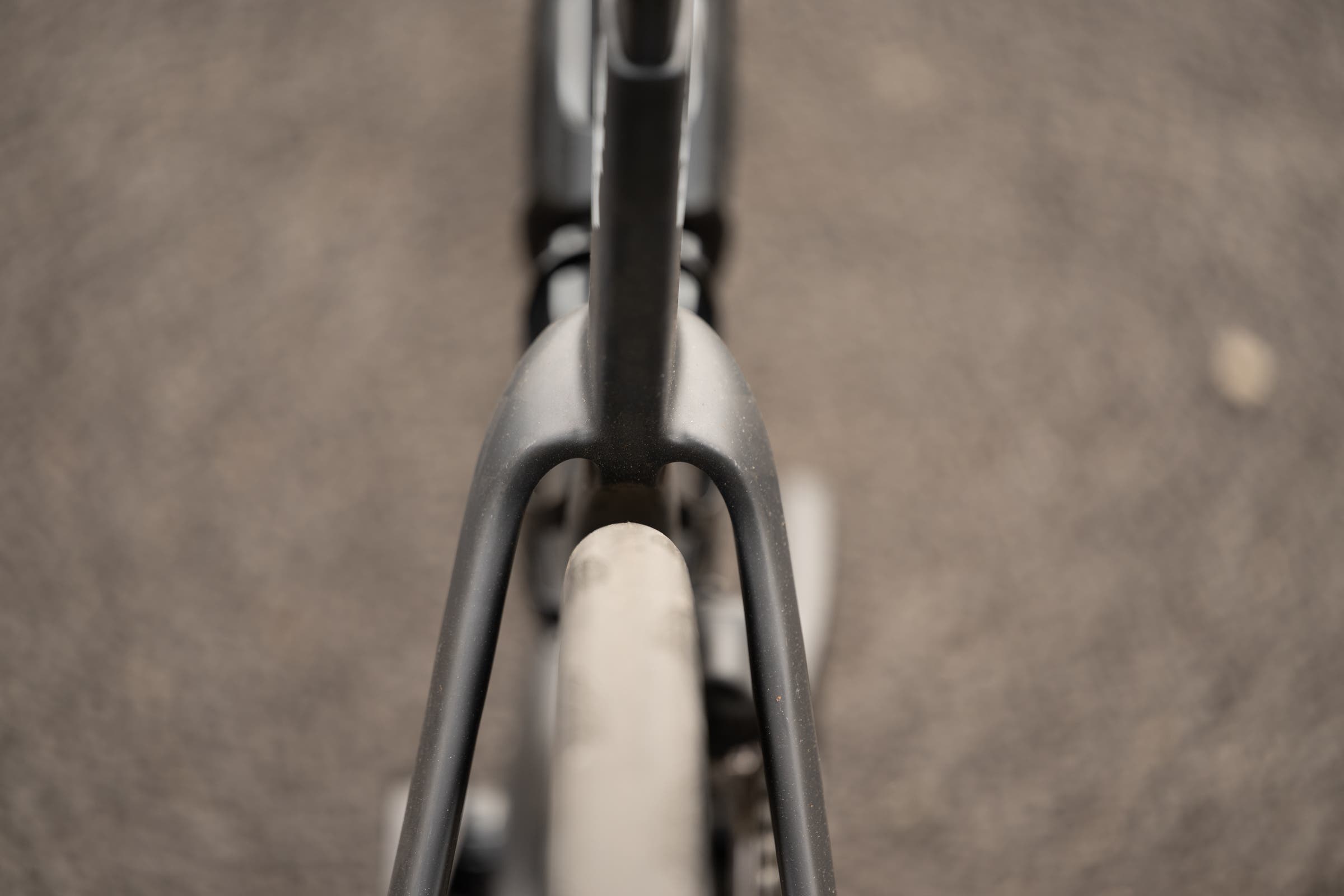
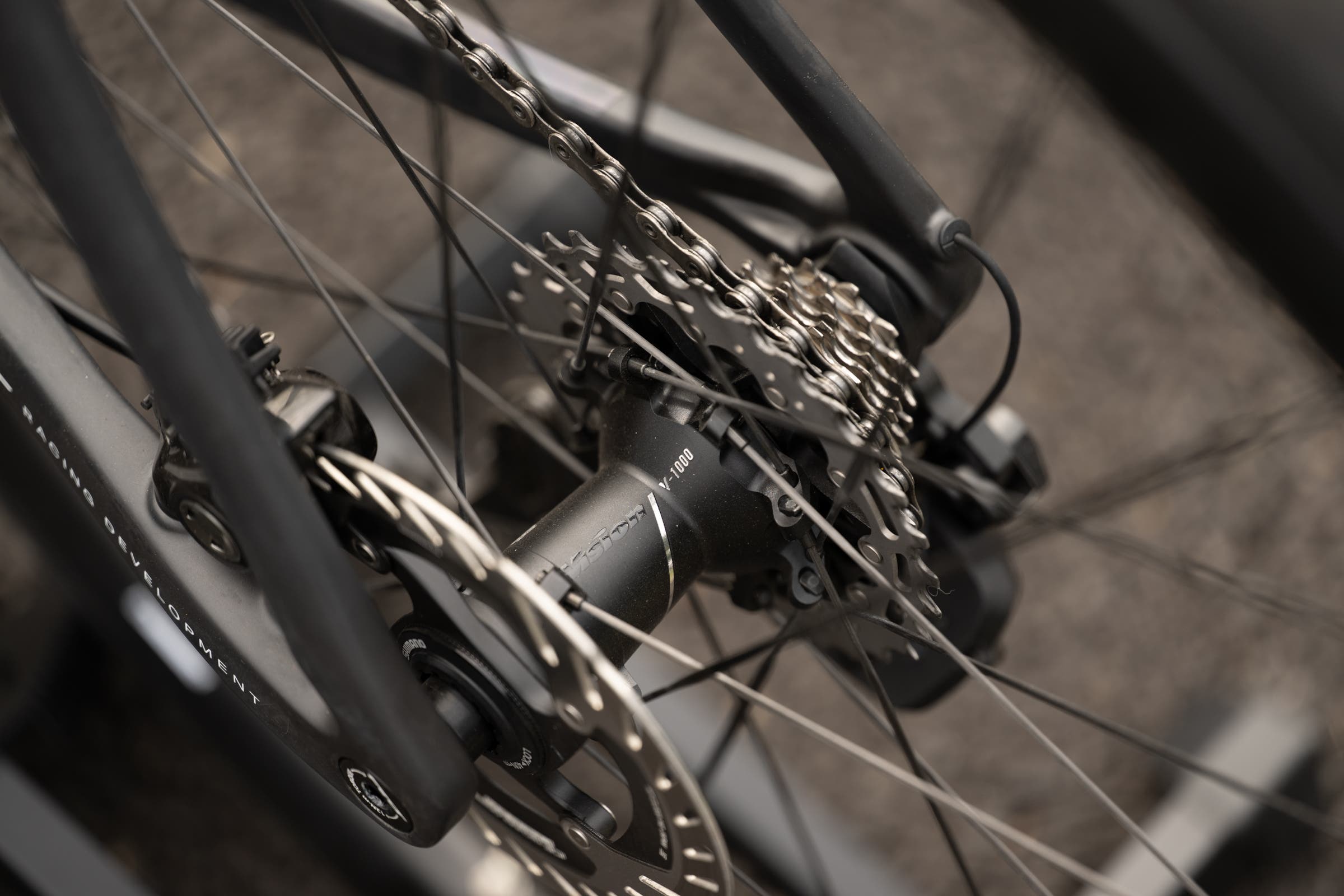
Of course there is also some actual aero discussion built into the marketing on the Nexar but it’s almost an afterthought. The greatest gains come from keeping the bike light and optimizing the rider position but for the last little bit, no detail is left unconsidered. The transitions are cleaned up, routing is fully internal, the bar is now a single piece with the stem, and there’s even little details like shielded thru-axle ends and little aero details at the bottom of the fork. The headtube is also massive with equally huge fork legs. If nothing else it looks the part even though it’s only 5% faster than the rather aged AR 3.0. Perhaps more important than that, the new bike claims that “Independent third-party data” confirms “less than 4 watts away from the leading competitor bike.”
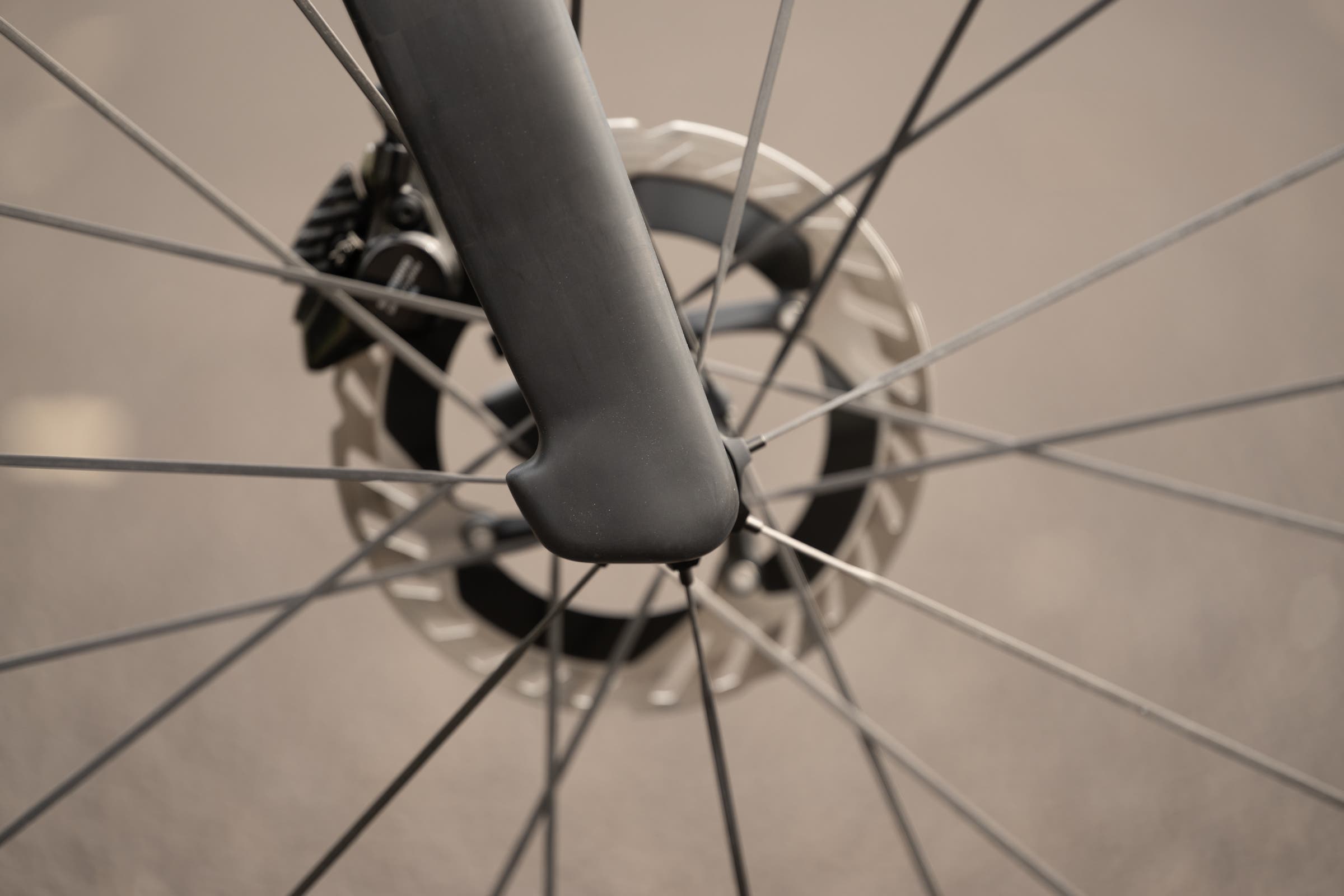
The details of that claim are a little sparse but Felt claims it comes from “independent third‑party wind‑tunnel testing on the bike only.” The company also specifies the testing was done at 40 km/h and the results showed “3.5 watts from the fastest bike tested, and around 2 watts behind the next two bikes.”
Ultimately, the exact details of that testing don’t matter much. We don’t know what bikes they are talking about but It’s a marketing claim we can either accept or ignore. The real point of this bike is keeping the chassis light and aero while optimizing the rider’s position. And to judge that part, I had to take it for a ride.
Build details
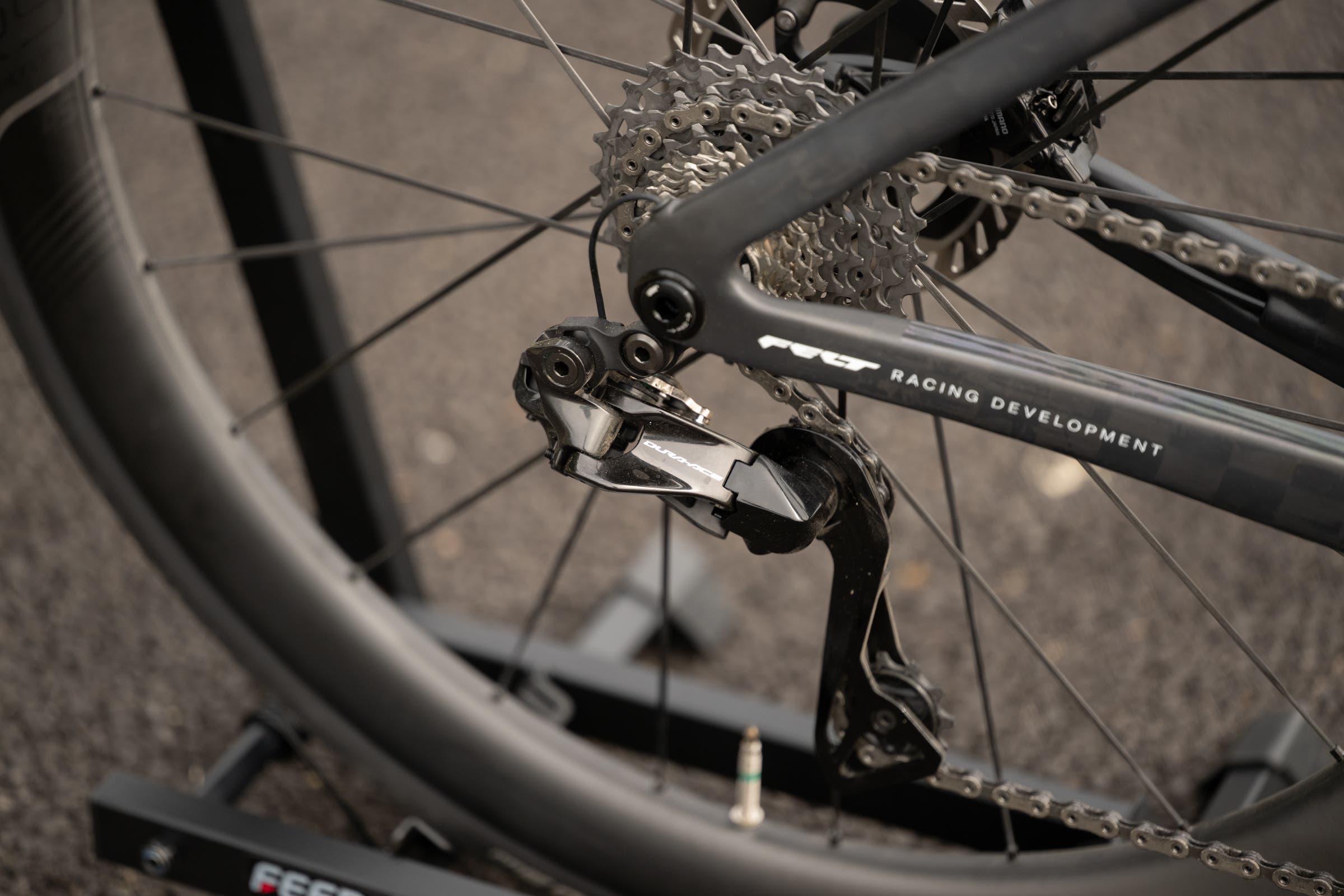
| Build | Frame Layup | Drivetrain | Power Meter | Wheelset | Claimed Weight | Price (USD / EUR / GBP) |
| FRD | FRD 12K Carbon | Shimano Dura-Ace Di2 | 4iiii Dual-Side | Vision Metron 45 RS | 6.48 kg | $12,599 / €11,399 / £9,899 |
| PRO | FRD 12K Carbon | Shimano Ultegra Di2 | 4iiii Non-Drive Side | Vision Metron 45 SL | 7.037 kg | $8,899 / €8,099 / £7,013 |
| EXPERT | UD Carbon | Shimano Ultegra Di2 | – | Vision Metron SC45 | 7.525 kg | $6,999 / €6,299 / £5,454 |
| RACE | UD Carbon | Shimano 105 Di2 | – | Vision Metron SC45 | 7.963 kg | $5,999 / €5,399 / £4,675 |
| FRAMEKIT | FRD 12K Carbon | – | – | – | – | $5,199 / €4,699 / £4,069 |
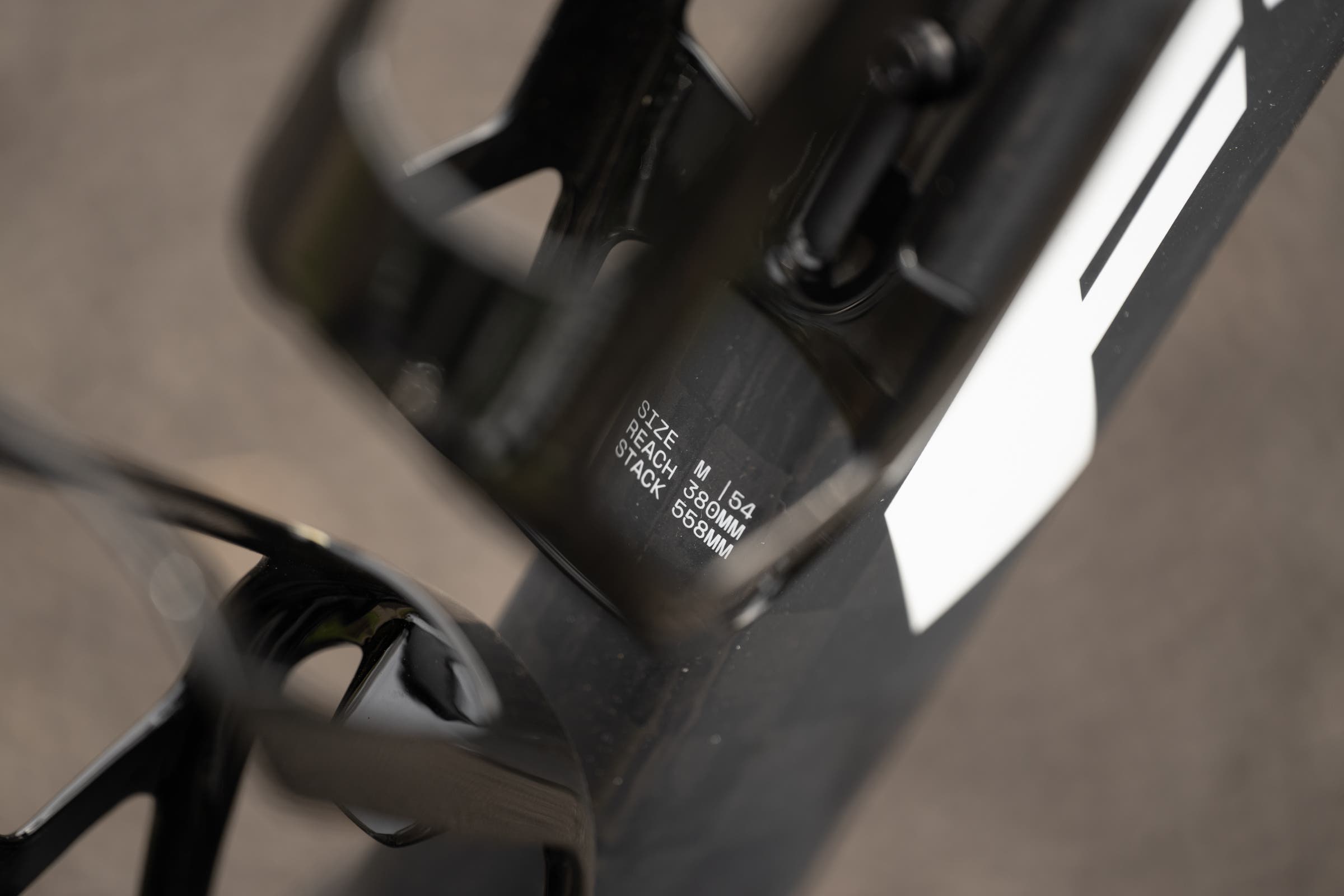
Felt Nexar Geometry
| FRAME SIZE | XXS | 44 | XS | 49 | S | 52 | M | 54 | L | 56 | XL | 58 | XXL | 61 | |
| REACH | [ mm ] | 355 | 365 | 370 | 380 | 390 | 395 | 405 |
| STACK | [ mm ] | 504 | 522 | 537 | 558 | 576 | 600 | 631 |
| TOP TUBE HOR. | [ mm ] | 485 | 505 | 524 | 540 | 561 | 578 | 604 |
| SEAT TUBE LENGTH | [ mm ] | 425 | 445 | 465 | 490 | 515 | 540 | 570 |
| SEAT TUBE ANGLE | [ ° ] | 75.5 | 75.0 | 75.0 | 74.5 | 74.0 | 74.0 | 73.5 |
| HEAD TUBE LENGTH | [ mm ] | 90 | 105 | 120 | 140 | 160 | 185 | 215 |
| HEAD TUBE ANGLE | [ ° ] | 70.5 | 71.5 | 72.5 | 73.0 | 73.5 | 73.5 | 74.0 |
| CHAINSTAY LENGTH | [ mm ] | 408 | 408 | 408 | 408 | 408 | 408 | 408 |
| STANDOVER | [ mm ] | 723 | 735 | 755 | 778 | 802 | 826 | 855 |
| BB DROP | [ mm ] | 75.0 | 75.0 | 72.5 | 72.5 | 70.0 | 70.0 | 70.0 |
| BB HEIGHT | [ mm ] | 265 | 265 | 267.5 | 267.5 | 270.0 | 270.0 | 270.0 |
| FORK RAKE | [ mm ] | 50 | 50 | 50 | 44 | 44 | 44 | 44 |
| EFFECTIVE REACH | [ mm ] | 429 | 444 | 460 | 470 | 481 | 495 | 506 |
| EFFECTIVE STACK | [ mm ] | 556 | 560 | 574 | 594 | 611 | 621 | 652 |
| TRAIL | [ mm ] | 67 | 61 | 55 | 58 | 55 | 55 | 52 |
Felt Nexar Ride Experience
At the end of my first ride, I actually had to open up the press release and comb through it again to see what Felt was truly claiming. The exact phrase used is that they “created a new geometry concept.” Having ridden it, I’m not sure that’s entirely accurate.
As soon as you throw a leg over the Nexar, it feels like an endurance bike. It is exceptionally tall and short. Sit up and cruise with your hands on the hoods, and there’s no denying the comfort. My test bike arrived with 10mm of spacers, which, when combined with the naturally high stack, put the front end 32mm higher than the Bianchi Specialissima I consider my personal benchmark. That is a massive difference.
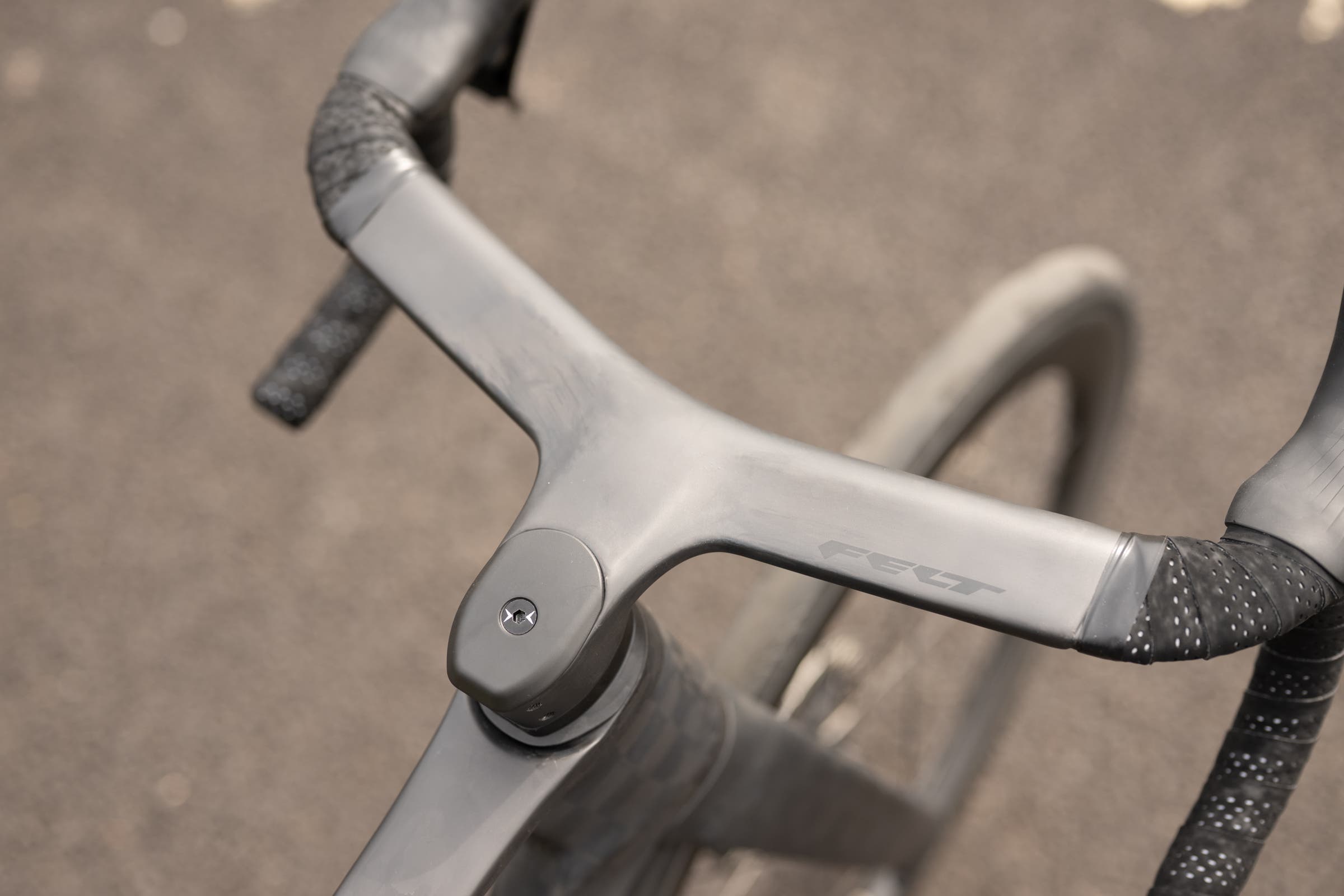
It’s also remarkably short. The 380mm frame reach is completely standard, but that’s paired with an integrated cockpit that effectively functions as a 90mm stem. Normally, I’d run a 110mm stem. Losing 20mm of length—compounded by the tall stack angle that effectively shortens the reach even further—takes getting used to. The result was getting on what is supposed to be one of the fastest aero bikes on the market and spending a lot of time not quite knowing how to settle into an aero tuck.
I get it, though. Not everyone wants to ride a slammed, aggressive race bike and pretend their lower back is fine for the next 20 hours. I eventually found my place, and honestly, it’s fantastic to be able to sit up and cruise in a super comfortable position, then drop low when needed without a ton of flexibility. It took an adjustment period, but in the end, I’m on board with the tall front end.
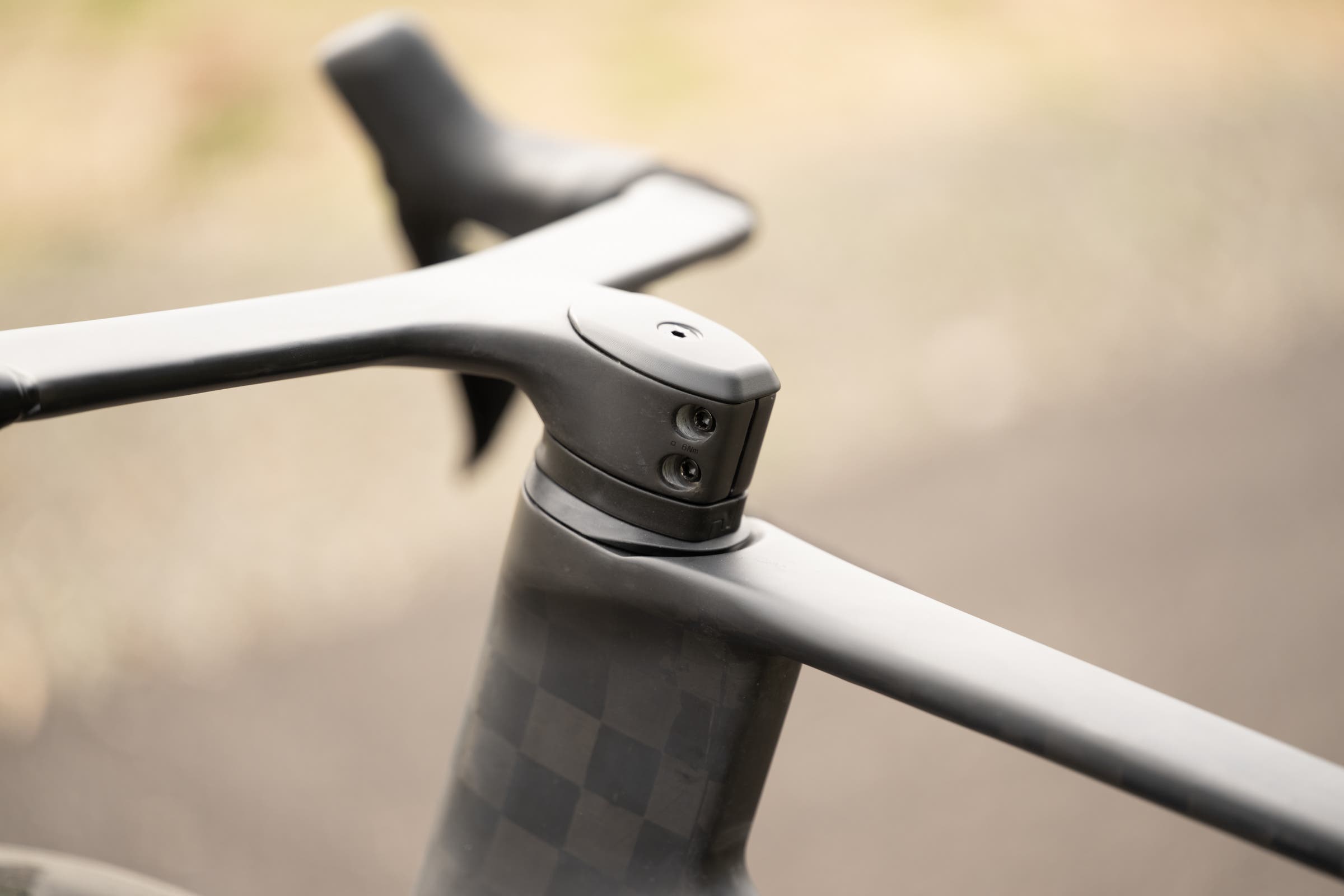
The other shocking highlight is the climbing. There is a bit of visual cognitive dissonance because the deep aero tubes definitely do not look light, but it genuinely rides like a lightweight climbing bike. The side-to-side movement is excellent, the bottom bracket is incredibly stiff, and it carries momentum beautifully on lower-gradient seated climbs. Pointing it uphill is an absolute highlight.
Then it’s time to descend.
The problems emerge as soon as you point the Nexar downhill. Initially, I might have called the handling “very direct,” but the truth is that the short stem makes it rather twitchy. When you combine that twitchy steering input with a steep headtube angle and aggressively short chainstays, this is simply not a bike I trust on a fast, technical descent. That reality was harshly reinforced on an early, high-speed downhill section where an unexpectedly tight switchback left me feeling like I was about to high-side the bike.
But descending isn’t really the point of this bike, right? This is a fast aero race bike. Straight, flat, and fast is legitimately where the Nexar shines.
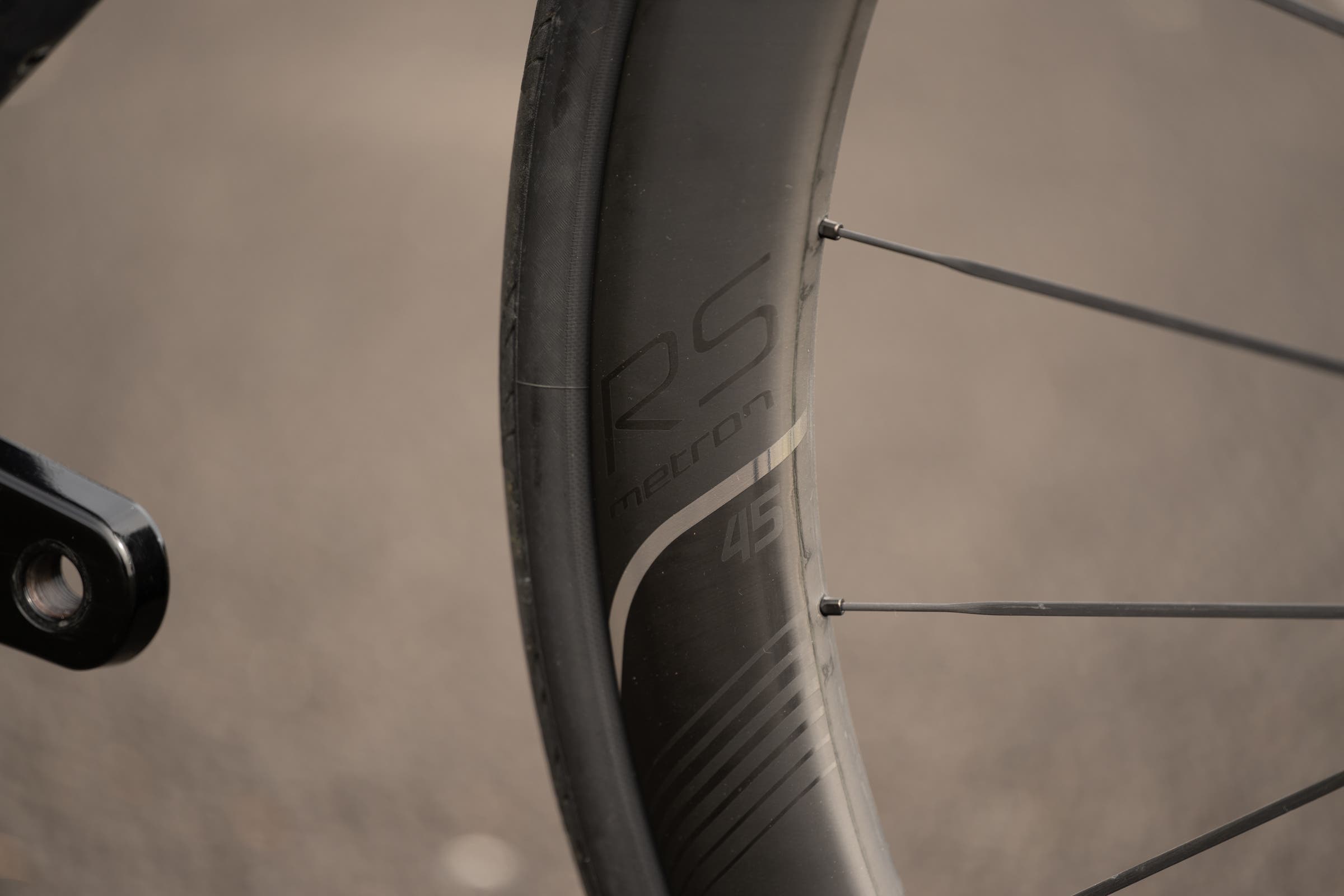
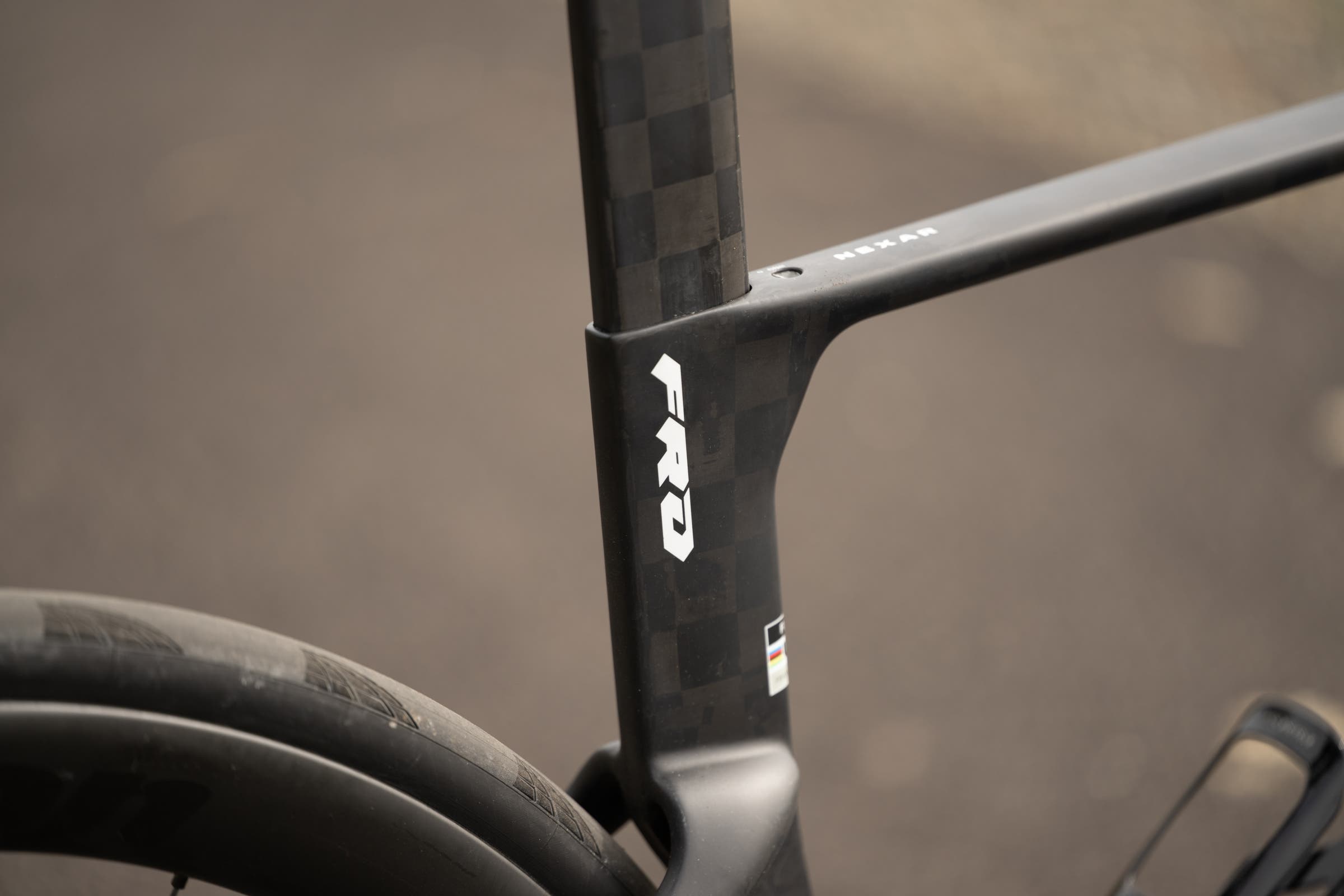
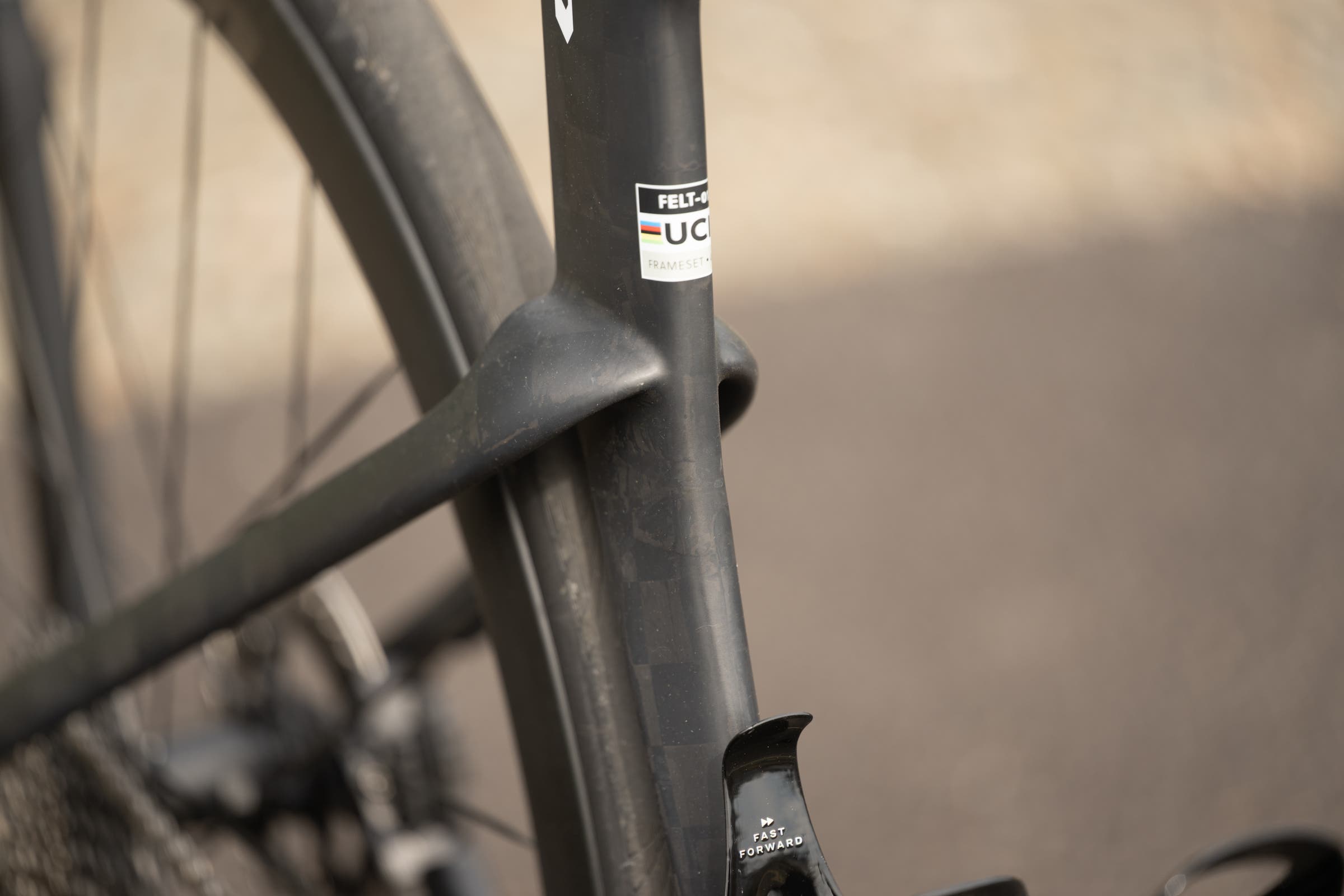
Except, you definitely need smooth pavement to enjoy it. The Nexar comes specced with 28mm Continental tires on Vision Metron 45 RS wheels. Those are great wheels, but it’s a confusing spec right out of the gate—a dedicated aero bike should really be rolling on 60mm deep sections. Beyond the depth, those rims have an internal width of 23mm. When you combine that tire volume with the massive, rigid vertical slab of the Nexar’s proprietary aero seatpost, the ride quality degrades quickly. Throw in that twitchy short stem, and rough pavement makes it hard to hold that aero position.
Usability
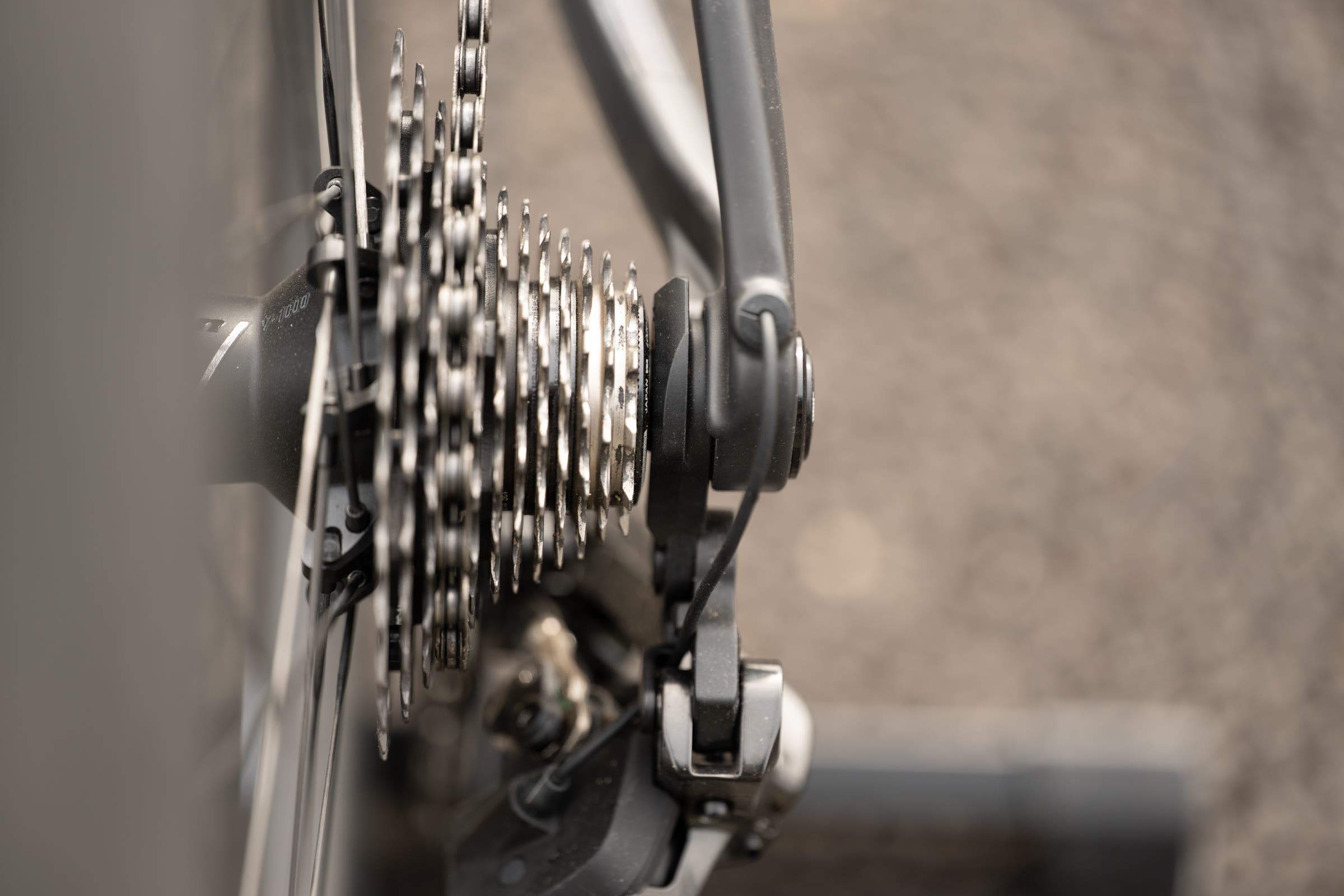
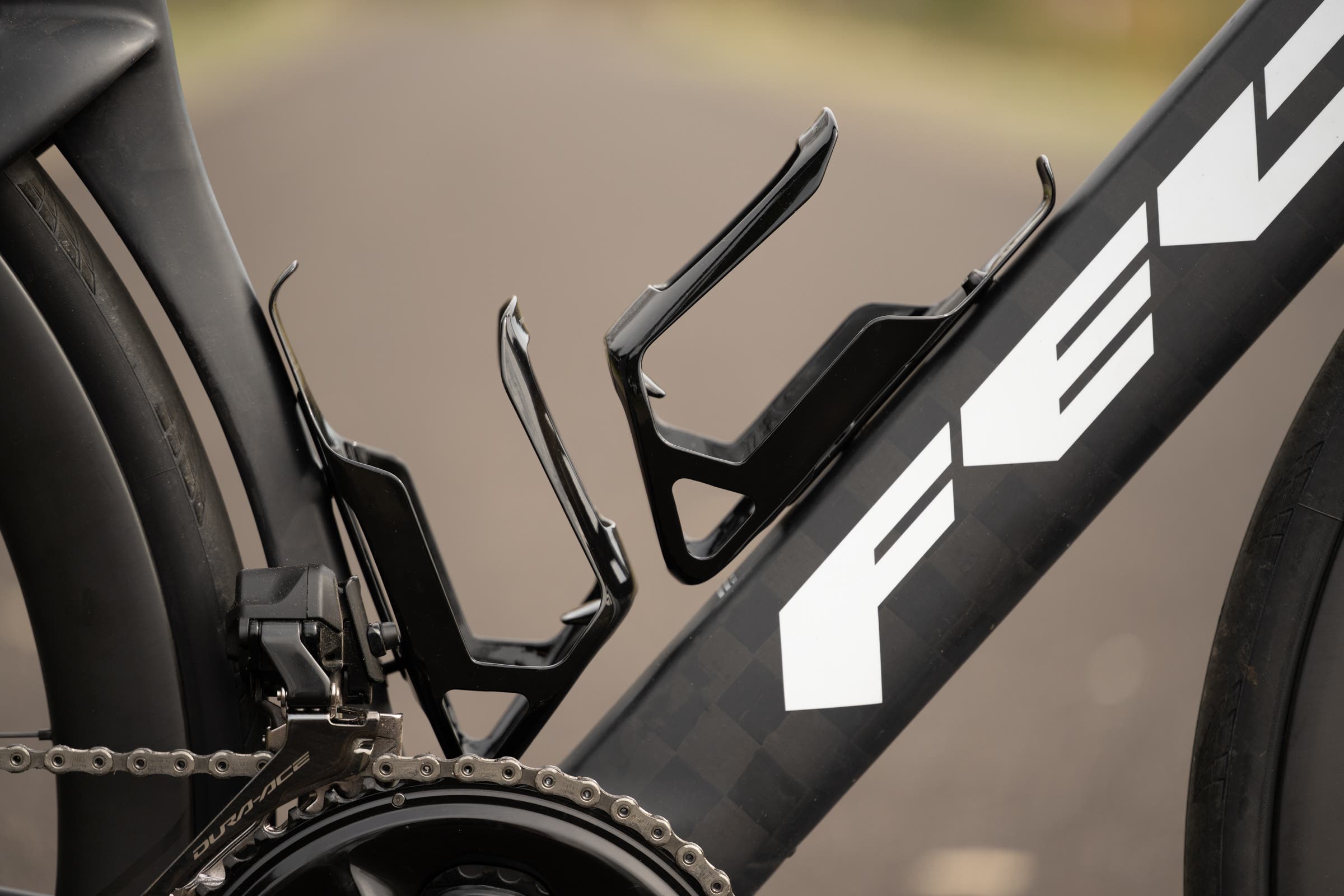
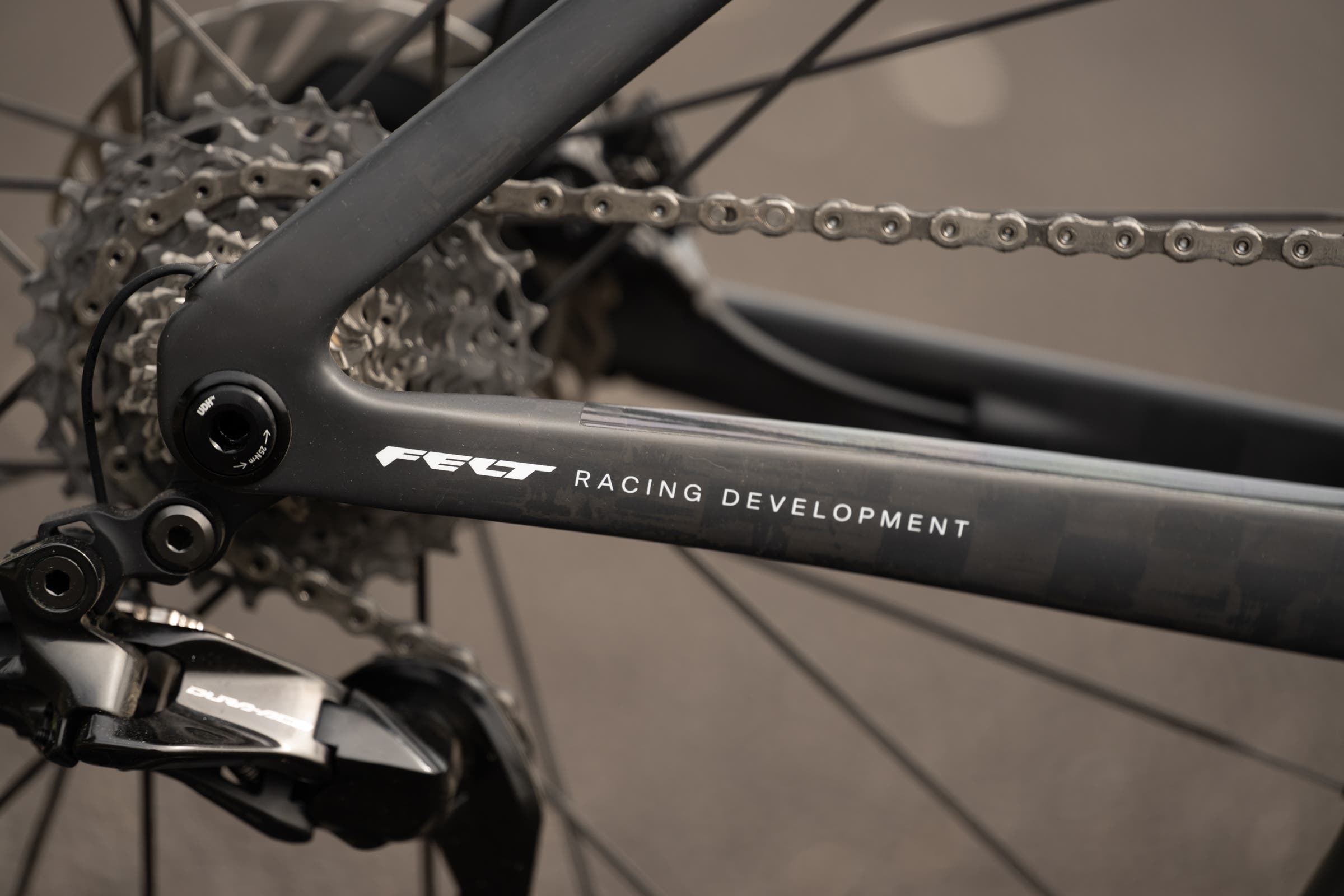
This frameset is actually surprisingly easy to live with as long as you understand the greater context. It is a fully integrated modern aero bike however the design allows for stacking the split spacers on top of the “stem” if you want to check fit and there’s a BSA bottom bracket. The seat post doesn’t use an easy to lose binder and there’s room to get a torque wrench to it without scratching anything. It’s also nice to see all the torque specs printed on the frame and, because Felt forgot the outfront mount, I learned you can fit a wide range of other options on there if needed. UDH is here as well.
Conclusion
The bottom line is that I’m confused by this bike. What is it actually trying to be? It’s not a budget option, so the Felt Nexar is clearly targeting a buyer who knows exactly what they want. There is nothing wrong with that, but then why pair a dedicated aero frame with mid-depth 45mm wheels and low-volume tires?
Let’s dream for a moment though and pretend that it makes sense to immediately swap the wheelset. Throw on a high-volume aero wheel—like a deep Enve or Zipp—wrapped in 30mm tires. Now you’ve actually got something. You have a lightweight aero bike with a tall front end that allows a wider range of riders to comfortably hold an aero position. That is a great concept, and once you fix the jittery ride quality, it makes a ton of sense.
Except, you still have to deal with the handling. Why pair a steep head tube angle with such a short stem length? That combination is exactly what makes the front end so twitchy on descents. If the goal was to keep the rider stable in an aerodynamic tuck, a standard effective reach would have solved the handling issues while still allowing the steep seat tube to keep the rider’s hips rotated forward.
As it stands, there are just too many missteps here. On the upside, the chassis is close enough that it can be fixed. High-volume tires, appropriately deep aero wheels, and a completely new handlebar would absolutely transform this bike. Get an appropriate stem length and the handling would settle down, while the modern wheels and tires would ease the harshness on rough pavement. It’s never going to be a plush bike, but it could be a fast race bike that actually lets people sustain a powerful position.
The only problem is the price tag. Asking a rider to immediately replace the wheels, tires, and a proprietary one-piece carbon cockpit on a top-tier build that costs $12,599 is simply not a realistic proposition. Start with the framekit—although you’ll still need a different handlebar—and this could be a fantastic bike.
[analyse_source url=”https://velo.outsideonline.com/road/road-gear/felt-nexar-review/”]