[analyse_image type=”featured” src=”https://velo.outsideonline.com/wp-content/uploads/2026/03/AV3A9319-Edit-a.jpg”]
Today, the Salsa Flyway launches to replace the aging—but beloved—Warbird. It is an entirely new platform with updated sizing, progressive geometry, and new builds. Everything about the hardware is different except the point, and that makes a lot of sense.
When the Warbird launched in 2012, it helped define the purpose-built gravel race category. It offered a vision that wasn’t prevalent at the time, and it held onto it through the years. The fourth generation launched eight years ago, and while the tech was new, the core feeling of the original bike was still there.
More and more, that’s looking like an oddity. We’ve got aero gravel race bikes with geometry that looks like a road bike. We’ve got full-suspension gravel bikes that a layperson is likely to confuse with a mountain bike, and the options continue to specialize and diversify. Salsa is remaining true to a particular point of view, and the brand has done it again with the Flyway.
That point hasn’t changed in over a decade. The Flyway remains an unapologetically American-style gravel bike built for riders who define racing as pointing their front wheel at the horizon and pedaling all day. What’s unique is not only the steadfast holding to that feeling after so many years, but also that it delivers regardless of your pace. I’ve spent some time on this bike, and the engineering updates absolutely validate that original vision. Let’s jump into how Salsa did it.
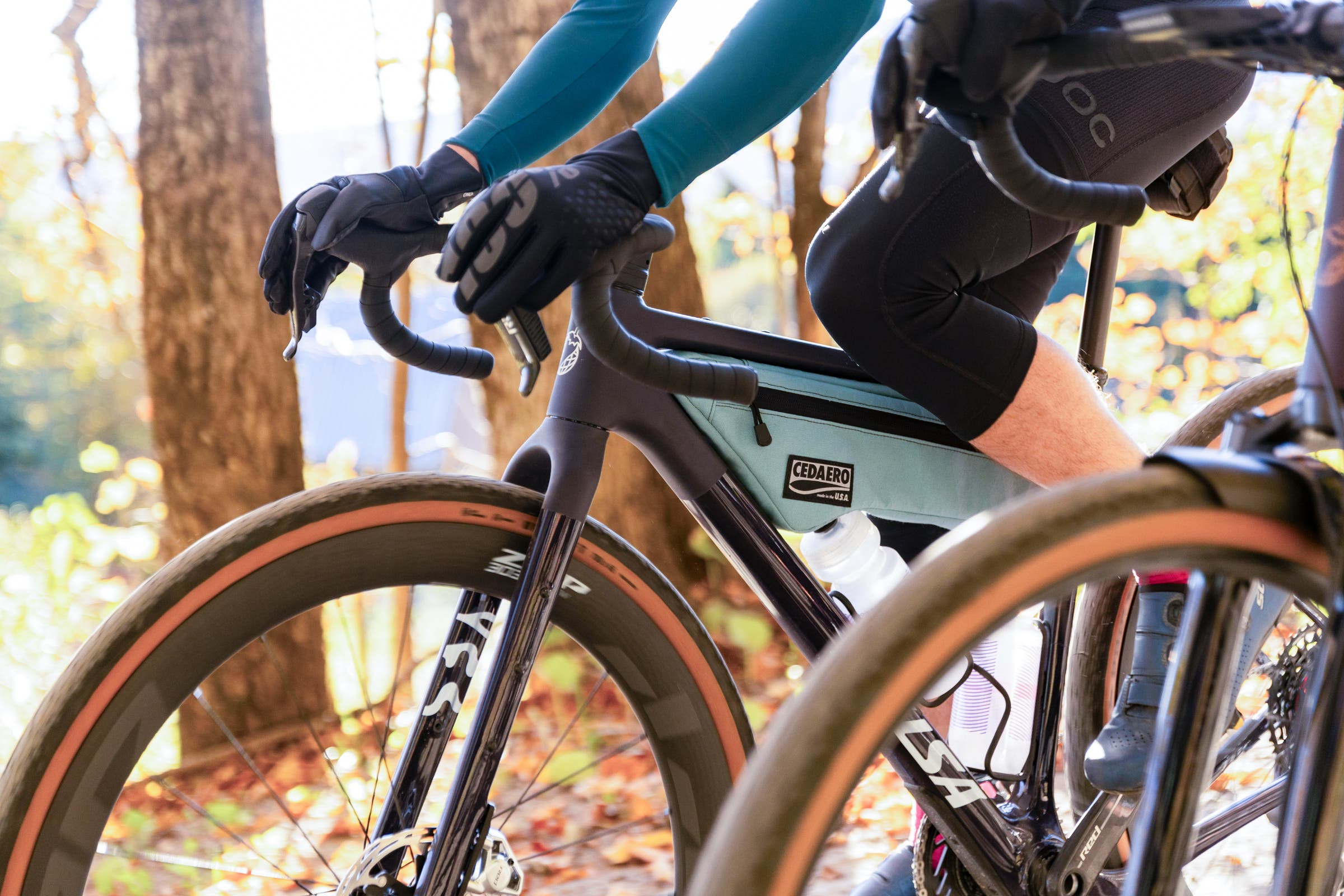
Stretch the Reach, Plant the Front
The point of all that history covering the Warbird is that Salsa has always seen a race bike through a different lens. Making a bike faster on paper, with more road bike-esque geometry, is not how Salsa believes you make a faster bike. Instead the brand leans into stability and comfort over the long haul and to accomplish that the biggest shift is with a geometry move.
Like a handful of other bikes, Salsa is pursuing the wisdom of flat bars in the Flyway and shifting to progressive geometry. That means it utilizes a long reach paired with a short stem, and Salsa slacked out the head tube to 70.5 degrees. To keep the bike stable at speed, the bottom bracket sits low with a 76mm drop. However, to ensure it doesn’t lose its snap when you put the power down, they tucked the rear wheel in with tight 425mm chainstays and used a steep 74-degree effective seat tube angle.
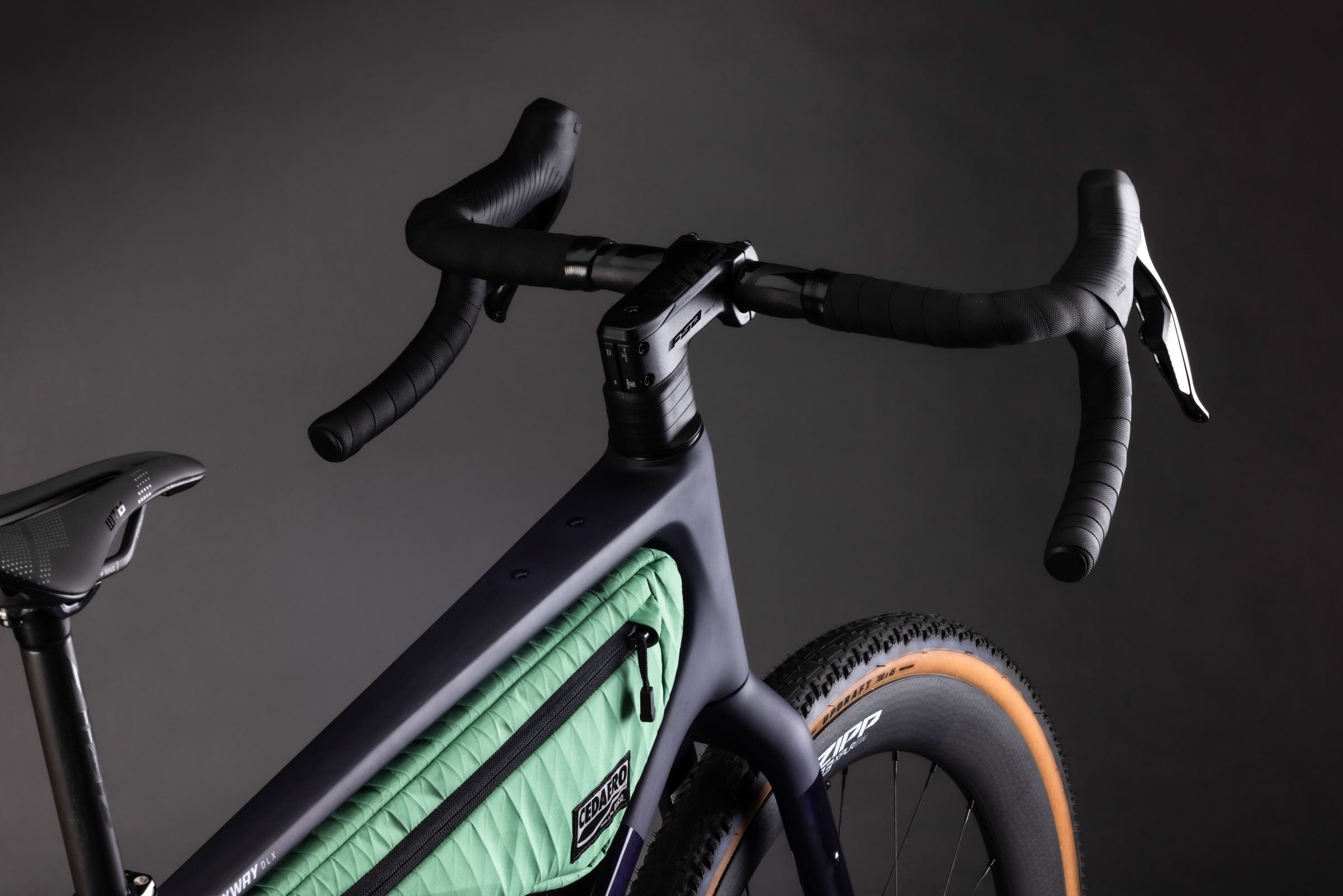
It is a clever combination that results in a fast, long-haul race bike that maintains incredibly wide appeal. Even without spacers the 538.8 stack (size medium) is taller than a lot of gravel race oriented bikes. Put a couple of spacers there and it’s an easy bike for those who aren’t used to holding an aero position. The chainstay length keeps things snappy.
The challenge with progressive geometry is that traditional sizing doesn’t make much sense all of the sudden. The Warbird already has slightly odd sizing but continuing to base it on seat tube length wouldn’t cut it any more. Progressive geometry, heavily sloped top tubes and dropper post compatibility, make the seat tube measurement largely irrelevant now. Reach is what actually matters, and so the Flyway shifts to t-shirt sizing to reflect that shift.
Unfortunately that shift isn’t without downsides. The Warbird was available in seven frame sizes (although with numbers like 54.5 vs 54) and the Flyway is shifting to six sizes. That inevitably leads to an easier job managing inventory and more possibility of being between sizes.

Eat the Chatter, Keep the Speed
The biggest claim here is all about compliance. As we all know, that starts with tires and there’s more capability on that front. The Warbird was actually incredibly progressive for 2019 with the ability to fit a 45mm tire but that’s old news now. Today it’s mountain bike tires or bust but the Flyway is actually on the, slightly, narrow range of today’s gravel bikes with a max clearance of 50mm.
Beyond that, the whole point of carbon is to have the ability to target flex with precision. Salsa does that with the Class 5 Vibration Reduction System (VRS). Despite that sounding like a generational technology, Class 5 is actually a road designation that means it’s rough so the Flyway brings the same system back but better. The concept is to use “thin, outwardly bowed seatstays and vertically compliant chainstays to absorb road vibrations.” This time it’s “20% more compliant than the Warbird.” If that’s not enough the geometry is suspension-corrected for 40mm suspension forks.
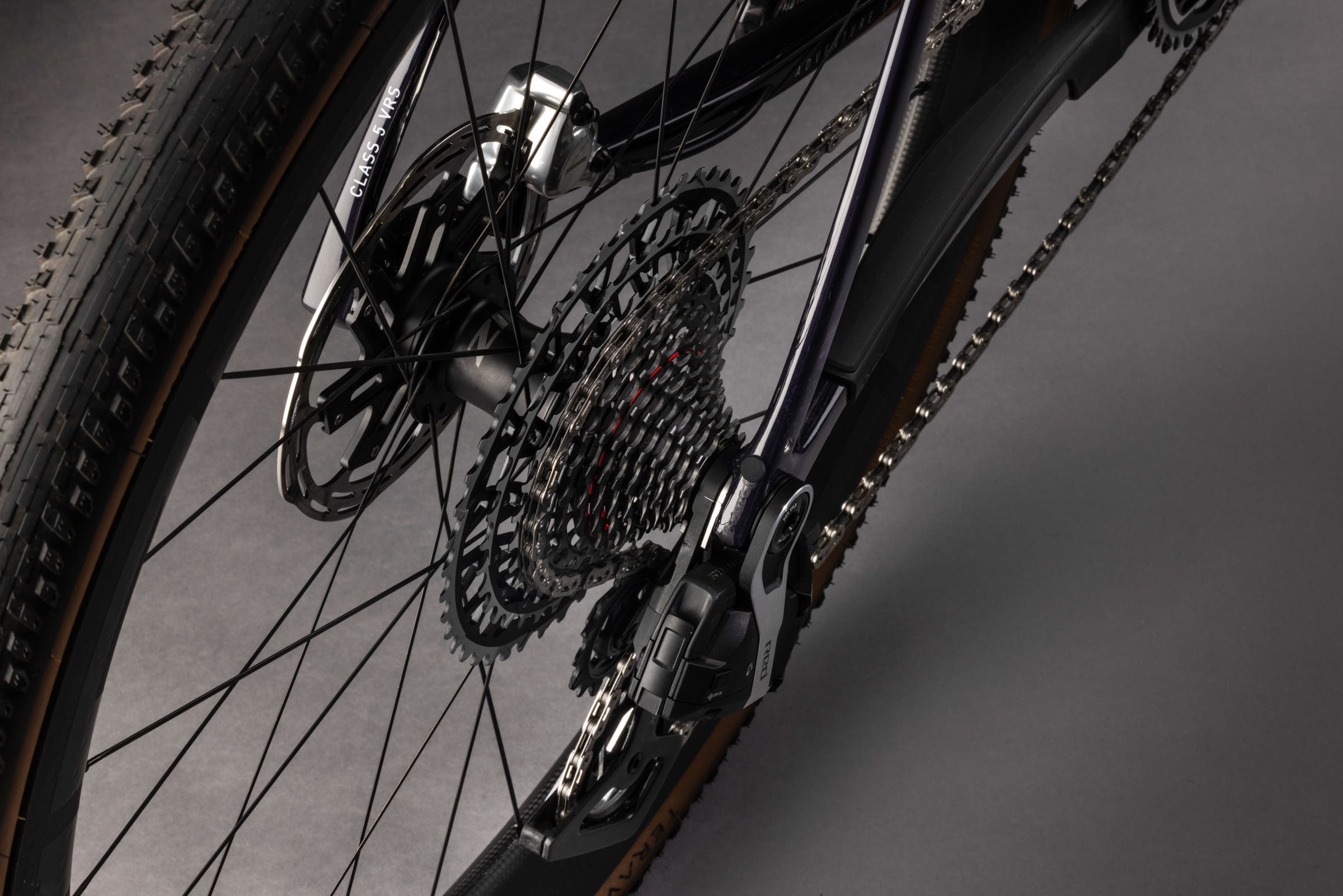
What’s completely new about the Flyway is the introduction of two carbon tiers. The Deluxe saves weight and Salsa claims a 1050 gram frame weight for size ML. The Standard meanwhile saves money with a claimed 1200 grams in the same ML size frame. The fork is quoted as 600 grams.
Of course you’ll also find modern frame details. UDH is onboard along with a T47 bottom bracket and compatibility for 2x electronic only drivetrains or 1x depending on your preference. Routing is now fully internal also although the use of a FSA CRII Headset allows for both fully hidden through the stem or semi-hidden under the stem. Sadly the Salsa headbadge is no longer a 3D piece but there are fender mounts.
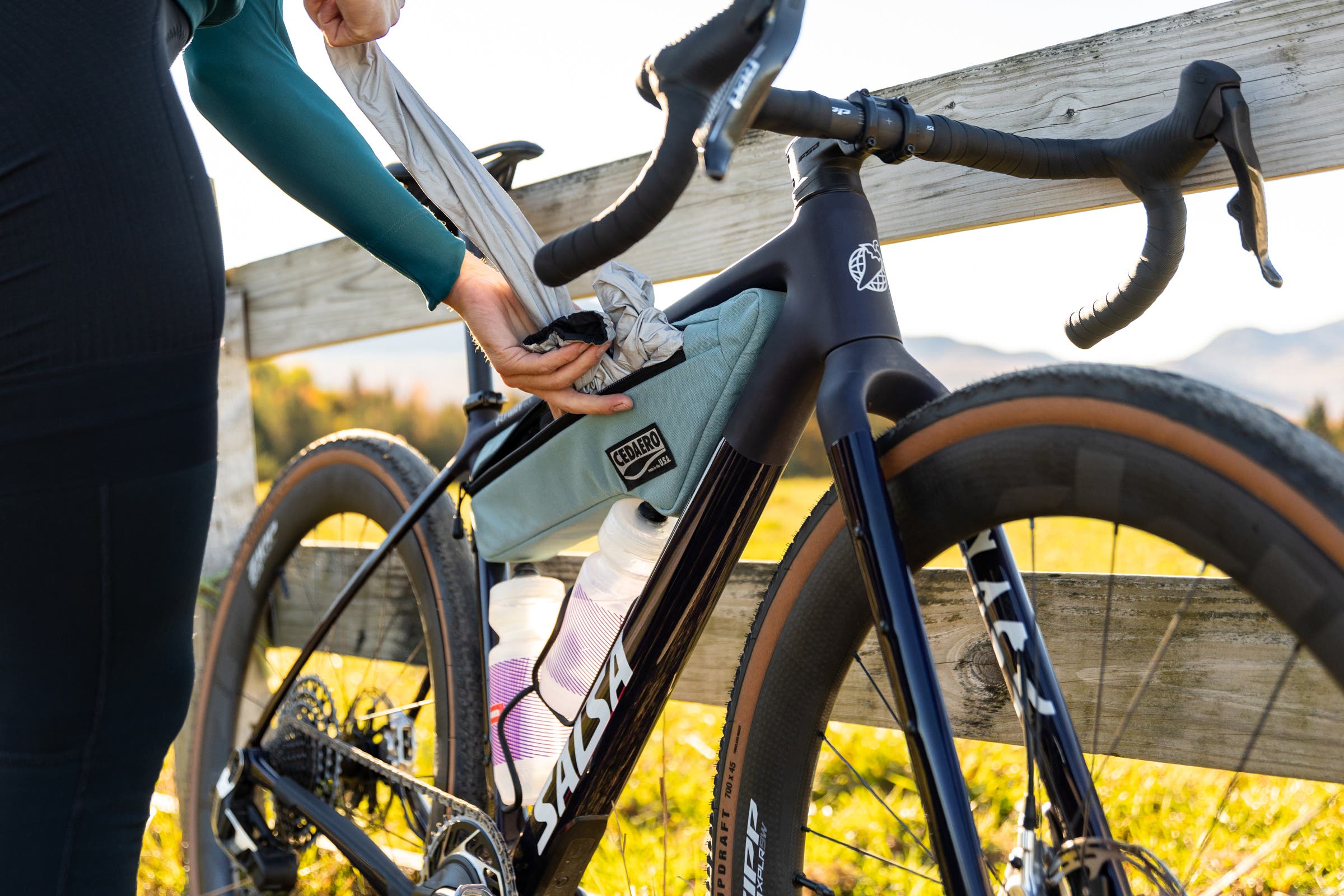
Pack Heavy, Ride Fast
Beyond fender mounts, Salsa has put a lot of thought into the ability to carry cargo. That starts with water bottles where you’ll find two mounts inside the frame on the smaller sizes and three on the ML and larger frames. There’s no mount under the downtube.
The mounts you will find start on the top tube. There you’ll find a pair for a bento box then there’s an additional two sets of Three-Pack mounts on the fork. There’s also mounts under the top tube for frame packs and you can add front or rear racks.
Salsa Flyway pricing and availability
Prices range from $2,799 for the frameset up to $12,000 for the top build. Visit the Salsa Website or your local dealer with availability starting today.
| Model | Carbon Tier | Suspension | Groupset | Handlebar | Wheels | Price (USD) |
| Flyway DLX RED | Deluxe | Rigid (Carbon Fork) | SRAM RED XPLR AXS | Zipp SL-70 XPLR Carbon | Zipp 303 XPLR | $11,999 |
| Flyway DLX Force | Deluxe | Rigid (Carbon Fork) | SRAM Force XPLR AXS | Zipp SL-70 XPLR Carbon | Teravail Circos Carbon i25 | $7,999 |
| Flyway Rival Sus | Standard | Yes (RockShox Rudy XPLR 40mm) | SRAM Rival XPLR AXS | Teravail Carbon | WTB Proterra Light i25 | $5,499 |
| Flyway Apex | Standard | Rigid (Carbon Fork) | SRAM Apex Eagle AXS | Teravail Carbon | WTB Speedterra i25 | $4,499 |
| Flyway GRX 610 | Standard | Rigid (Carbon Fork) | Shimano GRX 610 | Teravail Alloy | WTB Asym i25 | $3,499 |
(Note: The Flyway Deluxe Frameset is also available for $2,799 USD).
[analyse_source url=”https://velo.outsideonline.com/gravel/gravel-gear/salsa-flyway-launch/”]