Wonderland
THE ERA THAT NEVER WAS
As Pieter Mulier is announced as Versace’s new chief creative officer, Dario Vitale exits after just one collection, leaving behind a campaign, a letter, and the lingering sense of an era that never had time to unfold.
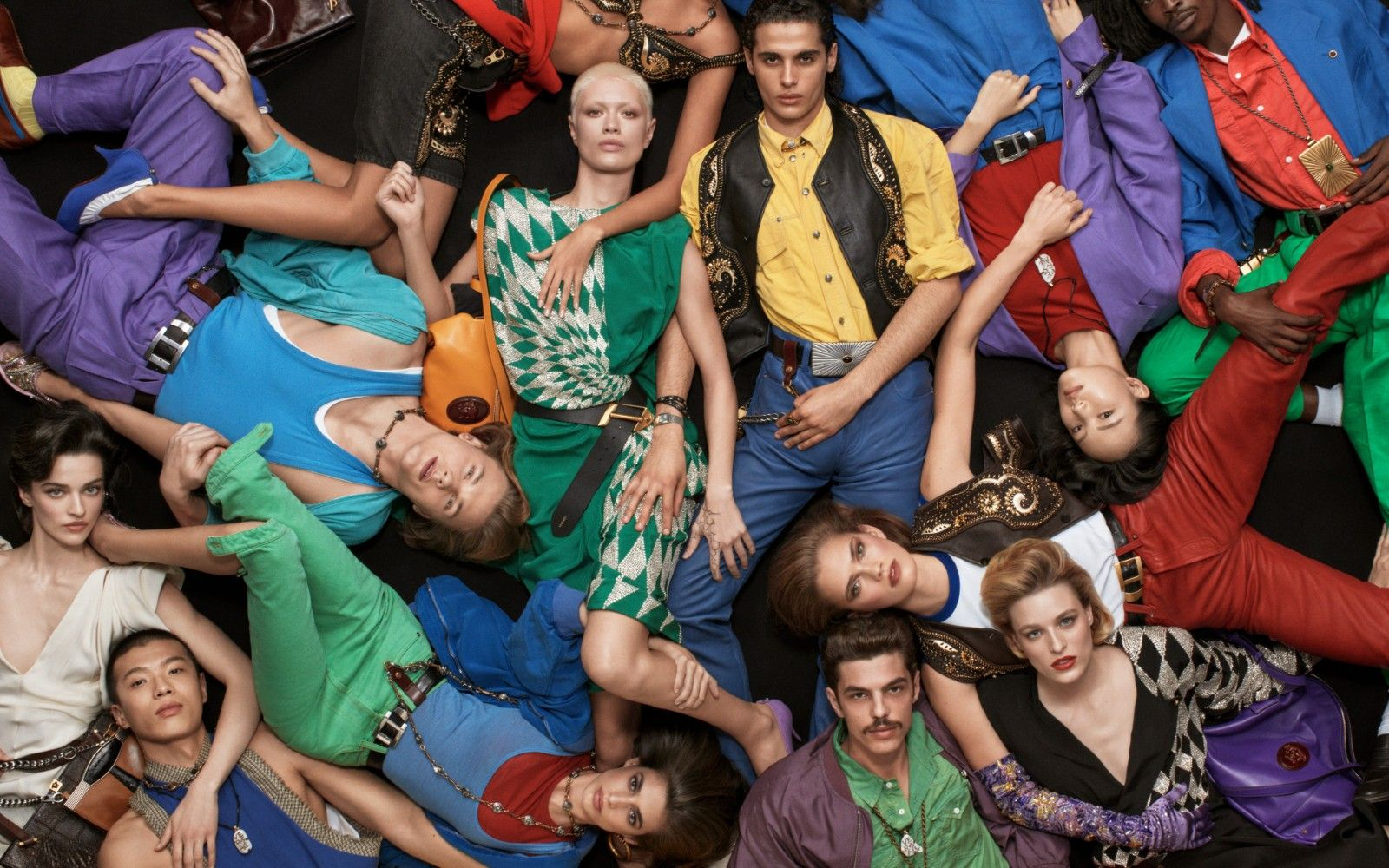
What a week.
Pieter Mulier announced he would be leaving his position as the creative director of the French maison Alaïa last Friday, followed by the release of Dario Vitale’s first, and last, Versace campaign. Just two days later, news broke that the Belgian designer would be joining Versace, after weeks of speculation.
With the Prada Group’s acquisition of Versace, Mulier’s appointment comes as little surprise. His name had circulated in fashion circles well before the official announcement, not merely as a rumour but because of his proximity to the Prada ecosystem through his long-standing relationship with Raf Simons, who co-directs Prada alongside Miuccia Prada. At Alaïa, Pieter Mulier proved himself not only as a designer of rare intelligence and precision, but as a thoughtful and effective custodian of a legacy house. From image-making, to world building, his work was consistently innovative, and deeply considered. Importantly, this creative clarity translated into commercial success: Mulier strengthened Alaïa’s footwear and accessories business, elevated the house’s desirability, and delivered tangible revenue growth.
That balance of conceptual rigour and commercial acuity is precisely what Versace now requires. Still, the question remains: is Pieter Mulier, a designer who led Alaïa with restraint, intellect, and architectural discipline, raunchy enough for a house synonymous with maximalist glam and skin-tight chainmail?
Meanwhile, Dario Vitale’s direction for the brand was a clear break from the risk-averse choices presented season after season in recent years. It was sex, but refined. The collection unfolded as a study in controlled provocation: zippers pulled down and trousers were left unfastened, recalling Versace’s historic eroticism without collapsing into nostalgia. Clothes clung, slipped, and revealed without ever tipping into caricature. I’m personally devoted to the thousand hues of black and yet this collection did the unthinkable: it made me seriously consider a pair of royal blue high-waisted trousers.
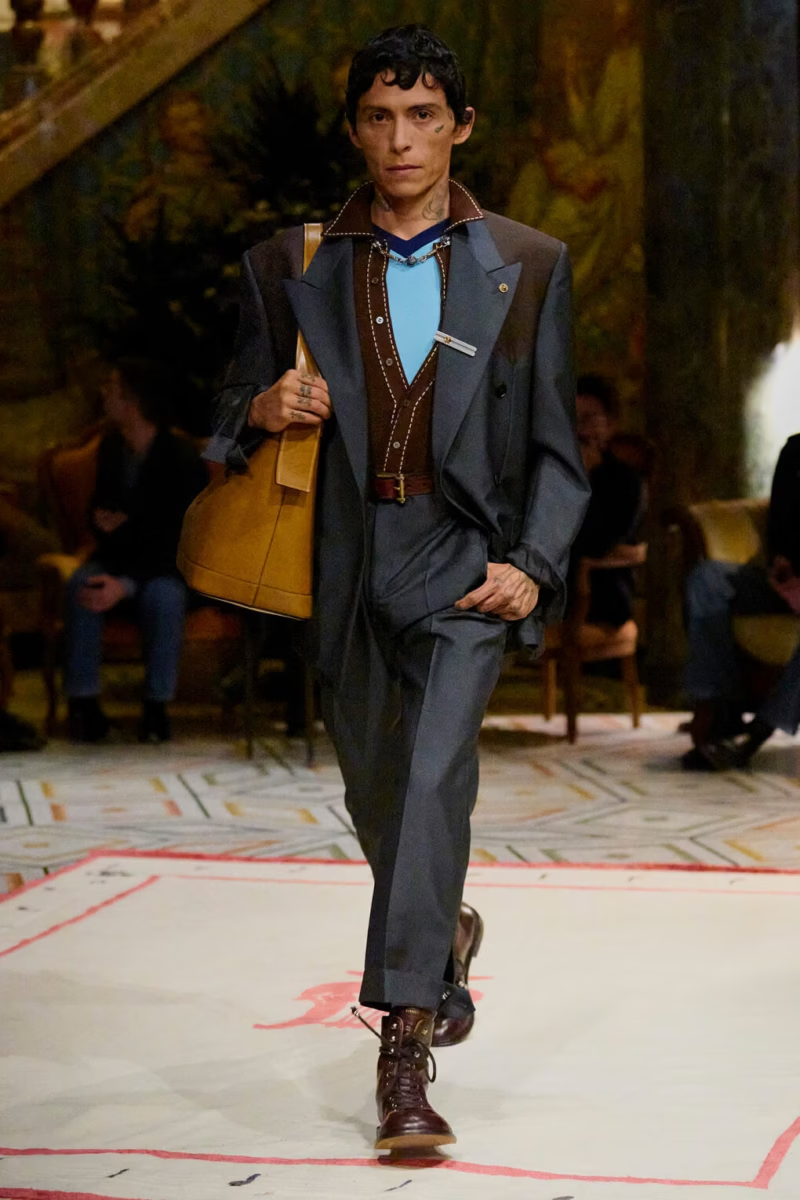
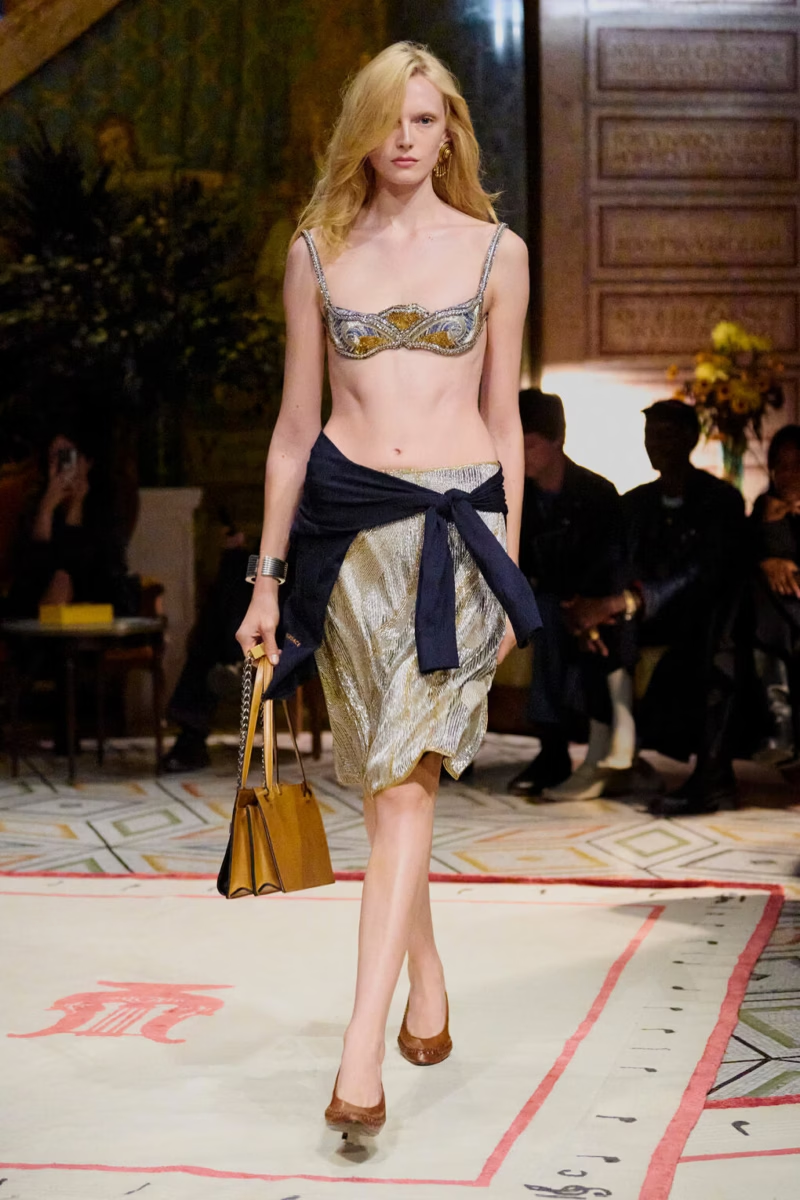
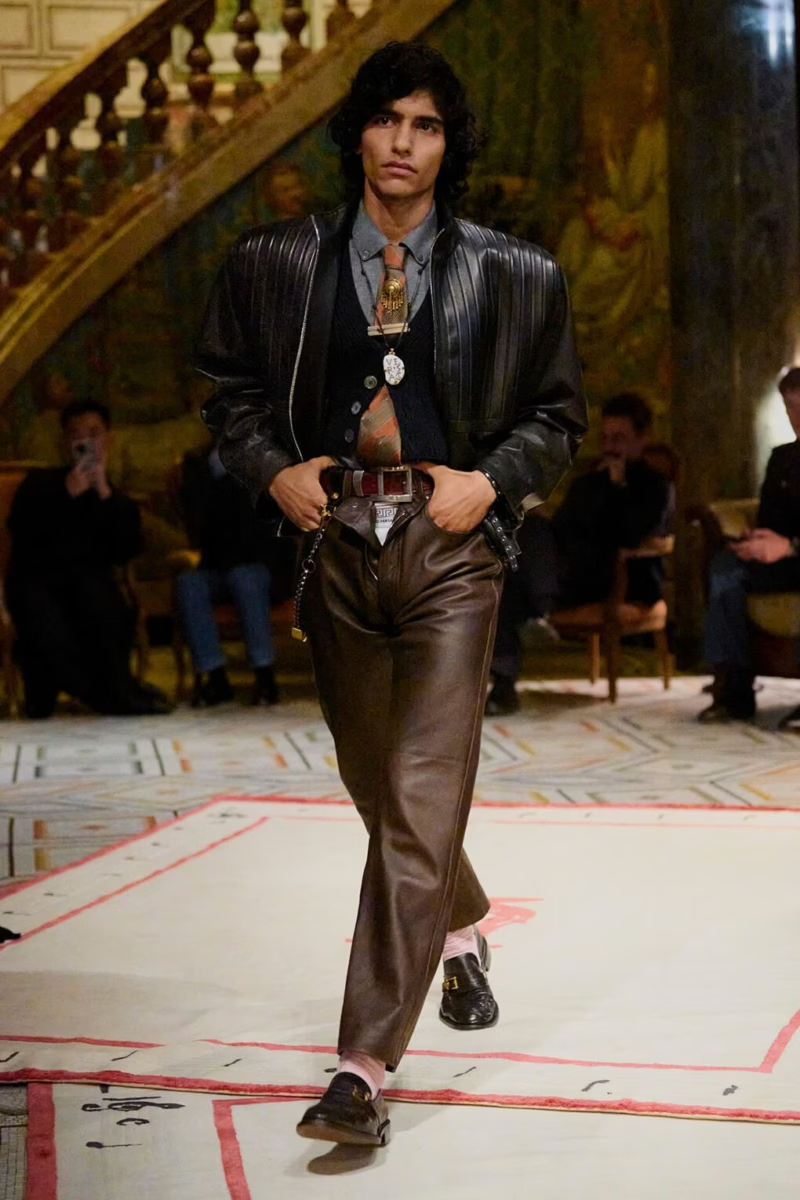
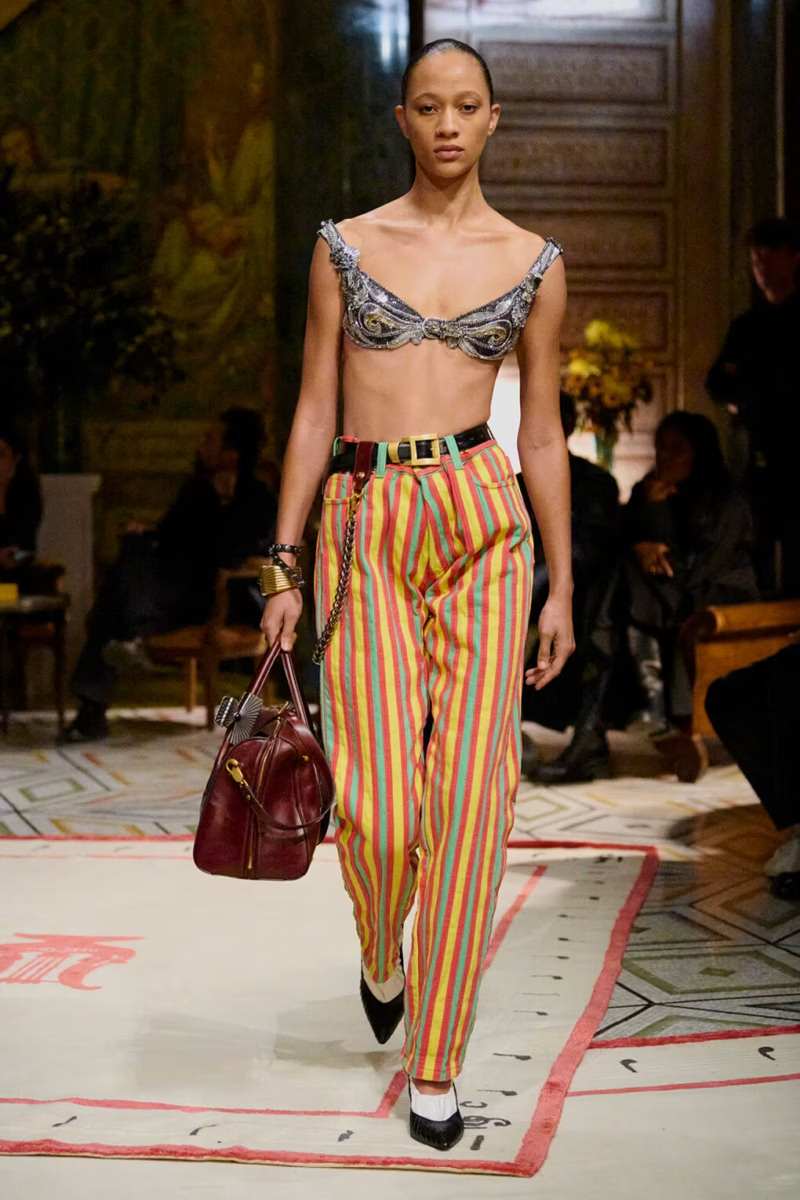
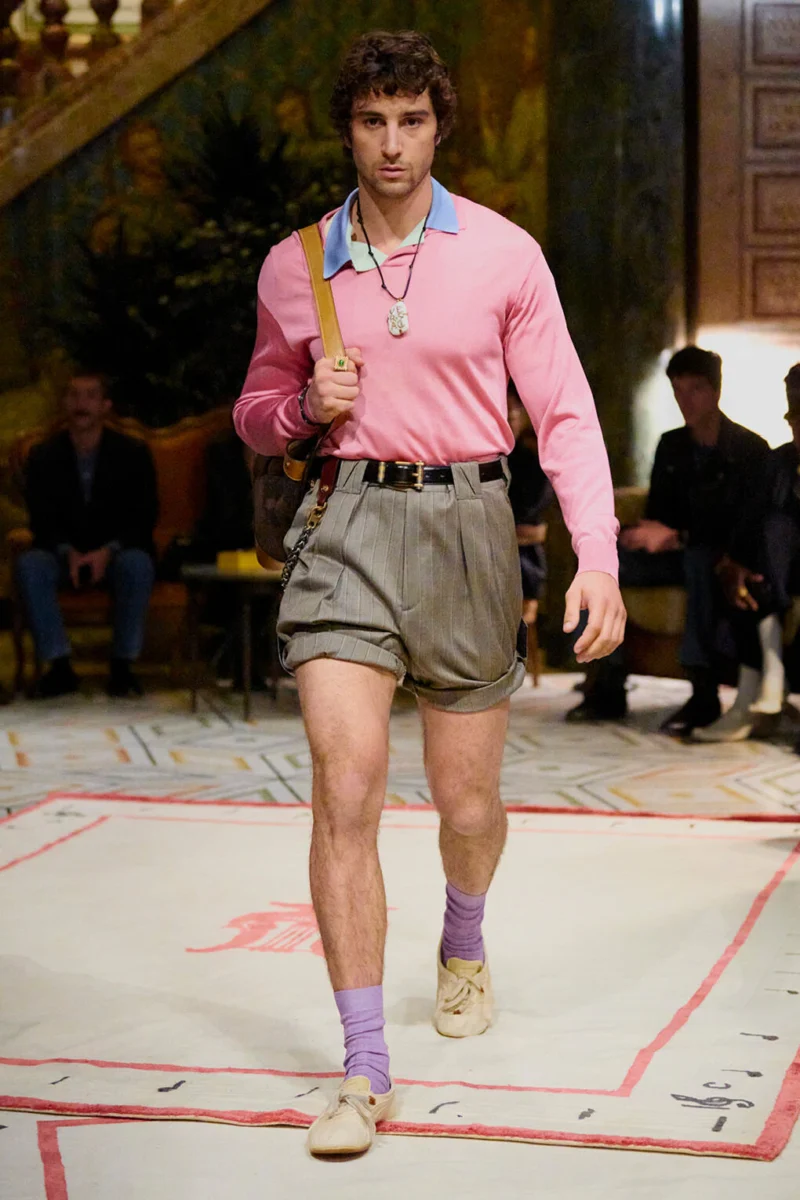
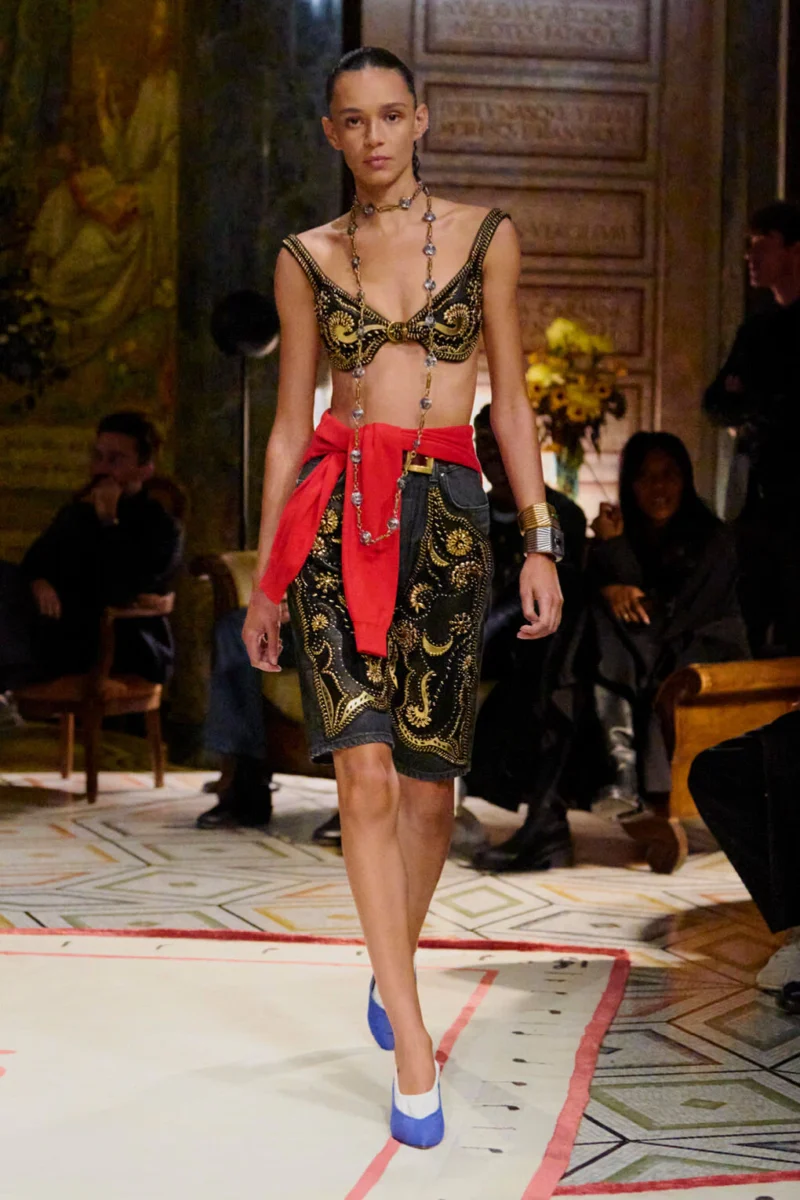
As a last goodbye, the brand released a capaign shot by Frank Lebon, Steven Meisel, and Tania Franco Klein and a letter by David Rimanelli, widely shared online and loved by critics and fans alike, already mourning this era of the legendary Italian brand. Beyond the strength of the collection, the images he created for the brand were equally compelling, refreshing Versace’s visual language and bringing in a new generation of fashion photographers, stylists and casting. The impact moved fast and far, from editorials and cover stories to Timothée Chalamet, Bad Bunny, Addison Rae, and our cover star Hudson Williams, all wore Vitale’s Versace. The collection had entered culture.
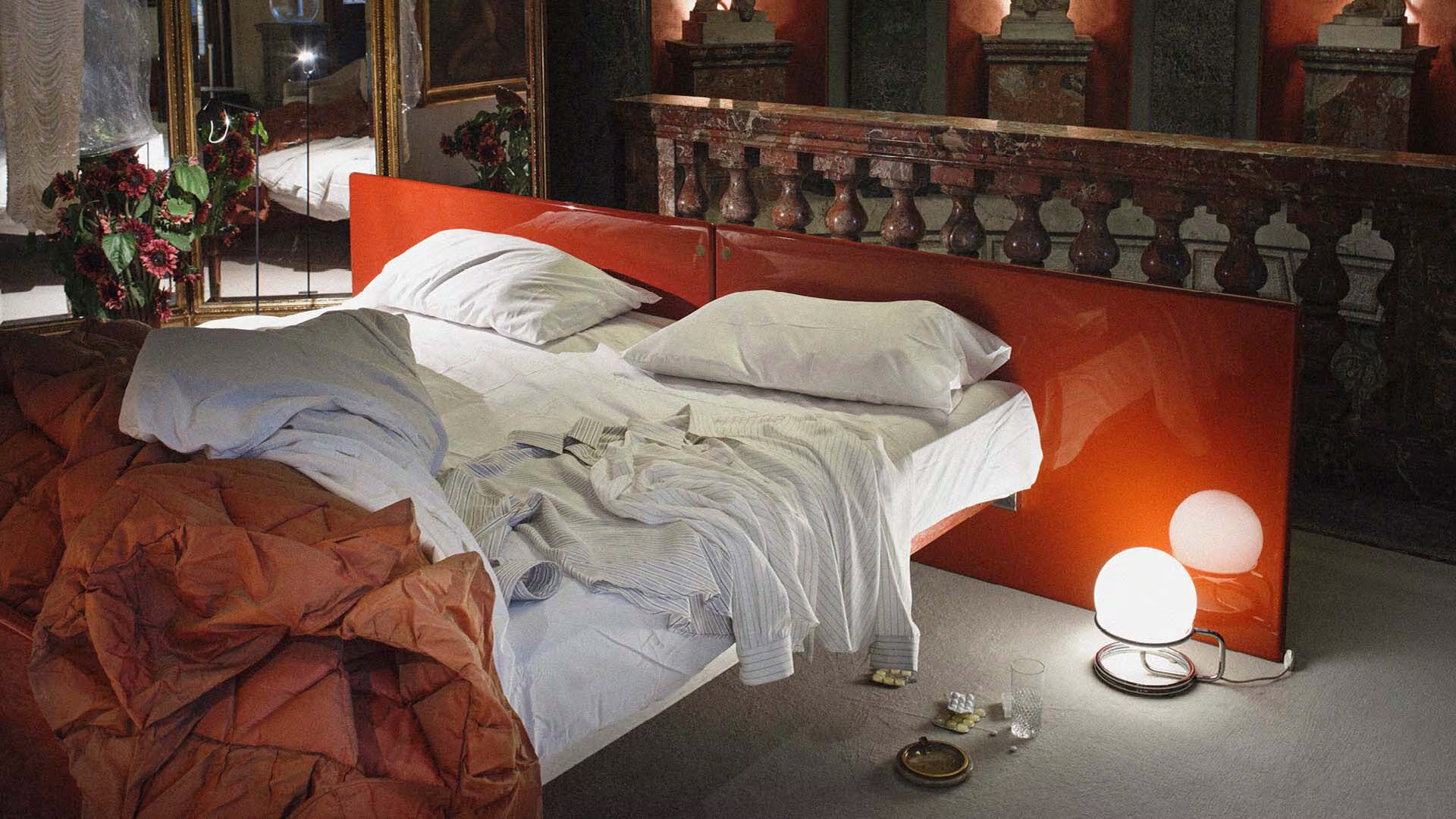
While celebrating Pieter’s hire at Versace, it’s impossible not to think about what we won’t see now: not even the red-carpet moments that never materialised or the Met Gala looks that won’t exist, but the off-duty sightings of celebrities in something quietly subversive at three in the morning, had Vitale been given time to develop, refine, and push further.
And yet, as attention turns to Versace, another question lingers: who will take over Alaïa? My personal bet is Michael Stewart, the London-based Irish designer behind the brand Standing Ground, known for his excellent hand draped gowns, but I would love to see a woman take the reins, honouring the legacy of a designer who loved women as much as Azzedine.
Words – Moira Gonzalez