Memory price rises have not impacted the Switch 2 yet, says Nintendo president, but warns about pressure “through the next fiscal year”
Good memory.
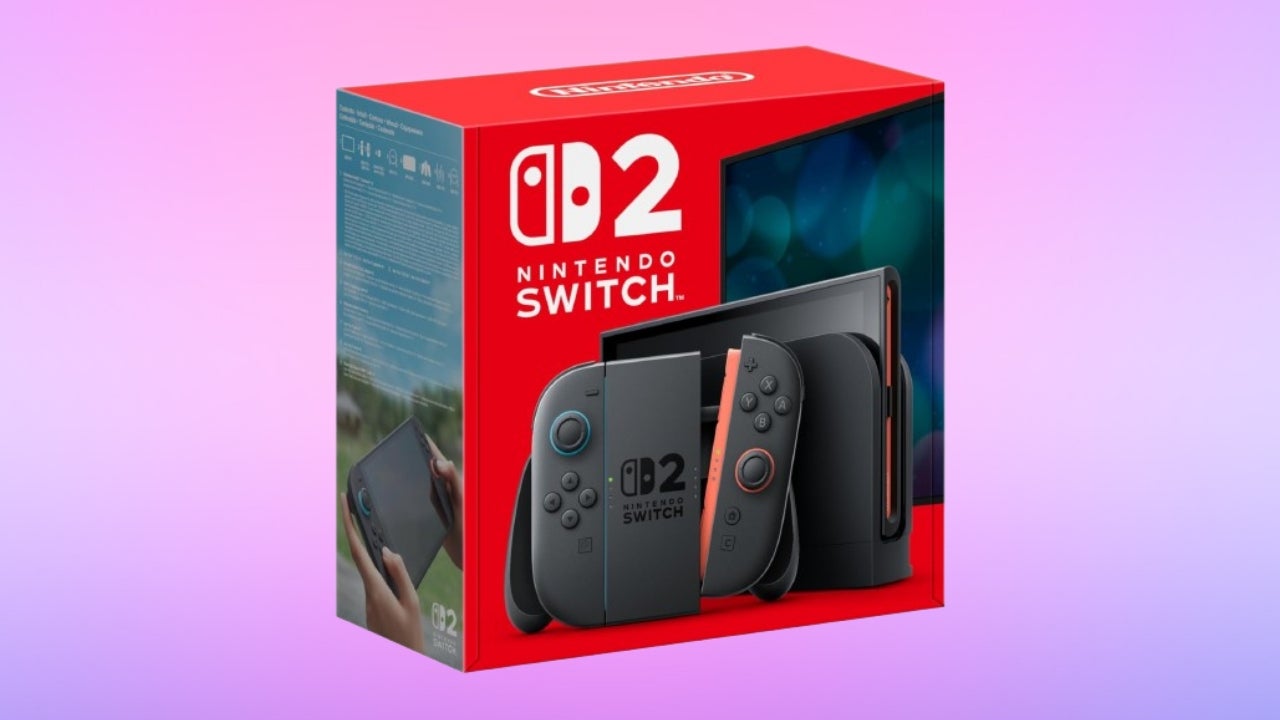

A Q&A between shareholders and Nintendo’s president Shuntaro Furukawa has been released alongside February’s quarterly financial report, in which the topic of rising memory costs was discussed. While the price hikes haven’t impacted the Switch 2 yet, Furukawa states that might change if the trend continues into the next fiscal year.
When asked if the rising price of memory has impacted the Switch 2’s profitability, and whether this could lead to a price revision for the console, Furukawa responded with the following:
“We do not disclose details regarding individual components, but we can say that we are working to secure stable supplies of memory components by holding discussions from a long term perspective with our business partners. As a result, the recent rise in memory prices did not have a significant impact on hardware profitability in the third quarter. In addition, we do not expect any significant impact in the fourth quarter.
“However, if this rise in component prices lasts longer than expected and runs through the next fiscal year and beyond, it may put pressure on profitability. If the situation deteriorates significantly, we will carefully assess market trends and respond. As for any future change in the price of Nintendo Switch 2 hardware, no decision has been made at this time. Any decision to change the price will be determined comprehensively, taking into consideration not only profitability, but also other factors like the platform’s installed base, sales trends, and the market environment.”
Furukawa was also asked if Nintendo will focus on expanding the install-base of the Switch 2 or the console’s profitability in the future, given the context of these rising component prices. To this, he responded: “The current rise in memory prices is happening at a pace that exceeds our expectations. In general, the profitability of hardware tends to improve with economies of scale, and we want to continue to reduce costs as much as possible through mass production of Nintendo Switch 2 hardware. With regard to not selling hardware at a loss, what we are focusing on is profitability on a global basis.
“There are various external factors, such as fluctuations in exchange rates, but looking at the global picture, we have traditionally tried to avoid situations where individual units are sold at a loss as much as possible. It is difficult to predict the changes in the external environment that are currently taking place, but I think it is not an appropriate approach to be excessively influenced by short-term trends. The second and third years for Nintendo Switch 2 are very important, and if we can expand the hardware installed base, we can use that as a basis to greatly expand software sales. We will take this into account when making business decisions and flexibly consider various options.”
One shareholder, noticing that inventory of the Switch 2 was higher than usual, asked whether this stocking up on the console was an intentional decision made with the rising cost of memory in-mind. This, it turns out, wasn’t the case. Instead, the higher than usual inventory was to get ahead of potential supply issues leading into last year’s holiday season.
“Our aim was to begin production as early as possible so that we could secure sufficient inventory at launch,” states Furukawa. “Even after the release of Nintendo Switch 2, we worked to expand production capacity to establish a position where we can respond appropriately if demand during the holiday season exceeded projections. As a result of these initiatives, we hold a certain amount of components and products, and these are recorded as inventory. While we currently expect some sort of impact on profitability if the increase in memory prices continues over the long term, we do not anticipate constraints in our production plans due to insufficient supply in the next fiscal year and beyond.”
These rising memory prices, caused by the ongoing production strain of AI datacenters and the wider generative AI boom, has resulted in widespread industry shifts as certain components skyrocket in demand. It was only earlier this year that reports indicated that Nvidia would cut gaming GPU production due to VRAM shortages. Here’s hoping things settle down before consoles – the Nintendo Switch 2 included – are seriously impacted.
A Q&A between shareholders and Nintendo’s president Shuntaro Furukawa has been released alongside February’s quarterly financial report, in which the topic of rising memory costs was discussed. While the price hikes haven’t impacted the Switch 2 yet, Furukawa states that might change if the trend continues into the next fiscal year.
When asked if the rising price of memory has impacted the Switch 2’s profitability, and whether this could lead to a price revision for the console, Furukawa responded with the following:
“We do not disclose details regarding individual components, but we can say that we are working to secure stable supplies of memory components by holding discussions from a long term perspective with our business partners. As a result, the recent rise in memory prices did not have a significant impact on hardware profitability in the third quarter. In addition, we do not expect any significant impact in the fourth quarter.
“However, if this rise in component prices lasts longer than expected and runs through the next fiscal year and beyond, it may put pressure on profitability. If the situation deteriorates significantly, we will carefully assess market trends and respond. As for any future change in the price of Nintendo Switch 2 hardware, no decision has been made at this time. Any decision to change the price will be determined comprehensively, taking into consideration not only profitability, but also other factors like the platform’s installed base, sales trends, and the market environment.”
Furukawa was also asked if Nintendo will focus on expanding the install-base of the Switch 2 or the console’s profitability in the future, given the context of these rising component prices. To this, he responded: “The current rise in memory prices is happening at a pace that exceeds our expectations. In general, the profitability of hardware tends to improve with economies of scale, and we want to continue to reduce costs as much as possible through mass production of Nintendo Switch 2 hardware. With regard to not selling hardware at a loss, what we are focusing on is profitability on a global basis.
“There are various external factors, such as fluctuations in exchange rates, but looking at the global picture, we have traditionally tried to avoid situations where individual units are sold at a loss as much as possible. It is difficult to predict the changes in the external environment that are currently taking place, but I think it is not an appropriate approach to be excessively influenced by short-term trends. The second and third years for Nintendo Switch 2 are very important, and if we can expand the hardware installed base, we can use that as a basis to greatly expand software sales. We will take this into account when making business decisions and flexibly consider various options.”
One shareholder, noticing that inventory of the Switch 2 was higher than usual, asked whether this stocking up on the console was an intentional decision made with the rising cost of memory in-mind. This, it turns out, wasn’t the case. Instead, the higher than usual inventory was to get ahead of potential supply issues leading into last year’s holiday season.
“Our aim was to begin production as early as possible so that we could secure sufficient inventory at launch,” states Furukawa. “Even after the release of Nintendo Switch 2, we worked to expand production capacity to establish a position where we can respond appropriately if demand during the holiday season exceeded projections. As a result of these initiatives, we hold a certain amount of components and products, and these are recorded as inventory. While we currently expect some sort of impact on profitability if the increase in memory prices continues over the long term, we do not anticipate constraints in our production plans due to insufficient supply in the next fiscal year and beyond.”
These rising memory prices, caused by the ongoing production strain of AI datacenters and the wider generative AI boom, has resulted in widespread industry shifts as certain components skyrocket in demand. It was only earlier this year that reports indicated that Nvidia would cut gaming GPU production due to VRAM shortages. Here’s hoping things settle down before consoles – the Nintendo Switch 2 included – are seriously impacted.
1 comment