{“@context”:”https://schema.org”,”@type”:”Article”,”image”:”https://car-images.bauersecure.com/wp-images/249784/001-skoda-karoq-hybrid-news-1.jpg”,”mainEntityOfPage”:{“@type”:”WebPage”,”@id”:”https://www.carmagazine.co.uk/car-news/industry-news/skoda/karoq-hybrid/”},”url”:”https://www.carmagazine.co.uk/car-news/industry-news/skoda/karoq-hybrid/”,”author”:{“@type”:”Person”,”name”:”Luke Wilkinson”,”description”:”Luke Wilkinson is Deputy Editor of our sister site, Parkers. However, he also writes news, reviews and features for CAR magazine. Heu2019s worked as a car journalist for five years now, having started his career as a Staff Writer at Auto Express in November 2018. He joined Bauer Media in February 2022.nHe was excited to work as a car journalist before heu2019d even finished his studies. As a university student, heu2019d visit his local car dealerships in his spare time (posing as a customer), and test drive cars. He would then write reviews on those cars for his own website to build up a portfolio to show to his future employer.nLukeu2019s efforts soon landed him an internship with the Daily Recordu2019s motoring supplement, Road Record. He worked for two weeks at the publication, gathering vital online and print magazine skills that would stand him in good stead for his entrance into the working world.nHighlights of his career so far include driving a V8 powered (and ULEZ exempt!) Range Rover Classic down Saville Row, redlining the David Brown Automotive Mini Remasteredu00A0and tearing down Millbrook Proving Groundu2019s mile straight at 170mph in au00A0McLaren 720S.nWhen he isnu2019t shackled to his desk, Luke spends his time restoring hisu00A0Classic Mini. Itu2019s a 1993 Rover Mini Sprite thatu2019s heu2019s owned since he was 15. Itu2019s already undergoing its second bout of rust repair and is awaiting an entire new floor pan, a fresh front end and a rebuilt engine.nYou can follow Luke on his Twitter,u00A0Instagramu00A0andu00A0LinkedInu00A0pages. Alternatively, you can find a list of his latest articles at the bottom of this page.”,”image”:{“@type”:”ImageObject”,”url”:”https://car-assets.bauersecure.com/wp-images/14254/lukewilkinson1.jpeg”,”caption”:”Luke Wilkinson”},”sameAs”:[“https://www.linkedin.com/in/luke-wilkinson-08a155112/”,”https://x.com/LT_Wilkinson”,”https://www.instagram.com/lt_wilkinson/”],”url”:”https://www.carmagazine.co.uk/author/luke-wilkinson/”,”alumniOf”:{“@type”:”EducationalOrganization”,”name”:”University of Glasgow”},”jobTitle”:”Deputy Editor”,”knowsAbout”:”Automotive,Motoring,Road testing,Car news”,”worksFor”:{“@type”:”Organization”,”name”:”Parkers”}},”dateModified”:”2026-02-03T20:25:34+00:00″,”datePublished”:”2026-02-03T20:25:34+00:00″,”headline”:”The waiting game: Skodau2019s plan to launch a new hybrid Karoq u2013 if the stars can align”,”publisher”:{“@type”:”Organization”,”name”:”Bauer Media”,”brand”:{“@type”:”Organization”,”name”:”Car Magazine”},”logo”:{“@type”:”ImageObject”,”url”:”https://car-assets.bauersecure.com/images/logos/car.200×88.png”}}}
The waiting game: Skoda’s plan to launch a new hybrid Karoq – if the stars can align
Published: 03 February 2026
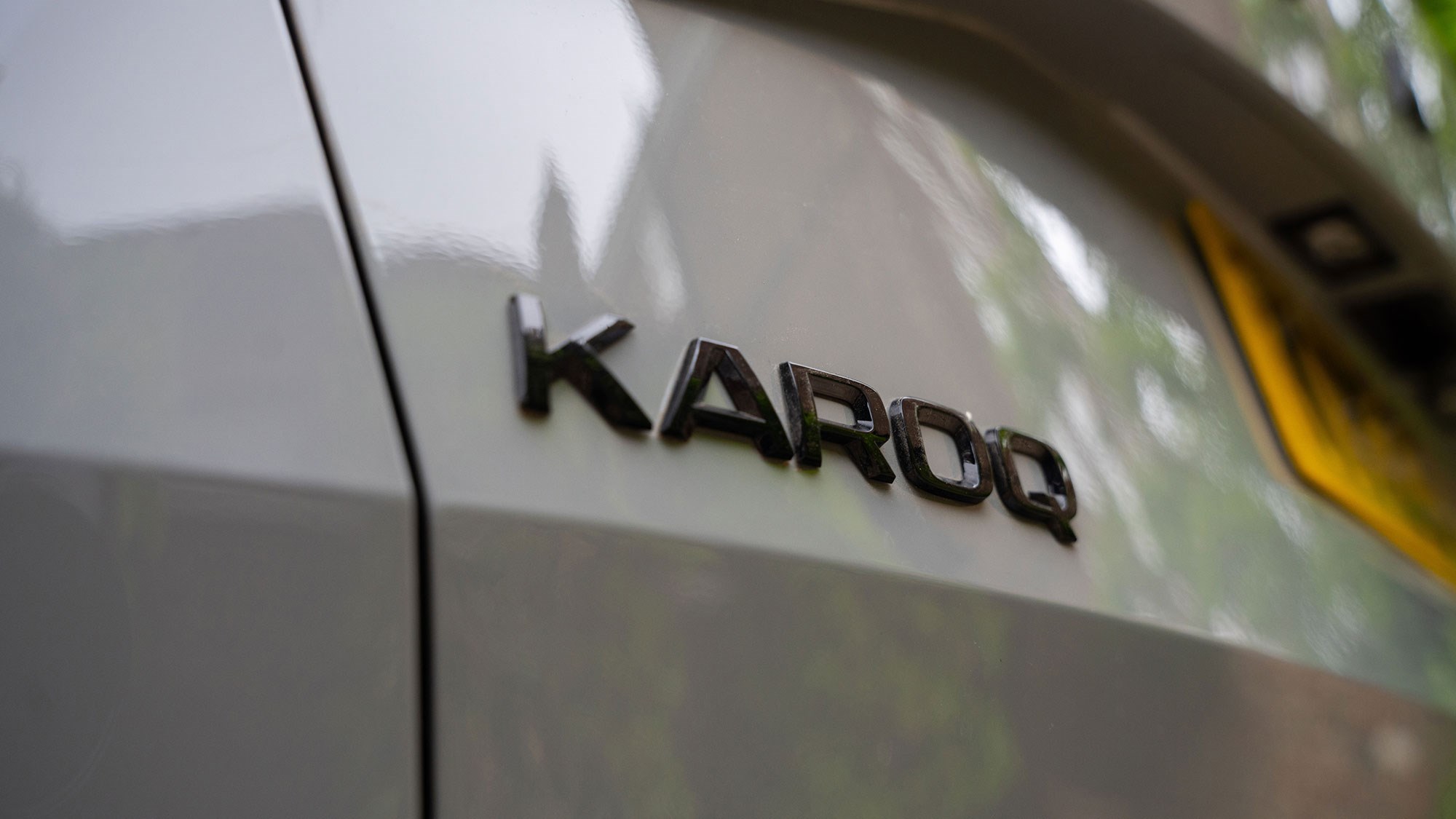
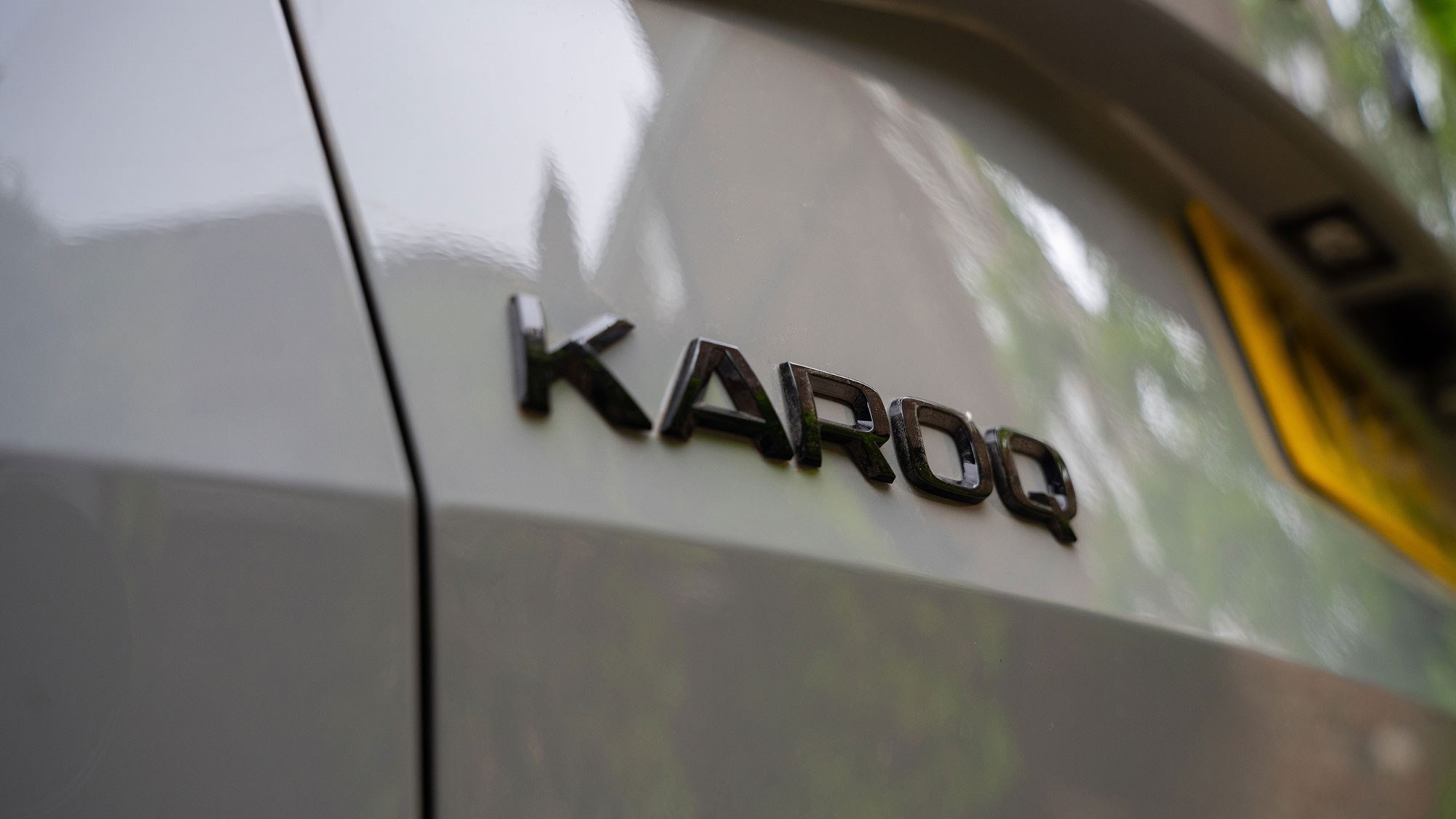
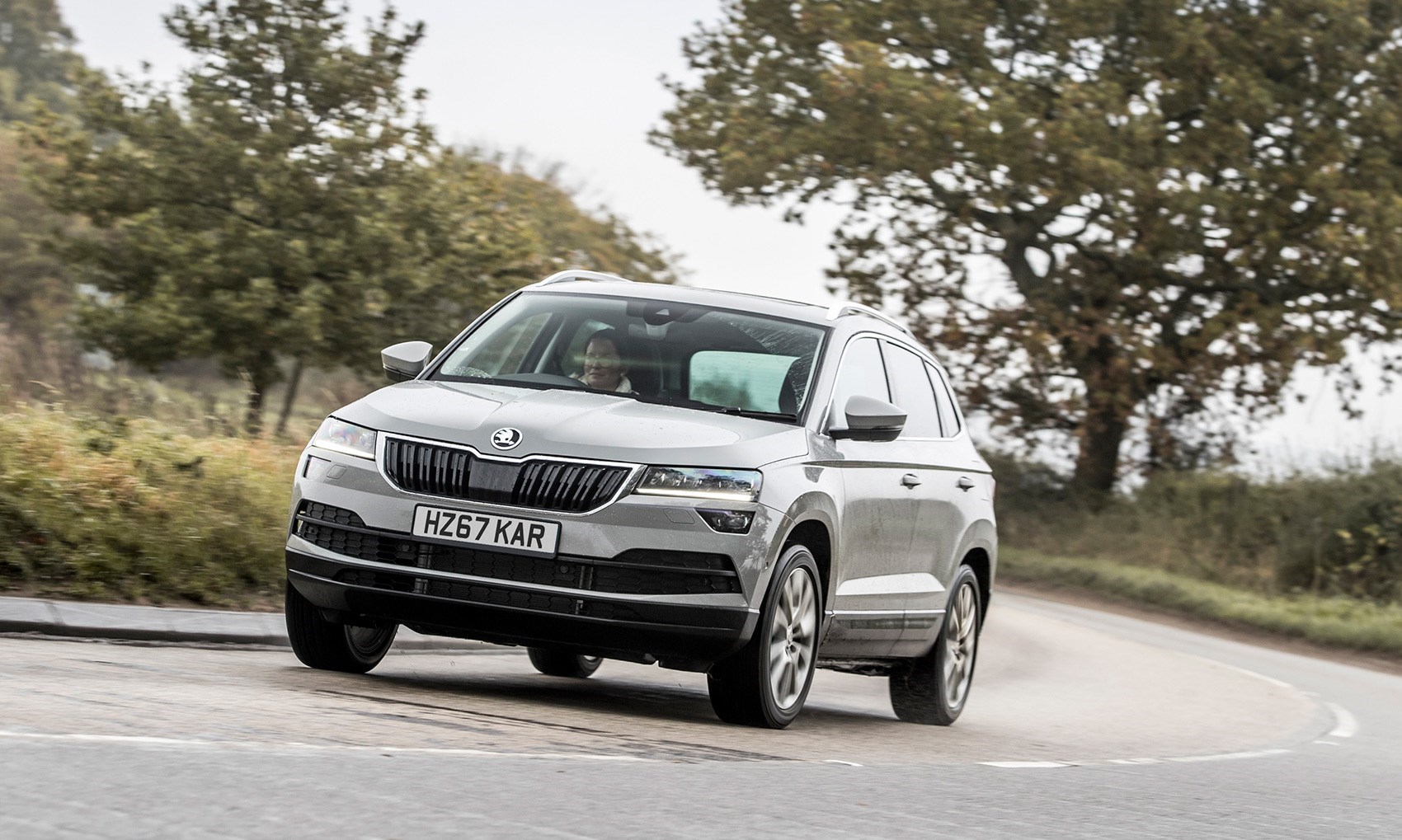
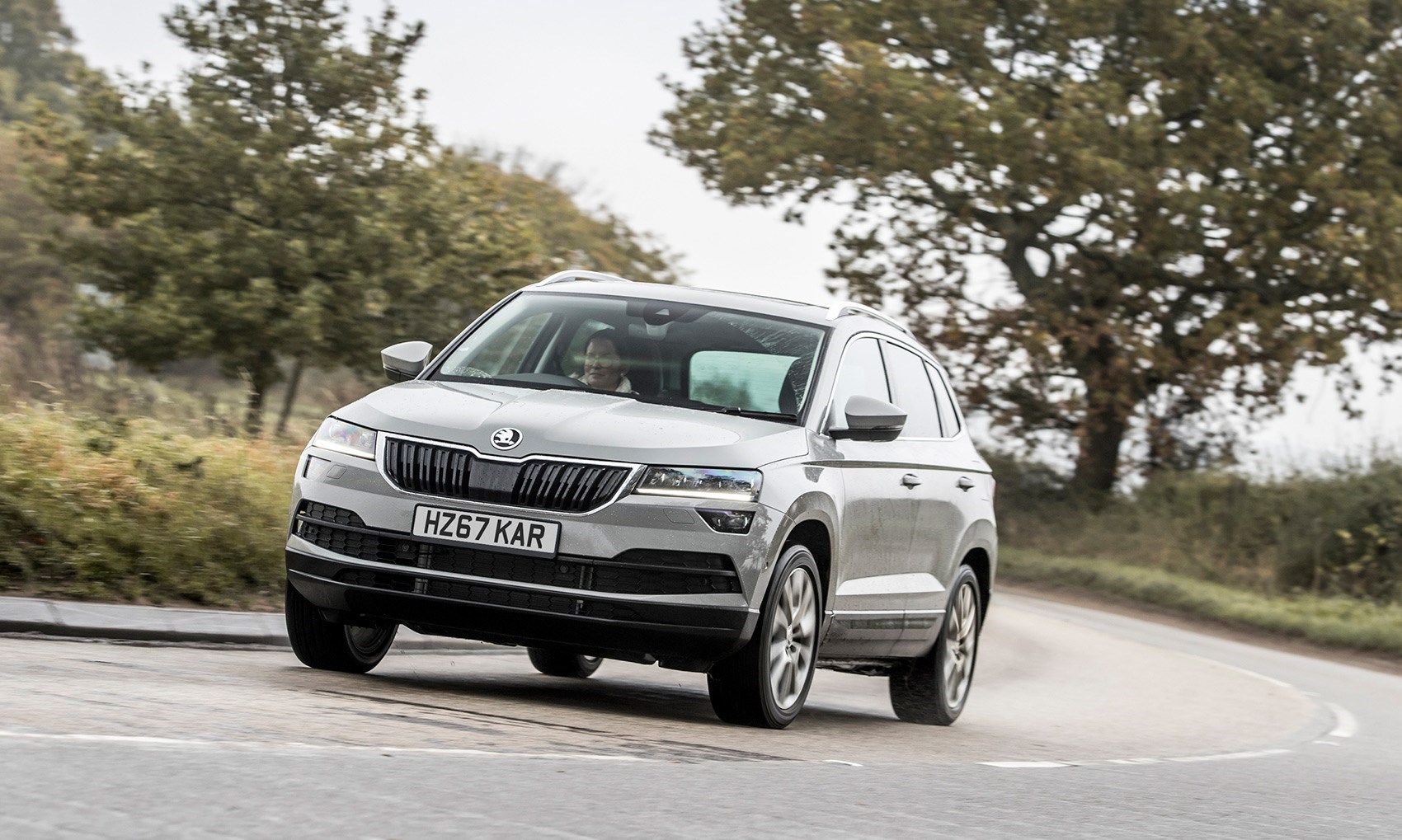
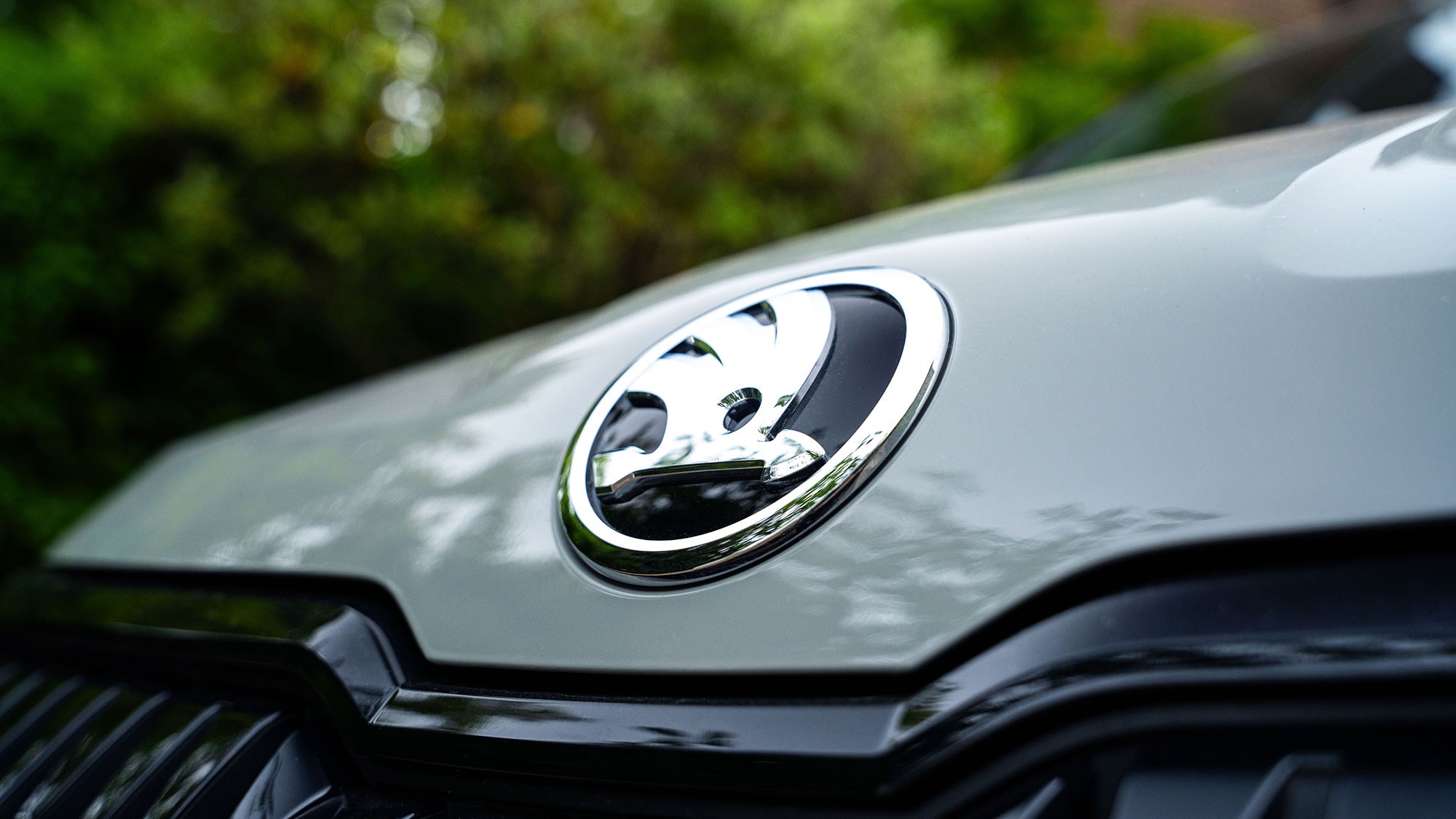
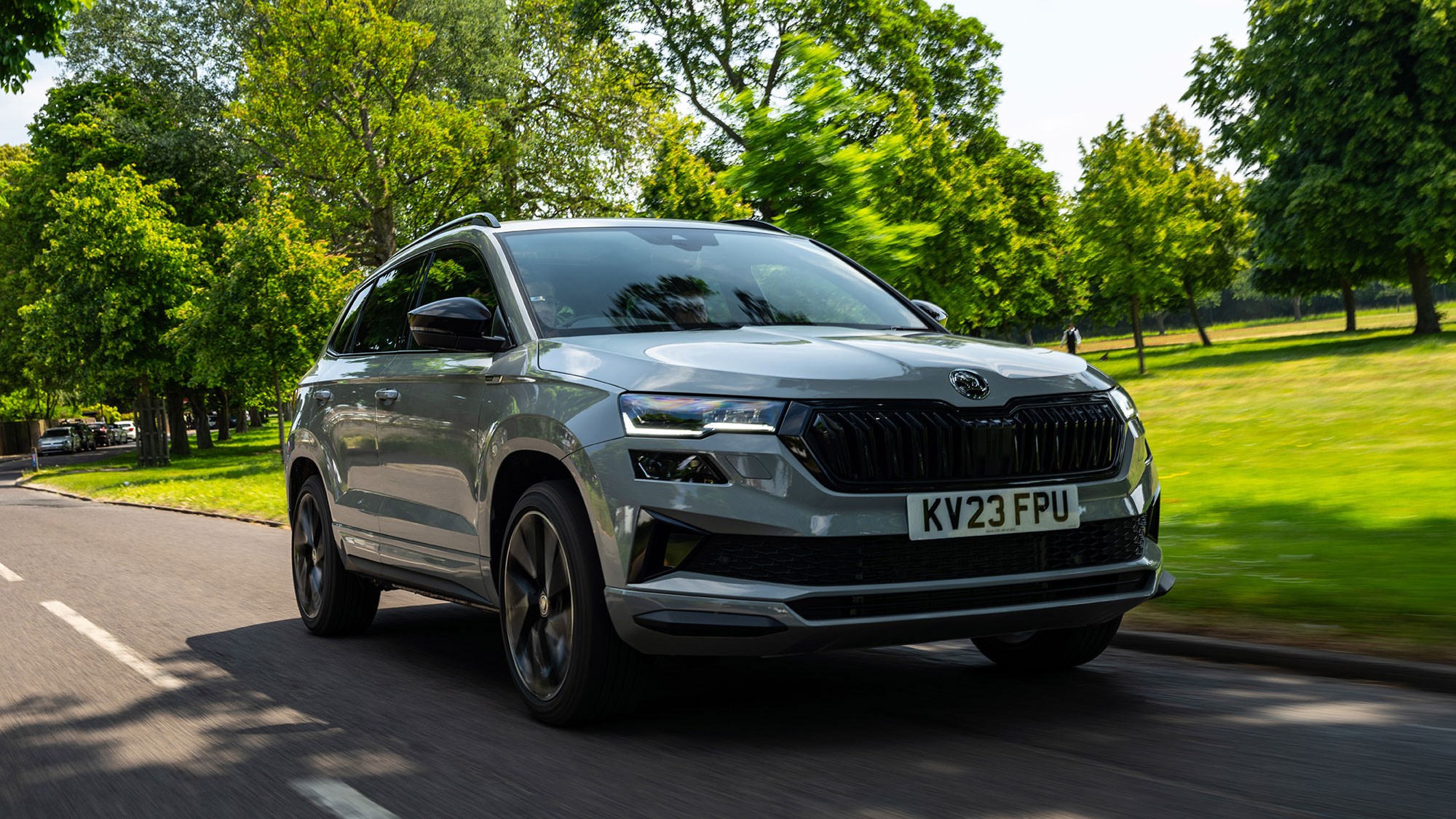
► Next-generation Skoda Karoq is on the cards…
► … providing the EU doesn’t move its emissions targets again
► It’ll adopt hybrid tech from the new Volkswagen T-Roc
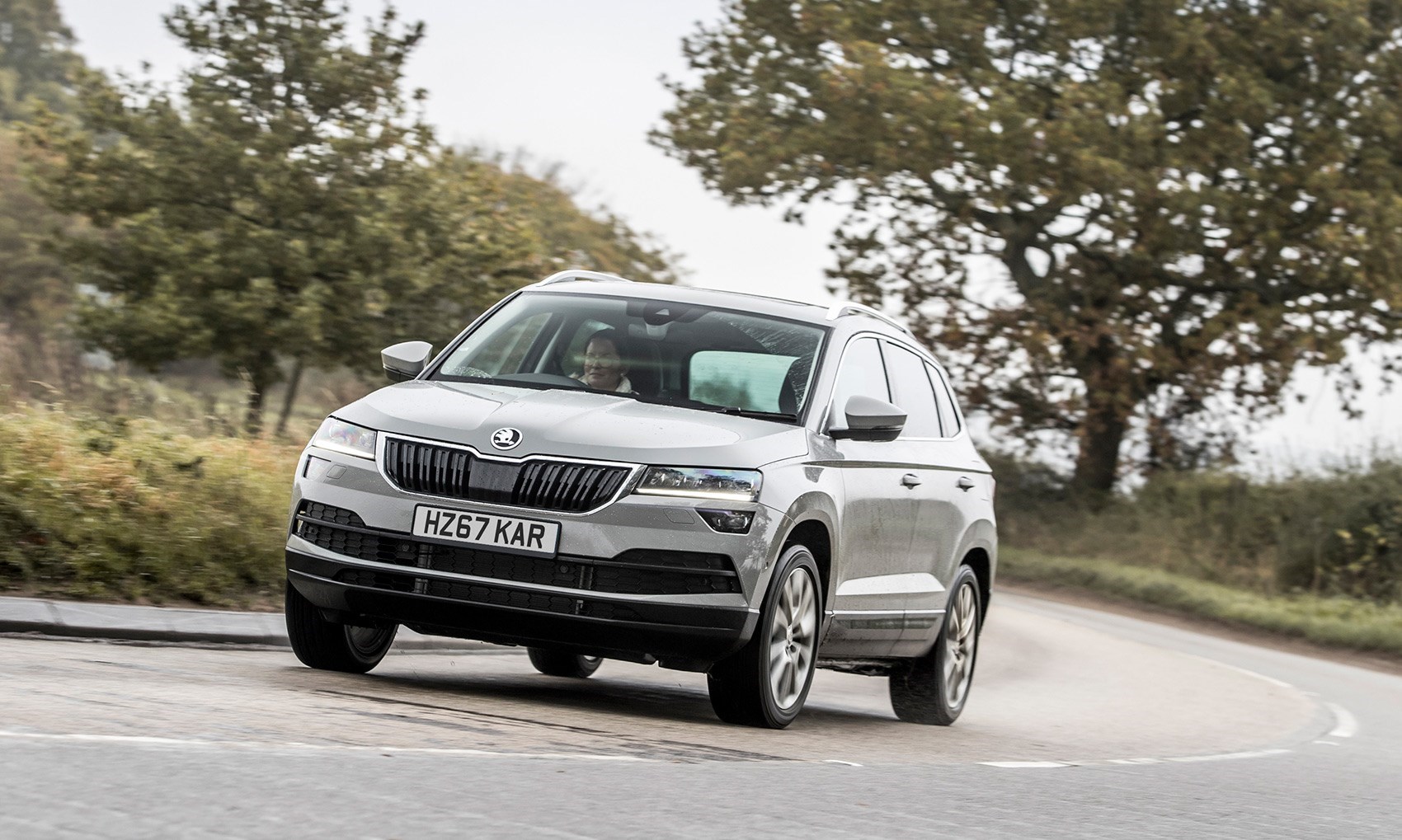
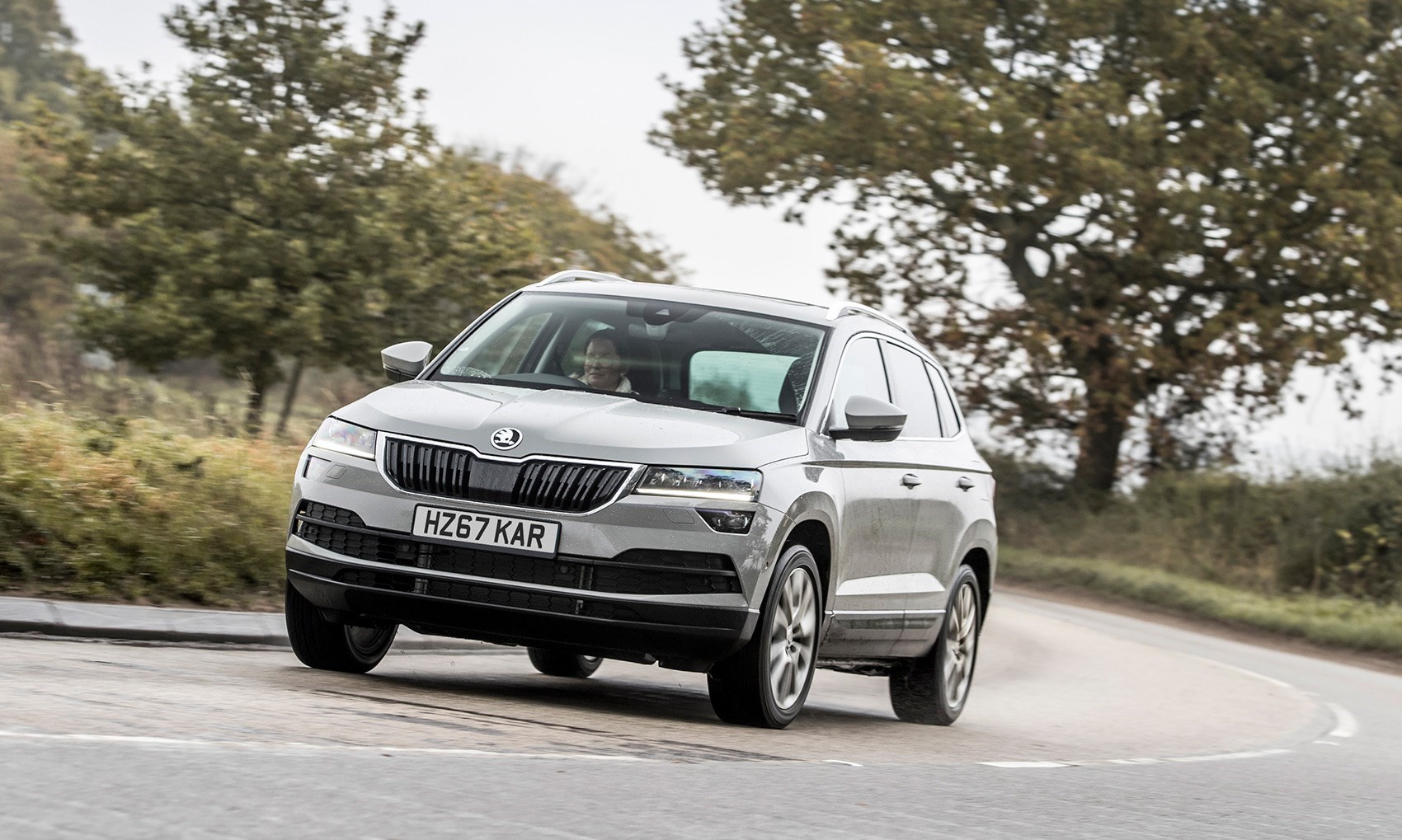
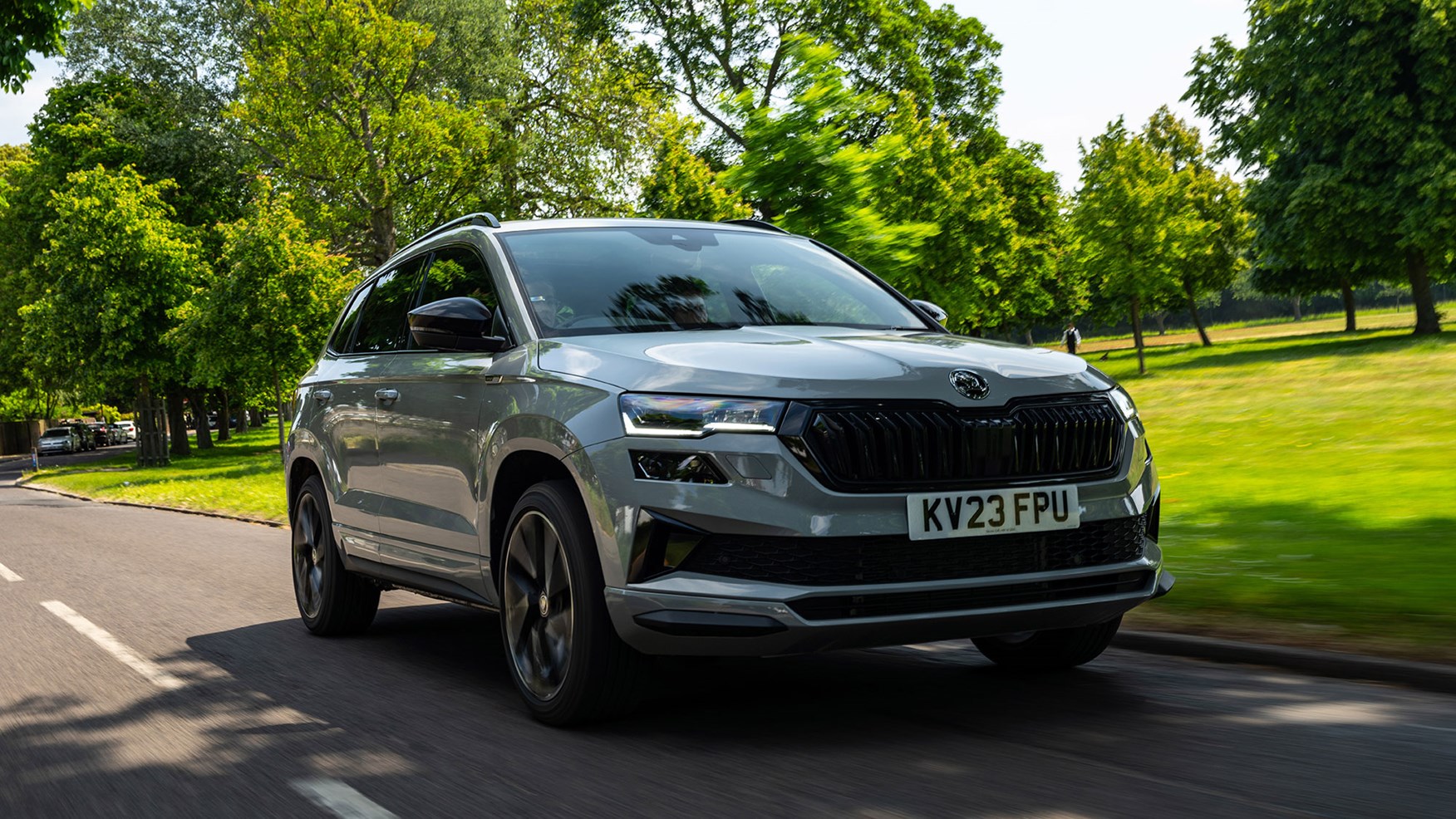
Few brands have the nerve to keep a car on sale for nine years – but that’s exactly what’s happened with the Skoda Karoq. It hit the market in 2017 and it’s been selling well ever since. So well, in fact, that Skoda hasn’t felt the need to replace it, even when rivals such as the Mk4 Hyundai Tucson and Mk3 Nissan Qashqai arrived with fuel-saving hybrid tech.
That could all be about to change, though. Skoda recognises that not all its customers are ready to make the switch to an EV – and it’s eyeing up which cars in its line-up are right for a hybridised replacement. The Karoq is at the top of the list.
Martin Jahn, Skoda’s board member for sales and marketing, said: ‘It would certainly make sense to have a new generation of Karoq for us. Karoq is already, I would say, quite the age. Still a great car. We still sell a lot. But, as I said, it would certainly make sense for us to have a new generation of Karoq.’
If it sees the light of day, it’ll be based on a heavily revised version of the current car’s MQB platform, using the architecture from the new Volkswagen T-Roc as its starting point. However, some complicated politics need to happen in Brussels before Skoda feels comfortable enough to pull the trigger on the car.
Jahn explained, saying: ‘With some design uplifts with some technological improvements such as hybridisation, we can keep the MQB going for quite some time. We are also waiting for the new rules for CO2 – what happens after 2035 – and that will basically determine how much we will invest into combustion engine cars.’
In 2024, Skoda’s CEO Klaus Zellmer stressed the importance of not forcing drivers into EVs – and Jahn still echoes that sentiment. He said: ‘[Combustion cars] are still very popular and we are quite happy about the volume, so we will run them as long as the customers want them, as long as it’s legally possible and as long as it’s financially viable for us.’
What will the new Karoq’s specs look like?
Like the T-Roc, it’s likely that the most expensive versions of the next Karoq will be available with a pair of 1.5-litre self-charging hybrid powertrains with either 134bhp or 168bhp, both of which will allow the car to creep around town on electric power alone. Volkswagen says the tech will reduce the T-Roc’s fuel consumption by around 15% compared to its cheaper mild hybrid powertrains.
The Group’s self-charging technology should also bring the additional benefit of not sacrificing hundreds of litres of boot space to a massive battery pack, which has been the case with its larger plug-in hybrid powered SUVs until now. Take the Kodiaq as an example. Conventionally powered five-seat models have 910 litres of boot space, but the five-seat PHEVs only have 725 litres as the big hybrid battery eats loads of space under the floor.
But because full hybrid batteries are much smaller than PHEV batteries, the new T-Roc should give away less of its 475-litre boot to the hardware. The hope is that Skoda can match that figure with the full-hybrid powered Karoq, as its cars are generally larger than their Volkswagen-badged counterparts.
As for the interior, because it’s now quite difficult to separate platforms from their electrical components, the next-generation Karoq will likely feature the same 8.0-inch digital gauge cluster and 12.9-inch infotainment system as the T-Roc.
Sadly, it’s doubtful the Karoq will get the same dashboard layout as the current Kodiaq and Superb. A conversation with some of Skoda’s engineers revealed that the high cost of its multifunction dials would price the next Karoq out of the C-segment SUV market. They were outrageously expensive to develop, which is why they’re reserved for the cars with the biggest margins.
How much will the next Skoda Karoq cost?
We’ve still got a long time to wait before Skoda can release any prices for the next Karoq – we haven’t even seen a concept version of the car yet. If we had to take an educated guess, however, we’d expect a starting price of around £30,000 for the mild-hybrid base model.
That’ll put it on level-footing with the T-Roc. The Skoda should offer better value for money, though. If the brand’s previous cars are anything to go by, it should have more space inside for passengers, more boot space and slightly better comfort.
Time – and EU legislation – will reveal the outcome. Although, given the size of the market, it would be daft for Skoda to not take advantage of the opportunity.
console.debug(‘taboola container loaded..’)
window._taboola = window._taboola || [];
_taboola.push({
mode: ‘thumbs-feed-1×1’,
container: ‘taboola-below-article-thumbnails-v3’,
placement: ‘Below Article Thumbnails V3’,
target_type: ‘mix’
});
var disqus_shortname = ‘carmagazine’;
var disqus_developer = 0;
var disqus_identifier = ‘article-wp-249784’;
(function () {
var dsq = document.createElement(‘script’);
dsq.type = ‘text/javascript’;
dsq.async = true;
dsq.src = ‘http://’ + disqus_shortname + ‘.disqus.com/embed.js’;
(document.getElementsByTagName(‘head’)[0] || document.getElementsByTagName(‘body’)[0]).appendChild(dsq);
var s = document.createElement(‘script’);
s.type = ‘text/javascript’;
s.async = true;
s.src = ‘http://’ + disqus_shortname + ‘.disqus.com/count.js’;
(document.getElementsByTagName(‘head’)[0] || document.getElementsByTagName(‘body’)[0]).appendChild(s);
})();Please enable JavaScript to view the comments powered by Disqus.