{“@context”:”https://schema.org”,”@type”:”Article”,”image”:”https://car-images.bauersecure.com/wp-images/245015/real-world-ev-battery-life-picture-of-battery-assembly.jpg”,”mainEntityOfPage”:{“@type”:”WebPage”,”@id”:”https://www.carmagazine.co.uk/car-news/motoring-issues/ev-battery-life-survey-2025/”},”url”:”https://www.carmagazine.co.uk/car-news/motoring-issues/ev-battery-life-survey-2025/”,”author”:{“@type”:”Person”,”name”:”CJ Hubbard”,”description”:”CJ is a former Associate Editor of CAR, and now runs parent company Bauer Mediau2019s Digital Automotive Hub u2013 the in-house team that provides much of the online content for CAR and sister site Parkers.co.uk as well as helping out with CAR magazine. Heu2019s been writing about cars professionally (if thatu2019s the right word) for nearly two decades, though attempts to hide this fact with an extensive moisturising routine. Rumour has it his first word was u2018caru2019 as well, mind, so his fascination with the topic goes back more than double that length of timeu2026nHis former life at specialist automotive editorial agency Motoring Research means heu2019s also written for the likes of PistonHeads, the Sunday Times, City AM, Auto Express and the Microsoft MSN network, and has appeared in print and on video all over the world. Heu2019s also previously taken a diversion into the world of light commercial vehicles, which means he knows an unhealthy amount about vans and pick-ups, too.nA career starting in 2006 has seen him cover events and create features from all over the globe, including locations as diverse as the Australian Outback, the Arctic Circle, the Omani desert, North and South America, India, China, Thailand and Cuba. An enthusiast and a technologist, he approaches the current quickening evolution of all things automotive with an analytical interest that aims to put the driver first, and feels incredible lucky to be experiencing so many of these changes first hand.nOver this time heu2019s driven everything from city cars to articulated trucks, and almost every type of power-source imaginable. Thereu2019s no steam car in the archive, but as well as petrol, diesel and electric, CJu2019s tried LPG, CNG and several varieties of hydrogen, including rotary and V12 as well fuel cell. Heu2019s daily driven a Lamborghini (tough gig; apparently even tougher to stop mentioning it, several years later), crossed Europe in a van, crashed on track, travelled on and off-road in all kinds of conditions, been kinetically recovered, run out of fuel, and even found himself reported as stolen. In Sweden.nCJu2019s personal four-wheeled back catalogue includes E30 and E34 BMWs, Fords fast and slow, multiple MX-5s, a Saab 900, a Nissan Sunny andu2026 a Vauxhall Cavalier. Having not learnt his lesson spending far too much money ITB-modifying an early Eunos Roadster, heu2019s now burning all his spare cash trying to keep a notoriously unfickle 996 alive. A car he bought largely by accident due to its entirely Nephrite Green interior. As such, heu2019s the very embodiment of why you should do your research before buying a car, rather than afterwards, a perspective that usefully comes across more correctly in his writing than his bank account.nFor cat pictures, random musings, and to see just how green that cabin really is, you can find CJ on Instagram, Threads and possibly Bluesky. Heu2019s also on LinkedIn, but is yet to work our quite why. CJu2019s latest CAR articles are listed below.”,”image”:{“@type”:”ImageObject”,”url”:”https://car-assets.bauersecure.com/wp-images/14264/cjhubbard.jpeg”,”caption”:”CJ Hubbard”},”sameAs”:[“https://www.linkedin.com/in/cj-hubbard-1a649888/”,”https://x.com/ir_427″,”https://www.instagram.com/ir_427/”],”url”:”https://www.carmagazine.co.uk/author/cj-hubbard/”,”alumniOf”:{“@type”:”EducationalOrganization”,”name”:”MA (Distinction) in Motoring Journalism from Coventry University (2005-2006), BA (First) in American Studies (History) from University of Kent (1998-2002)”},”email”:”cj.hubbard@bauermedia.co.uk”,”jobTitle”:”Head of the Bauer Digital Automotive Hub”,”knowsAbout”:”automotive,road testing,car news,car advice,long-term tests,product testing”,”worksFor”:{“@type”:”Organization”,”name”:”CAR magazine”}},”dateModified”:”2026-01-15T08:33:45+00:00″,”datePublished”:”2026-01-15T08:33:45+00:00″,”headline”:”This survey says: stop worrying about EV battery life”,”publisher”:{“@type”:”Organization”,”name”:”Bauer Media”,”brand”:{“@type”:”Organization”,”name”:”Car Magazine”},”logo”:{“@type”:”ImageObject”,”url”:”https://car-assets.bauersecure.com/images/logos/car.200×88.png”}}}
This survey says: stop worrying about EV battery life
Published: 15 January 2026
-
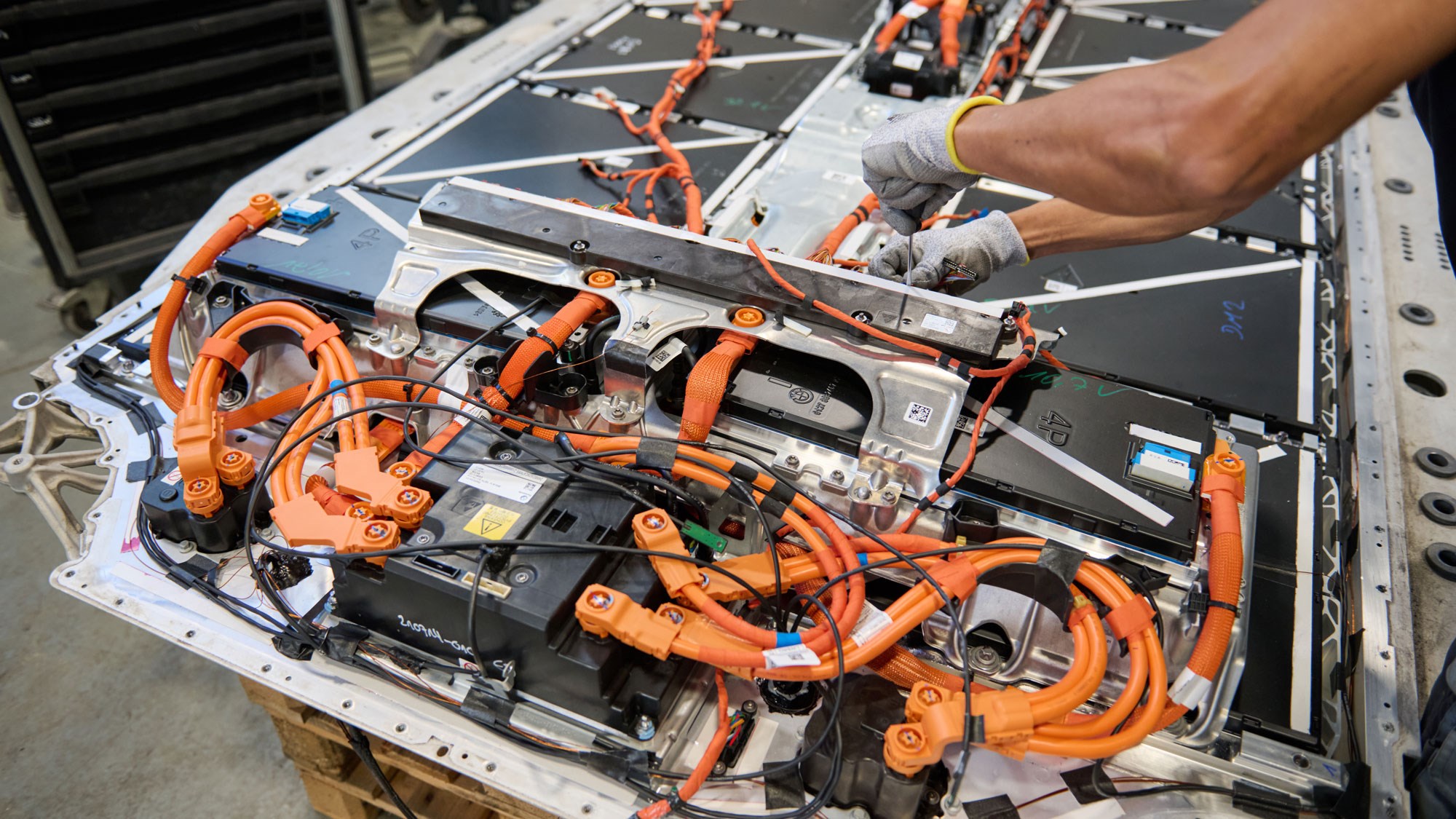
 EV battery life survey – get the full story on CAR
 -
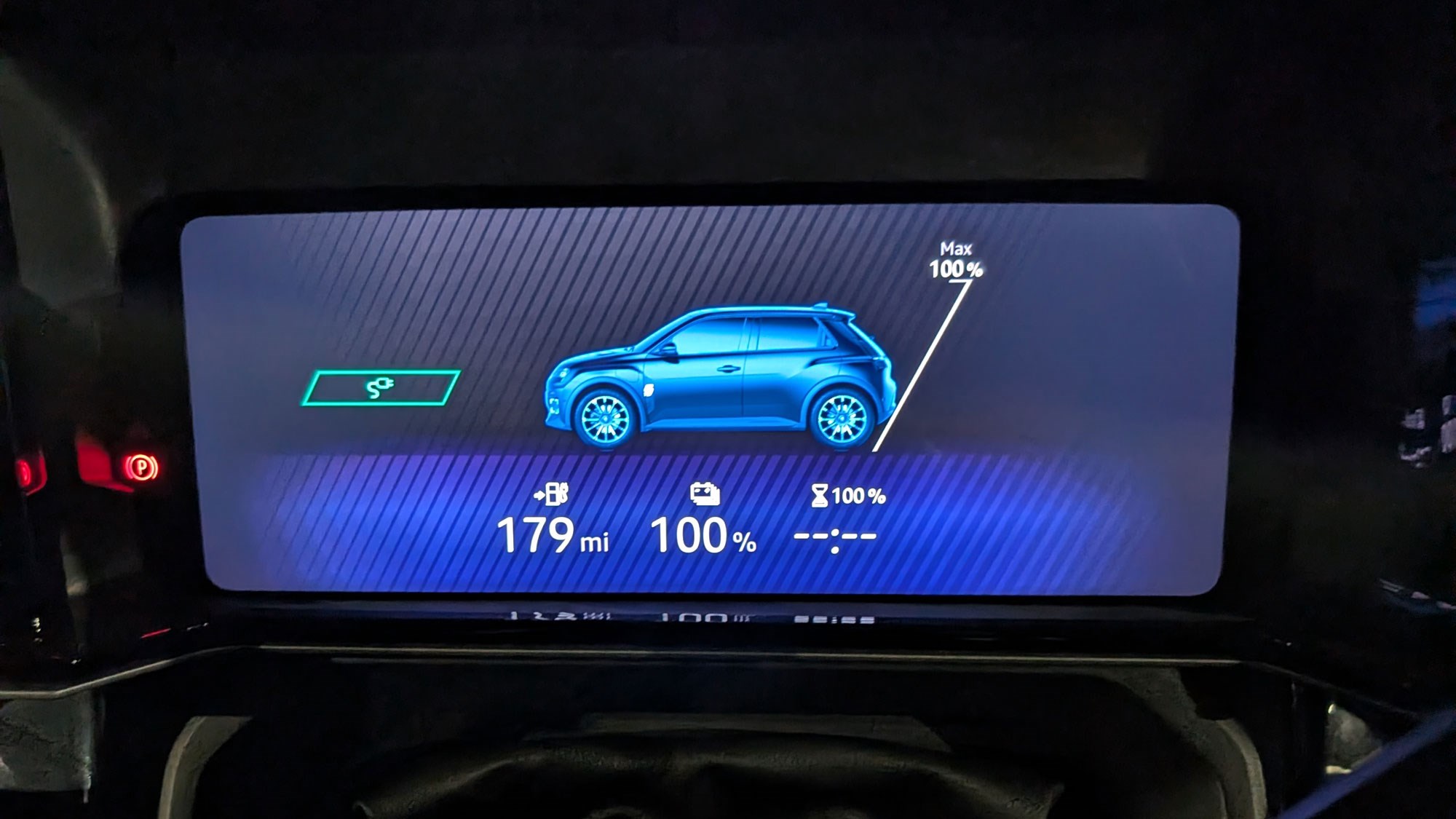
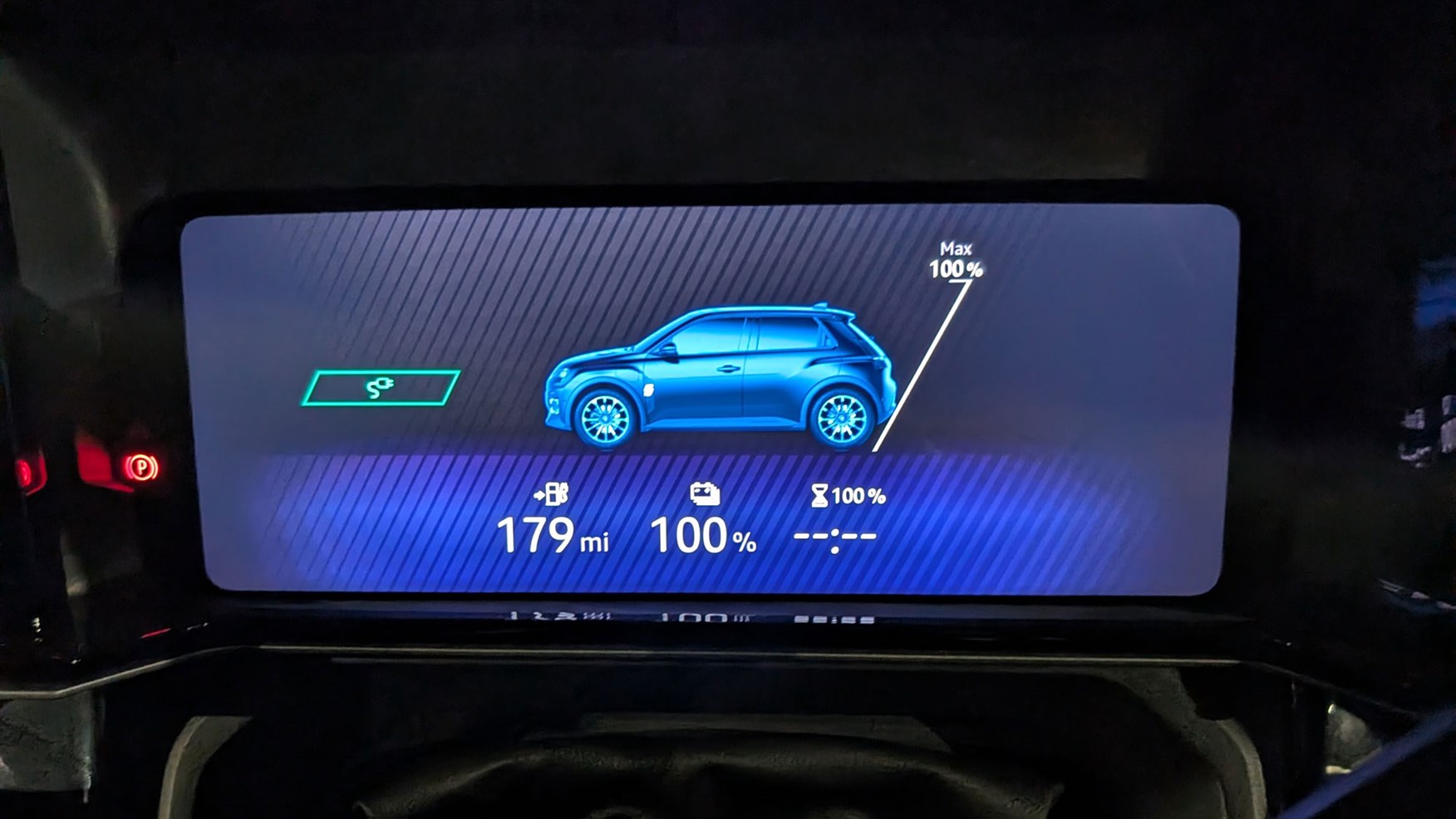
EV battery life survey – Renault 5 E-Tech showing 100 per cent charge
-
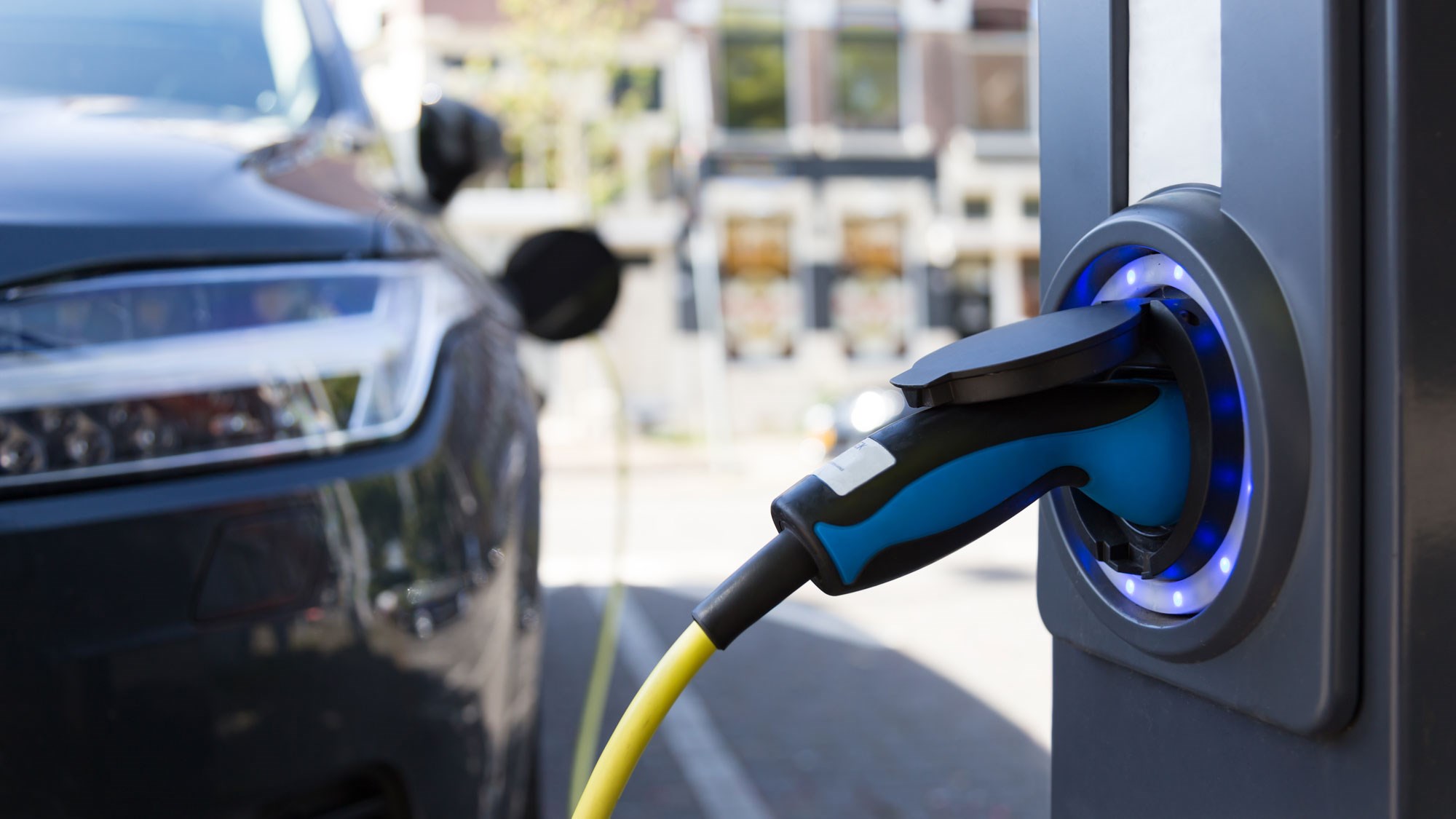
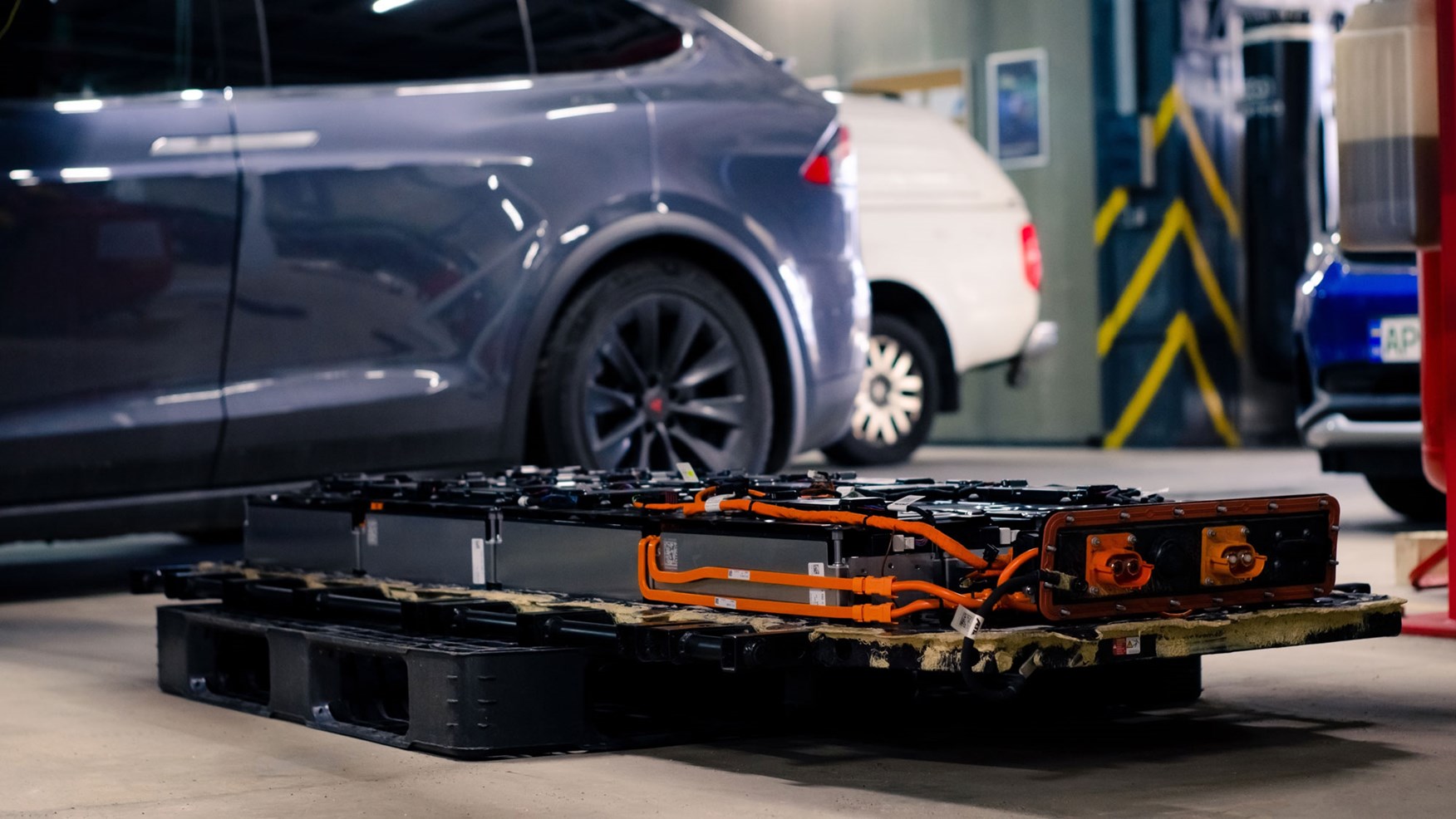
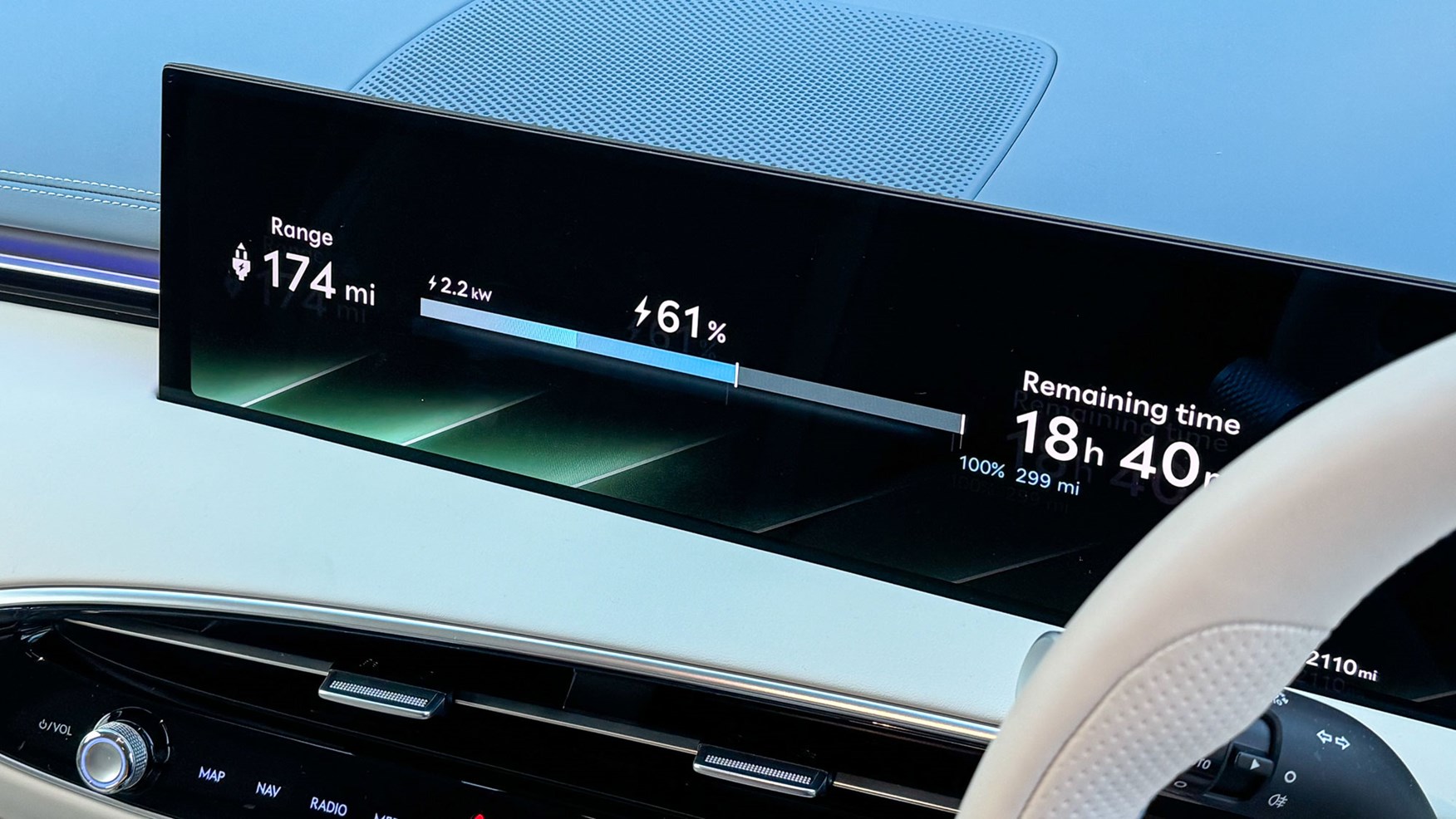
EV battery life survey – how often and how fast you charge makes a difference
-
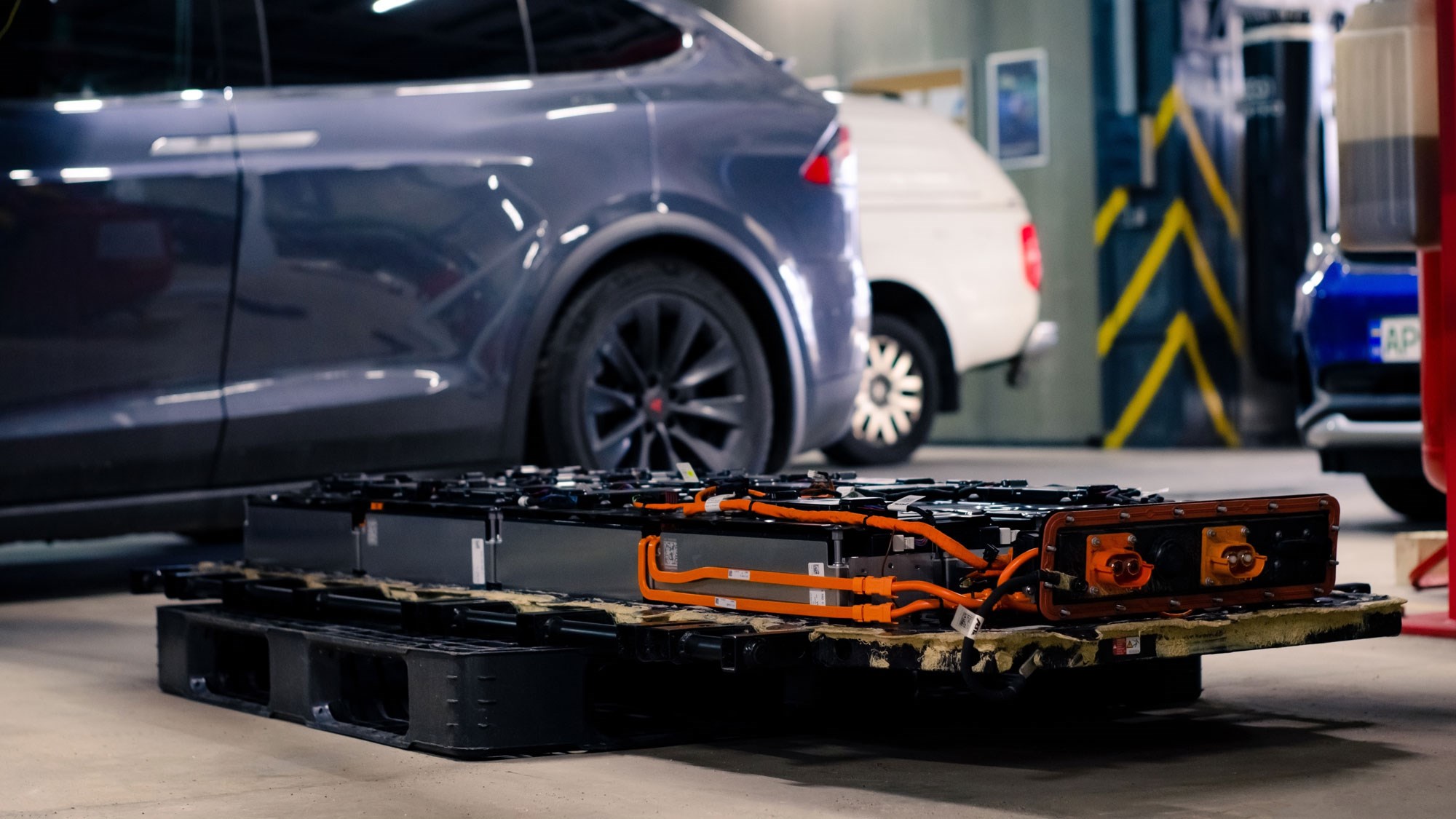
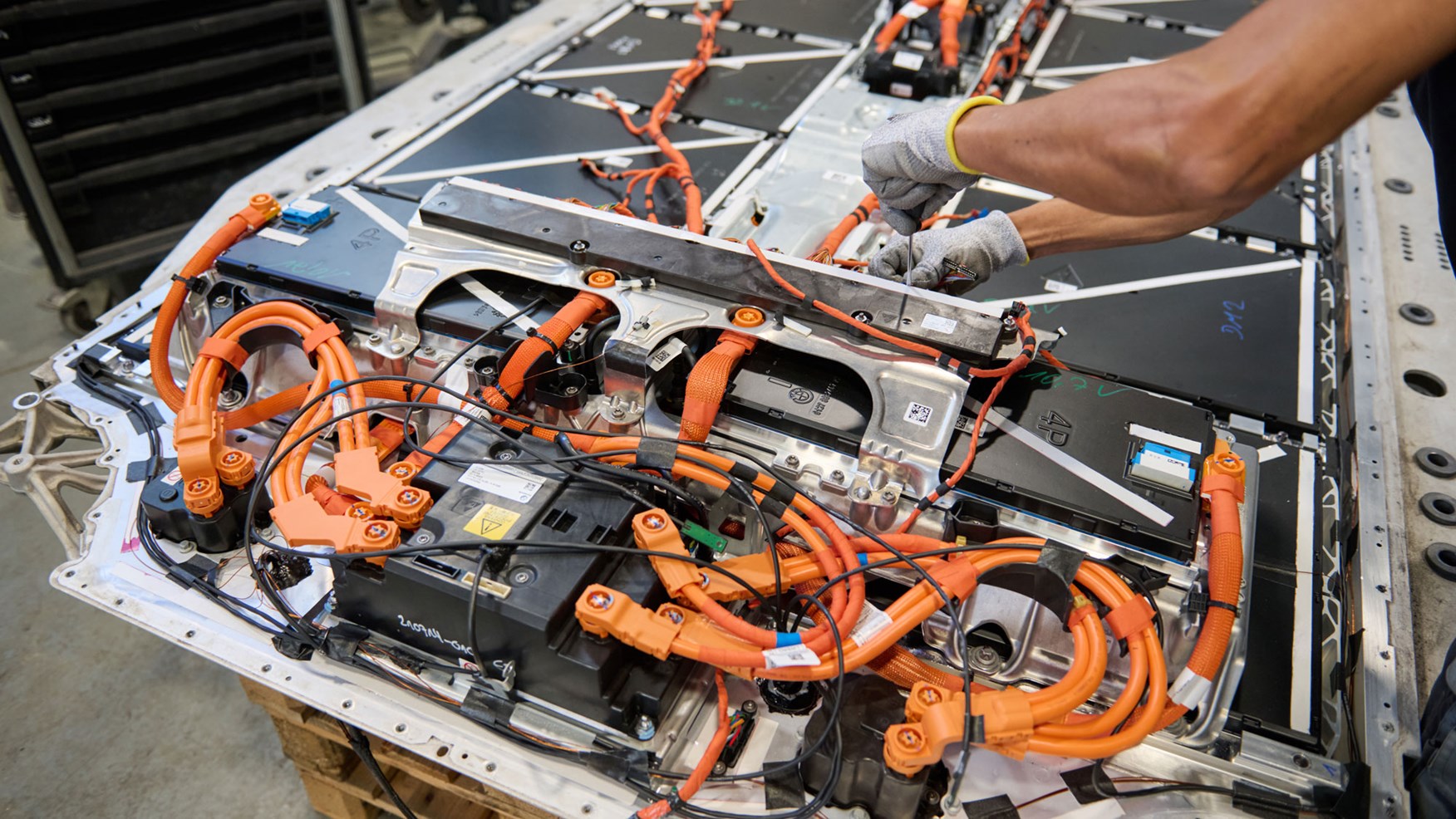
EV battery life survey – modern EVs are clever, but fast charging isn’t great news for battery longevity
-
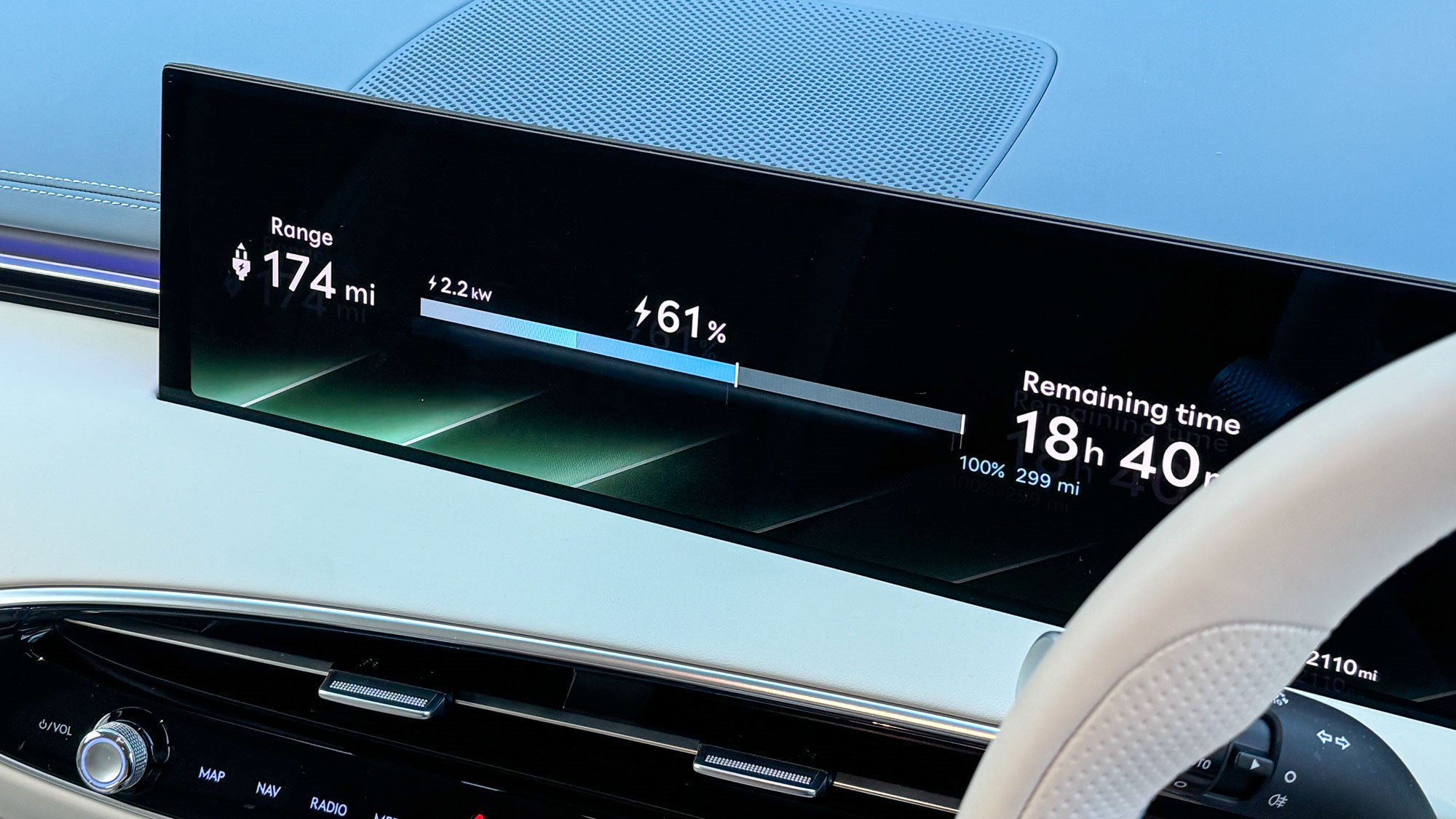
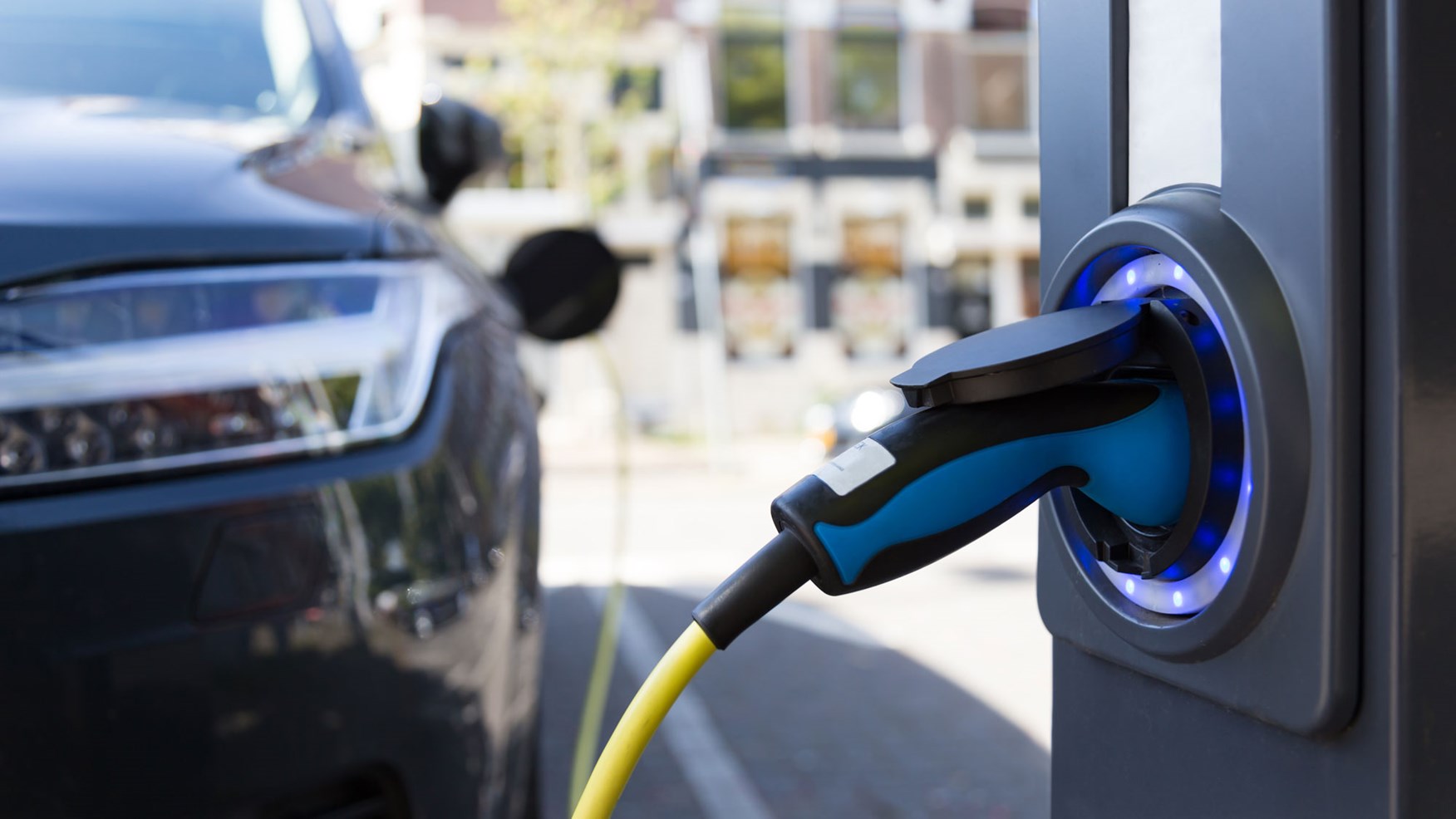
EV battery life survey – slow charging helps the pack last longer
► Average EV loses tiny amount of battery capacity each year
► Result is above warranty expectations after eight years
► But is this enough to make going electric worth the fuss?
Fleet telematics firm Geotab has announced the results of its 2025 survey into real-world electric car battery degradation. While the average drop in battery capacity each year has actually gotten worse since the last round of data – in 2023 – the upshot of this is that you probably don’t need to worry about your electric vehicle (EV) becoming an expensive doorstop anytime soon.
For on average, battery decline is still just 2.3 percent per year. Which means that after eight years, some 81.6 per cent of the original battery capacity is projected to remain. Whether that’s comparable to a petrol or diesel model having nearly a fifth of their fuel tank removed is a point worth considering.
Perhaps more usefully, the survey also suggests a few steps you can take to give the battery pack the best chance of a long and happy life. Let’s take a look.
How big is this EV battery life survey?
Geotab analysed the data from 22,700 electric cars, a sample including 21 different models of EV. While no specifics have been revealed – so no finger pointing at the below-average performers – this includes not only conventional passenger cars but also ‘multi-purpose vehicles’ (MPVs, including light electric vans) and even a couple of trucks.
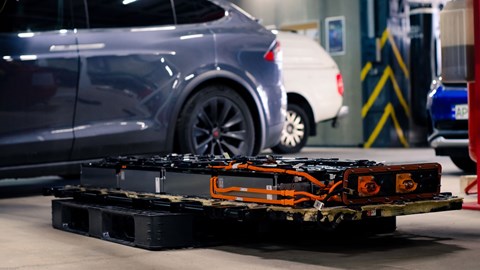
As a result, the survey covers quite a range of different battery chemistries, such as those battery packs designed for maximum performance (be that driving range or charging speed) and those emphasising longevity. Rightly, Geotab points out that the sophistication of the battery management systems also comes into play.
But with a difference of just 0.7 per cent per year between the MPVs (2.7 per cent degradation) and the cars (2.0 per cent degradation) it turns out that how you charge may have a bigger impact than the inherent design and engineering difference.
Does fast charging reduce EV battery life?
When the Geotab first delved into its EV data in 2020, the average annual battery decline was the same 2.3 per cent it showed in 2025. However, in 2023, that decline had slowed to 1.8 per cent – so what’s made it worse again?
Charging habits.
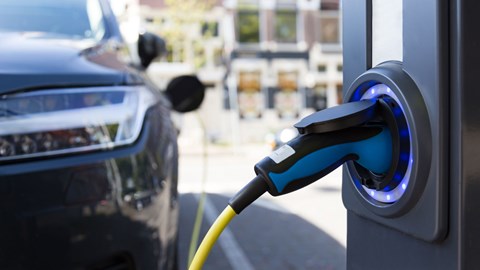
The two years between 2023 and 2025 has seen the availability of high-power (above 100kW) DC public chargers increase significantly, and it’s the regular use of these that’s most likely to account for the accelerated battery degradation. Add to that the increased ability to ‘punch’ a high rate of charge into the pack straight away, and things get even worse:
- Stick to low power AC charging most of the time, and Geotab reckons you could see battery degradation as low as 1.5 per cent each year
- But use DC fast charging more than just 12 per cent of the time, and your battery is likely to start failing at a rate of 2.5 per cent each year
- Worse still, if 40 per cent or more of your DC sessions are on chargers rated at 100kW and above, battery degradation increases to 3.0 per cent each year
While those still look like tiny numbers, the last is actually double the rate of decline. And after eight years it’s the difference between 88 per cent of the original battery capacity remaining and just 76 per cent.
Also contributing to the decline between 2023 and 2025 is the arrival of newer models that see a steeper drop off in capacity in the first two years before ‘levelling out’.
What else makes a difference to EV battery longevity?
Another important factor – though one we don’t have to worry about so much in the UK – is temperature. According to the data, electric cars that experience 35 per cent of days above 25 degrees C see battery life fall by an extra 0.4 percent every year compared with those that spend less than 35 per cent of days above 25 degrees C.
Geotab acknowledges it doesn’t have enough data to show what happens in countries with extreme cold, however. But this does also offer insight into the importance of good software and thermal management for the battery pack within the car itself.
Should I keep my electric car fully charged?
Geotab says this is less of an issue than it used to be, since carmakers keep a difference between the usable capacity and total capacity of their battery packs now. In ‘routine’ use, it won’t matter too much if your EV is fully charged or nearly empty on occasion.
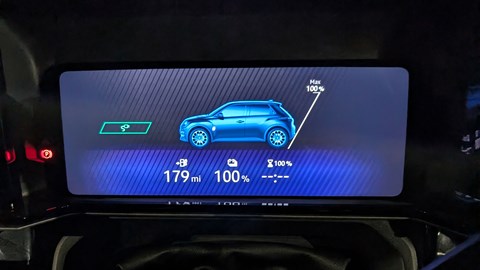
However, if ‘extreme’ states of charge (SOC) are maintained for more than 80 per cent of the time, there is evidence to suggest it can impact the battery’s lifespan. Extreme means below 20 per cent or above 80 per cent charged.
The difference between this and low exposure to extreme SOC (less than 50 per cent of the time) is 0.6 percentage points. But since that’s 1.4 per cent versus 2.0 per cent, we’re still looking at small numbers. And because fast charging speeds usually significantly decline above 80 per cent battery charge, drivers often naturally avoid going above this anyway.
On the basis that the more energy moves through the battery cells the more the cells are degraded, how often you charge is another factor. Geotab discusses this in terms of full discharge and recharge cycles – meaning that four 25 per cent charges are the equivalent of one 100 per cent charge.
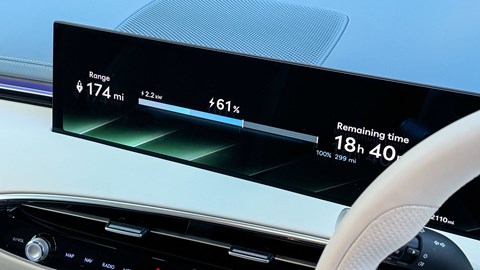
Batteries that are subject to this full cycle only once every seven days are more will suffer the lowest degradation at 1.5 per cent per year. A full charge equivalent every three to six days will likely result in 1.9 per cent degradation, while a full cycle every one to two days averages out to 2.3 per cent degradation.
So maybe think: do you really need to top up again tonight?
What does all this mean?
The conclusion is generally that EVs aren’t about to start dropping dead after a few years of use. This data is a decent sample size, covers a reasonably wide range of vehicles and has been undertaken by a company that has direct access to real world info and has carried out this analysis before.
In other words, it seems legit. After eight years, your average EV is still going to be a useful and capable machine, and if the degradation trend continues you’ll still be looking at around 75 per cent of the original battery capacity after 10 years.
Is that enough to make all the fuss – meaning not just the added hassle of charging but also the various environmental impacts of EV manufacturing versus the probably still longer useful service of life of internal combustion – worth it in exchange for zero emissions in motion? It’s apparently not up to us to decide.
console.debug(‘taboola container loaded..’)
window._taboola = window._taboola || [];
_taboola.push({
mode: ‘thumbs-feed-1×1’,
container: ‘taboola-below-article-thumbnails-v3’,
placement: ‘Below Article Thumbnails V3’,
target_type: ‘mix’
});
var disqus_shortname = ‘carmagazine’;
var disqus_developer = 0;
var disqus_identifier = ‘article-wp-245015’;
(function () {
var dsq = document.createElement(‘script’);
dsq.type = ‘text/javascript’;
dsq.async = true;
dsq.src = ‘http://’ + disqus_shortname + ‘.disqus.com/embed.js’;
(document.getElementsByTagName(‘head’)[0] || document.getElementsByTagName(‘body’)[0]).appendChild(dsq);
var s = document.createElement(‘script’);
s.type = ‘text/javascript’;
s.async = true;
s.src = ‘http://’ + disqus_shortname + ‘.disqus.com/count.js’;
(document.getElementsByTagName(‘head’)[0] || document.getElementsByTagName(‘body’)[0]).appendChild(s);
})();Please enable JavaScript to view the comments powered by Disqus.