[analyse_image type=”featured” src=”https://velo.outsideonline.com/wp-content/uploads/2026/02/DSC_3412-Edit.jpg”]
Table of contents
- •Part I: The Test Labs•Part II: Weight•Part III: Hood and Lever Ergonomics•Part IV: Gearing and Shifting Logic•Part V: Batteries, software, and maintenance•Conclusion: Choosing Your Philosophy
TLDR: In 2026, groupsets are no longer defined by whether they work, but by how they think. This cuts to chase of what I explain below:
Shimano Dura-Ace: The smoothest shifting on the market and it’s backed by a global ecosystem. Everyone knows how to work on it, all the accessories are sold for it, and it’s easy to buy and sell used.
SRAM Red AXS: High-tech and forward thinking with a focus on the ecosystem. Buy into the whole concept and it has a ton to offer.
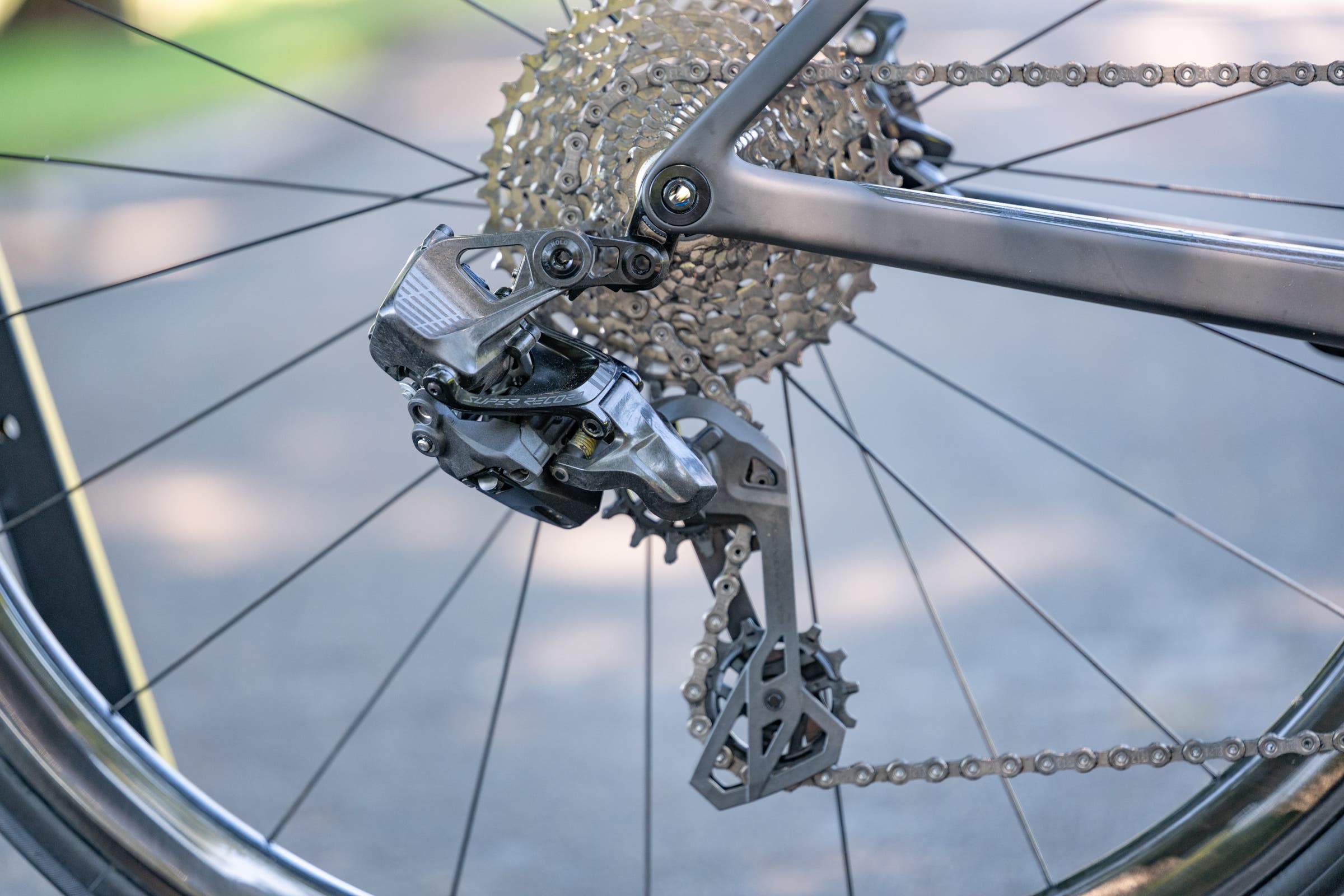
Campagnolo Super Record 13: The best gearing and a real focus on riding. It lacks the broader ecosystem but what it does, it does incredibly well.
TRP Vistar // Classified: Unique and very good in certain ways but it lasted about a month before becoming irrelevant. This is a cool system but, sadly, it doesn’t make sense in 2026.
Back in 2024, I wrote an article comparing SRAM and Shimano. A lot has changed since then, and it’s time for an update. This time, I’m back with four groupsets instead of two, and I am not going to rank them.
In 2026, it no longer makes sense to rank top-tier groupsets. If I handed you a bike with any of these systems, it would perform flawlessly. Outright failures are a thing of the past. Today, it is all about the details. You aren’t choosing a groupset because one works and another doesn’t. Instead, you are choosing a personality. Or maybe just displaying your personality.
To drive that point home, I built four “Dream Machines” to serve as my rolling test beds. Each bike is a curated collection of choices designed to put a specific groupset in the best possible light. I agonized over these details exactly the way you would on a custom build. These aren’t just review samples I had for a short amount of time. These are “lived-in” bikes that I put together to showcase each of these groupsets.
Let’s check out what that means.
Part I: The Test Labs
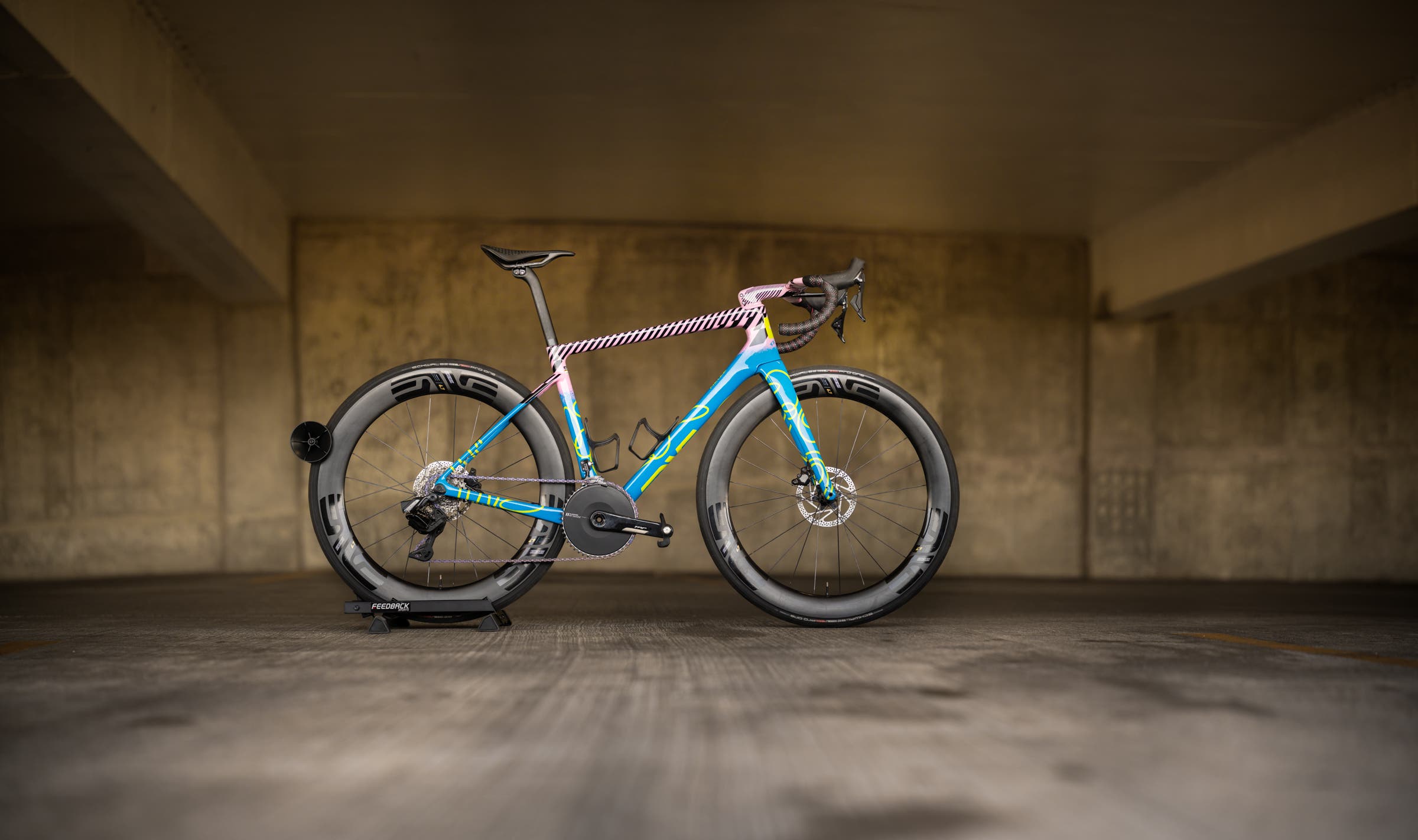
Enve Melee with TRP Vistar // Classified
Before diving into how this system completely changes what it’s like to shift a bike, here’s how I put this bike together:
- Chassis: Enve Melee with custom paint by Black Magic
- Groupset: TRP Vistar // Classified
- Gearing: 48t Classified Aero chainring with a 12-speed 11-32 cassette and 2-speed hub
- Cockpit: Enve One-Piece Aero Road Bar/Stem in a 37cm width
- Wheels: Enve SES 6.7 with Classified Rear Hub Shell
- Tires: Schwalbe Pro One 28mm
- Saddle: Cadex Amp 3D saddle
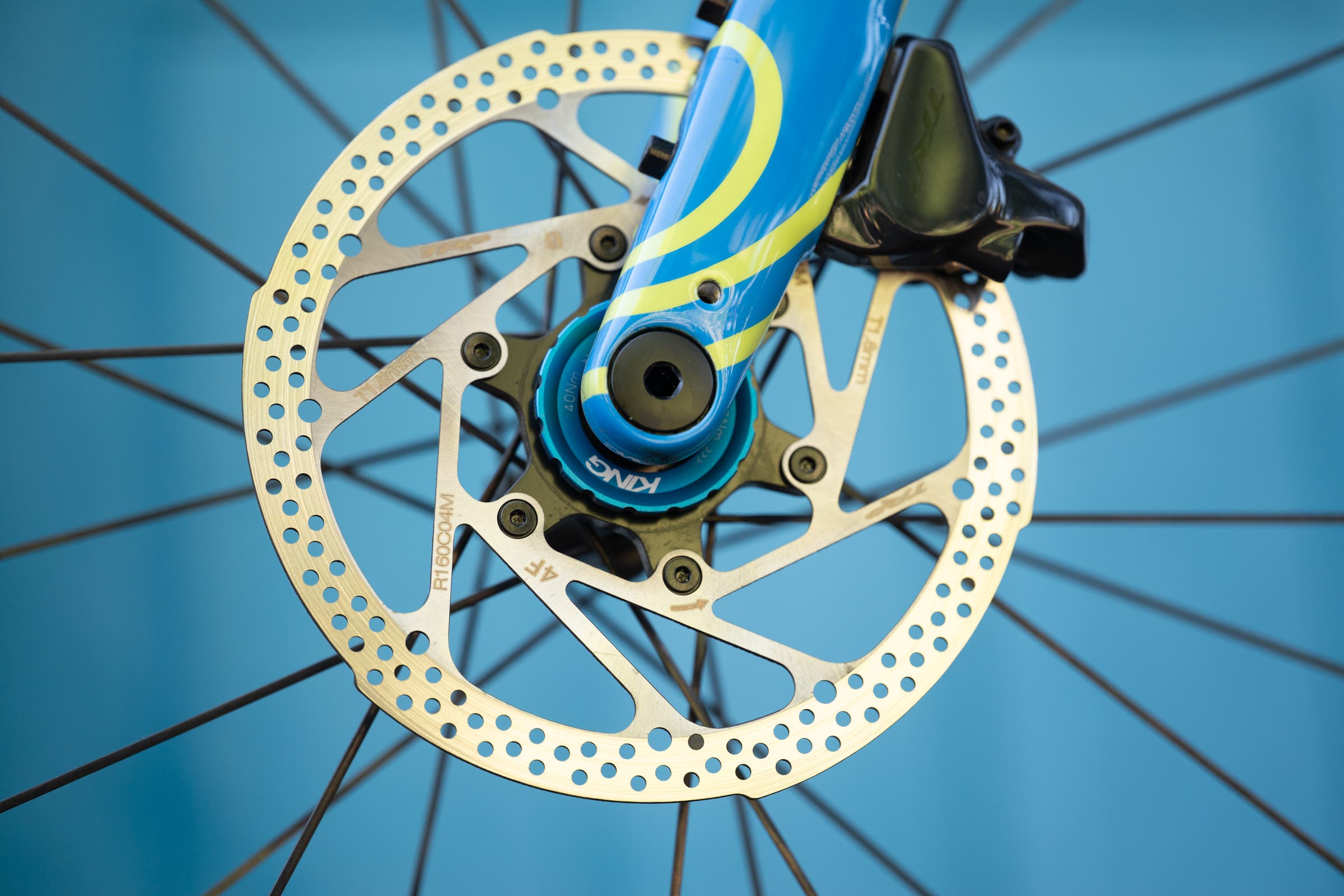
- Bottom Bracket: Chris King T47 in Matte Turquoise (with matching front rotor lockring)
- Pedals: Garmin Rally RK210 power pedals
Part of what makes the TRP Vistar // Classified groupset special is that it allows the advantages of 1x with none of the compromises. One of those advantages is aero performance.
With that in mind, this build was intended to be the ultimate aero project but without compromise. The Enve Melee is one of my all-time favorite bikes and a frame that I love to ride on my typical long distance adventures. By pairing that frame with TRP Vistar and Classified, I was able to minimize drag through optimization and create an aero profile I’d bet is nearly as fast as the latest spaceship frame. I was also able to retain the range of 2x.
Vistar is only part of that though. The TRP Vistar 1x setup provides an aero advantage by eliminating the front derailleur and turbulent airflow around the crank but it’s only a small piece of the overall picture. The concept of 1x aero is part of the personality of the groupset, and by extension, the full build but it needs supporting parts. Deep wheels and narrow bars are where you get the most aero gains. Given the frame is Enve it only made sense to look to the Enve catalog for other details. The Classified part of the build also requires a special wheel and there’s not that many choices. Enve offers the 6.7 wheels as a Classified build so I started there then added gorgeous 37cm wide bars to complete the package.
Where this all comes together is in the usability. Usually, a setup this aggressive would be a hard choice for the 100- to 200-mile days I love. Those days require range more than top speed but the Classified Powershift hub makes both possible. It also has an aero advantage and it’s an incredibly unique riding experience.
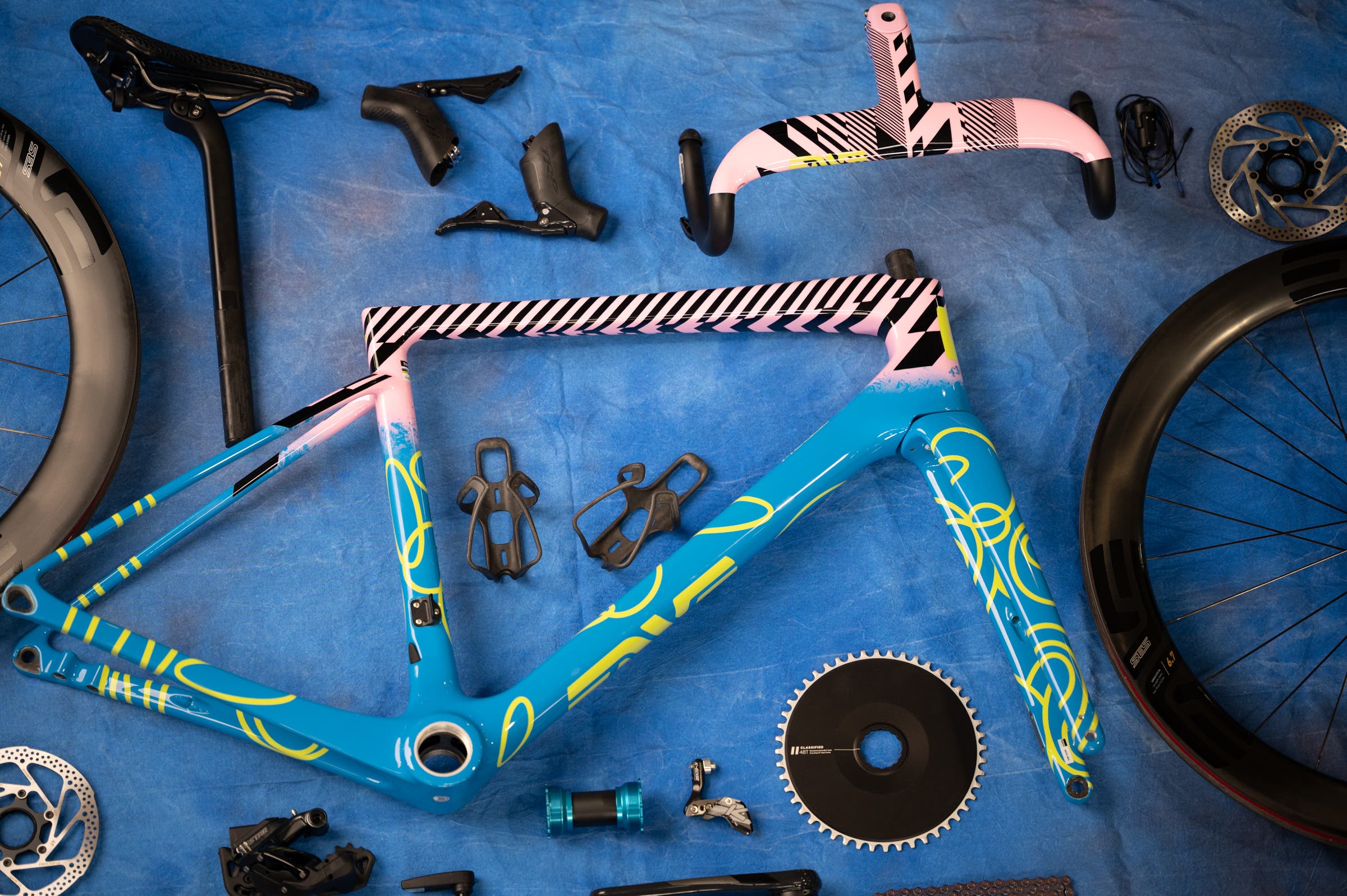
The Matte Turquoise Chris King accents and Black Magic paint are the finishing touches. They don’t make it faster (actually Chris King might argue but certainly the color doesn’t matter) and yet I’d argue that a good looking bike is a fast bike. I went over the top with every detail but I make no apologies. If you want to see this bike being built, we’ve got a video of the Enve Melee Dream Build.
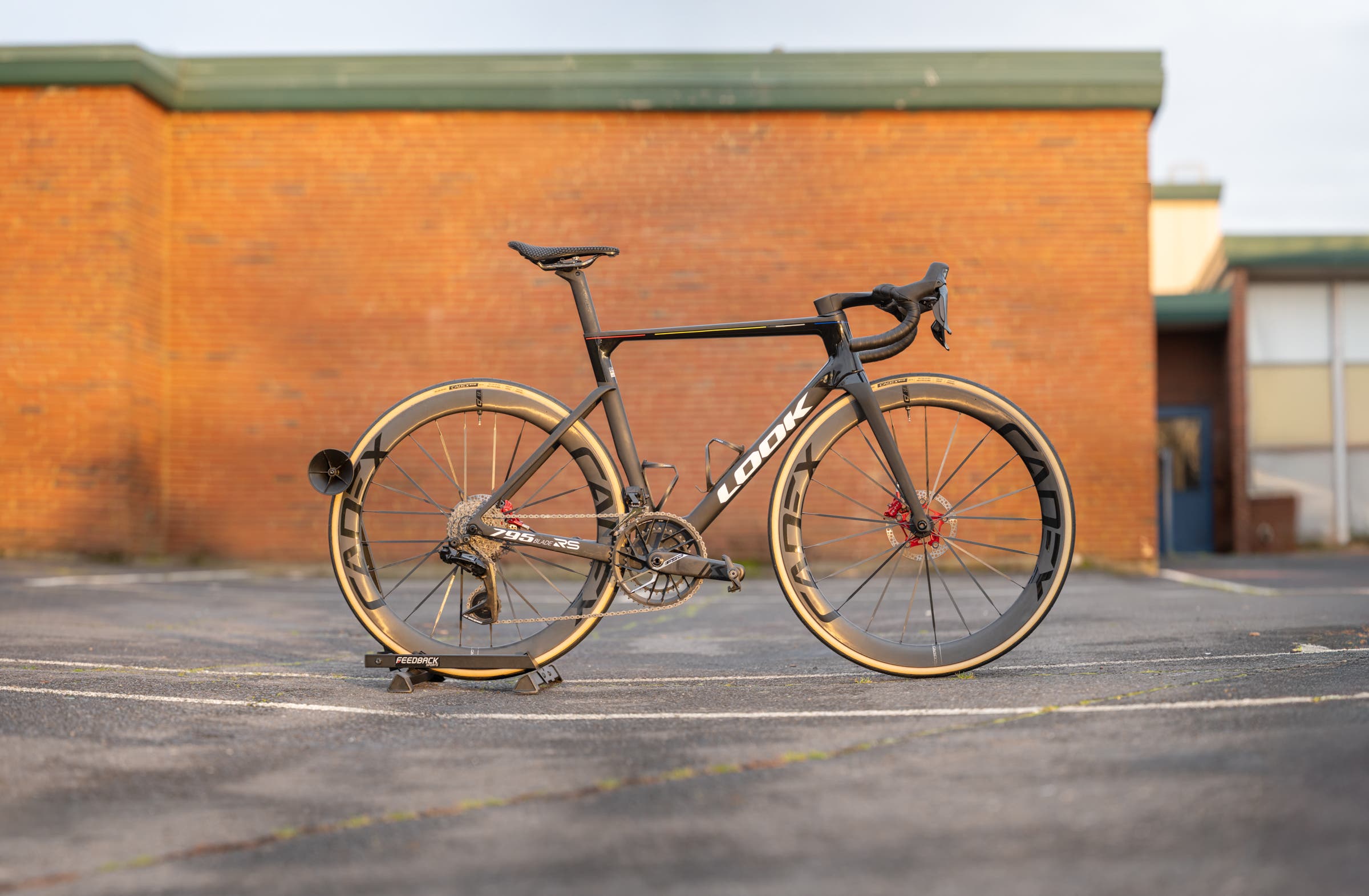
Look 795 Blade RS with Shimano Dura-Ace Di2
Because Shimano is the most popular platform in the world, the goal here wasn’t to reinvent the wheel, but to perfect it. This is how I attacked the challenge:
- Chassis: Look 795 Blade RS
- Groupset: Shimano Dura-Ace Di2 (R9200)
- Crankset: FSA K-Force Team Edition (Solves the scuffing issue)
- Braking: Hope RX4+ 4-Piston Calipers (The “Jewelry” upgrade)
- Efficiency: CeramicSpeed OSPW System
- Wheels: Cadex 50 Ultra
- Tires: Cadex Aero Cotton tire
- Saddle: Selle San Marco Shortfit 2.0 3D Carbon FX
- Pedals: Look Keo Blade Power Vision
Shimano Dura-Ace is the oldest groupset in this test but it’s also far and away the most popular groupset. Those details together are both the personality and the greatest strength of Shimano.
It’s been the gold standard for so long, the aftermarket ecosystem has had years to solve every minor annoyance. For car folks, I think of it as the “Porsche 911” of groupsets. It’s maybe not the flashiest but it’s amazing out of the box and there’s an ease of owning it. Its popularity, and time in the market, also makes it attractive to third party companies. If there’s a thing made for a bike (in relation to a groupset) there’s a version for Shimano.
At the same time, the Look 795 Blade RS is all about practical racing. Ostensibly this is an aero frameset but it’s missing the usual aero tricks like a super deep headtube, wide fork blades, or a shielded thru axle. Because it’s more of an all-around bike than an aero monster I asked Romain Simon, Bike Product Manager for Look, about the missing aero tricks and his response was, “Aerodynamic gains of a shielded axle are anecdotal when weight and resistance could be impacted. Keeping our development simple with a ‘classic’ thru-axle has benefits: standard parts, easy maintenance, and wheel replacement for example. 795 Blade RS is our race bike, aerodynamics is important, but efficiency prevails in every choice.”
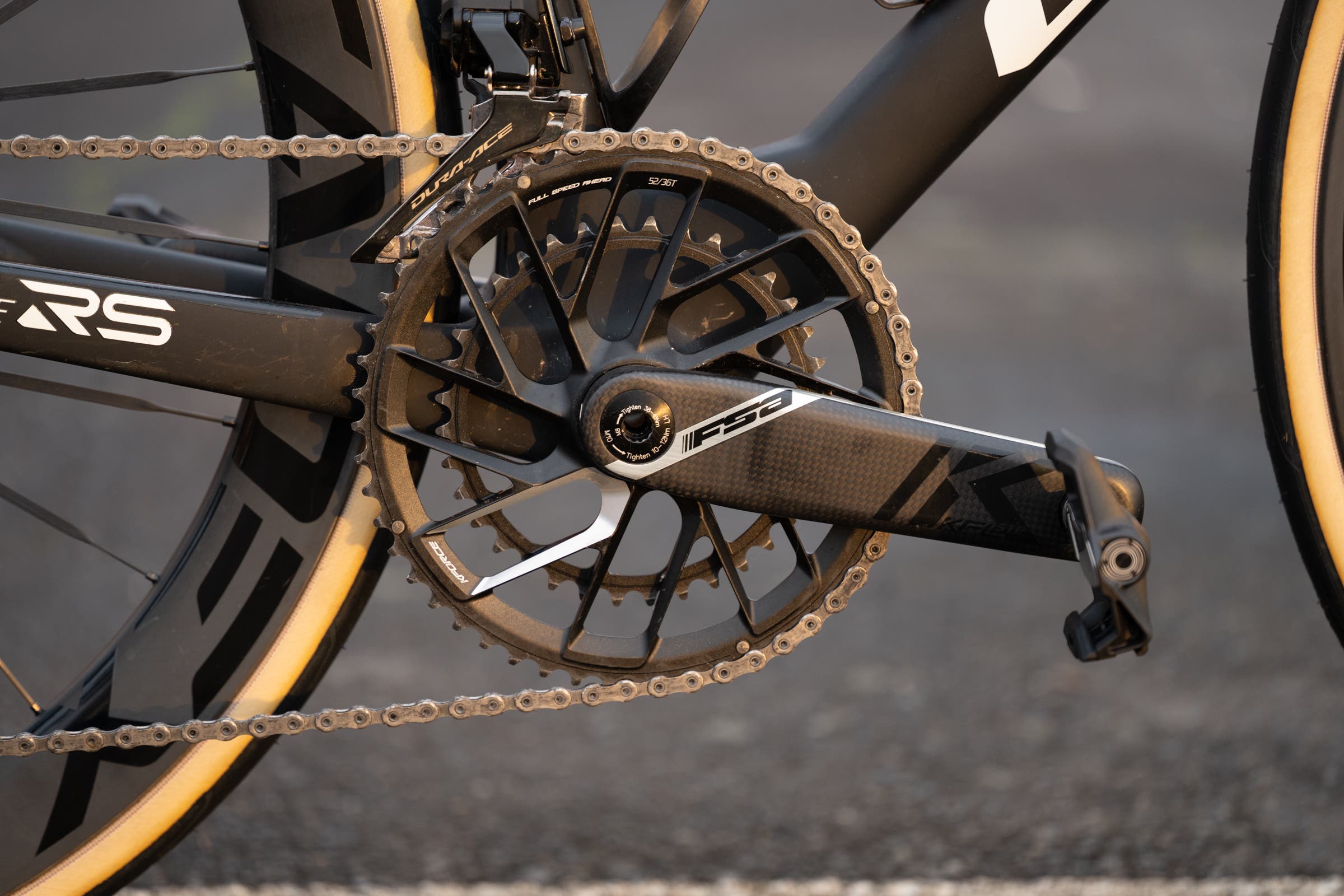
This build is about bringing all those small details of efficiency together in both bike and groupset. For example, while the Dura-Ace crank is fine, it’s prone to scuffs and scratches. Swapping to the FSA K-Force Team Edition crank solves that durability issue and it’s also incredibly stiff, plus lighter, than the Shimano crank.
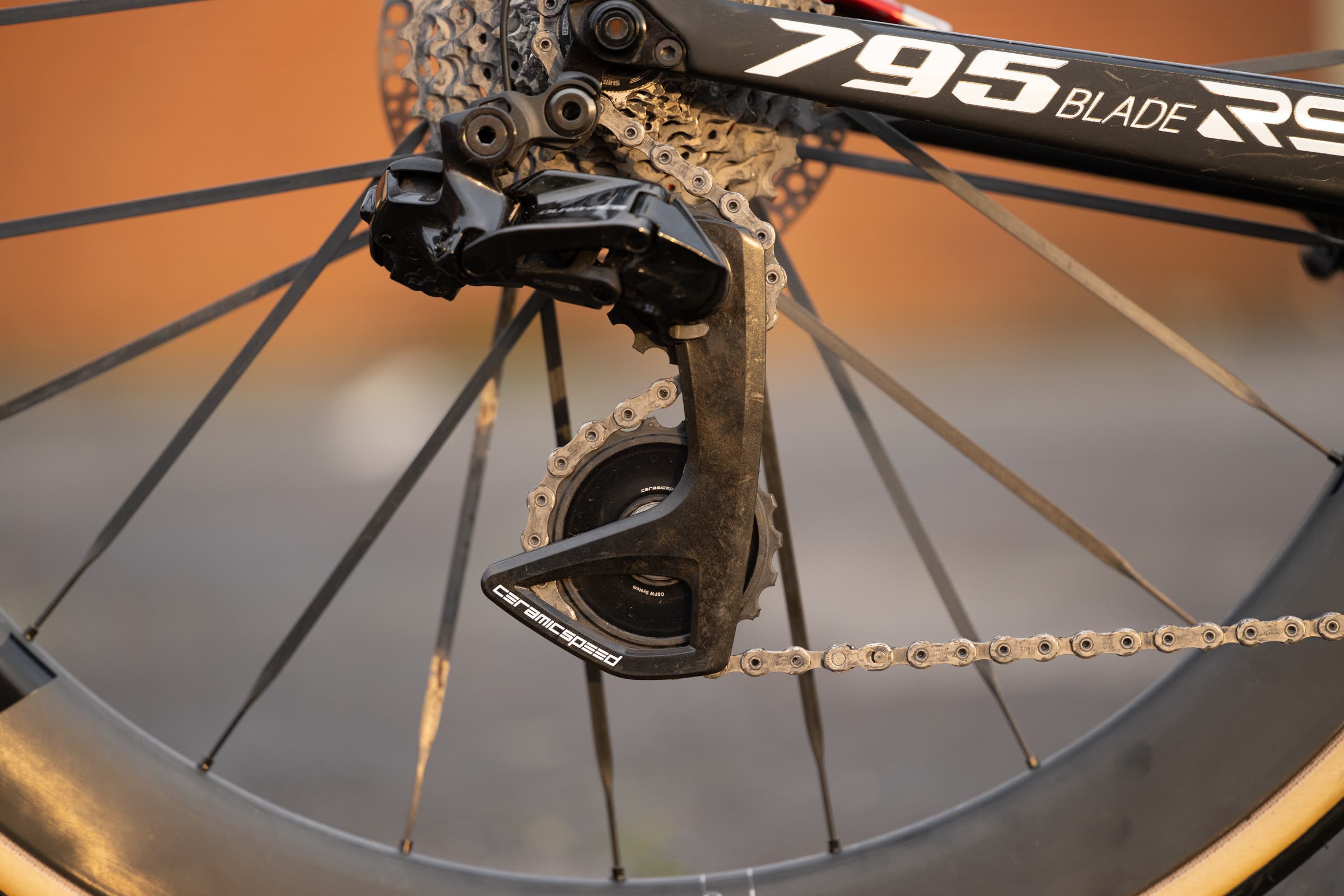
I also added the CeramicSpeed OSPW because it’s objectively more efficient. Maybe you don’t think that matters, and I kind of have my doubts too, but both SRAM and Campagnolo have gone to larger pulley wheels on the latest groupsets. I added the Ceramicspeed piece to put Shimano on the same footing. And, if you are curious, in back to back rides I could feel a difference. Not drastic but I’d say it’s akin to a new chain wax. Either way, it’s gorgeous.
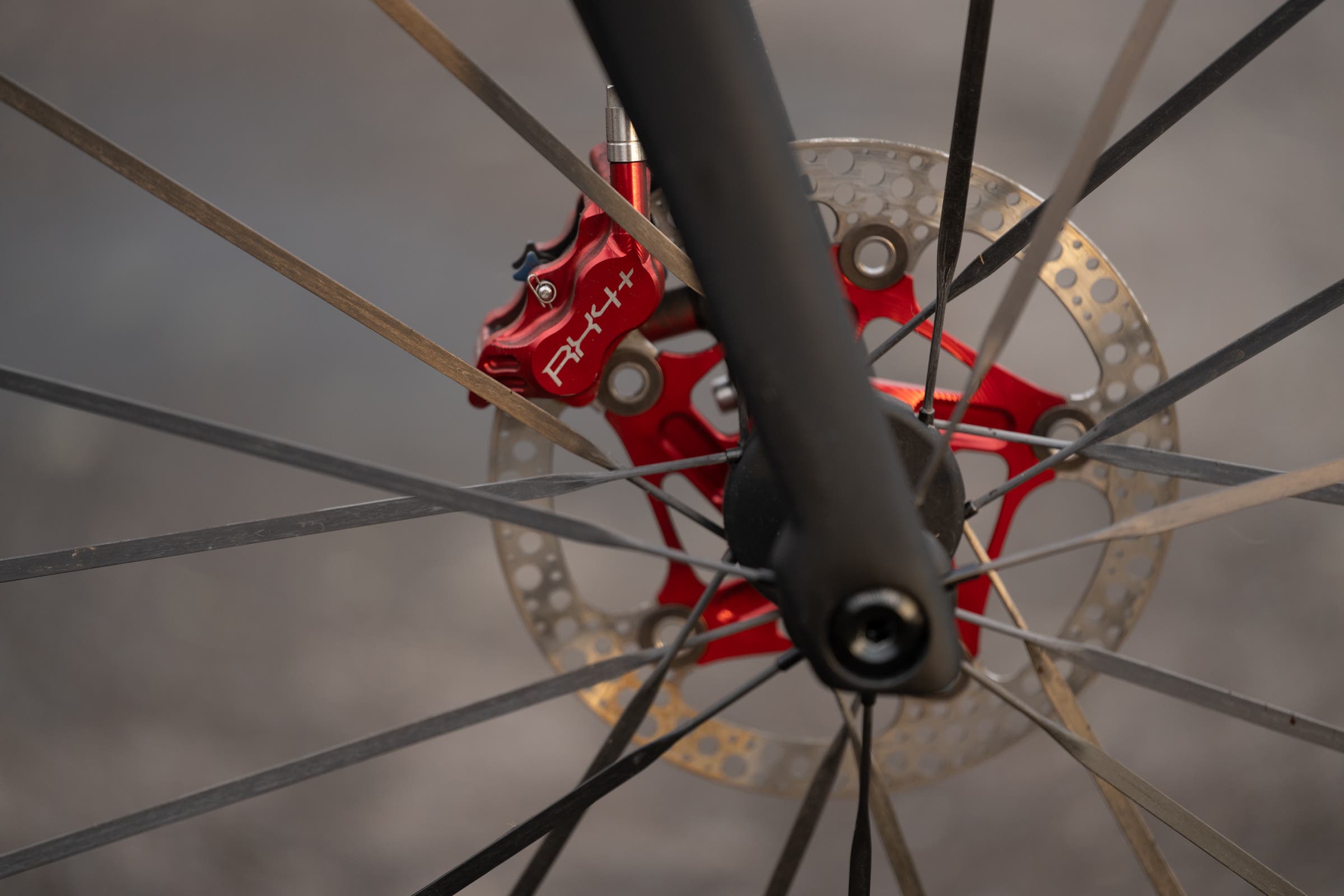
Then there’s the braking. Shimano’s stock brakes are fine, but the Hope RX4+ 4-piston calipers are in another league. There’s incredible modulation and a level of power that’s shocking as I jump back and forth between bikes. You don’t need these just like you don’t need the OSPW but damn they look amazing and they really do feel reassuring on high speed descents.
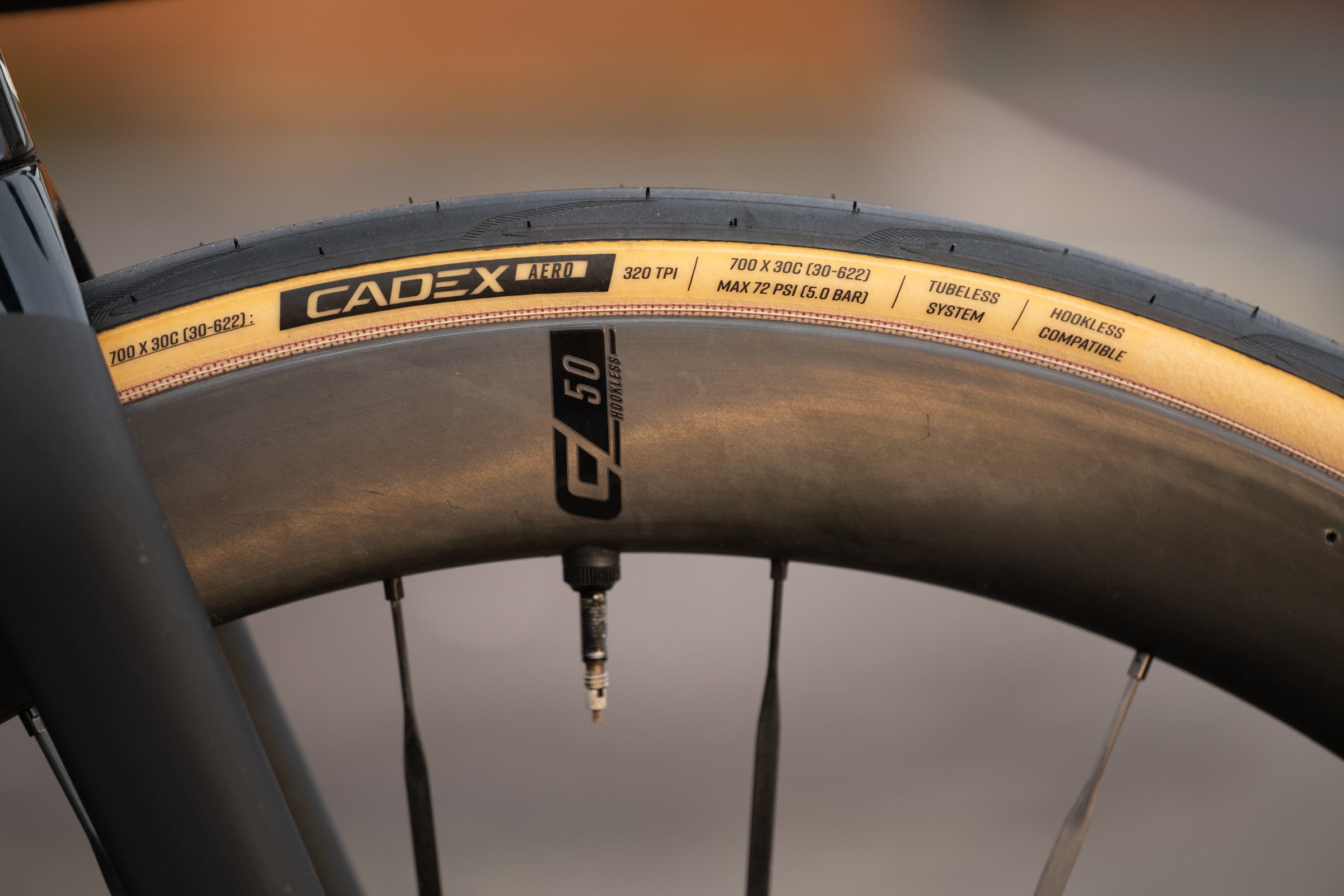
For wheels, I went with the Cadex 50 Ultra. The Look 795 Blade RS is a racer’s frame that prioritizes stiffness and weight over aero tricks. The Cadex wheels match that philosophy perfectly. They are fast and aero but they are also unbelievably light for a 50 and the ride feel is like nothing else. Continuing the theme, they sure look good too.
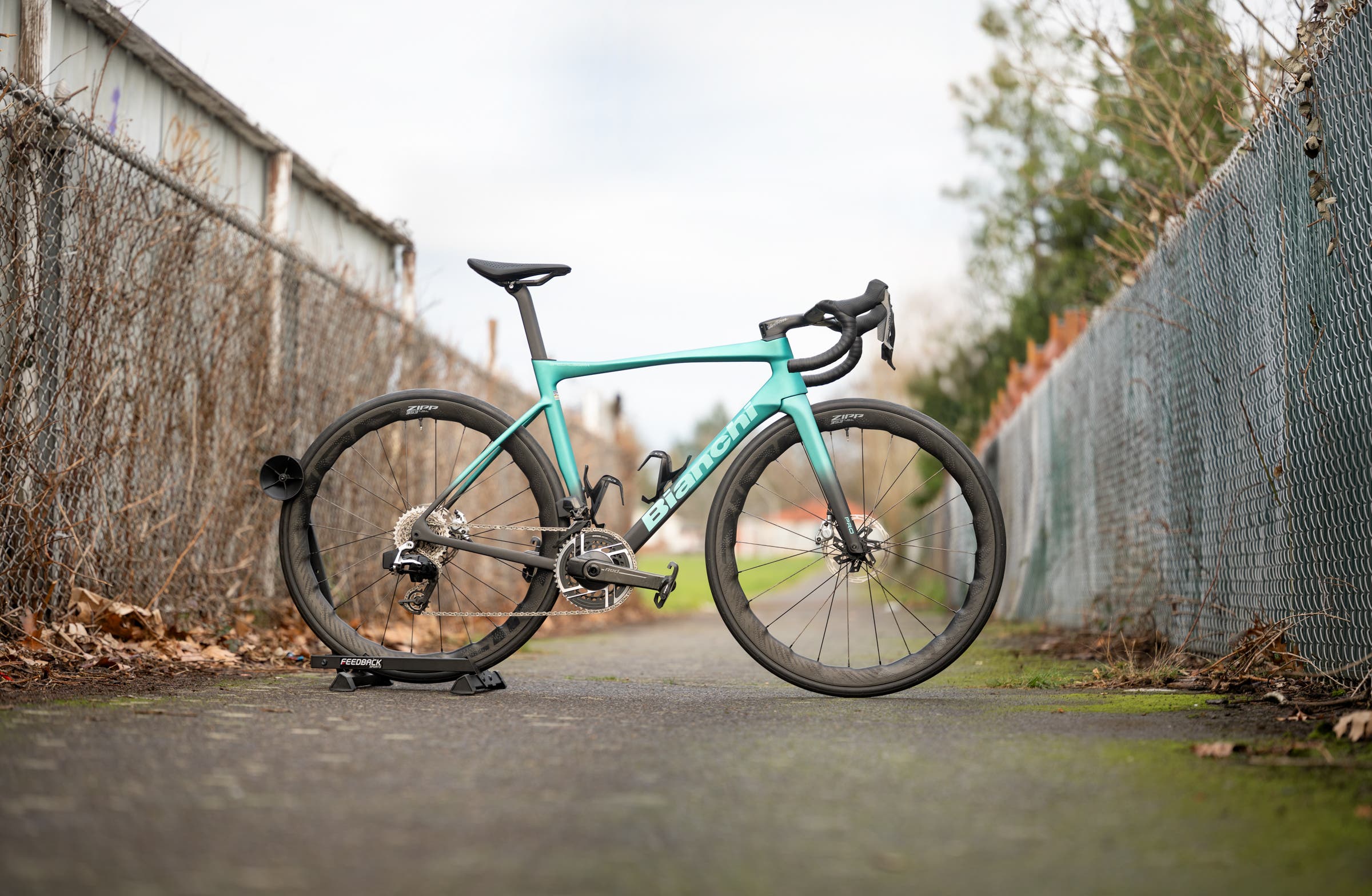
Bianchi Specialissima with SRAM Red AXS
SRAM is all about the complete system. You don’t have to go to third parties for parts because it’s all included and considered. The goal here was to see what happens when you don’t fight the ecosystem. This is how I approached the SRAM ecosystem:
- Chassis: Bianchi Specialissima (Pro version with Countervail tech)
- Groupset: SRAM Red AXS
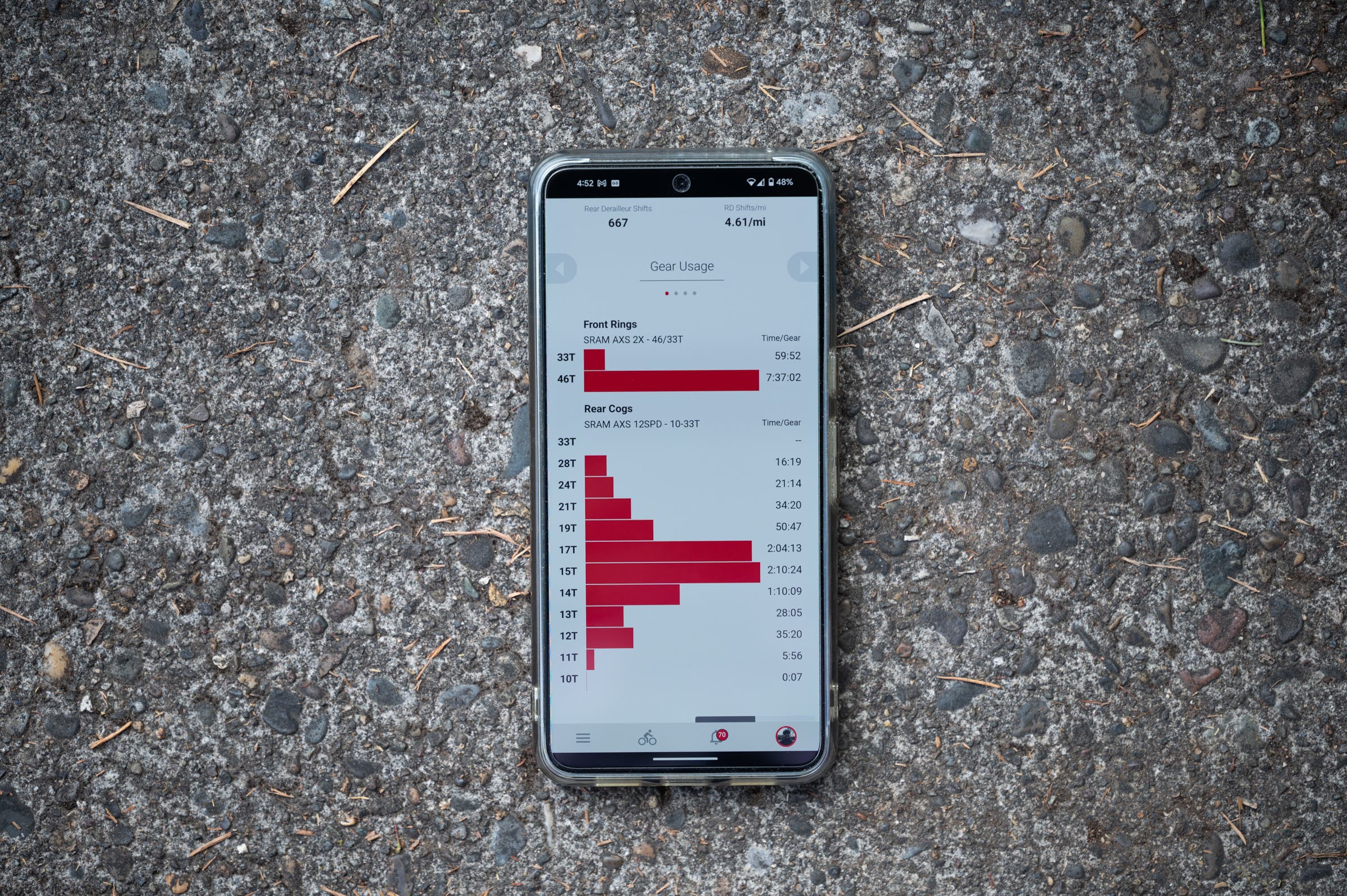
- Gearing: 46/33 Power Meter Crankset with 10-33 Cassette
- Wheels: Zipp 353 NSW (Just pretend these are the latest version with the built in pressure sensor)
- Cockpit: Vision Metron 5D ACR (110×38)
- Tires: Goodyear VectorR SW
- Saddle: Specialized S-Works Power Evo with Mirror
- Pedals: Time XPRO 12SL
- Computer: Hammerhead Karoo (3rd Gen)
If the Shimano build is the embrace of the aftermarket, the SRAM Red AXS build on the Bianchi Specialissima is about the beauty of system integration. Part of that is necessity, SRAM sells fewer groupsets and so there’s less aftermarket catering, but part of it is that SRAM does things differently. It’s not a small change to make SRAM compatible parts.
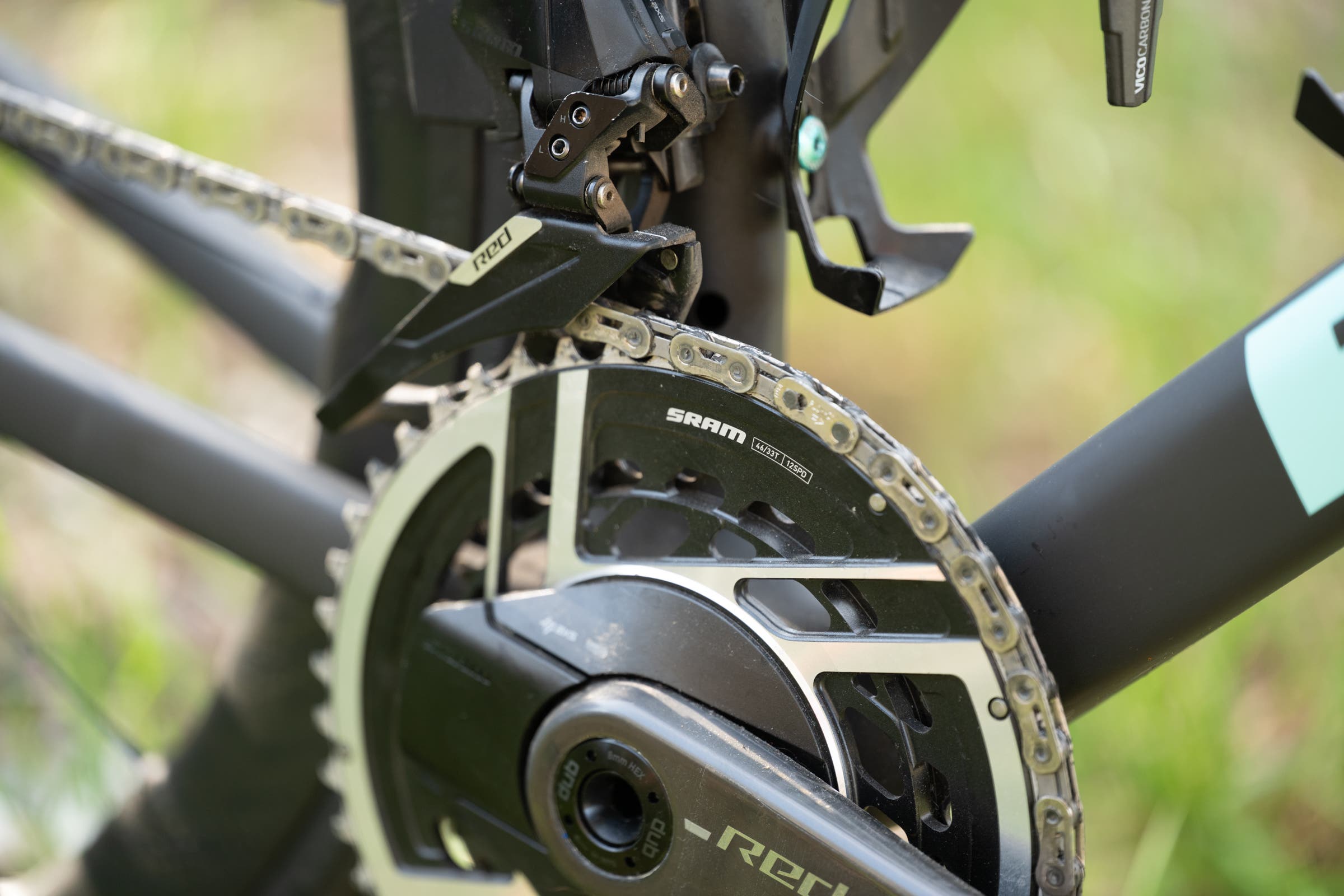
At the same time, SRAM seems to prefer just keeping everything in house and you can see that in the brand’s acquisitions. SRAM has acquired and integrated brands like Zipp, Time, and Hammerhead to create a singular, unified experience. I leaned into that. The goal wasn’t to swap parts to fix things but rather to embrace a system where every component shares the same philosophy.
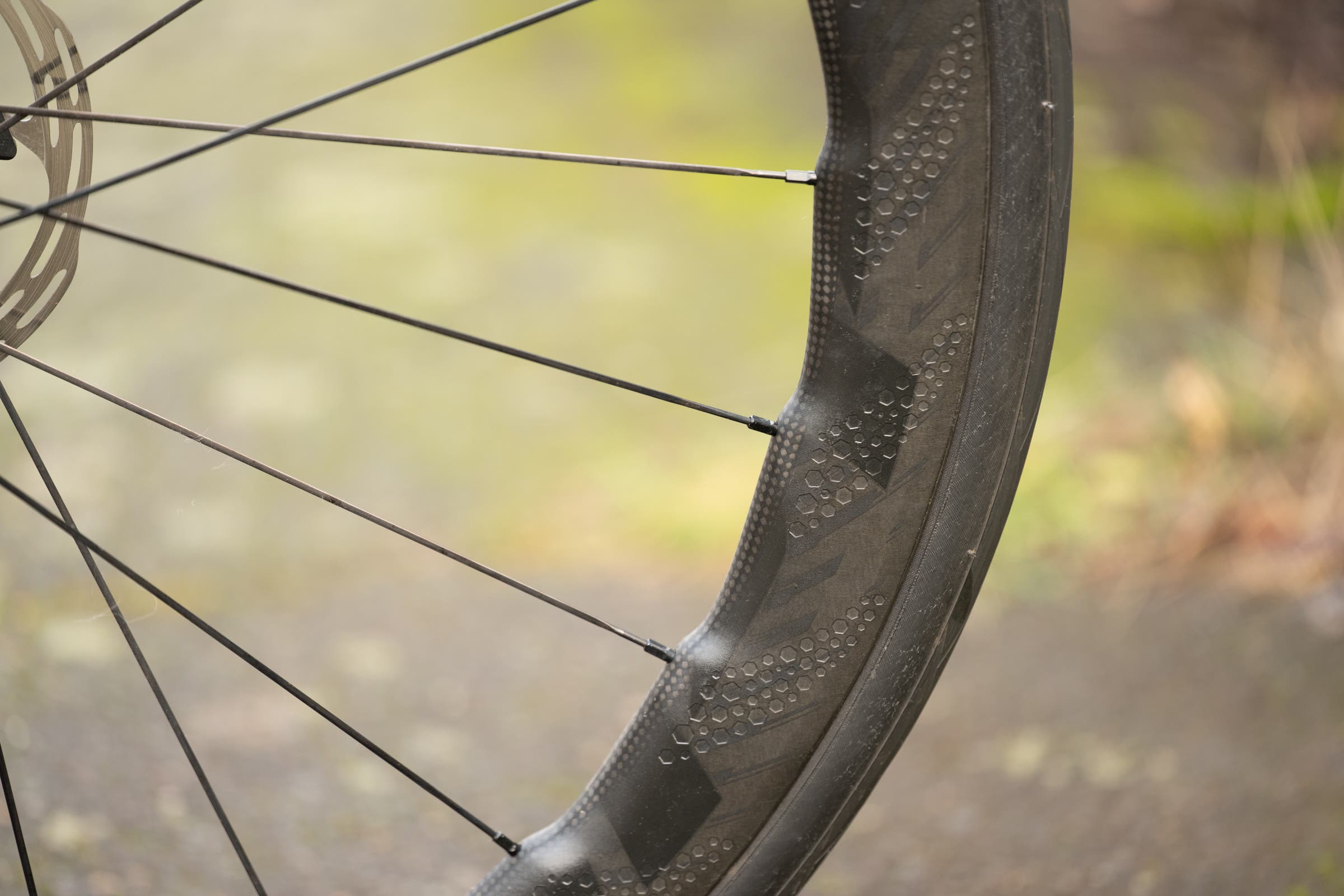
The Bianchi Specialissima is the perfect canvas for this. It’s an iconic Italian climber but it’s also not afraid to be forward thinking. It’s all angles and avant garde design and the Zipp wavy wheels work perfectly here. Those wheels are also a perfect philosophical complement with their mix of aero performance and lightweight. One note though, I don’t have the latest version with the integrated pressure sensor. I do have the Zipp 303 SW wheels that have that sensor so just pretend my 353 NSW wheelset has the sensor also.
Which leads nicely into how far this integration really goes. The SRAM ecosystem isn’t just wheels and groupsets but also tire pressure, pedals, tires, and bike computers. While it’s not pictured here, the Hammerhead Karoo computer is a vital piece of this puzzle.
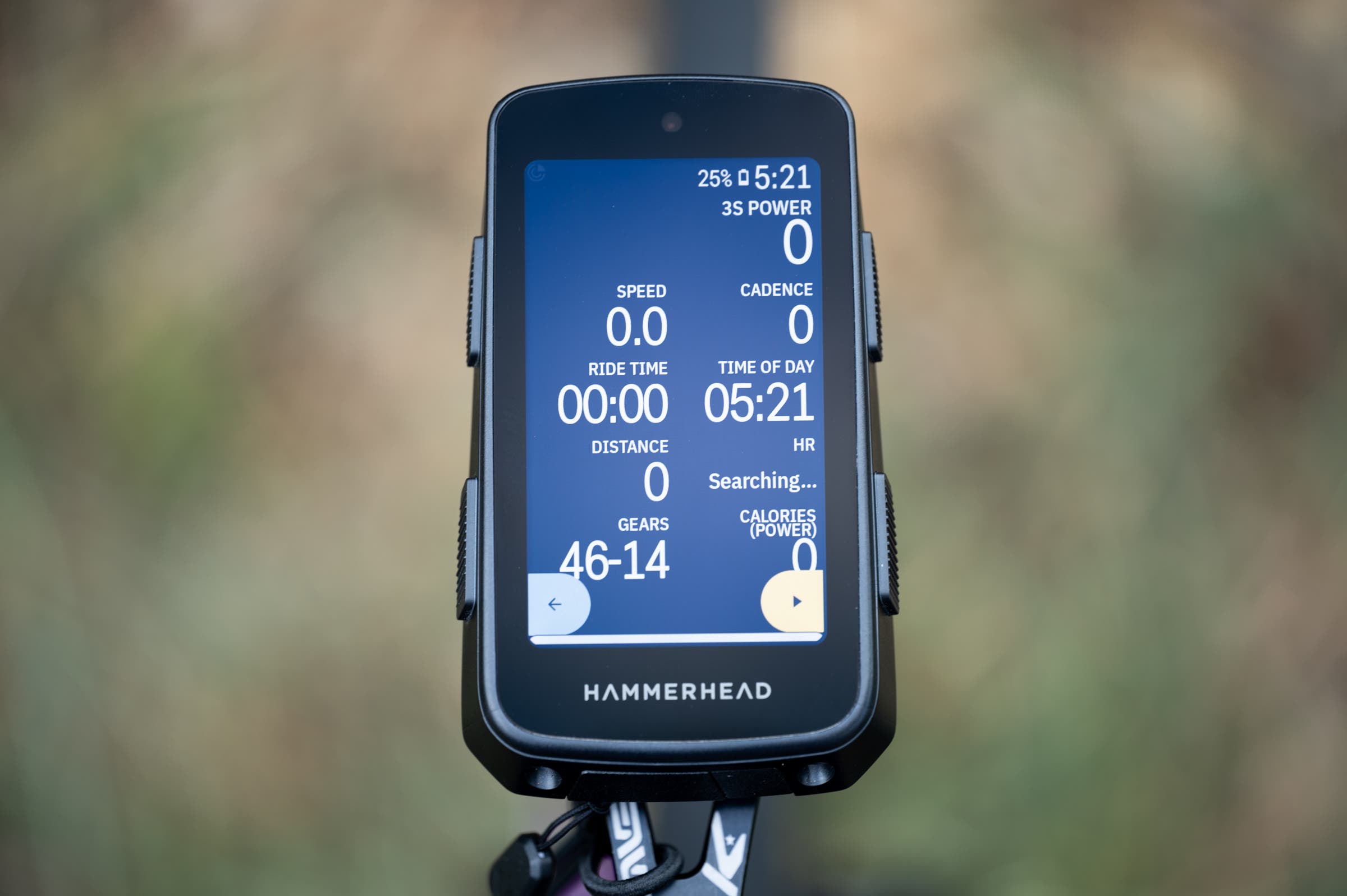
The computer is actually considered a part of this groupset and some bikes even include it (although that’s a manufacturer purchase decision). The benefit is that the bonus buttons, and wireless blips if you have them, work natively for control of the computer (switch pages, mark laps, zoom maps) without ever moving your hands from the hoods. Of course you can do that with other computers as well but SRAM also has automatic sensor pairing that’s driven by the SRAM app on your phone and that all reports back to SRAM AXS Web for unmatched data mining. None of this is completely unique to the system but using a Hammerhead does reduce friction and this is all about optimization.
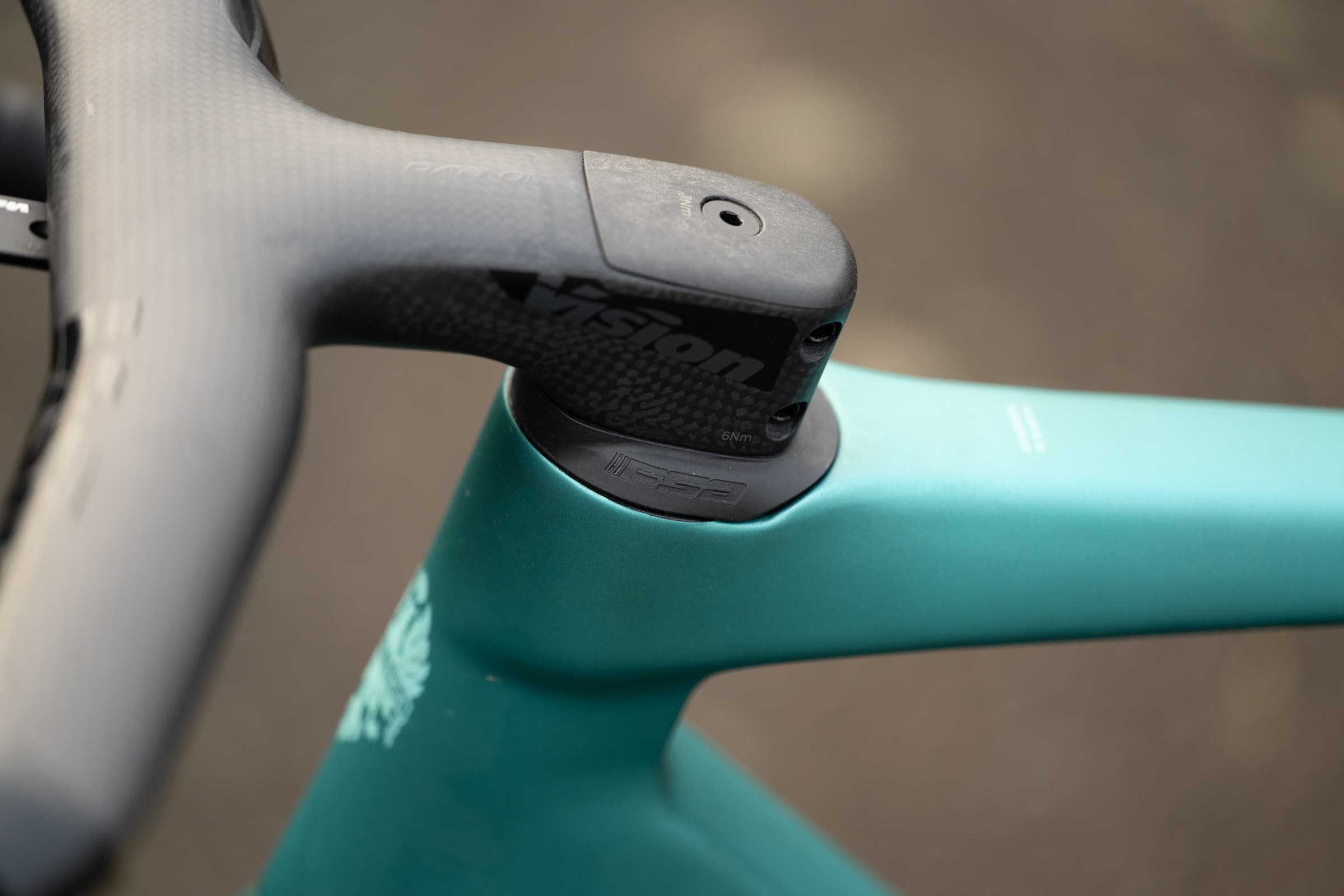
Of course there is a human element to riding a bike and that’s something I had to tackle in this build. I prefer a 38×110 bar and stem but Bianchi doesn’t have that available in the one-piece bar and stem on the Specialissima. To solve that I had to fall down a rabbit hole of lacking standards. The only standard that exists in this space right now is from Enve and that amounts to covering metal bikes plus Enve parts. For most builds that means there’s no industry standard for how a one-piece bar and stem mates to the top of the headtube.
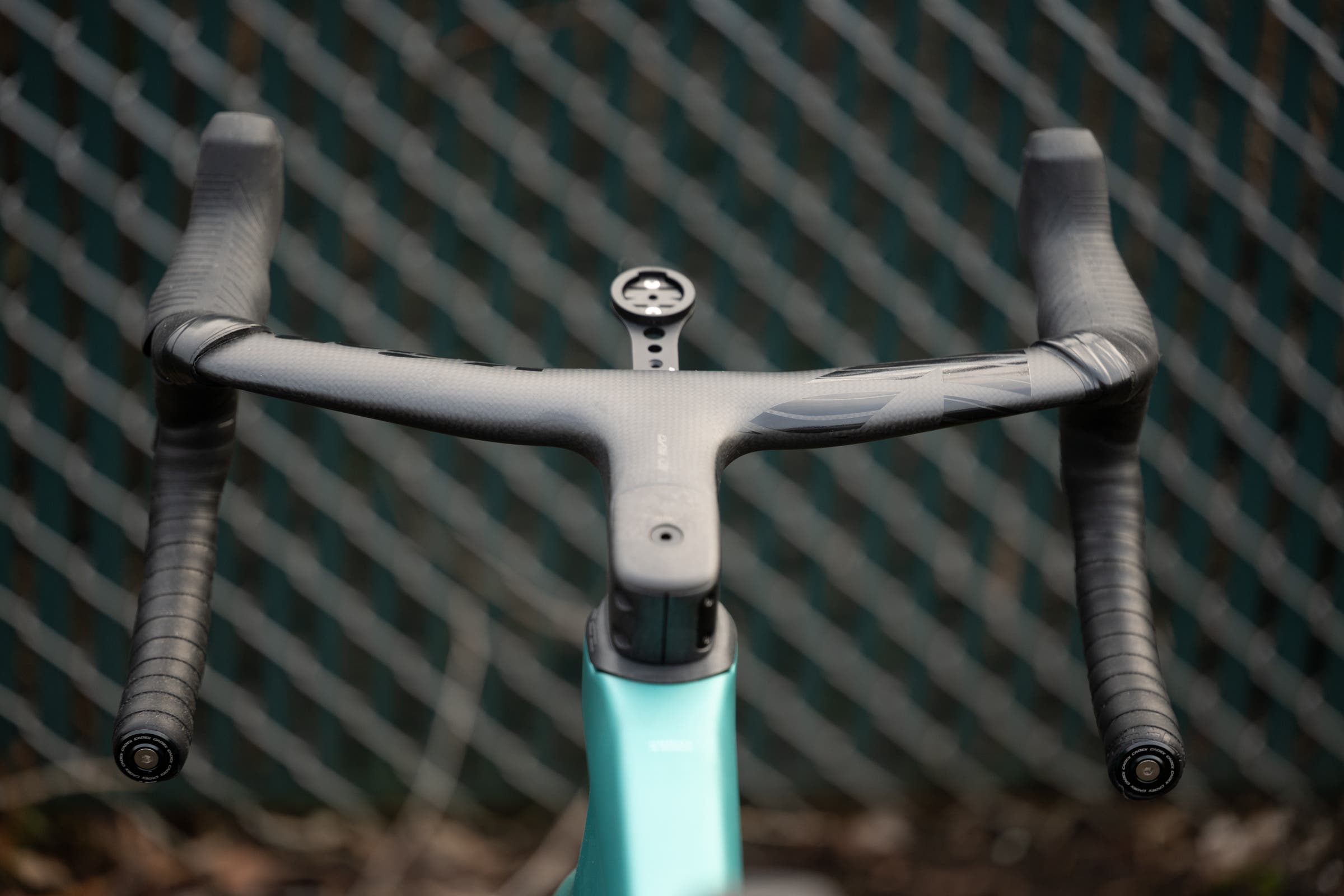
Solving that challenge meant turning to FSA and the Vision Metron 5D ACR. FSA Vision has one of the largest libraries of top cap solutions plus a gorgeous one-piece bar and stem in a 38×110. There’s no funky 3D printed pieces needed and I’ve got the fit I want. Vision (FSA) and Bianchi are also frequent racing partners so the bike continues to feel just as cohesive as before the swap.
That cohesiveness is important because this build is all about forward thinking technology and integration. The software, the gearing, and all of the hardware works together as a unit.
Scott Addict RC with Campagnolo Super Record 13
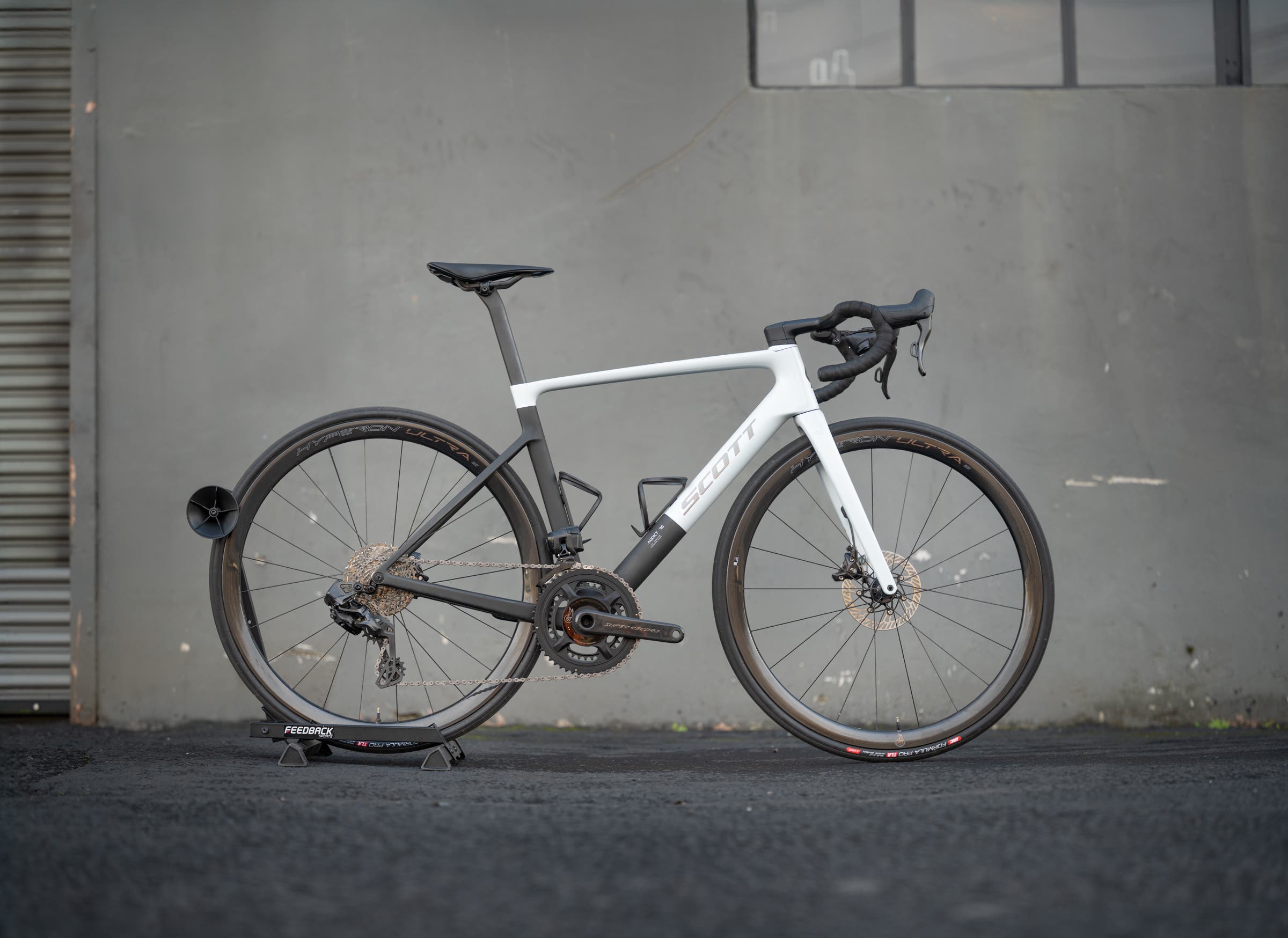
The concept of this bike is different from what you expect. You think I’m going to talk about heritage because it’s Campagnolo but while there’s heritage here, this bike is about the latest technology. In a way it’s in between the other two as it stays within the ecosystem but it’s a small ecosystem. This is how I built the purist machine:
- Chassis: Scott Addict RC (HMX-SL)
- Groupset: Campagnolo Super Record 13 with powermeter
- Gearing: 52/36 crankset with an 11-36 13-speed Cassette
- Wheels: Campagnolo Hyperon Ultra
- Tires: IRC Formula Pro Tires (30mm)
- Cockpit: Syncros Creston iC SL (Scott makes a 38 bar with a great quality K-Edge outfront mount)
- Saddle: Syncros Belcarra Regular 1.0 (unexpected love)
- Pedals: Garmin Rally RK210 power pedals
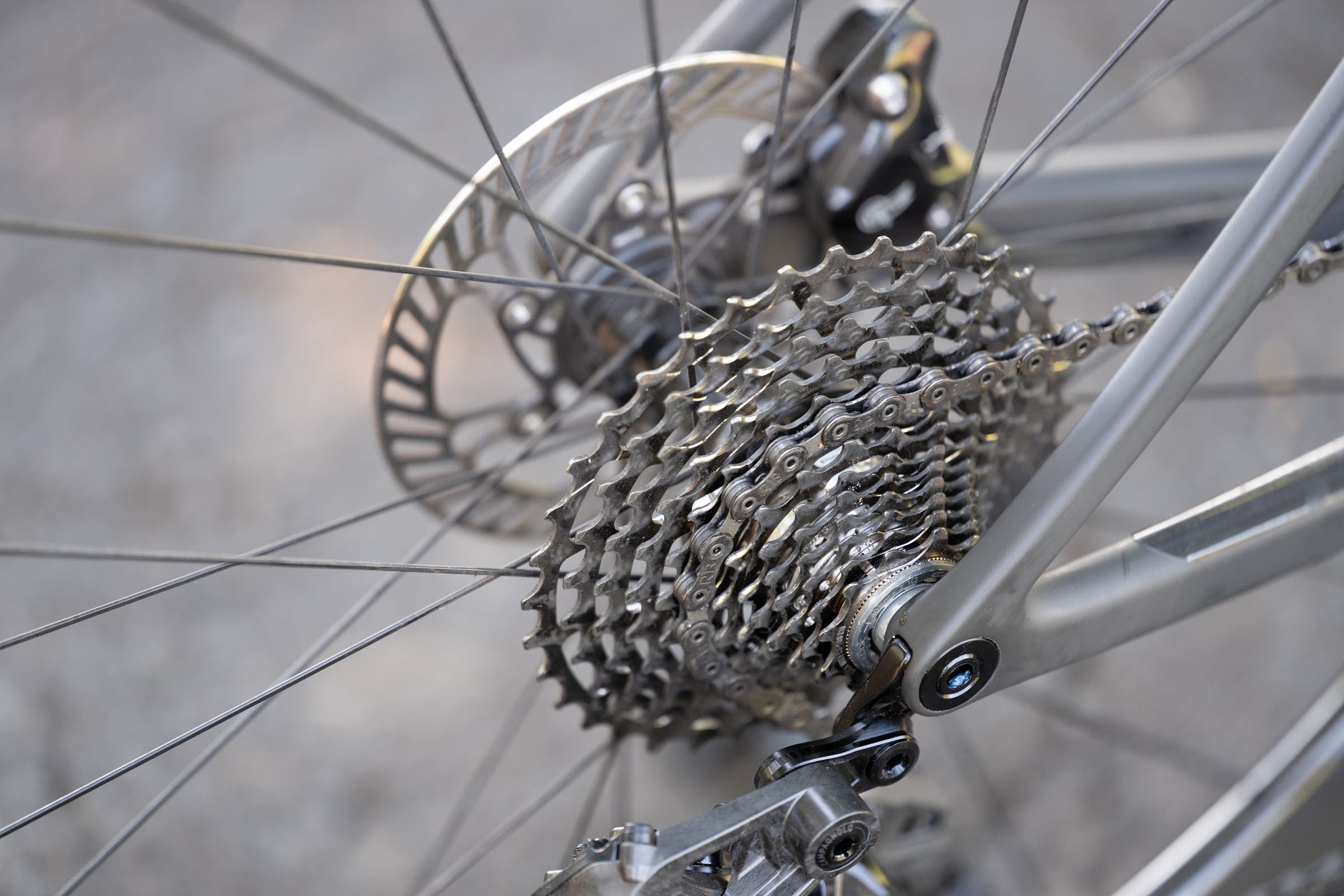
The thing I love about Campy is that the gearing just solves everything and, in a way, it’s the most modern solution in the group. Campy is the first to offer 2×13 and a 13th cog, delivering both range and tight spacing. I can have the 1:1 climbing gear I prefer for long days in the saddle, but unlike an aero focused SRAM 1x setup (a current obsession), I don’t have to deal with cadence holes near my top speed when I’m hammering on a short ride.
To let that tech shine, I paired it with the Scott Addict RC HMX-SL. When I first reviewed this frame, it was the lightweight king. Innovation never stops though, and I’ve since reviewed the Aethos 2 and the XDS RT9 which are both lighter. Despite that, Scott still brings a unique character that is a perfect match for Campagnolo. It’s a WorldTour race bike that feels exactly how you want it to. It’s long, low, and aggressive, but it stays comfortable. I also appreciate that the design team was obsessive enough to focus on paint that is not only physically light but visually light as well.
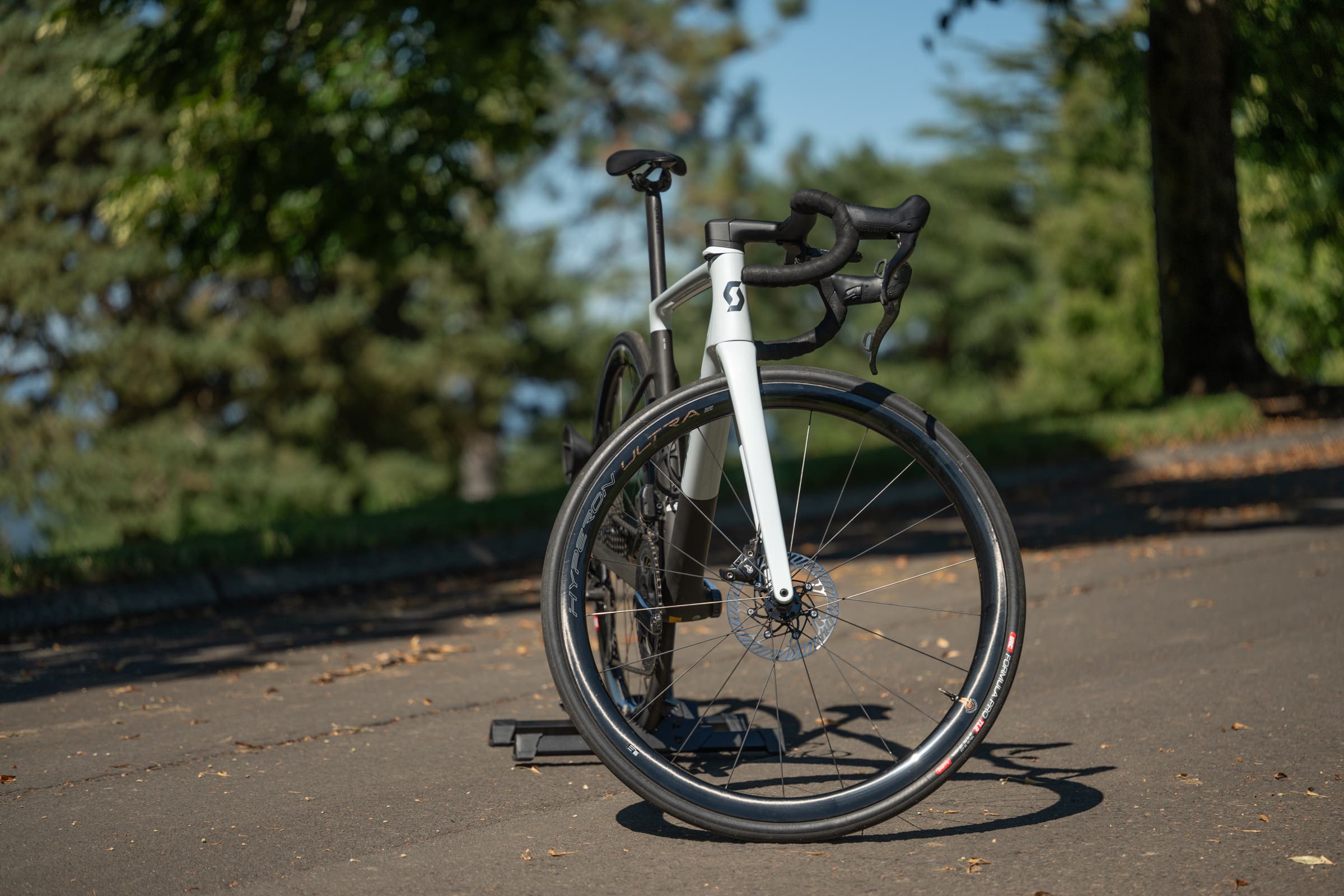
Although you can buy this frame off the shelf in almost this exact spec, the Scott doesn’t just disappear in this build. The Campagnolo racing heritage and the Scott frame somehow come together and each piece sings. That purity of function extends to the Hyperon Ultra wheels. At 1,160 grams with a sealed rim bed, they aren’t aero, just like the bike, but I promise you will never think about that on the road. The balance of stability and responsiveness is what dreams are made of.
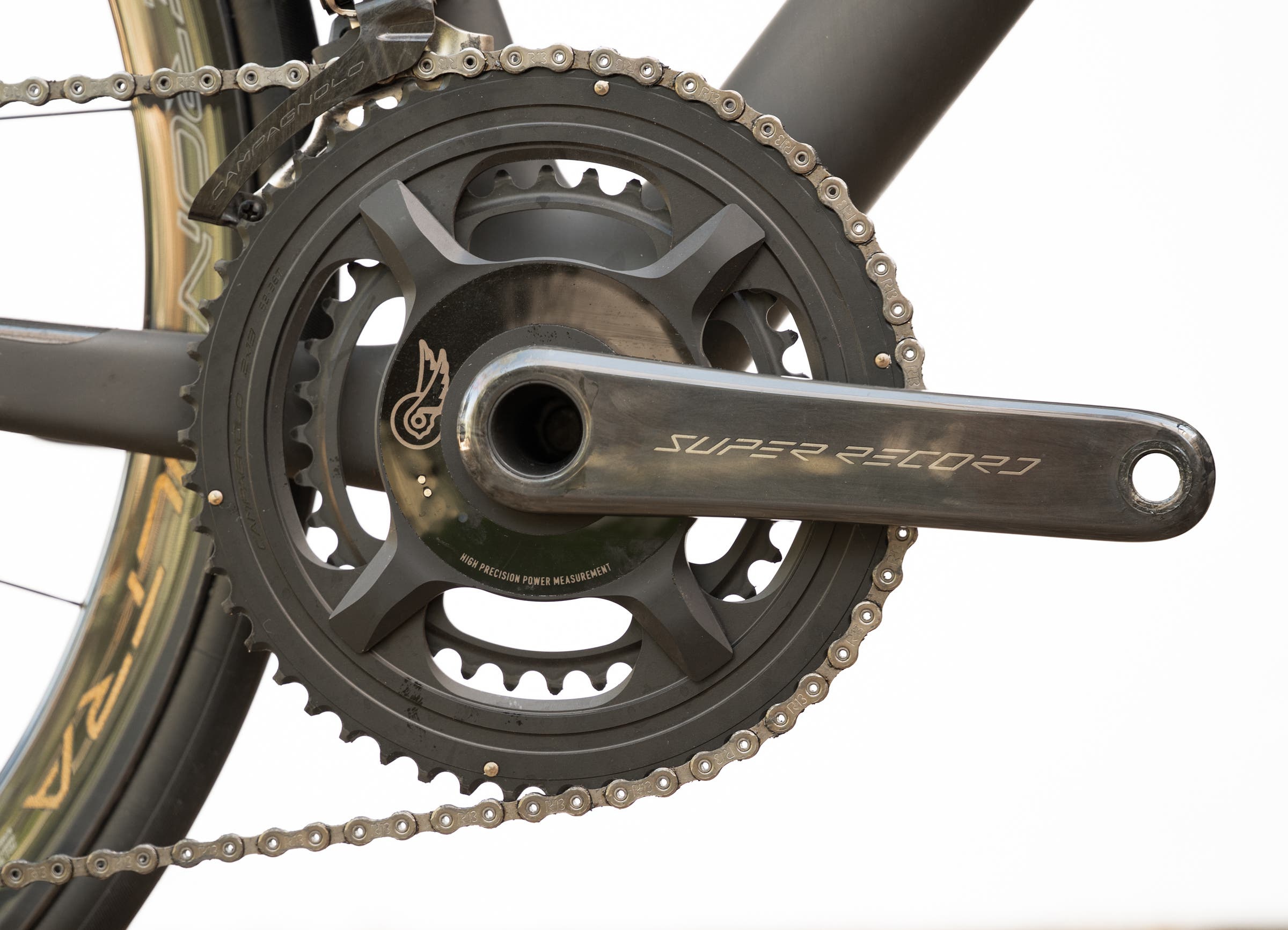
By keeping the build within the “small ecosystem” of Campagnolo, the ride feel is incredibly cohesive and without any distraction. There’s no fixing or tinkering with anything like the Shimano build and there’s none of the vast digital ecosystem of the SRAM build. This whole bike is a celebration of simplicity, despite being cutting edge and high-tech, with an obsession for ride feel and performance. No detail is accidental and everything is considered but the whole thing feels purpose driven with a focus on riding.
Part II: Weight
Before we go any further, let’s talk about weight. People care about this, so I expect many have jumped straight to this section. I hope it serves as a useful resource for the future, but at the same time, it is mostly irrelevant.
Shimano, SRAM, and Campagnolo are all incredibly close. The Campagnolo weight looks high in this chart but that’s a reflection of my personal preference for larger cassettes. It is possible to get that one lower but your mileage may vary depending on your gearing choices.
TRP is the outlier. It carries a weight penalty because of the Classified system, but also because it is technically positioned to compete with Ultegra or Force, not RED, Dura-Ace, or Super Record 13. Because there is currently no “tier-one” upmarket option for the Vistar, this is simply the price of entry for that system. There’s also some hidden data in the “Misc” part of the table for TRP. You can see exactly what that weight means in the full TRP Vistar // Classified review.
| Component | TRP Vistar // Classified | Campagnolo Super Record 13 | Shimano Dura-Ace Di2 | SRAM RED AXS 2x |
| Control Levers (each) | 266g | 212.1g | 185g | 206g |
| Crankset (Total) | 463g | 728.7g | 680g | 581g |
| Rear Derailleur | 345g | 258.2g | 217g | 262g |
| Front Derailleur | N/A (Classified) | 117.7g | 95g | 144g |
| Cassette | 219g (11-32) | 282.3g (11-36) | 255g (11-34) | 206g (10-33) |
| Chain (Uncut) | 271g | 217.1g | 268g | 248g |
| Brake Caliper/Assembly (each) | 189g (avg) | 136.1g | 145g | 165g |
| Brake Rotor (160mm each) | 147g | 120.4g | 112g | 133g |
| Battery System | 17g | 71.7g (F+R) | 52g | 52g (2x 26g) |
| Misc/System Specific | 566g (Hub/Transmitter/Axle) | N/A | 20g (Cables) | N/A |
| Total Weight | 3145g | 2560.6g | 2471g | 2485g |
Part III: Hood and Lever Ergonomics
The feel of the controls is one of the most important parts of a bike and for the most part, these companies are looking at the problem in drastically different ways. This is the stuff of bar arguments (or Facebook posts since people don’t argue over beers anymore) maybe more than anything else. It’s also the kind of thing that you really start to notice on a 200-mile ride or in a race. Case in point, I remember spending a lot of time in various time trials thinking over the ergonomics of a Shimano button.
These are my thoughts on the different approaches.
SRAM Red AXS
This description of the SRAM controls is the one that took me the longest to figure out. It’s both the best and the worst.
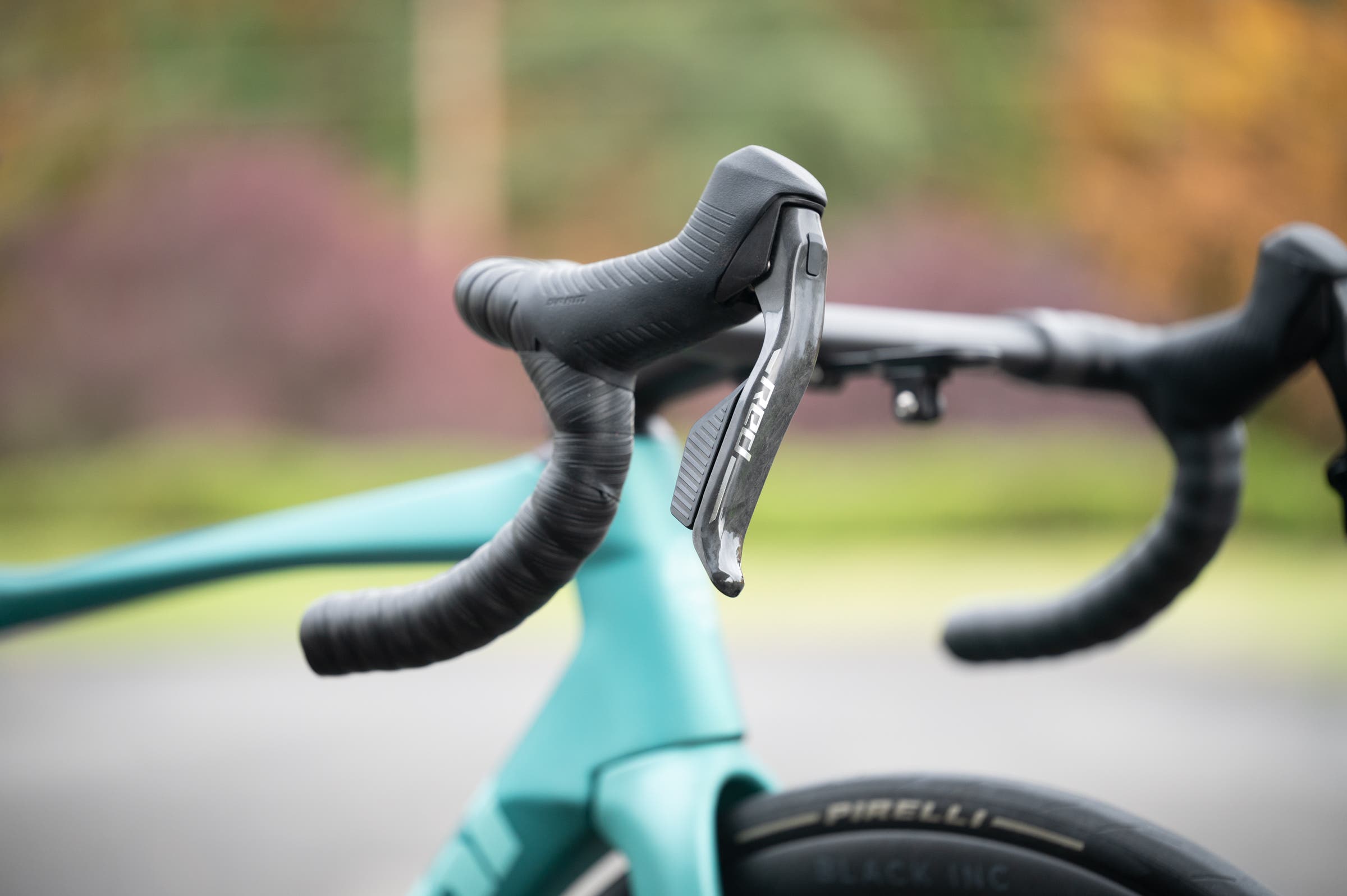
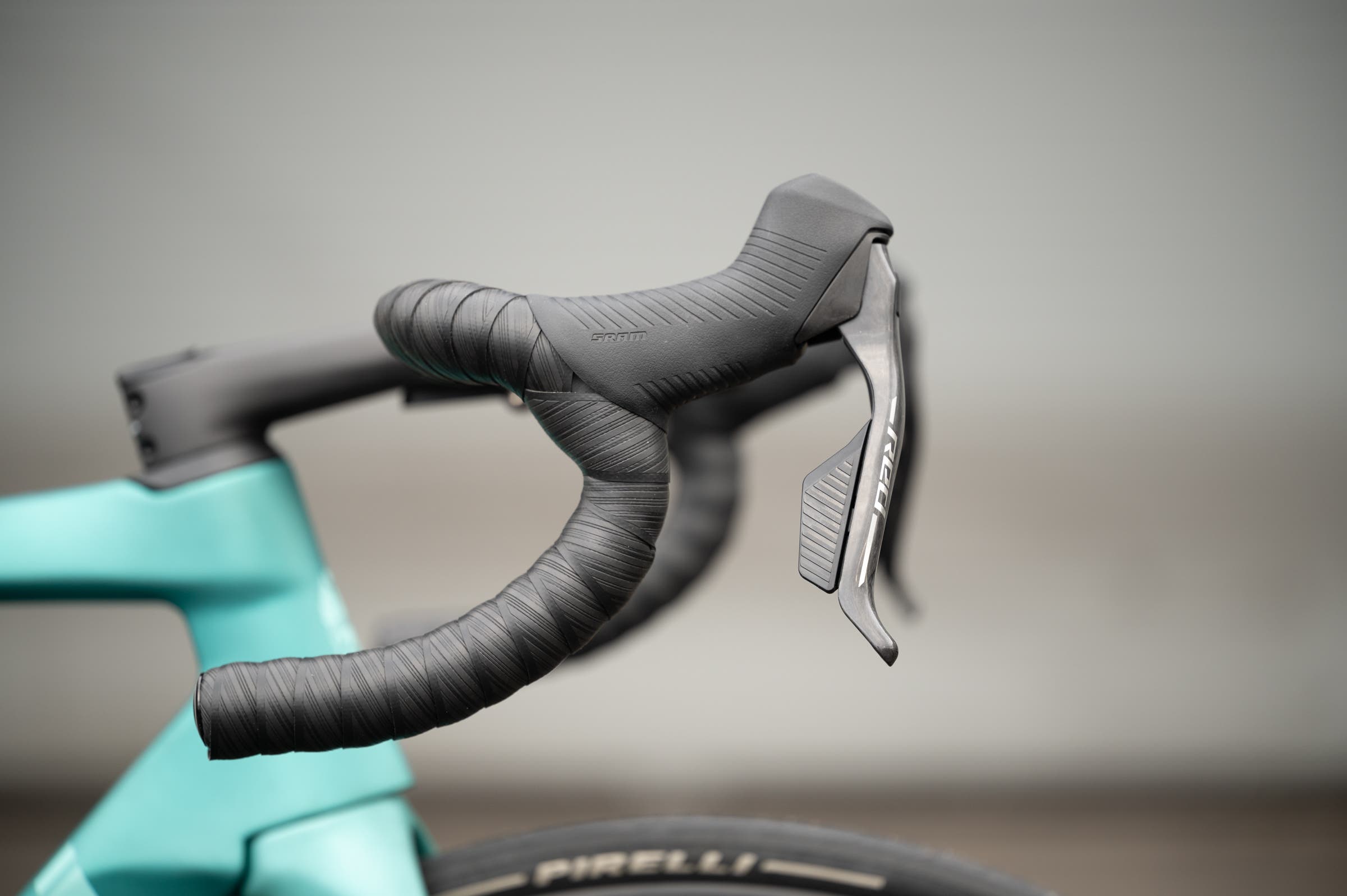
For this generation of hoods, SRAM went through a major redesign with a focus on the hoods as the primary point of control interaction. SRAM believes modern riders spend most of their time on the hoods so catering to that was the focus and it was, mostly, a success. Now there’s bonus buttons and they are the best of the bunch. Shimano buttons are hard to press, Campagnolo buttons aren’t really bonus buttons, and TRP doesn’t have anything, but the SRAM button has just the right tactility and texture. Nicely done.
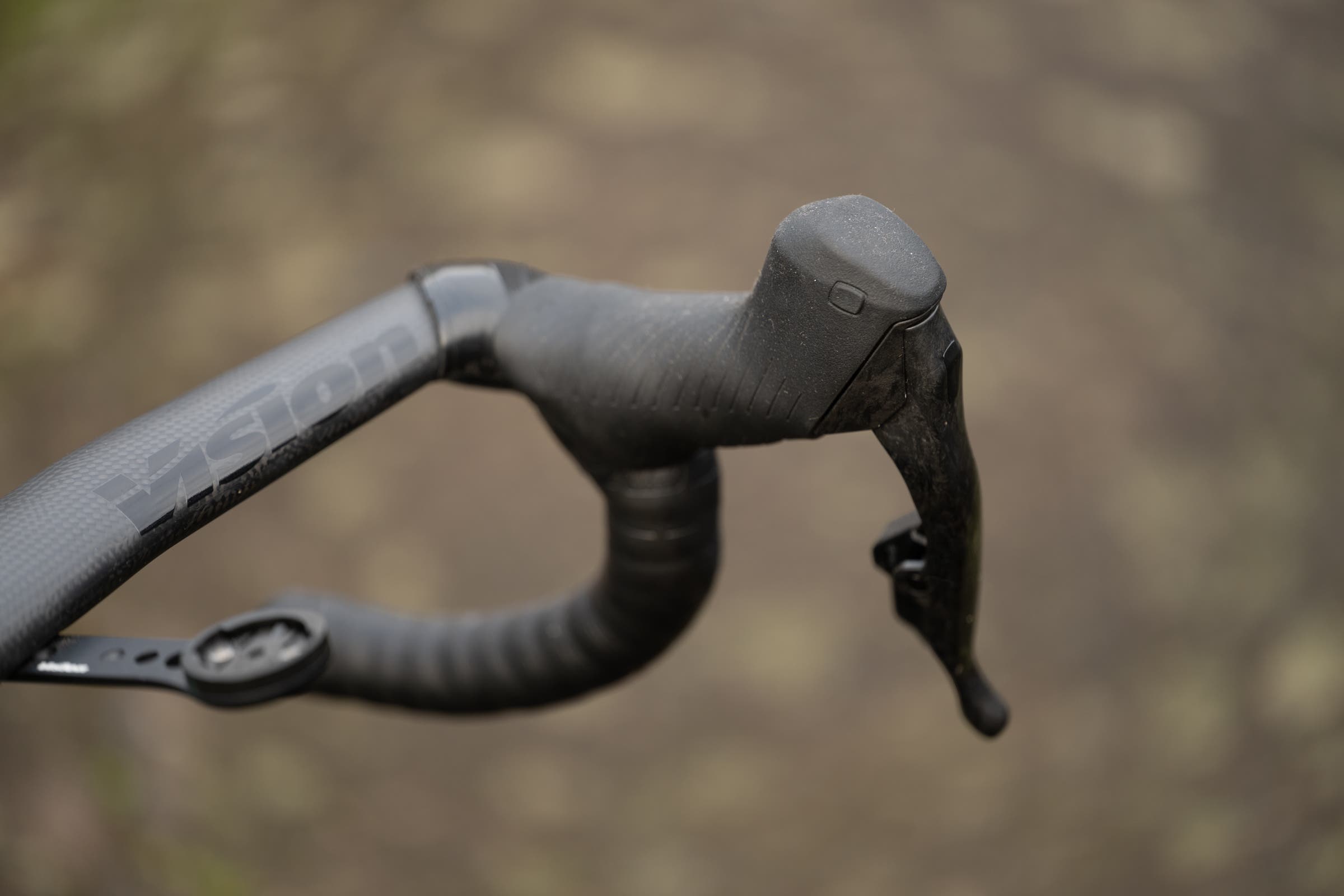
The brake levers are also a huge success. The pivot point shifted and now you can easily wrap your whole hand under the lever and handle braking, with full power, using only a single finger at the top of the lever. You won’t pinch your fingers underneath and the modulation is untouched by Shimano or TRP. The SRAM brakes are incredible and it’s only Campagnolo that comes close but Campagnolo still leans into riders using the drops more.
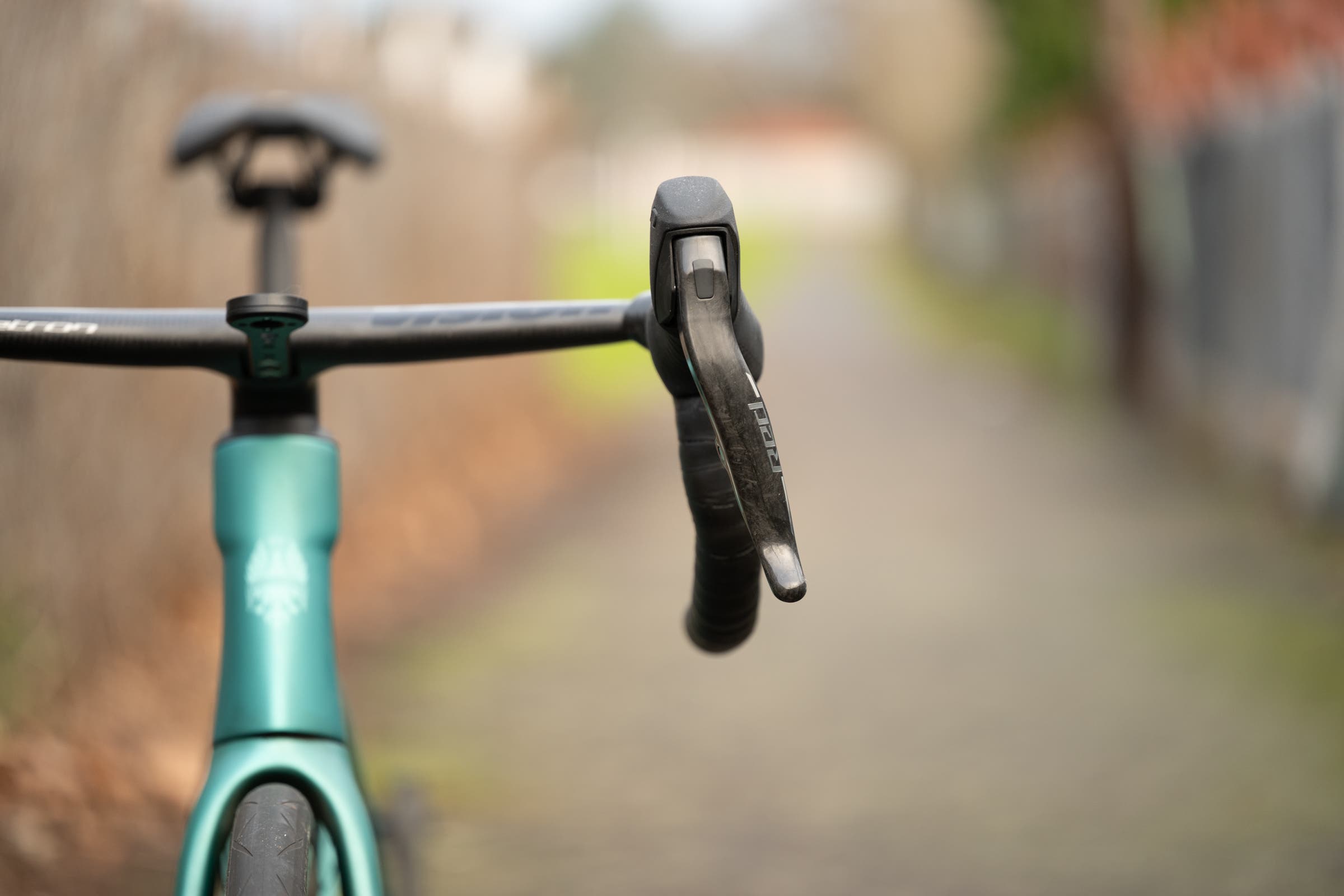
Now the part that’s not so good for SRAM is the hood shape. Many riders weren’t fans of the older “bullhorn” style but I actually appreciated how easy that was to grab in an aero position. The new design clearly prizes having you hold a bit lower where your thumb naturally rests on the bonus buttons and you can brake with full power. Sounds great except I find it ends up being a little too short and a bit cramped. Adding wireless blips down on the inside of the drops might be a good solution to all of this.
Shimano Dura-Ace Di2
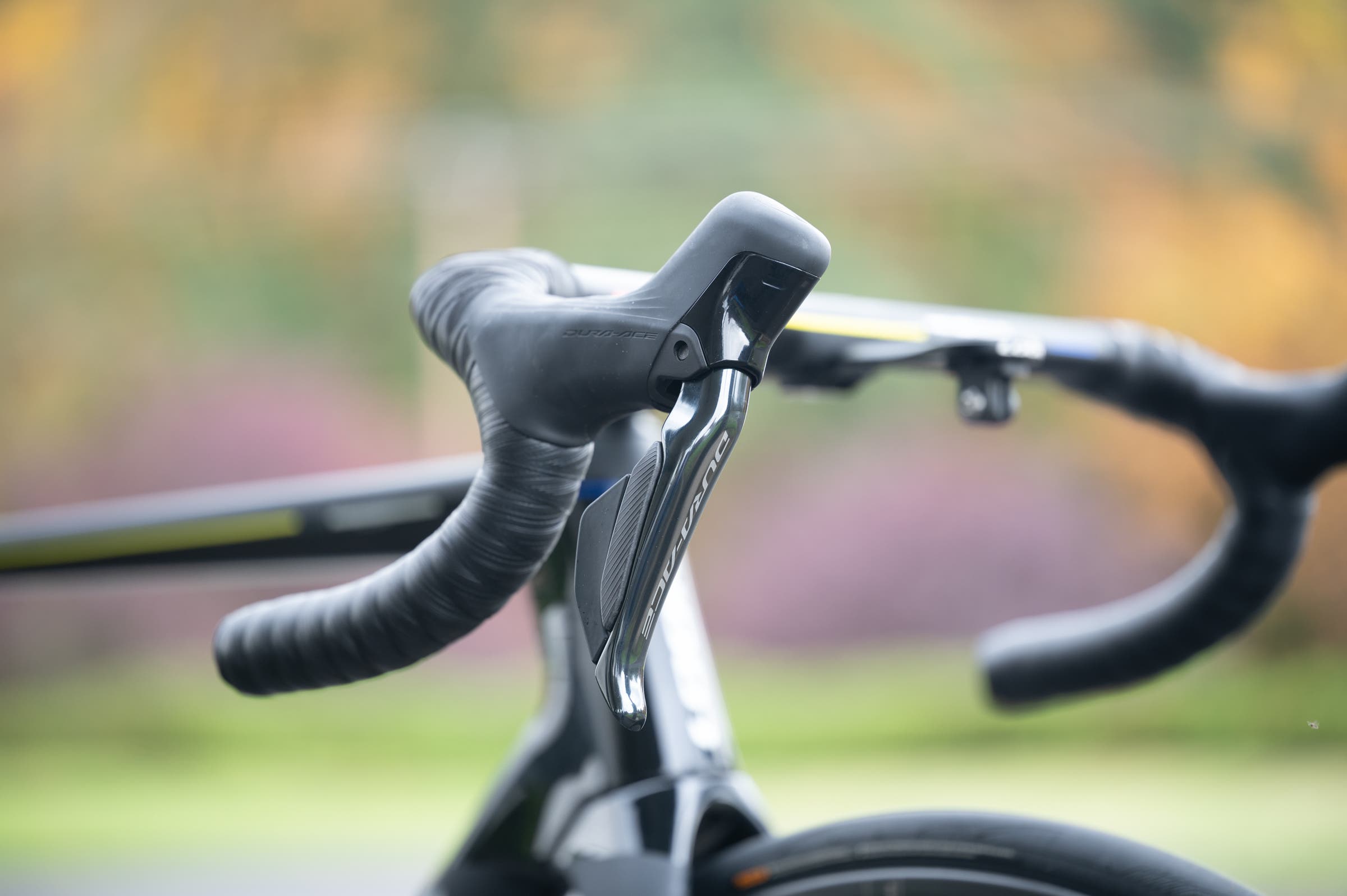
Shimano’s hood shape is a known quantity and a lot of people love it. Still, it has some drawbacks that reflect the age of the groupset as well as philosophy. On the philosophy side, the shift buttons can be difficult to distinguish. It’s even worse with gloves. There’s a little bit of a texture and shape change to these but it’s still a miss. I expect readers will disagree if they are used to riding Shimano but when you bounce to the different groupsets it’s really apparent. That’s especially true when you touch the TRP buttons that use the same logic but are much easier to distinguish between.
Then there’s the age showing a bit. I have no doubt that the next generation of road hoods will fix this but right now, you can’t brake and wrap your fingers. With SRAM and Campagnolo you can put one or two fingers on the lever then wrap the others around behind without issue. The clapback is that this is because both of those are designed to work off-road also. It doesn’t matter though, it’s still a good decision even on the road. With Shimano you have to move your fingers out of the way for full brake power.
The bonus buttons probably also fall under that. Shimano did bonus buttons first but now SRAM has outdone them. The Shimano version feels vague and difficult to push but, being this is the tinkerer’s best choice, there are aftermarket options to fix that for only a few dollars.
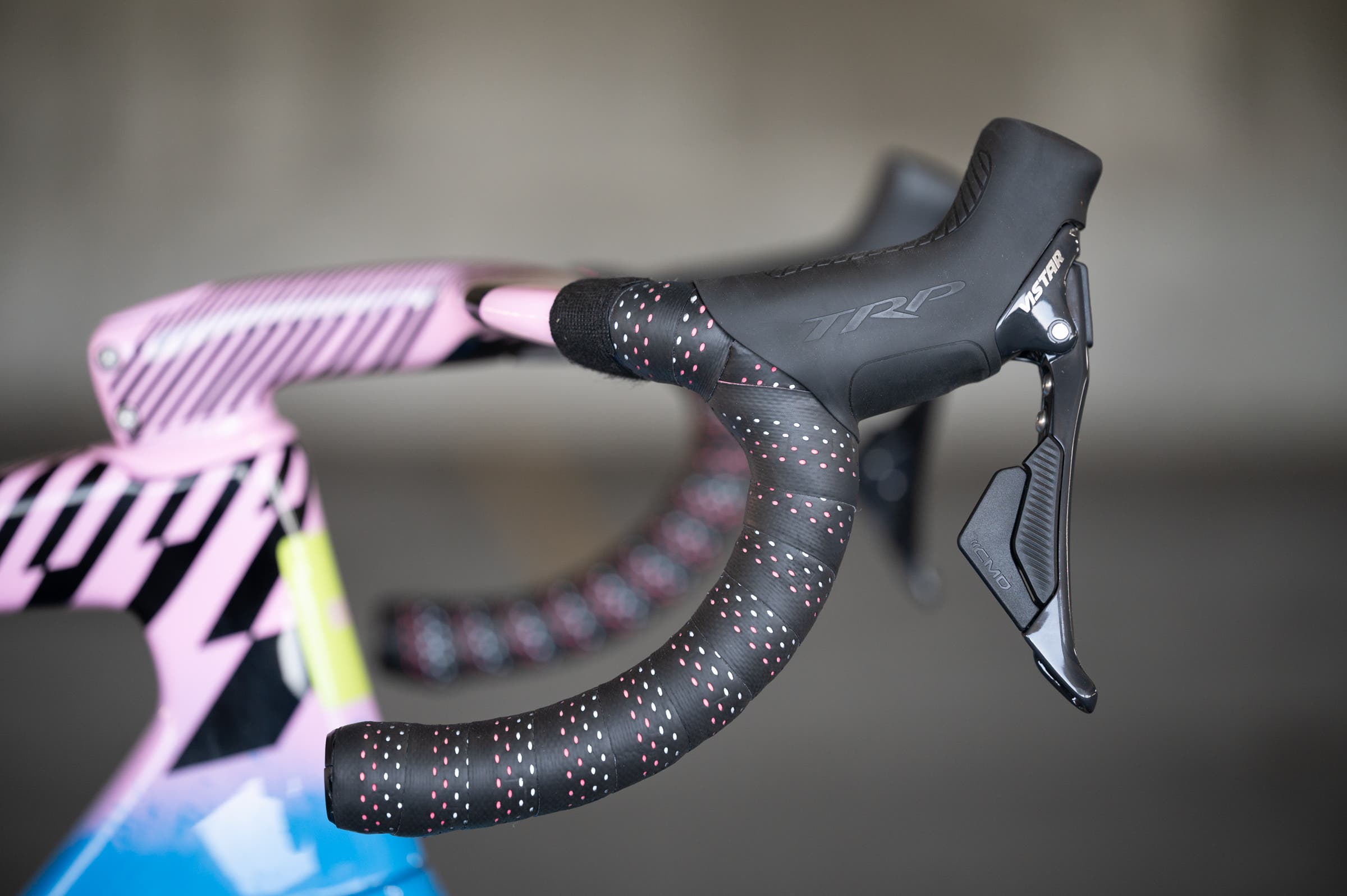
TRP Vistar
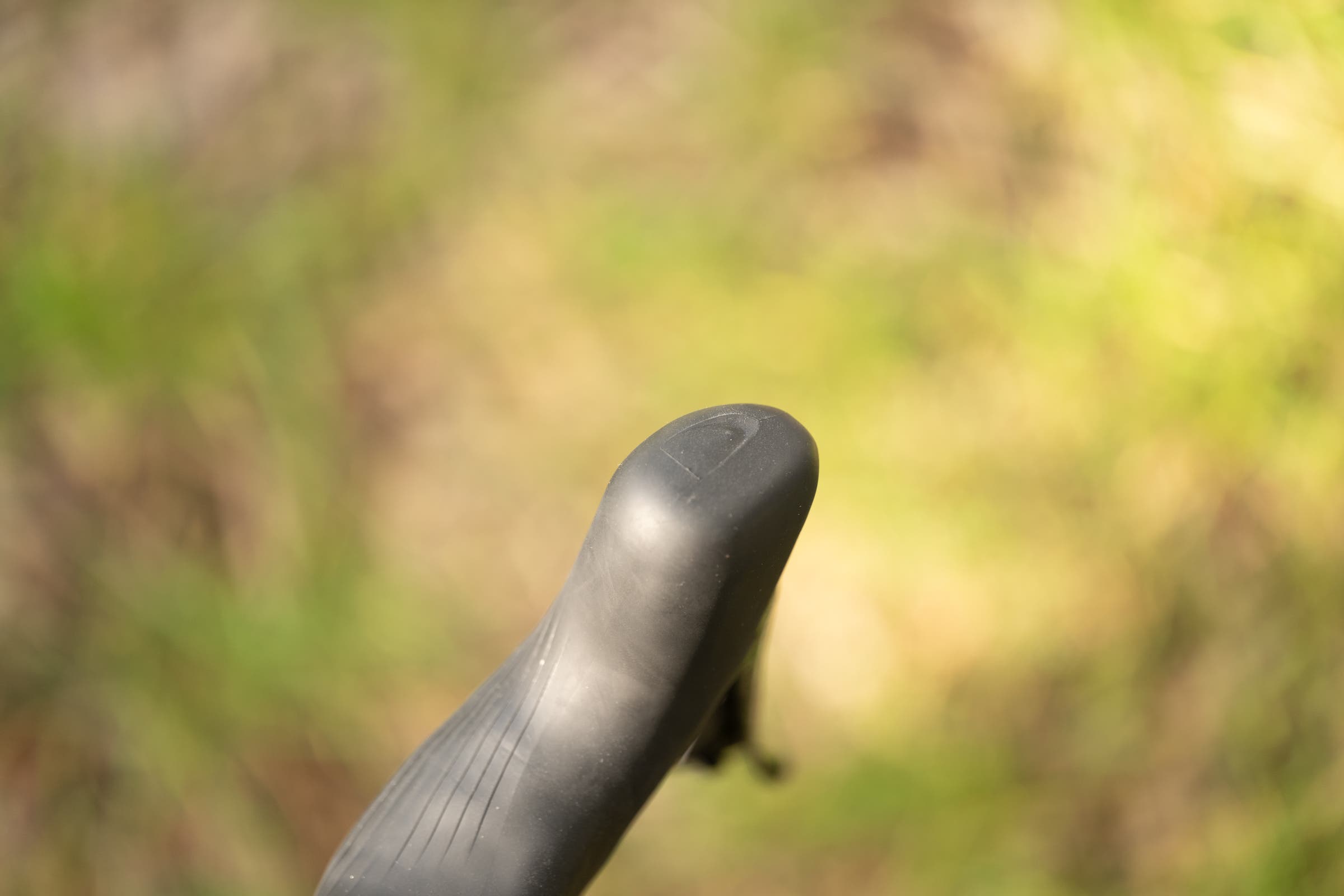
Like SRAM, TRP offers the best and the worst. I love the shape of the upper part of the hoods. It’s narrow and squared off then it bulges out a bit and gets rounder. It feels exactly how you want it to when in an aero position holding the tops. Seriously, Shimano should take notes here because it’s incredible and the same is true of the buttons themselves. They work just like Shimano, with the same up and down logic, but the shape and textures are much easier to distinguish.
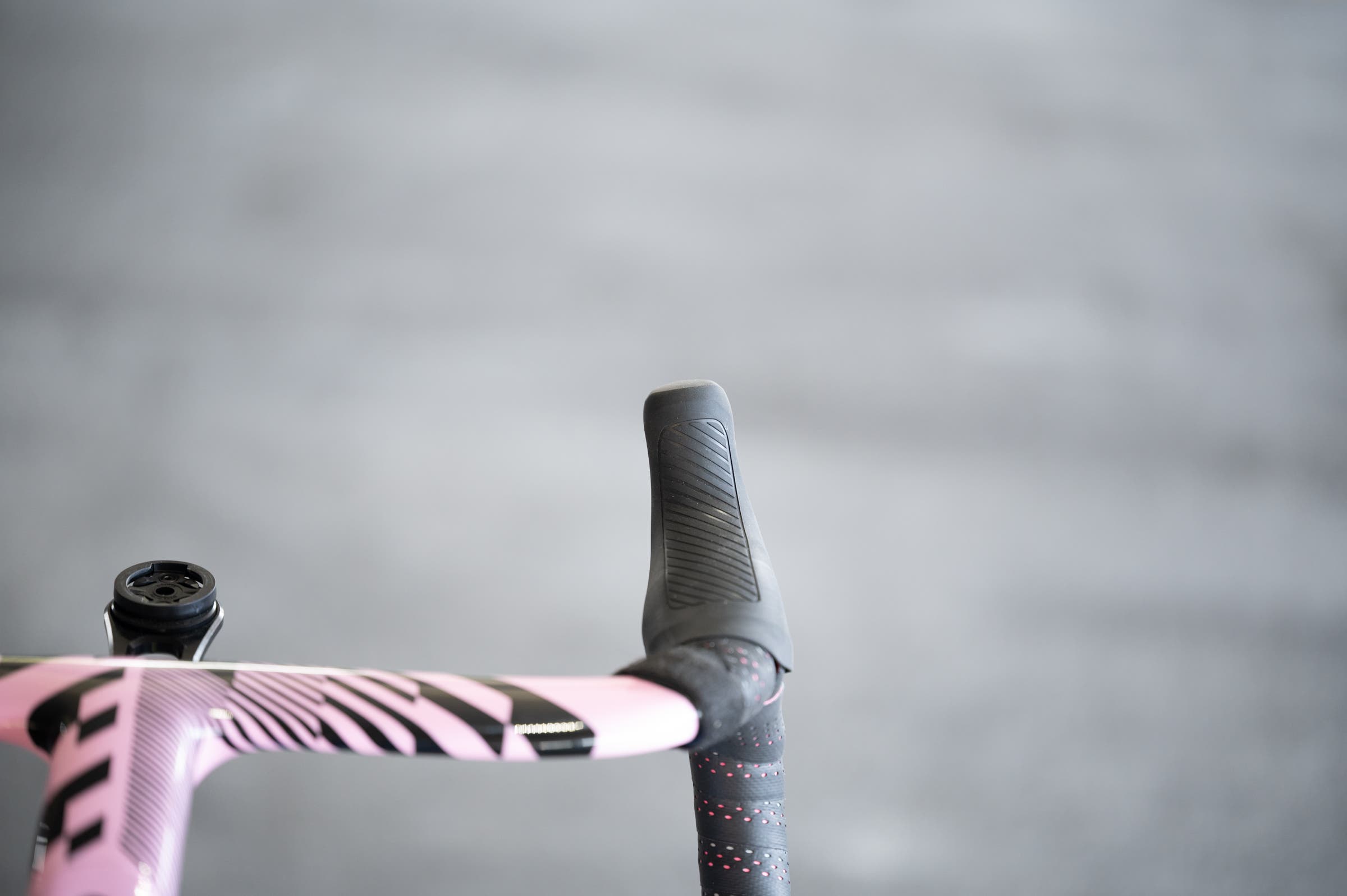
Then TRP falls on its face with the rest. You’ve got this amazing hood shape but if your fingers are wrapped under the lever you can’t get even close to full braking power before the lever contacts your fingers. There’s also no bonus buttons. It’s all so close…
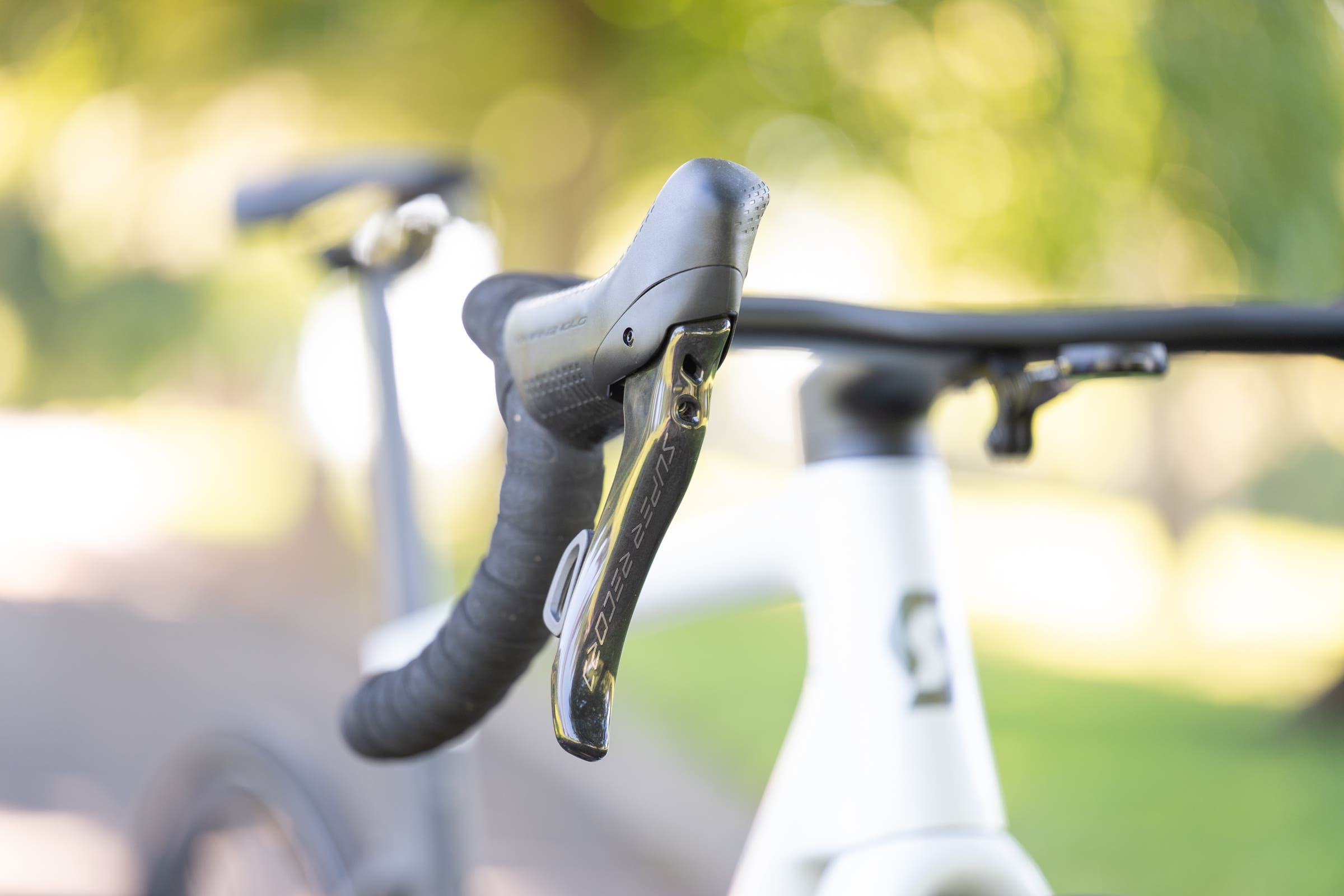
Campagnolo Super Record 13
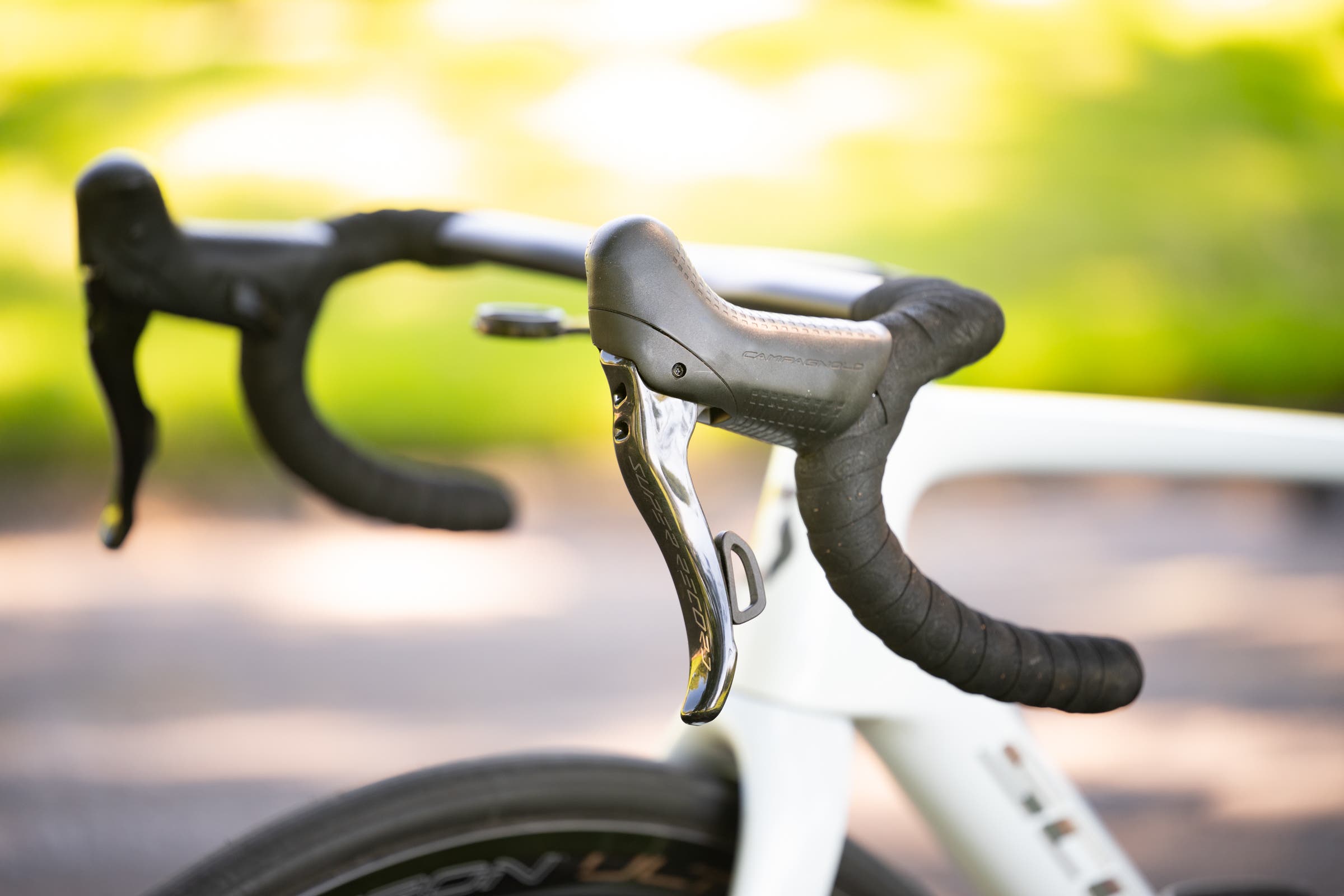
The thumb button is back! And the controls are better for it. The more I’ve used these since my initial review, the more I love them. The top is just right in size and placement while the levers are elegant and beautiful plus they will never pinch your fingers. Campagnolo is now offering satellite shifters but you’ve already got three built into the base control layout.
The main thing to know about the Campagnolo layout is that the brand definitely prefers that riders spend time on the drops. On the hoods the thumb is a bit tough to push and requires a move of your hand. Instead you use the bonus button and the button on the lever. It’s fine but that bonus button isn’t quite as big as you’d normally expect for changing gears.
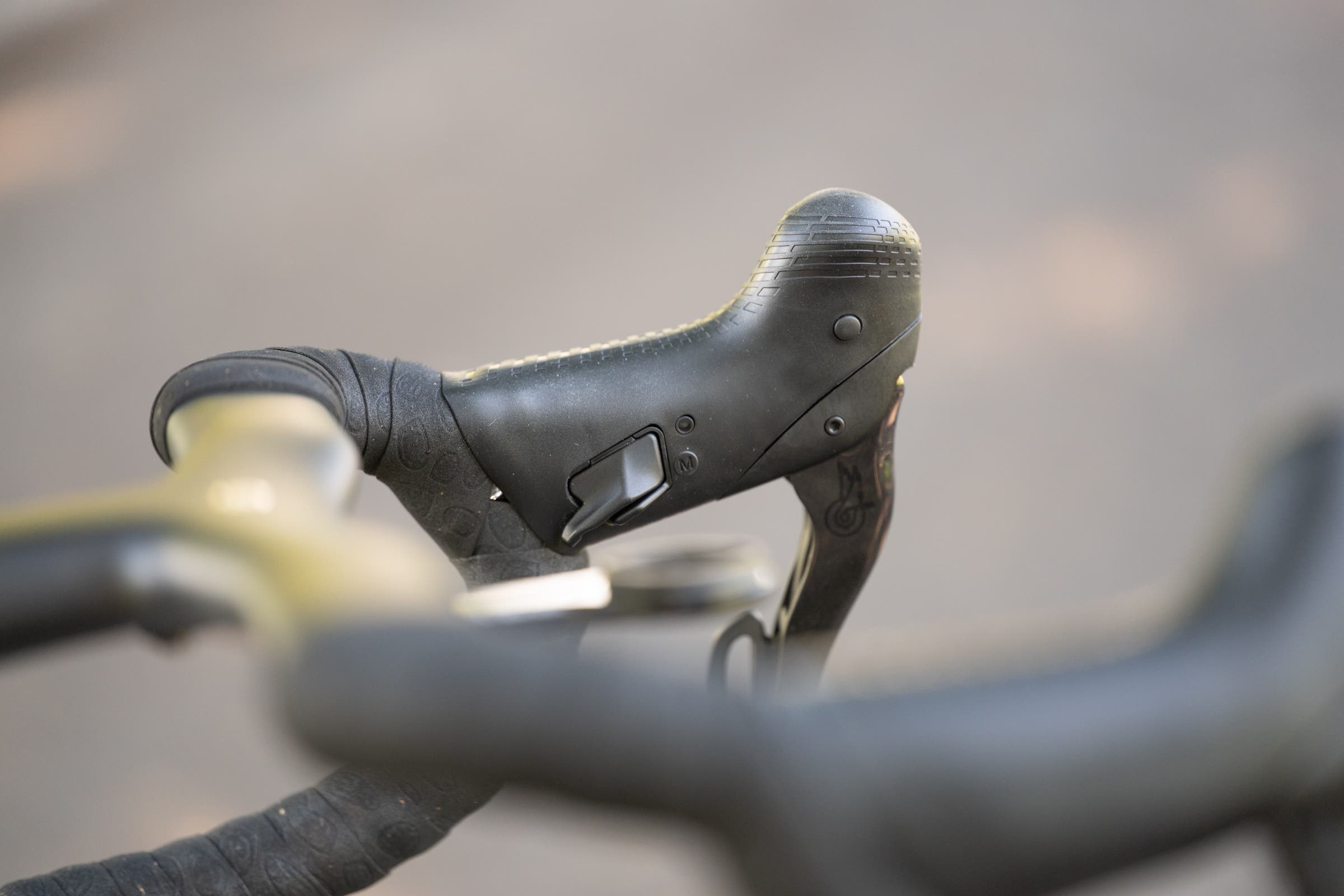
If you instead move to the drops, everything just clicks into place. Sit in an aero position with your hand deep in the curve of the drop and you’ve got incredible modulation and power from the brakes while your thumb and first finger naturally rest on the shift buttons.
The SRAM up and down logic plus the focus on hoods riding is great and I’m a fan. Campagnolo has a level of finesse that’s beautiful though.
Part IV: Gearing and Shifting Logic
While people generally understand that there’s a certain amount of opinion in an assessment of ergonomic shapes, the logic of shifting is where the real fight is. This is where you find people adamant that one of these companies, SRAM, actually doesn’t work and represents some kind of subversive plot to destroy all bikes.
In reality there’s just different philosophies at play here and they all work incredibly well but have different strengths. You’ll have to pick what vibe you like.
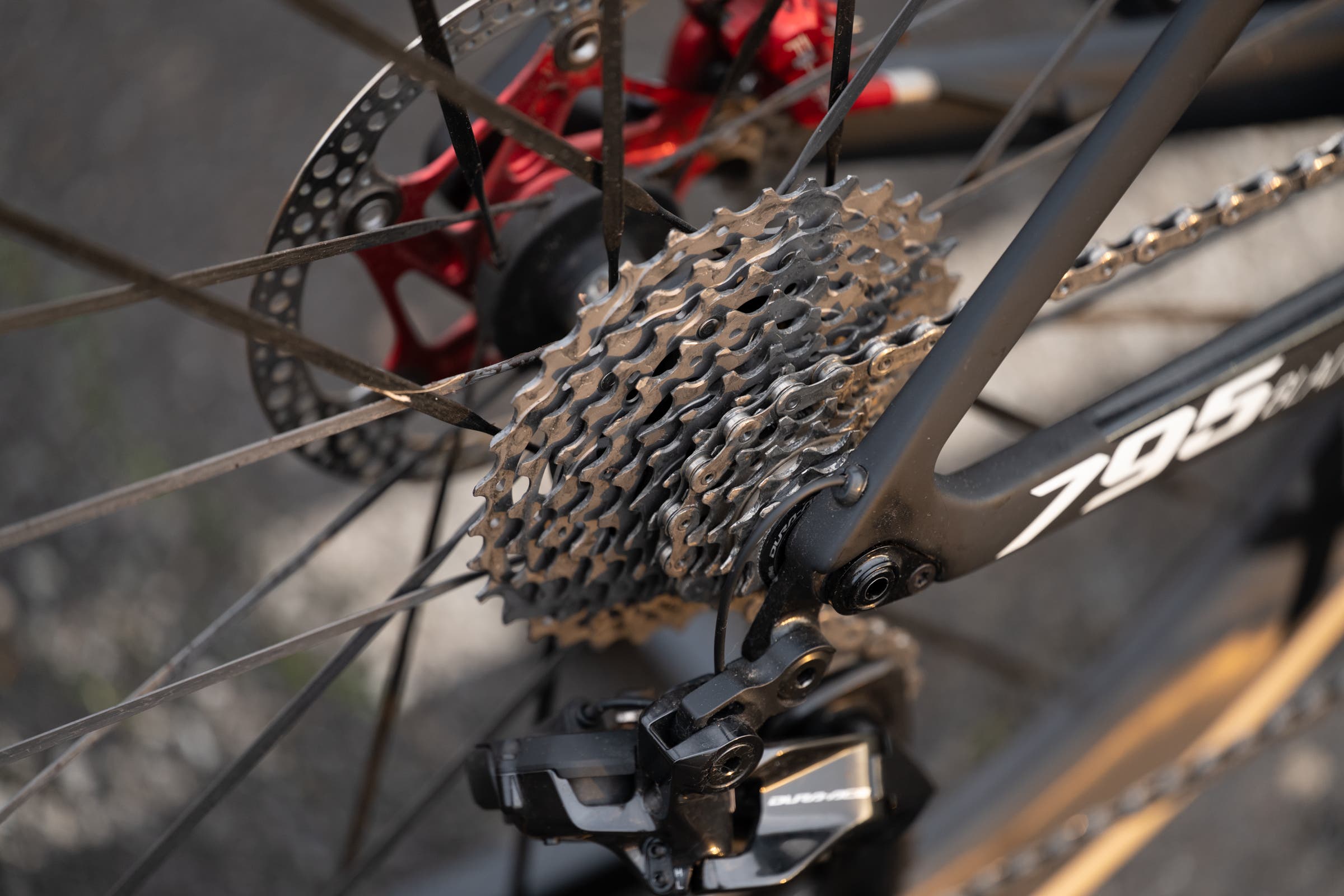
Shimano Dura-Ace Di2
Shimano continues to own the title of the smoothest shifts. It’s incredibly subtle, but if you jump from system to system you’ll notice it. The Shimano shifts are fast and so smooth you sometimes wonder if the shift actually happened.
Shimano needs a clutch, though. There’s no drawback to having it and part of the reason I scratched the original crank was that the chain bounced off. It’s not just a skills issue on my part either; Mark Cavendish was somewhat famous for having his chain come off at the end of a sprint. It didn’t matter to him in those moments but I’ve had it happen to me and I wasn’t coming across the line in a race. A clutch would fix this nonsense.
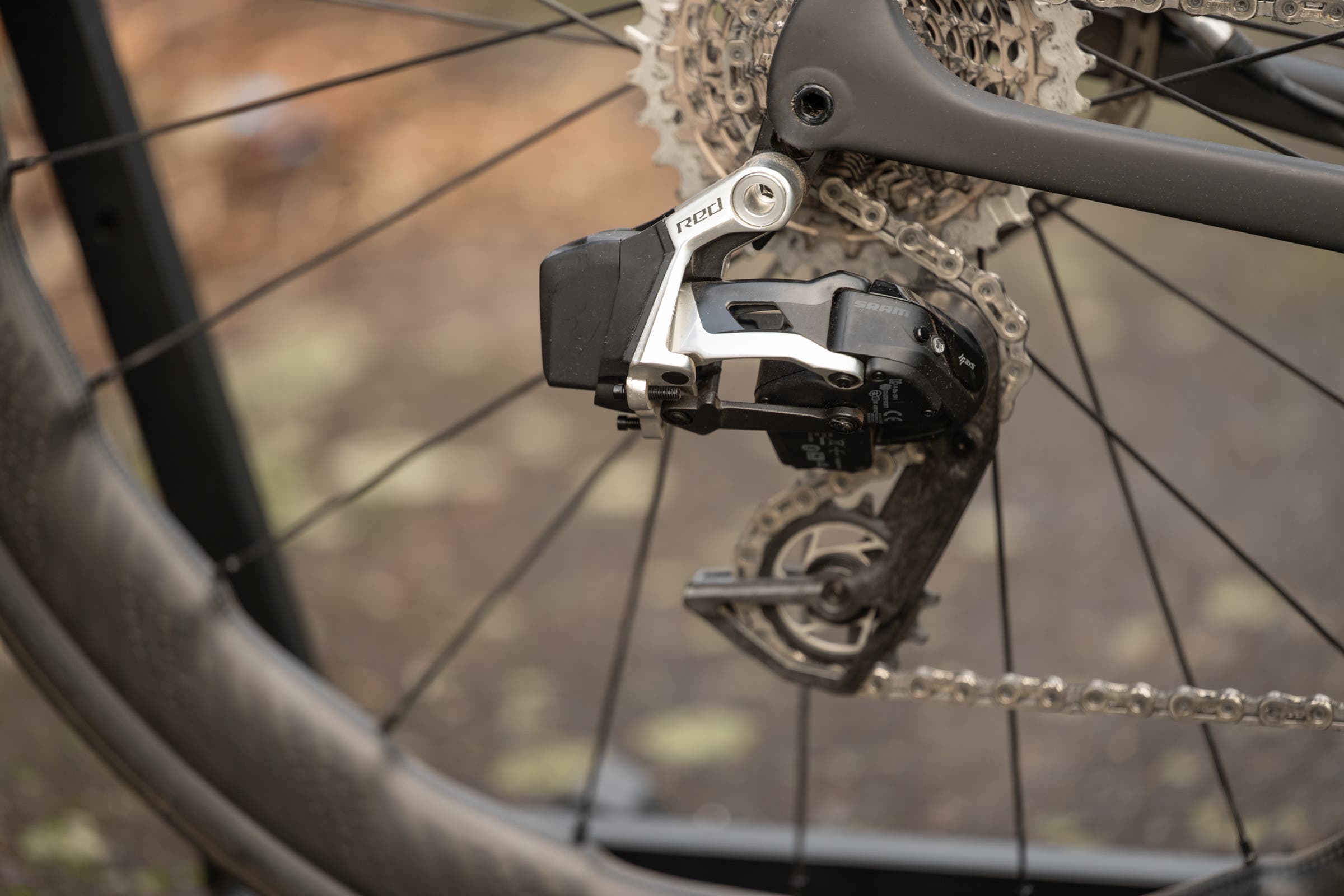
SRAM Red AXS
Shimano is the default for a lot of people. It’s on more low-end bikes and people learn that the forward button means up the gears then graduate to more expensive bikes. SRAM then feels foreign when you’ve used Shimano forever. In reality, it’s way more intuitive. Left hand easy, right hand hard, both together for the front.
The more time you spend on SRAM, the more you’ll wonder about the Shimano system. Specifically, why do you need two buttons to shift a front chainring that is binary? The shift always goes from one chainring to the other, so why dedicate two buttons to that? I’d say that’s a holdover from 3x systems and isn’t needed anymore. The SRAM buttons are also the easiest to find and push. It’s a giant paddle. Even when my fingers are so frozen I can’t feel them anymore, I can manage to press that.
Of course, people also believe SRAM can’t manage front shifts and this is just wrong. Maybe in the years of mechanical shifting this was an issue, but it’s long gone. The front shifts are just as good as Shimano, if not as smooth.
Still, there is some logic in the idea that SRAM wants to abolish the front derailleur. 1x has advantages and I don’t think SRAM is afraid to lean into that. I also don’t think it’s quite there for every situation. If you want to build an aero monster with 1x, the latest XPLR is better than it was previously, but you still have to dodge a cadence hole somewhere. There’s less 1-tooth jumps so you have to play with your front chainring size to get there. I’ll just throw it out there that 1×14 with a 10-46 cassette would solve this issue.
Campagnolo Super Record 13
Which is kind of what Campagnolo is doing. Although the brand has a strong 1x offering now, it’s clear the Italians are a bit old school in terms of drops-first and 2x on the road. By going 2×13 gearing is just better, but the shift logic is a little more mixed.
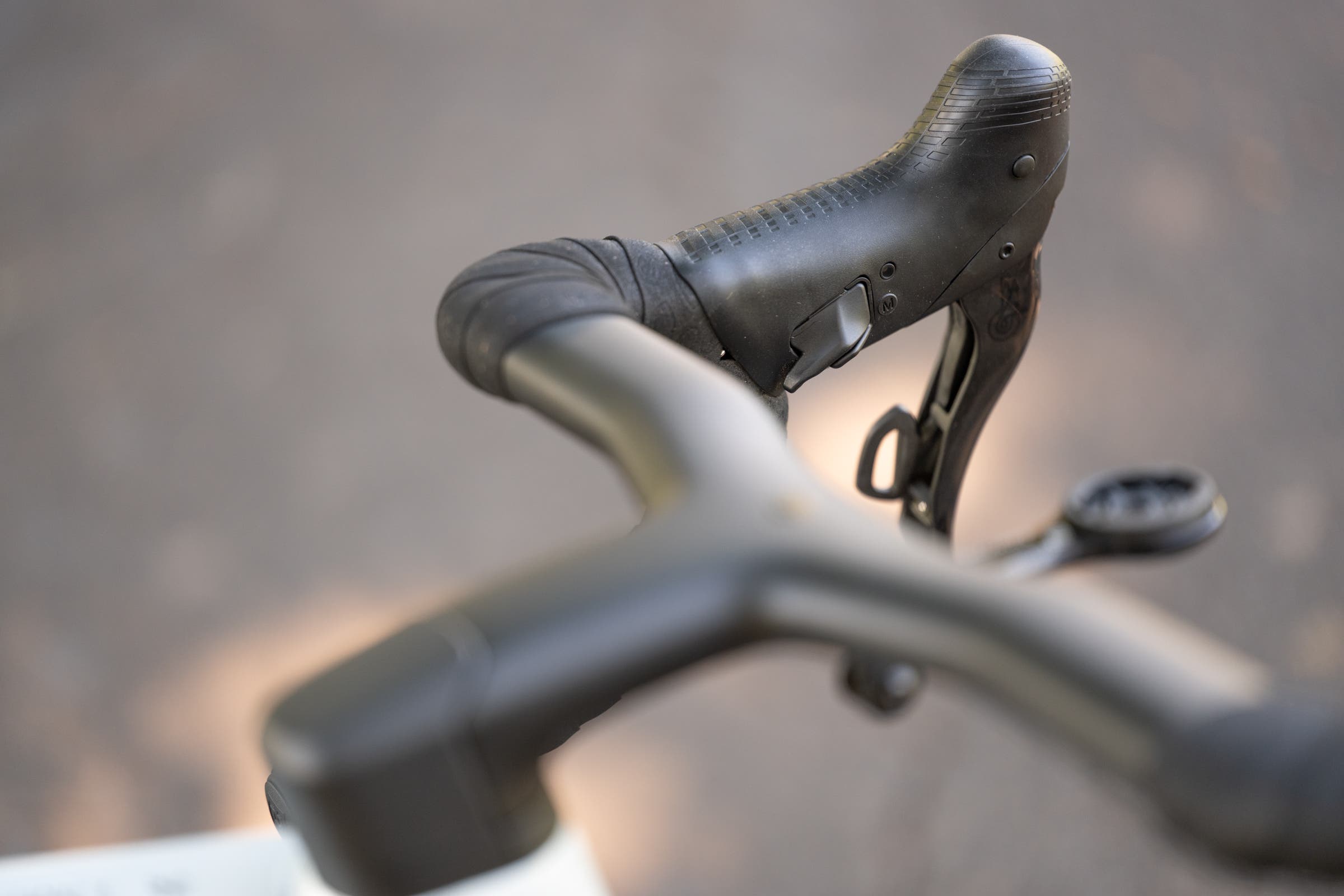
It used to be one button, one function and that was what people loved about Campagnolo. Now it’s two buttons, one function in some cases and there’s the same “why am I using two buttons to manage a front derailleur that only moves back and forth” issue that Shimano has.
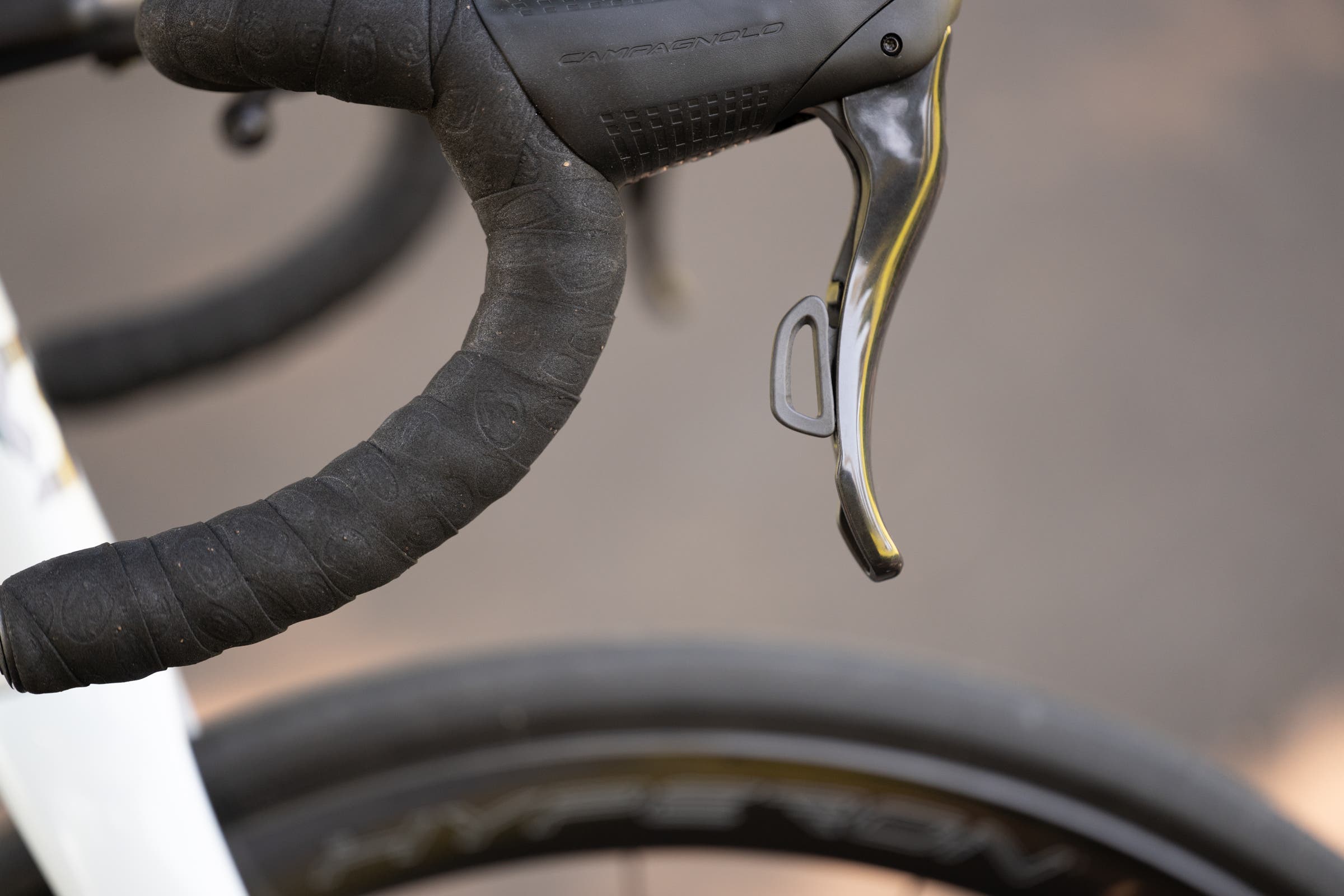
The button on the lever is masterful. From a design standpoint it’s better looking than the SRAM button and it works just as well. It actually uses the same logic as Shimano though with the forward button going up and the rear button going down—except there’s two rear buttons depending on where your hands are. This isn’t a bad design and more options is great, but I think SRAM is a little more logical.
TRP Vistar // Classified
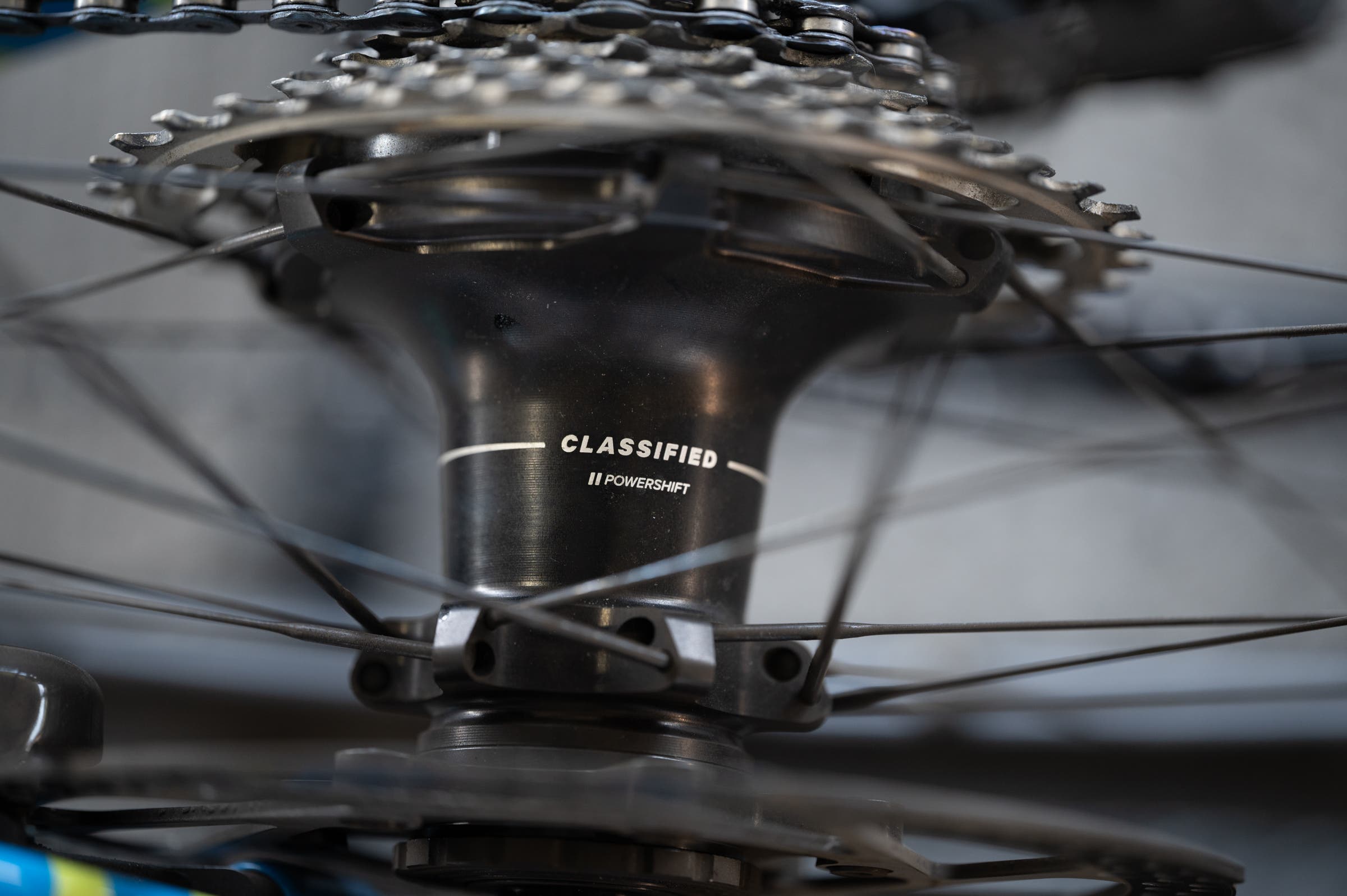
On one hand, there’s nothing to say here. TRP buttons are a clone of Shimano with some improvements. What’s groundbreaking in this system is the Classified hub. Essentially this is an improvement on a traditional 2x system with a front derailleur but it also has the advantages of 1x.
The Classified rear hub fixes everything you know about shifting a bike. There’s no chainline issues because the chain only sees a 1x system. You get the aero advantage of 1x but you still get the range of 2x. You can also shift at any time under full load. This system is brilliant except there’s a big catch.
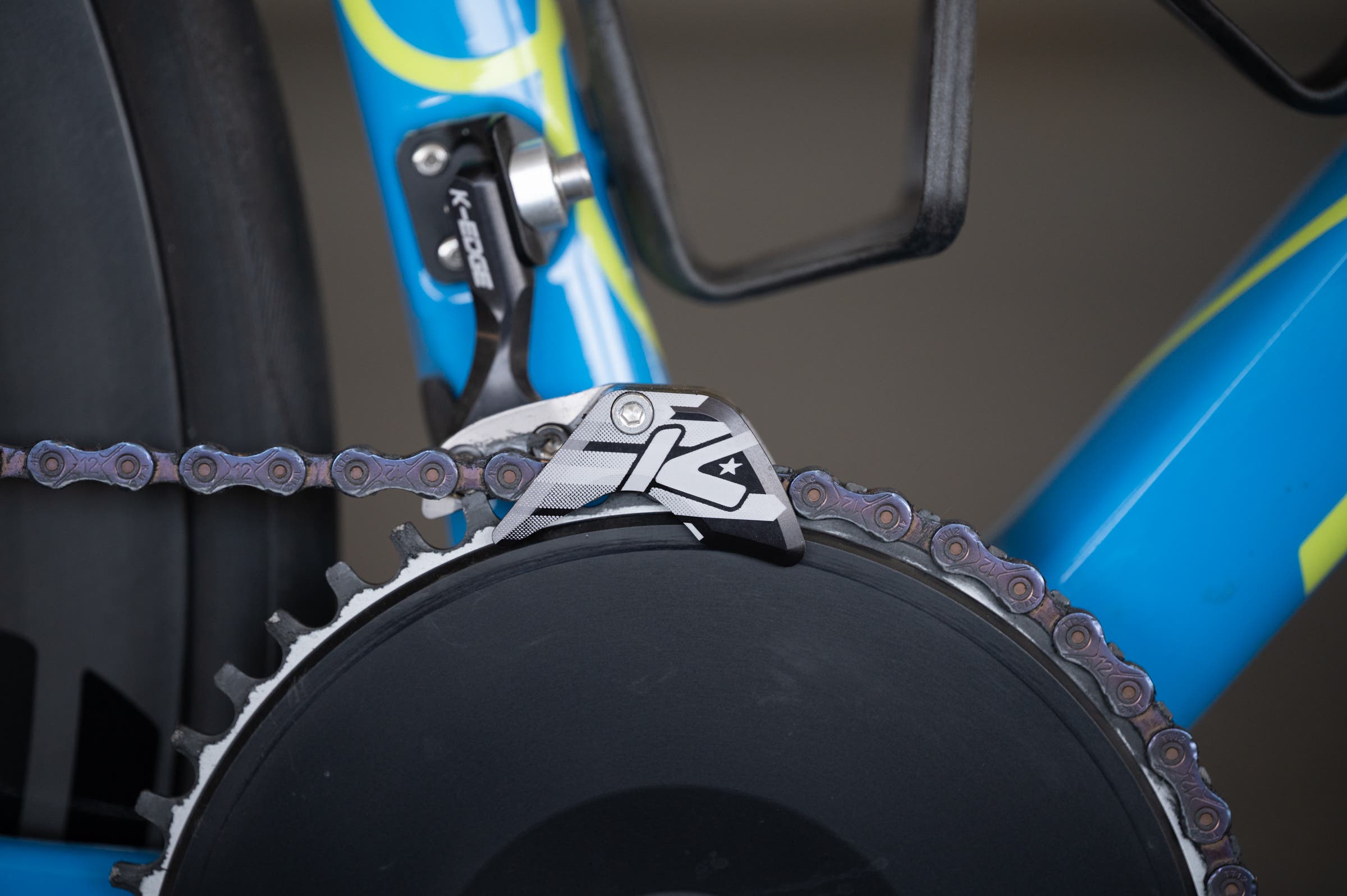
Unless something changes, this whole concept is irrelevant now. TRP came out with the only groupset to fully integrate a Classified rear hub. Then roughly a month later Shimano quietly introduced the same integration. TRP is great and all, but it’s not Shimano. Dura-Ace is lighter and better finished, plus there’s no need for a bar-end transmitter. If you like Classified, then pair it with Shimano.
Except there’s another problem: SRAM XPLR 1x is a better choice than Classified. You don’t need special wheels, it’s significantly lighter, and it’s cheaper if you move down to Force or Rival. You do have that cadence hole, and you lose the ability to instantly jump between a virtual front chainring, but you mostly won’t care. Also, as I said above, 1×14 sure would solve everything with a nice bow.
Part V: Batteries, software, and maintenance
In the older article I talked about braking in its own dedicated section. This time, I’ve mostly folded that discussion into the ergonomics section. In the interest of clarity though: SRAM currently offers the best braking performance in the group. Campagnolo is also excellent, particularly if you spend more of your time in the drops. Shimano remains competitive, but the issue of the lever contacting your fingers during hard braking is a real-world drawback that needs a design fix. TRP is irrelevant.
With that out of the way, let’s talk about the long-term details of living with these systems. None of these points are necessarily make or break, but they represent the daily reality of living with an electronic drivetrain in 2026.
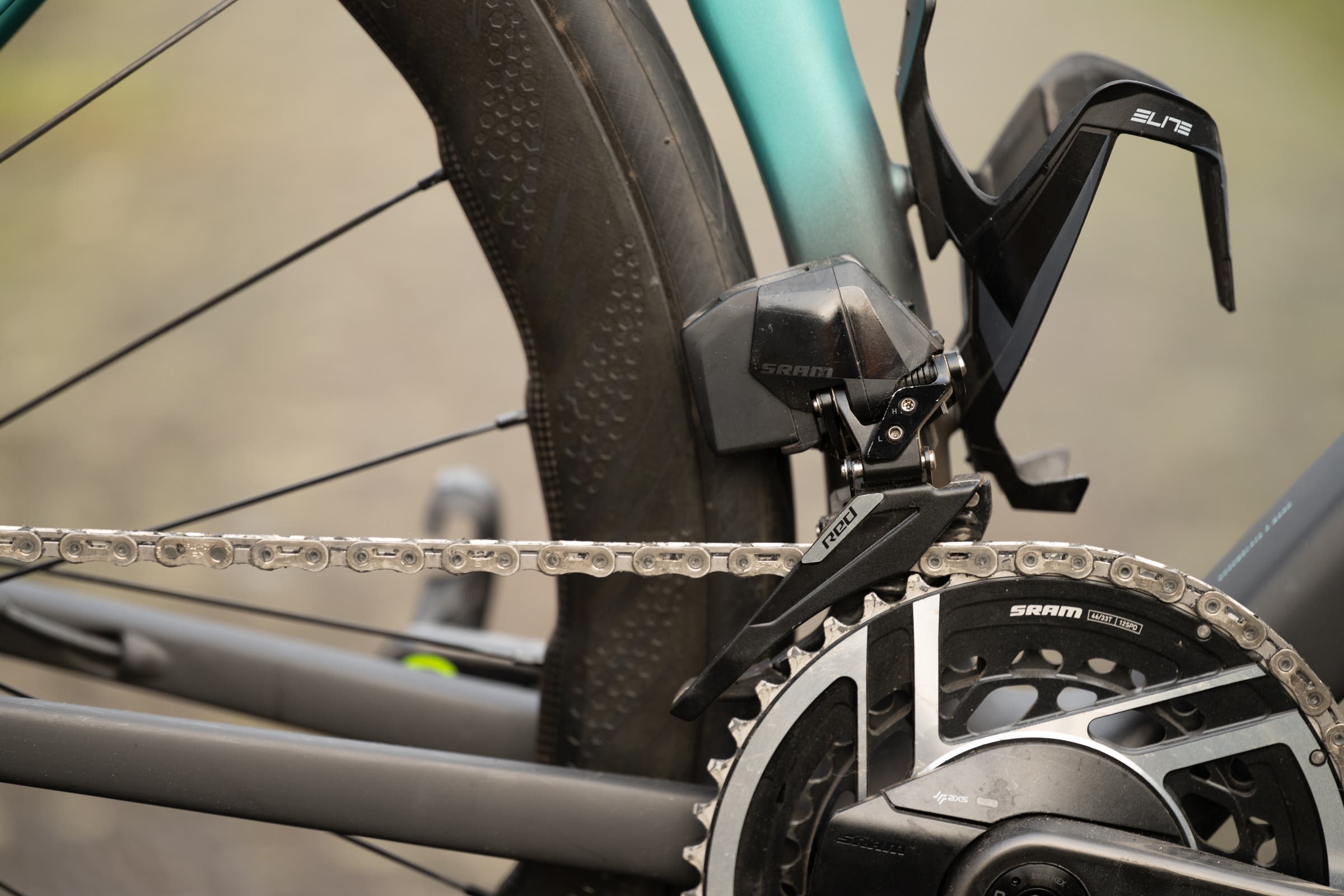
SRAM Red AXS
For lack of a better place to put this, I’ll start with a brake fluid discussion. SRAM uses DOT fluid that’s corrosive and generally an unnecessary hassle. You rarely have to deal with it so it’s a small issue but it’s also just unnecessary. You can look at Shimano, TRP, and Campagnolo all using mineral oil and see that it works just fine. SRAM says there’s an advantage to DOT but believe your eyes.
Other than that, SRAM owns this category. The SRAM AXS app is the current gold standard for interacting with an electronic groupset. Everything is easy to manage, firmware updates are wireless and fast, and if you add something here it shows up on your Hammerhead. The whole thing works the way you want it to and SRAM AXS web takes it a step further by offering something beyond just an interaction with the hardware. The level of insight into how your hardware is affecting your riding is unmatched. If you have SRAM and haven’t checked this out, do it immediately.
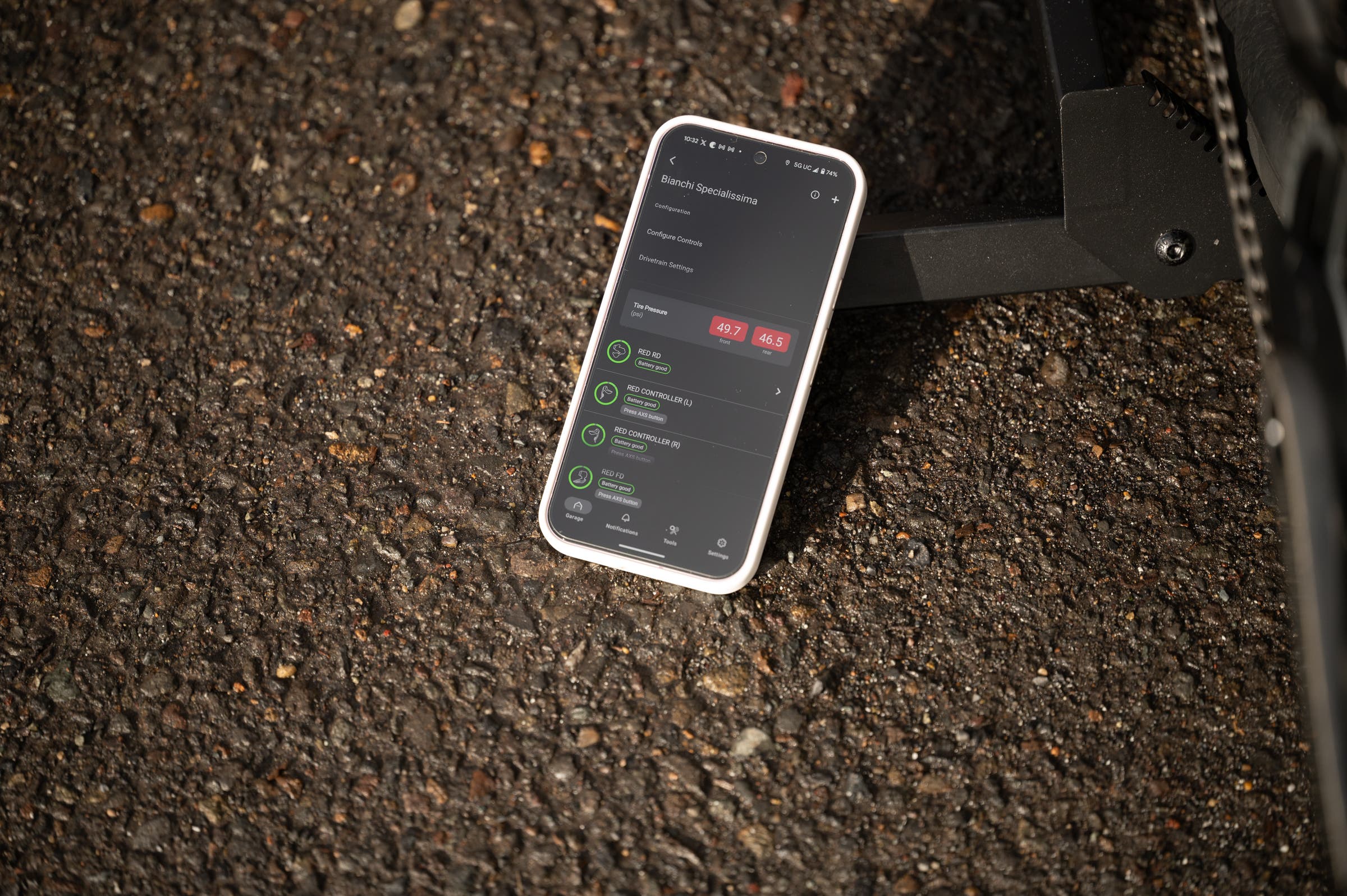
The more obvious part of this discussion is the fully wireless nature of this groupset but I’m not going to lean too hard on this. You don’t build a bike too often, Shimano has wireless controls, and you still have to run brake cables. This just isn’t a serious consideration but it does have implications.
The wireless design means that the batteries are on the individual pieces and this is a huge advantage. You don’t have to plug in the bike and you can bring extras. SRAM also uses the same batteries for everything so you can move them around if one dies. This is my preference.
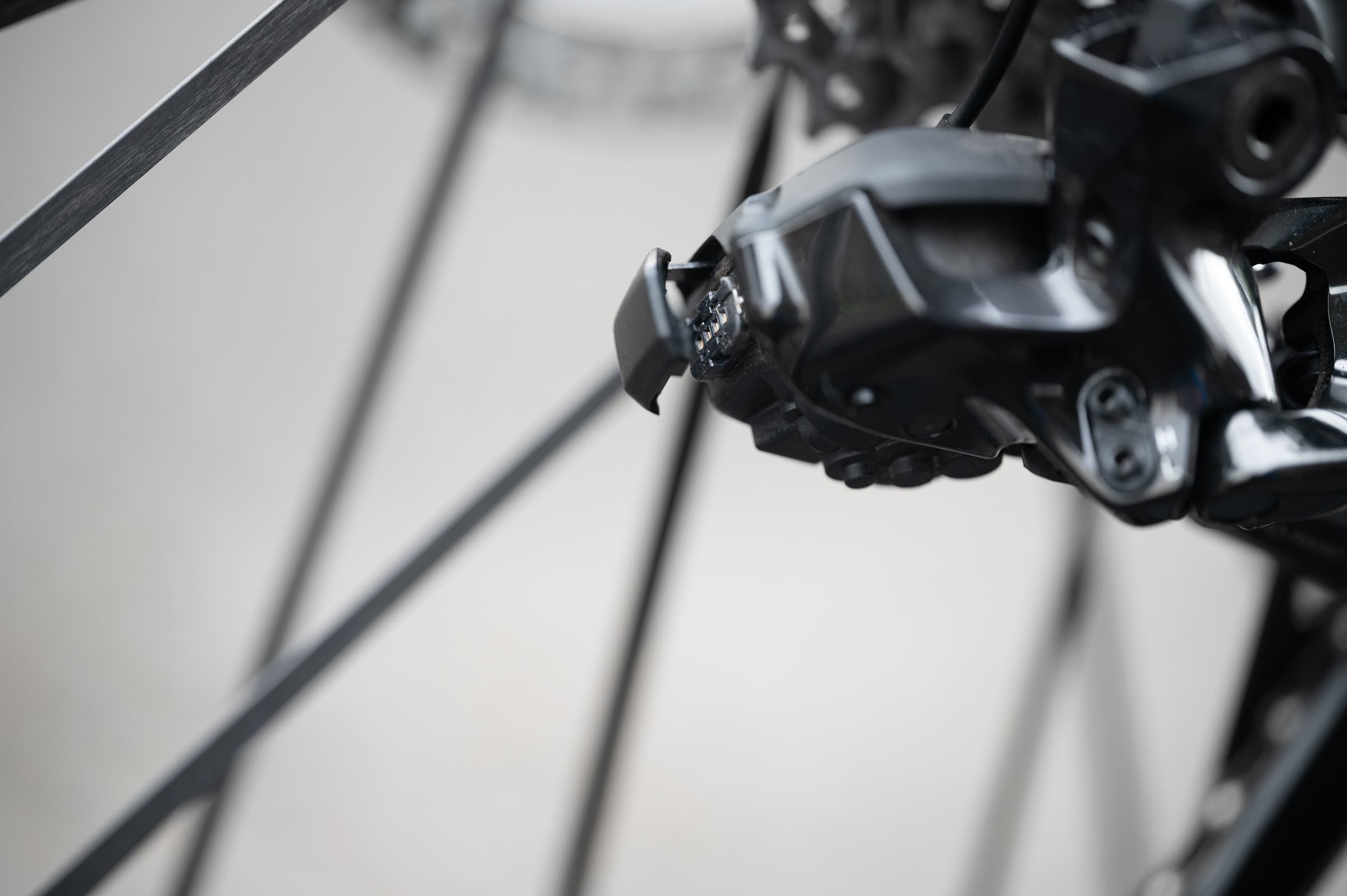
Shimano Dura-Ace Di2
First there’s the wired nature of this groupset. It means it is ever so slightly harder to build the bike, and frames have to account for the battery placement, but it’s mostly a non-issue and there’s an advantage. Wiring the components to a bigger battery means that while you have to plug the bike in, and you can’t bring extras, the battery lasts forever. I prefer to make it easier to charge more often, and build redundancy, but lots of people love the long battery life of Di2.
Then there’s the software. This is the one place in this whole article where Shimano is seriously behind. As I type this I have controls with firmware that has never been updated. Shimano expects that in 2026 you are going to plug the shifter in to manage a firmware update. I’m sorry but that is ridiculous and the rest of the experience doesn’t get better.
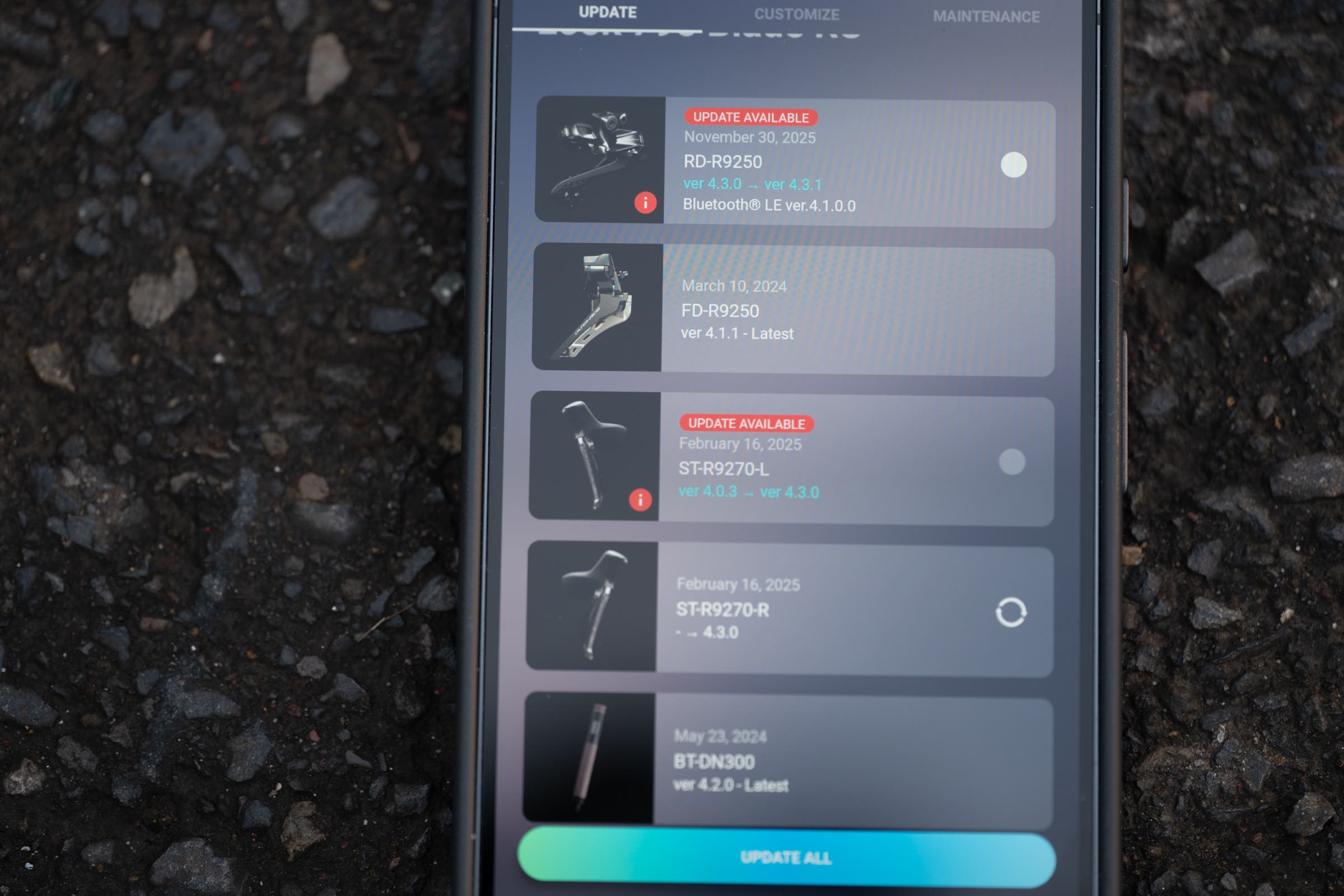
You can’t shift the bike while you are microadjusting it. You can’t shift back and forth to test your setup as you microadjust. Instead you have to adjust it then exit then you can shift. If it’s not right then go back in. It’s just silly.
Campagnolo Super Record 13
Like the rest of the discussion, Campagnolo is really good in this regard but also more limited with a greater focus on riding and usability.
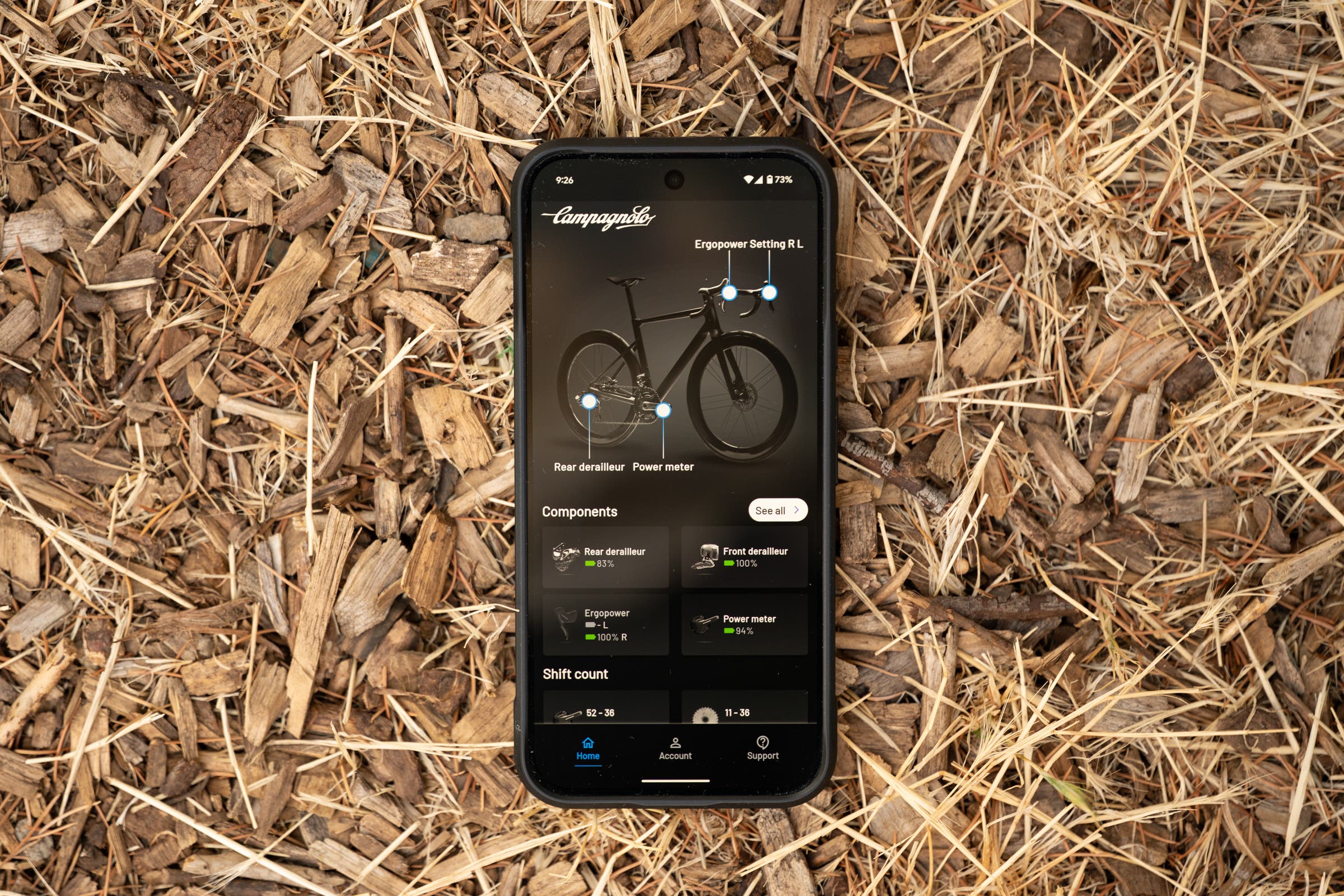
The MyCampy app is gorgeous and works just like you want it to but it doesn’t actually do a whole lot. Microadjust is a matter of button pushes on the groupset and it lacks the greater ecosystem or added value of the SRAM app. This is leagues better than Shimano because you never find yourself frustrated with it but SRAM does have more.
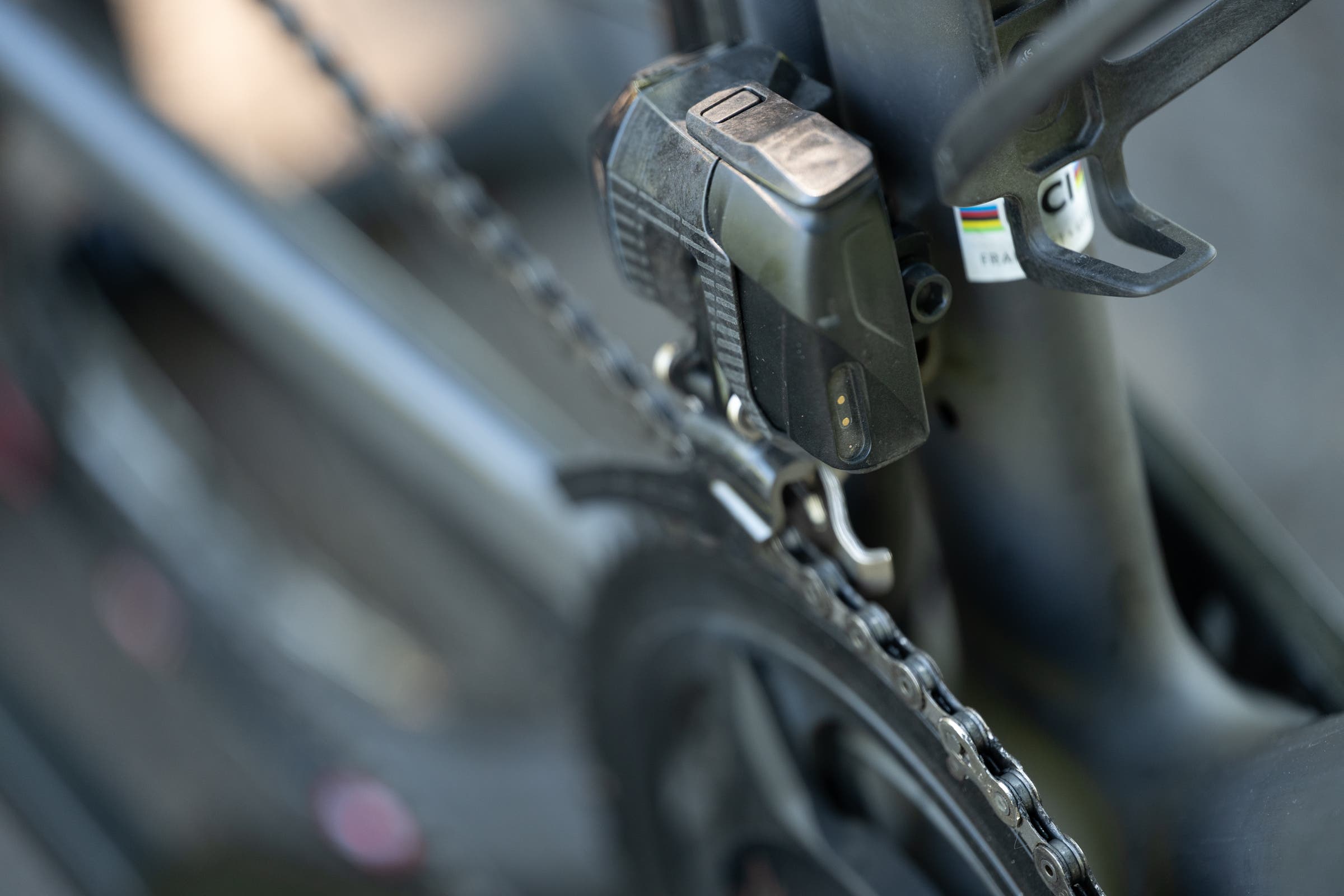
In terms of the batteries, Campagnolo does an admirable job but SRAM has the patents locked down. The system is wireless so there’s the ease of building a bike and the batteries are on the components for easy access. The batteries are also very expensive and you can’t swap them front to back. This is a great solution but you have to be more disciplined about your charging routine.
TRP Vistar // Classified
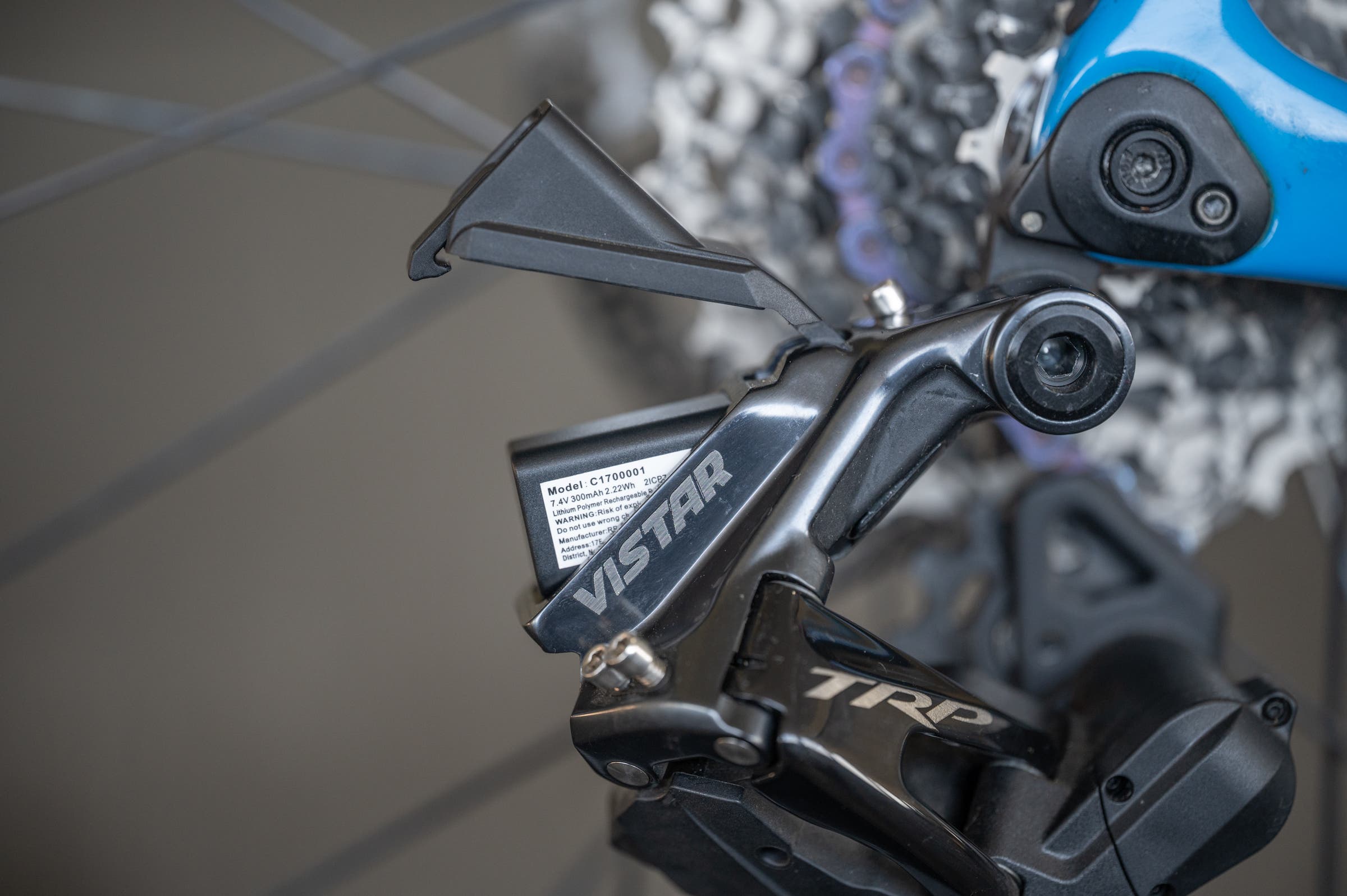
As I mentioned in the shifting section, much of this is a moot point. Still, the maintenance details are worth noting because TRP did a decent job. Like Campagnolo, the TRP app is functional yet limited, but the batteries are an upgrade. Like SRAM they are small and inexpensive. Carrying extras is easy although, since it’s a 1x system, there is no front-to-back swapping.
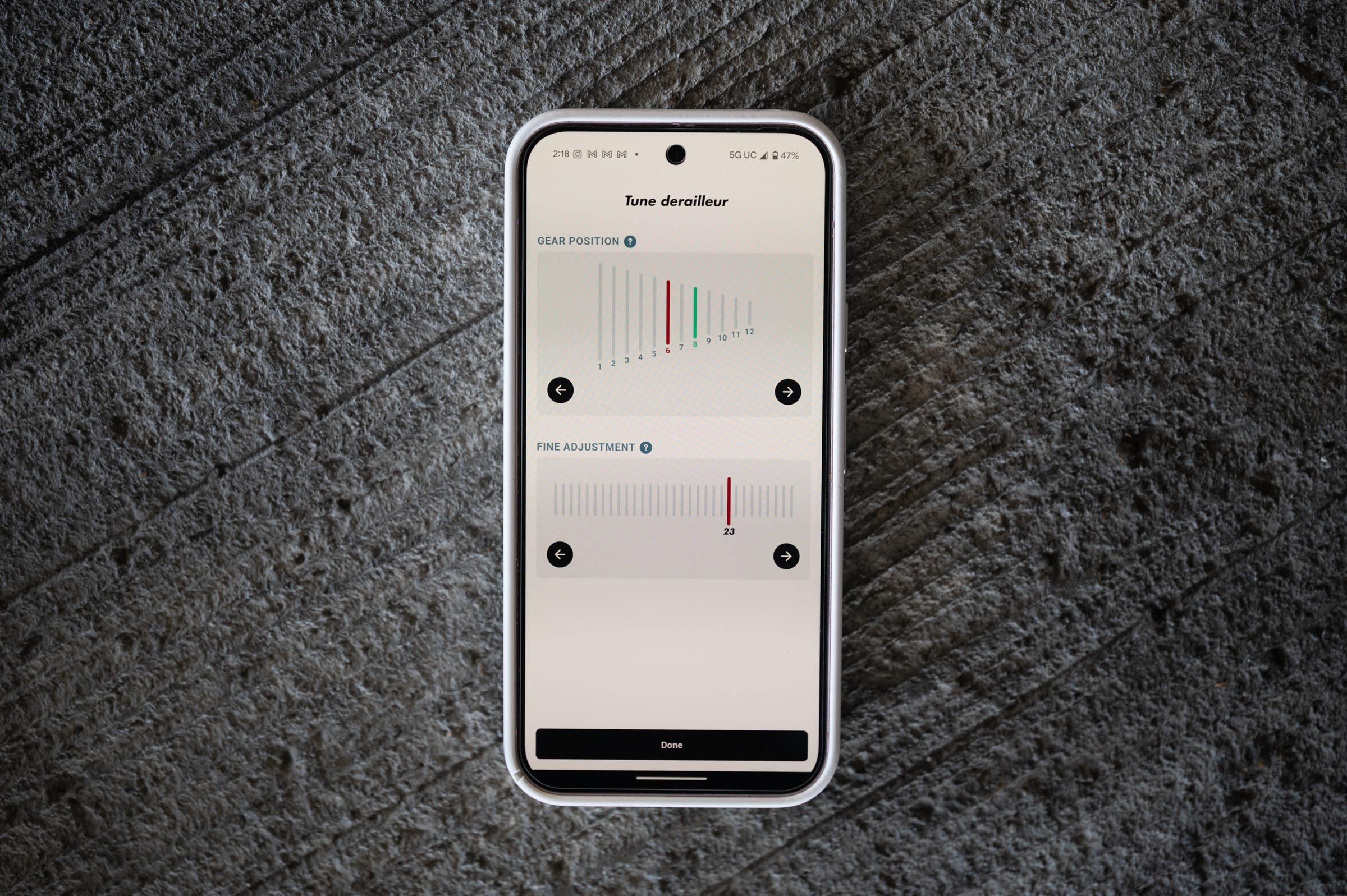
The Classified portion of the maintenance is where things get messy. The thru-axle is the charging point, but it still doesn’t use USB-C, and you have to remove it from the bike to charge it. If you think that plugging in a bike is a hassle, how about removing a thru-axle to charge? Then, because TRP and Classified are separate brands, you are stuck with two different apps.
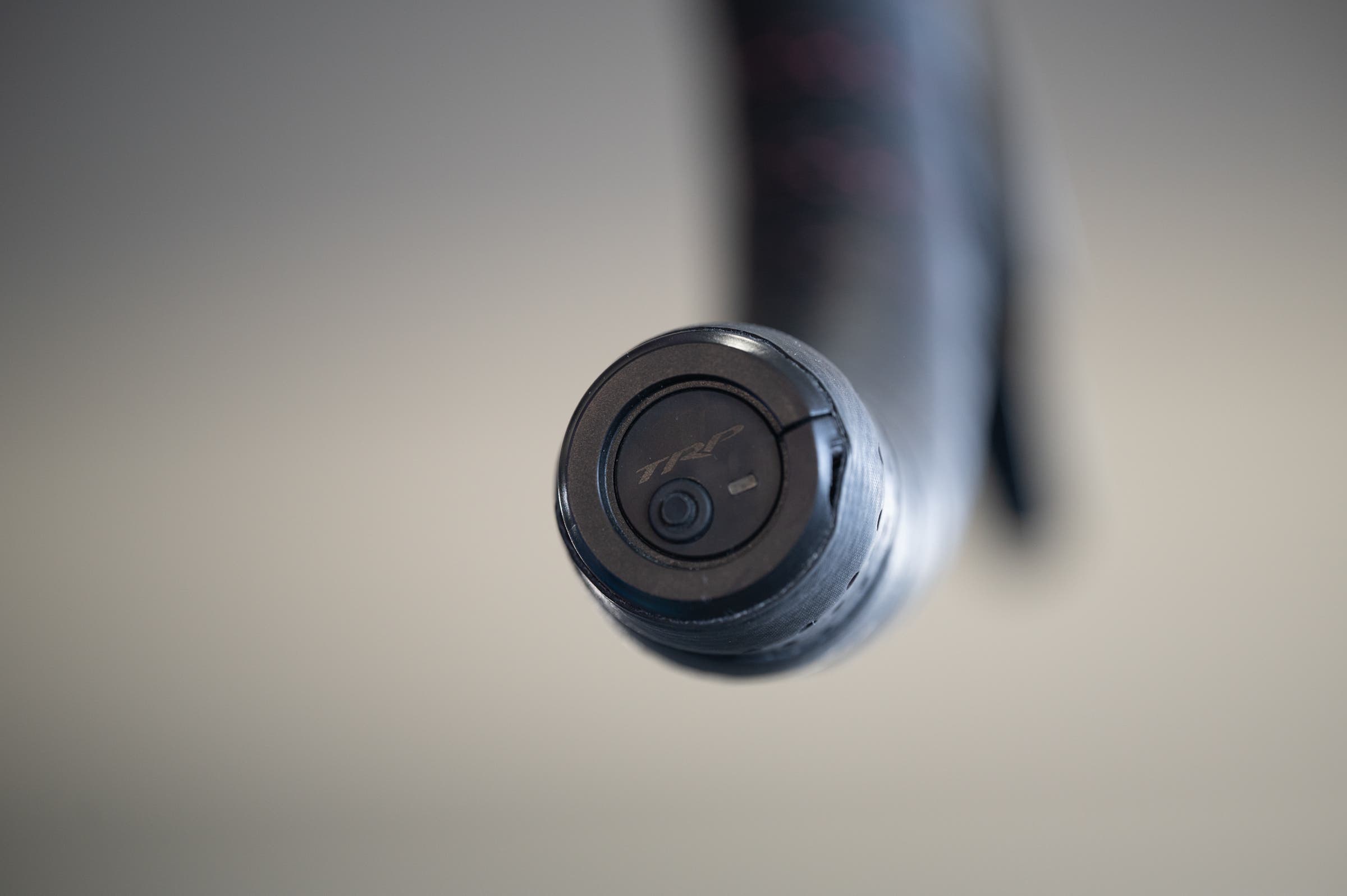
Finally, there is the bar-end transmitter. You can’t see it in the video because of clever editing but that thing nearly brought me to tears. It’s a nightmare to wire in the Enve bars and it feels about 5-years outdated. This is part of the “just use Shimano if you want Classified” discussion. This isn’t the fault of TRP but this design is a major reason why pairing the Classified hub with Shimano makes more sense.
Conclusion: Choosing Your Philosophy
After months of riding these four machines across everything from short, aggressive sprints to long endurance days, what I can tell you is that there’s no perfect choice and, mostly, they are perfect in their own way. The best groupset only exists in the context of how you ride and how you want to interact with your bike.
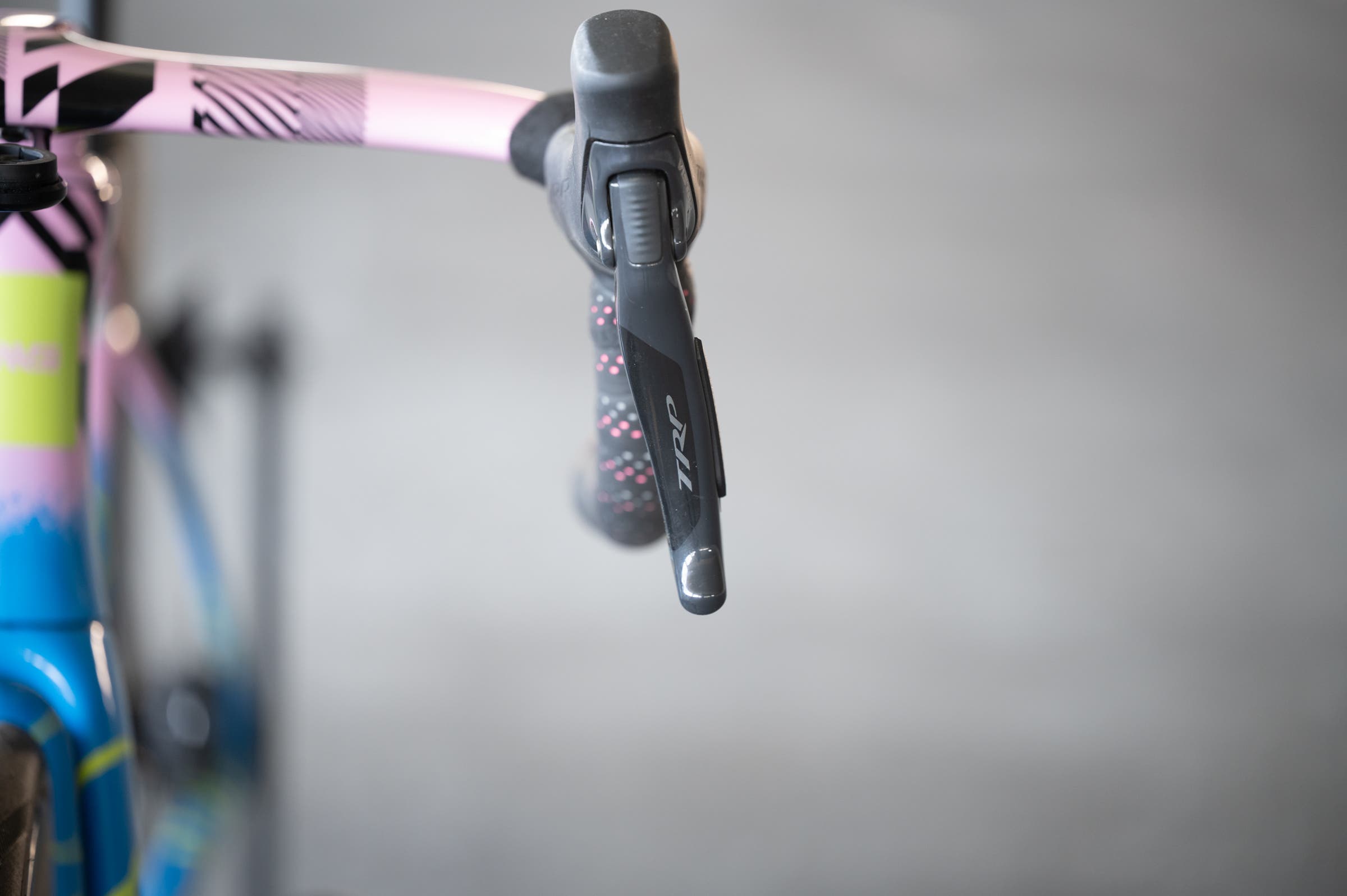
The Final Word on TRP and Classified
I’ll start with something I don’t like to say, TRP isn’t something I can recommend. A new groupset will always have an uphill battle but this didn’t get the time to mature. The unique selling proposition was the Classified hub integration and that disappeared almost immediately. TRP still has some solid features but it’s behind and even fixing those details won’t address the Classified hub.
The Classified tech genuinely improves on a traditional 2x system but it’s got disadvantages that leave it open to becoming obsolete. Even in 2026, for most riders, SRAM XPLR 1x is likely the better solution if you want to do away with a front derailleur. It’s lighter, cheaper, and doesn’t require proprietary wheels. In a road setup you will have to navigate a slight cadence hole but that is a trade-off most will find easier to live with than the weight and expense of the hub.
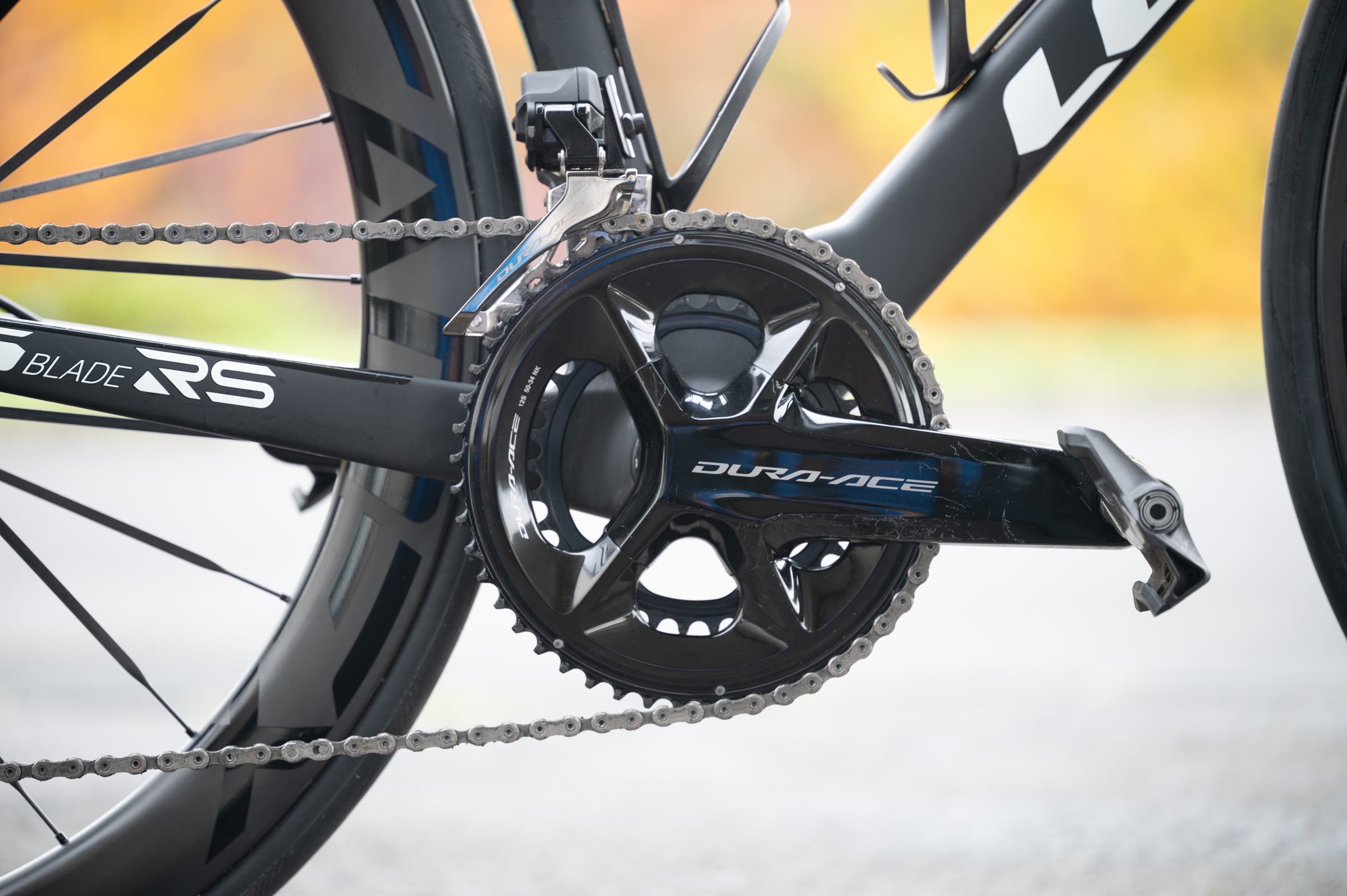
Shimano
You choose Shimano Dura-Ace Di2 because it is ubiquitous. It sells orders of magnitude more than SRAM, while Campagnolo is barely a blip on the radar. Every mechanic in every shop has a million tricks for it and the whole hardware ecosystem of bikes revolves around Shimano first. If you want to swap your cranks or brakes Shimano is far easier. It’s also the safest financial bet. The ubiquity of Shimano means nothing is easier to buy or sell on the used market. All of this ubiquity is also not some kind of trick. The hardware is genuinely incredible and still holds the edge in shifting smoothness. It is the gold standard for a reason, even if the software and button ergonomics are starting to show their age.
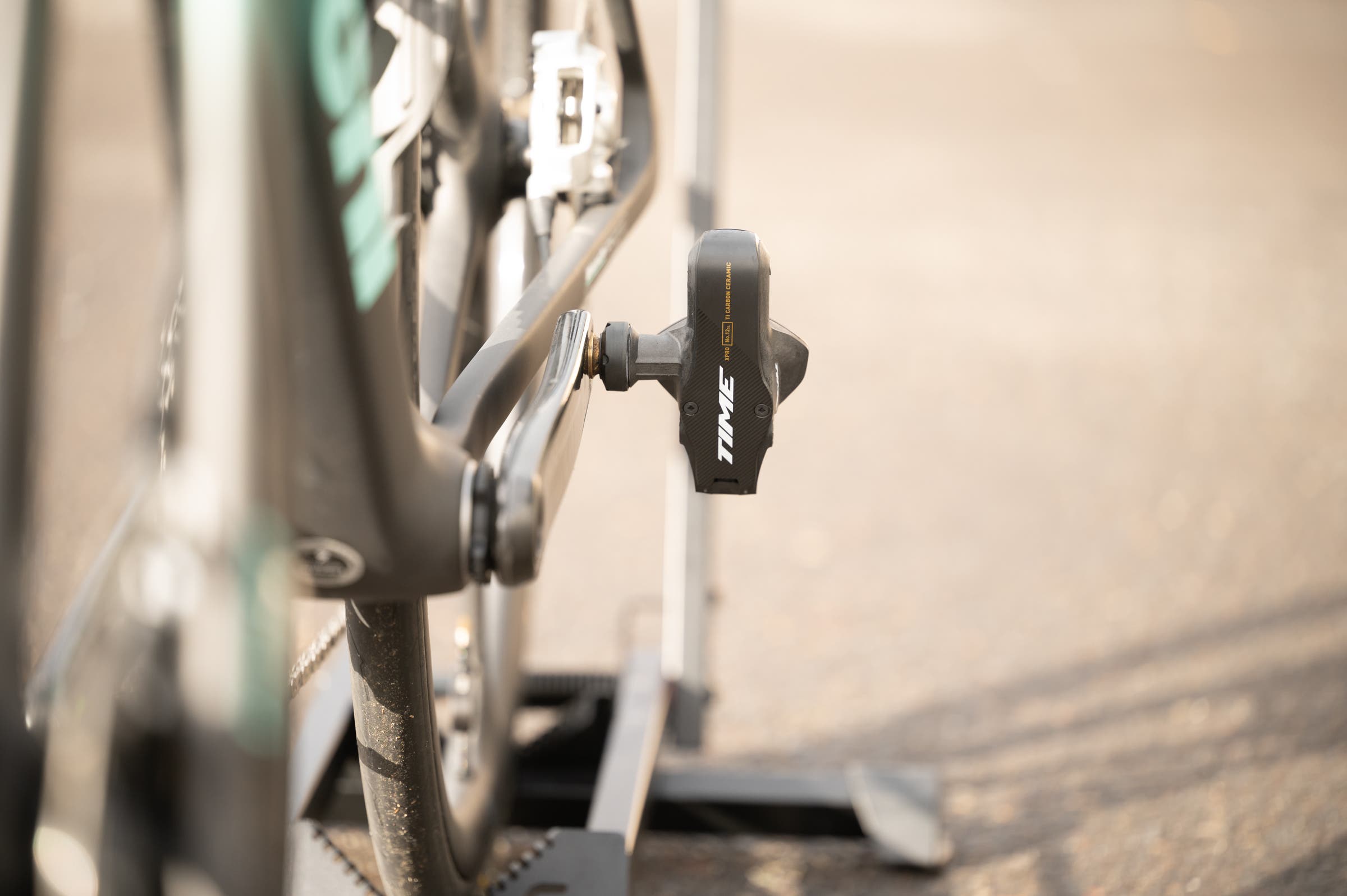
SRAM
SRAM Red AXS is for the rider who values technical innovation. This is all about building an entire ecosystem where everything works together and it’s been years in the making. Hammerhead still needs some work but at this point you can see everything coming together and it’s pretty great. Swappable and removable batteries are also a big advantage as is the incredible braking performance. If you spend most of your time on the hoods and want a drivetrain that acts as a precision data-gathering tool, SRAM is the winner.
Campagnolo
There’s commentators that are out there saying Campagnolo is irrelevant. I do understand the sentiment. If you only look at sales figures it’s true but then you ride it. Campagnolo Super Record 13 throws the gauntlet down. It doesn’t have all the “extra stuff” that SRAM does but that’s the point. This is about the ride and the 2×13 gearing is simply better than any other 2x on the market. Campagnolo matches SRAM for performance but trades the high-tech ecosystem for a tactile, mechanical finesse that feels special every time you shift. You do have to accept the challenges of owning a brand that few mechanics have deep experience with but, for the right rider, that’s a small price to pay for a build where every piece truly sings.
It’s also worth mentioning the price here. Campagnolo matches the price for Dura-Ace and Red but there’s nothing downmarket yet. Given I’m comparing the high-end in this article that’s fine but it’s clearly a long term issue that I fully expect to see addressed in 2026.
Like saving money on great gear? Us too. That’s why we developed this powerful tool that collects the best deals on cycling gear from across the internet in one convenient, searchable place.
[analyse_source url=”https://velo.outsideonline.com/road/road-gear/road-groupset-comparison-sram-shimano-campagnolo-trp-vistar/”]