[analyse_image type=”featured” src=”https://images.euronews.com/articles/stories/09/63/67/67/1200x675_cmsv2_90995edd-3d3f-5e36-a5d3-ac09d8c688c9-9636767.jpg”]

French teacher in ‘worrying’ condition after knife attack at school

Calorie restriction increases the effectiveness of chemotherapy, study

Processions, poetry and desert rhythms: Inside Diriyah Art Biennale

Watch the video: EU-UK relationship — friends with benefits?
French teacher in ‘worrying’ condition after knife attack at school
Calorie restriction increases the effectiveness of chemotherapy, study
Processions, poetry and desert rhythms: Inside Diriyah Art Biennale
Watch the video: EU-UK relationship — friends with benefits?
Calorie restriction increases the effectiveness of chemotherapy, study finds
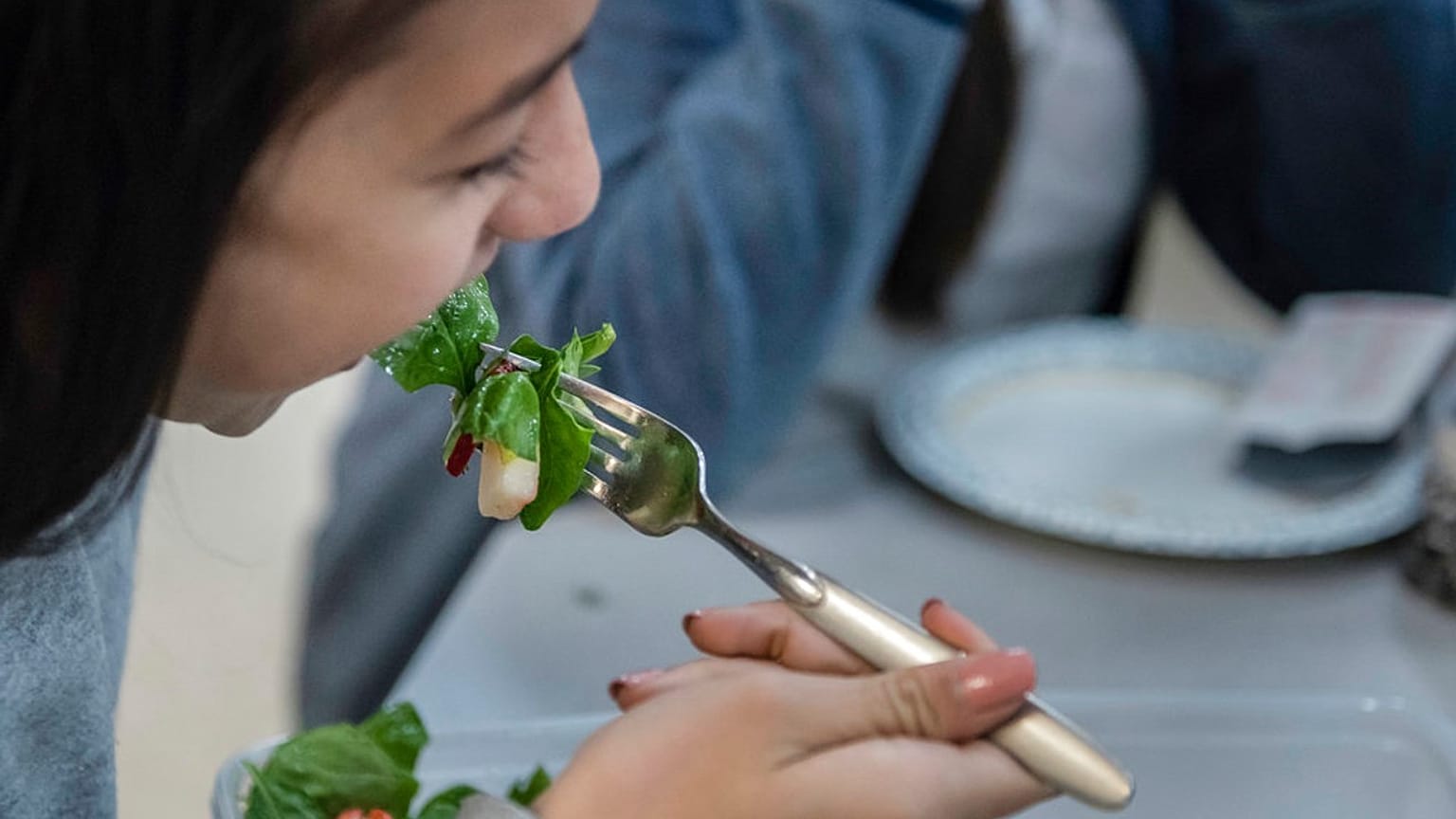
The more energy consumed, the more cancer develops
– Copyright Albuquerque Journal/ASSOCIATED PRESS

 Facebook
 Twitter
 Flipboard
 Send
Send Reddit
 Linkedin
 Messenger
 Telegram
 VK
VK Bluesky
 Threads
 Whatsapp
A controlled reduction in calorie intake can increase the effectiveness of chemotherapy in the treatment of sarcomas. Research has shown that this restriction reduces tumour volume and protects healthy cells from treatment damage.
Moderate calorie consumption increases the effectiveness of chemotherapy. This is one of the conclusions of a Portuguese-Brazilian study by the RISE Health Research Unit in association with the Federal University of Piauí, in Brazil, which sought to understand the impact of calorie restriction on the treatment of sarcomas, a rare type of cancer.
The study wasreleased on World Cancer Day, 4 February, a date promoted by the International Union Against Cancer (UICC) to raise awareness of the importance of prevention, early diagnosis and access to effective treatments.
The results of the study indicate that “calorie restriction, alone or in combination [with drugs such as doxorubicin, used in chemotherapy], significantly reduced the weight and volume of the tumour and increased the rate of tumour inhibition” and, at the same time, “protected normal cells from chemotherapy-induced damage”.
“The 40 percent reduction in calorie intake induced profound metabolic stress in the tumour microenvironment, compromising anabolic and proliferative processes essential for tumour progression,” reads the research published in the specialist journal Cancers.
Researcher Moisés Tolentino Bento da Silva (RISE-Health/ICBAS-UP) points out in a statement that “from this experimental study, carried out on animal models”, it was possible to “observe that calorie restriction – for short periods of time – can be favourable to cancer treatment”.
According to the researcher, who led the scientific work in Portugal, “the more energy consumed, the more the cancer develops and, therefore, by reducing calorie intake, we were able to reduce the energy supply to the tumour and, consequently, ensure greater effectiveness of chemotherapy”.
The researchers also found that, as well as having a positive impact on the effectiveness of chemotherapy, calorie restriction “contributes to the repair of DNA damage [caused by chemotherapy] in non-tumour tissues” and “reprogrammes lipid metabolism, reducing cholesterol and triglyceride levels” that feed malignant cells dependent on the renewal of fatty acids for energy production, proliferation and signalling of cancer and other chronic pathologies such as type II diabetes, cardiovascular diseases and neurodegenerative disorders.
Alongside a balanced diet and reduced calorie intake, the researchers also emphasise that regular physical exercise has a positive impact on cancer treatment.
“If cancer patients exercise adequately and regularly during chemotherapy, they will experience fewer side effects in various systems, such as the gastrointestinal tract. Physical exercise, together with a good diet, has great benefits for the patient’s quality of life, whether it’s preventative, during treatment or after the end of oncological treatment,” said Tolentino Bento da Silva.
Go to accessibility shortcuts
Read more

Underfunding women’s health costs 75 million years of life

Vaccine for aggressive skin cancer shows promising results in trials

Studies link higher food preservative intake to cancer, diabetes risk
Underfunding women’s health costs 75 million years of life
Vaccine for aggressive skin cancer shows promising results in trials
Studies link higher food preservative intake to cancer, diabetes risk

Which fruit juice is best for our health?

Babies are smarter than we thought, new study shows

Guinea worm disease is one step closer to being eradicated

Spain achieves the world’s first face transplant

Why weight loss drugs aren’t Denmark’s trump card in Greenland dispute
Which fruit juice is best for our health?
Spain achieves the world’s first face transplant
Scientists achieve pancreatic tumour regression in breakthrough study
Where are my keys? Tricks for remembering where you put things
Babies are smarter than we thought, new study shows
[analyse_source url=”https://www.euronews.com/health/2026/02/04/calorie-restriction-increases-the-effectiveness-of-chemotherapy-study-finds”]