If you were a fly on the wall at the Allure office in the early 2010s, you likely heard editors talking about the French manicure—but not the way we do now. The look, characterized by an arc along the tip of the nail, “was always on the ‘tacky list’ of every story,” says Sophia Panych, who was our staff assistant at the time and is now our content director. “I learned quickly that the senior team considered a French manicure très gauche.”
“French manicures were for porn stars, Jersey girls, or bottle blondes with blue eye shadow,” adds David Denicolo, a longtime contributor and former editor-at-large of our print issue. Back in the day, he polled editors on what they thought of the look for a story. “It was just a snapshot of a moment,” he recalls. Miss Pop, an editorial nail artist who has keyed fashion shows for more than two decades, watched the look fall from its elite status: It was “a display of wealth, but not a display of class,” she says.
In retrospect, these notions were unfair all around—toward nail art lovers, manicurists, sex workers, and Jersey girls. “The French manicure has such a dazzling history,” Panych says. Here’s a refresher: Manicurist Jeff Pink created the look in 1975 for his clients in California (no, not France). He wanted a style that Hollywood starlets could wear throughout an entire production. The skin-tone-colored base of the look made it easy to hide any grow-out from the camera.
French tips went on to inspire multiple generations of nail artists. “When I was a kid, I spent every waking minute trying to figure out how to do a French manicure,” says Miss Pop. “I’ve spent so much of my career reimagining it—it’s hard not to. It’s the most natural shape you can possibly do.”
Nail artist Elle Gerstein, whose clients have included Michelle Williams, Kate Hudson, and Shay Mitchell, says the French manicure helped her stand out in the industry. “I’ve been doing nails since 1988, and the French was the look my clients requested most. Then J.Lo—who was not [known as] J.Lo at the time—saw my work and wanted the pink-and-whites she’d seen at her salon in Manhattan.” For a red carpet event in 1999, Jennifer Lopez asked Gerstein for the manicure, and it ultimately made headlines.
From there, the look made its way to concert venues. “Barbra Streisand is known for her long nails, often shaped round or almond, and she frequently wore a thick white French tip that became part of her signature beauty look,” says Jin Soon Choi, nail artist and brand founder, of what she recalls as one of the most memorable examples of the trend. Its popularity even reached Buckingham Palace, where it became Princess Diana’s go-to nail art.
As with all trends, though, people got tired of French manicures. Let’s go back to the Allure office in the early 2010s—remember, you’re a fly on the wall, listening to editors put together a magazine. “The 2010s were a time when you had to fight to get nail art into the magazine,” Panych remembers of making the case for nail art in print pages. “It was really the focus on nail decoration—and the idea of nails as an art form—that helped steer the conversation away from it being tacky.” The French manicure managed to make a comeback, regaining real traction (before the global shutdown), and continues to be a mainstay.
The French manicure has evolved with the times and survived trend fatigue, thanks to how adaptable it is. Today, though, the look isn’t about having nails that match every outfit. Choi says it best: “The French manicure [of 2026] feels fresh, artistic, and less ‘perfect.’ It’s about playful interpretations, tonal pairings, and unexpected textures.” Ahead, artists interpret the look for 2026.
Behold, the most short-nail-friendly take on the French manicure. And it has range: Betina Goldstein—known for her minimalist work on short nails—loves its freshness and how easily it lends itself to artistry. “A micro French is playful,” she says. “You can paint it with different colors or add tiny polka dots. Get creative with it.”
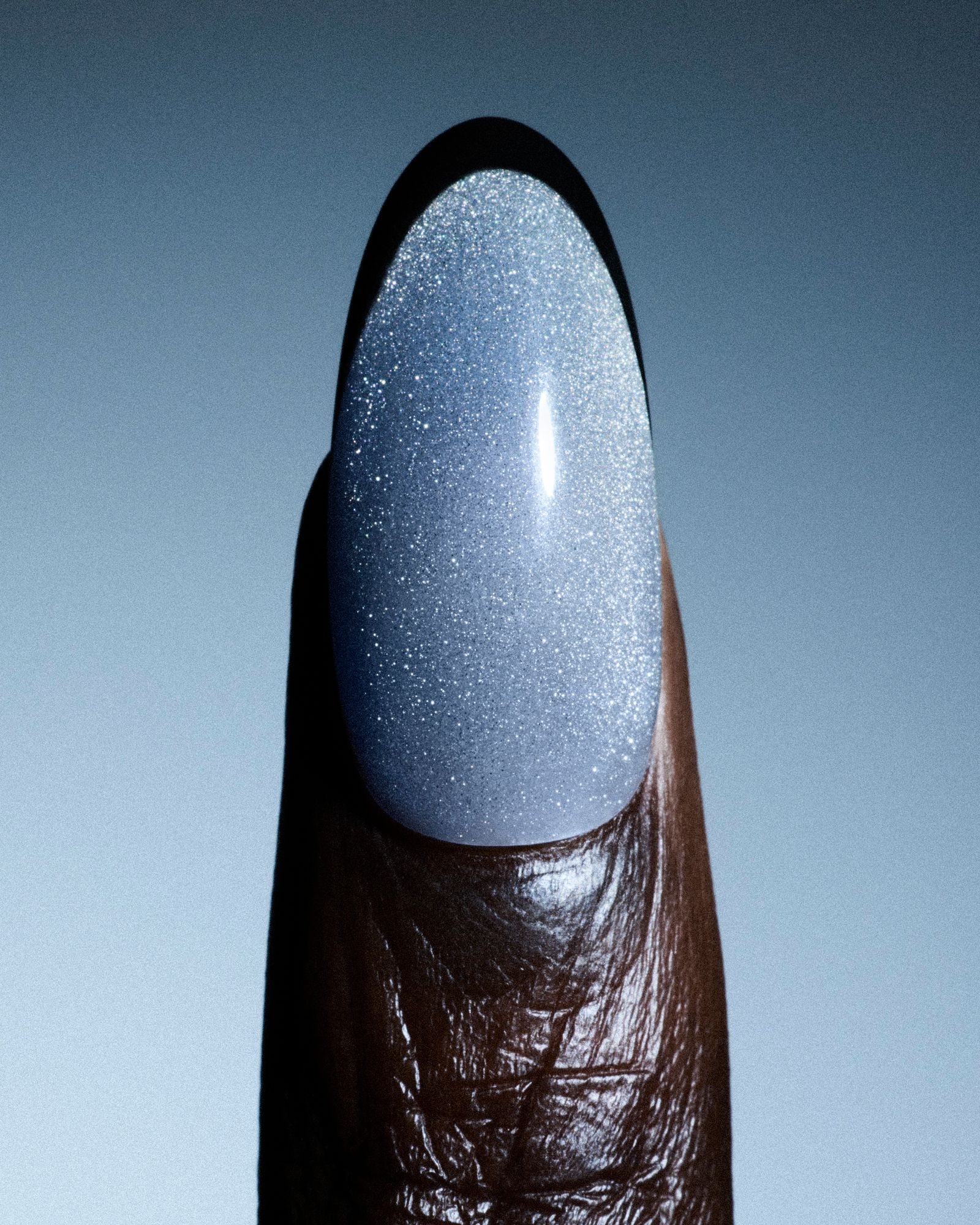
Nail artist Mei Kawajiri, known for her maximalist approach, went full-send on creating the look pictured above. She paired a velvet base (made with sheer, gray-blue gel polish and a silver magnetic polish) with a glossy black tip.
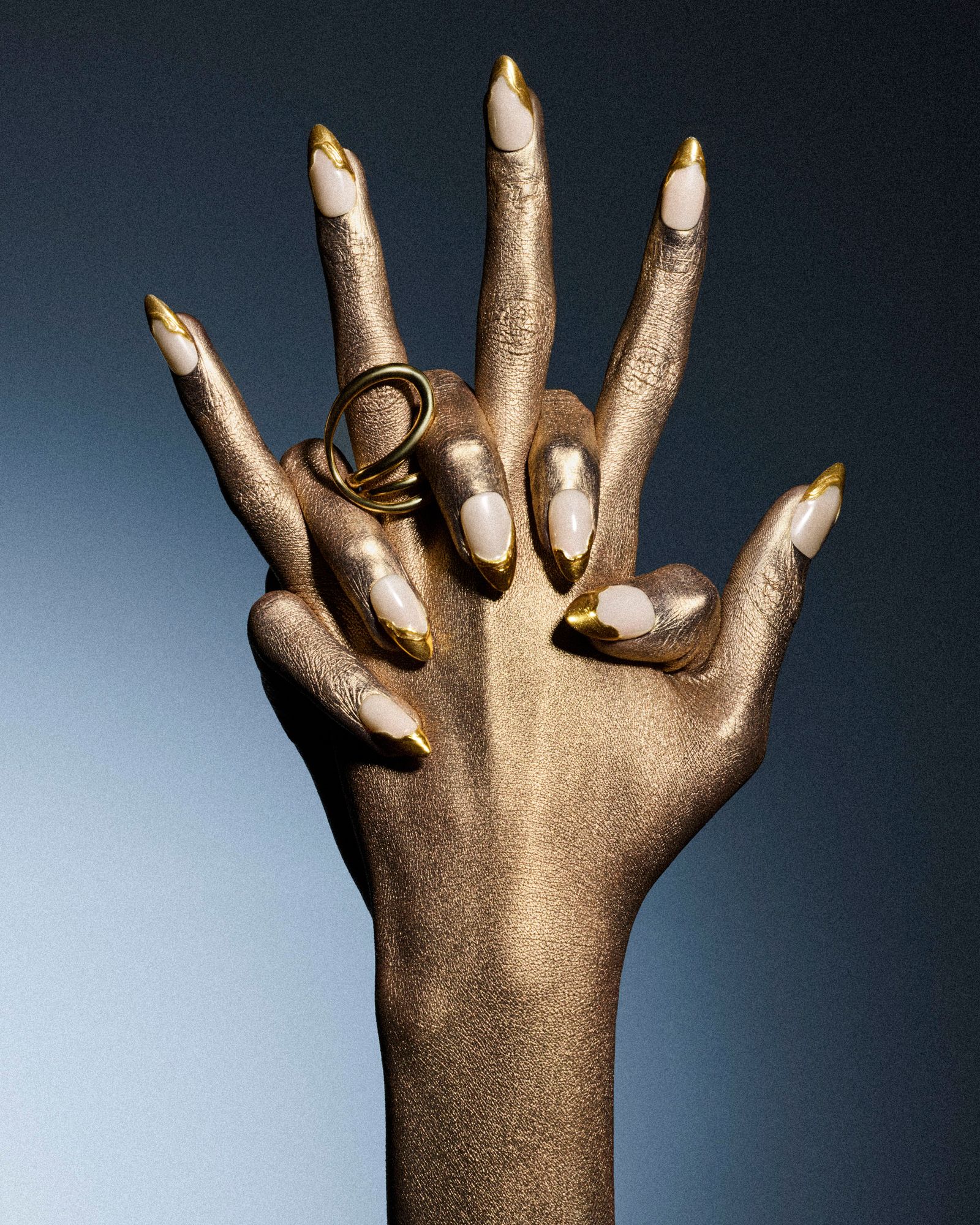
Maybe it was Hailey Bieber’s glazed donut nail moment in 2022 or Y2K nostalgia, but using chrome powders on top of nail art has remained a strong trend. The metallic French is a way to use the finish that feels less indulgent than an all-over glaze, while still being a sweet treat.
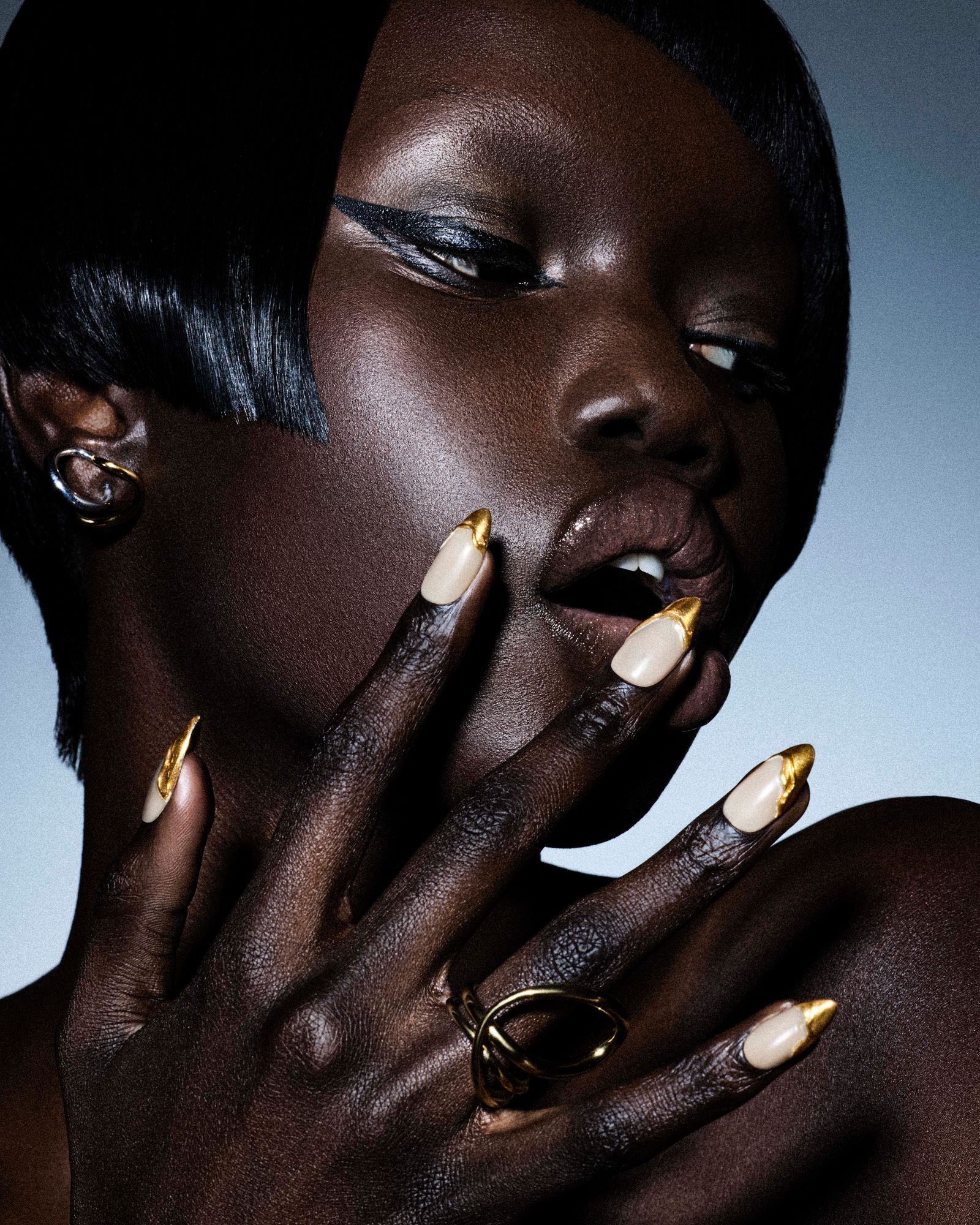
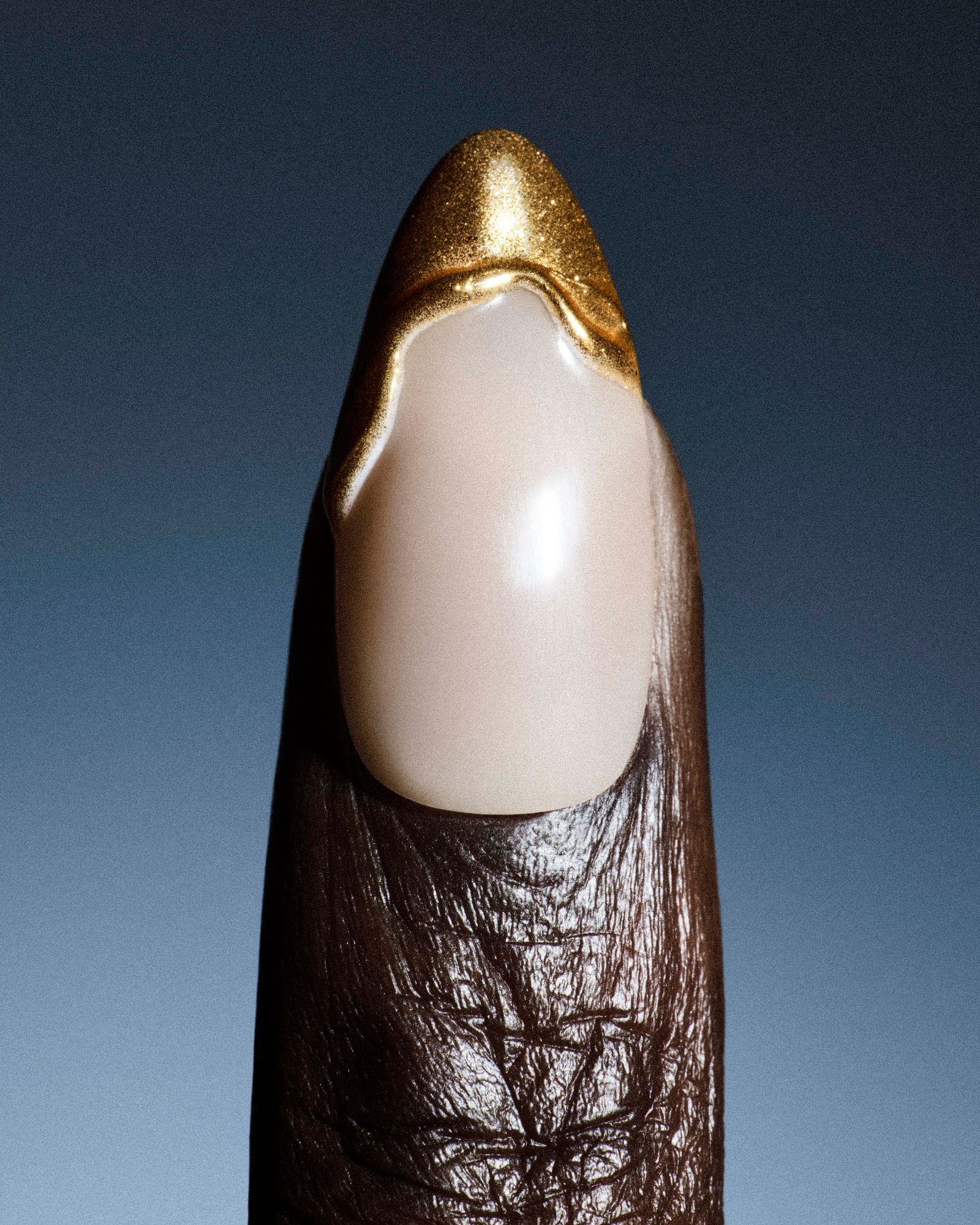
Says Kawajiri, she wanted the tips in the manicure shown above to look as if they were melting. To pull off this vision, she created a dripping effect with 3D gel, which she ultimately coated in gold chrome powder.
When using chrome powders, Kawajiri explains, the base color underneath greatly impacts the finish. Want a vintage, brushed gold? She suggests using black polish. Prefer a crisp, bright metal? Use a beige polish to paint your arc, as she did here.
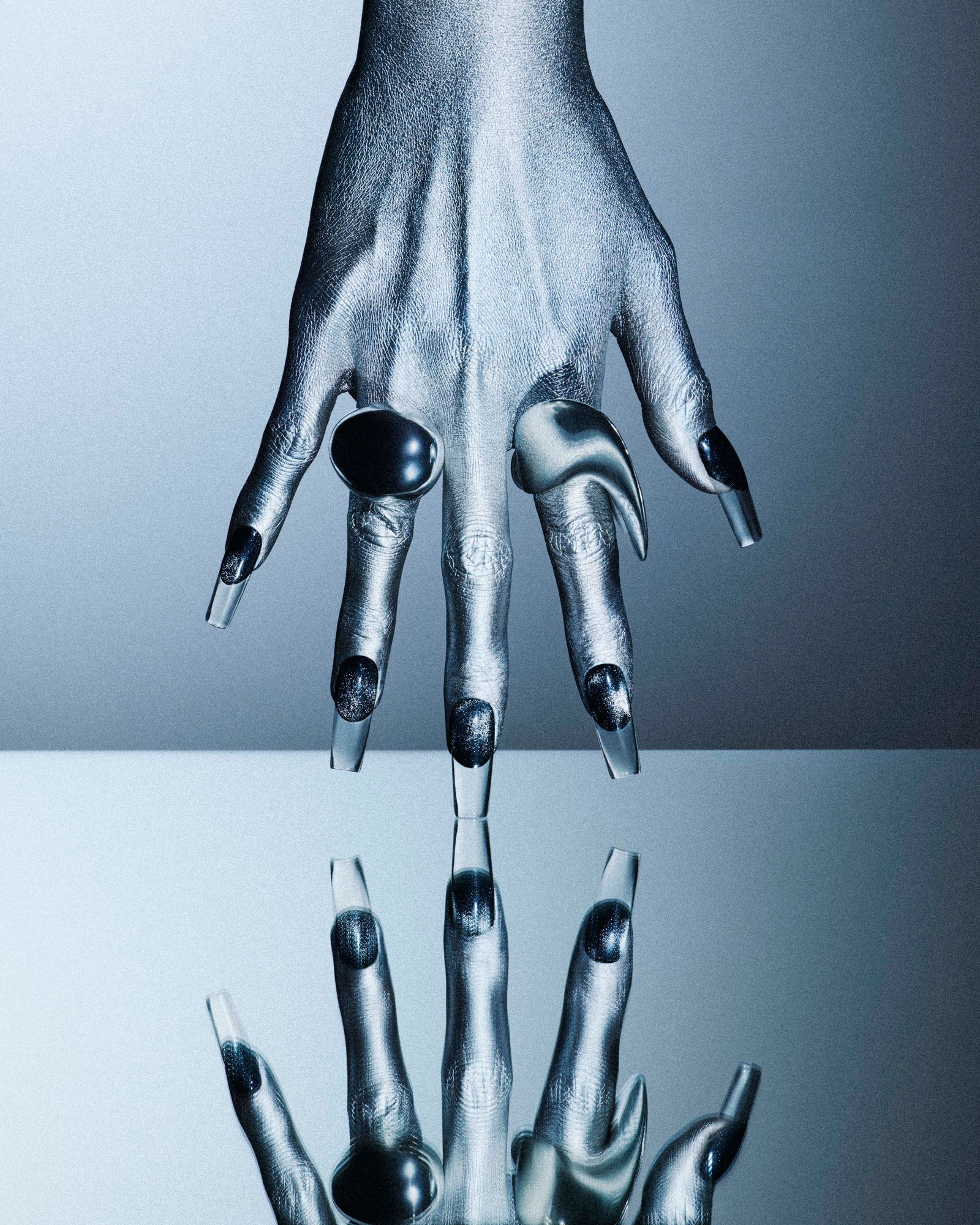
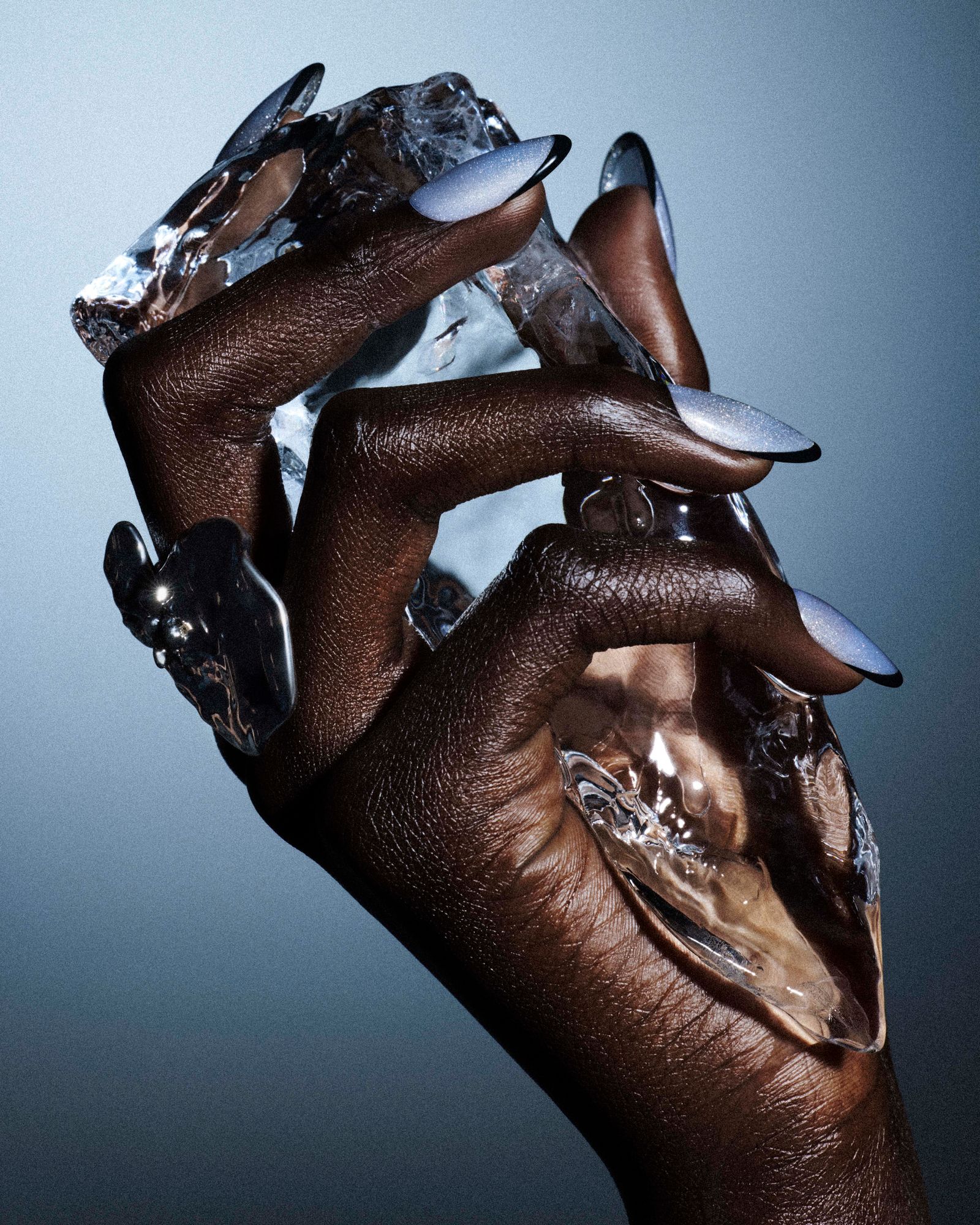
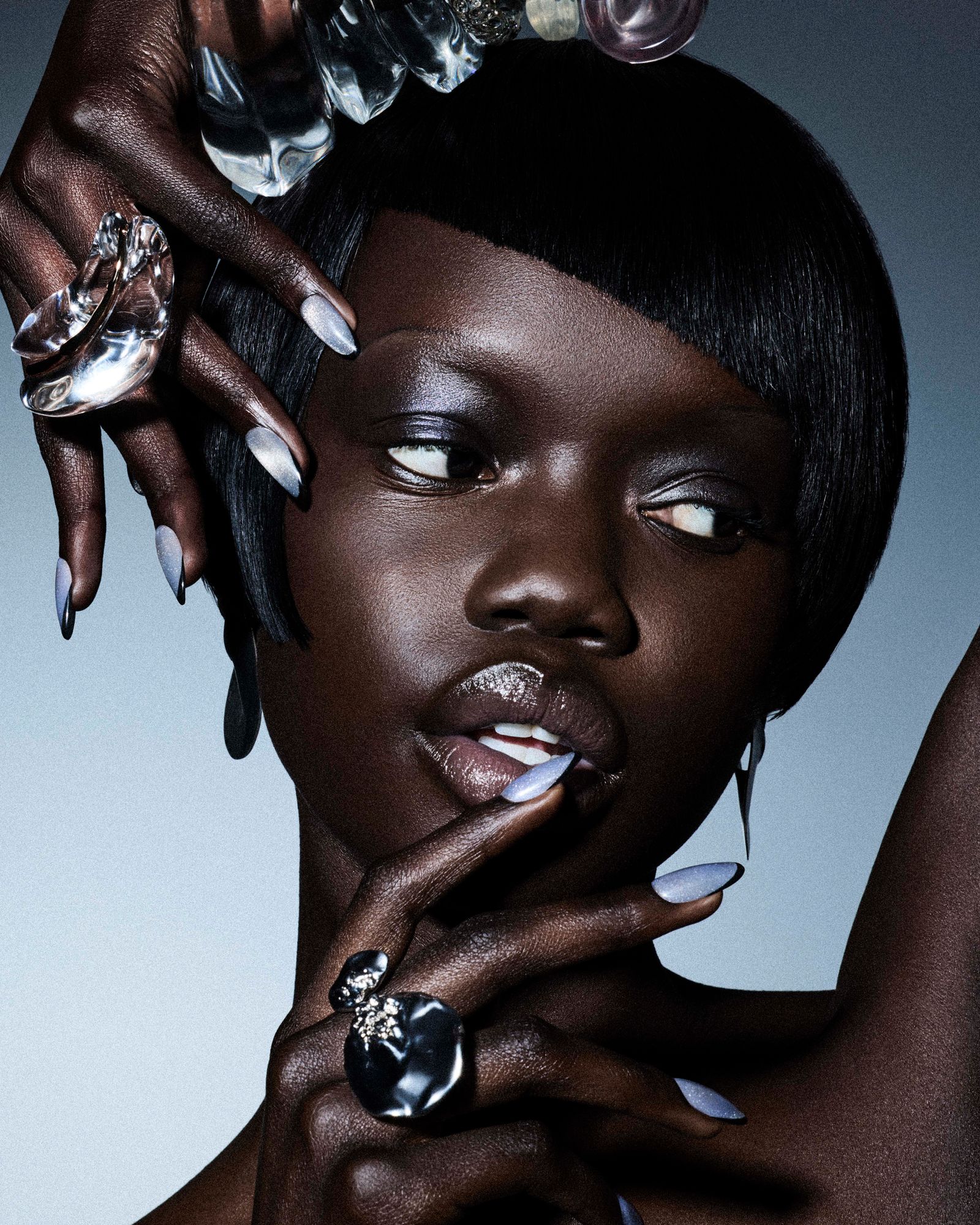
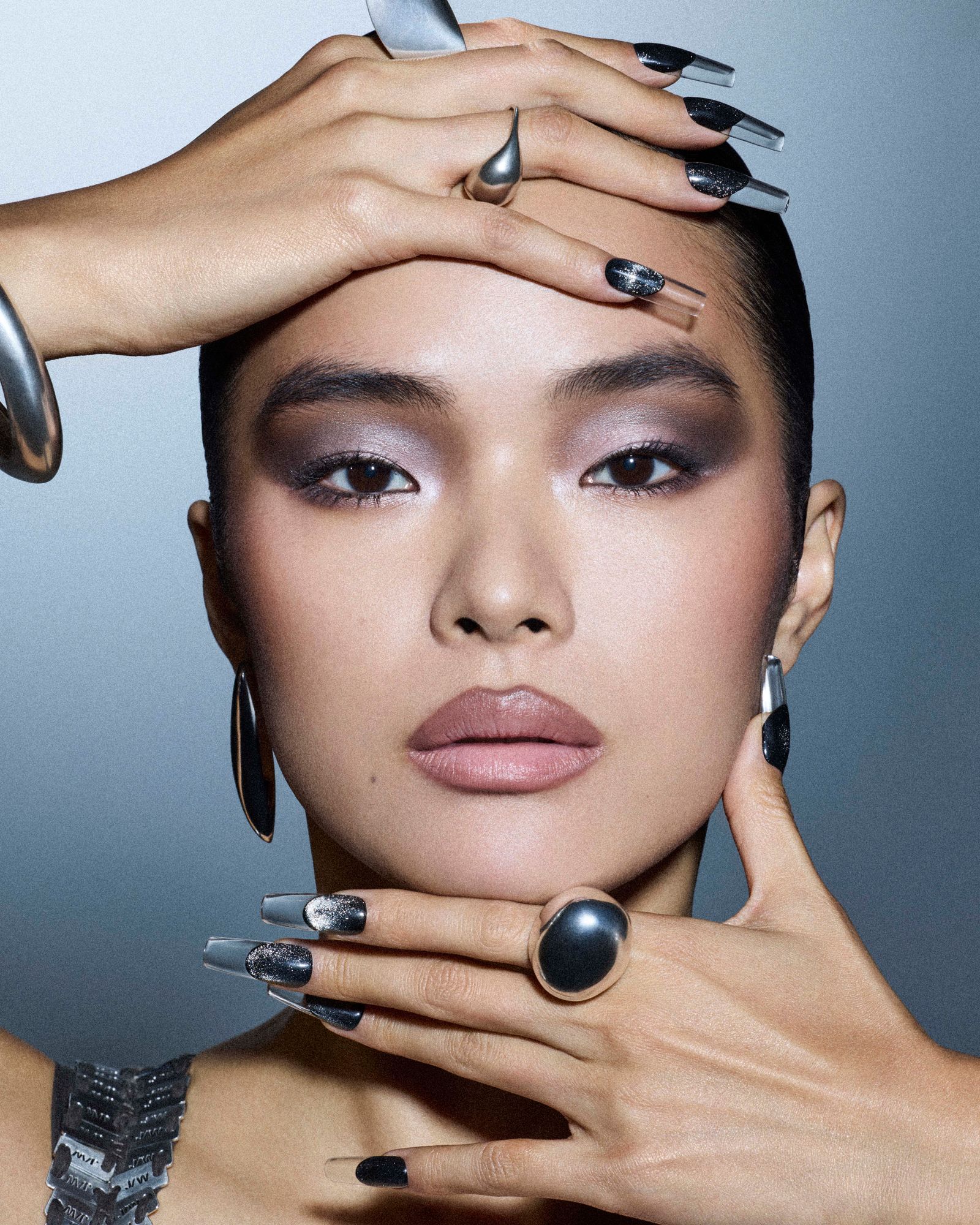
This trend is exactly what it sounds like: transparent tips that look like they’re made of glass. (They’re not, though; according to Kawajiri, they’re actually created using clear press-ons.) For this look, she opted for an icy blue velvet base, though solid colors work just as well. You can also hand-paint intricate designs. After all, precious works of art deserve to be protected.
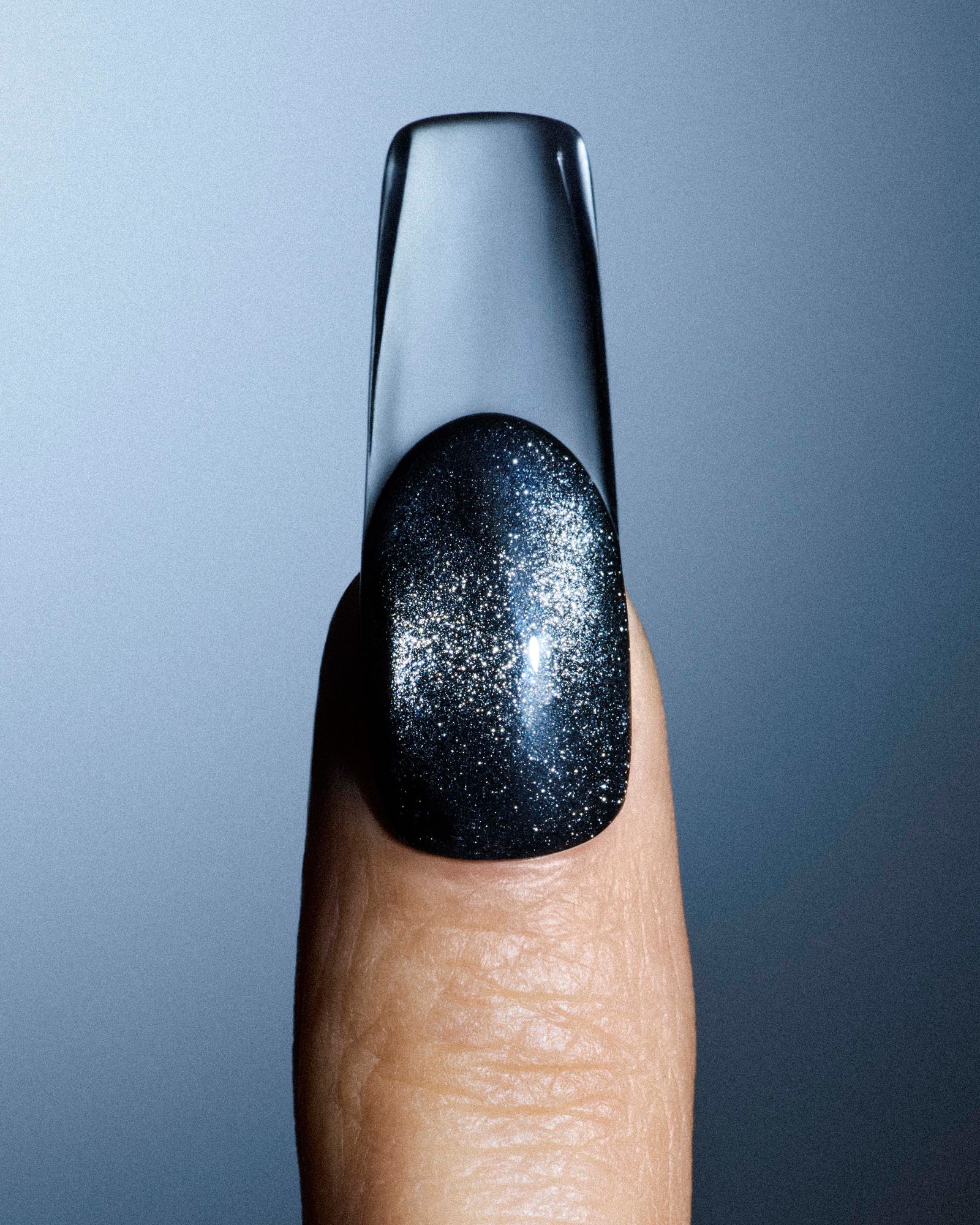
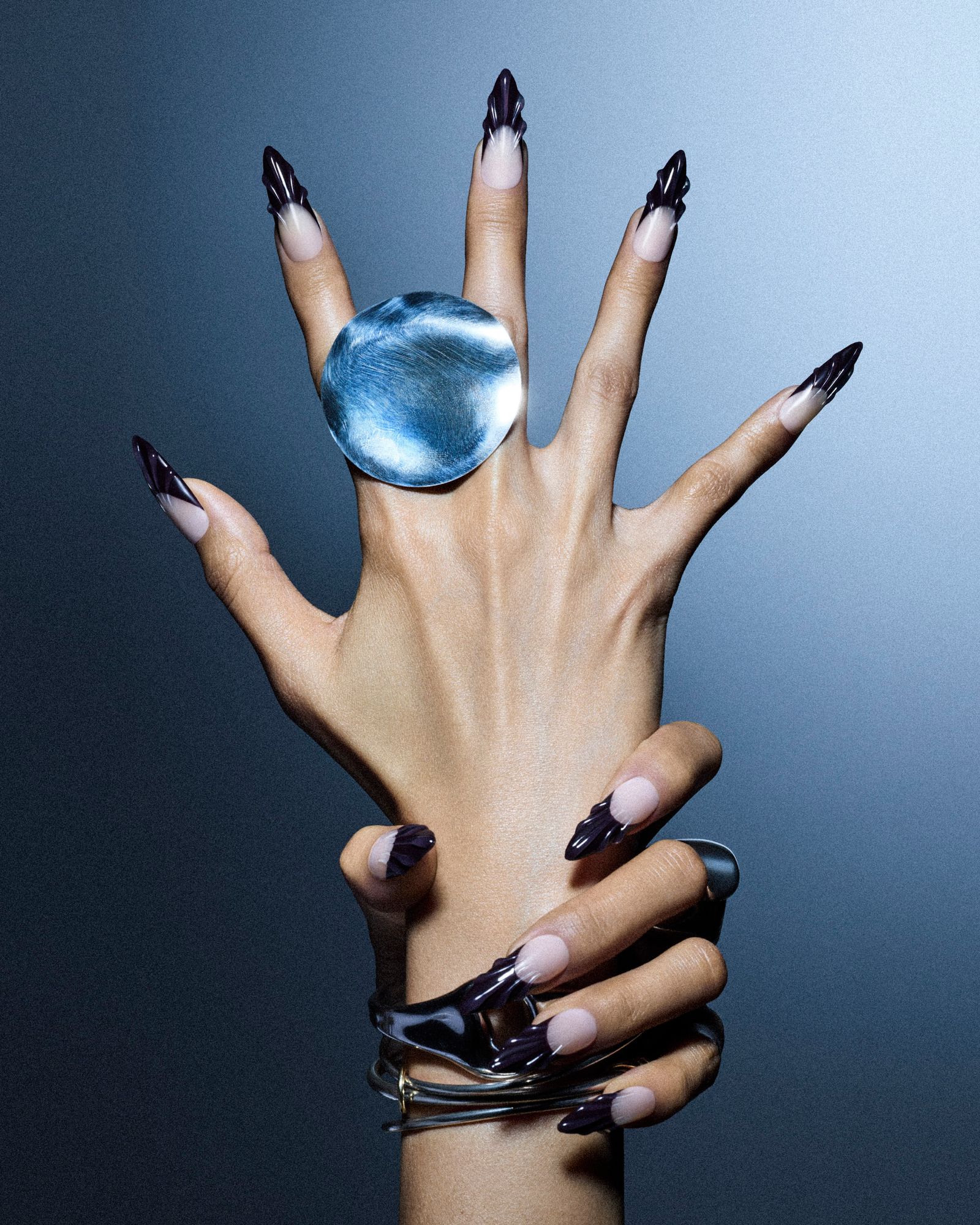
When you think of ye olde French manicures (from the ’80s or ’90s), a glossy, “clean” finish may come to mind. But it’s 2026, and improved nail tools and polish formulas are making it easier to experiment with other textures. Goldstein considers it an easy way to make the French look more modern. “You can play with matte and shiny top coats,” she says.
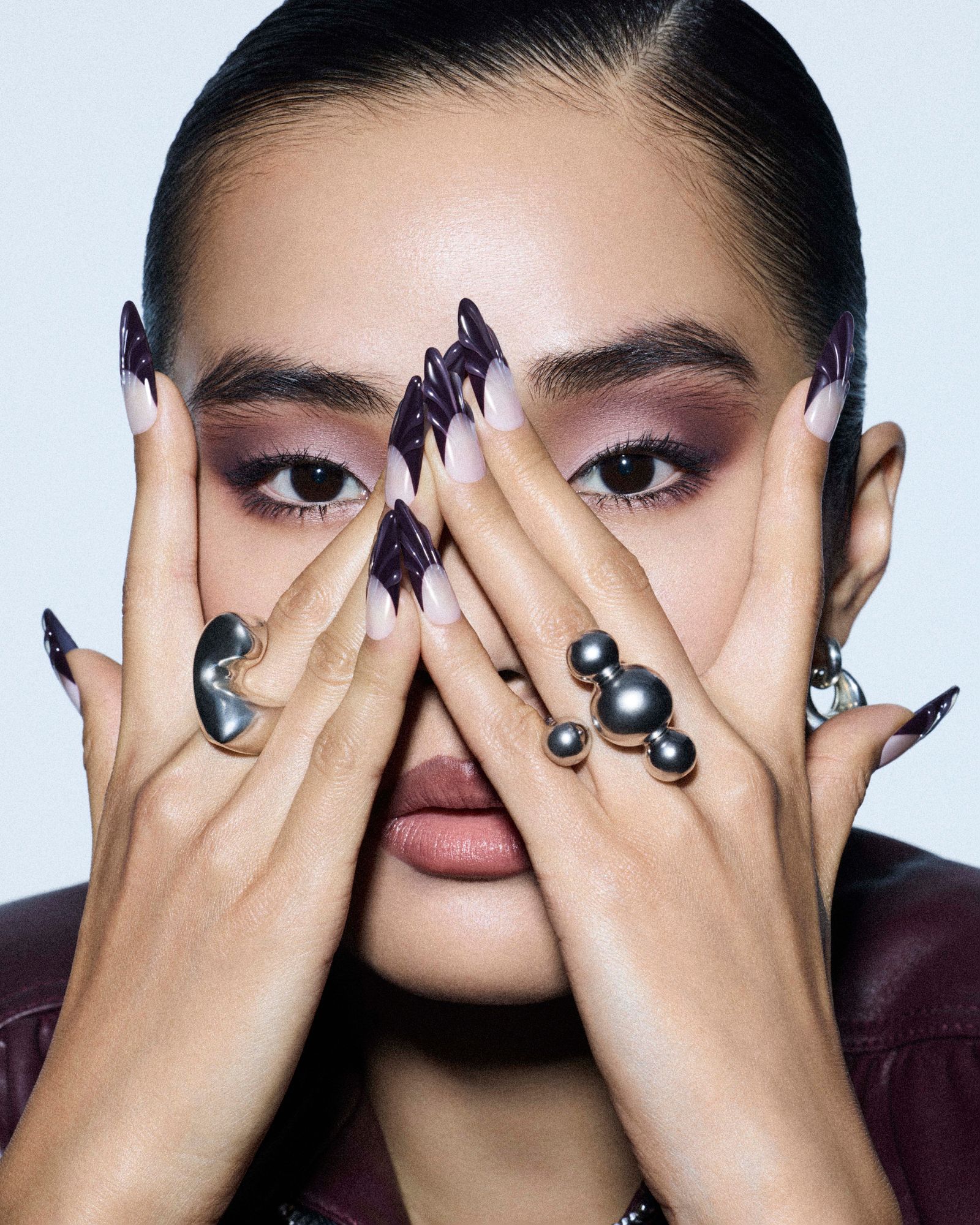
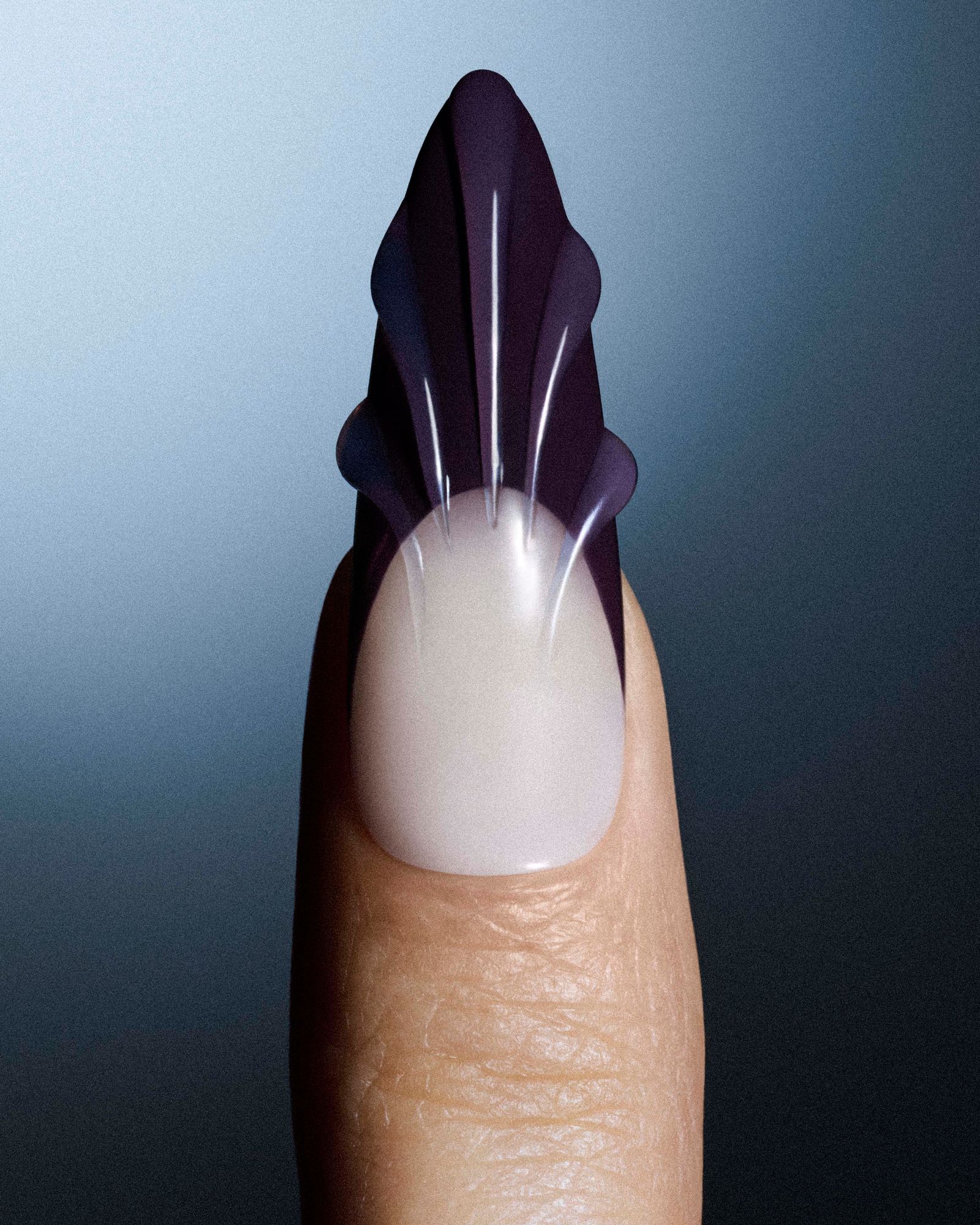
For her take on the trend, shown above, Kawajiri layered stripes of 3D gel atop eggplant purple French tips. While this look features glossy polishes, she says, a matte topcoat on the 3D details can give them an edgy “vein-like” effect.
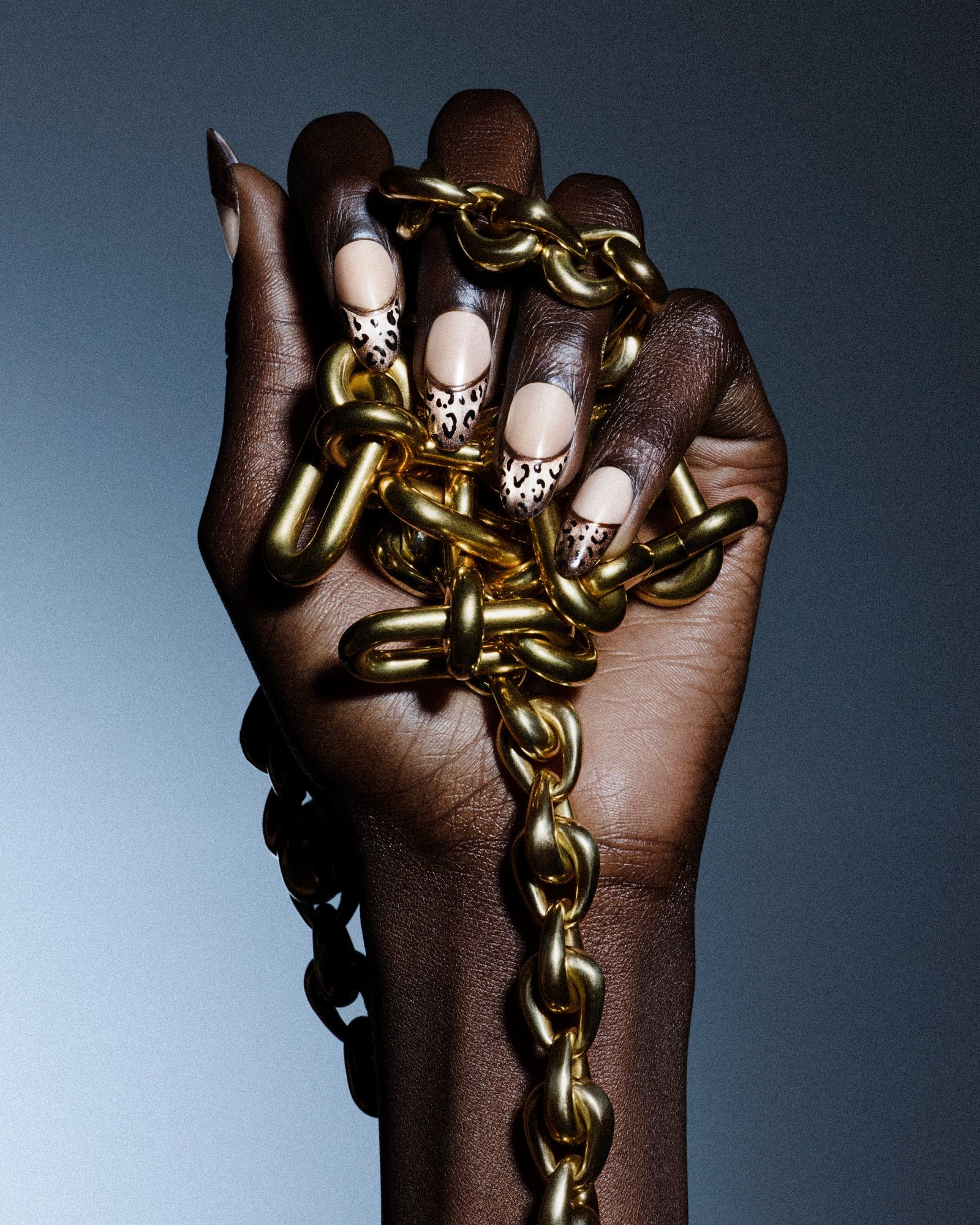
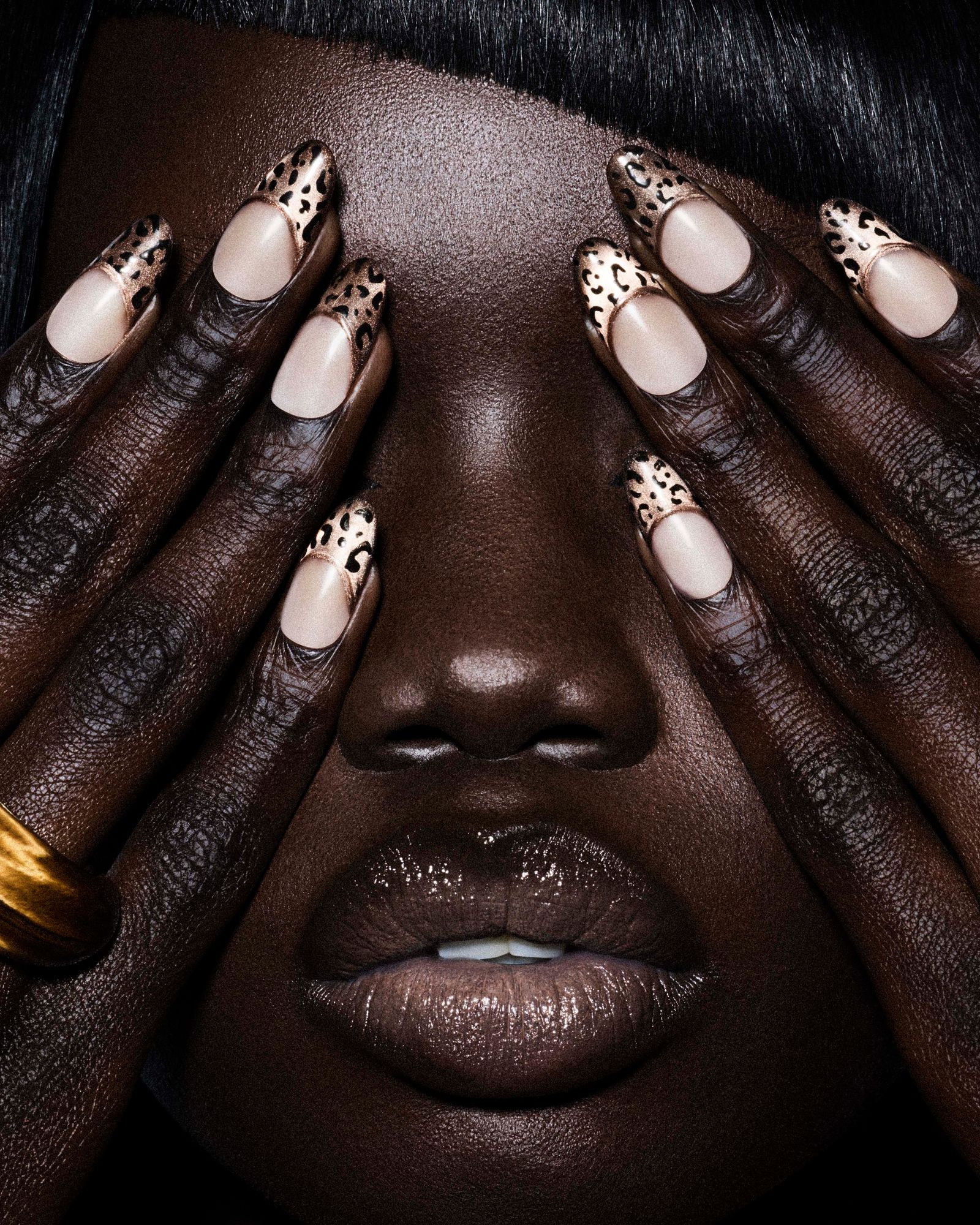
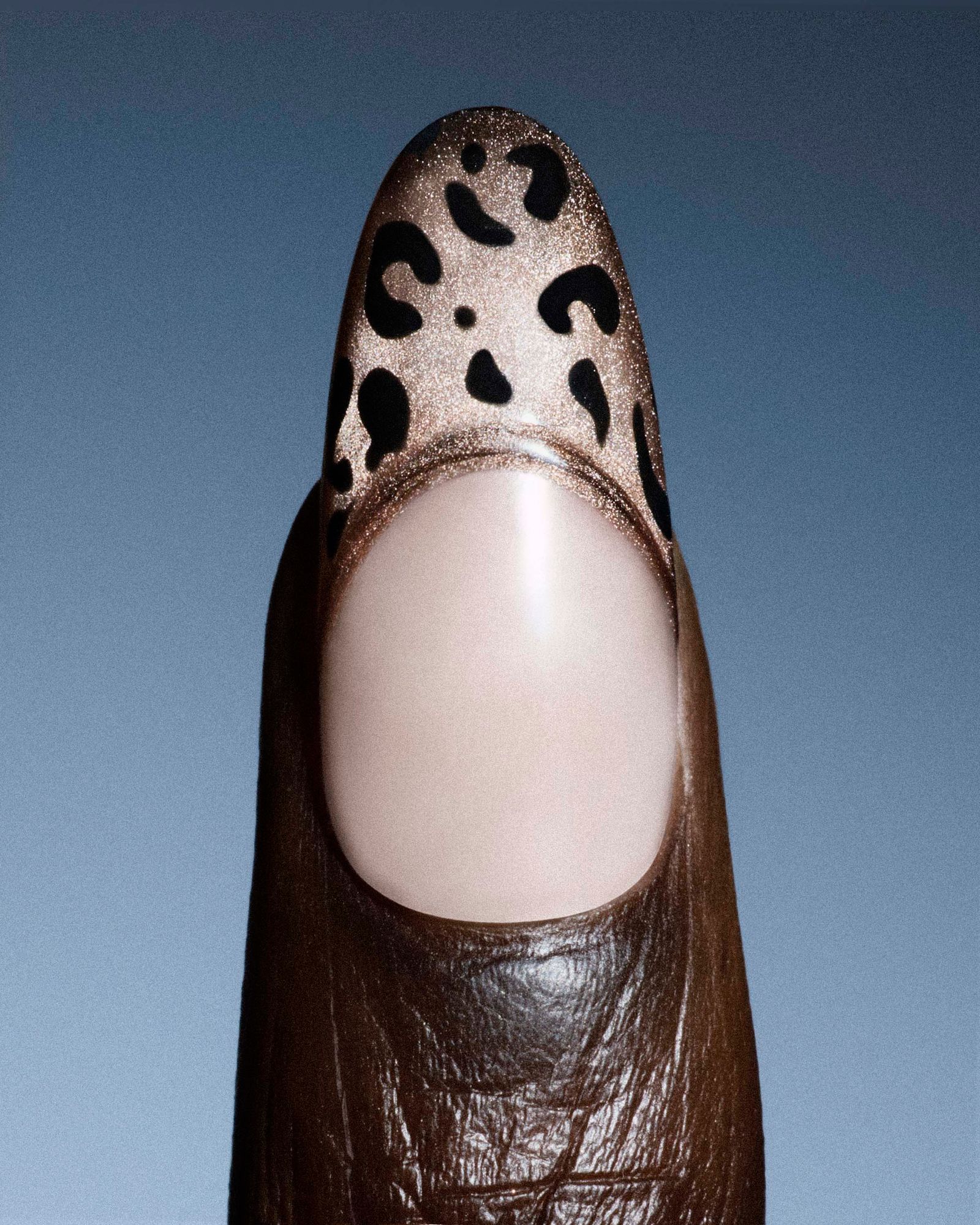
Magnetic polishes are having a moment, thanks to the many designs they can be manipulated into. If you can’t decide on how you want to wear them (we know it’s difficult choosing between barcode nails and swirl designs), might we suggest—you guessed it—a magnetic French? When used as a base for a French tip, the velvet effect makes a statement at full volume. Prefer more of a whisper? Lightly sweep a magnetic polish across micro French tips (as Kawajiri did above, before adding animal print).
Meet the experts:
- Jin Soon Choi is a New York City-based nail artist and brand founder.
- Elle Gerstein is a New York City-based nail artist.
- Betina Goldstein is a Los Angeles-based nail artist.
- Mei Kawajiri is a New York City-based nail artist.
- Miss Pop is a New York-based editorial nail artist.
Photographer:Jason Kim
Stylist:Roberto Johnson
Hair:Takuya Yamaguchi
Makeup: Rommy Najor
Manicure:Mei Kawajiri
Prop stylist: Jojo Li
Models: Aker Ajak, Lin Xiang
- 6 Nail Color Trends That Are Taking Over in 2026
- The Biggest Nail Trends of 2026 Upgrade the Classics
- Makeup Is Getting a Colorful Vibe Shift in 2026
- Winter’s Biggest Fragrance Trends Offer a Scent for Every Mood
Source URL: https://www.allure.com/story/french-tip-nail-designs-2026