What Kind of Love Story Is Wuthering Heights, Anyway?
Like many members of this book club (I’ll wager), I have a notebook somewhere in which I copied lines from Wuthering Heights as a teen. Admittedly, it was a much more analog era, when people used pen and paper rather than the Notes app. I can almost summon the color of the ink on the page—but what I’ve never forgotten was the line itself: “He wanted all to lie in an ecstasy of peace; I wanted all to sparkle and dance in a glorious jubilee.”
For years, I’ve carried this line around in my mental notebook as an evocation of the most effervescent love a person could conjure: a union of joyous opposites! Except, maybe not.
When I got to the line this time (my third reading, I think), it was Cathy junior (not the original Catherine, as I’d thought) who uttered it to describe a feud with her cousin, the peevish, charismaless Linton, over what would constitute a perfect day. “I said his heaven would be only half alive, and he said mine would be drunk,” she continues. “I said I should fall asleep in his, and he said he could not breathe in mine, and he began to grow very snappish.” Opposites attract and all that, but this is not the material of magnetism.
How could I have misrecalled something so fundamental? The language of Wuthering Heights is so dense but so melodic, so complicated but rewarding, and it’s struck me, on this most recent rereading, that there is a certain degree of enchantment that takes place when one first makes one’s way through its seductive thicket. Did I lose the thread in that forest? Or did I just, after putting it down that first time, close my mind to what came after the doomed love of Catherine and Heathcliff and remember the novel only for those star-crossed lovers? They are particularly appealing to a moody teen.
My Love for Wuthering Heights Is Why I Also Love Terrible Men
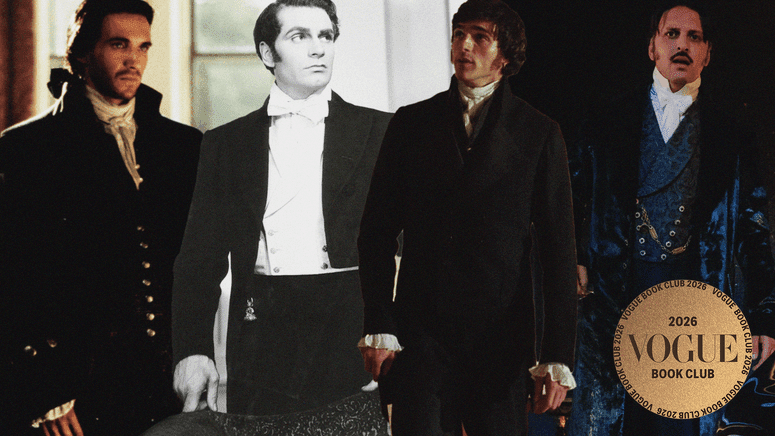
Now, on my third reading, about two decades later, I’m not sure this is a love story at all—no matter how firmly etched those two lunatics are in the pantheon of devoted lovers. Entire generations who (like me) first read Wuthering Heights in high school may be holding on not only to lines and passages they slightly (or entirely) misremember, but also to an image of iconic love that is…more than a little messed up?
No matter how much the famous lines resound, it’s hard to argue that Catherine and Heathcliff are the paragon of romance. In the very same scene that sees Catherine declare, of Heathcliff, “Whatever our souls are made of, his and mine are the same,” she vows to marry another “because he is handsome, and pleasant to be with,” and because he will make her rich—lovely!
The bond between Heathcliff and Catherine is less pure than born of a sense of persecution, an us-versus-them embattledness: The two soul mates versus Catherine’s virulent brother Hindley; the two wild creatures of the moors, peering through the windows of Thrushcross Grange at the insipidly civilized Lintons. “I left her,” Heathcliff says, recounting the story of how Catherine first comes, accidentally, to spend time at the Grange, “kindling a spark of spirit in the vacant blue eyes of the Lintons—a dim reflection from her own enchanting face—I saw they were full of stupid admiration.” Years later, Catherine’s love for Heathcliff seems most activated when she senses the drift of Heathcliff’s attention—and it is his unfaithfulness that prompts her to most explicitly disdain the man she has married instead. “Your veins are full of ice-water,” she says to her even-keeled husband, Edgar, “but mine are boiling, and the sight of such chillness makes them dance.” And there is no small element of torture involved in Catherine and Heathcliff’s relationship, almost as if the pleasure and joy that they bring each other can only be appreciated when they’re deprived of it. How strange—or maybe not—that I’ve never heard passages of Wuthering Heights quoted during wedding vows.
What Reading ‘Wuthering Heights’ Taught Me About My Parents’ Marriage
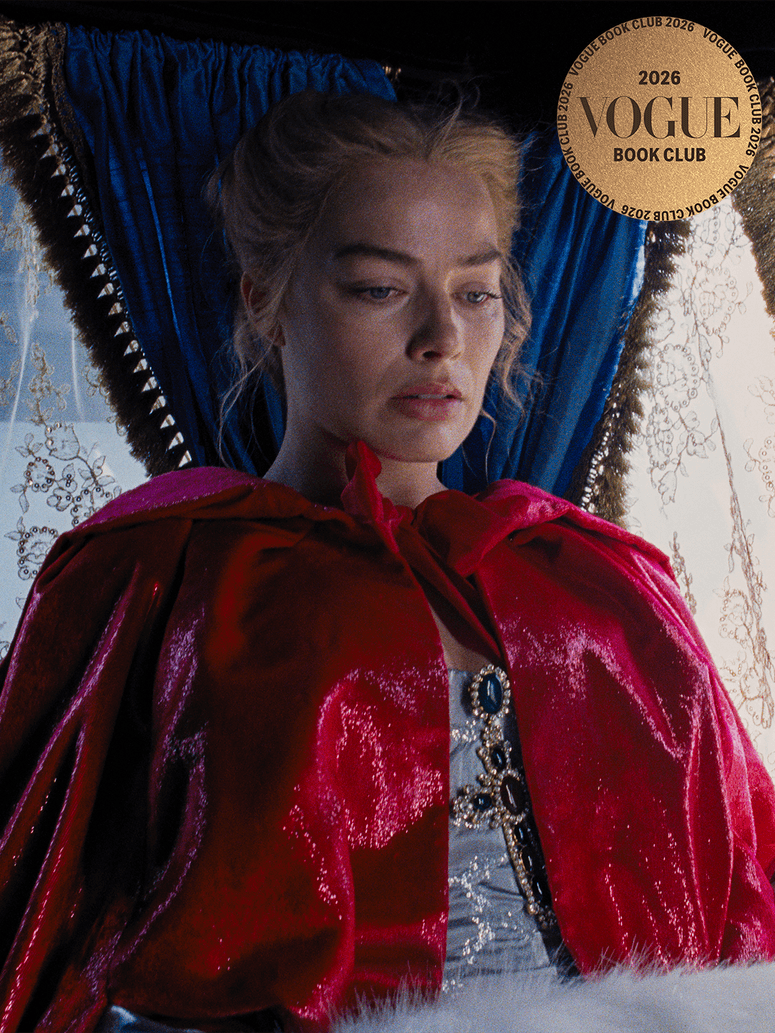
What are the purest examples of love in this book? Reading as a married mother, decades separated from my own roiling teenage loves, I’m struck that the most believable examples of love in Wuthering Heights are much quieter and more parental or filial: Edgar for his daughter Cathy, and hers for him; Nelly for the “little lamb” Hareton, whom she raises as her own before she is banished from the Heights. Isabella’s love for her hard-to-love son Linton happens mostly offscreen, but seems to have some genuine affection behind it, as well—it’s almost the only thing Linton speaks of favorably. (Set aside, for a moment, examples of the opposite: Hindley’s virulent and inexplicable hatred of his son Hareton; Heathcliff’s careless and manipulative use of his own son for revenge.)
Yes, I’m aware that no one reads this novel and comes away from it feeling like it’s a story about the beauty of parental love. But—and this is undoubtedly a function of where I am in my own life—these were the scenes that pressed most pointedly on my heart, this time around. “Catherine’s despair was as silent as her father’s joy,” Brontë writes of the daughter attending her father on his deathbed, withholding her own suffering so that he may have a peaceful passage. Catherine and Heathcliff’s antics didn’t affect me this time—it was that line that got me.
Like all great works of literature, Wuthering Heights rewards rereading. You may encounter a beloved and familiar line that reveals itself completely foreign; you may re-arrange your entire concept of the book.
Source URL: http://vogue.com/article/is-wuthering-heights-actually-a-love-story-at-all