
One dead, scores injured after Russia launches massive attack on Kyiv

Poland scrambles fighter jets for security drill

China sanctions 20 US defence companies over arms sales to Taiwan

AFCON 2025 heats up as Morocco, Egypt shine and fan zones come alive
One dead, scores injured after Russia launches massive attack on Kyiv
Poland scrambles fighter jets for security drill
China sanctions 20 US defence companies over arms sales to Taiwan
AFCON 2025 heats up as Morocco, Egypt shine and fan zones come alive
Eating full-fat cheese and cream linked to lower dementia risk, Swedish study finds
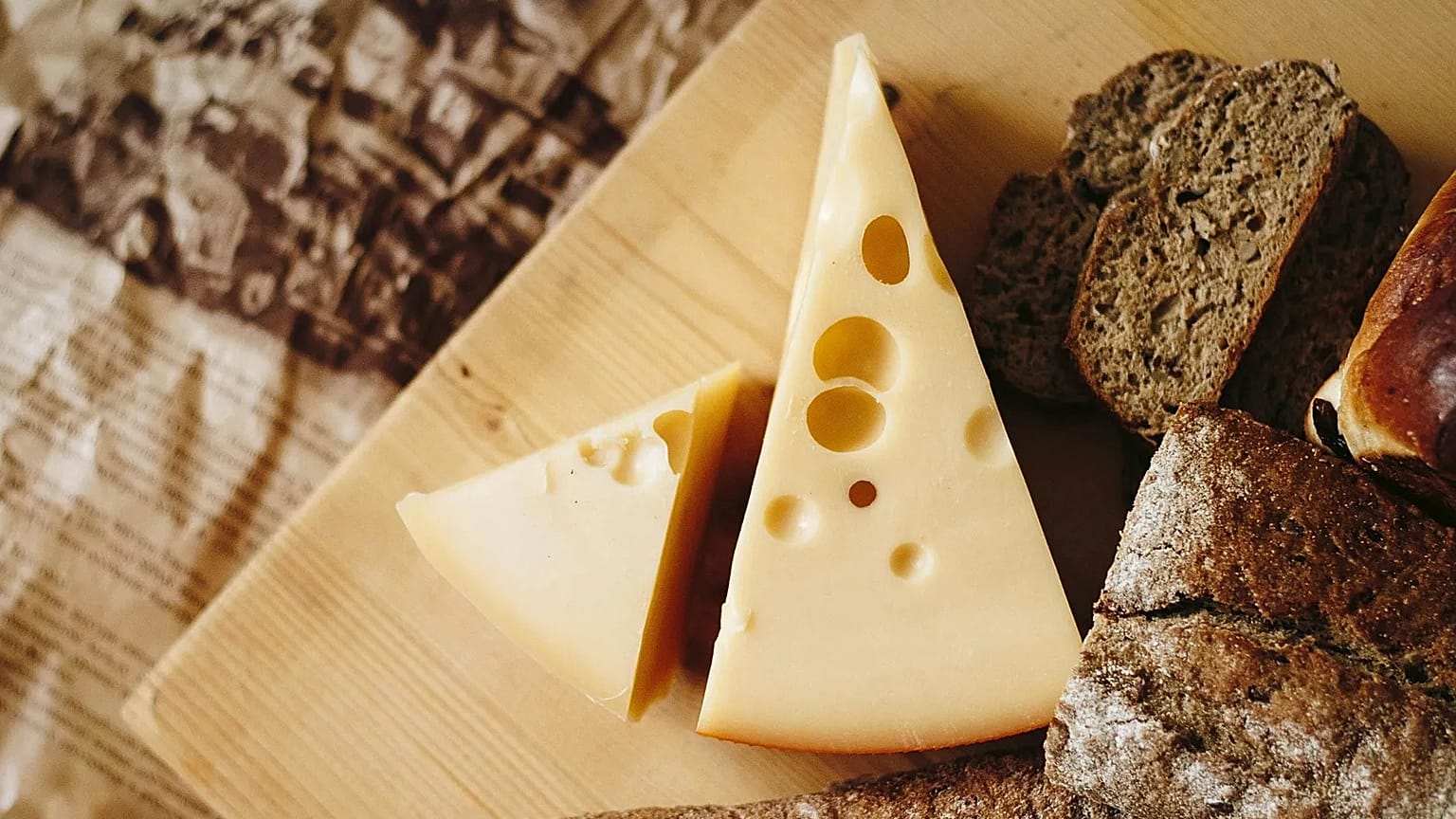
Could full-fat cheese be better for your brain than we thought?
– Copyright Credit: Pexels

 Facebook
 Twitter
 Flipboard
 Send
Send Reddit
 Linkedin
 Messenger
 Telegram
 VK
VK Bluesky
 Threads
 Whatsapp
Participants in the study who ate at least two slices of high-fat cheese a day had a 13 per cent lower risk of developing dementia, and a 29 per cent lower risk of vascular dementia.
Eating full-fat cheese and cream may be linked to a lower risk of developing dementia, according to a long-term study from Sweden.
The research, published in the journal Neurology, suggests that people who regularly consumed high-fat dairy products such as cheddar, Brie, Gouda, and full-fat cream were less likely to develop dementia over several decades of follow-up than those who ate little or none.
The study followed 27,670 adults in Sweden, who were an average age of 58 when they joined the research. Participants were tracked for around 25 years, during which time 3,208 people were diagnosed with dementia.
At the start of the study, participants recorded what they ate over a week, answered detailed questionnaires about their diets over previous years, and discussed food preparation methods with researchers.
Results of the study
Researchers found that people who ate at least 50 grams of high-fat cheese per day – roughly two slices of cheddar – were less likely to develop dementia than those who ate less than 15 grams daily.
High-fat cheeses were defined as containing more than 20 per cent fat, while high-fat creams typically contained 30 to 40 per cent fat.
After accounting for factors such as age, sex, education level, and overall diet quality, higher cheese consumption was associated with a 13 per cent lower risk of dementia.
“When we went on to look at specific types of dementia, we found that there was a 29 per cent lower risk of vascular dementia in people who ate more full-fat cheese,” explained Emily Sonestedt, a nutrition epidemiologist at Lund University in Sweden and the study’s lead author.
“We also saw a lower risk of Alzheimer’s disease, but only among those who did not carry the APOE e4 gene variant – a genetic risk factor for Alzheimer’s disease.”
Daily consumption of high-fat cream was also linked to a lower dementia risk. People who consumed at least 20 grams per day – about one to two tablespoons – had a 16 per cent lower risk compared to those who consumed none.
Not all dairy showed benefits
The associations did not extend to all dairy products.
“Although higher-fat cheese and cream were associated with a reduced risk of dementia, other dairy products and low-fat alternatives did not show the same effect. Therefore, not all dairy products are equal when it comes to brain health,” said Sonestedt.
Limitations of the study
Despite the findings, experts warn that the study does not prove a causal link between high-fat dairy and reduced dementia risk.
Dr Richard Oakley from the Alzheimer’s Society emphasised that lifestyle factors such as physical activity, a balanced diet, quitting smoking, and moderating alcohol intake play a far greater role.
“This research does not show that eating more high-fat dairy products, such as cheese or cream, can reduce our risk of developing dementia,” he said.
“Evidence shows that quitting smoking, keeping physically active, eating a healthy, balanced diet, managing long-term health conditions and drinking less alcohol play a far greater role in reducing dementia risk than focusing on a single food.”
Professor Tara Spires-Jones, director of Edinburgh’s Centre for Discovery Brain Sciences, noted another limitation: the study measured participants’ diets only once, 25 years before dementia diagnoses were analysed.
“It is highly likely that diet and other lifestyle factors changed in those 25 years,” she said, adding that overall lifestyle remains the key factor in brain health.
“Strong evidence across the field indicates that a healthy diet, regular exercise, and cognitively stimulating activities can boost brain resilience,” she added.
“There is not strong evidence for any individual food protecting people from dementia.”
Go to accessibility shortcuts
Read more

Why staying hydrated in winter matters more than you think

EU moves to strengthen biotech industry to boost global competitivenes

Menstrual cycle may affect severity of sport injuries, study finds
Why staying hydrated in winter matters more than you think
EU moves to strengthen biotech industry to boost global competitivenes
Menstrual cycle may affect severity of sport injuries, study finds

Health in 2025: Medical breakthroughs that gave us hope this year

A look back at the health trends that took over social media in 2025

Why it’s time to limit your children’s screen time this Christmas

Let it out! Why swearing can actually be good for your health

Christmas is not fattening: what experts say about guilt-free eating
A look back at the health trends that took over social media in 2025
Health in 2025: Medical breakthroughs that gave us hope this year
Greece cuts emergency care waiting times by using QR codes for triage
Let it out! Why swearing can actually be good for your health
Christmas is not fattening: what experts say about guilt-free eating
Source URL: https://www.euronews.com/health/2025/12/19/eating-full-fat-cheese-and-cream-linked-to-lower-dementia-risk-swedish-study-finds