
Summer is here and, unfortunately, unless you live in the southern hemisphere or near a glacier, skiing is done until next winter. What are some off season training methods and how much will they impact your freeride skiing or snowboarding come next winter? Staying active and fit is undoubtedly the most important thing you can do, but which activities will have a direct impact on your abilities?
Trampoline

With every coming year, it seems as if having a bag of tricks is becoming increasingly important. A trampoline is arguably one of the best ways to develop new rotations and tricks by getting the greatest number of repetitions. Unfortunately for many, a trampoline isn’t readily available and even when it is, there is nobody to teach you these new rotations. YouTube videos can be very helpful, but they can never properly replace an expert watching and critiquing. However, even just doing what you know while trying to spot your landings will develop your spatial awareness in the air (proprioception). Trampoline is very effective and fun for mastering new tricks but unfortunately is not available to many.
Mountain Biking
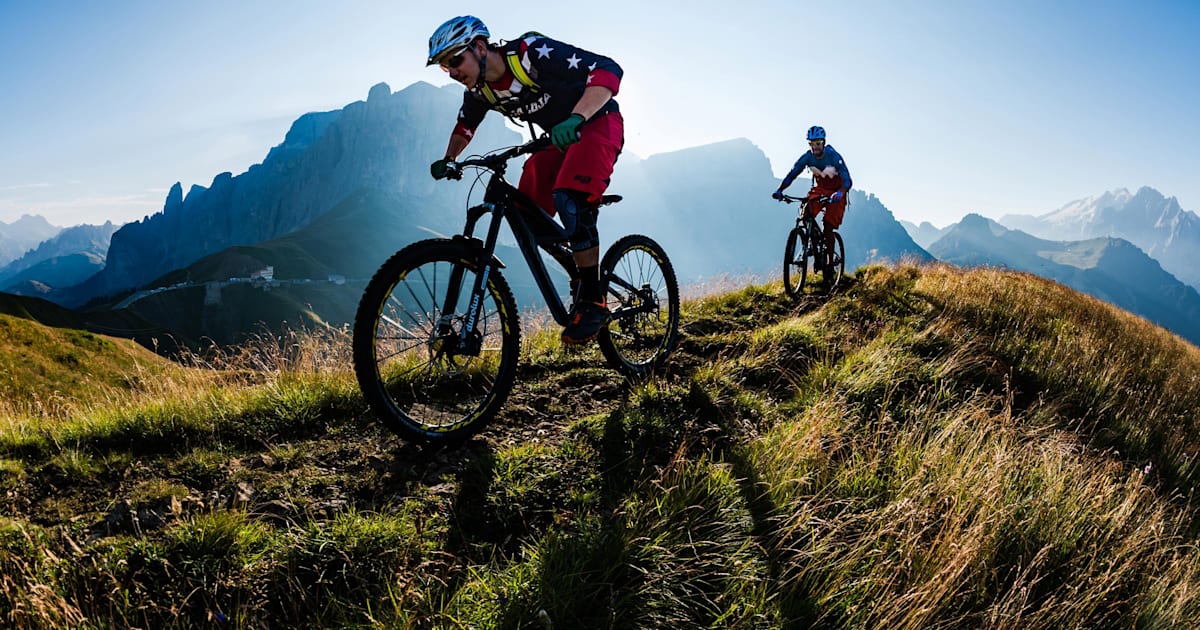
Downhill mountain biking is as close to freeride skiing that you’ll get in the summer. Many of the skills translate very well such as leg strength, balance, reflexes, and even the tricks if you are into that as well. Mountain biking is unique in these summer activities in its ability to replicate the fast-paced quick decision making that is done in freeriding. You need to do quick maneuvers through trees, around rocks, and over obstacles while maintaining control. The only deficit of mountain biking is its danger level. A fall on a mountain bike is often much more consequential than a similar fall on skis. The dirt does not provide a cushion like snow will and a small tumble can bring an injury that may last through the winter season as well. Overall, mountain biking is a fun and exciting off-season activity that will benefit your freeriding this upcoming season. Just be wary of its associated risk so you are strong and healthy for next ski season.
Climbing

Climbing is a phenomenal way to enjoy the outdoors in the summer and view the mountains in a whole new manner. Unfortunately, its direct impact on skiing is minimal, as climbing is predominately an upper body and specifically forearm strength sport. This does not mean that climbing is useless for skiing though, as it will still develop your proprioception and abilities to overcome fear. In climbing, you need to have total body awareness to maintain the best leverages against the wall and this awareness will translate to the slopes. In freeride skiing you will also be dealing with substantial fear, often from overlooking a big cliff. Climbing will make you adapt to these heights and allow you to overcome your fears next season. I also believe that it is important to train your whole body, and this will give your upper body the challenge it needs.
Recreational Sports

Recreational sports are tough to gauge because it so strongly depends on the sport and the people you compete against. Are you playing just for fun after work pickle ball with coworkers or a competitive soccer game with people trying to win. Assuming you are playing competitively and pushing yourself, recreational sports will make you more athletic, which will improve ski ability. Sports require agility and fast decision making which will both translate to the slopes. Those quick changes of direction on the field will translate to the fast lateral movement done while freeriding. Recreational sports are a great way to maintain your competitive spirit in the off season and have fun doing it.
Skateboarding/Rollerblading

Skateboarding and rollerblading are essentially the summer equivalents to park skiing and boarding. These activities will help with trick development, balance, and I think most importantly, teach you to fall. When the surface you ride on is asphalt or concrete, it is integral that you can roll out of falls instead of just taking one hard impact. This ability to tuck, protect your head, and slowly halt your momentum will allow you to try bigger and harder tricks with less fear of injury. Along with the ability to fall, the need to maintain your balance on a skateboard or rollerblades will translate very well come ski season. There is less tip and tail to press against so when you have 180 + cm skis on again maintaining your balance will be a breeze.
Running/Hiking

Running and hiking are great ways to not only build endurance but also enjoy the outdoors during the summer. Like climbing, these allows you to see the mountains and outdoors through a different perspective and build a whole new appreciation. Specifically, for freeride training, both activities will build cardiovascular and leg endurance along with mental toughness. Long runs and hikes can be brutal and pushing through will build mental strength that will benefit in freeriding. In freeriding, runs can be long and stopping due to fatigue will hurt the flow of the run. The ends of a long run when your legs are getting tired and you’re breathing heavy is when this endurance training will most benefit your skiing.
Lifting

Lifting is a very broad term and different lifting strategies will bring different benefits. For example, bodybuilding, which is lifting only for the purpose of building muscle, may not have much impact on skiing if it’s done using isolating machines. Something like a quad extension won’t translate to stomping hard landings or those quick lateral movements needed in skiing. For lifting to properly and effectively translate you need to replicate movements done skiing. Lifting heavy with squats, deadlifts, even upper body movements will allow you to take more force on those big drops. Training for power with cleans, jumps, sprints, will build muscle speed and agility. Skiing, however, isn’t just done facing forward while going up and down. You’ll need to train lateral movements for both strength and power to fully translate to the slopes. No matter the case, if you build strength and muscle, your body will be more prepared for those hard hits come ski season. But, if done with purpose and intention, lifting can allow you to feel lighter on your feet, and more confident in those big drops next season.
No matter what your activity is, you will get out of it what you put into it. In skiing, I am sure we are all able to try our hardest to progress because we love it. Try to replicate that in the off season. Find things you love to do and work damn hard so that come ski season, you are refreshed and ready to rip.