Wonderland
GALA: STANDING ALONE, HAND IN HAND
As it readies for its eleventh year this coming bank holiday weekend, Peckham’s GALA stands true as one of London’s only lasting independent festivals. Co-founder Giles Napier discusses its lineage and continued importance.
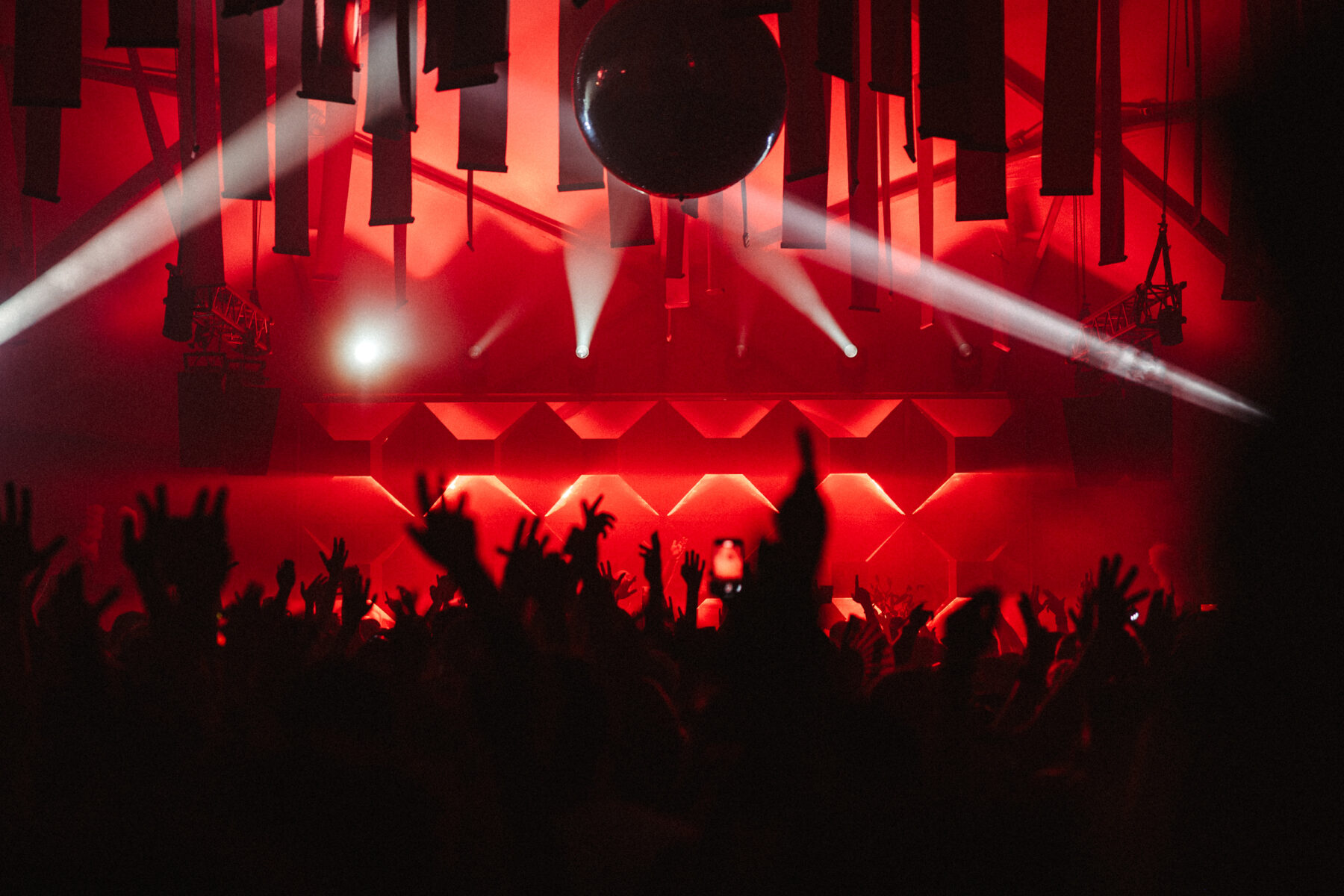
Speaking on Finger’s track, “Can You Feel It”, Chuck Roberts couldn’t have summed up the 80’s ethos of house music better: “Once you enter into my house, it then becomes our house.” A party with a “come as you are” attitude that has historically opened its doors to everyone who wanted in. But this mentality feels lost in the contemporary dance scene, where community might as well be a discarded buzzball, kicked down the road at the end of the night by the faceless, steel-booted companies that are dominating the clubbing industry.
Ed Gillet observes in his book, Party Lines: Dance Music and the Making of Modern Britain, that even in the 90s, fears were being fanned around club culture being “too big, too fractured and too commercial”, proliferated by the rise of super clubs like Cream, Heaven and Ministry of Sound. He describes “a dark commercial hand” behind clubs, events and talent, effectively commodifying dance culture. And with the 2020s’ brainchild of “community marketing”, which capitalises on human connection, genres and spaces are losing a grip on what drew people to them in the first place.
Contracting day festivals has become an attractive way for councils to replenish public coffers, whilst providing a solution to antisocial behaviour linked to nightlife that can drain services. And as we steadily approach London’s festival season, the domination of big corporations couldn’t be clearer. Due to affiliations with big artists, these festivals usually create copy-and-paste lineups that routinely leave out underground voices.
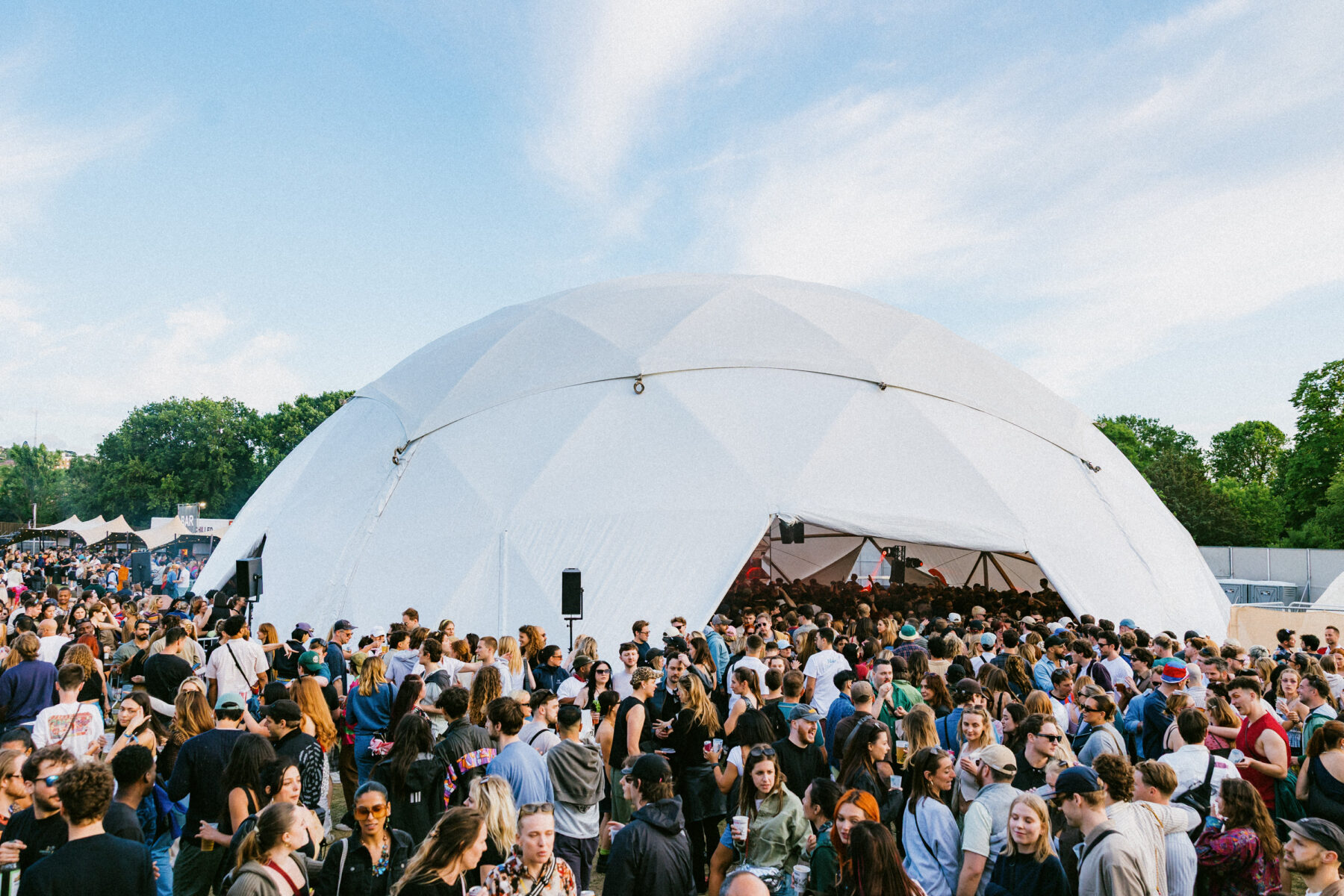
One of London’s last standing independent festivals, GALA, returns to Peckham Rye for its eleventh year this coming bank holiday weekend, holding the torch of what dance music once was – independent, grassroots and community-focused. GALA’s co-founder, Giles Napier, feels the “climate for independents is getting harder every year. Corporate-backed operators have changed the economics of the scene: fees are inflated, exclusivity terms are getting more aggressive, and money is being spent in ways most independents simply can’t compete with. The concern isn’t just commercial, it’s cultural. When too much power sits with too few players, lineups become safer, scenes become flatter, and underground voices that give dance music its energy are squeezed out.”
“You’ll always hear us shout about ‘honouring our roots.” In the scene, people always say that ‘house is a feeling’, but what does that actually mean? Back in the 1980s, house was born from the ashes of disco, following the genre’s mainstreaming with the release of “Saturday Night Fever” in 1977. House legends like Frankie Knuckles, Larry Heard, and Ron Hardy, and spaces like the Warehouse club, helped shape a soulful, synthesised sound in queer and Black Chicago.
On tracks like Farley “Jackmaster” Funk’s –“Love Can’t Turn Around and Move Your Body” by Marshall Jefferson, house drifted across the Atlantic, where it was soaked up by young clubbers in the UK. Since its conception, it has stood as a genre for all and a celebration of inclusivity. “For us at GALA, it is about showcasing international names to grassroots communities. We invite heavyweights who developed the modern scene: Marcellus Pittman, Moodymann, and Theo Parrish, while creating space for underground talent who understand the roots of the music and push it somewhere new.”
Music journalists like Ed Gillet and Michaelangelo Matos have plotted electronic dance music’s growth alongside the internet’s own rise. Gillet refers to it as a “digital culture for digital times”. But the reliance on the web and international platforms like RA for ticketing and advertising risks algorithmically narrowing the culture or trendifying communities that would once have been localised, at the cost of their authenticity.
Breathing a freshness into narrowing taste, GALA’s programming has been hailed by critics. CRACK magazine described the lineup as a curation of “beloved icons and future legends.” Giles credits that freshness to “GALA not being a trend-led festival. We don’t try to book the biggest or most hyped names. It’s more focused on breath and balance.” As tech-house DJ, Amaliah, describes, “GALA consistently champions the underground by uplifting collectives in a meaningful way – production is strong and captures that quintessential London energy that isn’t easy to achieve.” This analogical antidote provided by GALA’s programming is a remedy to the highly algorithmic nature in which audiences consume music now.
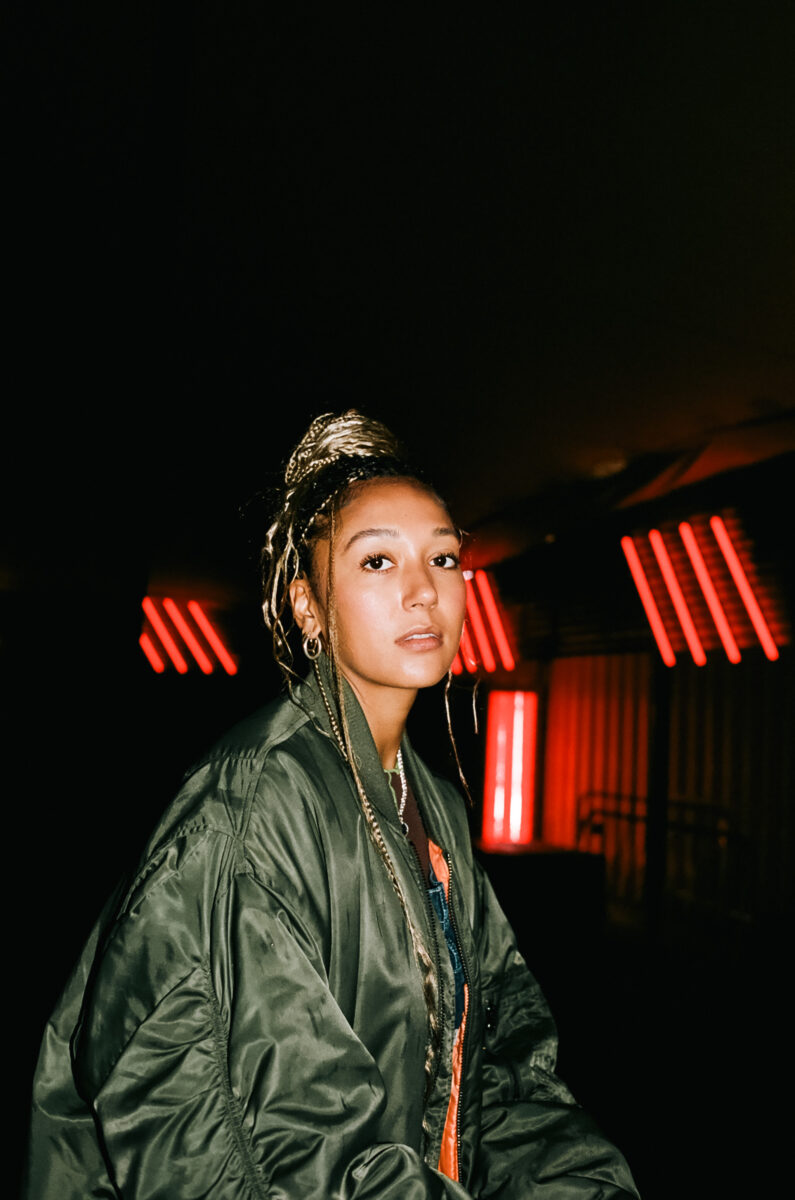
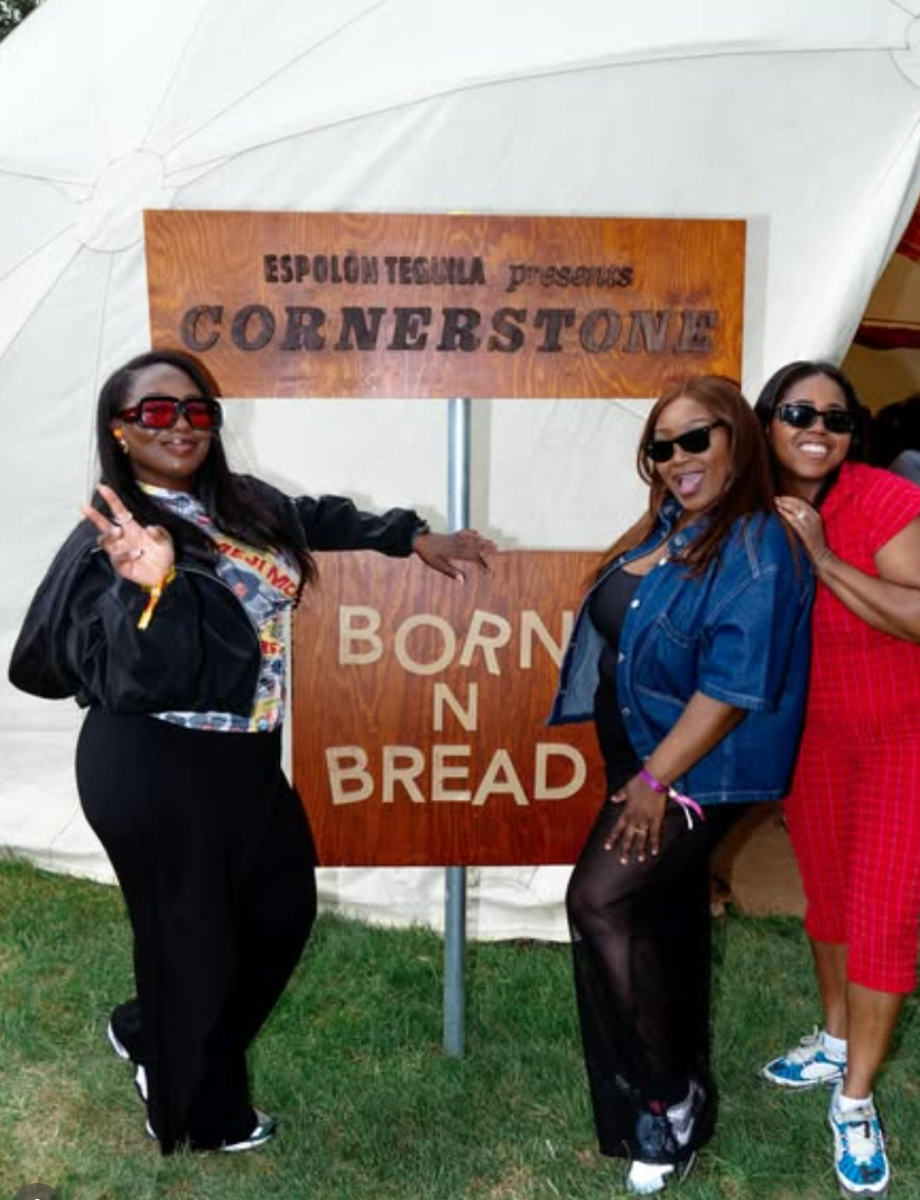
DJ duo, Born and Bread, grew up in Peckham and have been working with GALA for five years, “people are being conditioned — told what to like and what trends to follow. But there are still people pushing back, protecting DJs who genuinely move dancefloors with soulful music.”
Part of GALA’s identity as an independent is their fluidity and ongoing conversations regarding inclusivity, which Giles’ team regards as “the bread and butter of how we operate”. Peckham-raised DJ trio Born and Bread have been programming one of the stages at the festival. “Over the years, we have built a beautiful relationship. A big part of that is the autonomy they’ve given us, especially with our DJ competition.” That gives DJs without experience at large festivals or events a chance to showcase their talent at the festival, through which Born and Bread have “helped launch artists like Ella DHC, Onai, Infinite SNDS, Katylist and Safiya Lord — sometimes giving them their first set. That level of trust is rare. As Black women curating and playing, we’re not just welcomed at GALA, we’re celebrated.”
Within the music industry, women and Black women are still underrepresented. From 2012 to 2024, only 21% of the acts appearing on festival lineups internationally were women. In the UK, 78% of the most successful dance tracks were by men in the decade from 2012. Platforming opportunities within spaces like GALA are essential to even the playing ground. For Born and Bread, they view this opportunity as a responsibility, “as Black women in electronic music, giving a platform and equity to others isn’t optional; it’s necessary. We’ll never gatekeep — it’s about opening doors, helping others build and secure their futures.”
For the past five years, GALA has been donating to Southwark Day Centre for Asylum Seekers, choosing the charity in reaction to rising anti-immigration sentiment within the UK, as illustrated by the increasing popularity of nationalist parties like Reform UK. Since extending their charitable arm in 2020, GALA have raised £50,000 for Southwark Day Centre through ticket donations and running an annual raffle. This consideration of ‘local communities and organisations” is what Giles considers as“part of the parcel of what this sound and scene is all about,” and has inspired GALA to organise a free festival called On the Rye, the following Monday, for Peckham locals to experience the GALA site. Last year, they welcomed 15,000 residents through the gates.
GALA exists as a sanctuary for club lovers and performers alike. Where a community stays close to its definition, as “a body of people who live in the same place, who share the same values.” And for three days in May, those grounds are the leafy expanses of Peckham Rye, old-house resides, and the ethos of the club scene, often overshadowed, truly thrives.
Words – Bethany Wright