[analyse_image type=”featured” src=”https://image-cdn.hypb.st/https%3A%2F%2Fhypebeast.com%2Fimage%2F2026%2F03%2F12%2Fakasaki-vanhuyse-home-home-exhibition-japan-tw.jpg?w=1080&cbr=1&q=90&fit=max”]
1 of 31
2 of 31
3 of 31
4 of 31
5 of 31
6 of 31
7 of 31
8 of 31
9 of 31
10 of 31
11 of 31
12 of 31
13 of 31
14 of 31
15 of 31
16 of 31
17 of 31
18 of 31
19 of 31
20 of 31
21 of 31
22 of 31
23 of 31
24 of 31
25 of 31
26 of 31
27 of 31
28 of 31
29 of 31
30 of 31
31 of 31
Summary
- Akasaki & Vanhuyse’s Home–Home exhibition in Chiba gathered 16 international designers, staged in a 1974 modernist house and an Edo‑period residence
- Works spanned five rooms, with aluminum pallets repurposed into modular furniture, contrasting traditional architecture
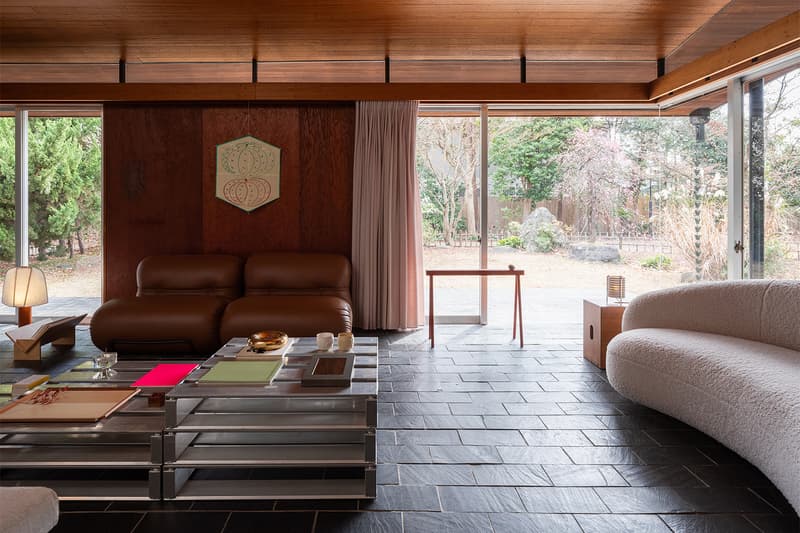
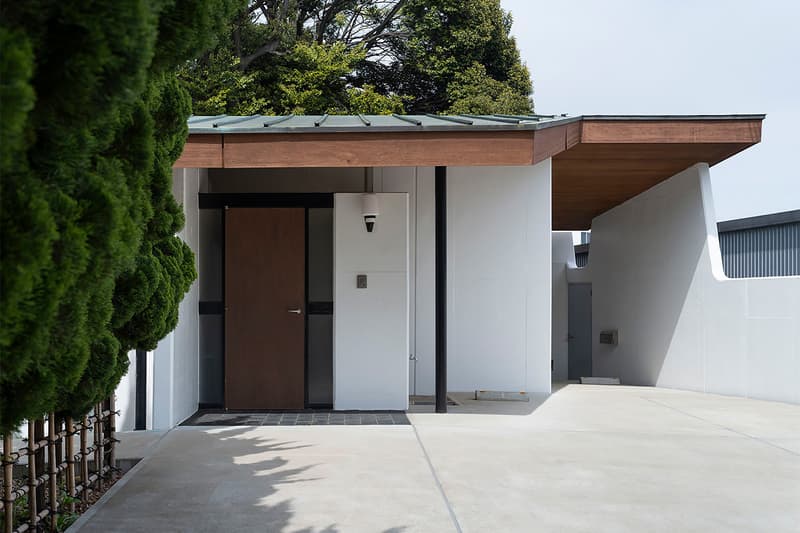
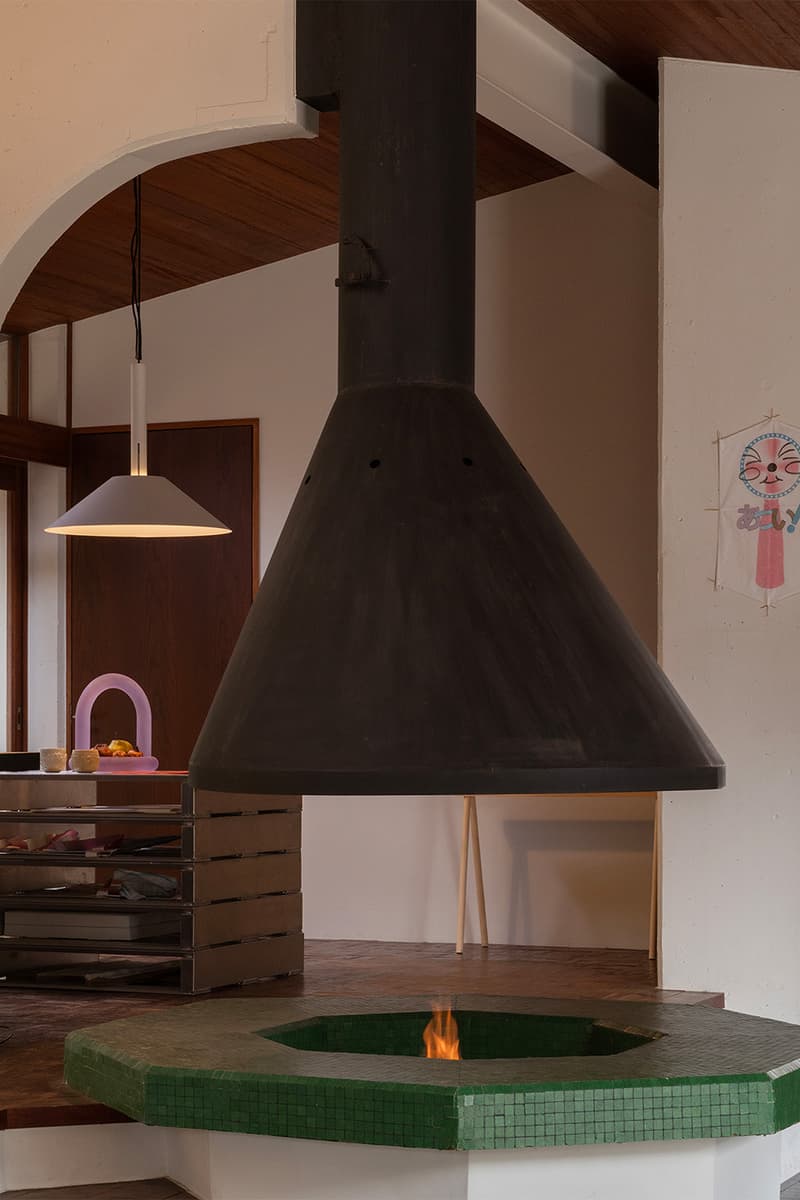
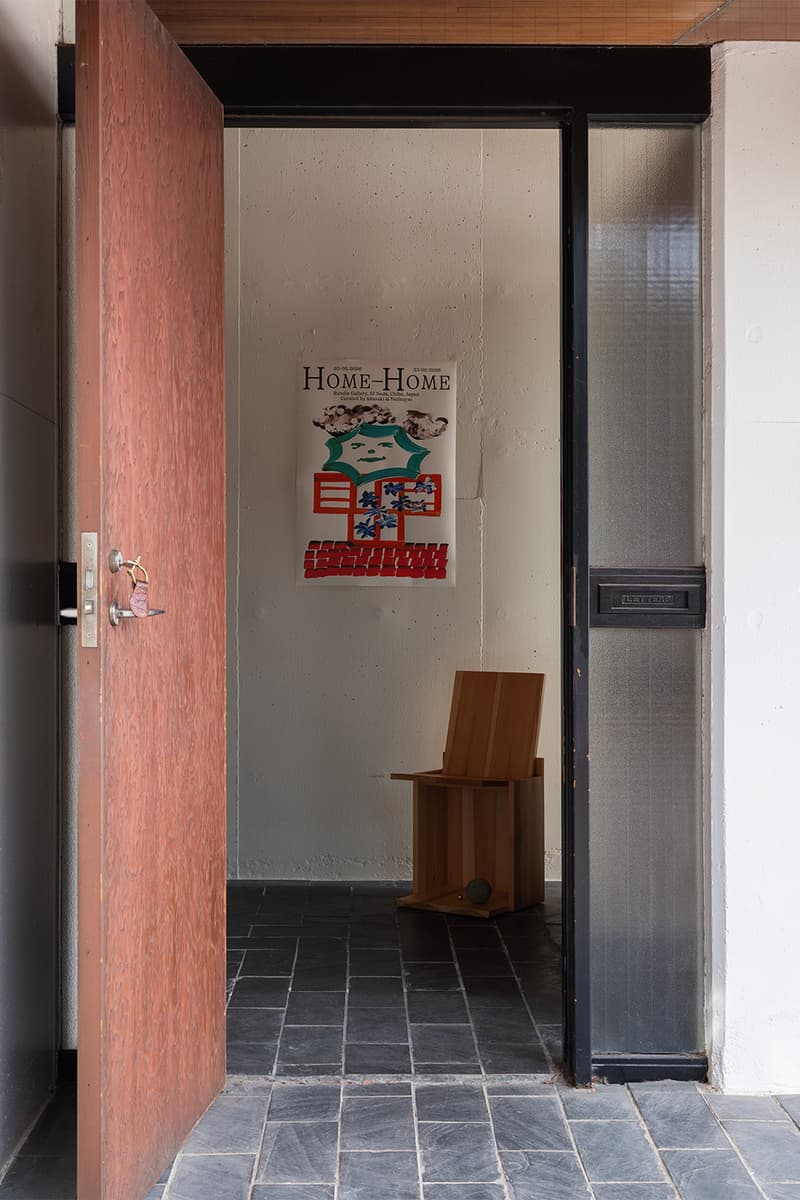
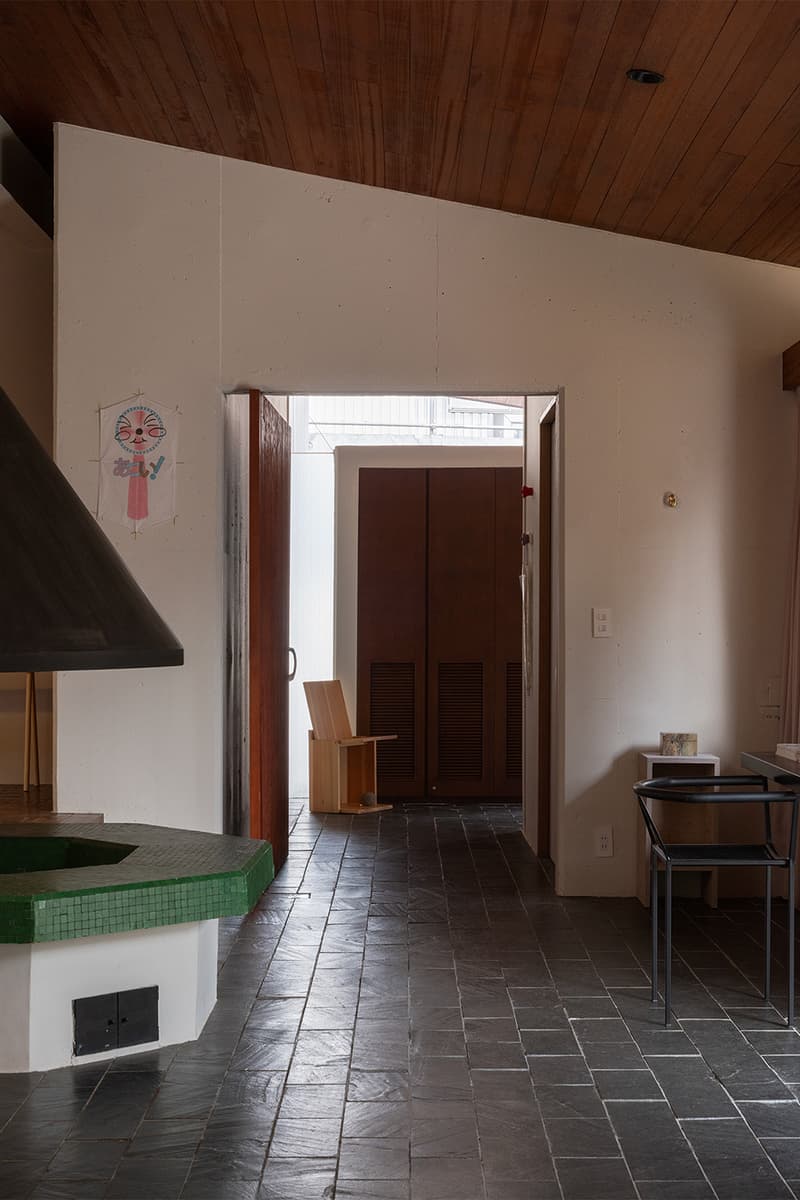
Akasaki & Vanhuyse’s Home–Home exhibition at Bundle Studio in Chiba, Japan, brought together 16 designers and visual artists from around the world. Curated outside of the design week calendar, the show was conceived as a singular, intentional moment rooted in Japanese design values and modernism. The setting itself was integral: a 1974 house designed by Ren Suzuki, who had worked with Le Corbusier, paired with a traditional Edo‑period Shoin‑zukuri residence relocated during the Meiji era. This architectural dialogue provided a natural backdrop for exploring ideas of living and creating.
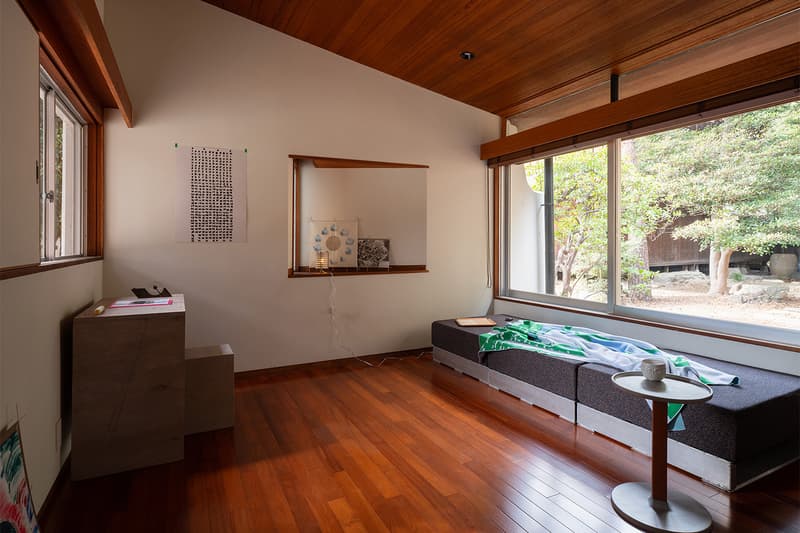
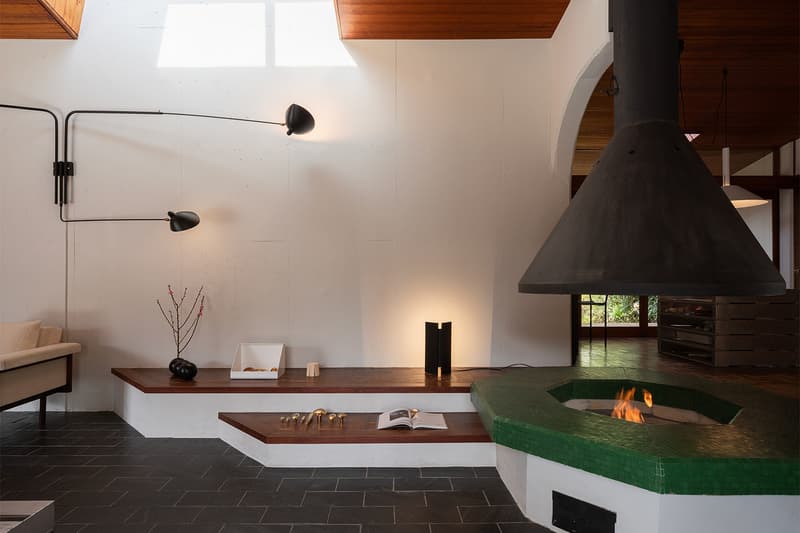
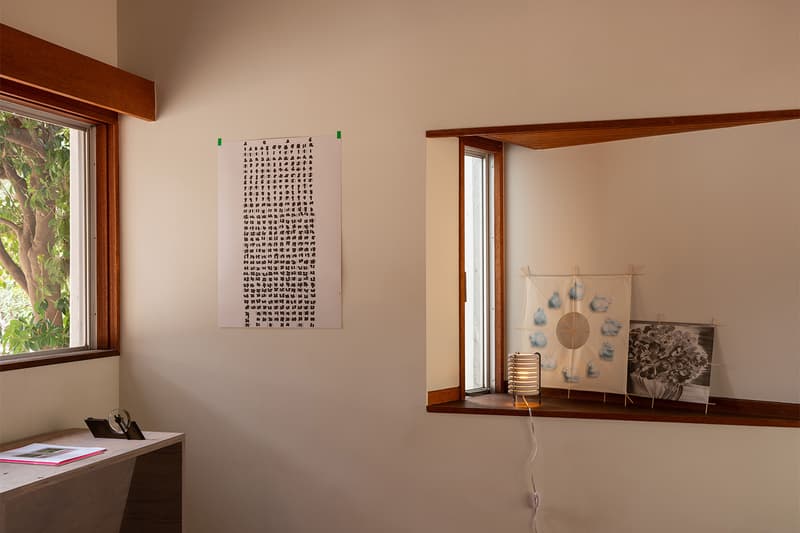
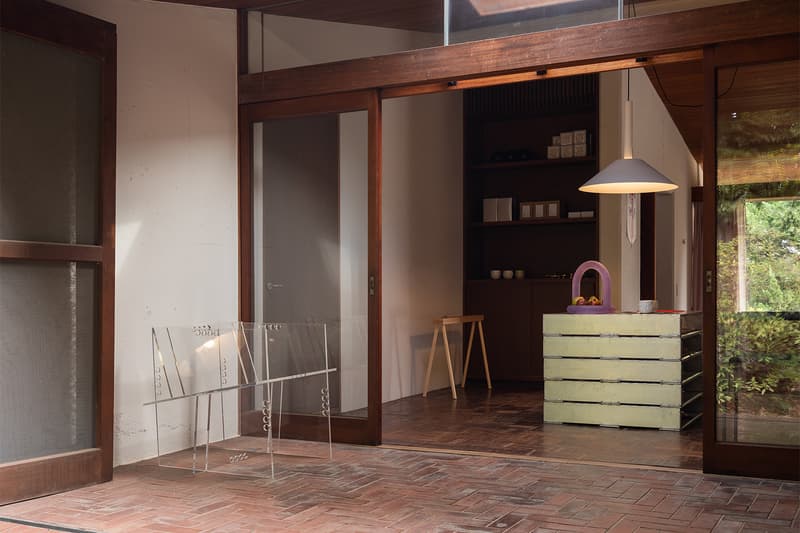
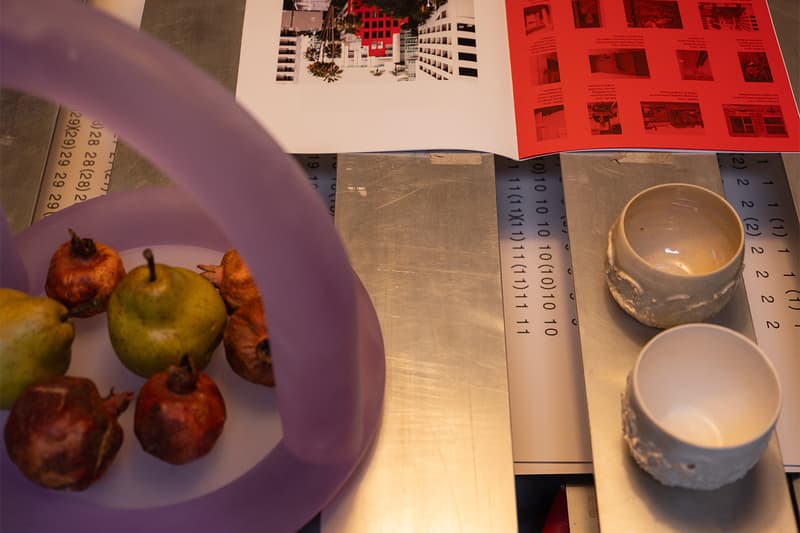
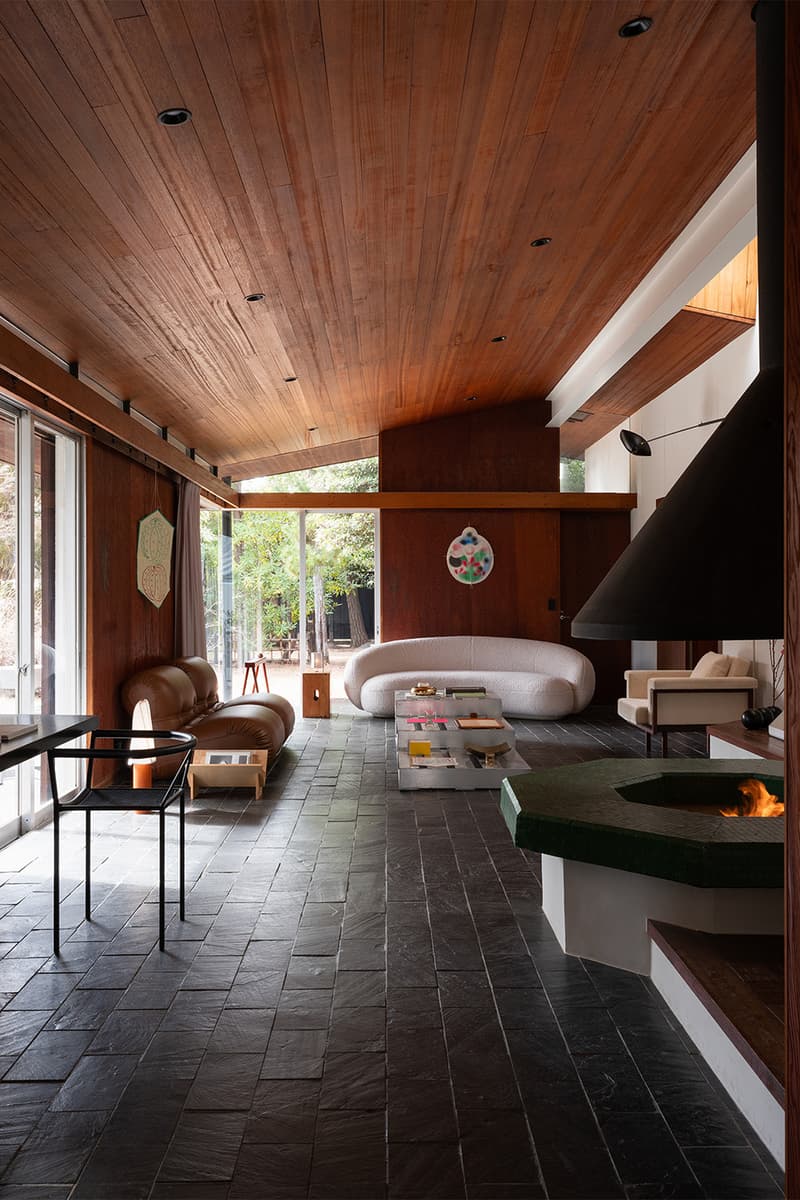
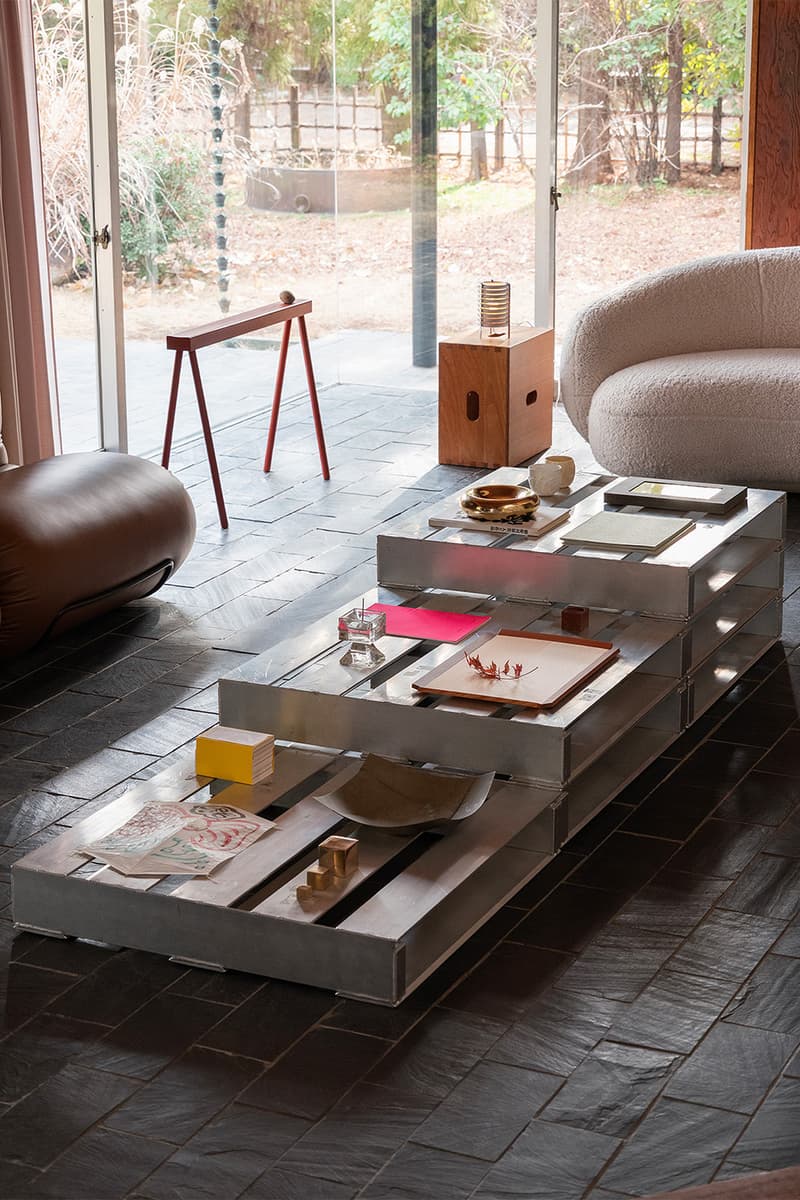
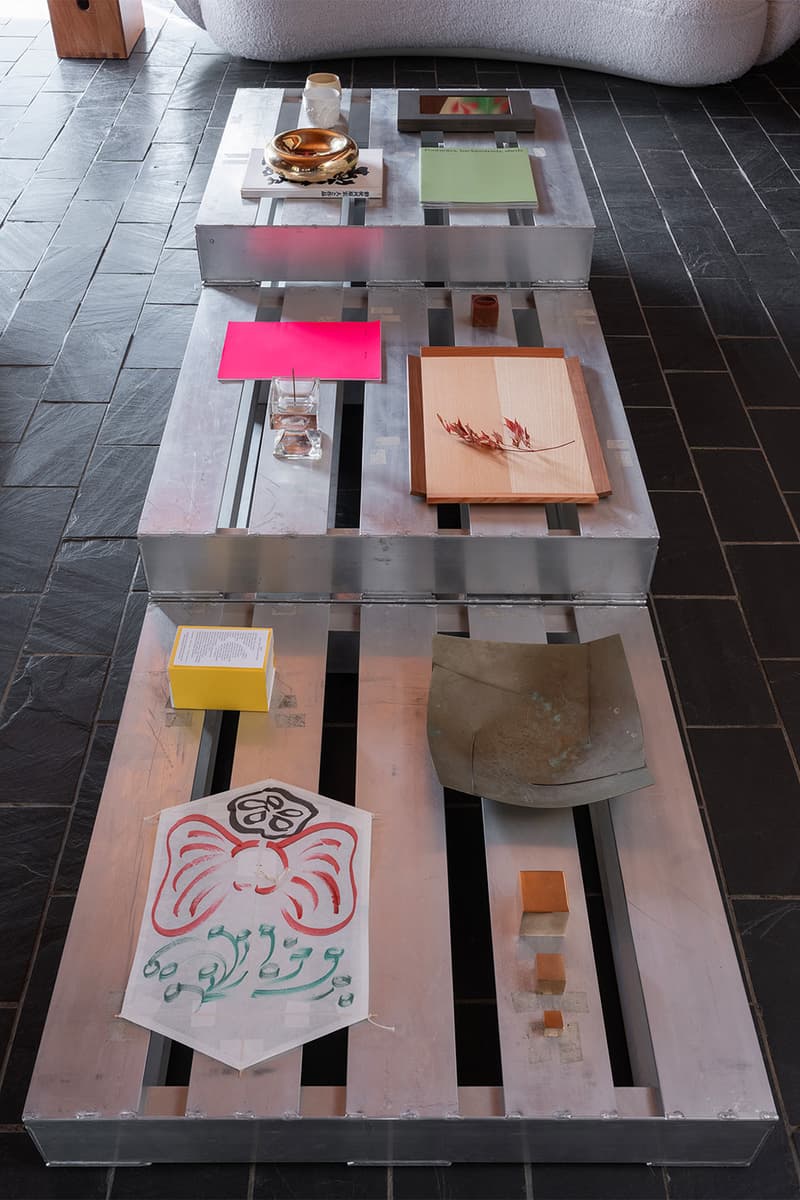
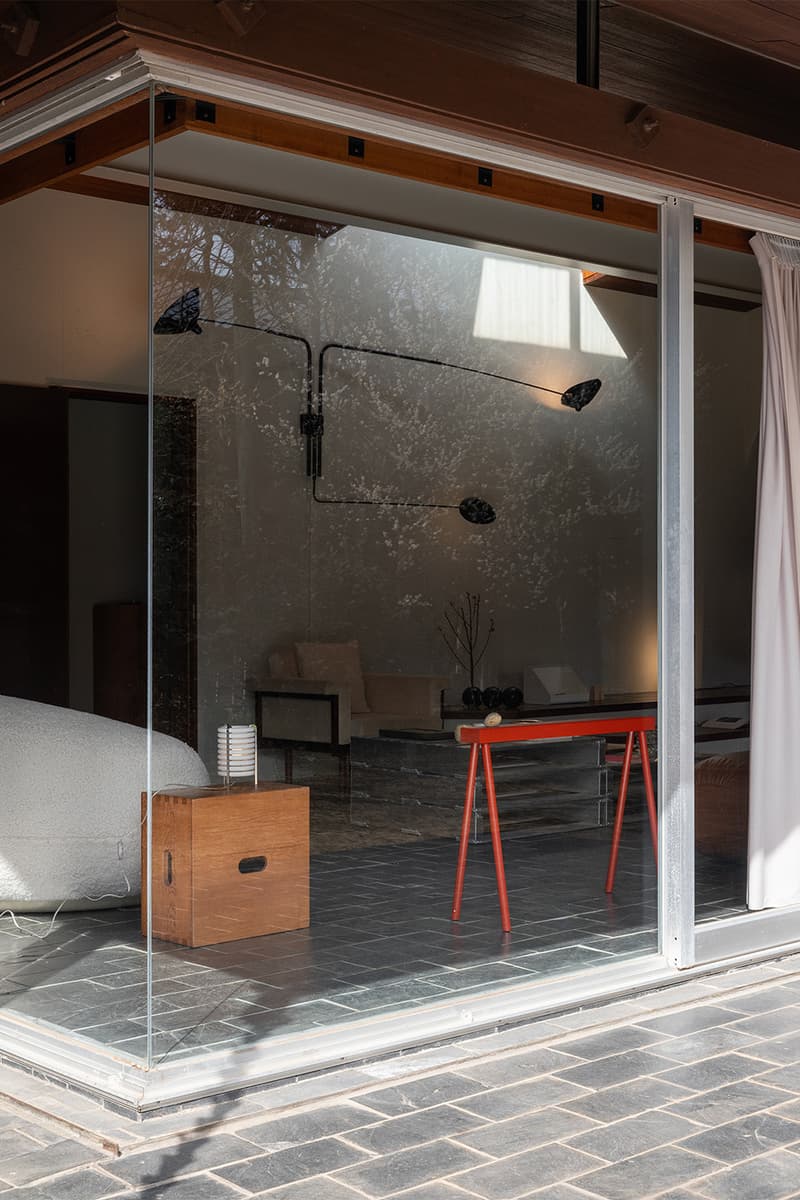
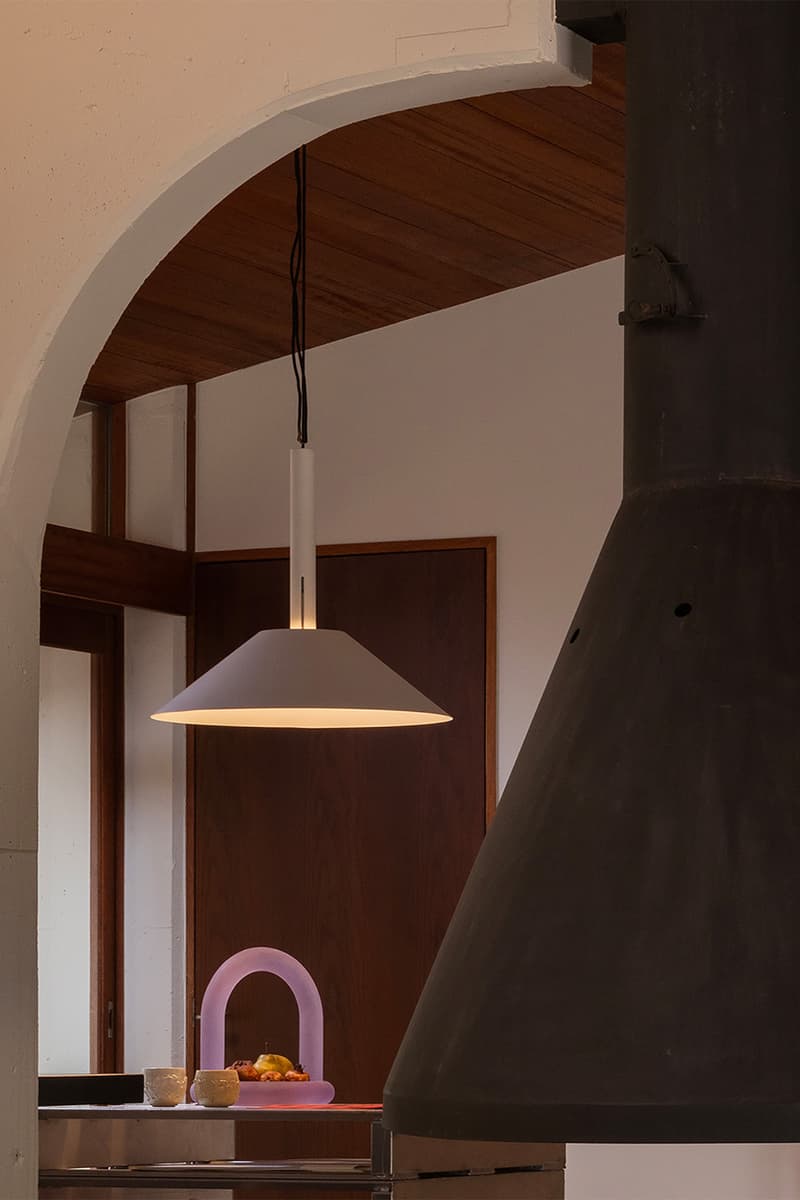
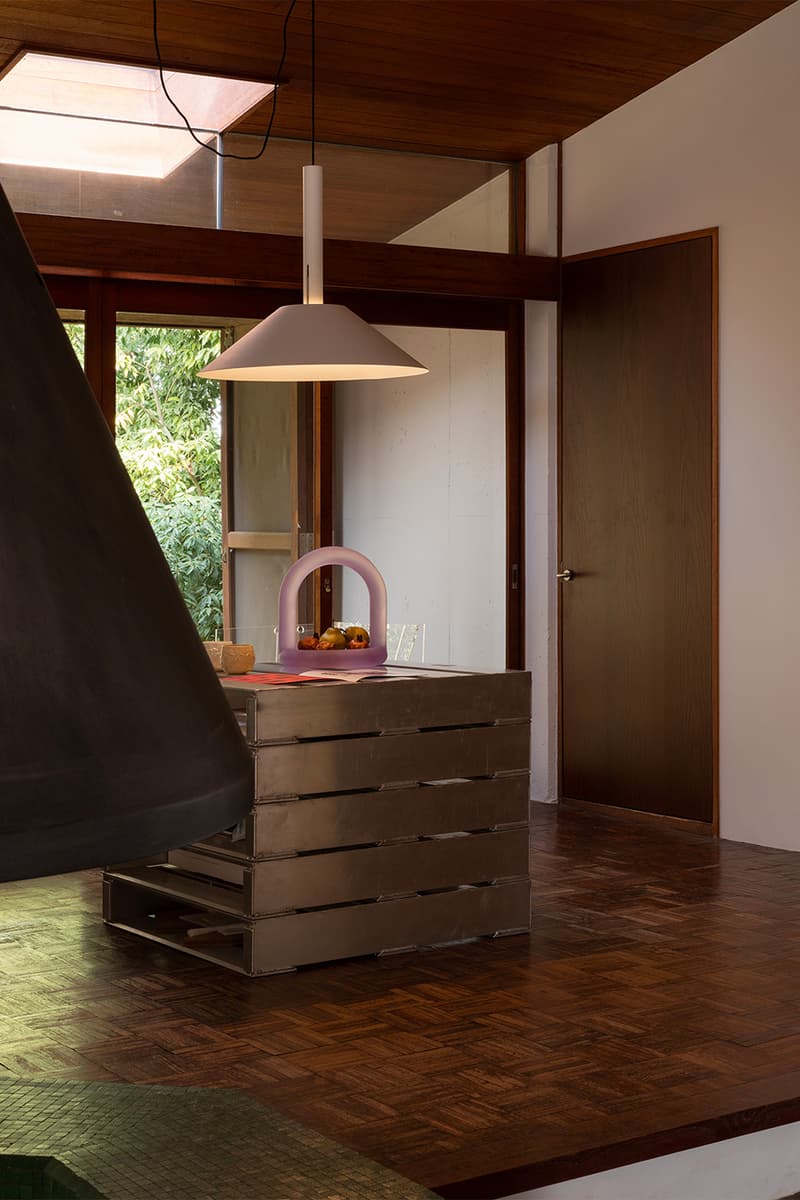
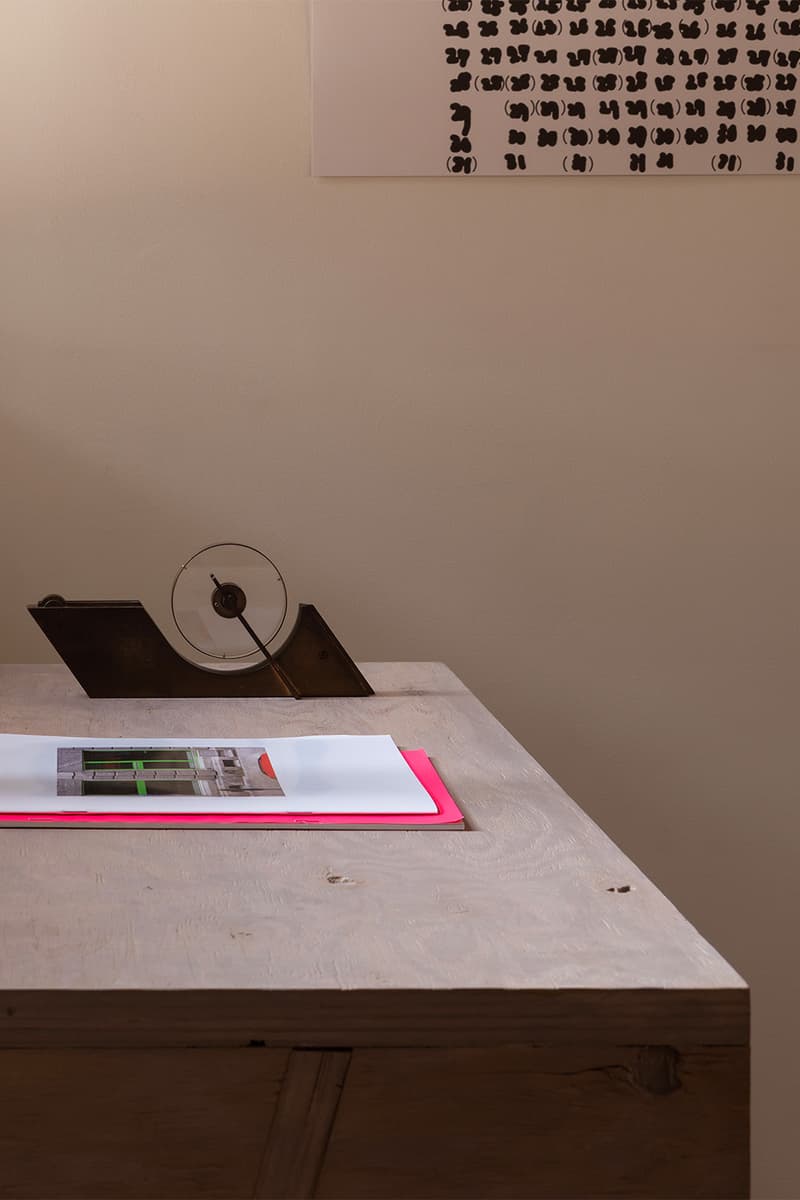
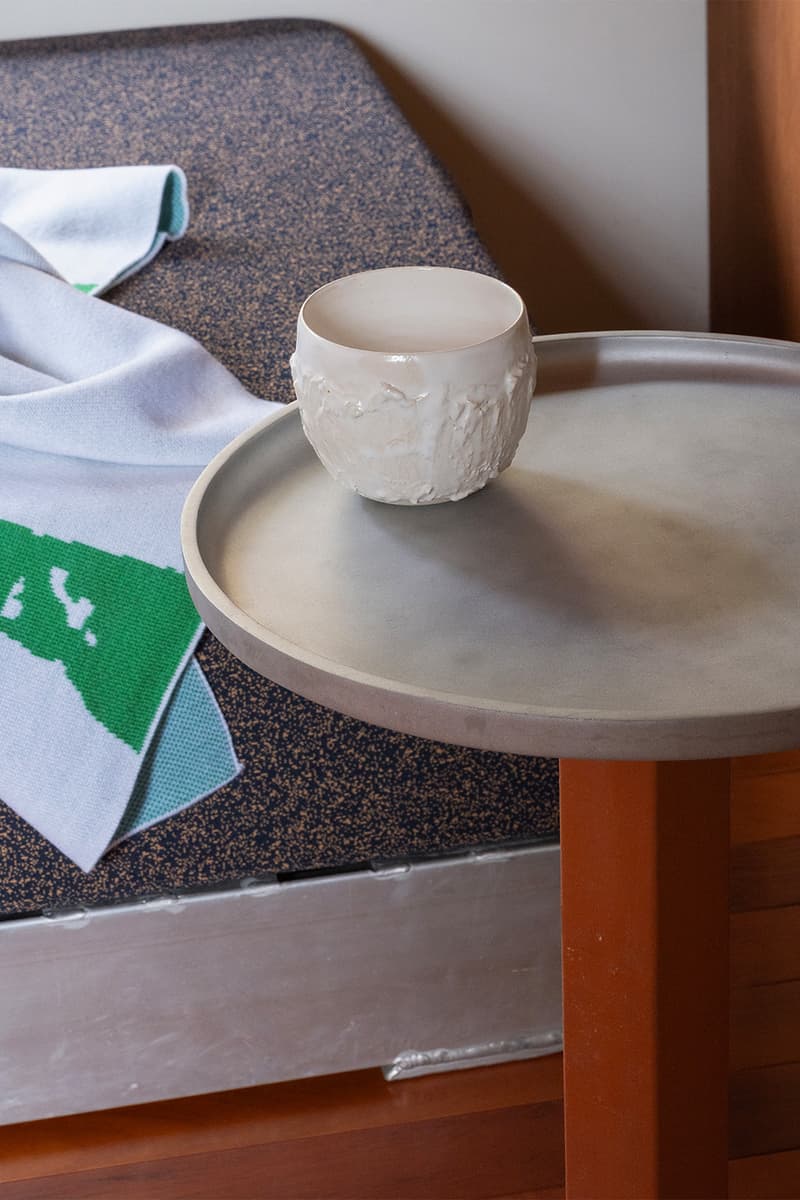
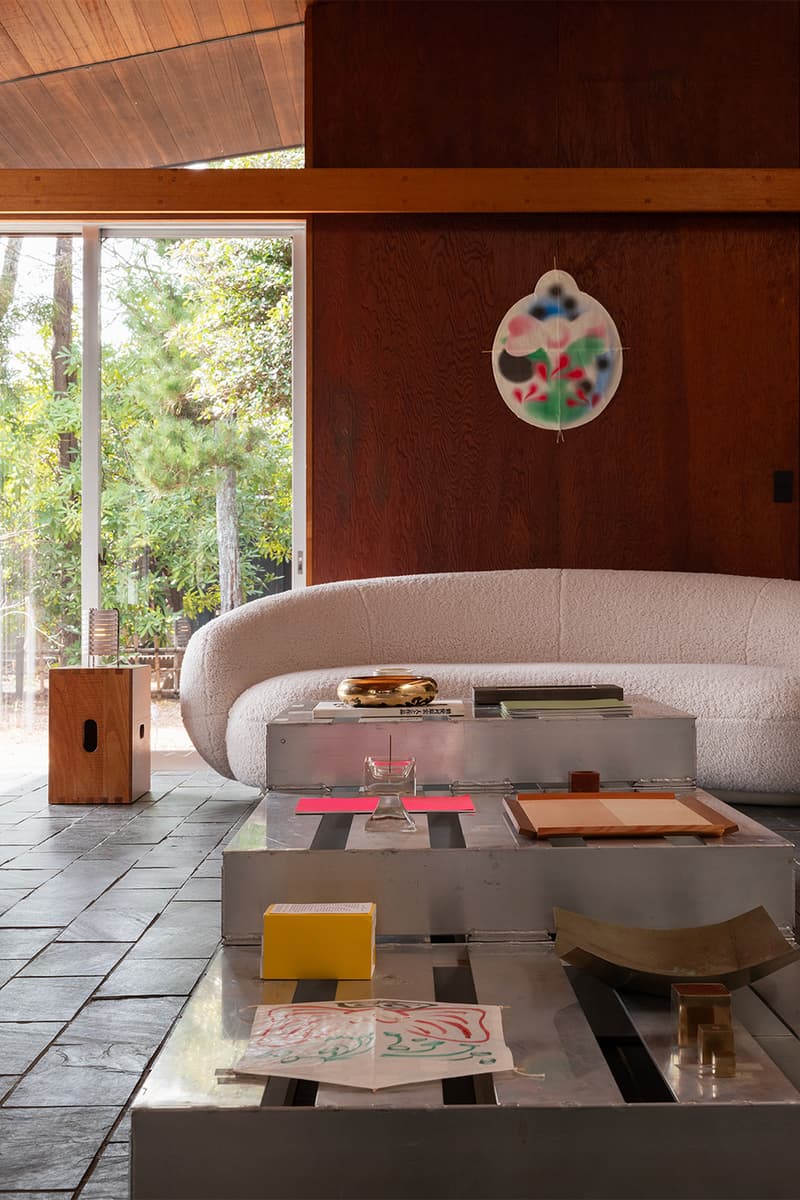
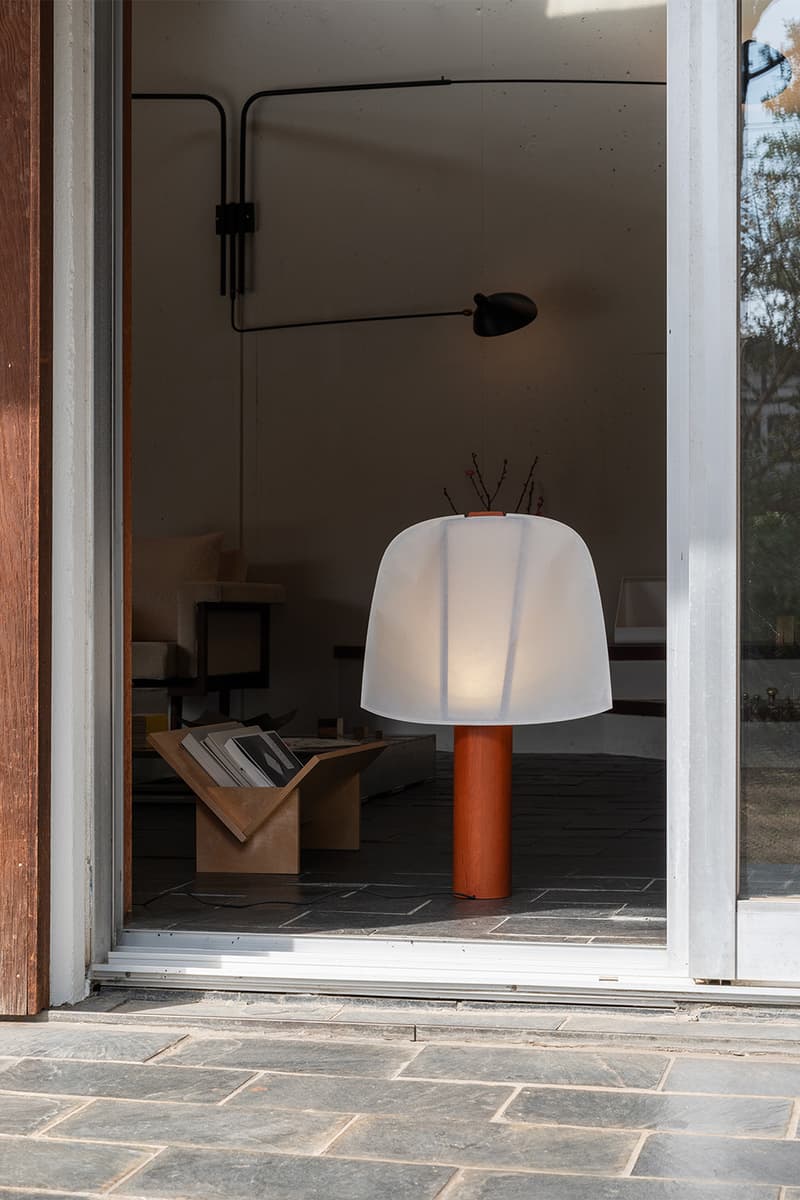
The exhibition unfolded across five rooms – hall, living room, dining room, study and sunroom – where contemporary works including homeware, furniture, lighting, accessories, alongside photography were arranged in harmony with the gallery’s features. A striking design element was the use of aluminum pallets as modular display furniture: six stacked into a stair‑like coffee table, five forming a dining table, and three topped with cushions transformed into a daybed. Their metallic finish and worn surfaces contrasted against the gallery’s dark wood and tiled floors, creating a rhythm between industrial reuse and traditional architecture.
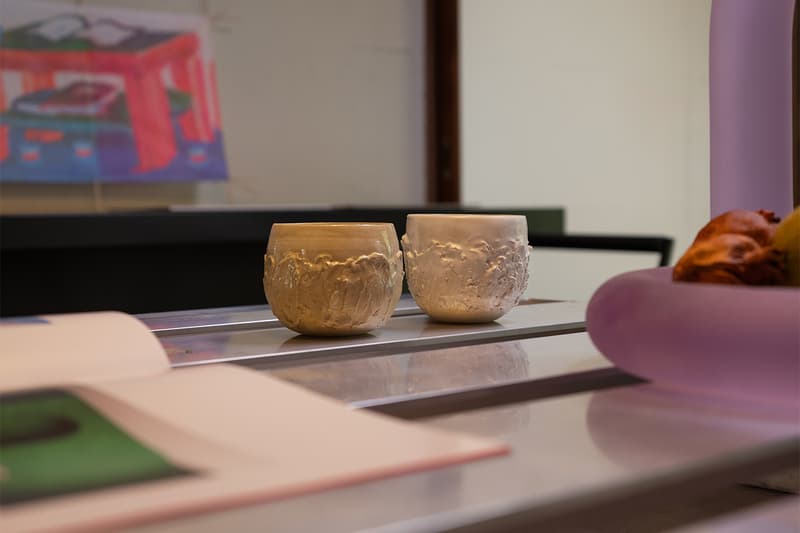
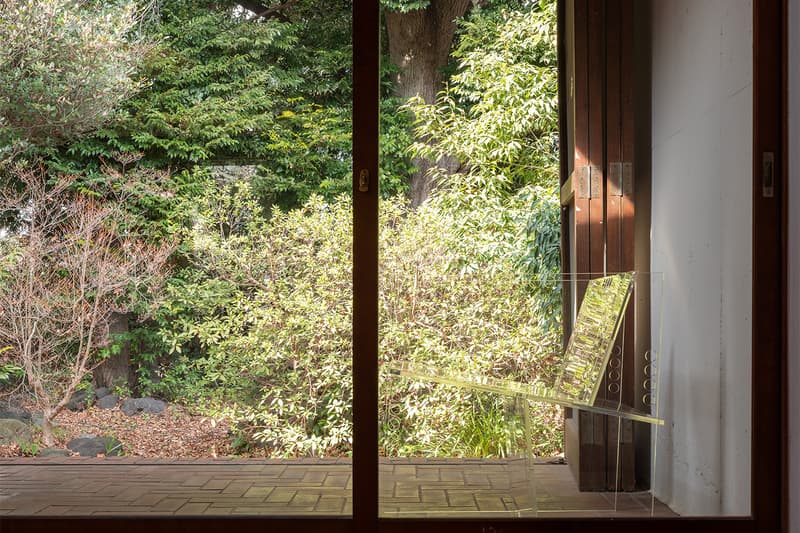
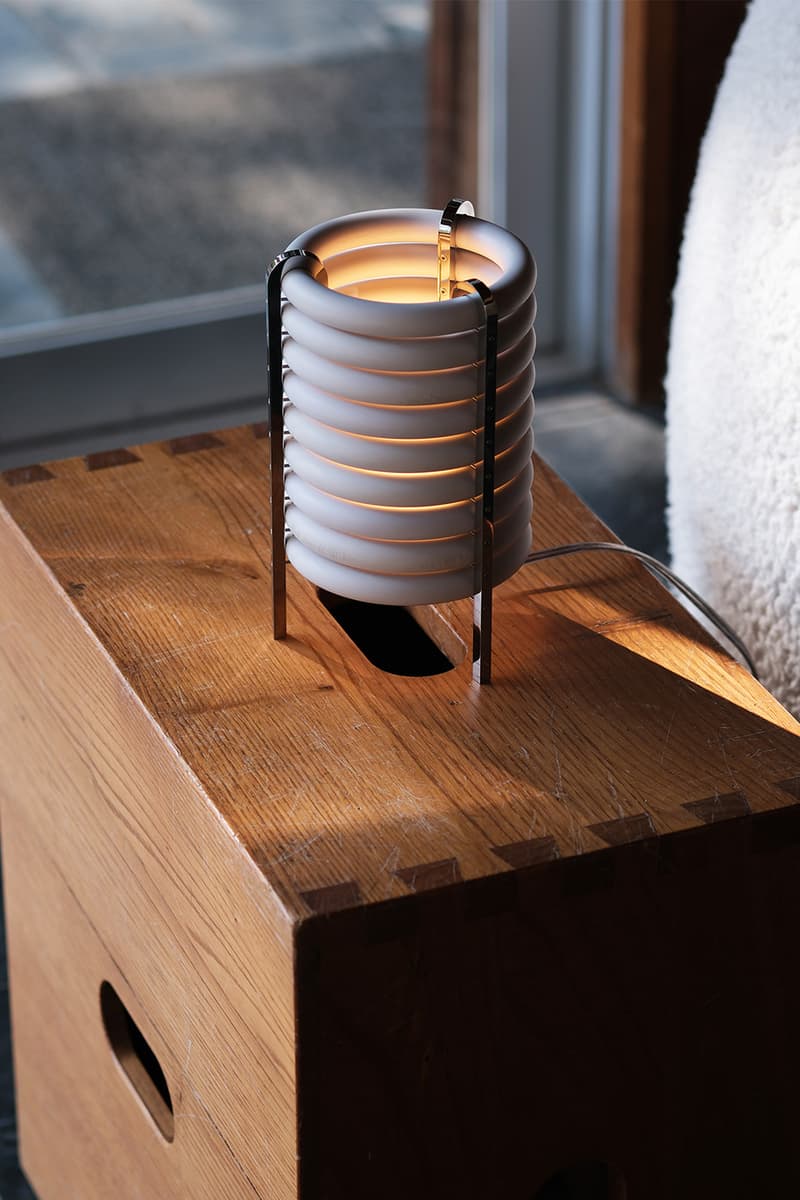
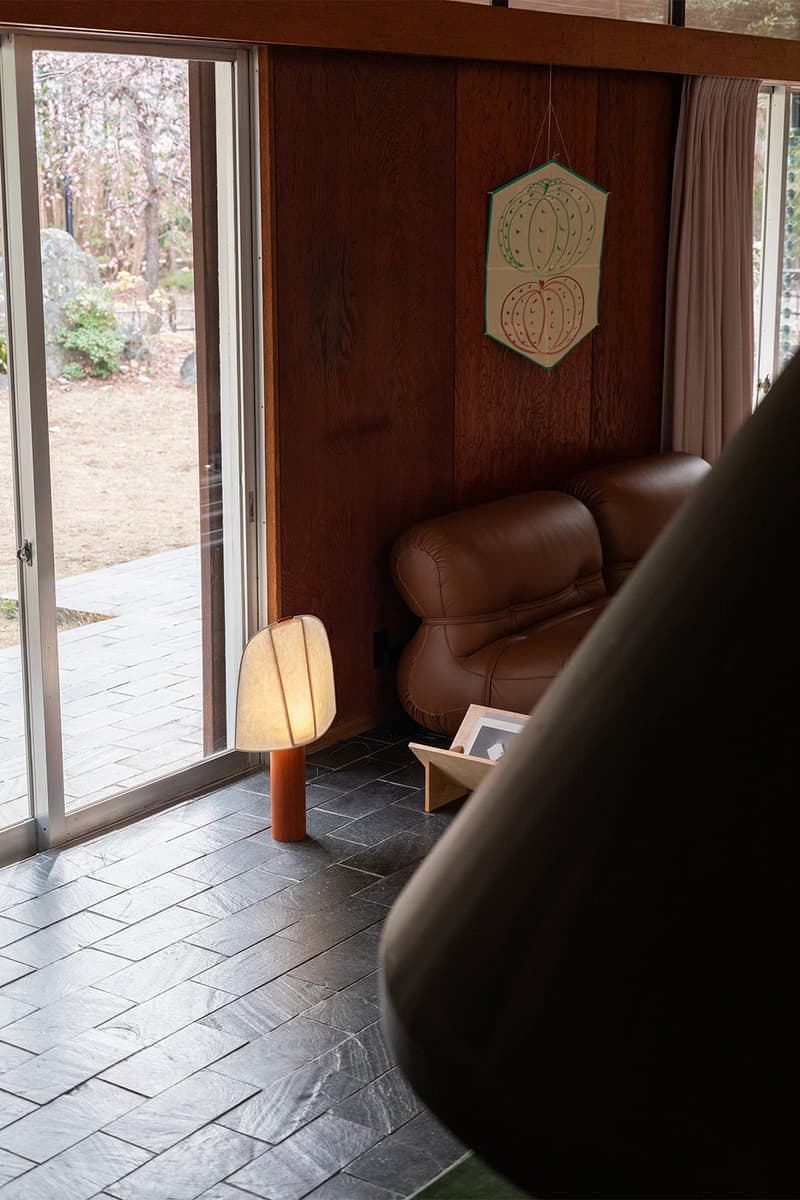
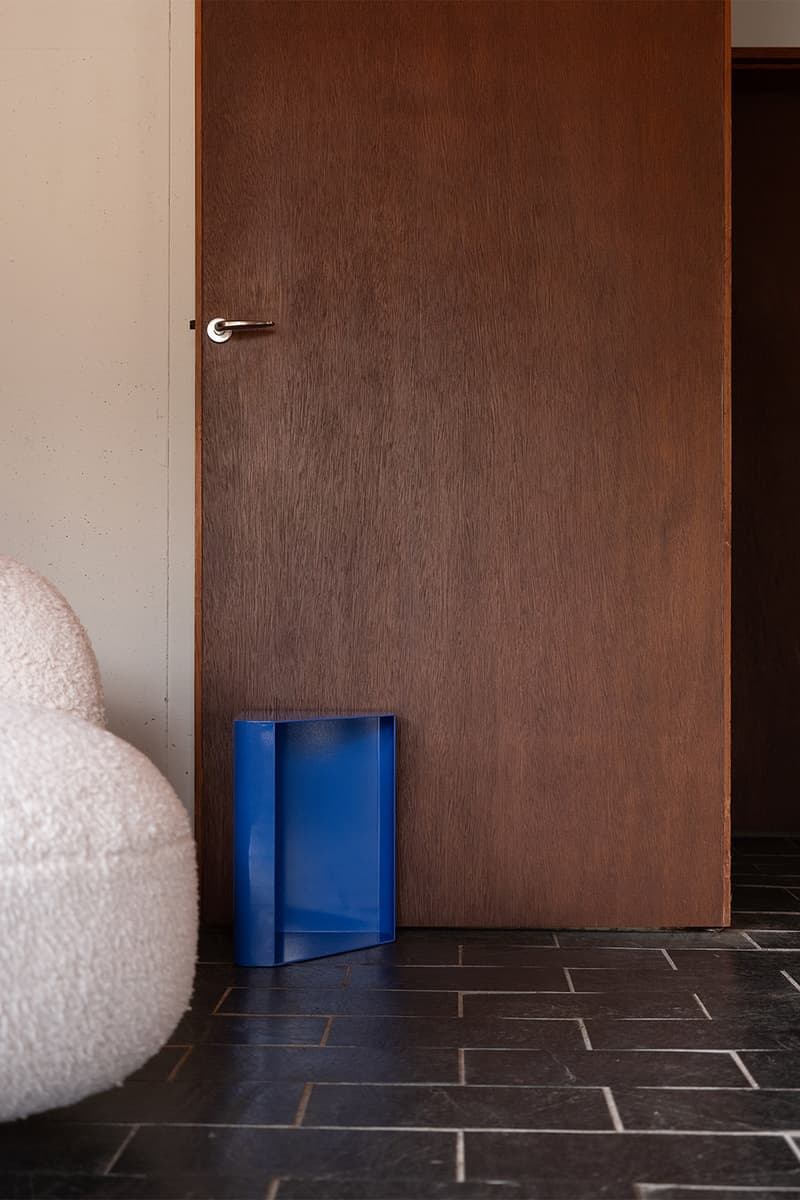
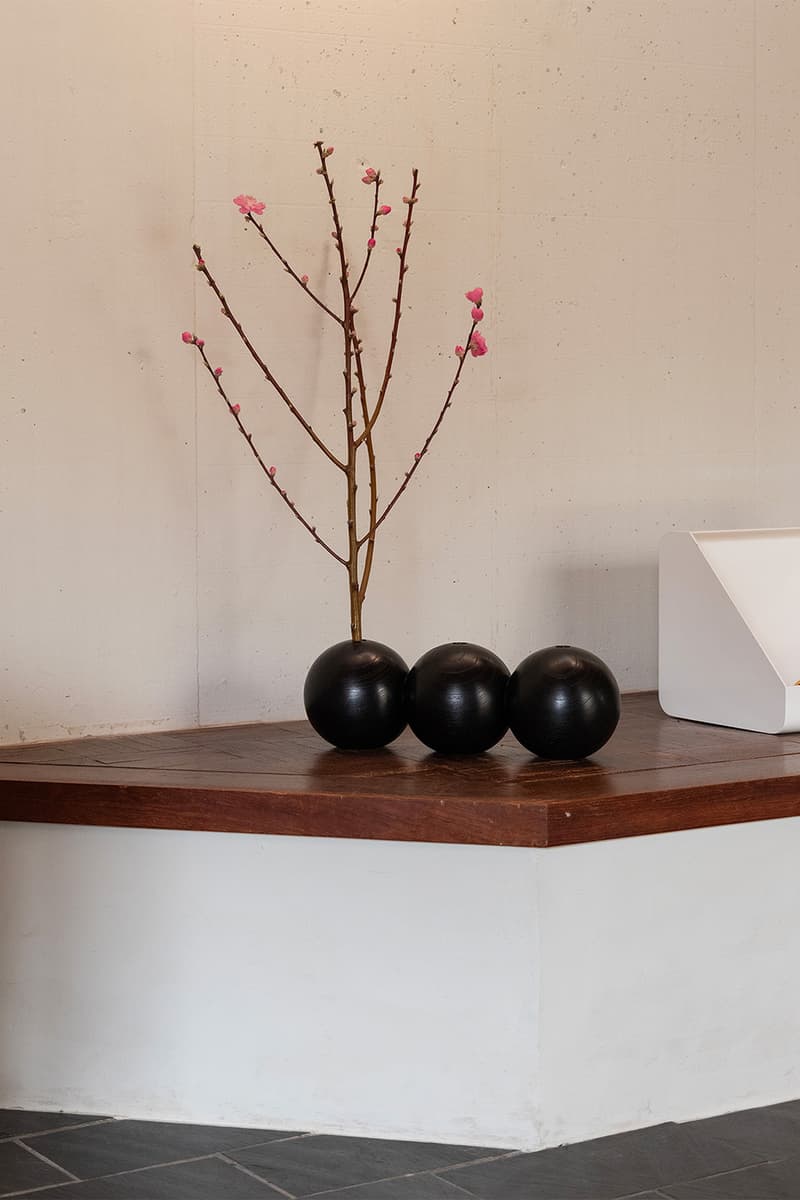
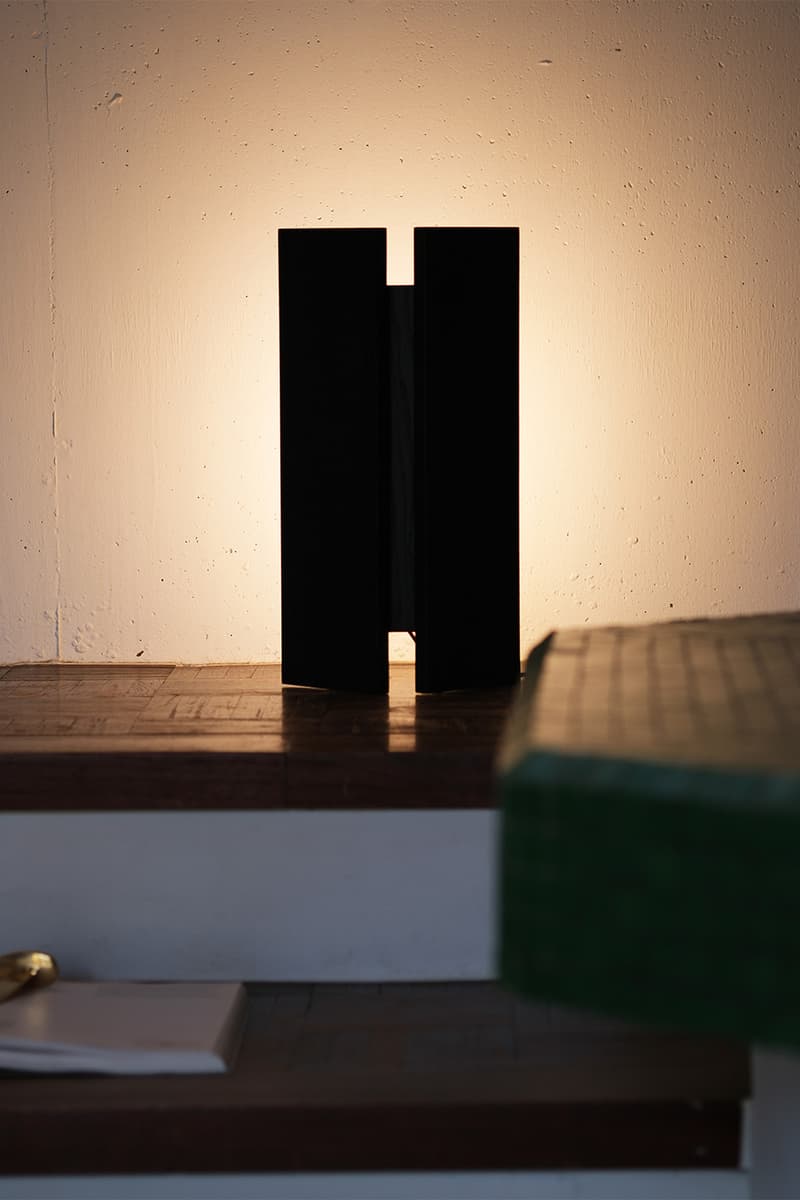
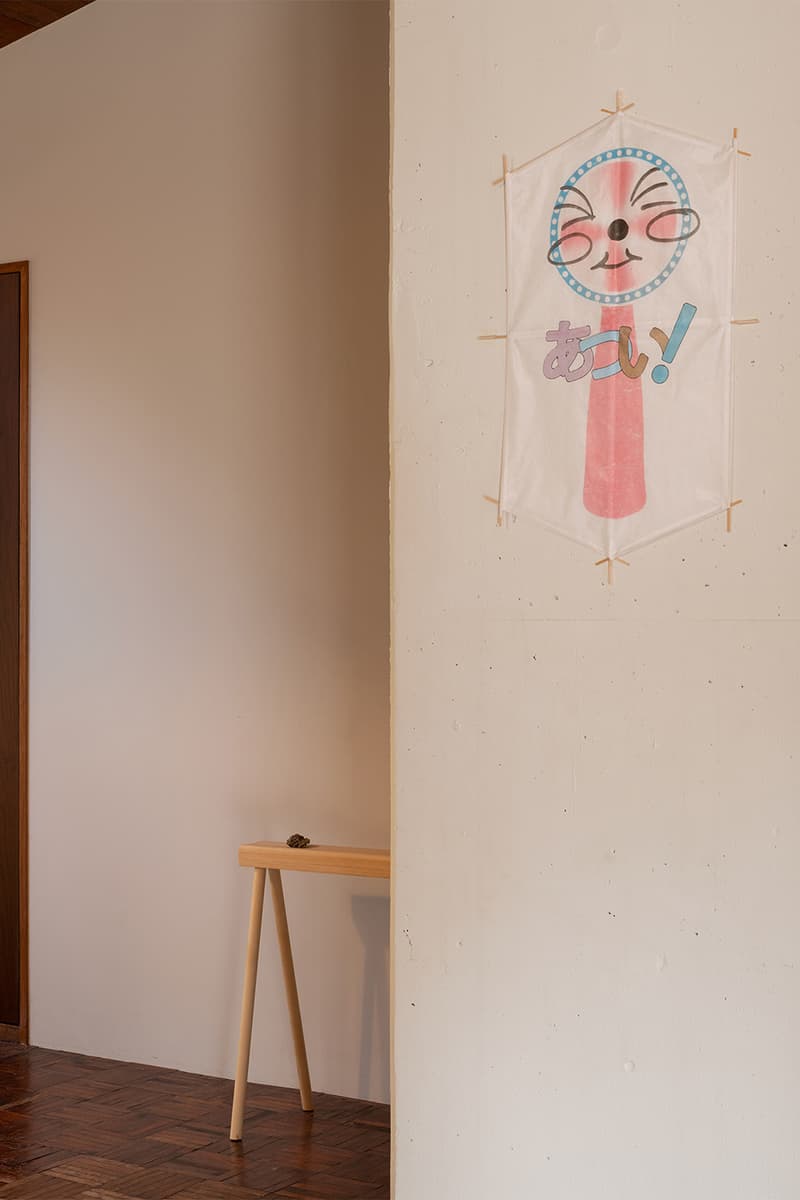
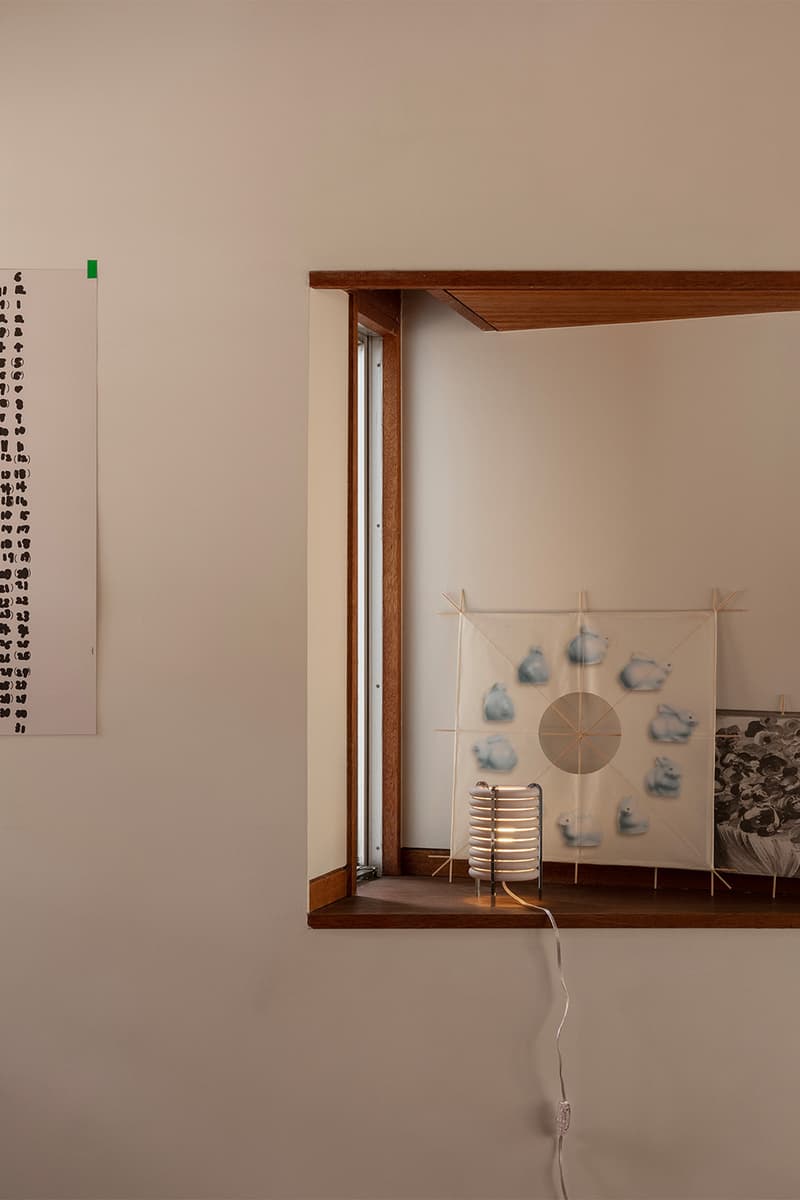
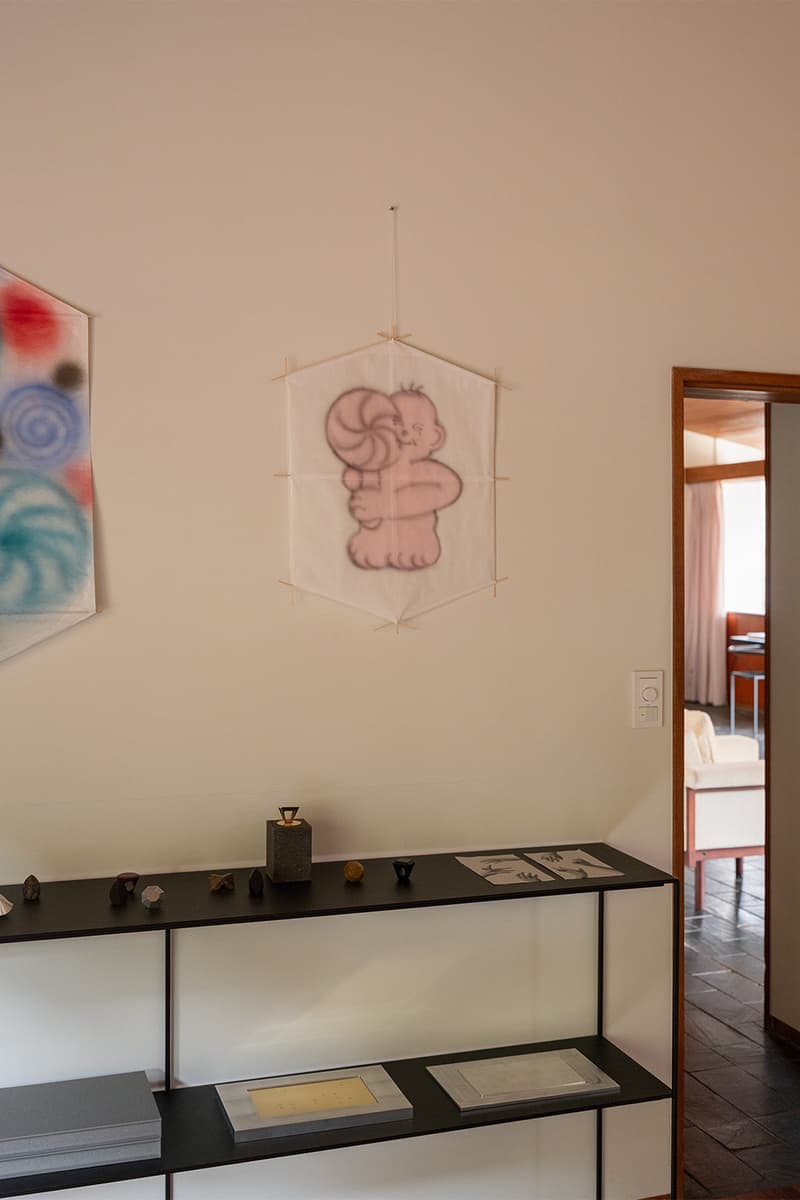
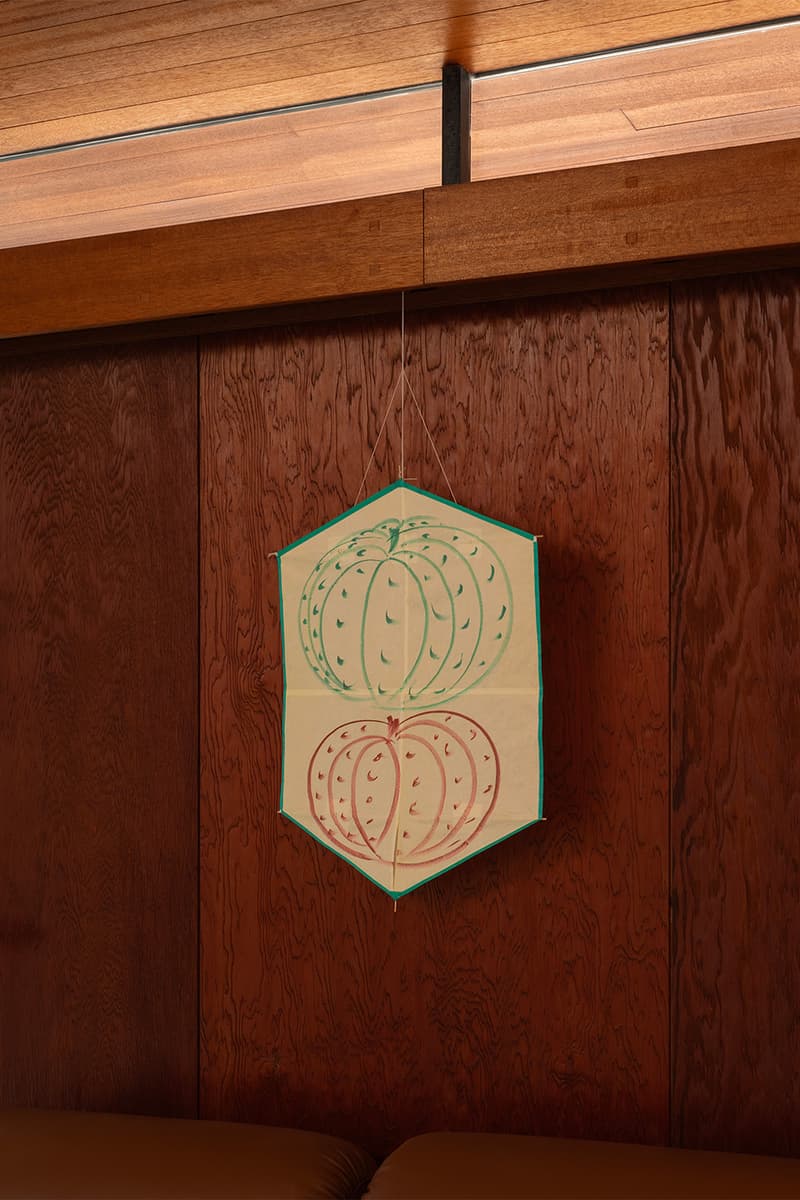
For many participants, Home–Home marked their first presentation in Japan, offering an opportunity to experiment with new designs while recontextualizing existing works. The exhibition emphasized the relationship between objects, space, and the body — door handles, benches, lamps, and sculptural pieces were placed in dialogue with fireplaces, arches, skylights and windows.
By opening the gallery to the public, visitors were invited to experience both the architecture and the curated works as a living environment, reinforcing Akasaki & Vanhuyse’s vision of design as purposeful, long‑lasting and deeply connected to context.
View this post on InstagramA post shared by BUNDLESTUDIO (@bundlestudio_japan)
Read Full Article
1 of 31
2 of 31
3 of 31
4 of 31
5 of 31
6 of 31
7 of 31
8 of 31
9 of 31
10 of 31
11 of 31
12 of 31
13 of 31
14 of 31
15 of 31
16 of 31
17 of 31
18 of 31
19 of 31
20 of 31
21 of 31
22 of 31
23 of 31
24 of 31
25 of 31
26 of 31
27 of 31
28 of 31
29 of 31
30 of 31
31 of 31
Summary
- Akasaki & Vanhuyse’s Home–Home exhibition in Chiba gathered 16 international designers, staged in a 1974 modernist house and an Edo‑period residence
- Works spanned five rooms, with aluminum pallets repurposed into modular furniture, contrasting traditional architecture
Akasaki & Vanhuyse’s Home–Home exhibition at Bundle Studio in Chiba, Japan, brought together 16 designers and visual artists from around the world. Curated outside of the design week calendar, the show was conceived as a singular, intentional moment rooted in Japanese design values and modernism. The setting itself was integral: a 1974 house designed by Ren Suzuki, who had worked with Le Corbusier, paired with a traditional Edo‑period Shoin‑zukuri residence relocated during the Meiji era. This architectural dialogue provided a natural backdrop for exploring ideas of living and creating.
The exhibition unfolded across five rooms – hall, living room, dining room, study and sunroom – where contemporary works including homeware, furniture, lighting, accessories, alongside photography were arranged in harmony with the gallery’s features. A striking design element was the use of aluminum pallets as modular display furniture: six stacked into a stair‑like coffee table, five forming a dining table, and three topped with cushions transformed into a daybed. Their metallic finish and worn surfaces contrasted against the gallery’s dark wood and tiled floors, creating a rhythm between industrial reuse and traditional architecture.
For many participants, Home–Home marked their first presentation in Japan, offering an opportunity to experiment with new designs while recontextualizing existing works. The exhibition emphasized the relationship between objects, space, and the body — door handles, benches, lamps, and sculptural pieces were placed in dialogue with fireplaces, arches, skylights and windows.
By opening the gallery to the public, visitors were invited to experience both the architecture and the curated works as a living environment, reinforcing Akasaki & Vanhuyse’s vision of design as purposeful, long‑lasting and deeply connected to context.
View this post on InstagramA post shared by BUNDLESTUDIO (@bundlestudio_japan)
Read Full Article
1 of 31
2 of 31
3 of 31
4 of 31
5 of 31
6 of 31
7 of 31
8 of 31
9 of 31
10 of 31
11 of 31
12 of 31
13 of 31
14 of 31
15 of 31
16 of 31
17 of 31
18 of 31
19 of 31
20 of 31
21 of 31
22 of 31
23 of 31
24 of 31
25 of 31
26 of 31
27 of 31
28 of 31
29 of 31
30 of 31
31 of 31
Summary
- Akasaki & Vanhuyse’s Home–Home exhibition in Chiba gathered 16 international designers, staged in a 1974 modernist house and an Edo‑period residence
- Works spanned five rooms, with aluminum pallets repurposed into modular furniture, contrasting traditional architecture
Akasaki & Vanhuyse’s Home–Home exhibition at Bundle Studio in Chiba, Japan, brought together 16 designers and visual artists from around the world. Curated outside of the design week calendar, the show was conceived as a singular, intentional moment rooted in Japanese design values and modernism. The setting itself was integral: a 1974 house designed by Ren Suzuki, who had worked with Le Corbusier, paired with a traditional Edo‑period Shoin‑zukuri residence relocated during the Meiji era. This architectural dialogue provided a natural backdrop for exploring ideas of living and creating.
The exhibition unfolded across five rooms – hall, living room, dining room, study and sunroom – where contemporary works including homeware, furniture, lighting, accessories, alongside photography were arranged in harmony with the gallery’s features. A striking design element was the use of aluminum pallets as modular display furniture: six stacked into a stair‑like coffee table, five forming a dining table, and three topped with cushions transformed into a daybed. Their metallic finish and worn surfaces contrasted against the gallery’s dark wood and tiled floors, creating a rhythm between industrial reuse and traditional architecture.
For many participants, Home–Home marked their first presentation in Japan, offering an opportunity to experiment with new designs while recontextualizing existing works. The exhibition emphasized the relationship between objects, space, and the body — door handles, benches, lamps, and sculptural pieces were placed in dialogue with fireplaces, arches, skylights and windows.
By opening the gallery to the public, visitors were invited to experience both the architecture and the curated works as a living environment, reinforcing Akasaki & Vanhuyse’s vision of design as purposeful, long‑lasting and deeply connected to context.
View this post on InstagramA post shared by BUNDLESTUDIO (@bundlestudio_japan)
Read Full Article
Summary
- Akasaki & Vanhuyse’s Home–Home exhibition in Chiba gathered 16 international designers, staged in a 1974 modernist house and an Edo‑period residence
- Works spanned five rooms, with aluminum pallets repurposed into modular furniture, contrasting traditional architecture
Akasaki & Vanhuyse’s Home–Home exhibition at Bundle Studio in Chiba, Japan, brought together 16 designers and visual artists from around the world. Curated outside of the design week calendar, the show was conceived as a singular, intentional moment rooted in Japanese design values and modernism. The setting itself was integral: a 1974 house designed by Ren Suzuki, who had worked with Le Corbusier, paired with a traditional Edo‑period Shoin‑zukuri residence relocated during the Meiji era. This architectural dialogue provided a natural backdrop for exploring ideas of living and creating.
The exhibition unfolded across five rooms – hall, living room, dining room, study and sunroom – where contemporary works including homeware, furniture, lighting, accessories, alongside photography were arranged in harmony with the gallery’s features. A striking design element was the use of aluminum pallets as modular display furniture: six stacked into a stair‑like coffee table, five forming a dining table, and three topped with cushions transformed into a daybed. Their metallic finish and worn surfaces contrasted against the gallery’s dark wood and tiled floors, creating a rhythm between industrial reuse and traditional architecture.
For many participants, Home–Home marked their first presentation in Japan, offering an opportunity to experiment with new designs while recontextualizing existing works. The exhibition emphasized the relationship between objects, space, and the body — door handles, benches, lamps, and sculptural pieces were placed in dialogue with fireplaces, arches, skylights and windows.
By opening the gallery to the public, visitors were invited to experience both the architecture and the curated works as a living environment, reinforcing Akasaki & Vanhuyse’s vision of design as purposeful, long‑lasting and deeply connected to context.
View this post on InstagramA post shared by BUNDLESTUDIO (@bundlestudio_japan)
Read Full Article
Editor Assistant
Mai Vo
Share this article
[analyse_source url=”https://hypebeast.com/2026/3/inside-akasaki-vanhuyses-home-home-exhibition-in-japan”]
1.3K
0 Comments
Save